01
The wrapped baby
Look at the child in the white bonnet and wrap, set at the center. Its pale mass is the brightest spot and the quiet heart of the print.
1 of 5 on the painting
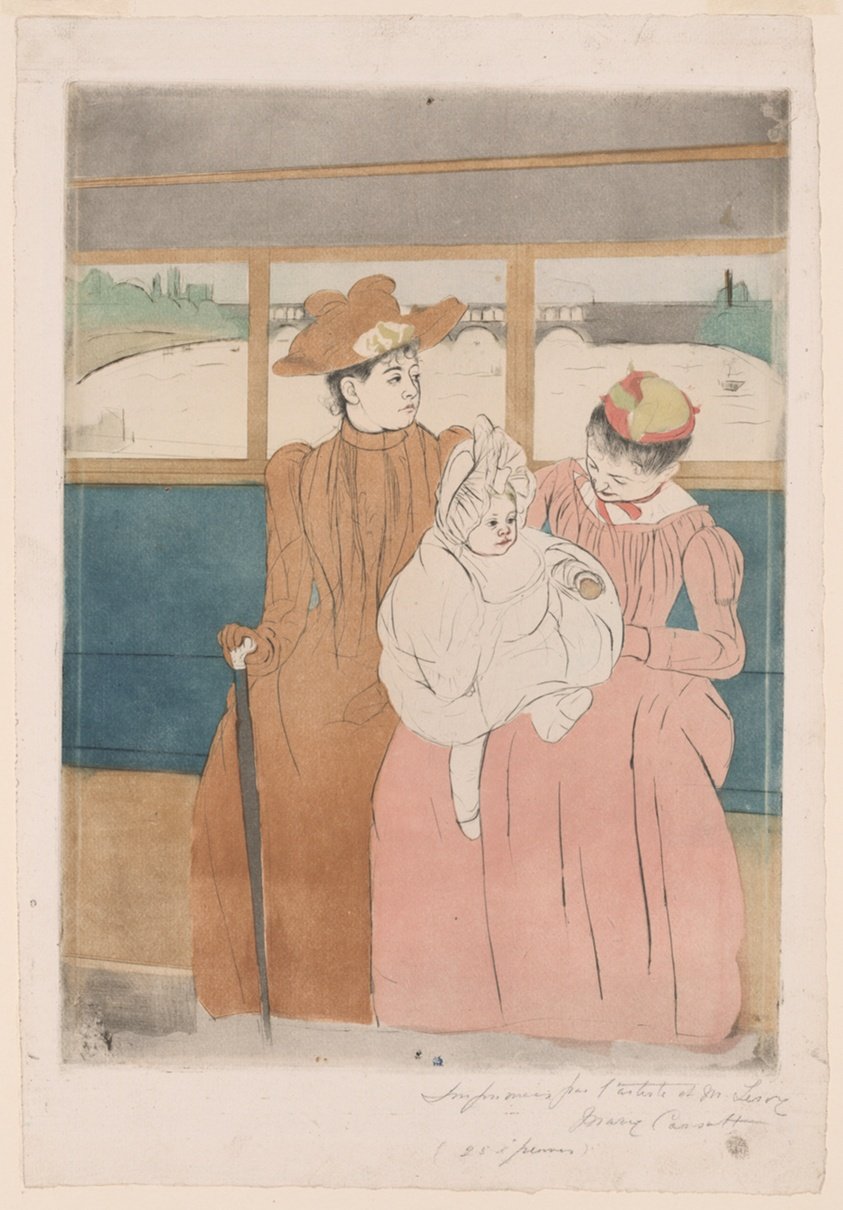
“This print by Mary Cassatt offers a glimpse into Parisian public life, capturing a tender, everyday scene with a composition influenced by Japanese art. It's a quiet study of observation and social dynamics within a moving carriage.”
In this color drypoint and aquatint from 1890, Mary Cassatt captures a quiet moment of everyday life in Paris. We see a middle-class woman, her nursemaid, and a child riding in an omnibus, a public carriage that allowed different social strata to mingle. The composition, with its flat planes of color and intimate domestic subject, shows the influence of Japanese woodblock prints, a style admired by Cassatt and her contemporaries. Notice how the woman in the foreground looks out beyond the frame, lost in thought, while the nursemaid's attention remains fixed on the young child. This print belongs to a series that was praised by Camille Pissarro for its beauty and its successful translation of Ukiyo-e aesthetics.
Five details hide in plain sight. Pick one and we’ll show you exactly where to look.
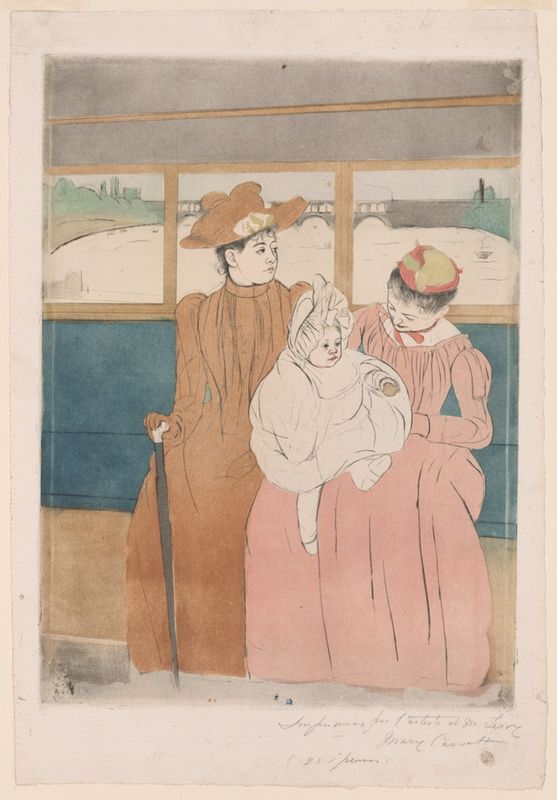
Look at the child in the white bonnet and wrap, set at the center. Its pale mass is the brightest spot and the quiet heart of the print.
The woman in the brown hat turns her head to the right, looking out past the baby and the group. Her gaze drifts elsewhere while the woman beside her looks down at the child.
The woman in the pink dress and red-and-green cap bends her head toward the baby. Her attention on the child contrasts with her neighbor's gaze, which goes elsewhere.
Through the windows, a pale river with a bridge and distant trees can be seen. It gives a quick glimpse of the world outside the omnibus and sets the scene in a city.
The brown-clad woman grips a slim cane with a pale handle. Its dark vertical line cuts down through her skirt and anchors the left side.
The full narration walks you through In the Omnibus — the story behind it, the details most visitors miss, and why it matters. Free in the Art Whisper app.
Mary Cassatt, an American painter and printmaker, captured the intimate world of women and children with remarkable tenderness, often exhibiting with the Impressionists in France.
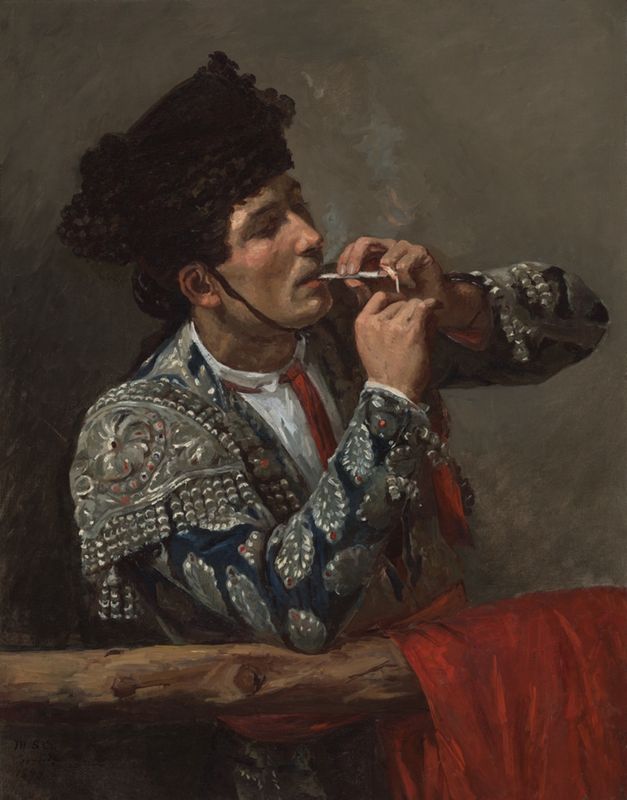 After the Bullfight
1873 · Art Institute of Chicago
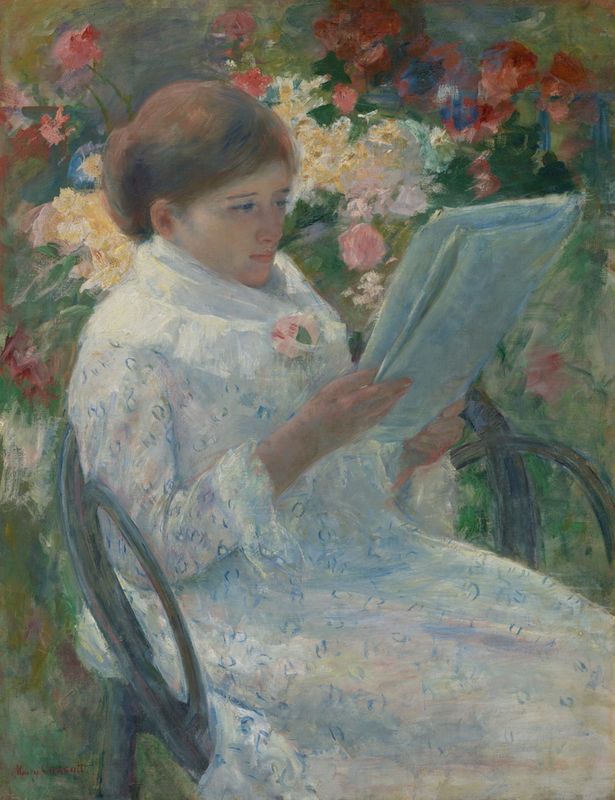 On a Balcony
1879 · Art Institute of Chicago
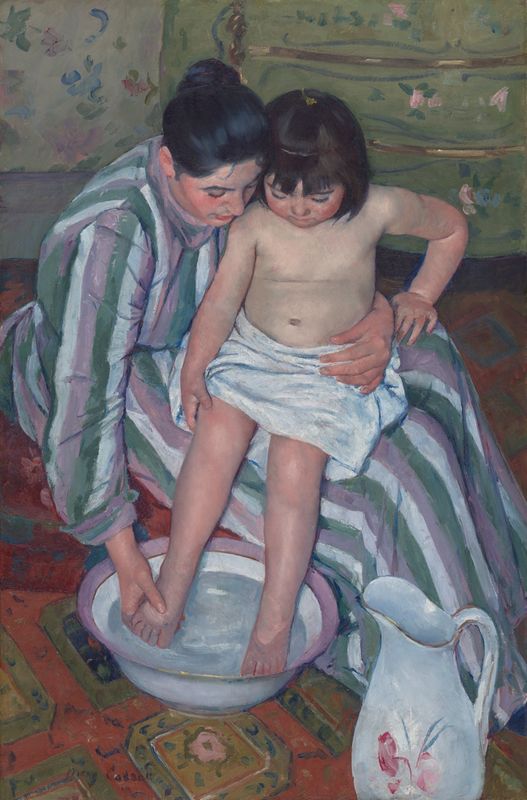 The Child's Bath
1893 · Art Institute of Chicago
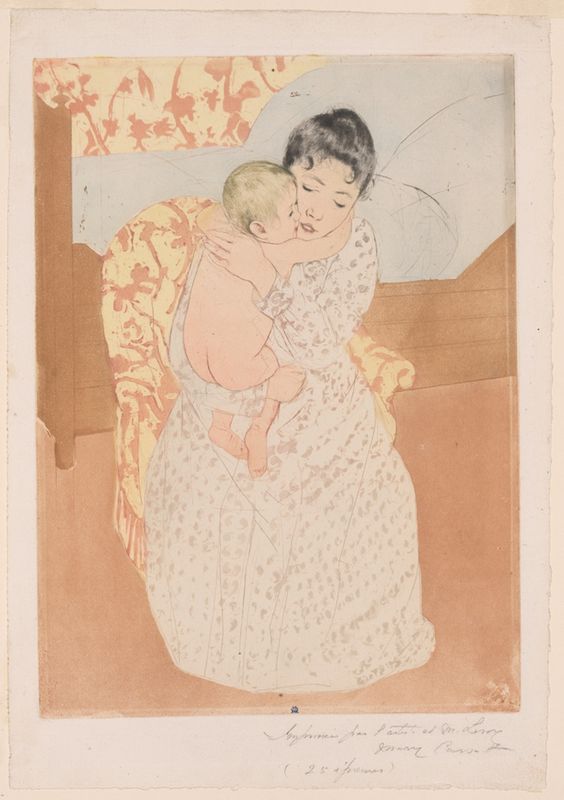 Maternal Caress
1896 · Philadelphia Museum of Art
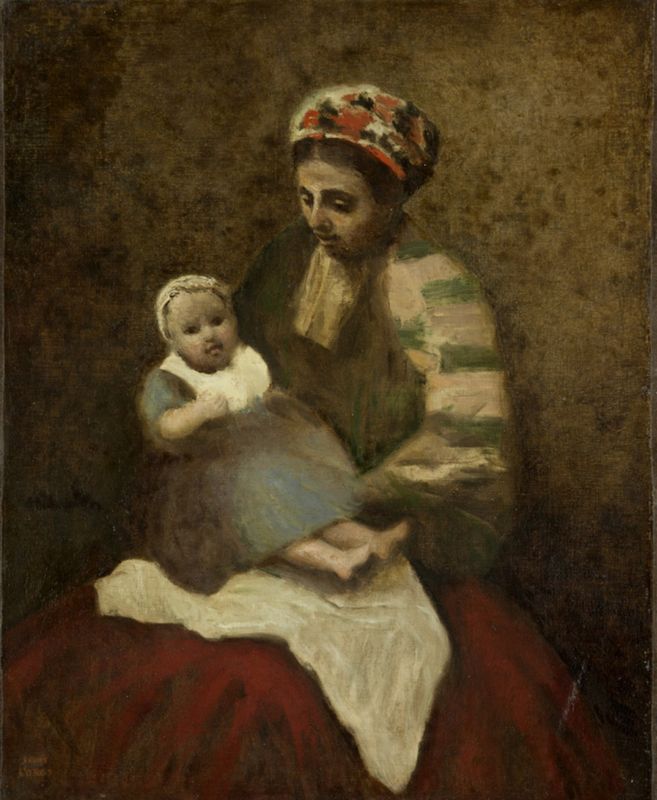 Nurse and Child
1896 · The Metropolitan Museum of Art
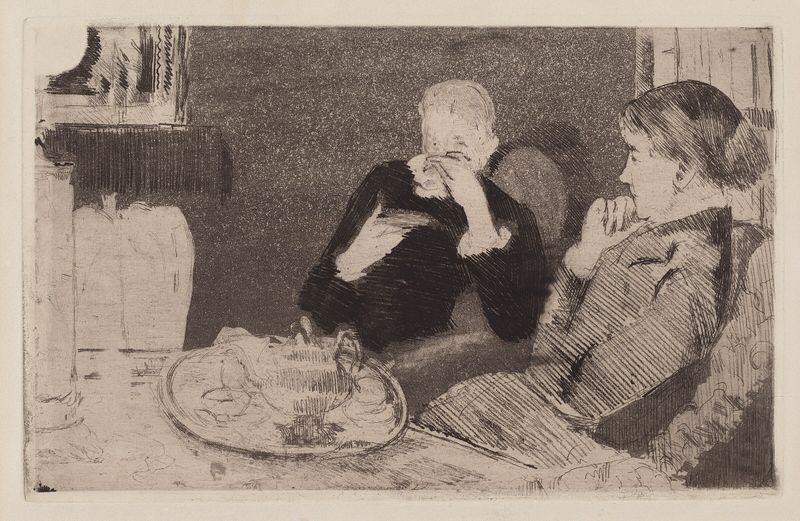 Lydia and Her Mother at Tea
1875 · Cleveland Museum of Art
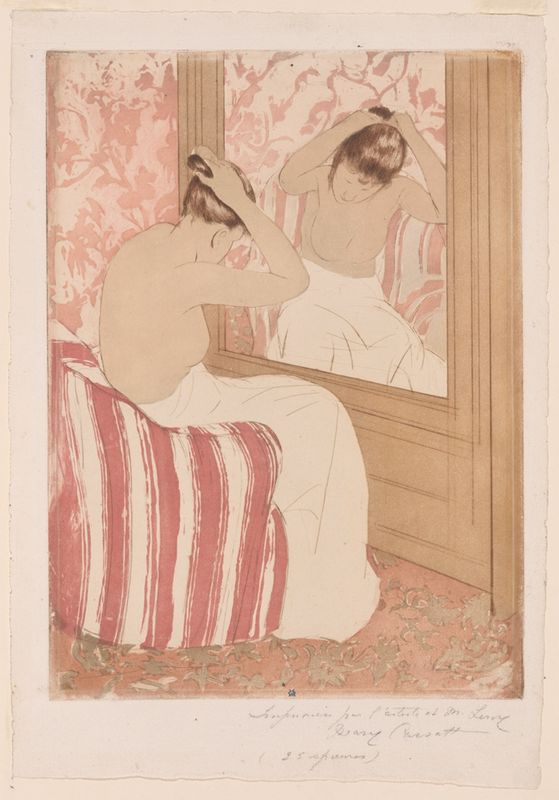 The Coiffure
1890 · Cleveland Museum of Art
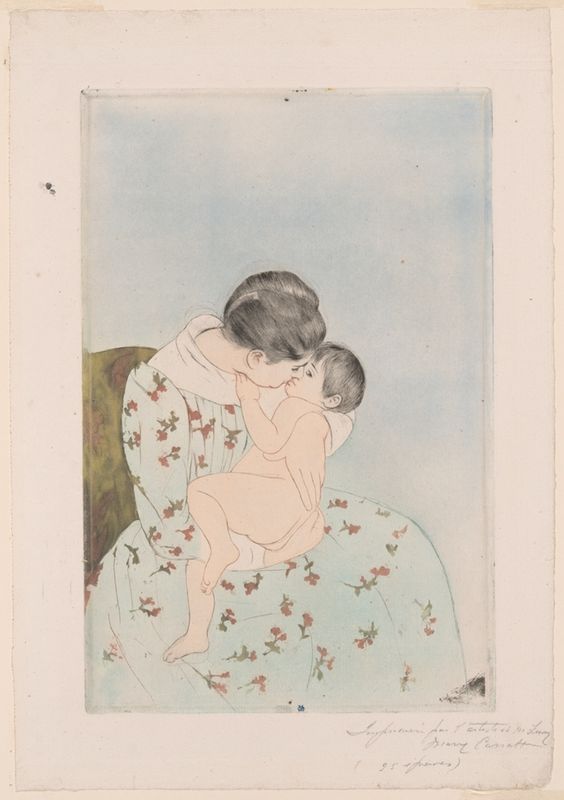 After the Bath
1901 · Cleveland Museum of Art
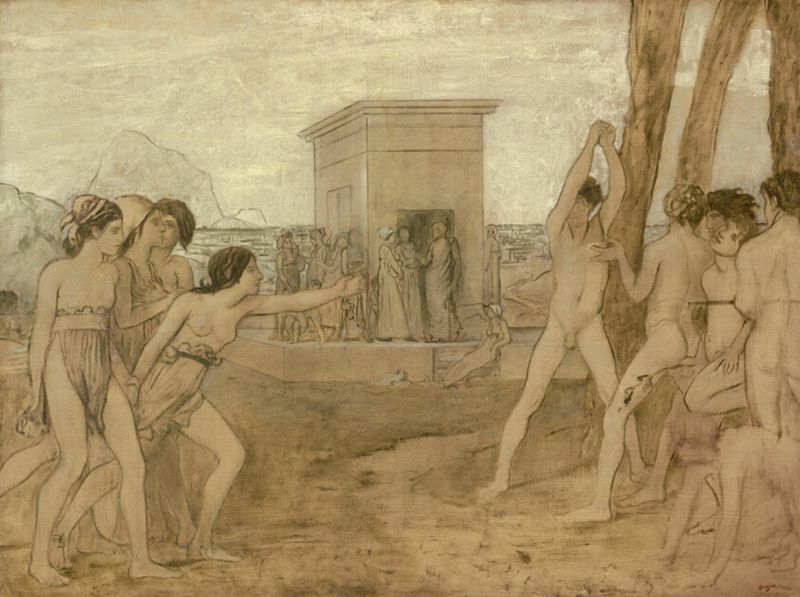 Young Spartan Girls Challenging Boys
Degas · 1860 · Art Institute of Chicago
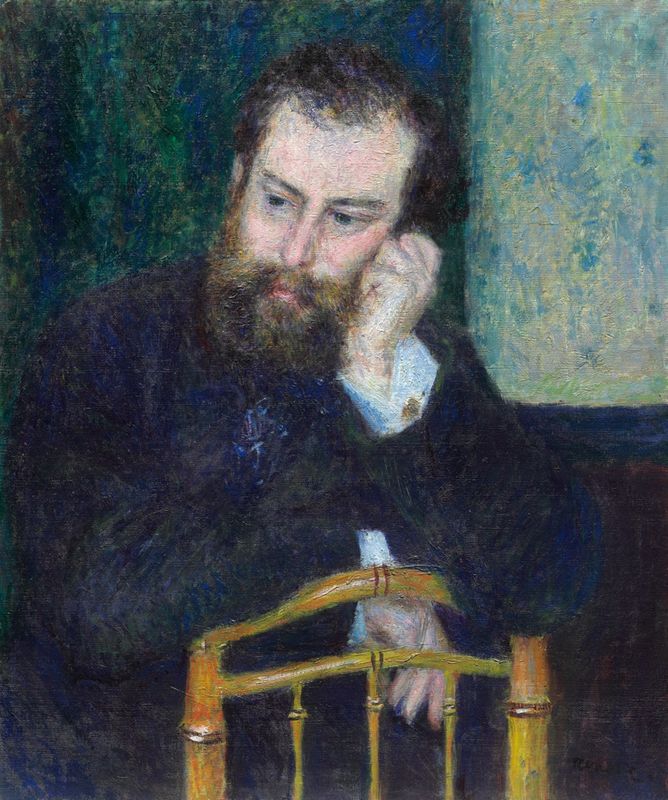 Alfred Sisley
Renoir · 1864 · Foundation E.G. Bührle Collection
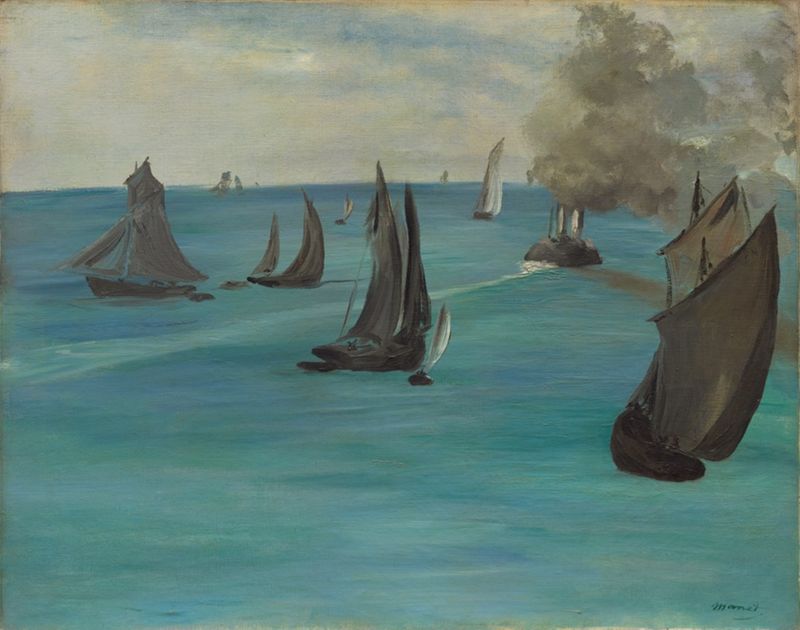 Sea View, Calm Weather (Vue de mer, temps calme)
Manet · 1864 · Art Institute of Chicago
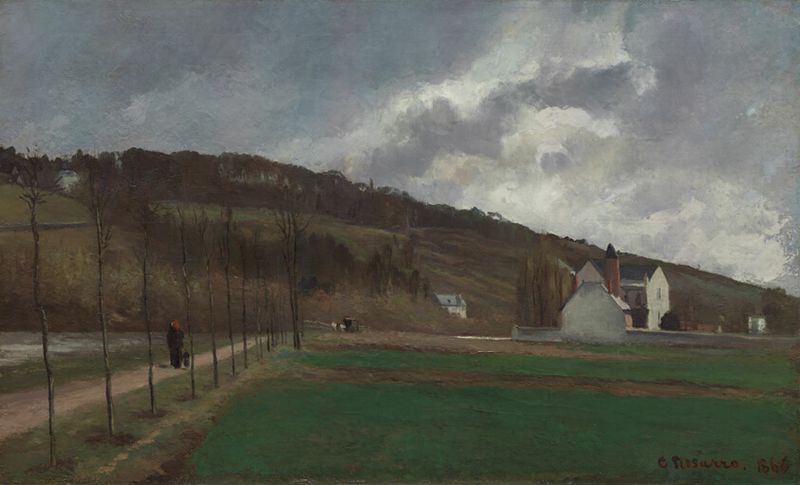 The Banks of the Marne in Winter
Pissarro · 1866 · Art Institute of Chicago
Beyond Cassatt and Impressionism: works from the same years, and from the other movements In the Omnibus belongs to.
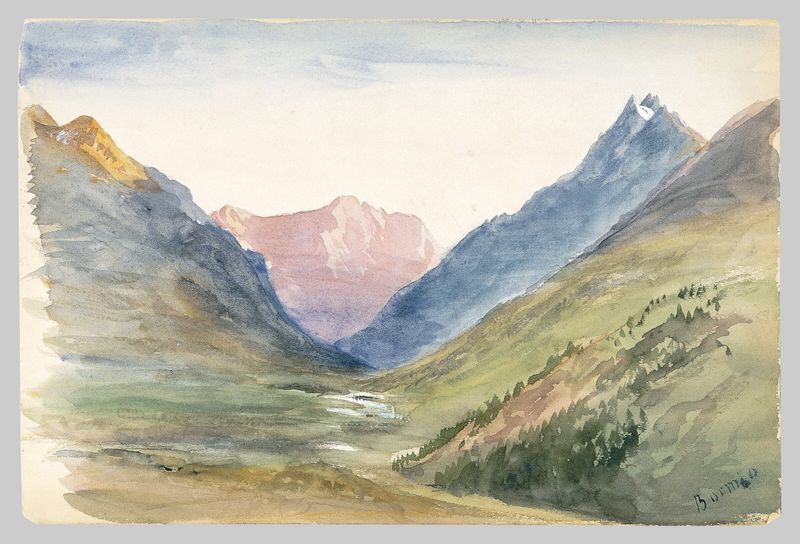 Same movement · Tonalism
Mountain View at Bormio (from Switzerland 1869 Sketchbook)
John Singer Sargent · 1869 · The Metropolitan Museum of Art
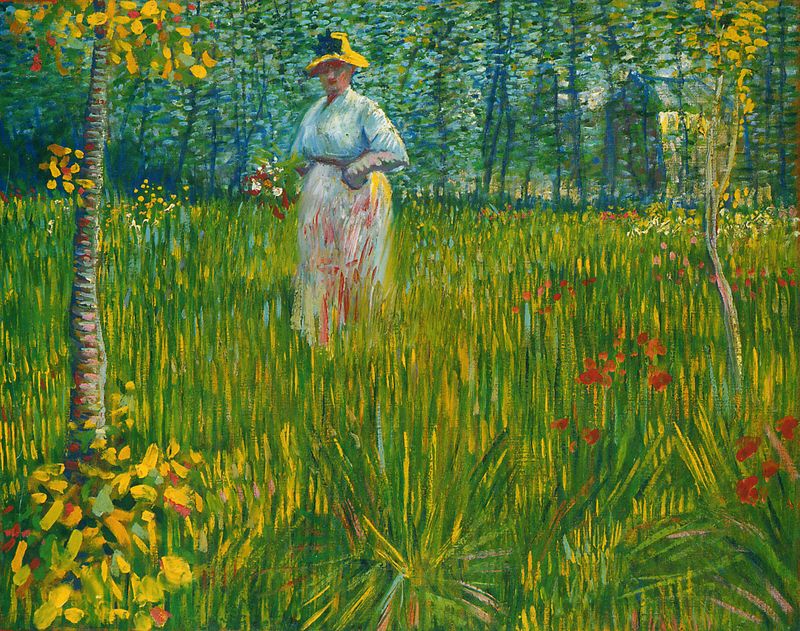 Same era · 1870s–1900s
A Woman Walking in a Garden
Vincent van Gogh · 1887 · Frans Buffa & sons
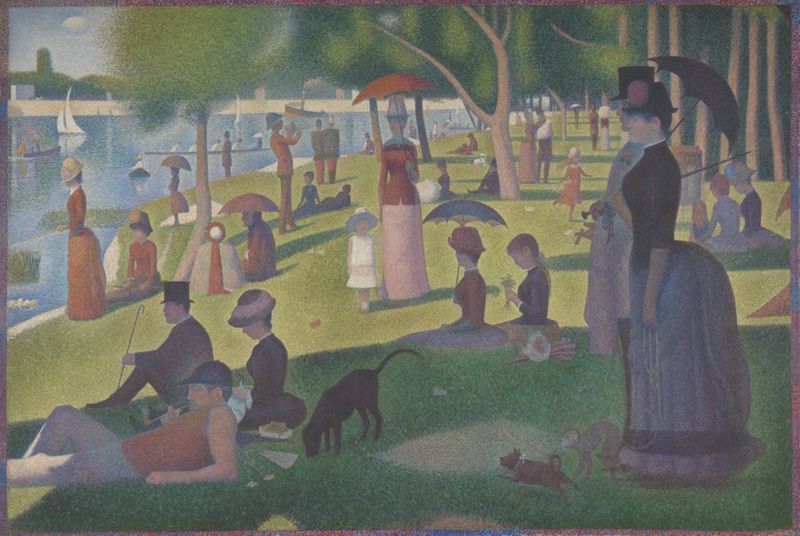 Same era · 1870s–1900s
A Sunday on La Grande Jatte — 1884
Okada Saburosuke · 1884 · Art Institute of Chicago
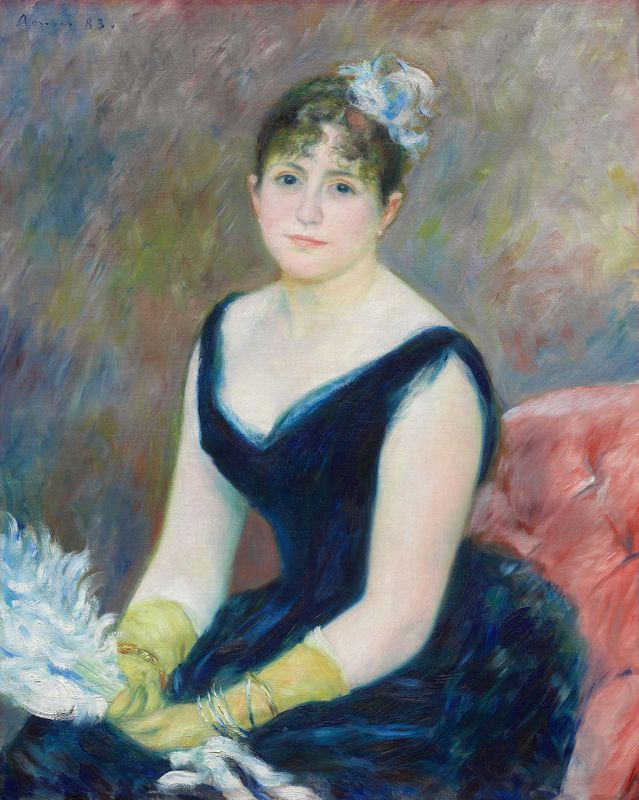 Same era · 1870s–1900s
Madame Léon Clapisson
Léon-Victor Dupré · 1883 · Art Institute of Chicago
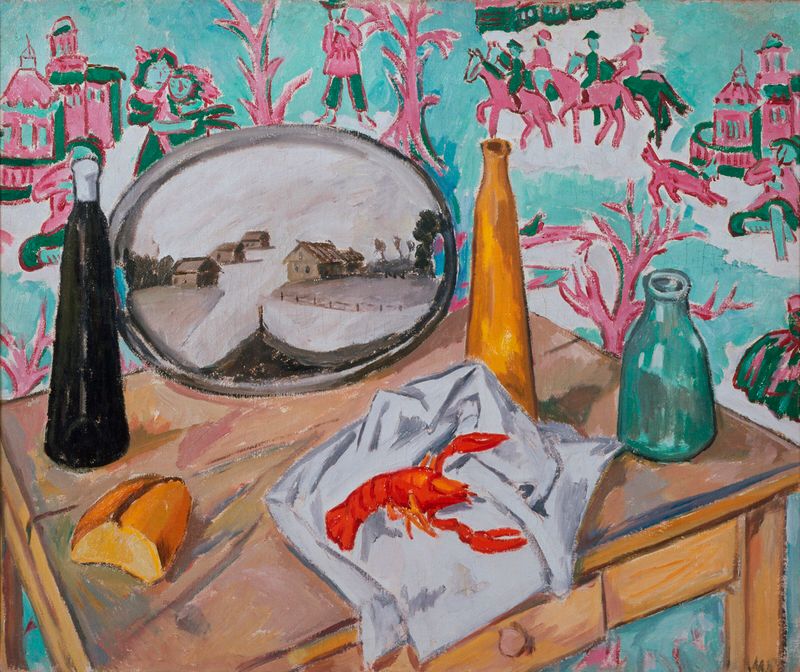 Same era · 1870s–1900s
Still Life with Crayfish
Mikhail Larionov · 1900 · Museum Ludwig
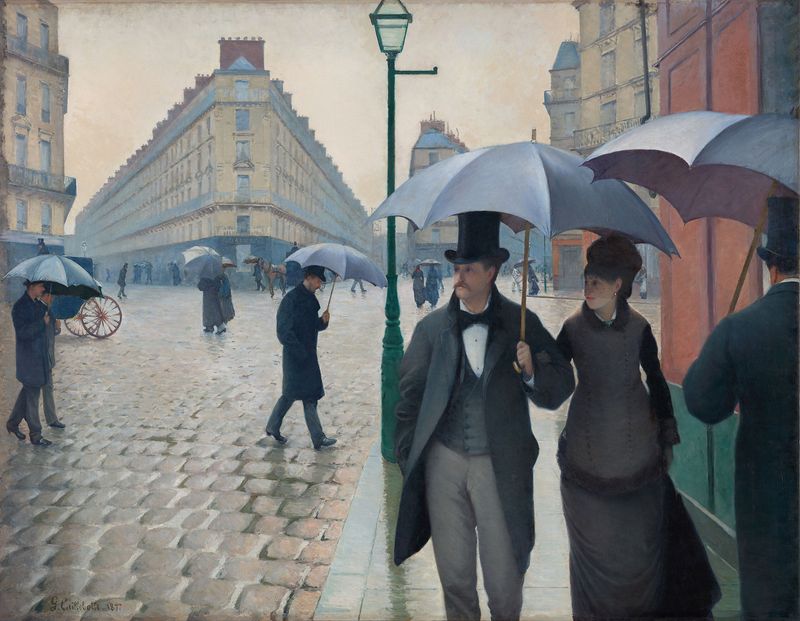 Same era · 1870s–1900s
Paris Street; Rainy Day
Kawabata Gyokushō · 1877 · Art Institute of Chicago
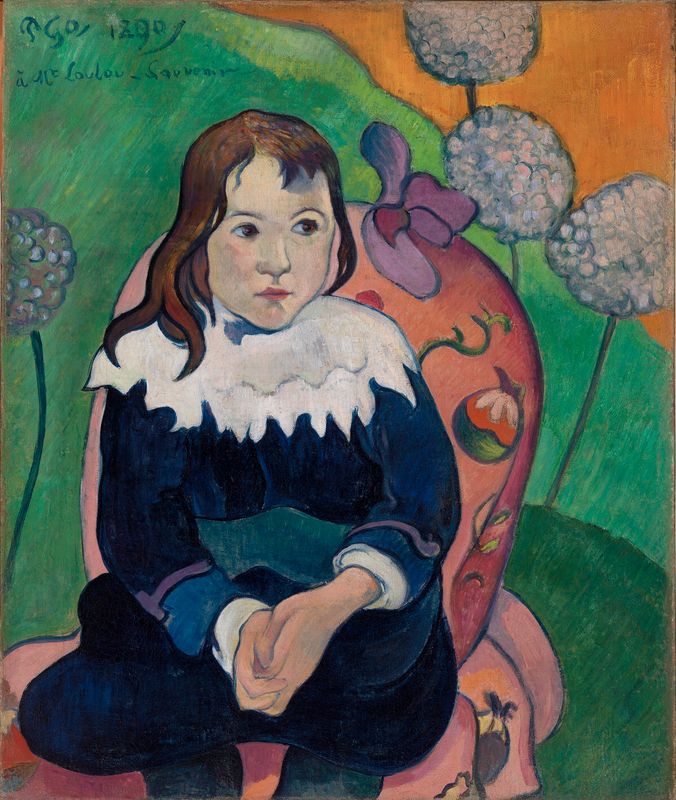 Same era · 1870s–1900s
Mr. Loulou (Louis Le Ray)
Paul Gauguin · 1890 · Barnes Foundation
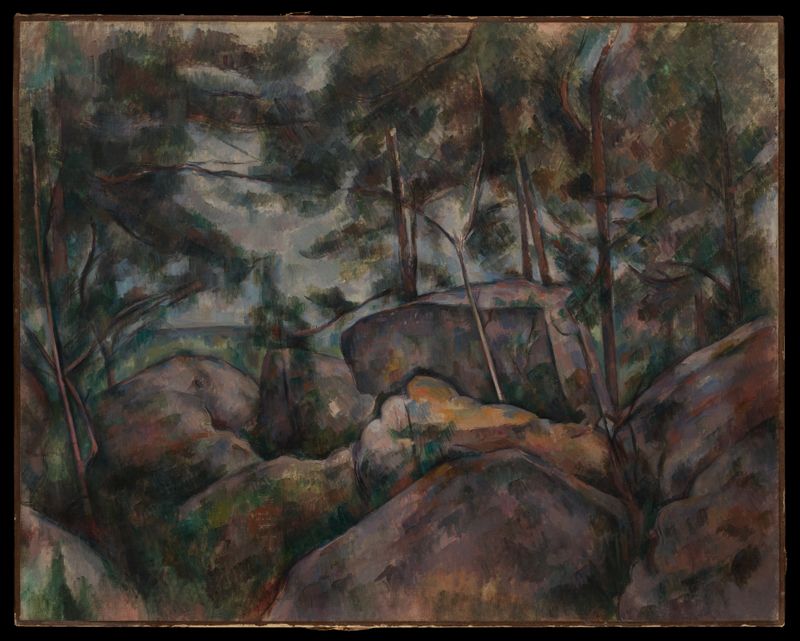 Same era · 1870s–1900s
Rocks at Fontainebleau
Paul Cézanne · 1890 · The Metropolitan Museum of Art
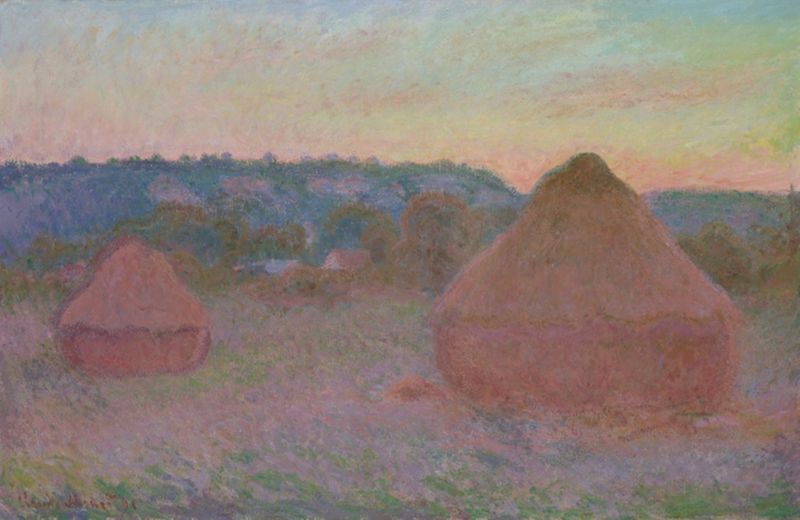 Same era · 1870s–1900s
Stacks of Wheat (End of Day, Autumn)
Claude Monet · 1890 · Art Institute of Chicago
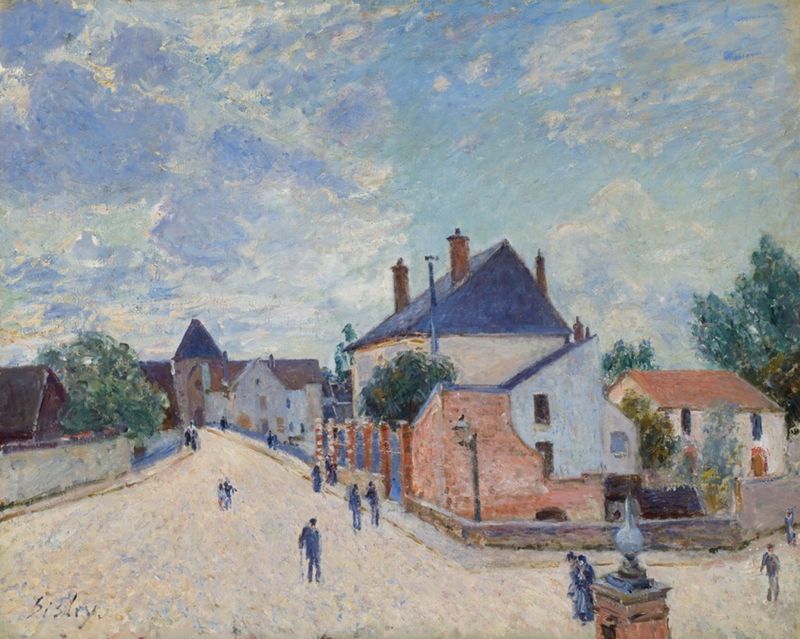 Same era · 1870s–1900s
Street in Moret
Alfred Sisley · 1890 · Art Institute of Chicago
 Same era · 1870s–1900s
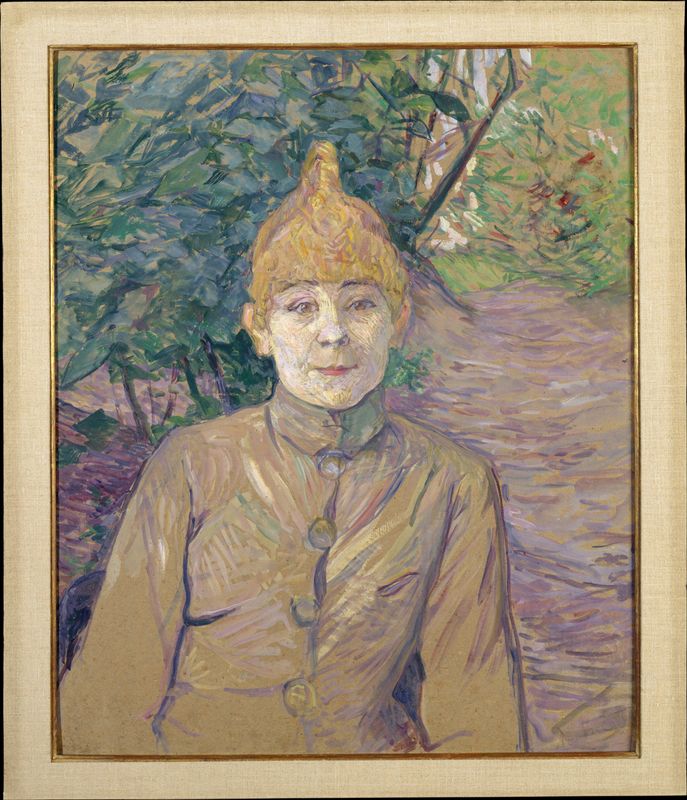
The Streetwalker
Henri de Toulouse-Lautrec · 1890 · The Metropolitan Museum of Art
 Same era · 1870s–1900s
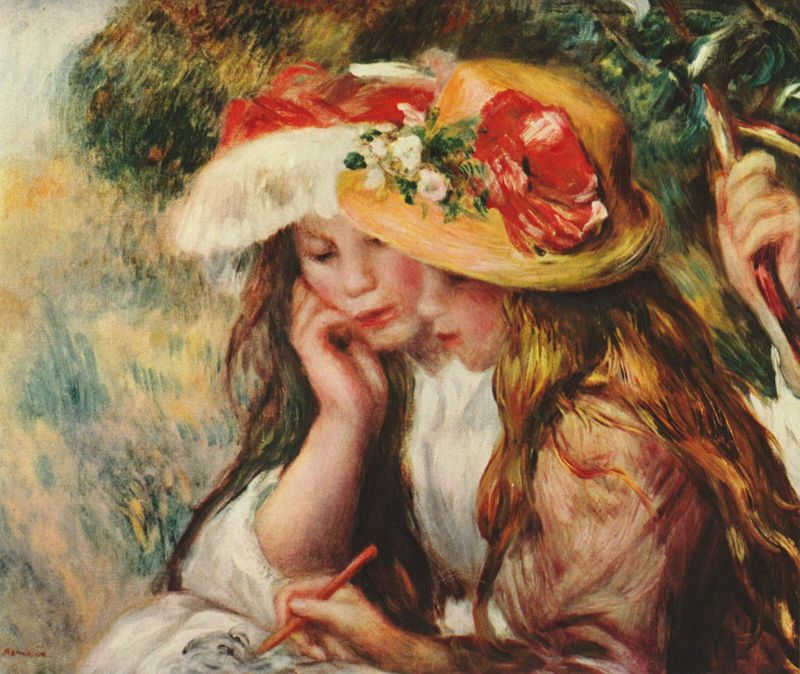
Two Girls Reading in a Garden
Pierre-Auguste Renoir · 1890
 Same era · 1870s–1900s
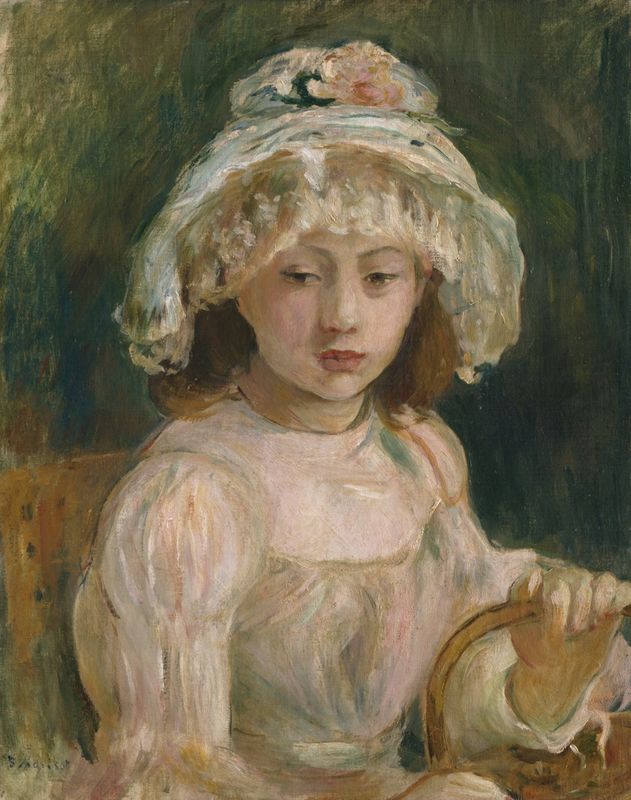
Young Girl with Hat
Berthe Morisot · 1891 · Art Institute of Chicago
