01
Mother sipping tea
The older woman in black lifts her cup to her face, so it hides her mouth and chin. Her calm, private act sets the quiet mood.
1 of 5 on the painting
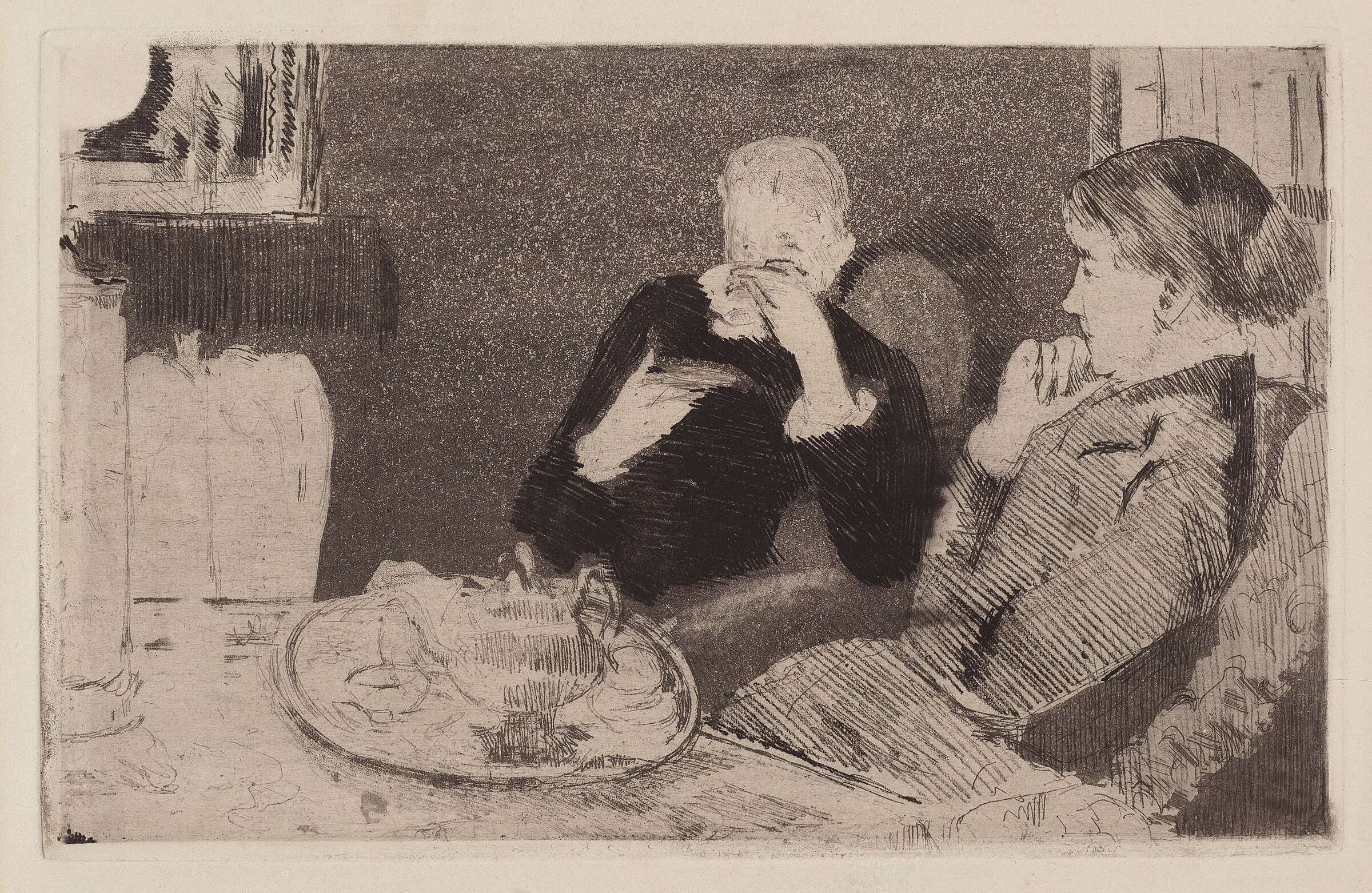
“Stop and observe this tender scene of a mother and daughter at tea, rendered with the soft, intimate touch of an Impressionist print. It's a quiet glimpse into domestic life, unique in its delicate detail and warm atmosphere.”
In this intimate aquatint and etching, a woman and her daughter share a quiet moment over tea. The scene is rendered with a softness characteristic of the Impressionist movement, which Mary Cassatt embraced after moving to France. We see Lydia, the artist's sister, seated at a table, her profile gently illuminated as she gazes into a teacup. Her mother, on the other side, is partially obscured, suggesting a focus on the younger woman and the domestic ritual. The unique impression, made between different stages of the printmaking process, gives the work a particular depth and nuance, capturing the subtle interplay of light and shadow on their faces and the delicate porcelain of the teaware. This work, created in 1875, reflects the artist's frequent exploration of the private lives and social rituals of women, often within the comfort of their homes.
Five details hide in plain sight. Pick one and we’ll show you exactly where to look.
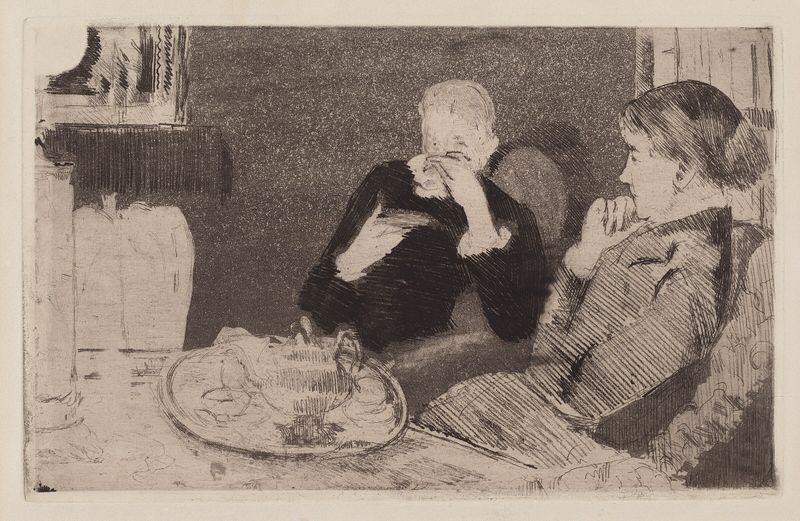
The older woman in black lifts her cup to her face, so it hides her mouth and chin. Her calm, private act sets the quiet mood.
Lydia sits at right in profile, her chin resting on her fist, gazing off to the side. She looks absorbed in thought, and her gaze does not meet her mother's.
Both women raise a hand to their faces, the mother holding her cup and Lydia pressing a fist near her chin. The echo links them, yet neither looks at the other.
The tray and teapot are drawn in thin, loose lines with little shading. Compared with the darker figures, they look lightly sketched, so the eye goes to the two women.
Lydia's coat is built from dense parallel lines that follow the fall of the cloth. Their rhythm gives her body weight and volume.
The full narration walks you through Lydia and Her Mother at Tea — the story behind it, the details most visitors miss, and why it matters. Free in the Art Whisper app.
Mary Cassatt, an American painter and printmaker, captured the intimate world of women and children with remarkable tenderness, often exhibiting with the Impressionists in France.
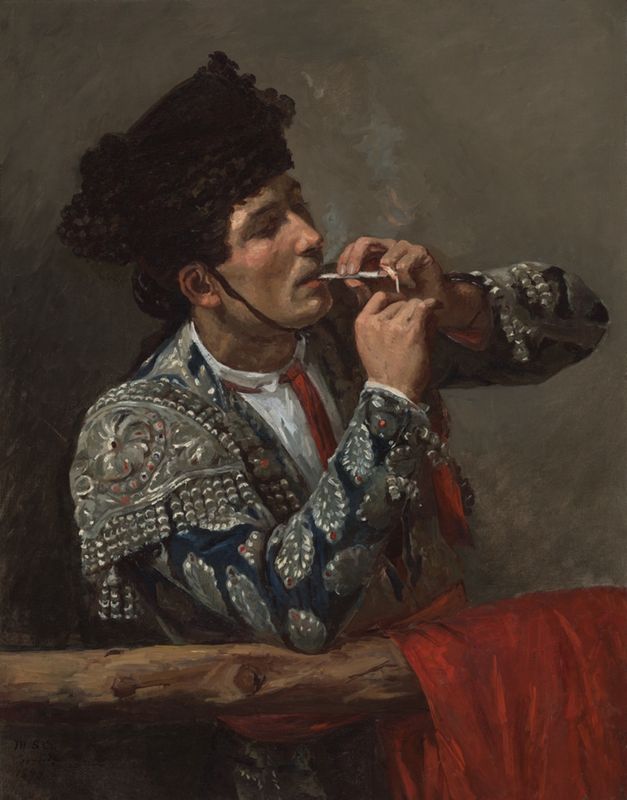 After the Bullfight
1873 · Art Institute of Chicago
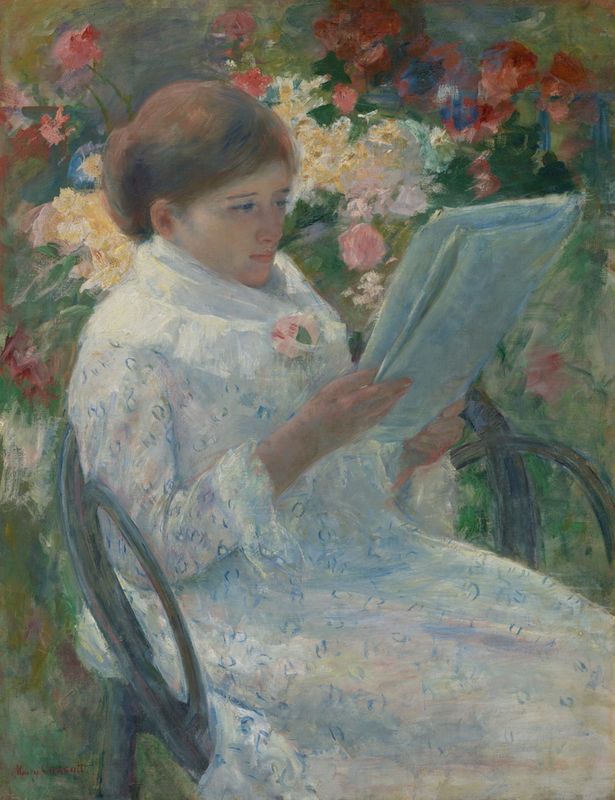 On a Balcony
1879 · Art Institute of Chicago
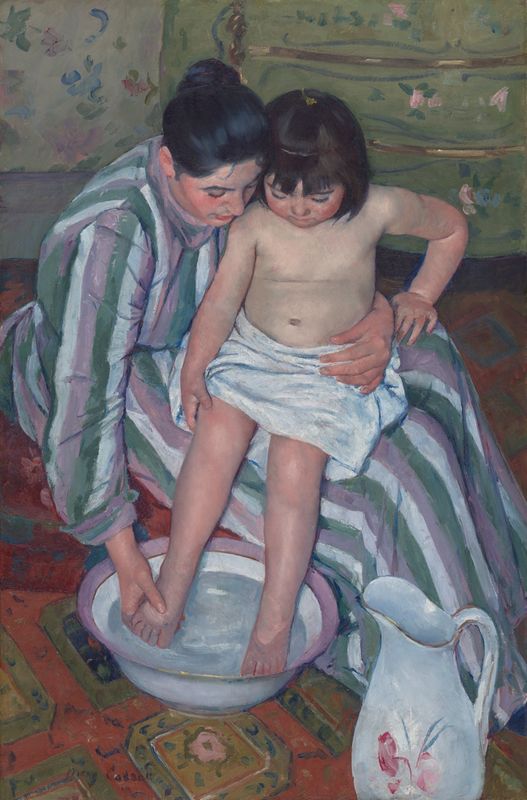 The Child's Bath
1893 · Art Institute of Chicago
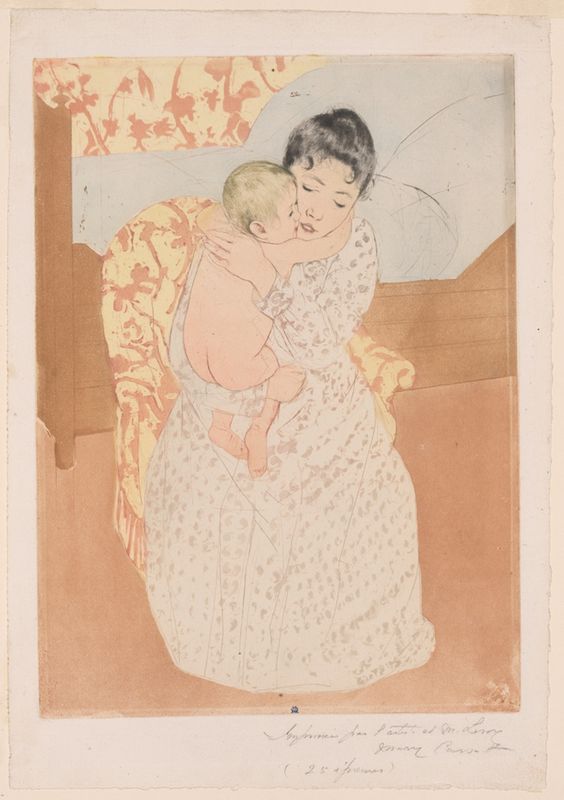 Maternal Caress
1896 · Philadelphia Museum of Art
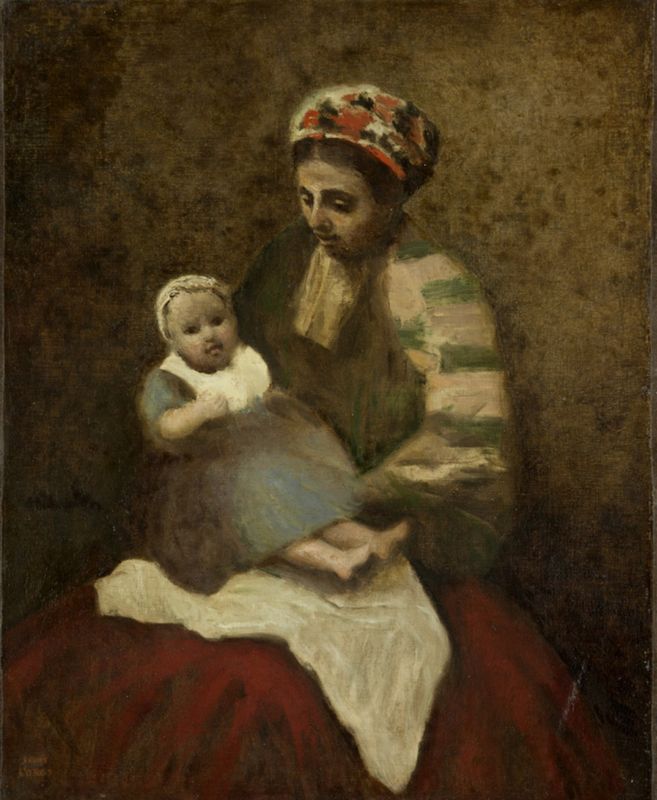 Nurse and Child
1896 · The Metropolitan Museum of Art
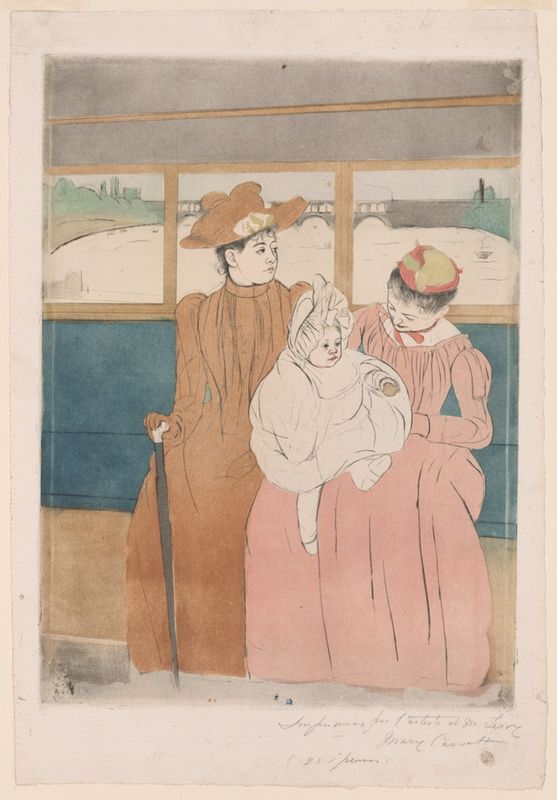 In the Omnibus
1890 · Cleveland Museum of Art
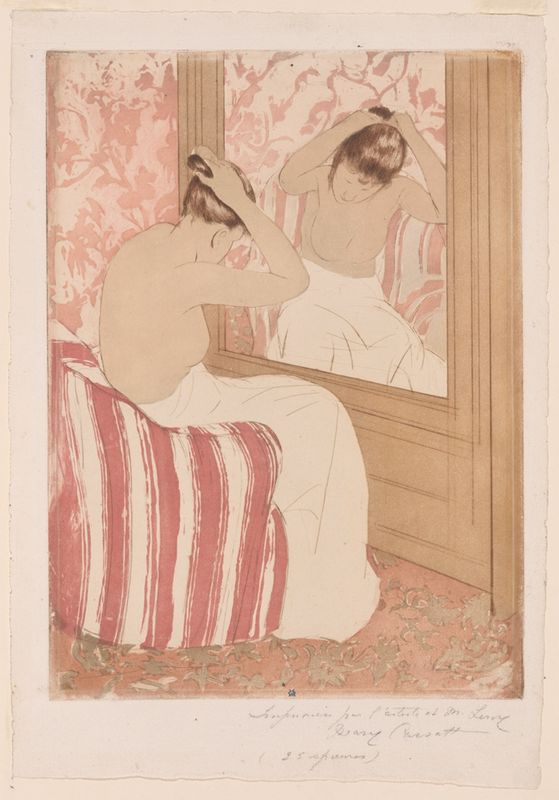 The Coiffure
1890 · Cleveland Museum of Art
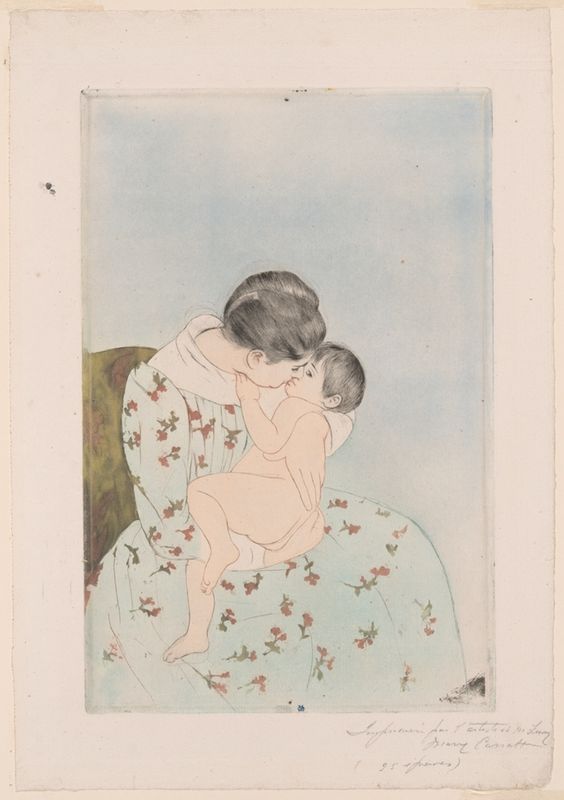 After the Bath
1901 · Cleveland Museum of Art
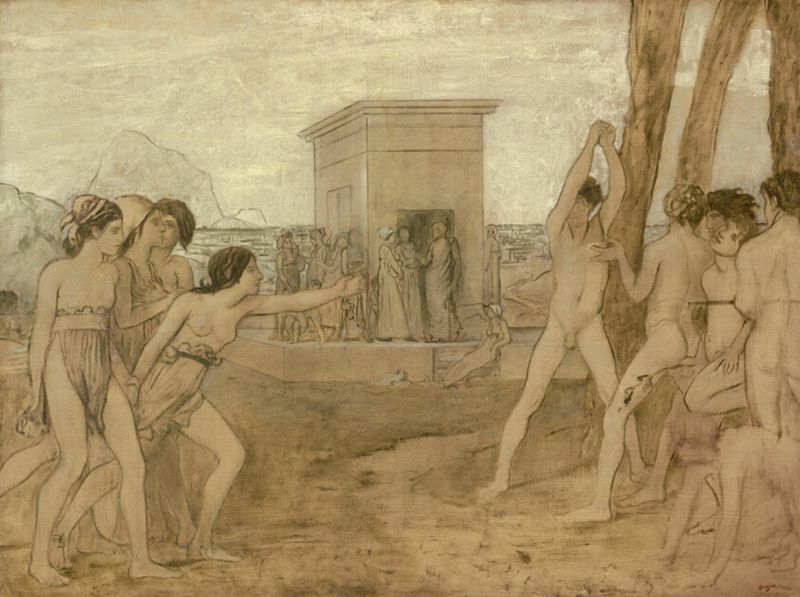 Young Spartan Girls Challenging Boys
Degas · 1860 · Art Institute of Chicago
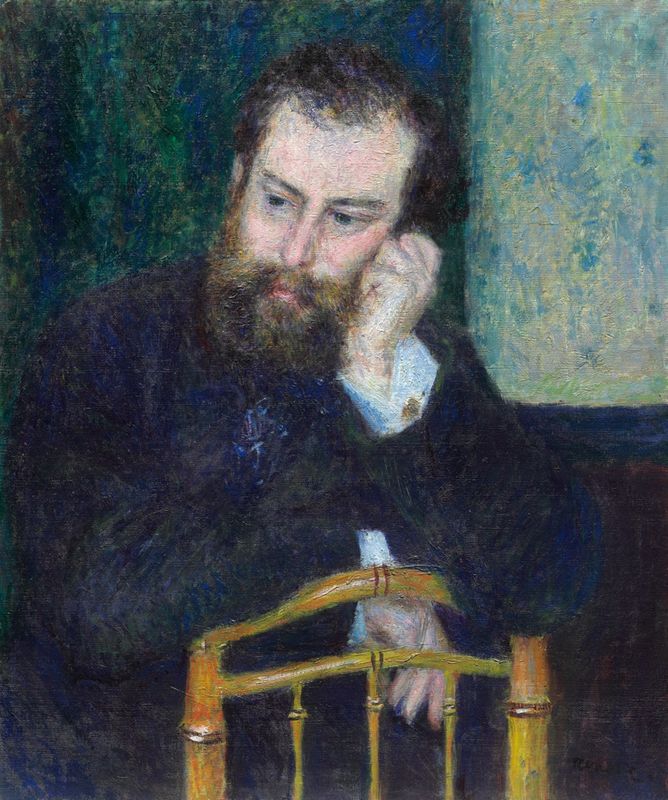 Alfred Sisley
Renoir · 1864 · Foundation E.G. Bührle Collection
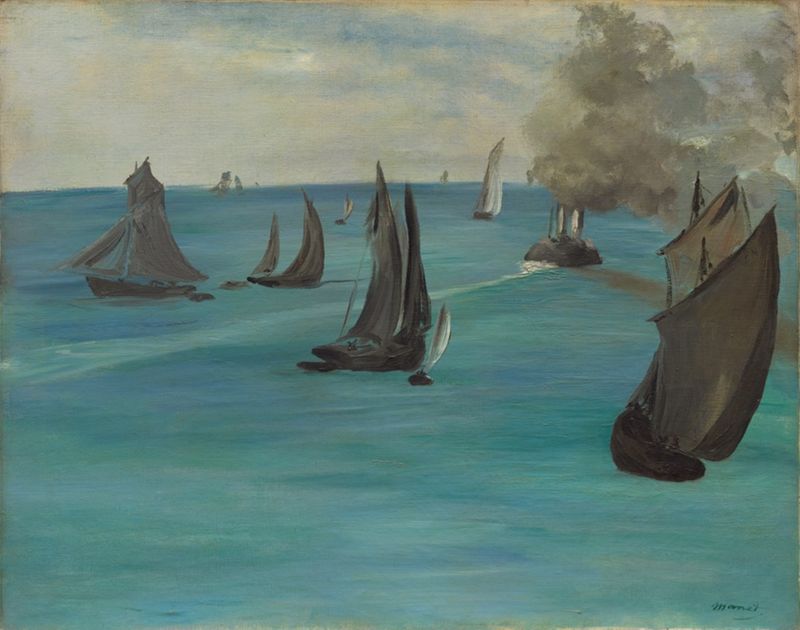 Sea View, Calm Weather (Vue de mer, temps calme)
Manet · 1864 · Art Institute of Chicago
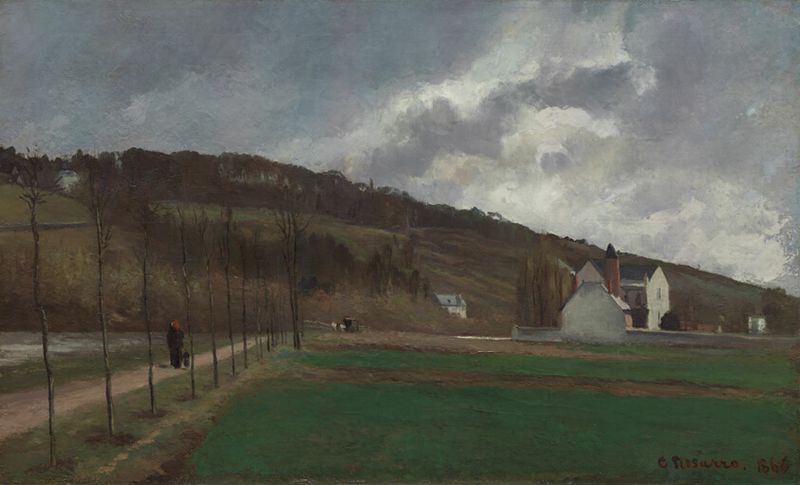 The Banks of the Marne in Winter
Pissarro · 1866 · Art Institute of Chicago
Beyond Cassatt and Impressionism: works from the same years, and from the other movements Lydia and Her Mother at Tea belongs to.
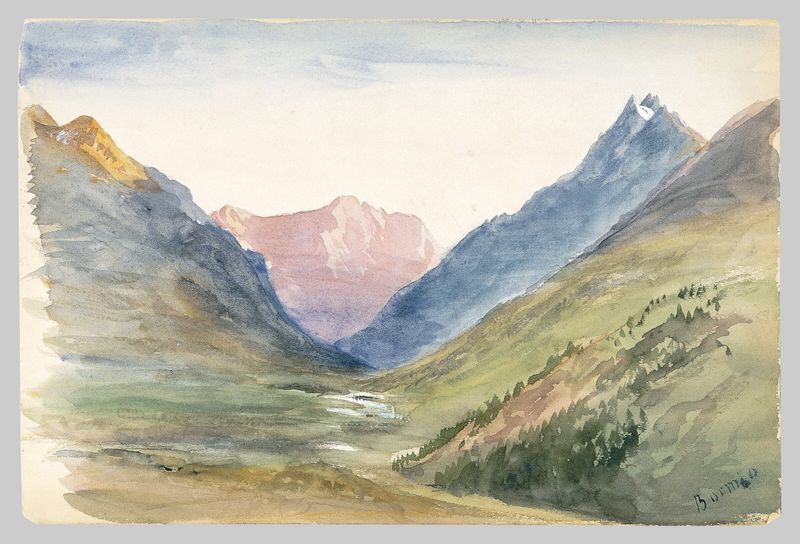 Same movement · Tonalism
Mountain View at Bormio (from Switzerland 1869 Sketchbook)
John Singer Sargent · 1869 · The Metropolitan Museum of Art
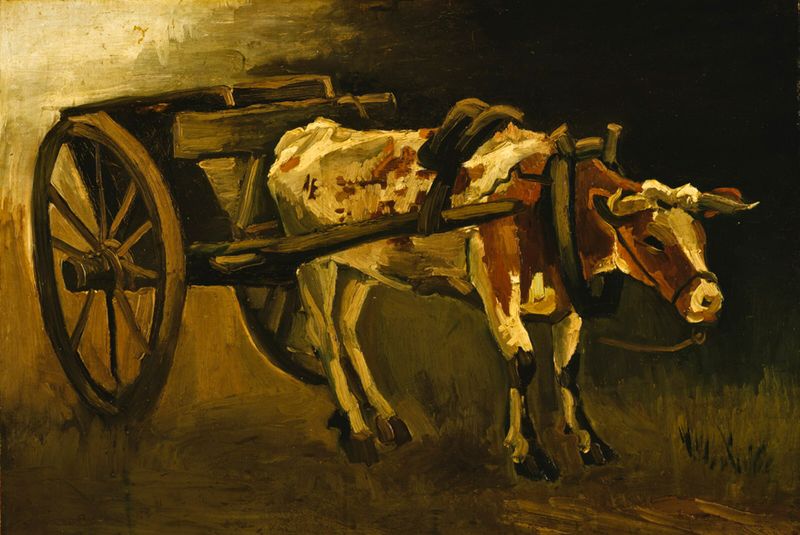 Same era · 1860s–1890s
Cart with Red and White Ox
Vincent van Gogh · 1884 · Kröller-Müller Museum
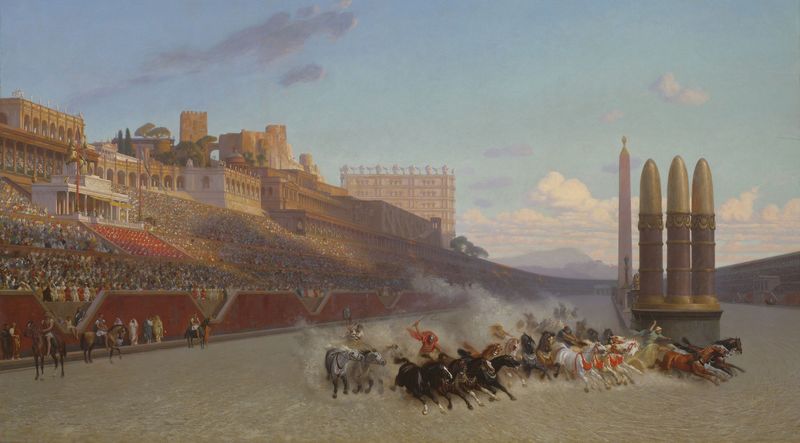 Same era · 1860s–1890s
Chariot Race
Léon-Victor Dupré · 1876 · Art Institute of Chicago
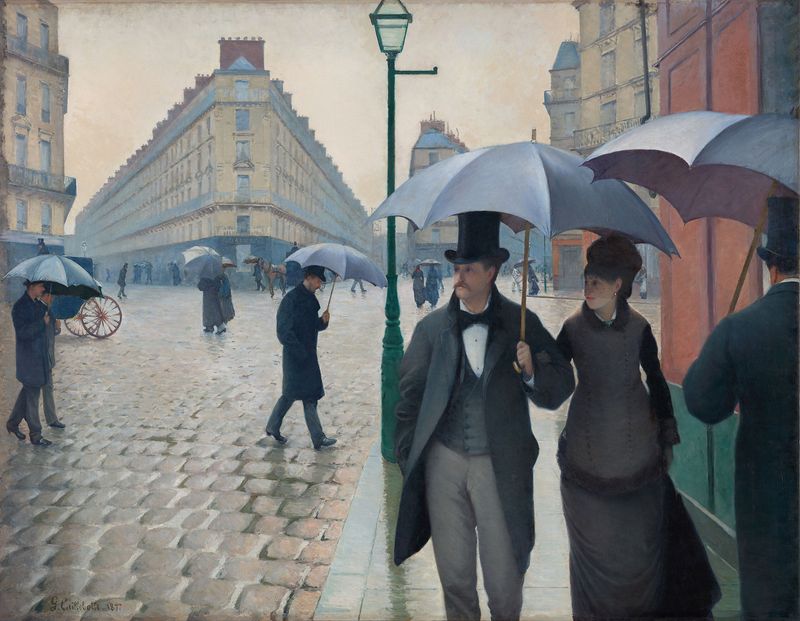 Same era · 1860s–1890s
Paris Street; Rainy Day
Kawabata Gyokushō · 1877 · Art Institute of Chicago
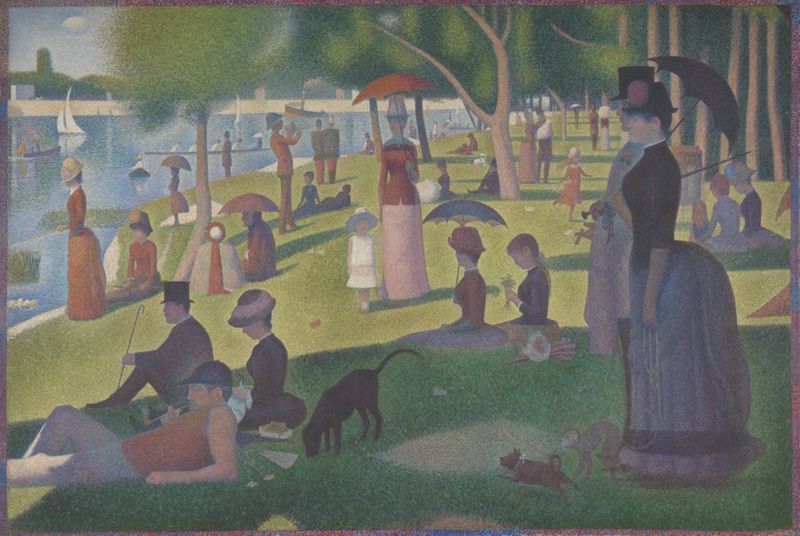 Same era · 1860s–1890s
A Sunday on La Grande Jatte — 1884
Okada Saburosuke · 1884 · Art Institute of Chicago
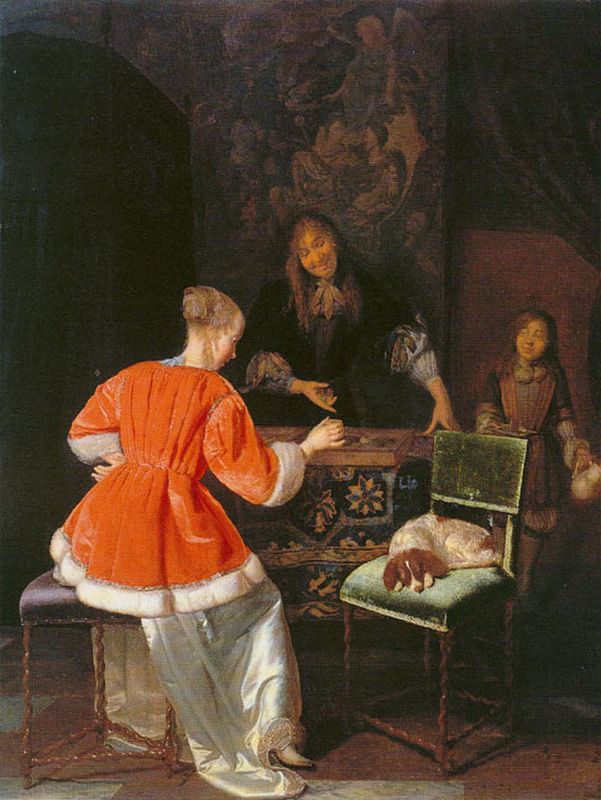 Same era · 1860s–1890s
The Backgammon Players
Philip Webb · 1861 · The Metropolitan Museum of Art
 Same era · 1860s–1890s
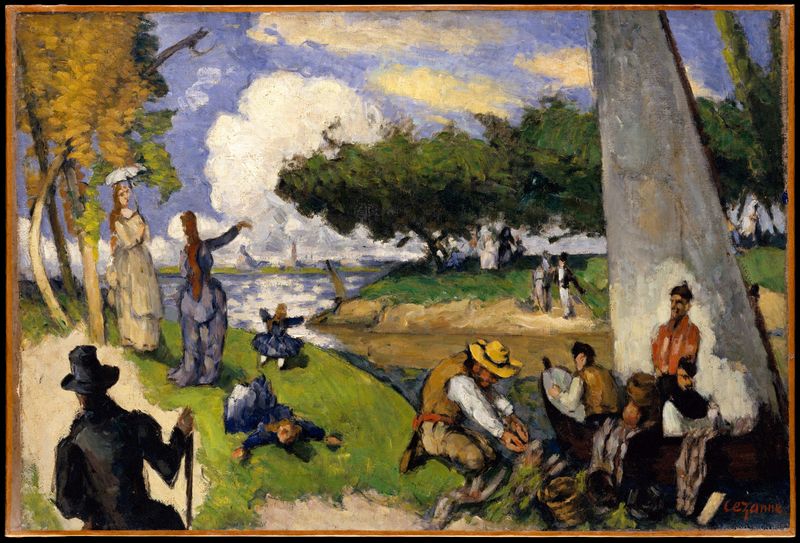
The Fishermen (Fantastic Scene)
Paul Cézanne · 1875 · Metropolitan Museum of Art
 Same era · 1860s–1890s
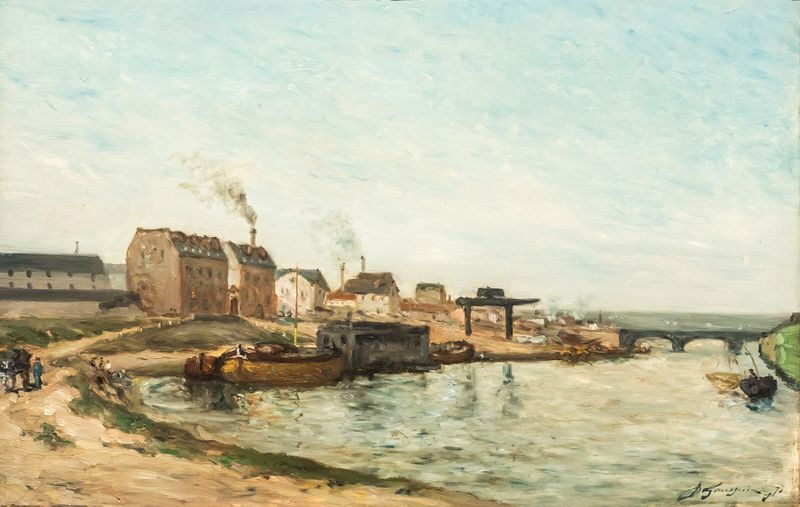
The Seine at Pont de Grenelle
Paul Gauguin · 1875 · Wallraf–Richartz Museum
 Same era · 1860s–1890s
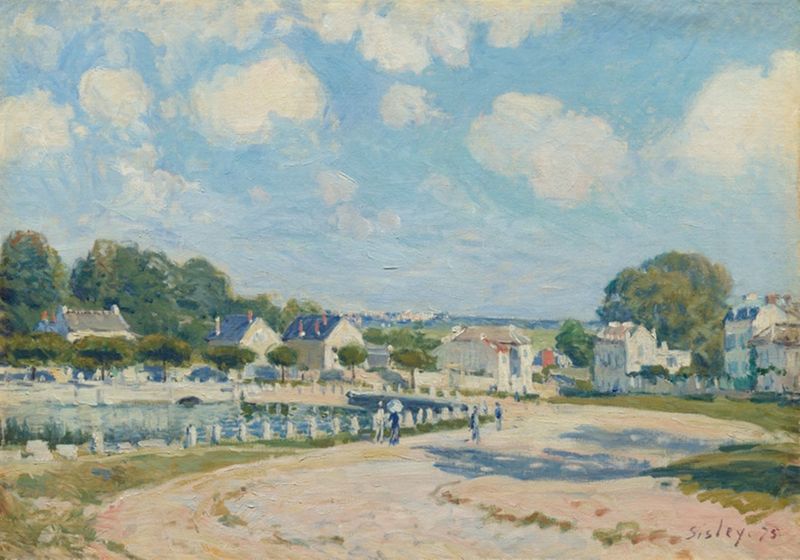
Watering Place at Marly
Alfred Sisley · 1875 · Art Institute of Chicago
 Same era · 1860s–1890s
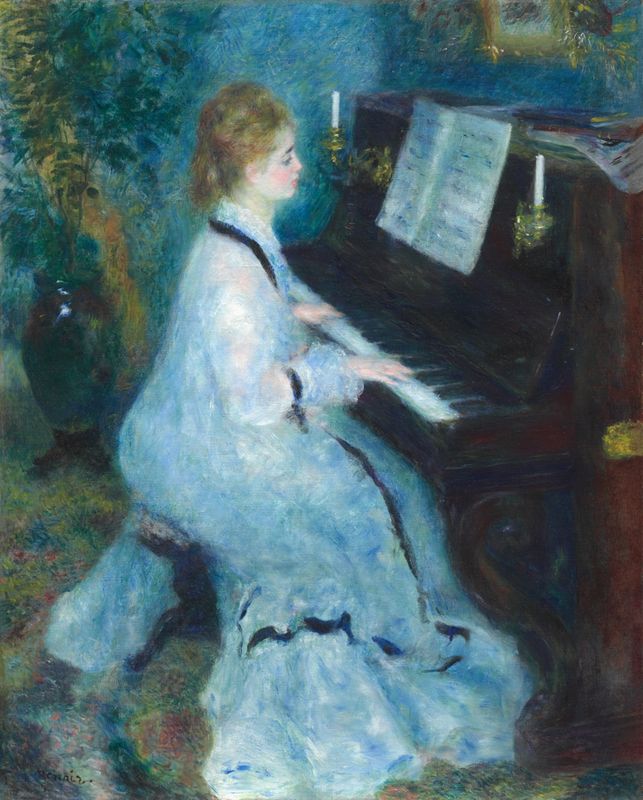
Woman at the Piano
Pierre-Auguste Renoir · 1875 · Art Institute of Chicago
 Same era · 1860s–1890s
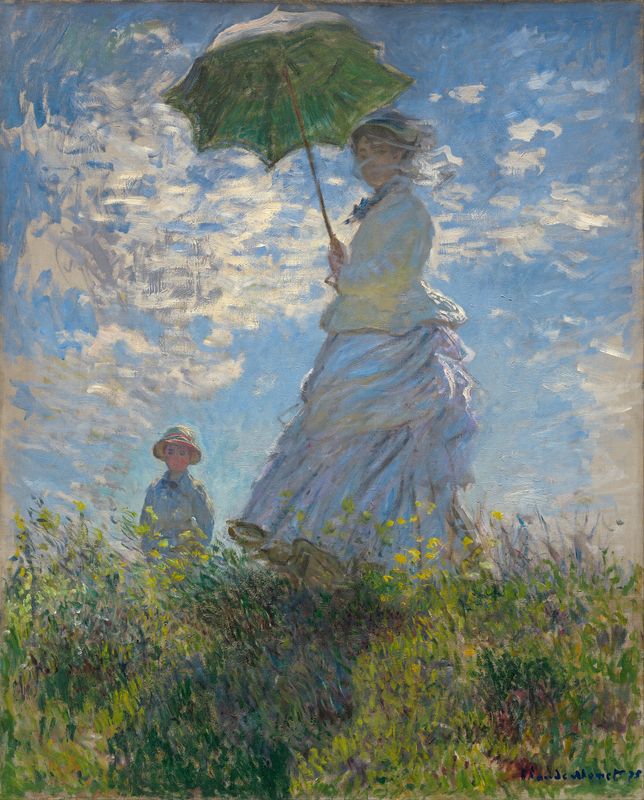
Woman with a Parasol – Madame Monet and Her Son
Claude Monet · 1875 · National Gallery of Art
 Same era · 1860s–1890s
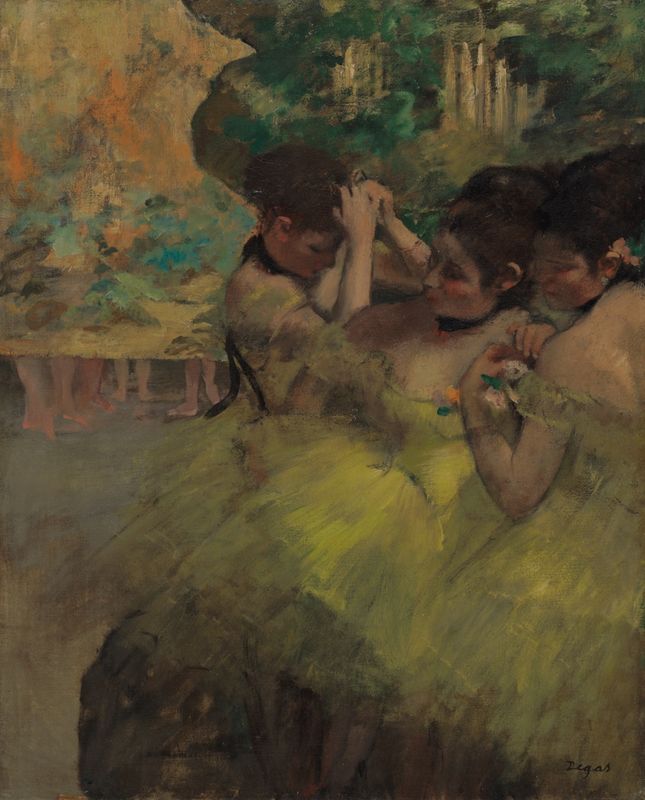
Yellow Dancers (In the Wings)
Edgar Degas · 1875 · Art Institute of Chicago
 Same era · 1860s–1890s
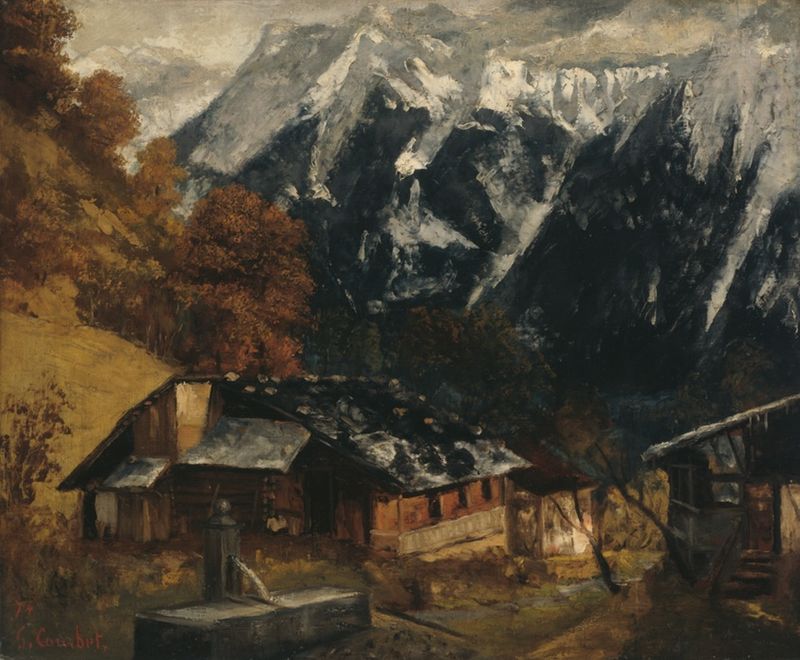
An Alpine Scene
Gustave Courbet · 1874 · Art Institute of Chicago
