01
The reclining man
Find the bearded man in a straw hat, sprawled on the grassy slope. He is the quiet human center of a wild, windy scene.
1 of 5 on the painting
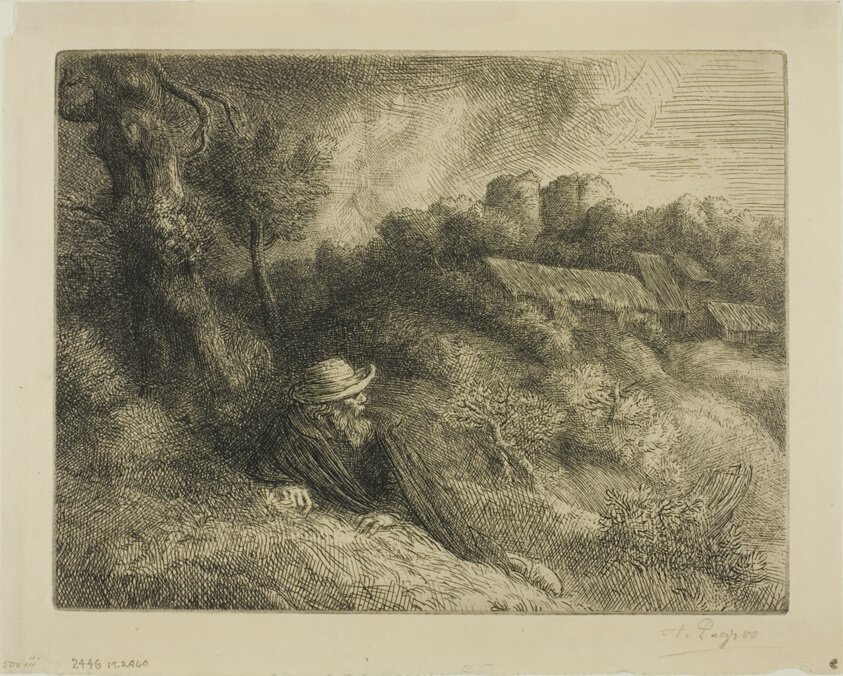
“This etching draws you into a desolate landscape, where a decaying house stands as a silent testament to time, rendered with stark lines and a palpable sense of unease.”
A stark, skeletal house dominates this etching, its gabled roof and numerous windows suggesting a once-grand structure now fallen into disrepair. The artist renders the scene with a sense of foreboding, using sharp, dark lines to define the decaying architecture against a largely blank sky, hinting at the desolation of the surrounding landscape. This print captures a moment of quiet decay, inviting contemplation on themes of abandonment and the passage of time. The detailed rendering of the house’s weathered facade and broken panes draws the viewer into its somber narrative, making the structure itself the central, almost anthropomorphic, character in this haunting depiction.
Five details hide in plain sight. Pick one and we’ll show you exactly where to look.
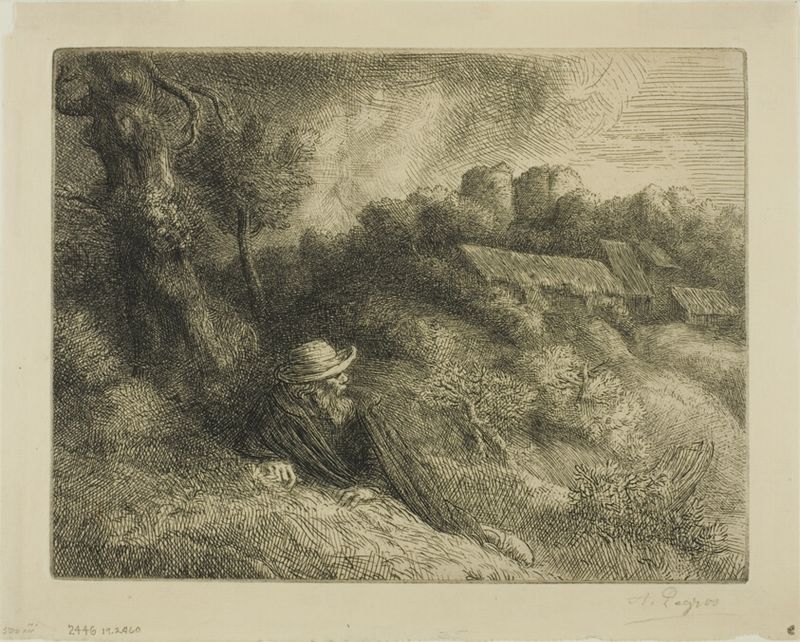
Find the bearded man in a straw hat, sprawled on the grassy slope. He is the quiet human center of a wild, windy scene.
Look at the twisted trunk and bare, hooked branches at upper left, rising above the man. Their knotty, weathered shapes give the scene a slightly uneasy mood.
In the upper middle, dense curved lines of crosshatching whirl like wind. The artist builds the stormy mood from line alone.
Follow the slope up to the long roofs on the right. They sit high and far from the man, so the houses feel distant from him.
Look above the roofs for two rounded, broken-looking towers against the sky. They are easy to miss and may suggest an older, ruined structure.
The full narration walks you through Haunted House — the story behind it, the details most visitors miss, and why it matters. Free in the Art Whisper app.
Morris Kantor was a Belarusian-born American painter known for his stylistic versatility, from Cubism to realism, including his iconic "Baseball At Night."
Beyond Kantor: works from the same years.
 Same era · 1870s–1900s
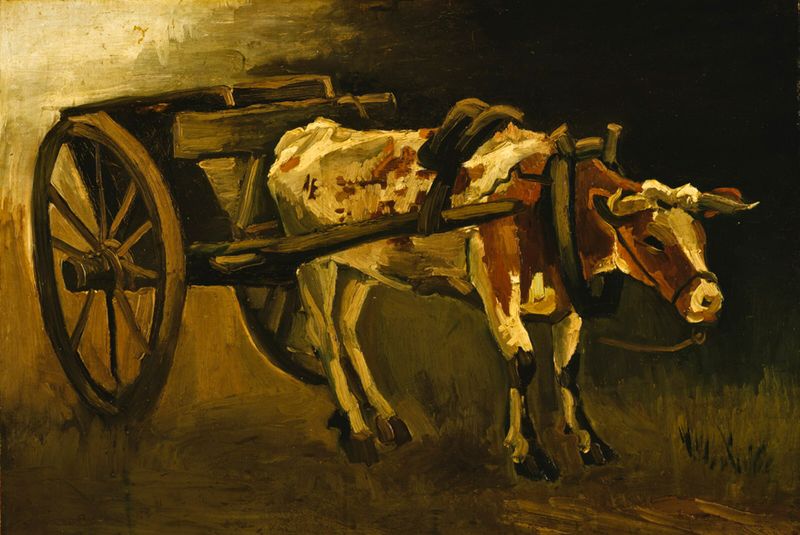
Cart with Red and White Ox
Vincent van Gogh · 1884 · Kröller-Müller Museum
 Same era · 1870s–1900s
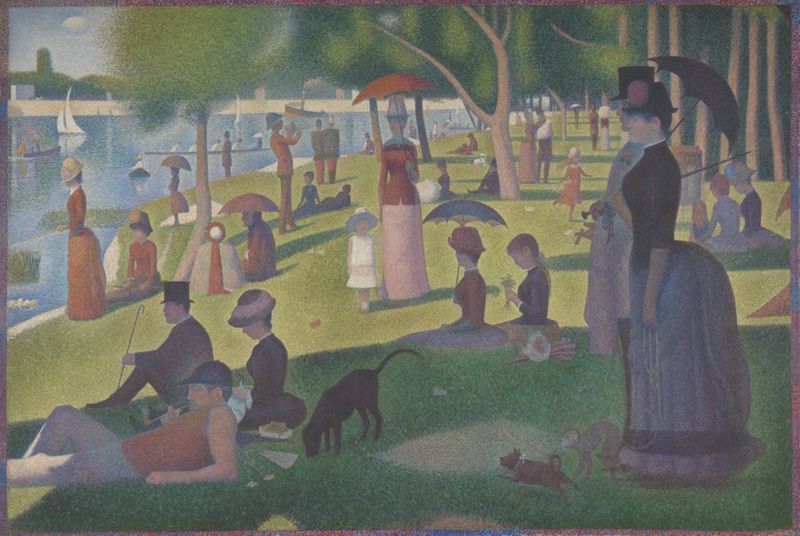
A Sunday on La Grande Jatte — 1884
Okada Saburosuke · 1884 · Art Institute of Chicago
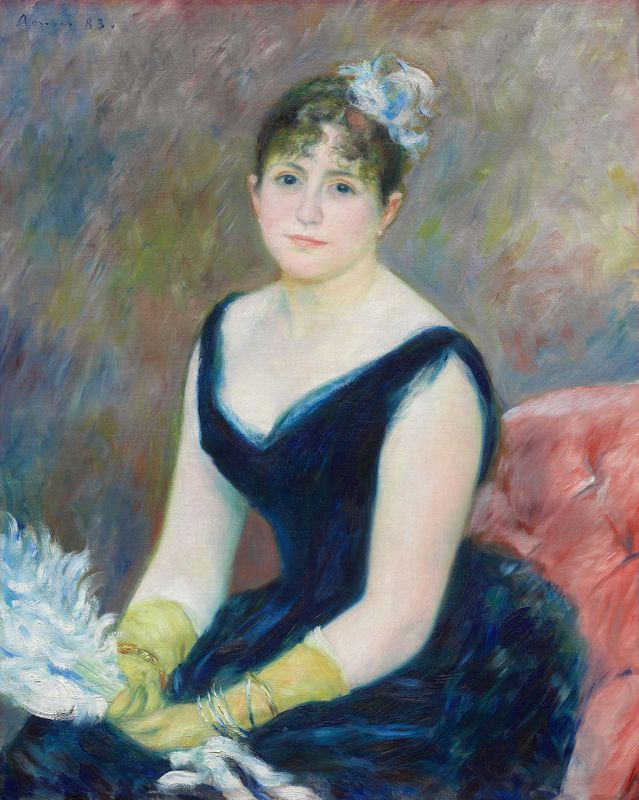 Same era · 1870s–1900s
Madame Léon Clapisson
Léon-Victor Dupré · 1883 · Art Institute of Chicago
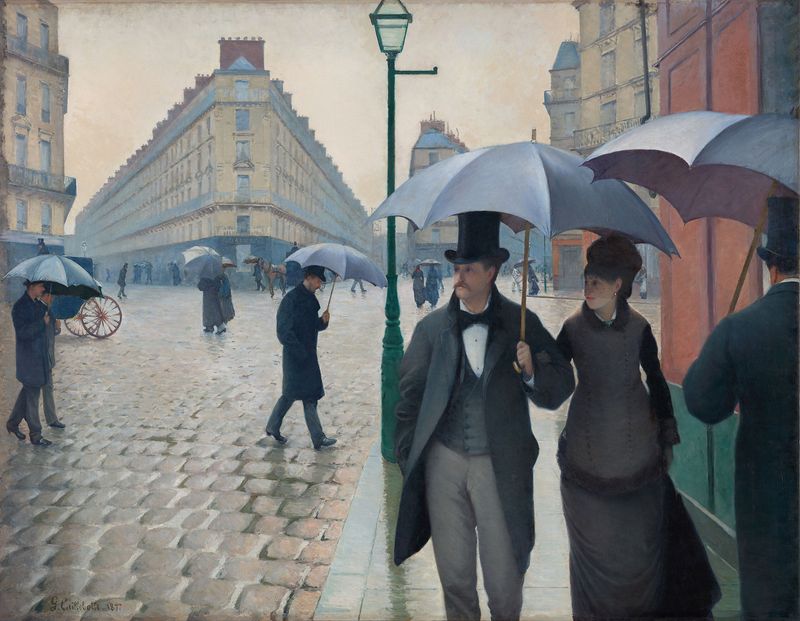 Same era · 1870s–1900s
Paris Street; Rainy Day
Kawabata Gyokushō · 1877 · Art Institute of Chicago
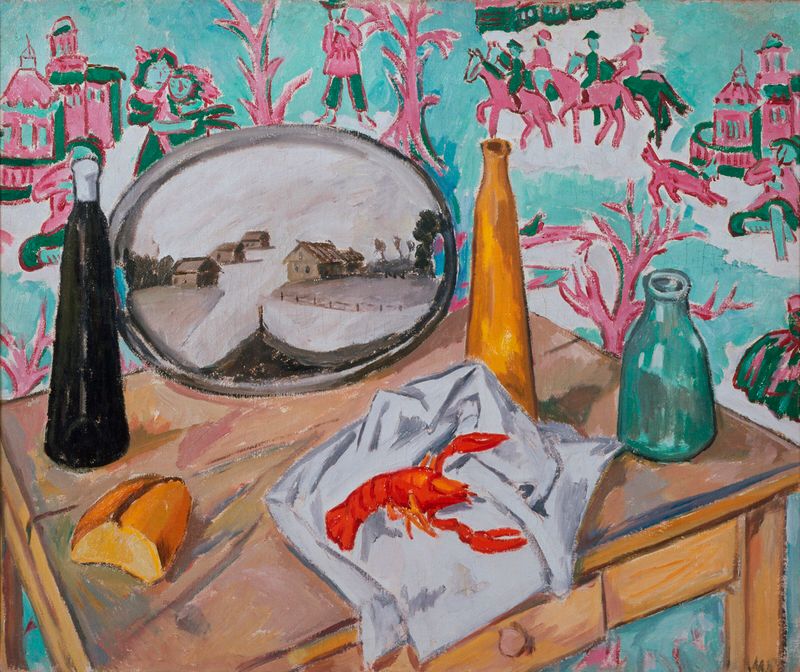 Same era · 1870s–1900s
Still Life with Crayfish
Mikhail Larionov · 1900 · Museum Ludwig
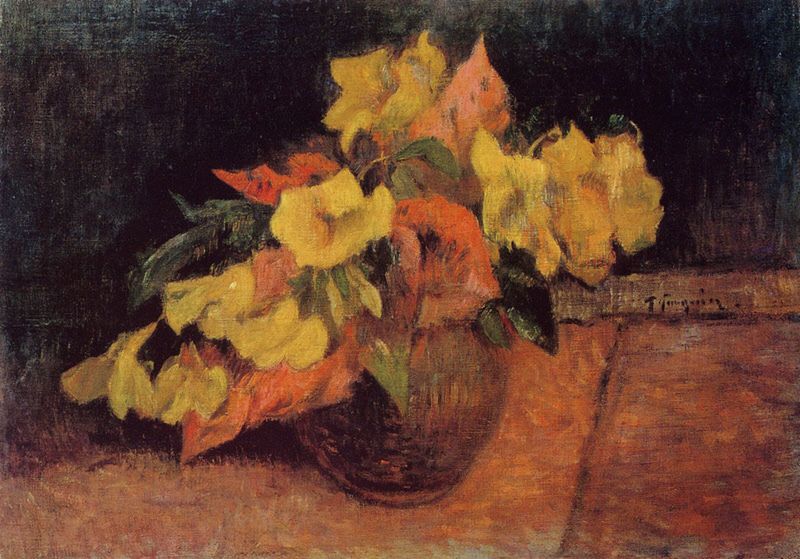 Same era · 1870s–1900s
Evening Primroses in a Vase
Paul Gauguin · 1885
 Same era · 1870s–1900s
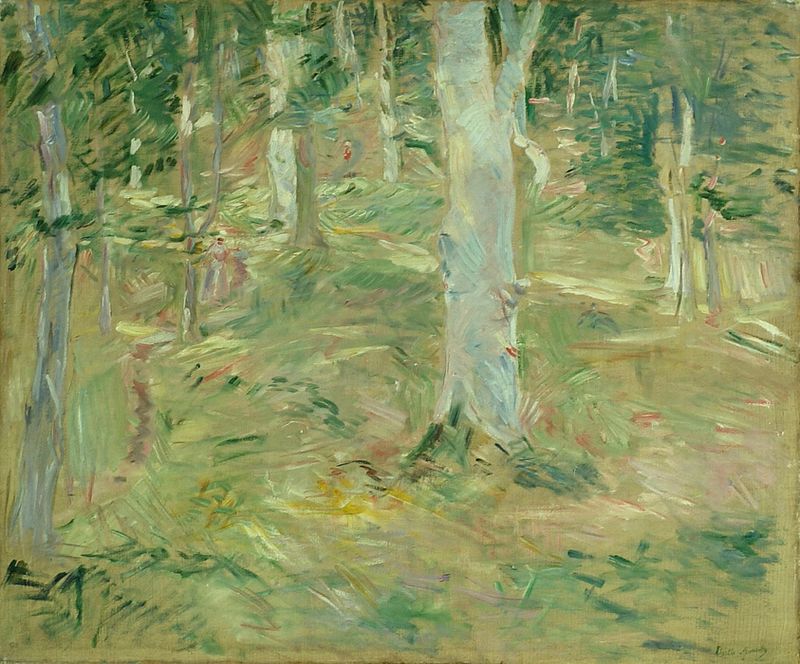
Forêt de Compiègne
Berthe Morisot · 1885 · Art Institute of Chicago
 Same era · 1870s–1900s
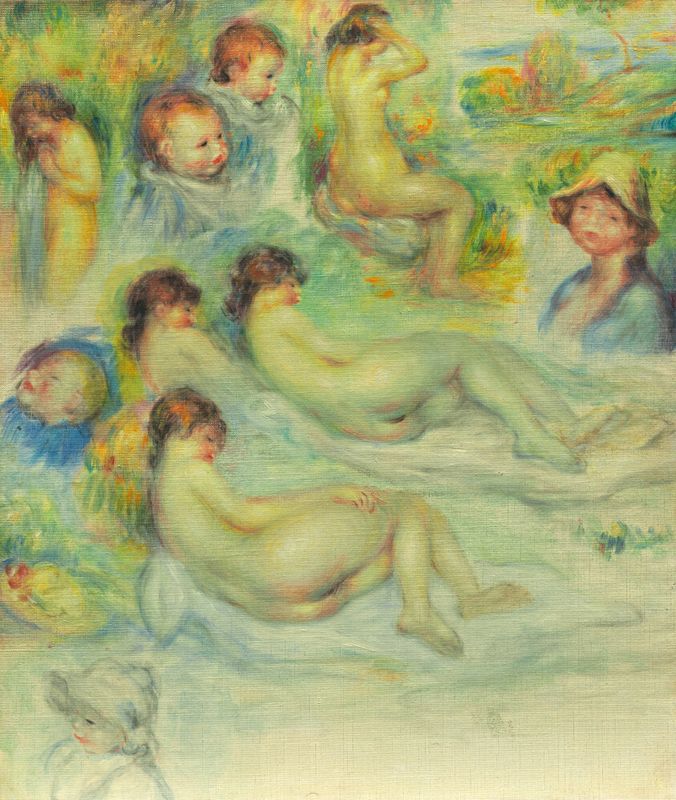
Studies of Pierre Renoir; His Mother, Aline Charigot; Nudes; and Landscape
Pierre-Auguste Renoir · 1885 · Art Institute of Chicago
 Same era · 1870s–1900s
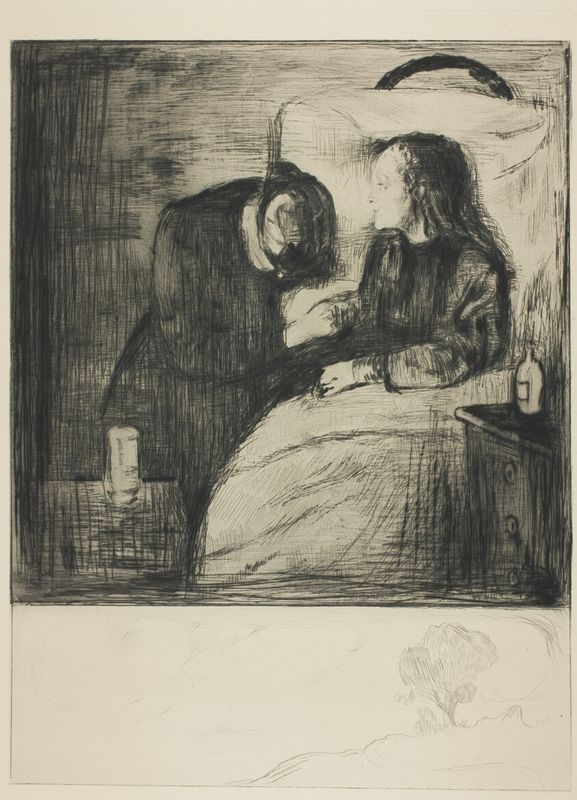
The Sick Child
Edvard Munch · 1885 · National Museum of Art, Architecture and Design
 Same era · 1870s–1900s
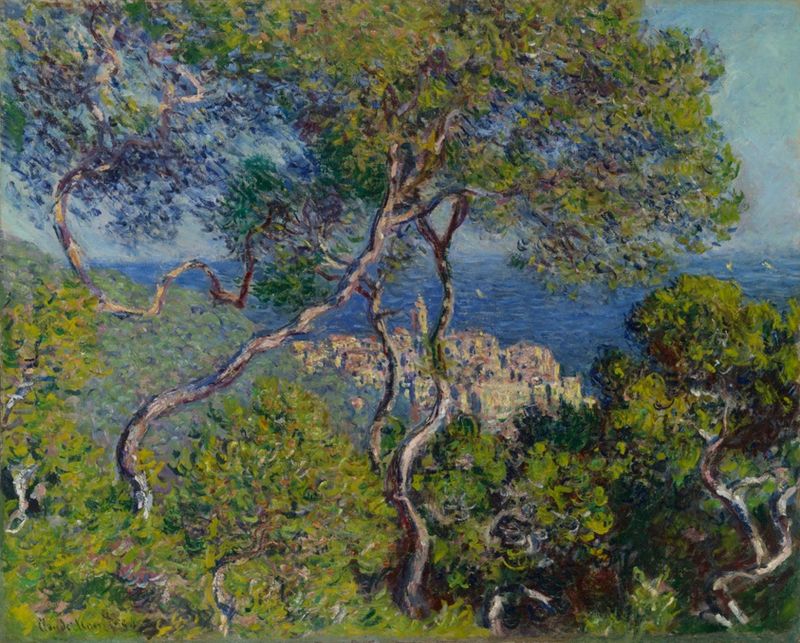
Bordighera
Claude Monet · 1884 · Art Institute of Chicago
 Same era · 1870s–1900s
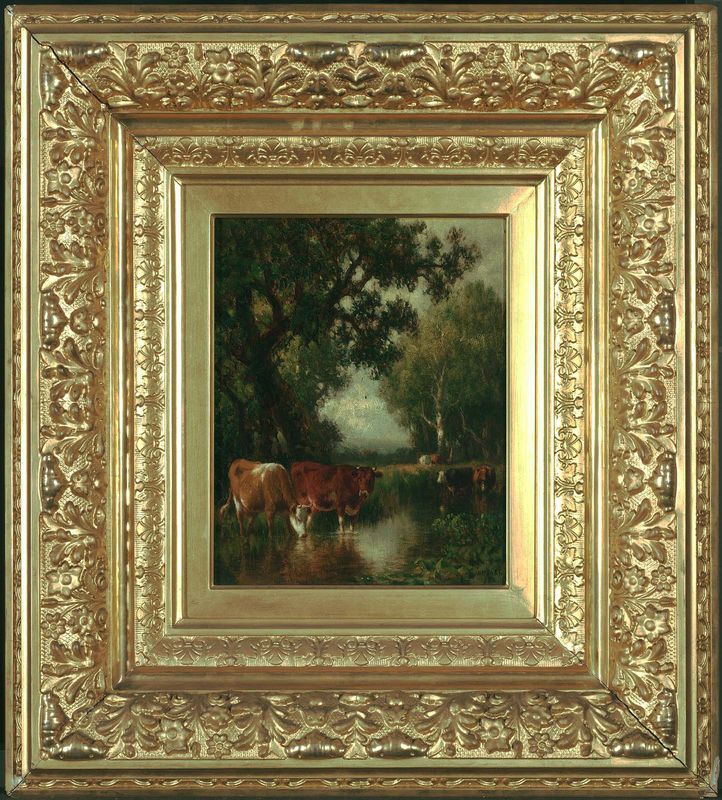
Cows Drinking at a Pool
William Hart · 1886 · Museum of Fine Arts Boston
 Same era · 1870s–1900s
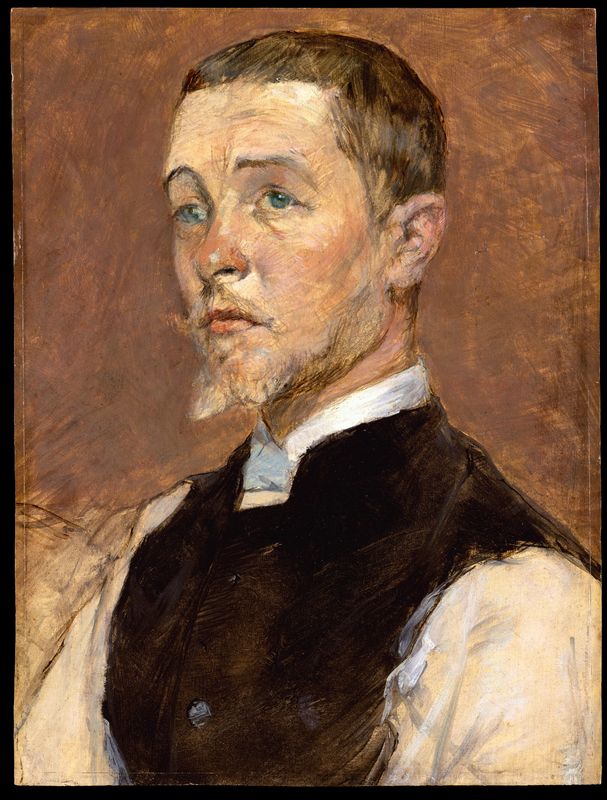
Albert (René) Grenier (1858–1925)
Henri de Toulouse-Lautrec · 1887 · The Metropolitan Museum of Art
