
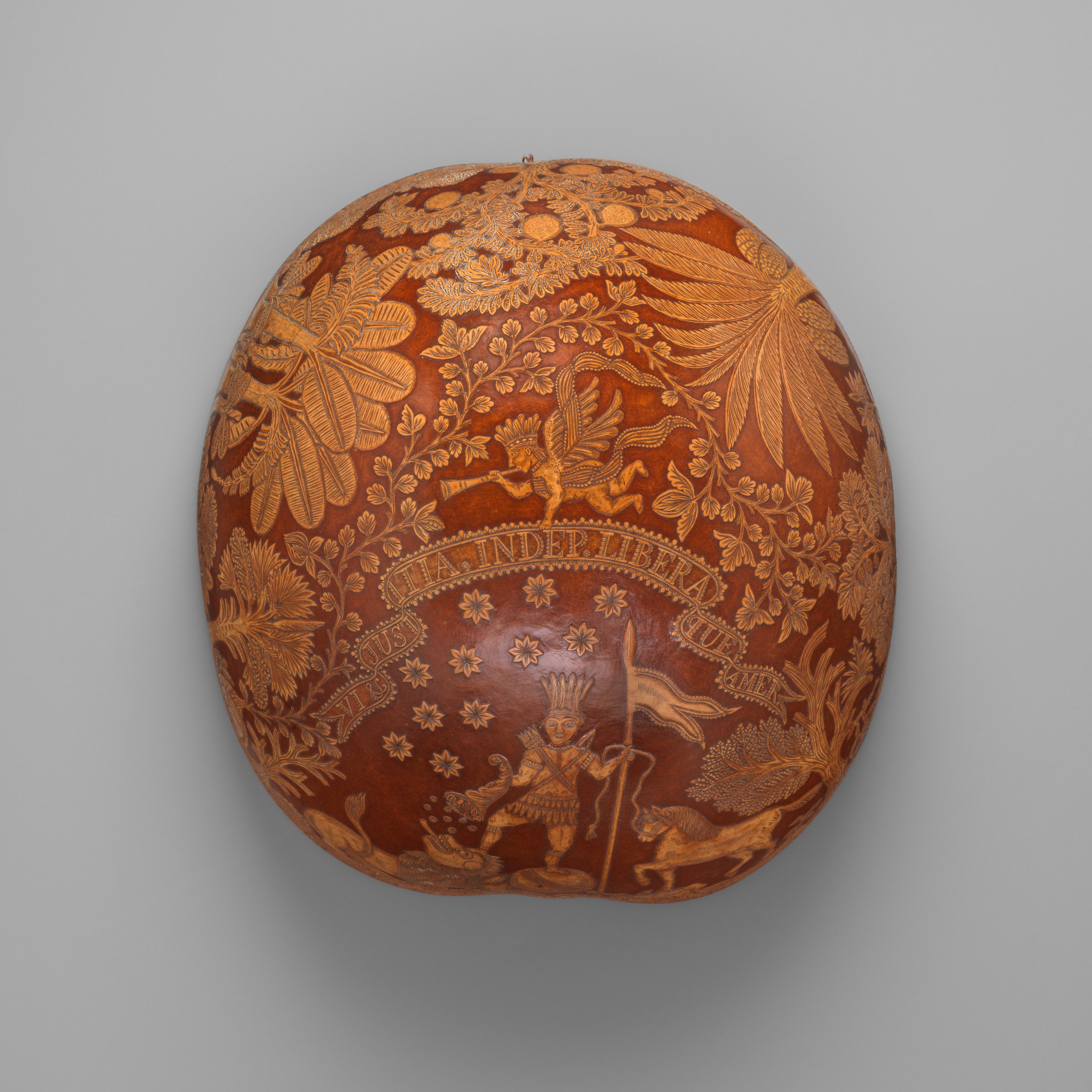
“This carved gourd bowl, made in 1821, is a vivid and unique commemoration of Latin American independence from Spain, transforming a humble object into a powerful symbol of national pride.”
This vibrant gourd bowl, carved from a Cresentia cujeta tree gourd, is a tangible celebration of a pivotal moment in Latin American history: independence from Spain in 1821. Its surface bursts with intricate, colorful imagery, a testament to the skill of an unknown artist who transformed a natural object into a powerful political statement. The bowl's form, inherently organic, is meticulously adorned with symbols that speak to the new nation's aspirations. It served not just as a decorative object, but as a vessel of national pride, likely used in commemorative ceremonies or as a cherished heirloom. The choice of a gourd, a common and versatile material, suggests a connection to indigenous traditions and local craftsmanship, grounding this grand historical event in everyday life and culture.
- Artist
- Artist Unknown - The Mercat Cross, Aberdeen
- Date
- 1821
- Medium
- Carved tree gourd (Cresentia cujeta), pigment
- Location
- The Metropolitan Museum of Art
- Dimensions
- 11 1/2 × 10 1/4 × 4 3/4 in. (29.2 × 26 × 12.1 cm)
- Collection
- The American Wing
- Culture
- Mexican (Oaxaca)
- Credit line
- Purchase, Dunn Revocable Trust, 2021
What to Notice
Four details hide in plain sight. Here’s where to look.
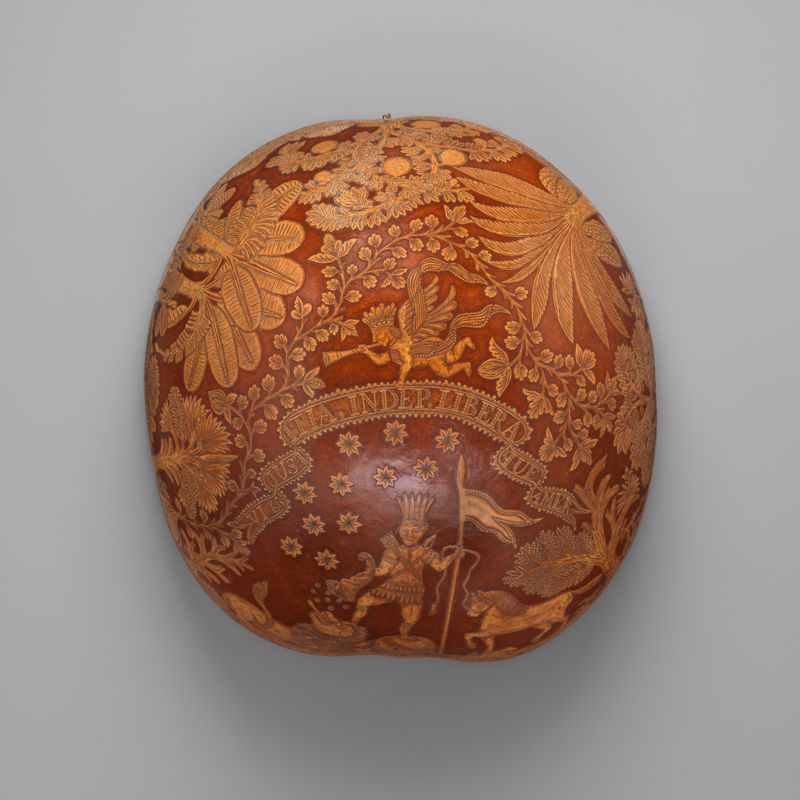
Observe the detailed, brightly painted figures and symbols covering the gourd's surface.
Notice the natural curvature and texture of the gourd itself, incorporated into the design.
Look for specific motifs that might represent independence or national identity.
Consider the skill required to carve such intricate designs into a curved, organic material.
Stand in front of it and listen
The full narration walks you through Gourd Bowl Commemorating Independence from Spain — the story behind it, the details most visitors miss, and why it matters. Free in the Art Whisper app.
Artist Unknown - The Mercat Cross, Aberdeen
This 'Artist Unknown' represents a vast collection of anonymous creators, whose works like 'Boston Common' and 'Self Portrait' offer glimpses into diverse historical periods and artistic practices.
Further Works by Aberdeen
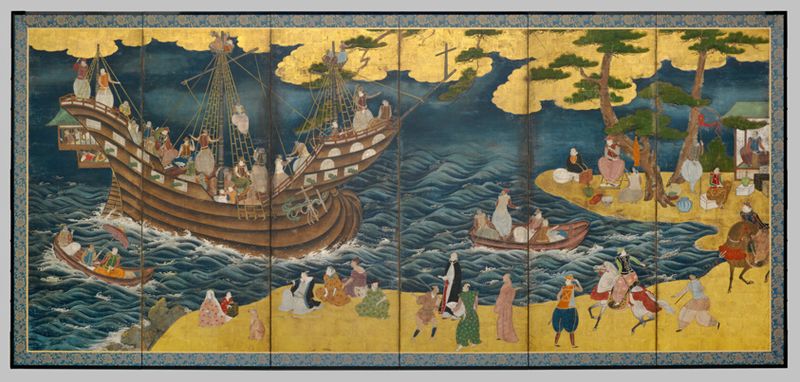 Southern Barbarians
1625 · Art Institute of Chicago
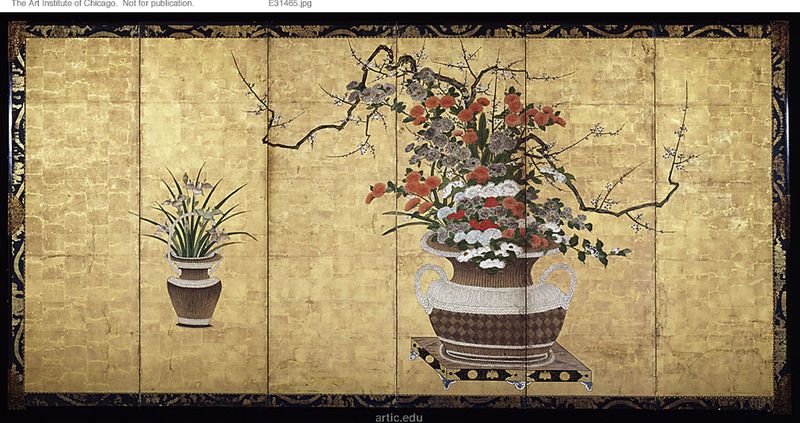 Baskets with Flowers of the Four Seasons
1701 · Art Institute of Chicago
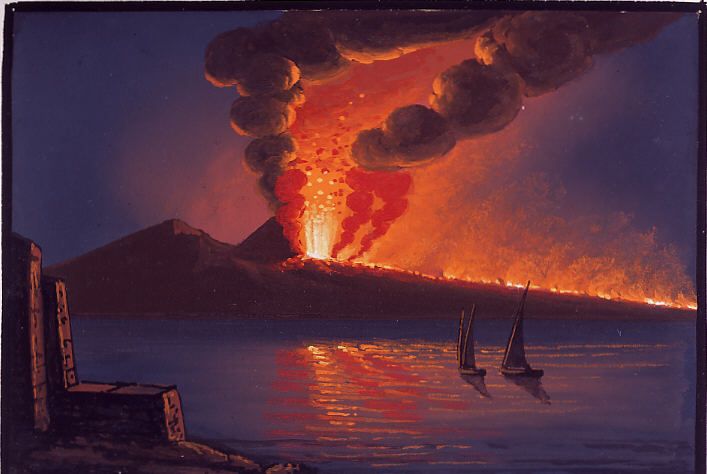 Sketchbook: Souvenir of Naples
1821 · The Metropolitan Museum of Art
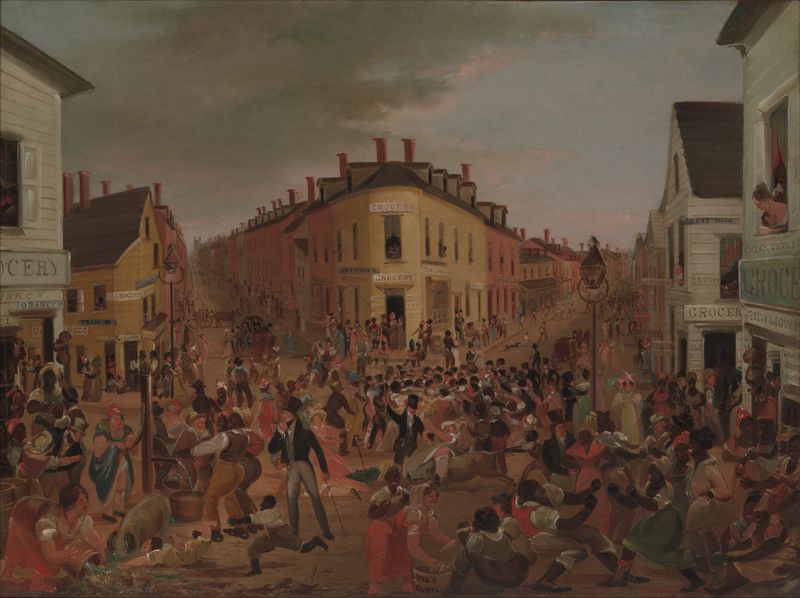 The Five Points
1822 · The Metropolitan Museum of Art
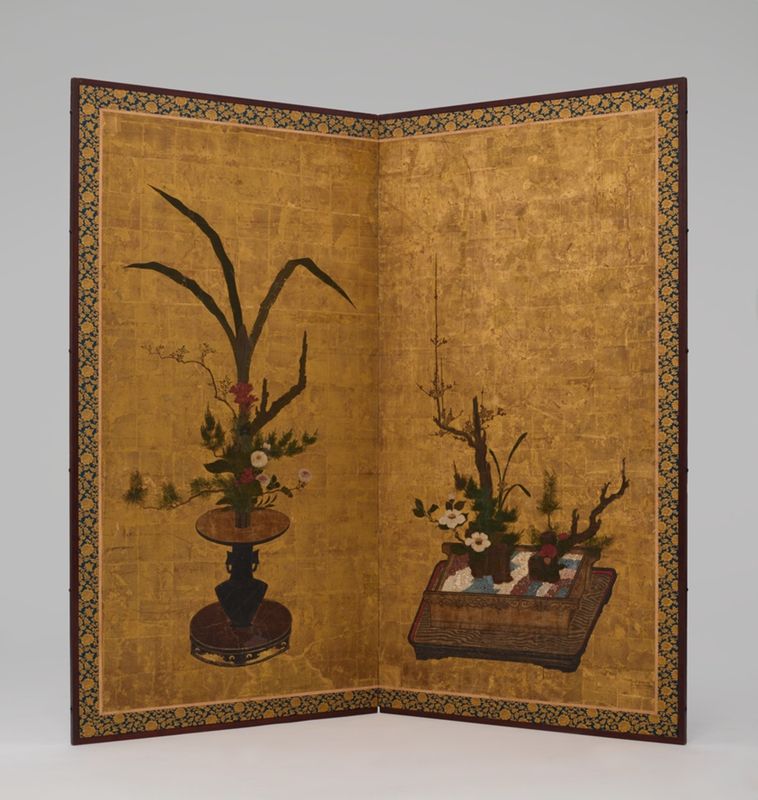 Flower Arrangements
1595 · Art Institute of Chicago
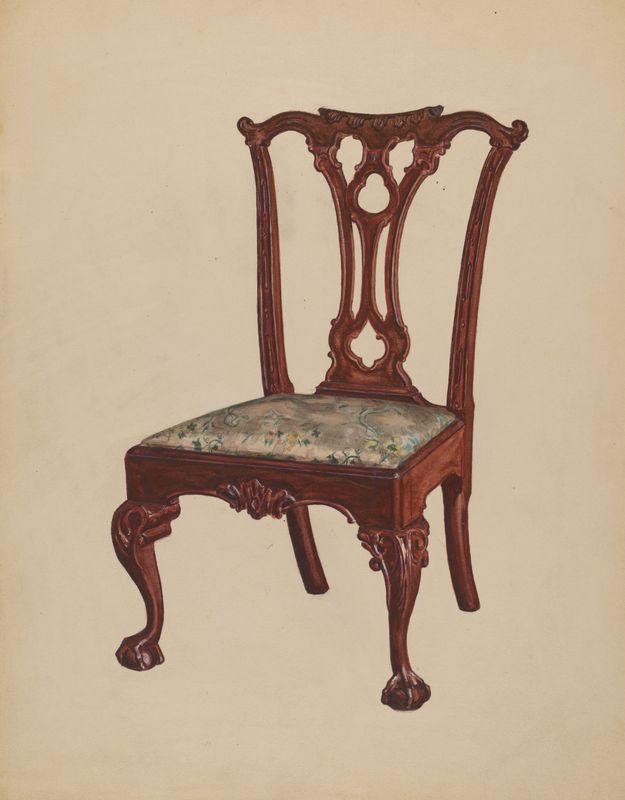 Side Chair
1750 · Art Institute of Chicago
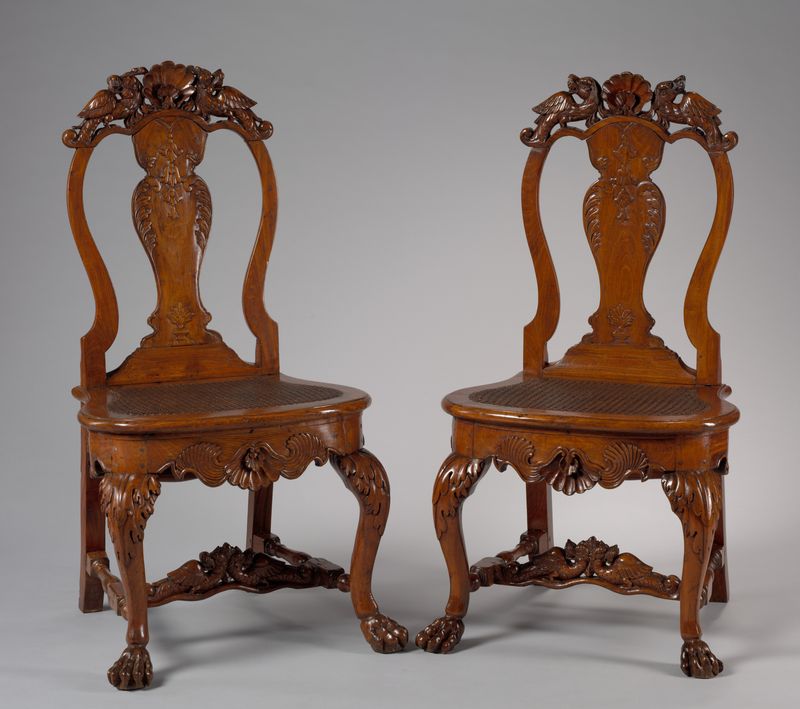 Pair of Side Chairs
1770 · Art Institute of Chicago
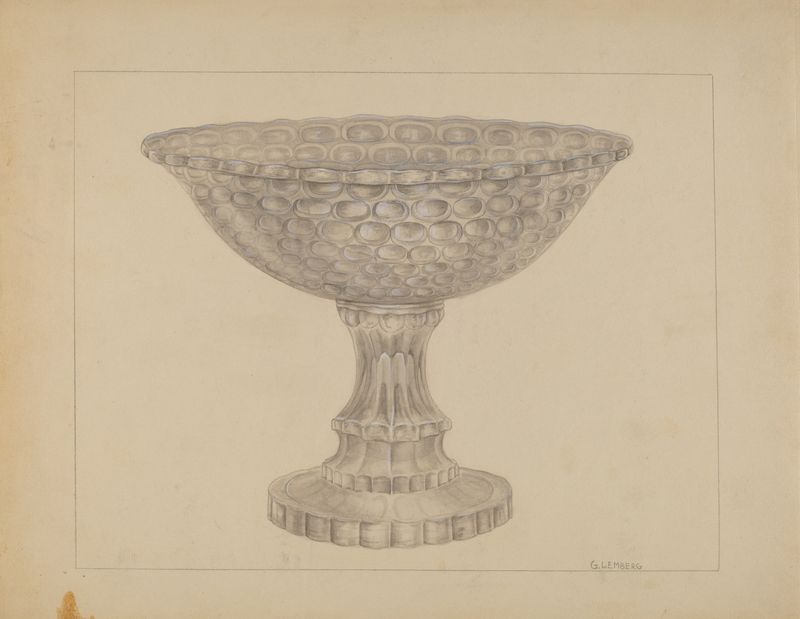 Punch Bowl
1789 · Art Institute of Chicago
More works to explore
Beyond Aberdeen: works from the same years.
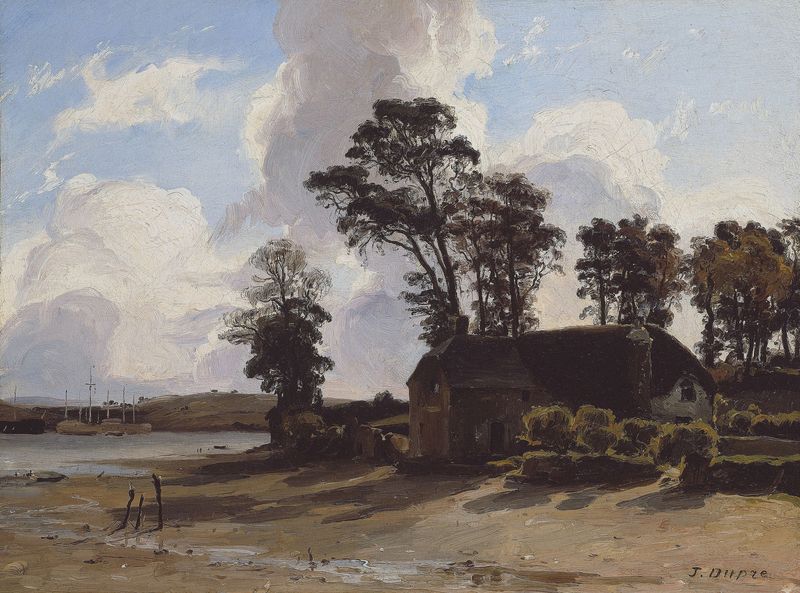 Same era · 1800s–1830s
The Estuary Farm
Léon-Victor Dupré · 1831 · Art Institute of Chicago
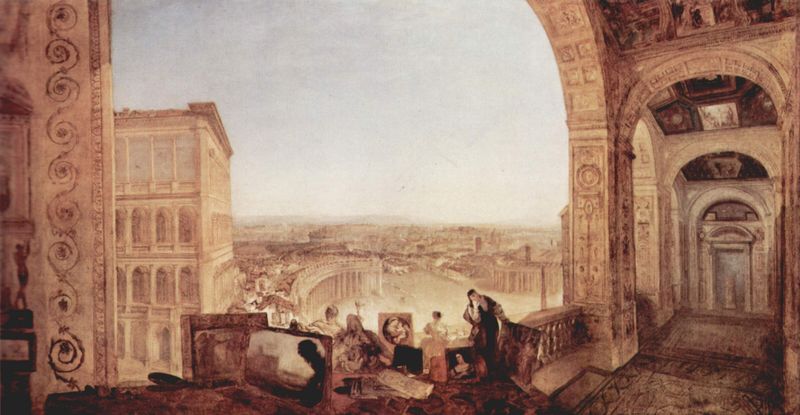 Same era · 1800s–1830s
Rome, from the Vatican. Raffaelle, Accompanied by La Fornarina, Preparing his Pictures for the Decoration of the Loggia
J. M. W. Turner · 1820 · National Gallery
 Same era · 1800s–1830s
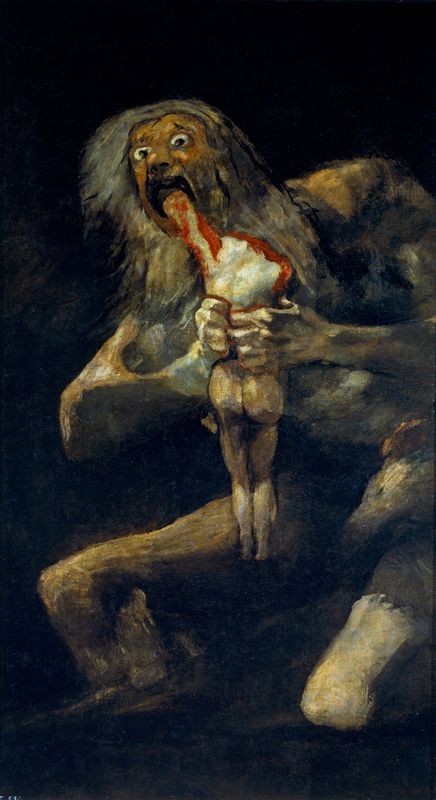
Saturn Devouring His Son
Francisco Goya · 1820 · Museo del Prado
 Same era · 1800s–1830s
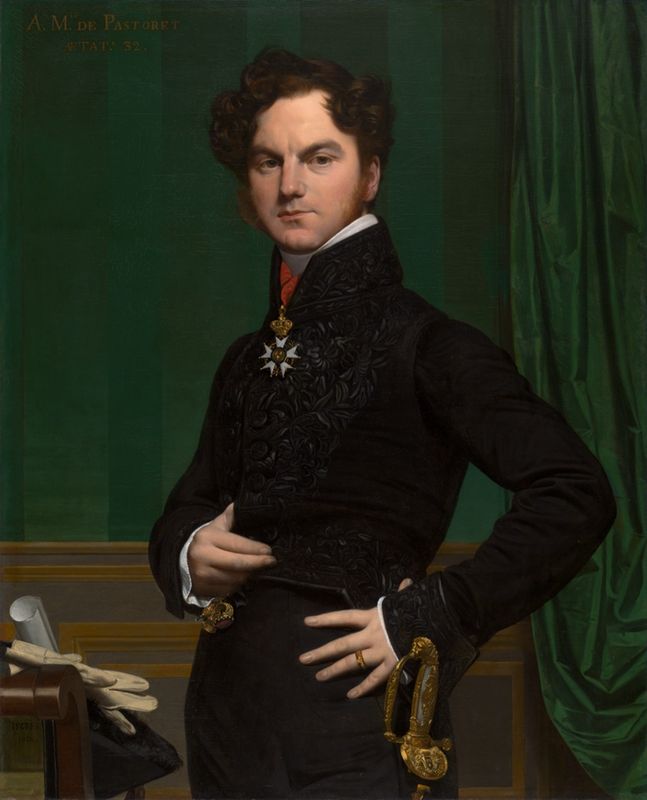
Amédée-David, the Comte de Pastoret
Jean-Auguste-Dominique Ingres · 1823 · Art Institute of Chicago
 Same era · 1800s–1830s
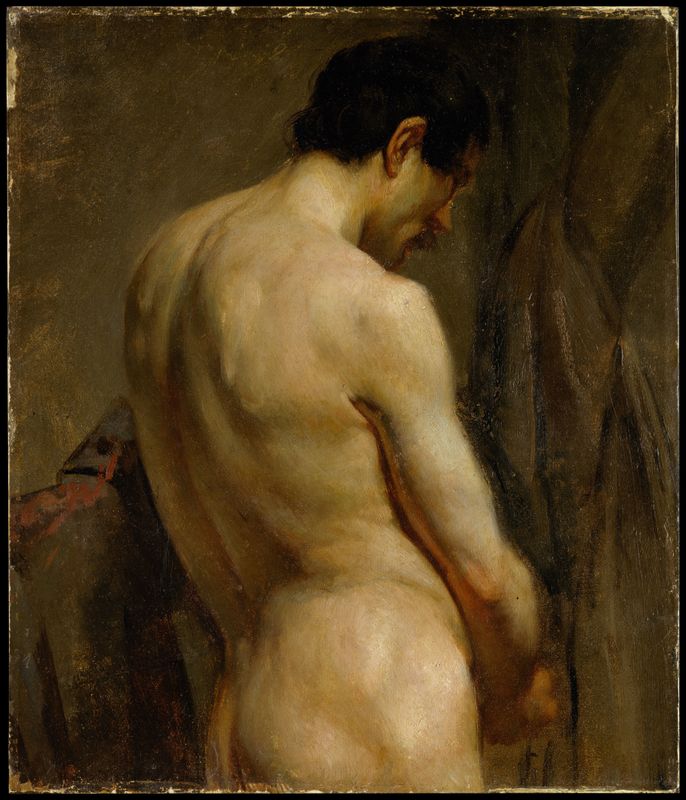
Male Academy Figure: Half-Length, Side View
Eugène Delacroix · 1819 · Karen B. Cohen Collection
 Same era · 1800s–1830s
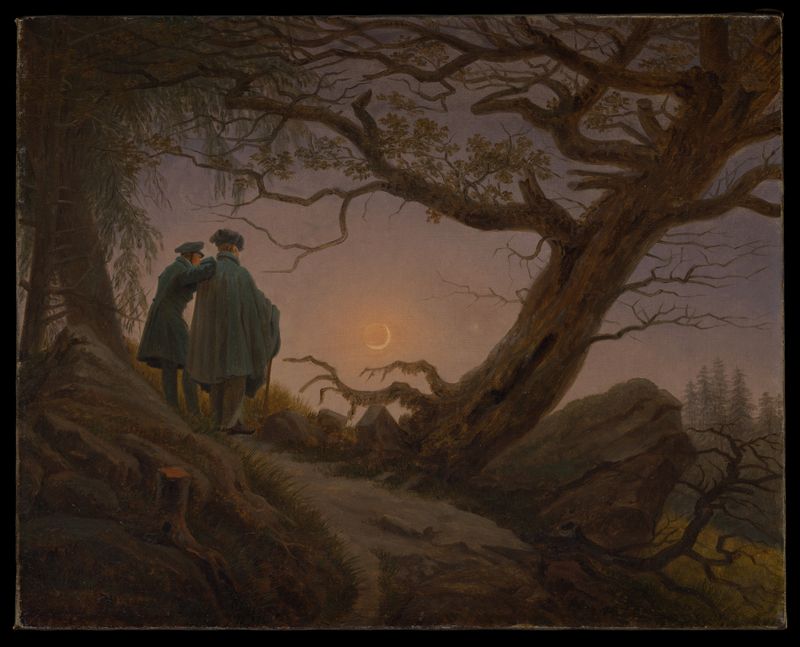
Two Men Contemplating the Moon
Caspar David Friedrich · 1819 · Staatliche Kunstsammlungen Dresden
 Same era · 1800s–1830s
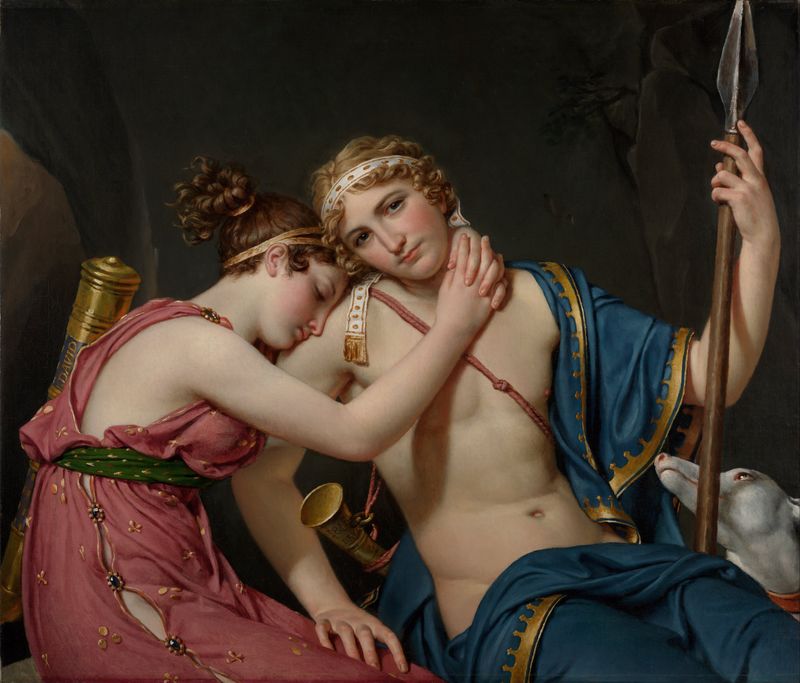
The Farewell of Telemachus and Eucharis
Jacques-Louis David · 1818 · J. Paul Getty Museum
 Same era · 1800s–1830s
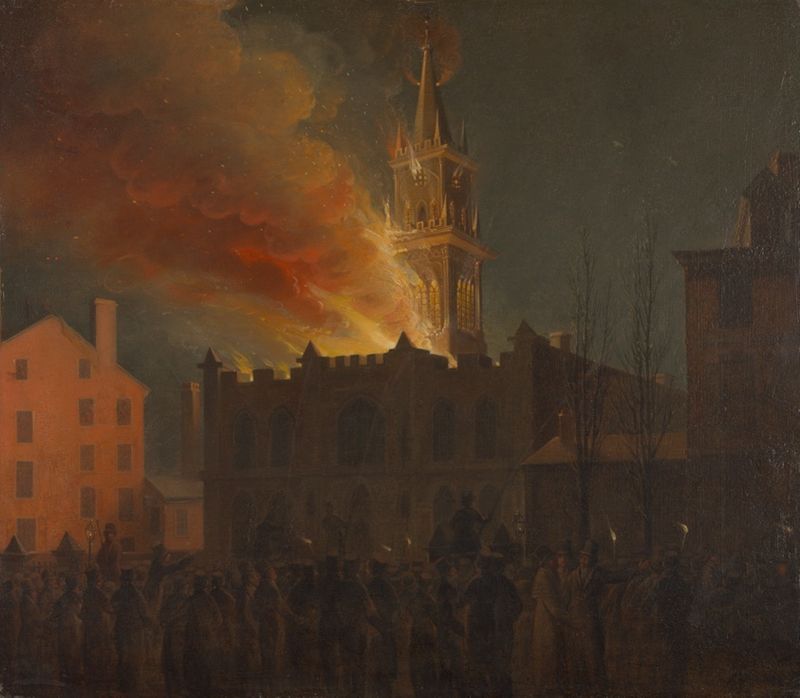
Conflagration of the Masonic Hall, Chestnut Street, Philadelphia, Pennsylvania
Samuel Jones · 1819 · Art Institute of Chicago
 Same era · 1800s–1830s
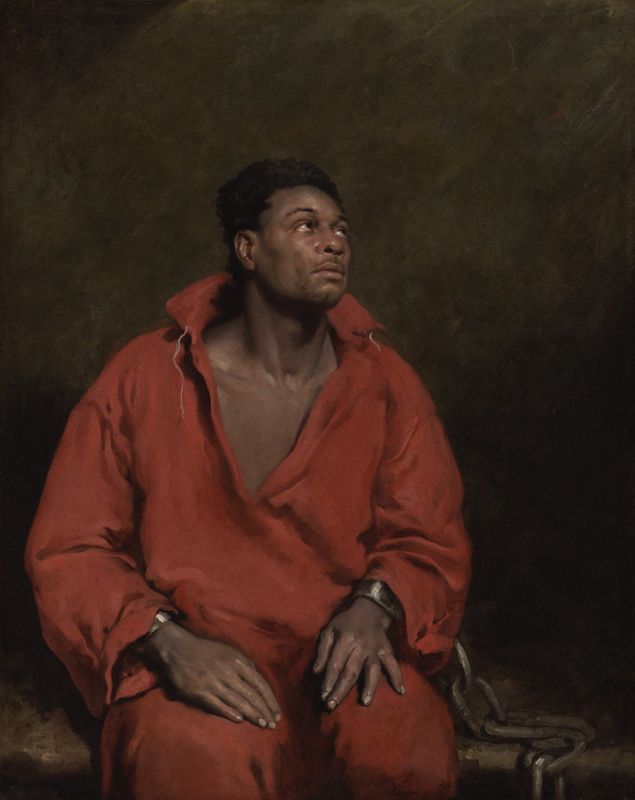
The Captive Slave (Ira Aldridge)
John Philip Simpson · 1827 · Art Institute of Chicago
 Same era · 1800s–1830s
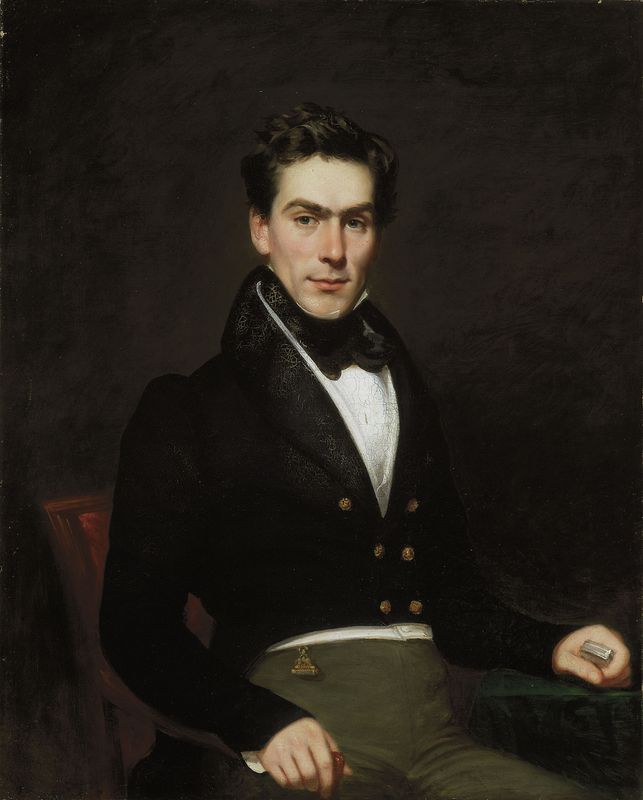
Mr. James Mackie
Samuel Alcock & Company · 1830 · Art Institute of Chicago
 Same era · 1800s–1830s
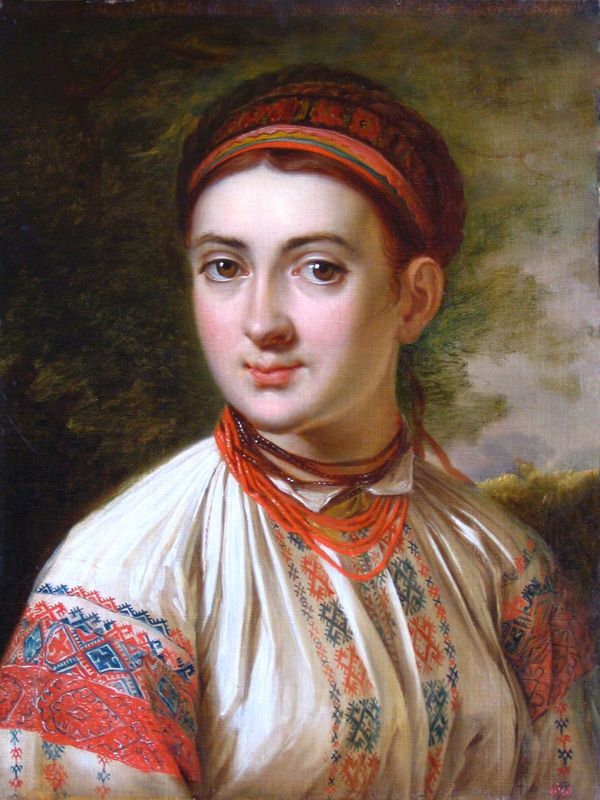
Lady from Podolia
Vasily Andreevich Tropinin · 1821 · Kursk State Art Gallery
 Same era · 1800s–1830s
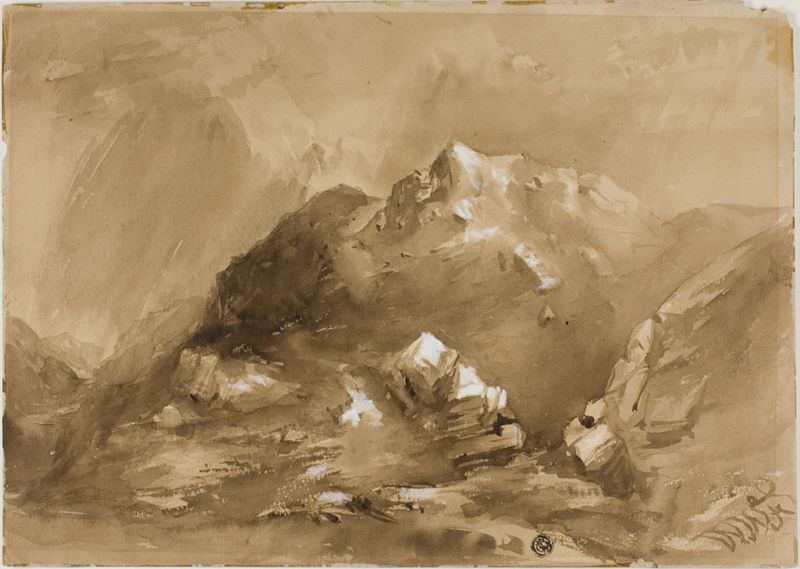
Misty Mountains
William Edward West · 1821 · Art Institute of Chicago