
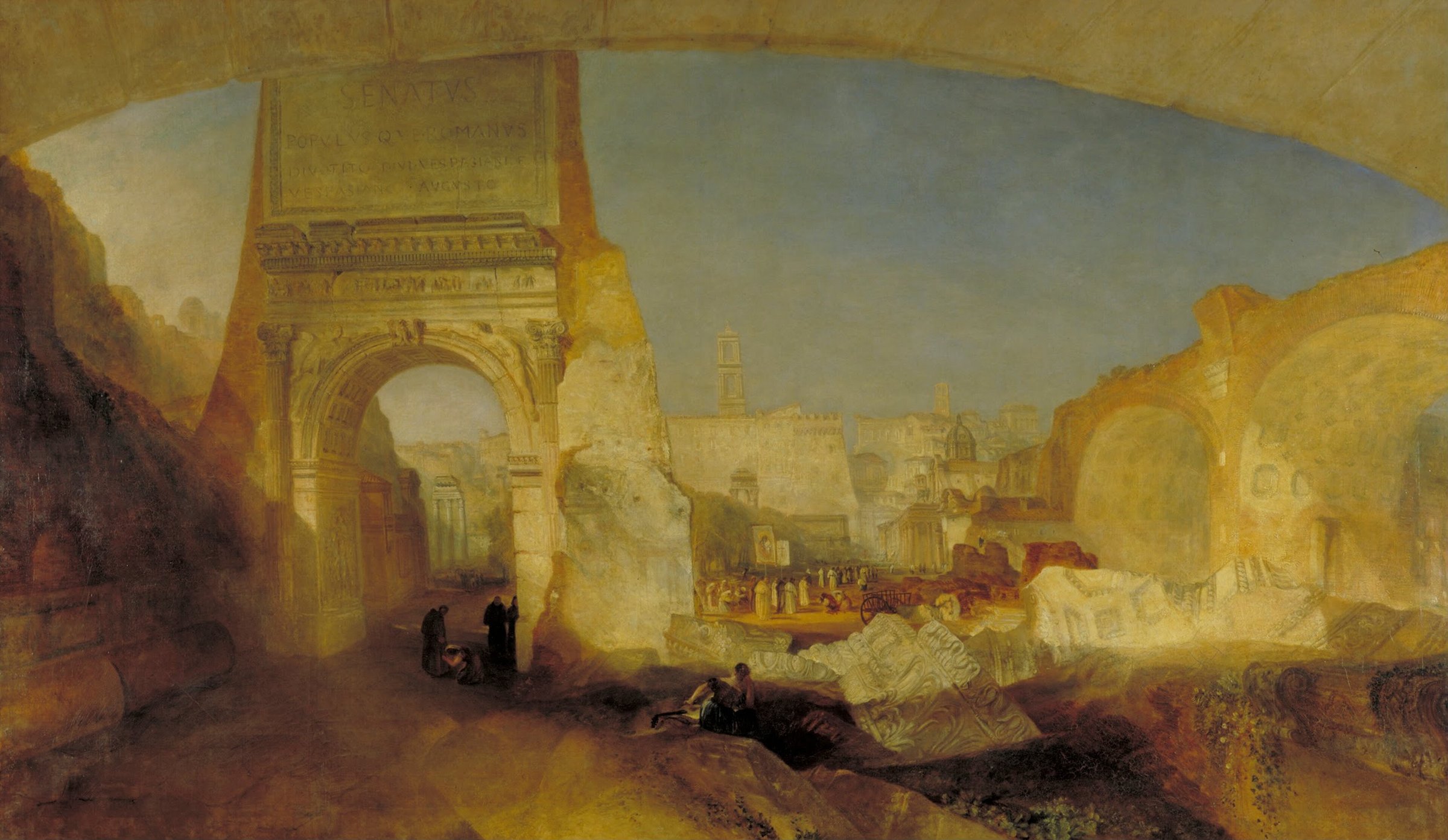
“Step into a dramatically lit vision of the Roman Forum, where J. M. W. Turner blends historical ruins with a vivid, almost theatrical sky, capturing both the majesty of antiquity and the romanticism of decay.”
In this dramatic view of the Roman Forum, J. M. W. Turner transports us to a scene of both ancient grandeur and contemporary decay. The ruins of temples and basilicas rise majestically, bathed in a golden light that seems to emanate from within the canvas itself. But this isn't a pristine historical reconstruction; instead, Turner captures the Forum as it appeared in the 1820s, an overgrown, excavation site. Figures mill about, some seemingly engaged in archaeological work, others simply observing, underscoring the contrast between past glory and present reality. The sky is a turbulent mix of deep blues and fiery oranges, characteristic of Romantic painting, adding an emotional intensity to the historical landscape. This painting was created for Sir John Soane, a prominent architect and collector, and it reflects the era's fascination with classical antiquity and the sublime power of nature over human endeavor.
- Artist
- J. M. W. Turner
- Date
- 1826
- Medium
- Oil on canvas
- Location
- Tate
What to Notice
Five details hide in plain sight. Here’s where to look.
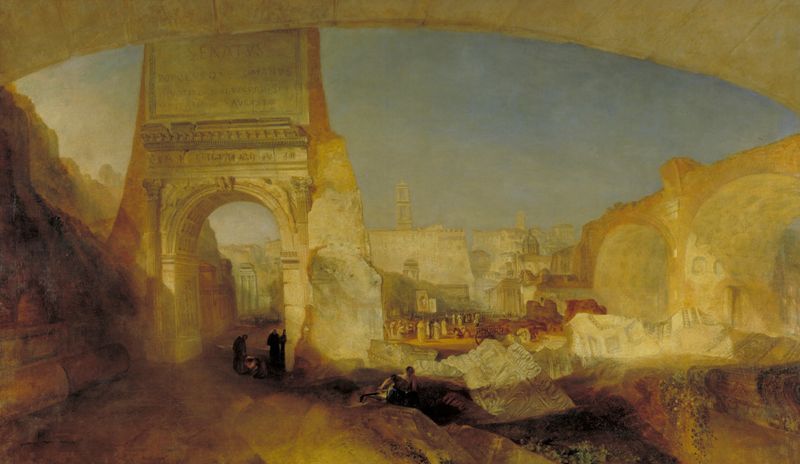
The glowing, almost ethereal light illuminating the ruined structures.
Small figures engaged in various activities amidst the overgrown site.
The dramatic, swirling clouds and intense colors in the sky.
The Arch of Septimius Severus, partially obscured by scaffolding.
1 more detail is waiting.
See all 5 in Art Whisper →Stand in front of it and listen
The full narration walks you through Forum Romanum, for Mr Soane's Museum — the story behind it, the details most visitors miss, and why it matters. Free in the Art Whisper app.
J. M. W. Turner
1775–1851 · Kingdom of Great BritainJ. M. W. Turner, the 'painter of light,' transformed landscape painting with his turbulent marine scenes and expressive use of color.
Further Works by Turner
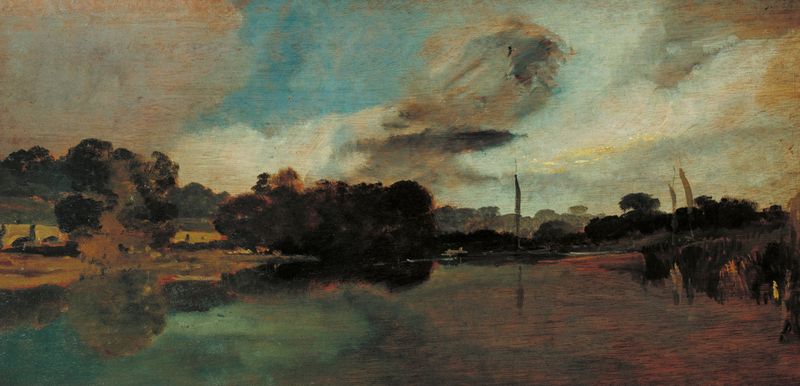
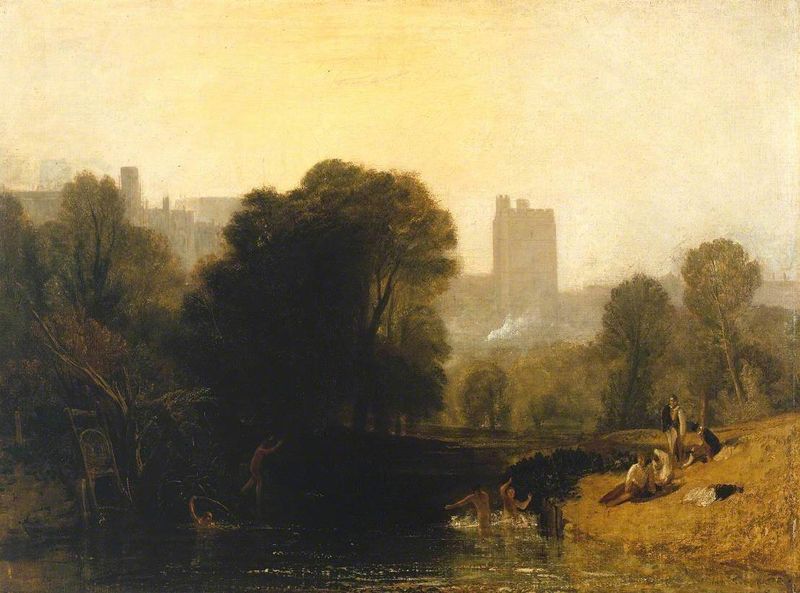 Near the Thames’ Lock, Windsor
1809 · Tate
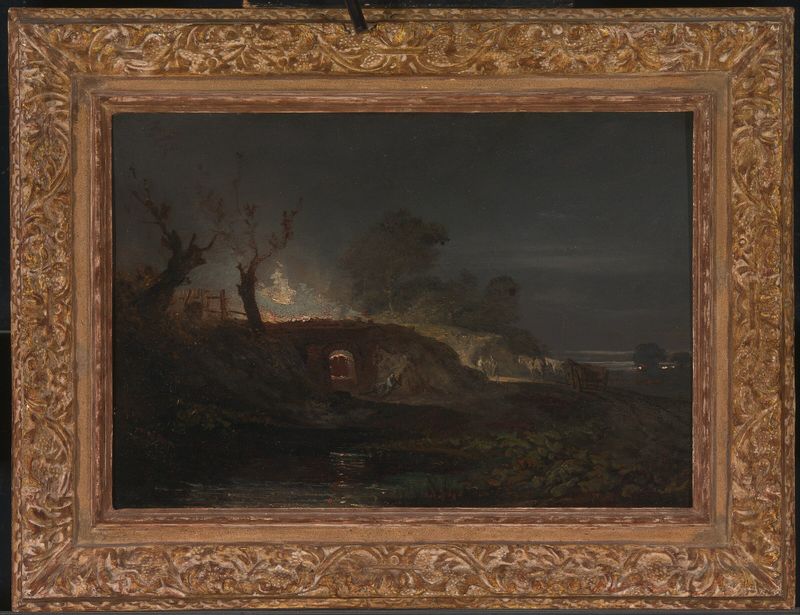 A Limekiln, Possibly at Briton Ferry in South Wales
1797 · Yale Center for British Art
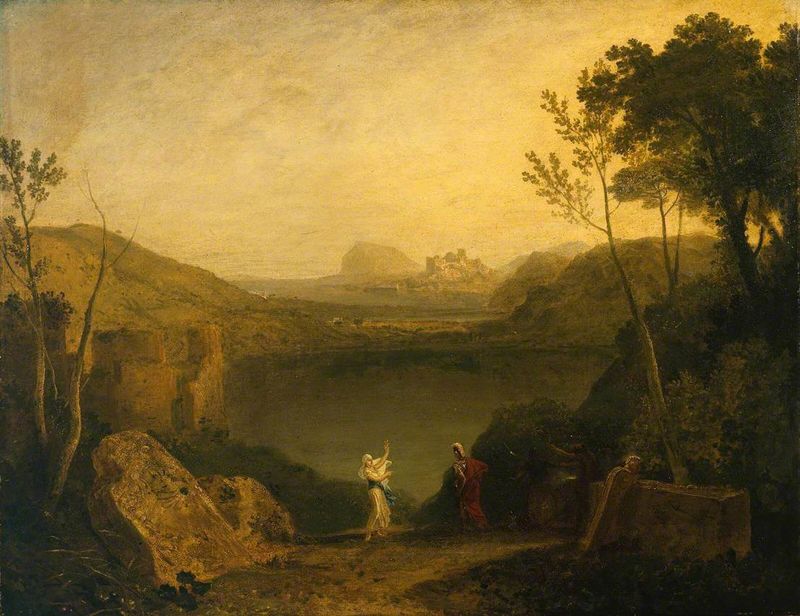 Aeneas and the Sibyl, Lake Avernus
1798 · National Gallery
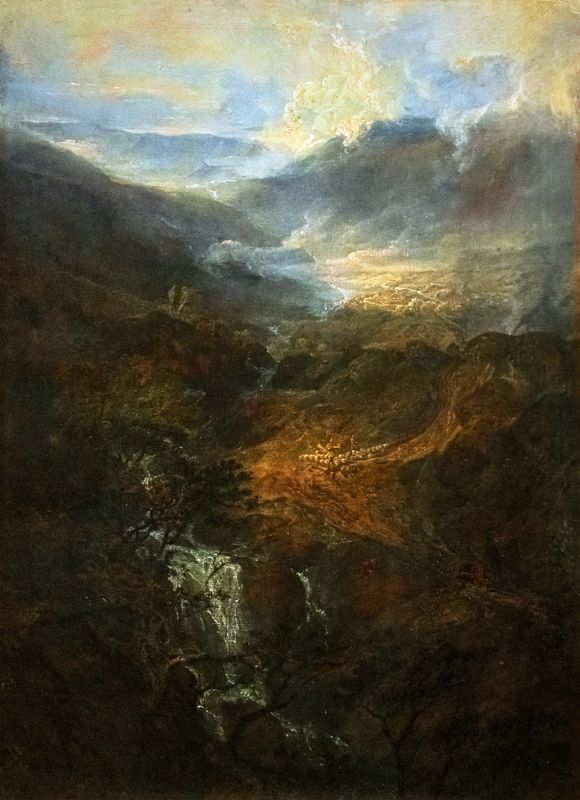 Morning amongst the Coniston Fells, Cumberland
1798 · National Gallery
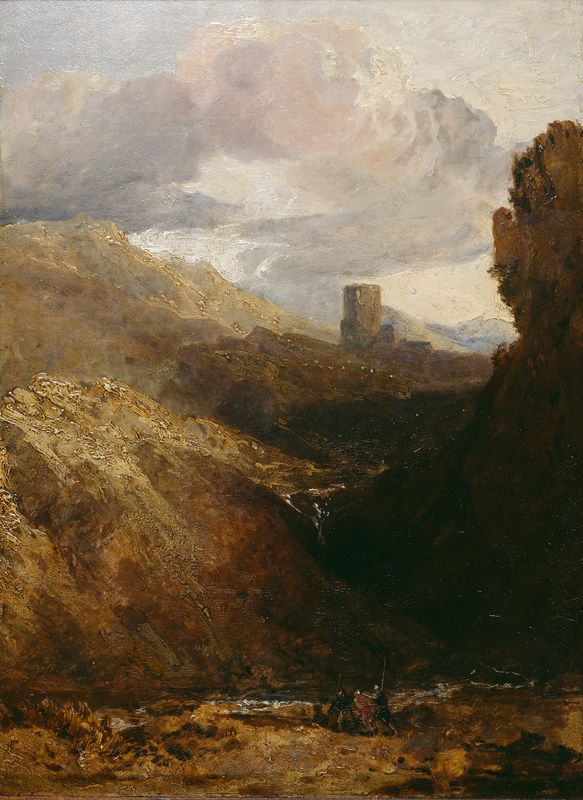 Dolbadarn Castle
1800 · National Library of Wales
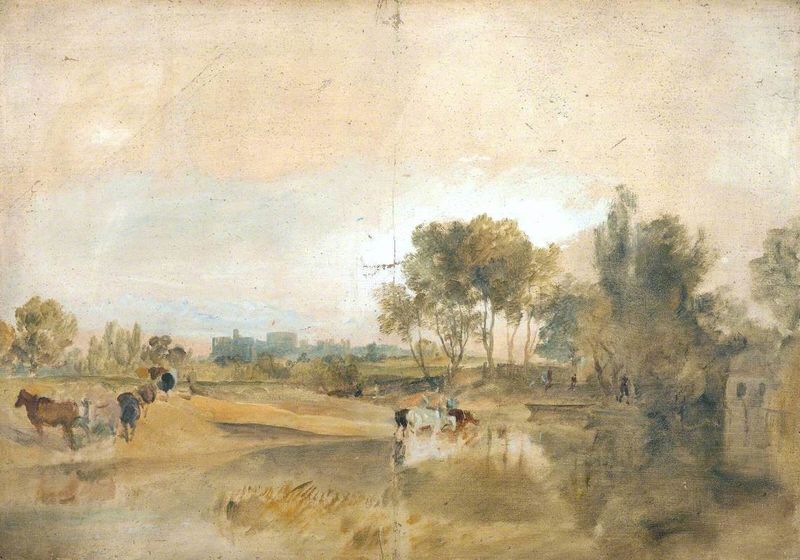 A Thames Backwater with Windsor Castle in the Distance
1805 · National Gallery
 Walton Reach
1805 · National Gallery
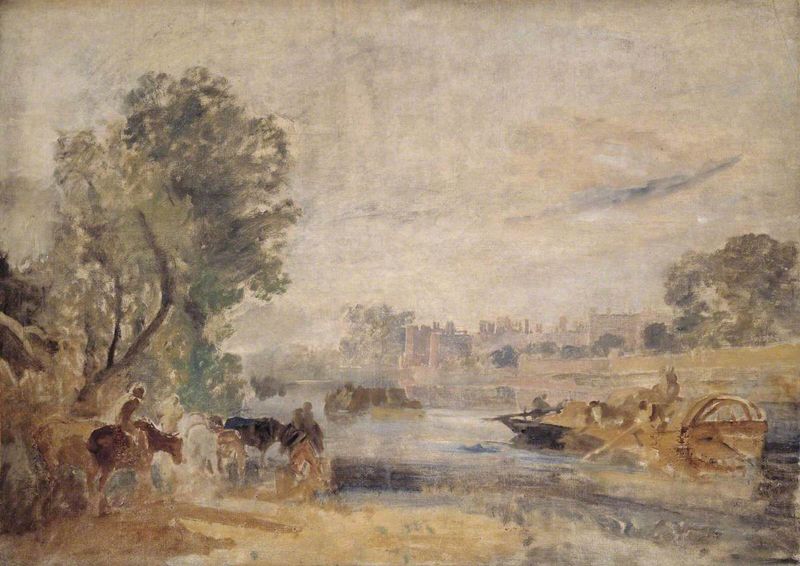 Hampton Court from the Thames
1806 · National Gallery
More from Romanticism
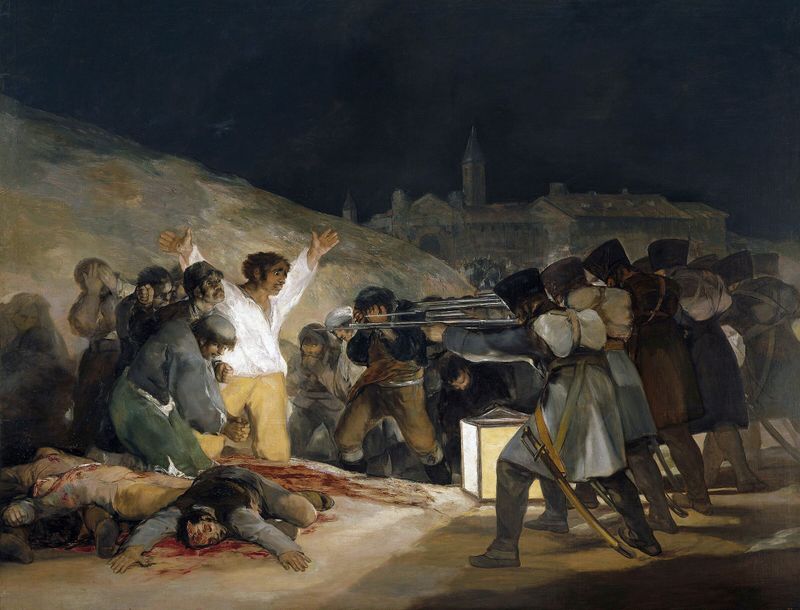
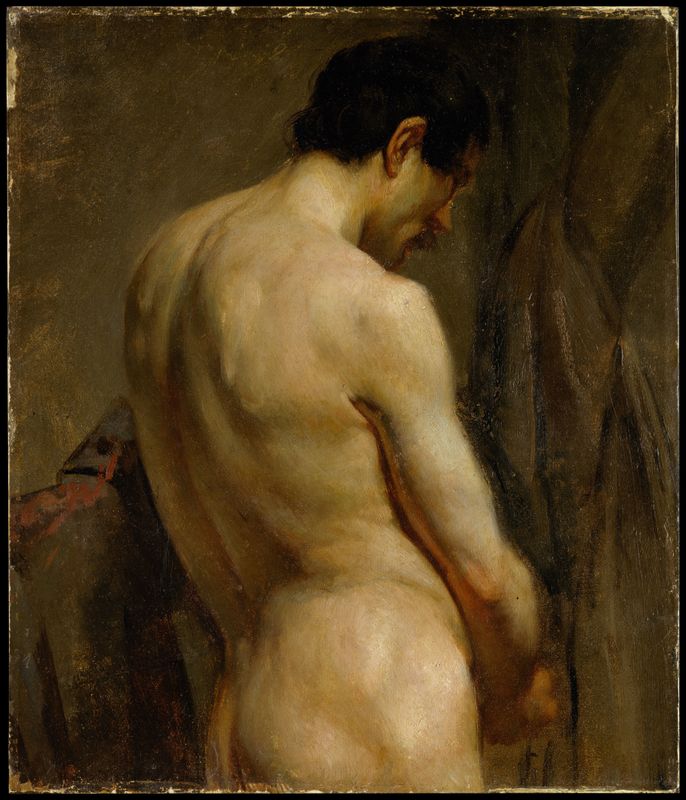
More works to explore
Beyond Turner and Romanticism: works from the same years.
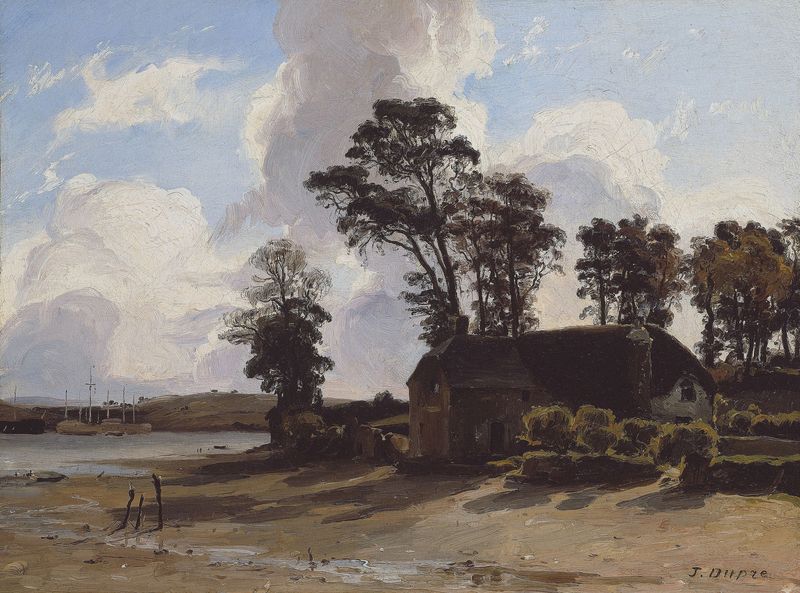 Same era · 1810s–1840s
The Estuary Farm
Léon-Victor Dupré · 1831 · Art Institute of Chicago
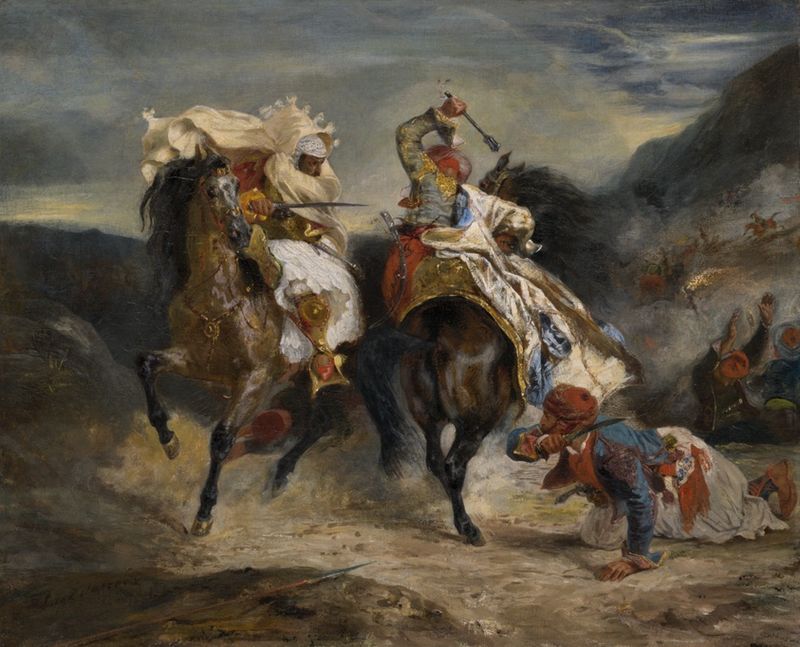 Same era · 1810s–1840s
The Combat of the Giaour and Hassan
Eugène Delacroix · 1826 · Art Institute of Chicago
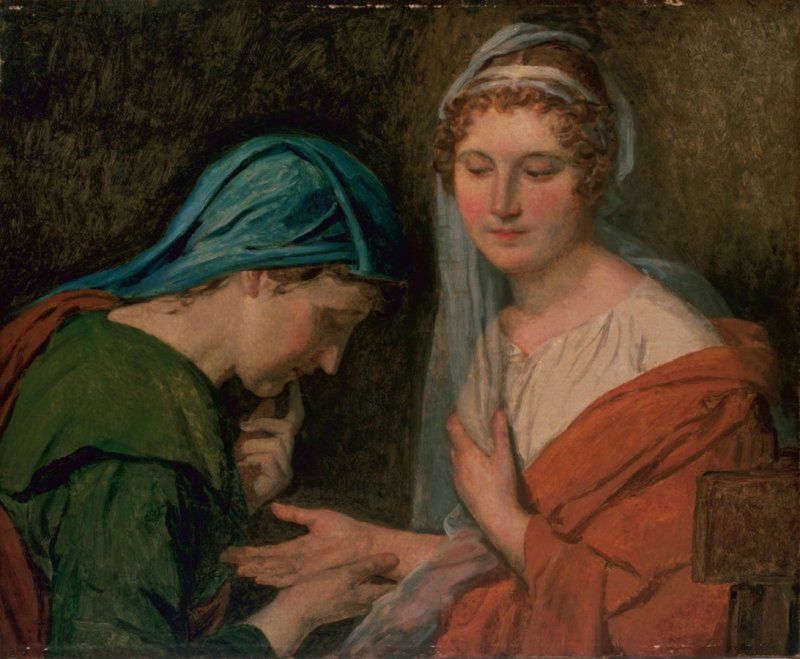 Same era · 1810s–1840s
The Fortune Teller (La Bonne Aventure)
Jacques-Louis David · 1824 · Fine Arts Museums of San Francisco
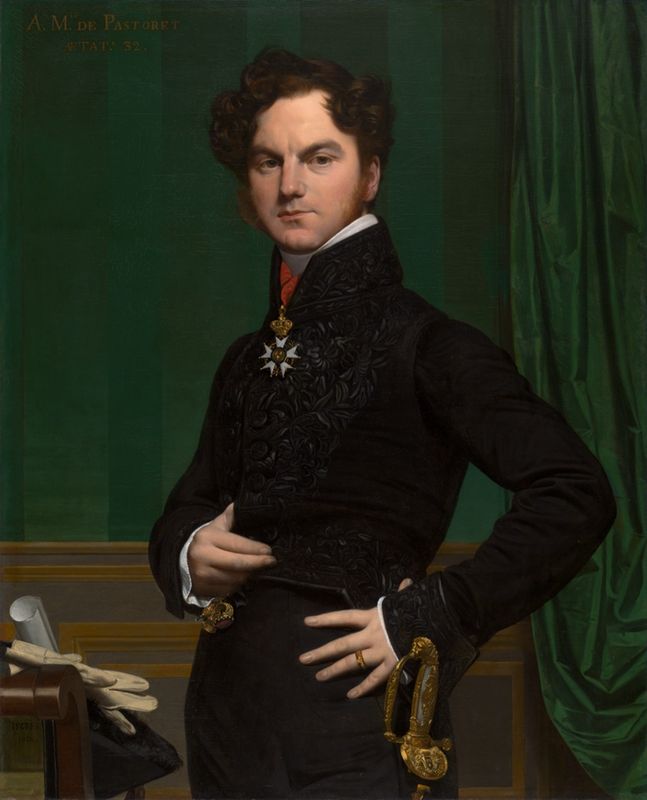 Same era · 1810s–1840s
Amédée-David, the Comte de Pastoret
Jean-Auguste-Dominique Ingres · 1823 · Art Institute of Chicago
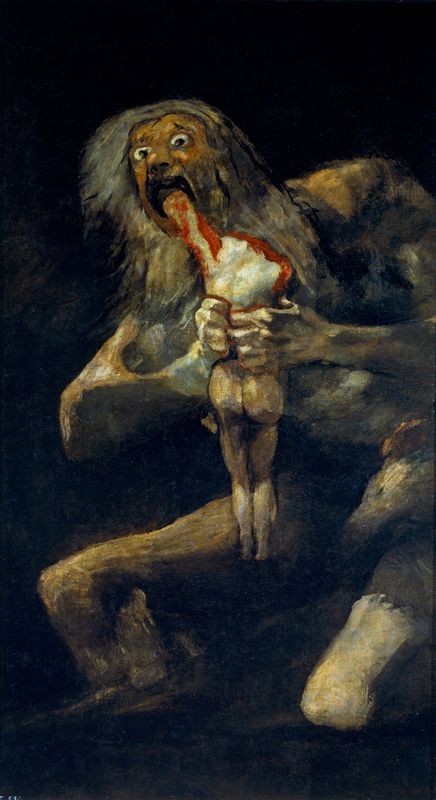 Same era · 1810s–1840s
Saturn Devouring His Son
Francisco Goya · 1820 · Museo del Prado
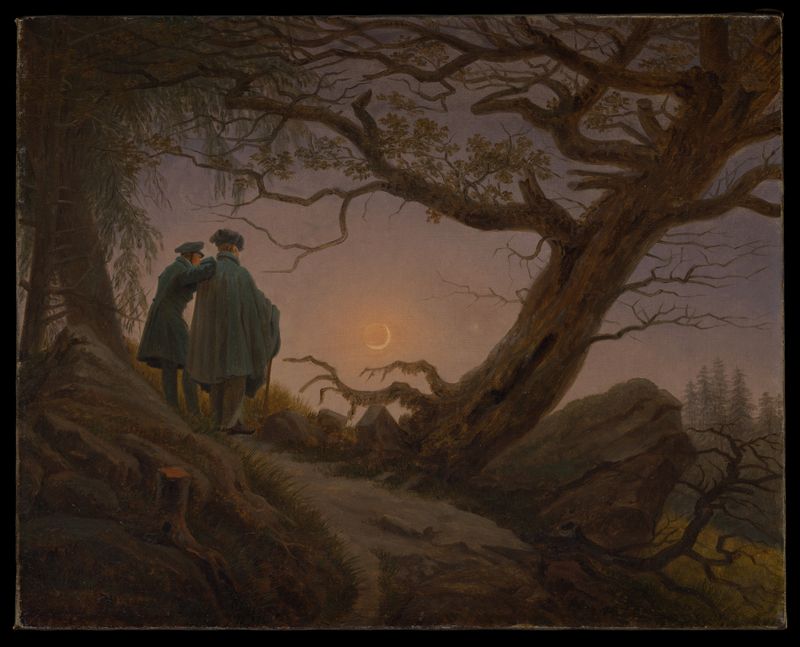 Same era · 1810s–1840s
Two Men Contemplating the Moon
Caspar David Friedrich · 1819 · Staatliche Kunstsammlungen Dresden
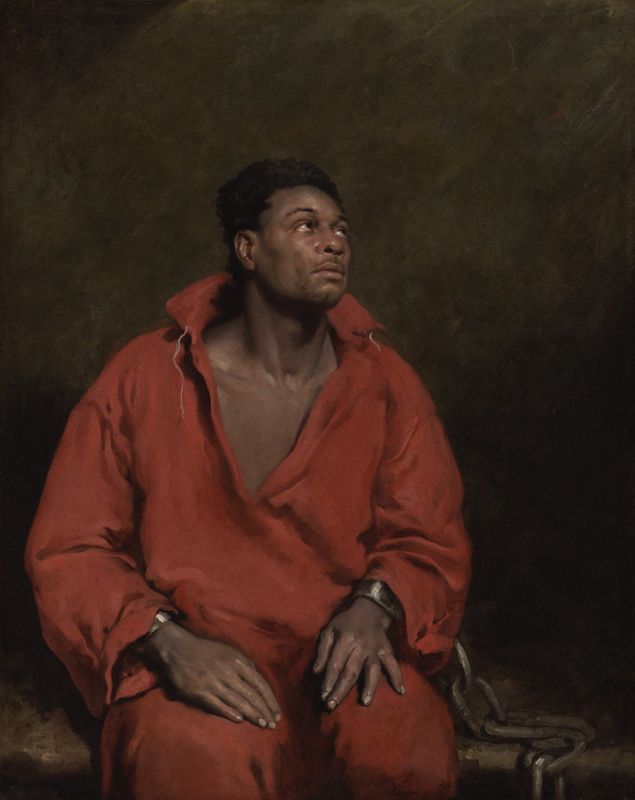 Same era · 1810s–1840s
The Captive Slave (Ira Aldridge)
John Philip Simpson · 1827 · Art Institute of Chicago
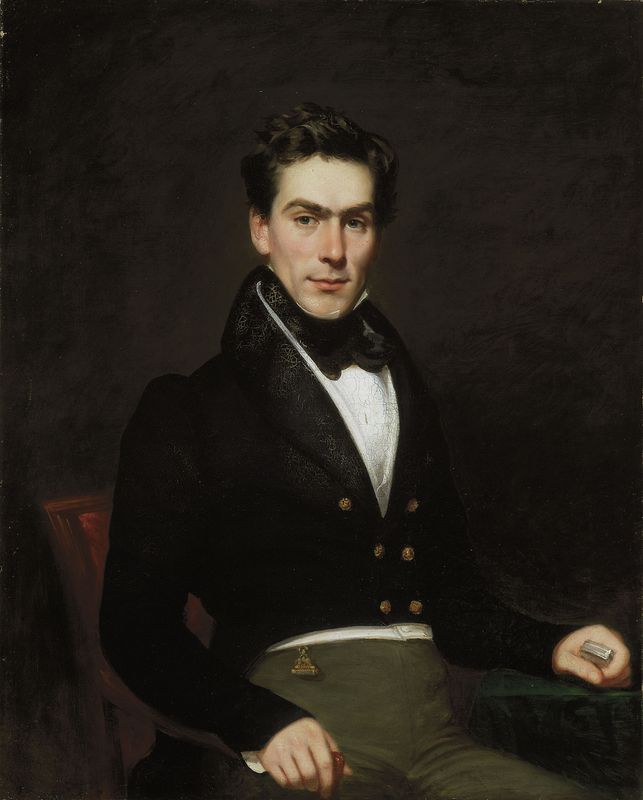 Same era · 1810s–1840s
Mr. James Mackie
Samuel Alcock & Company · 1830 · Art Institute of Chicago
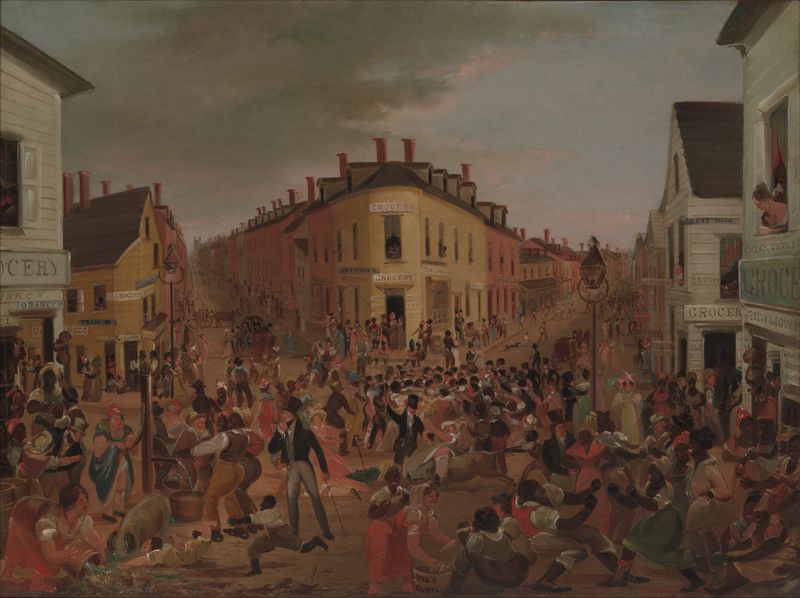 Same era · 1810s–1840s
The Five Points
Artist Unknown - The Mercat Cross, Aberdeen · 1822 · The Metropolitan Museum of Art
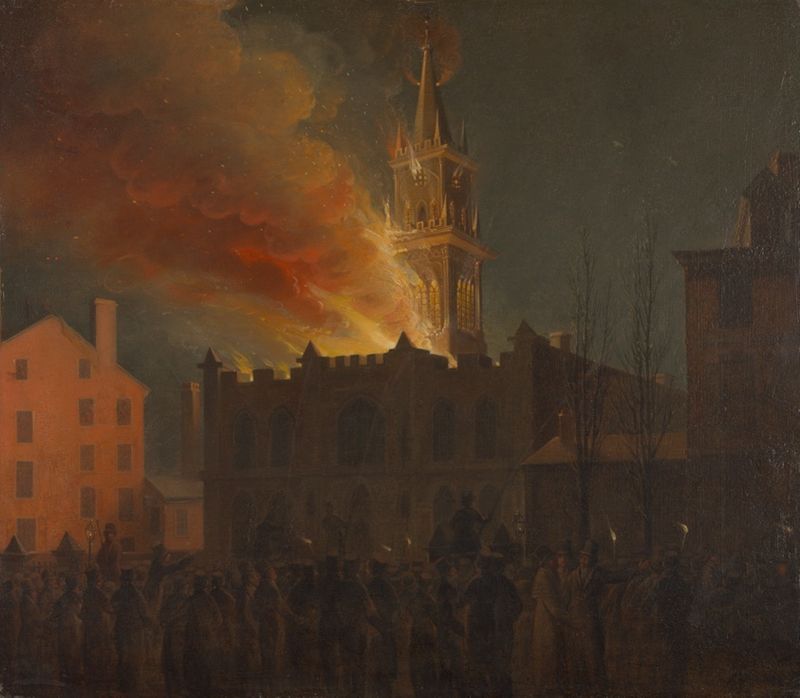 Same era · 1810s–1840s
Conflagration of the Masonic Hall, Chestnut Street, Philadelphia, Pennsylvania
Samuel Jones · 1819 · Art Institute of Chicago
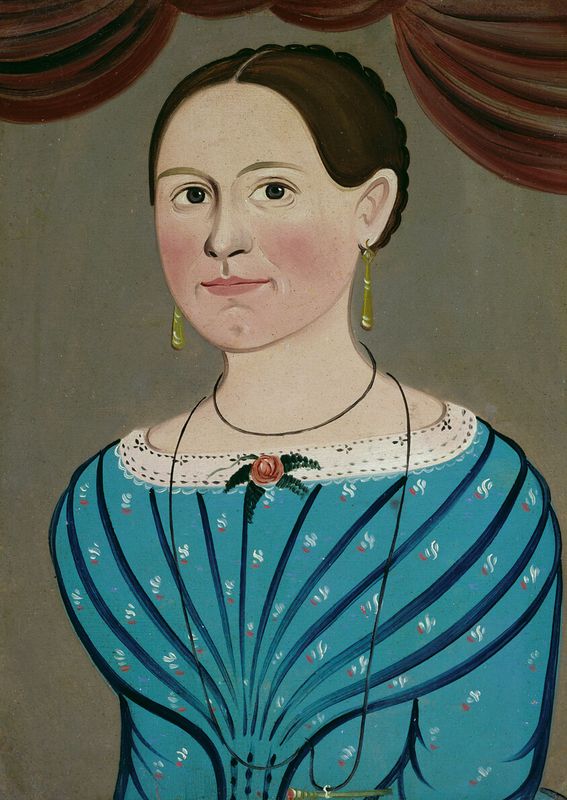 Same era · 1810s–1840s
Woman in a Blue Dress
School of William Matthew Prior · 1840 · Art Institute of Chicago
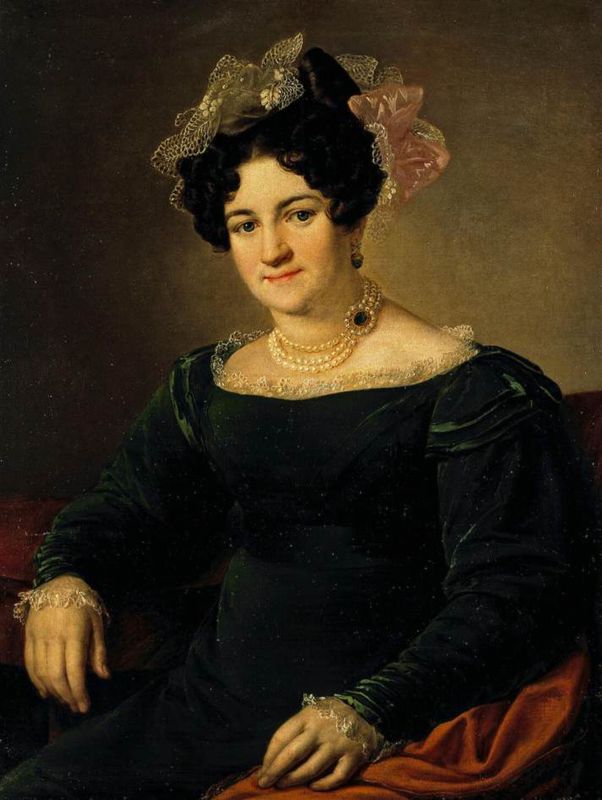 Same era · 1810s–1840s
Portrait of P.I. Sapoznikova
Vasily Andreevich Tropinin · 1826 · Hermitage Museum