01
Stethoscope in hand
The upper hand grips a stethoscope with long rubber tubes, a metal headpiece and a flared bell. It is the clearest sign of the sitter's profession, and it lets the objects speak for the man.
1 of 4 on the painting
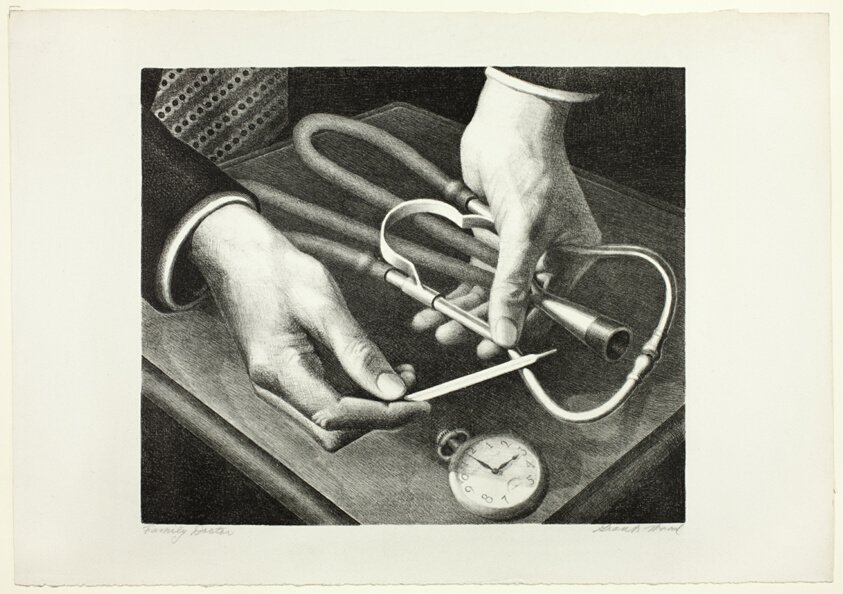
“This lithograph captures the quiet heroism of a rural doctor in a vast, wintry landscape, a poignant image of dedication and the challenges of life in the American Midwest.”
In this lithograph, "Family Doctor" by Grant Wood, a lone figure stands silhouetted against a stark, wintery landscape, a small bag clutched in one hand. The scene is rendered with Wood’s characteristic precision, each tree branch and fence post sharply defined against the snow-covered ground and a low, brooding sky. The doctor, a solitary sentinel, appears dwarfed by the vast, open fields and the distant, almost geometric farm buildings. This sense of isolation, coupled with the quiet dignity of the figure, evokes a profound feeling of resilience and duty in the face of nature's indifference. The composition, with its strong horizontal lines of the fence and the road, draws the eye towards the vanishing point, emphasizing the long journey ahead or just completed. It's a poignant depiction of rural life, where essential services often required traversing challenging conditions, reflecting the stoic spirit of the American Midwest.
Five details hide in plain sight. Pick one and we’ll show you exactly where to look.
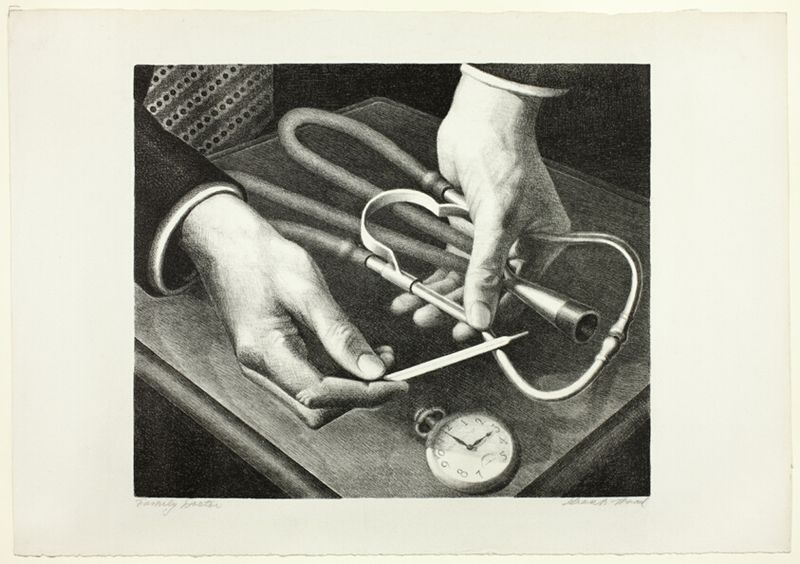
The upper hand grips a stethoscope with long rubber tubes, a metal headpiece and a flared bell. It is the clearest sign of the sitter's profession, and it lets the objects speak for the man.
At left, an open hand holds a slender, pointed stick, perhaps a pencil or a probe. The fingers and creased palm are drawn with careful, close detail.
Low in the picture, a pocket watch sits near the bottom edge. Its presence suggests the timing of a pulse and the routine of a doctor, without showing a face.
Look at the knuckles and fingers of the upper hand. Tiny crayon-like strokes build the soft light and form, so skin looks almost sculpted against dark cloth.
We see no face, only cuffs, a tie and hands. Wood makes the doctor's work and touch stand for the man, which feels both intimate and anonymous.
The full narration walks you through Family Doctor — the story behind it, the details most visitors miss, and why it matters. Free in the Art Whisper app.
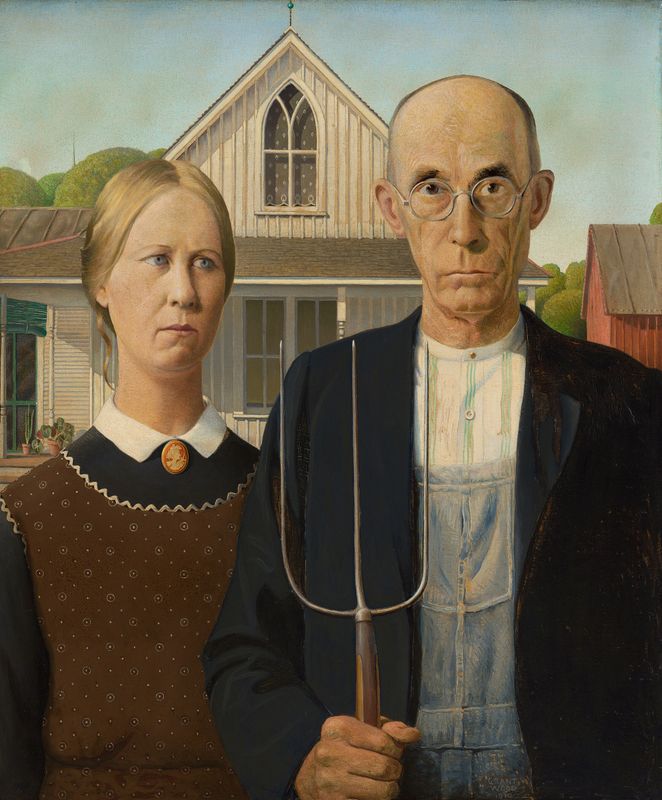
Grant Wood, the iconic painter of 'American Gothic,' captured the spirit of the rural American Midwest with striking clarity and detail.
Beyond Wood and Social Realism: works from the same years.
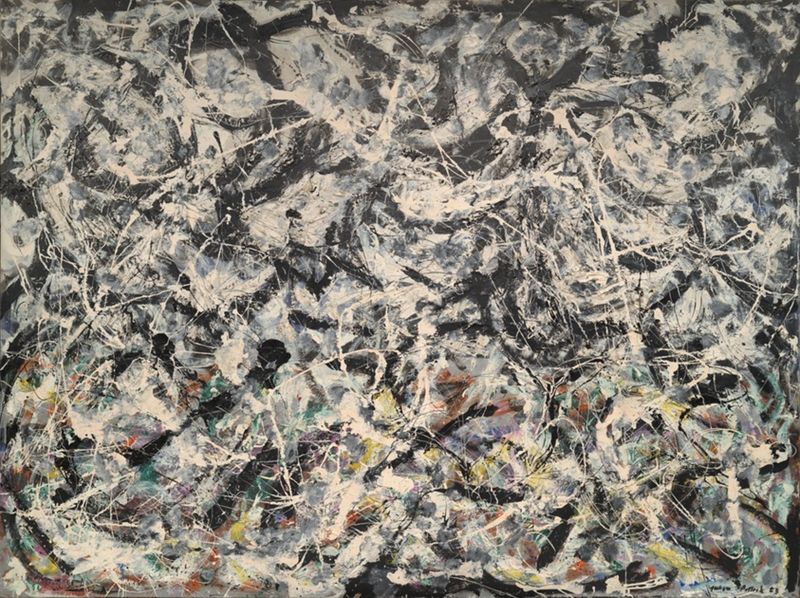 Same era · 1920s–1950s
Greyed Rainbow
Jackson Pollock · 1953 · Art Institute of Chicago
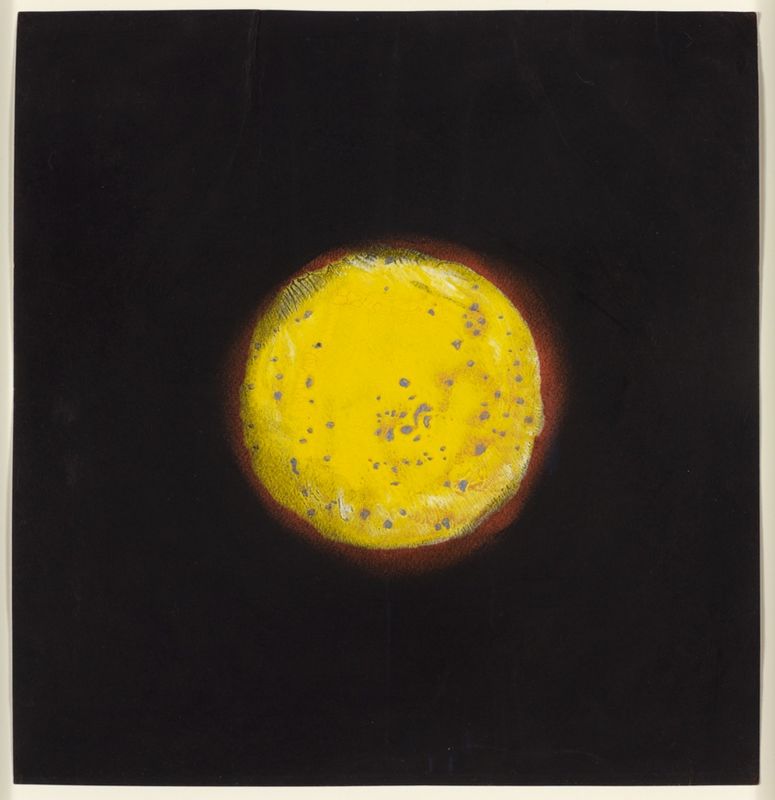 Same era · 1920s–1950s
Sun Spot
Yayoi Kusama · 1953 · Art Institute of Chicago
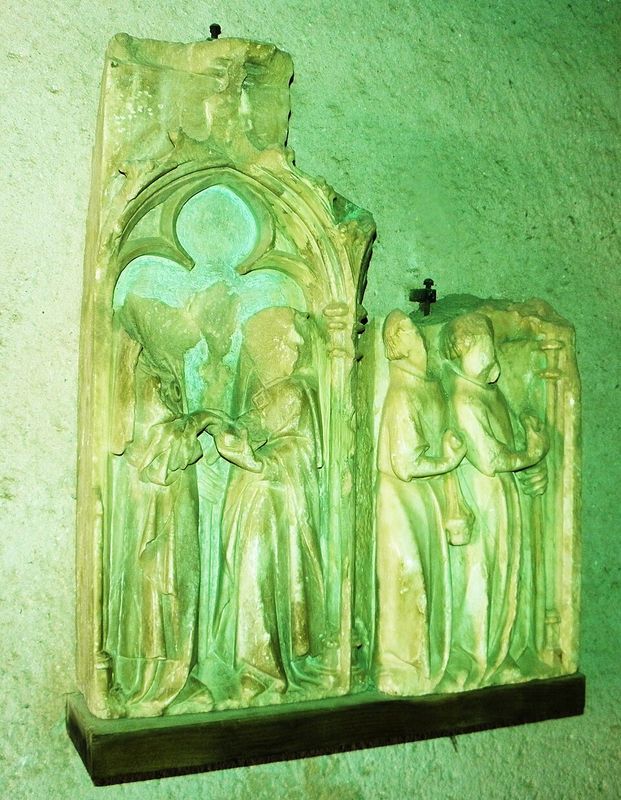 Same era · 1920s–1950s
Deux personnages
Pierre Alechinsky · 1950
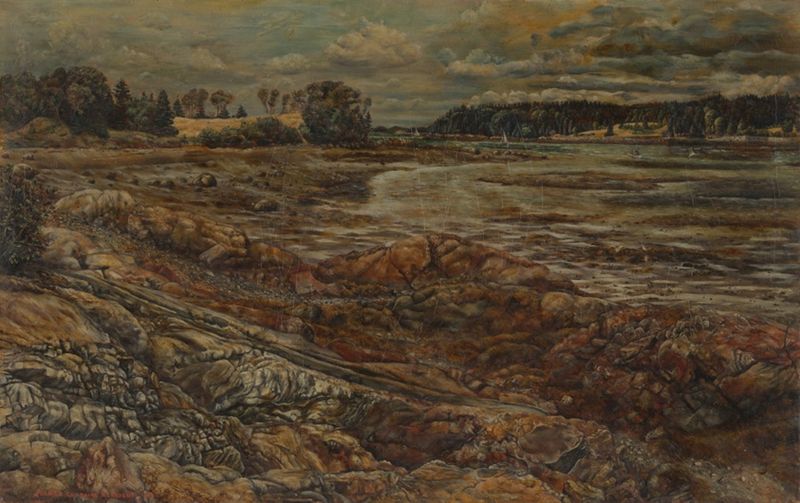 Same era · 1920s–1950s
Divided and Divided
Ivan Puni · 1941 · Art Institute of Chicago
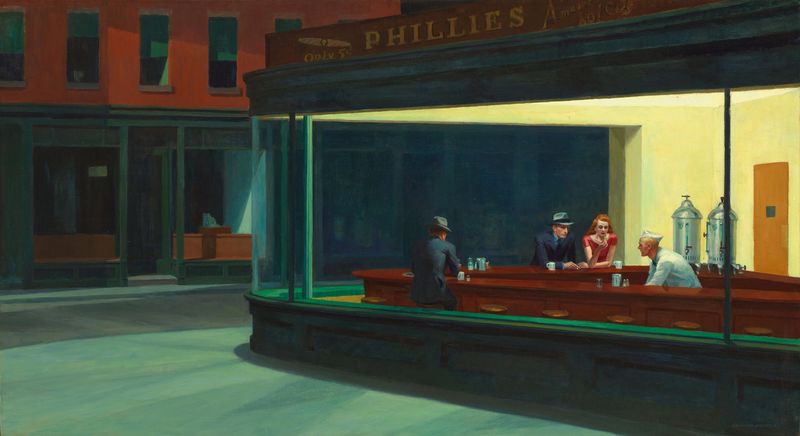 Same era · 1920s–1950s
Nighthawks
Okada Saburosuke · 1942 · Art Institute of Chicago
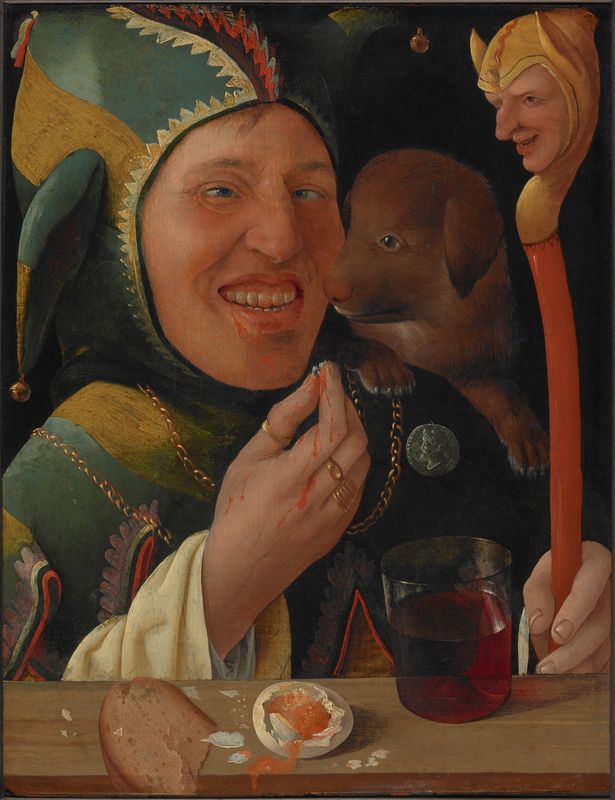 Same era · 1920s–1950s
The Jester
Philip Evergood · 1950 · Whitney Museum of American Art
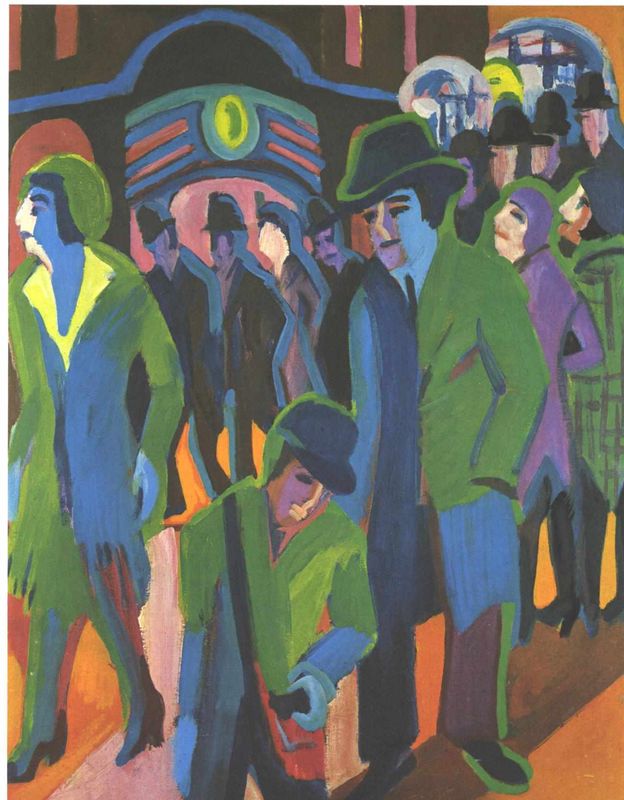 Same era · 1920s–1950s
Straße mit Passanten bei Nachtbeleuchtung
Ernst Ludwig Kirchner · 1927 · Museum Frieder Burda
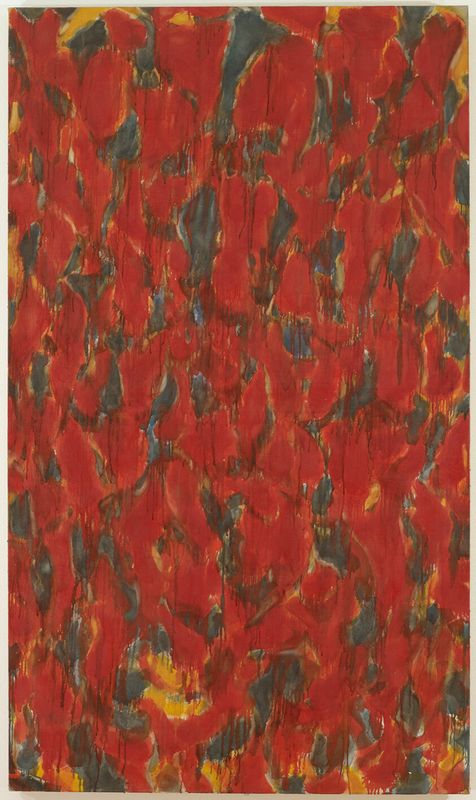 Same era · 1920s–1950s
Red No. 2
Sam Francis · 1954 · Art Institute of Chicago
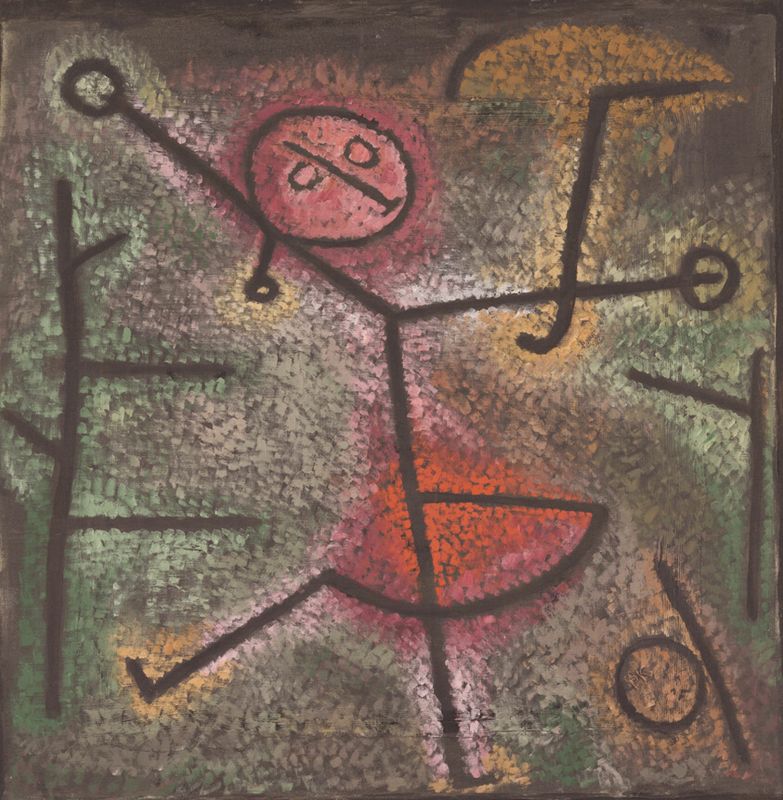 Same era · 1920s–1950s
Dancing Girl
Paul Klee · 1940 · Art Institute of Chicago
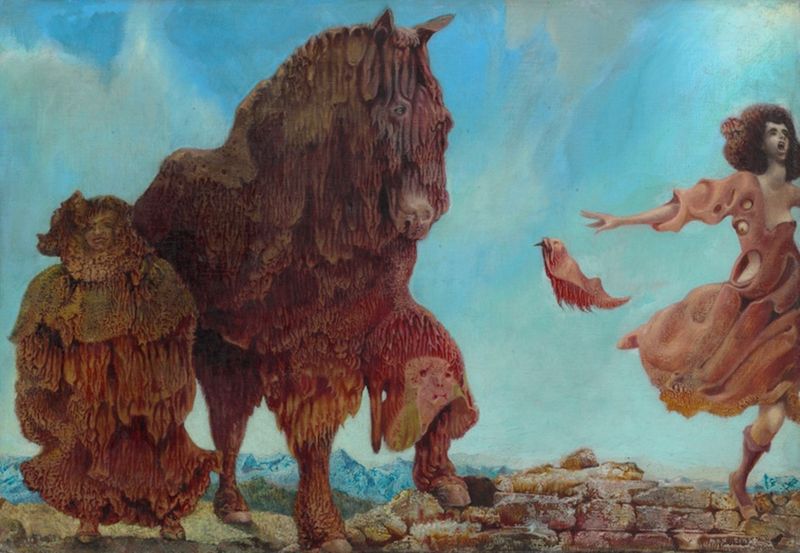 Same era · 1920s–1950s
Spanish Physician
Max Ernst · 1940 · Art Institute of Chicago
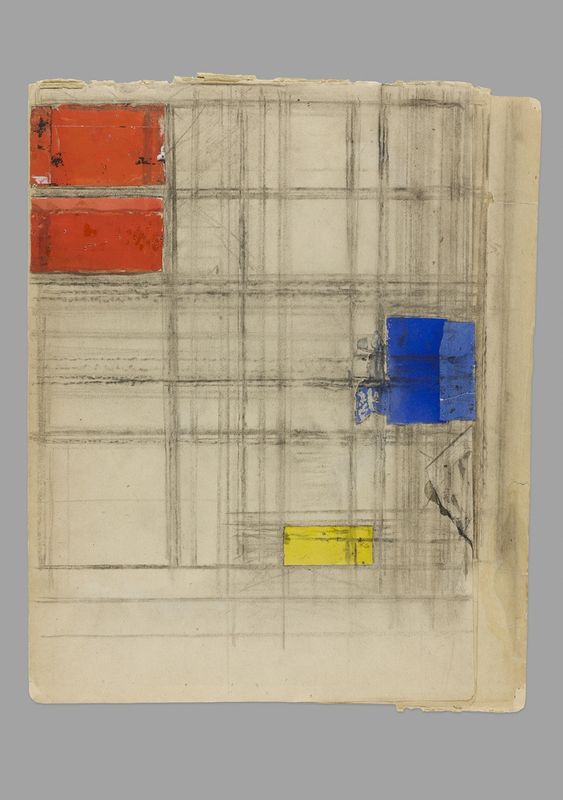 Same era · 1920s–1950s
Study for a Composition
Piet Mondrian · 1940 · Art Institute of Chicago
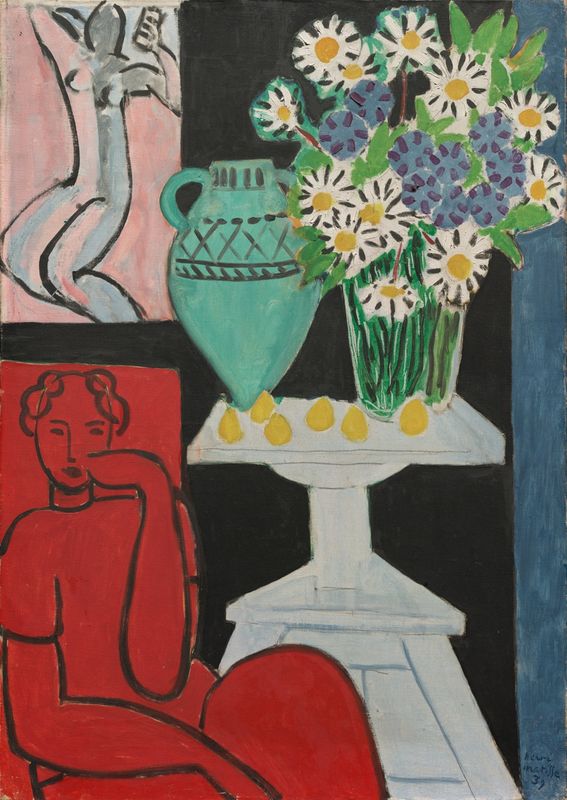 Same era · 1920s–1950s
Daisies
Henri Matisse · 1939 · Art Institute of Chicago