
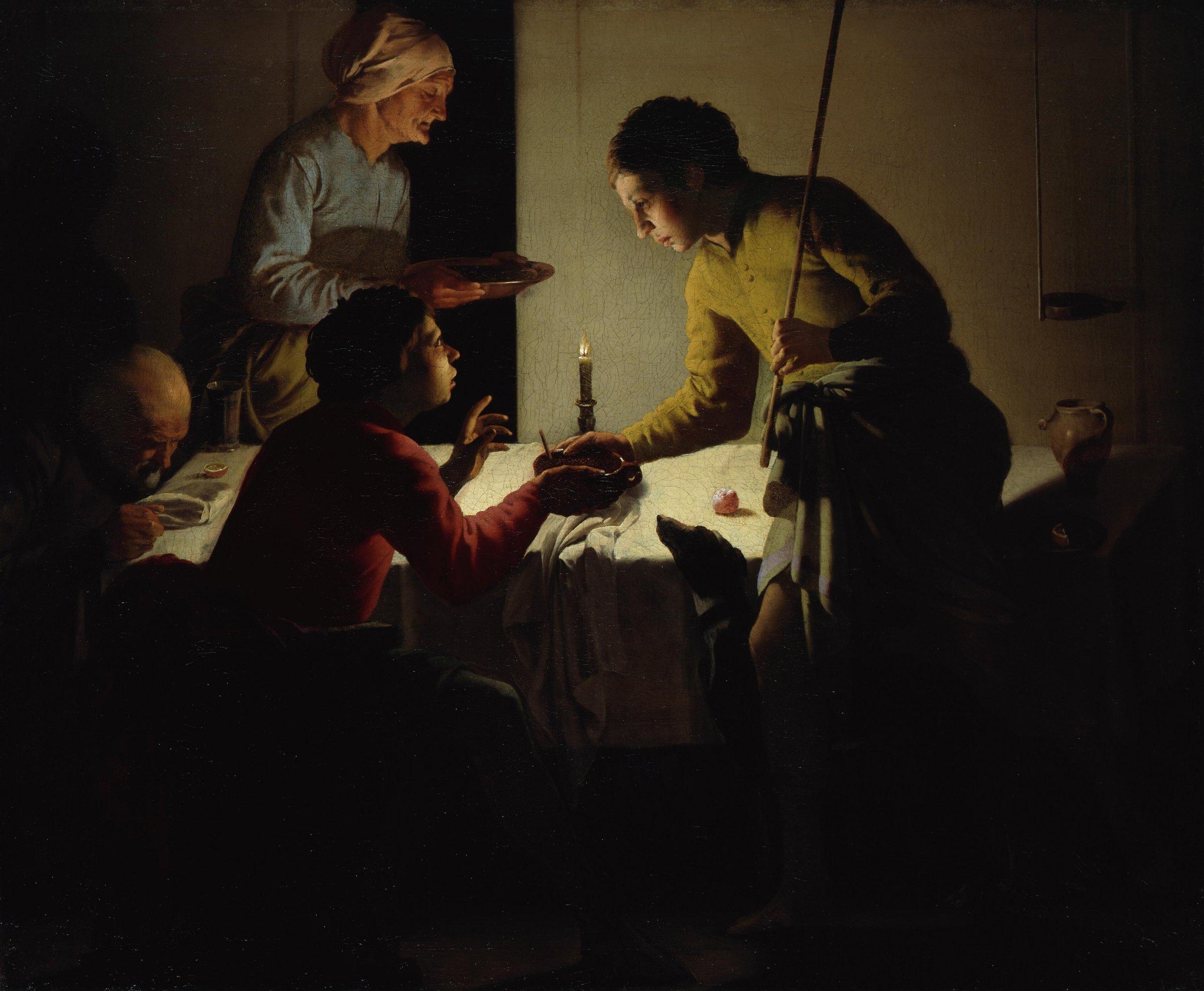
“This painting vividly depicts the biblical story of Esau selling his birthright for a bowl of stew. Its dramatic lighting and emotional realism draw you into a moment of desperation and shrewd negotiation, characteristic of the Utrecht Caravaggisti style.”
In this dramatic painting, two figures are locked in a tense negotiation, illuminated by a single, unseen light source that casts deep shadows and highlights their expressive faces. The scene captures the biblical moment when Esau, famished after hunting, sells his birthright to his younger brother Jacob for a bowl of lentil stew. The artist, Hendrick ter Brugghen, masterfully uses tenebrism, a technique he absorbed from Caravaggio in Italy, to heighten the emotional intensity. Notice how the light falls sharply on Esau's haggard face and extended hand, emphasizing his desperate hunger, while Jacob's face, partially obscured, suggests a shrewdness in striking this momentous deal. This work, painted in 1626, exemplifies the Utrecht Caravaggisti's focus on human drama and psychological depth, making a familiar story feel immediate and relatable.
- Artist
- Hendrick ter Brugghen
- Date
- 1626
- Medium
- on canvas
- Location
- Bode Museum
What to Notice
Five details hide in plain sight. Here’s where to look.
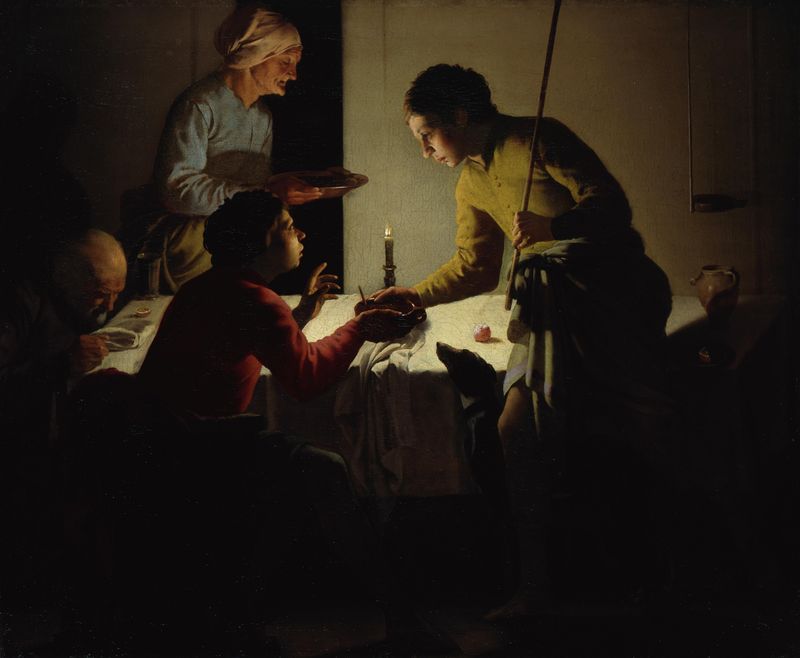
Esau's gaunt face and open mouth, conveying his intense hunger.
The steaming bowl of red lentil stew, the object of the exchange.
Jacob's hand gesturing towards the stew, sealing the bargain.
The deep shadows and bright highlights, a hallmark of tenebrism.
1 more detail is waiting.
See all 5 in Art Whisper →Stand in front of it and listen
The full narration walks you through Esau Sells his Birthright — the story behind it, the details most visitors miss, and why it matters. Free in the Art Whisper app.
Hendrick ter Brugghen
1588–1629 · Dutch RepublicHendrick ter Brugghen brought Caravaggio's dramatic light and emotional realism from Italy to the Dutch Republic, profoundly shaping Dutch Golden Age painting.
Further Works by ter Brugghen
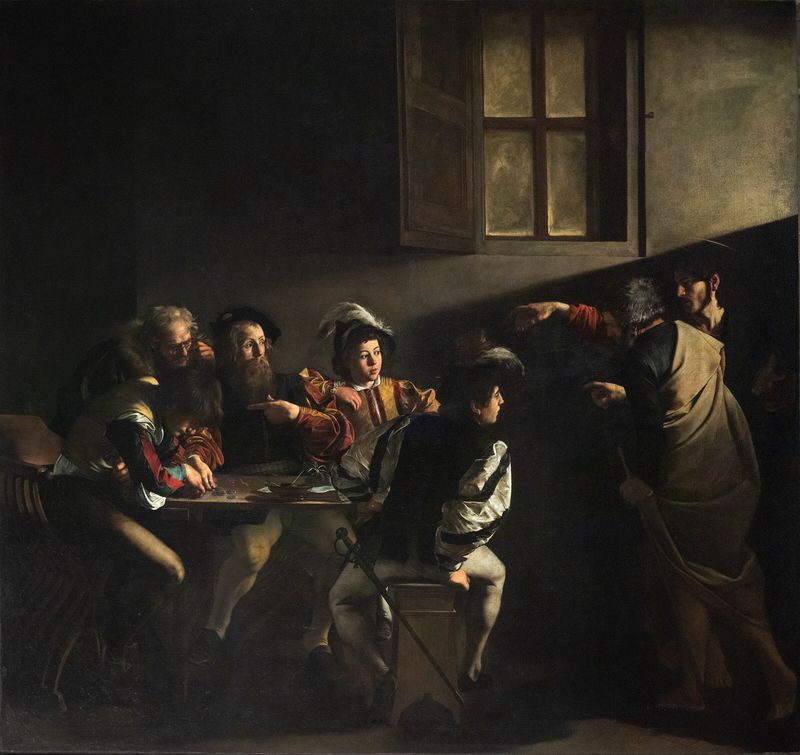 The Calling of Saint Matthew
1609 · Museum of Fine Arts, Budapest
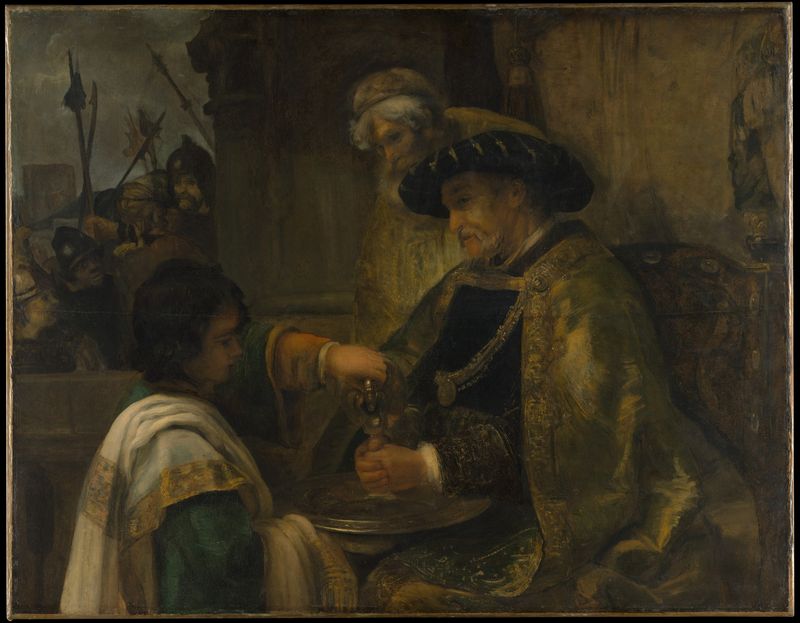 Pilate washing his hands
1617 · National Museum in Lublin
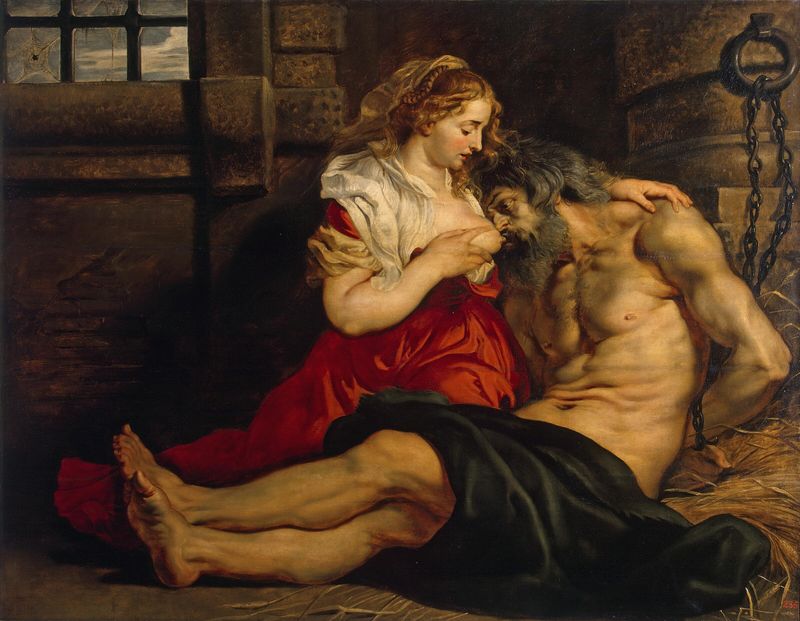 Roman Charity
1622 · The Metropolitan Museum of Art
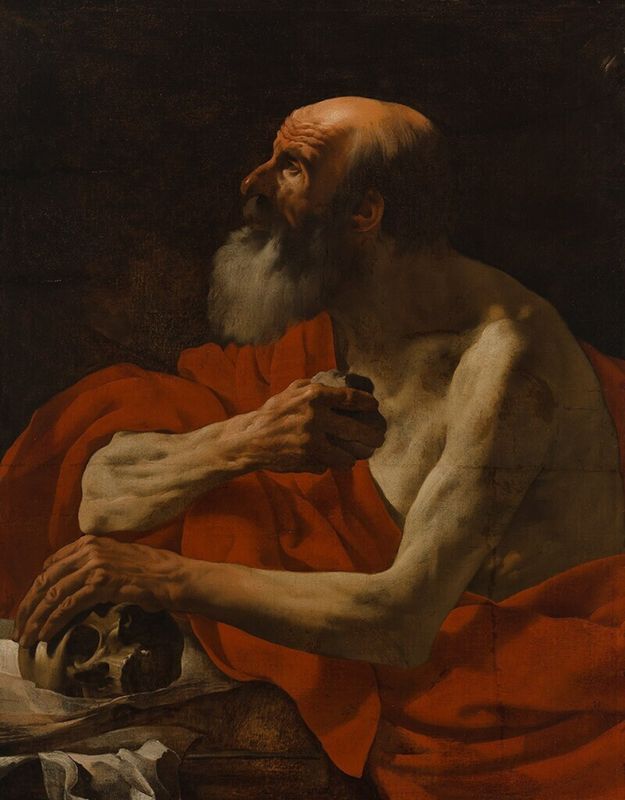 Saint Jerome
1624 · Museum Boijmans Van Beuningen
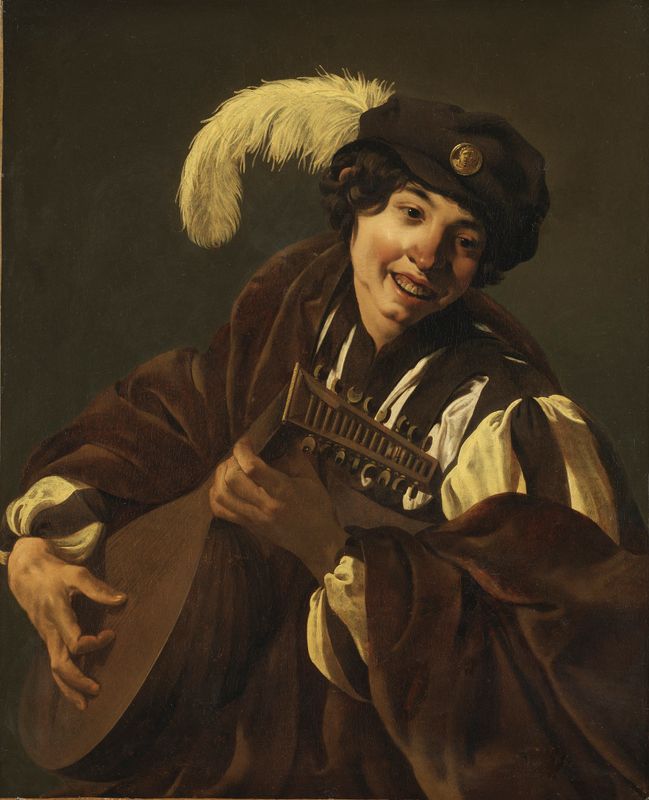 A Boy Playing the Lute ("Hearing", One of a Series of the Five Senses)
1620 · Nationalmuseum
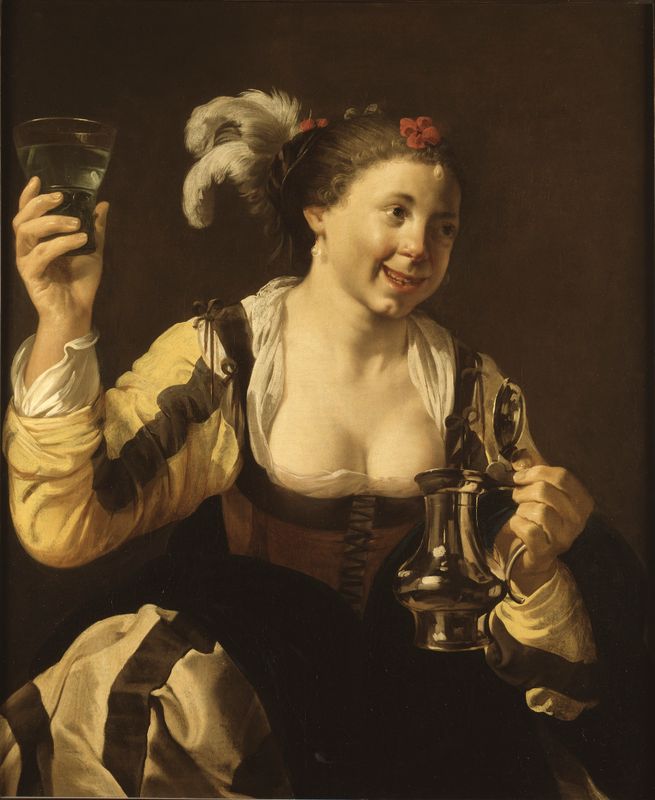 A Girl Holding a Glass ("Taste", One of a Series of the Five Senses)
1620 · Nationalmuseum
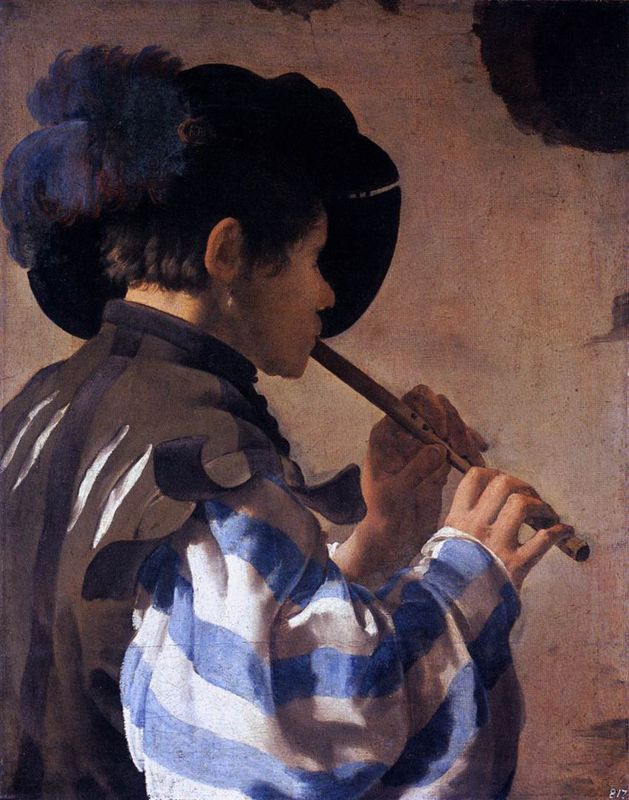 Boy Playing a Fife
1620 · Gemäldegalerie Alte Meister
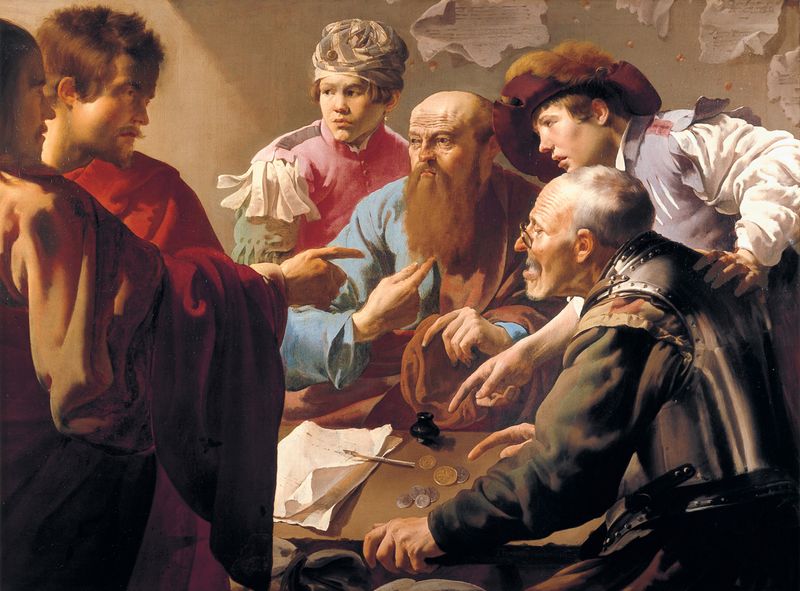 Calling of Saint Matthew
1621 · Centraal Museum
More works to explore
Beyond ter Brugghen: works from the same years.
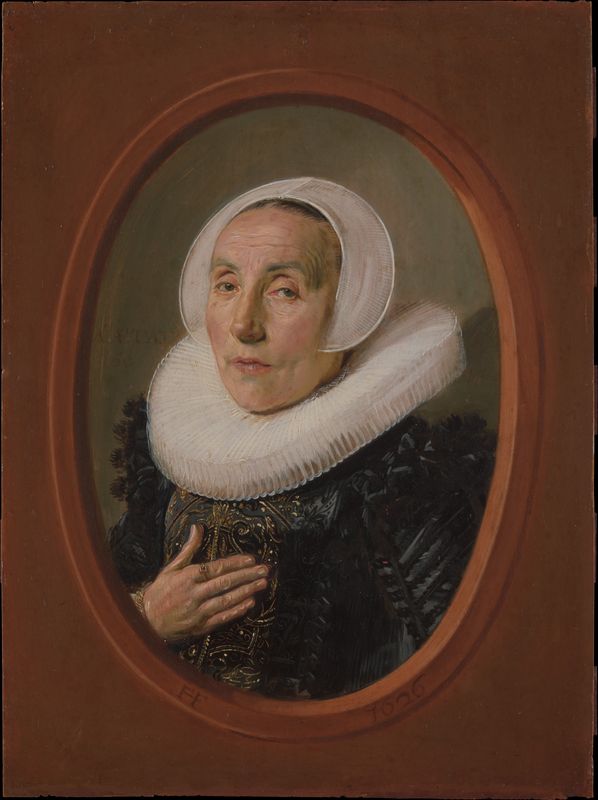 Same era · 1610s–1640s
Anna van der Aar (born 1576/77, died after 1626)
Frans Hals · 1626 · The Metropolitan Museum of Art
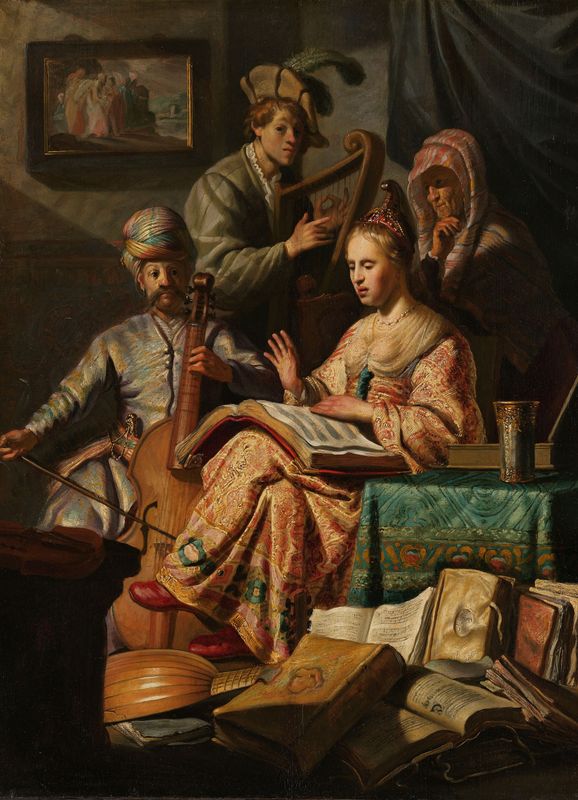 Same era · 1610s–1640s
Musical Company
Rembrandt · 1626 · Museum De Lakenhal
 Same era · 1610s–1640s
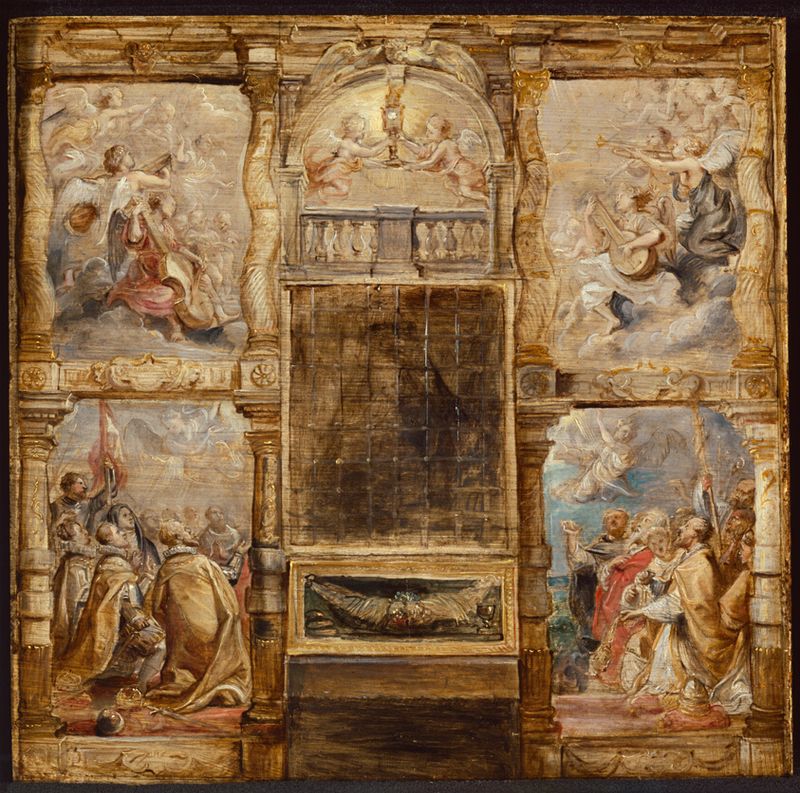
The Adoration of the Eucharist
Peter Paul Rubens · 1626 · Art Institute of Chicago
 Same era · 1610s–1640s
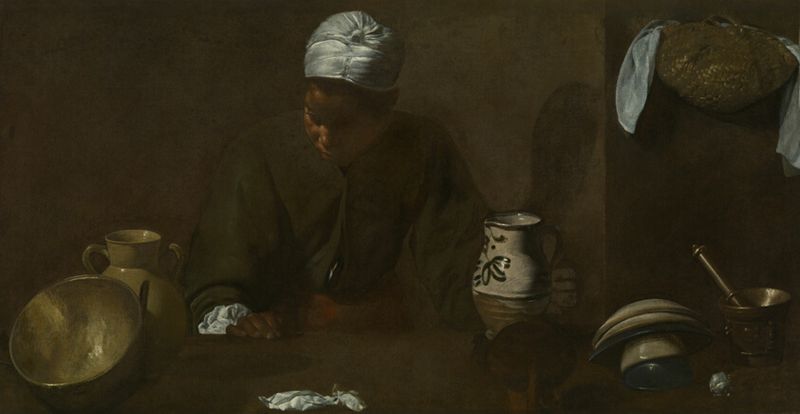
Kitchen Scene
Diego Velázquez · 1618 · Art Institute of Chicago
 Same era · 1610s–1640s
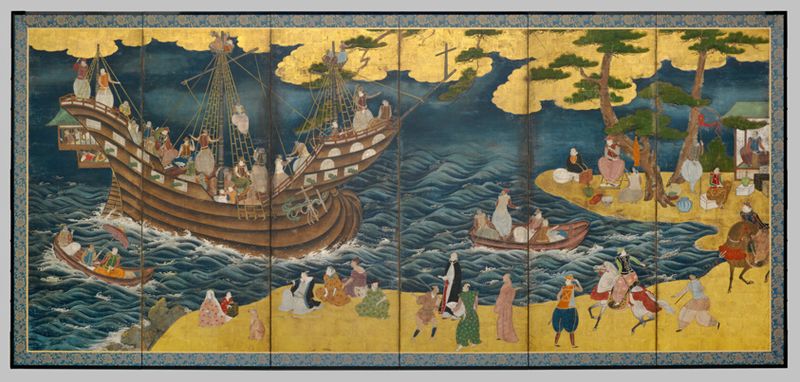
Southern Barbarians
Artist Unknown - The Mercat Cross, Aberdeen · 1625 · Art Institute of Chicago
 Same era · 1610s–1640s
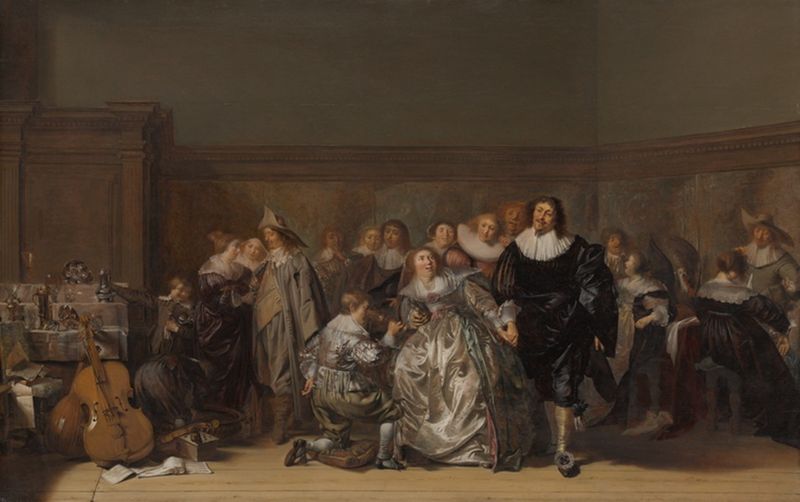
An Elegant Company
Samuel Alcock & Company · 1632 · Art Institute of Chicago
 Same era · 1610s–1640s
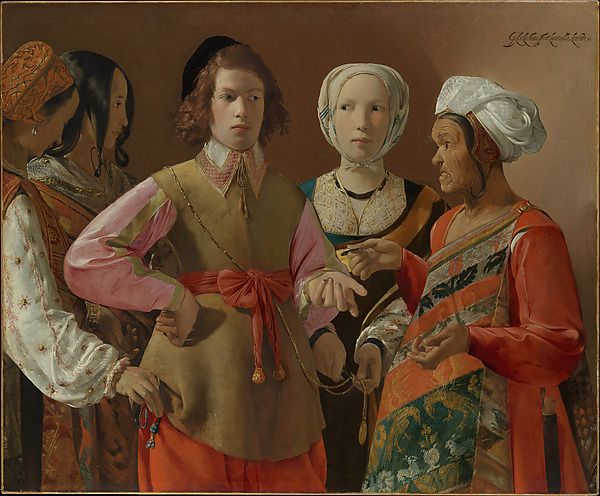
The Fortune-Teller
Georges de La Tour · 1630 · The Metropolitan Museum of Art
 Same era · 1610s–1640s
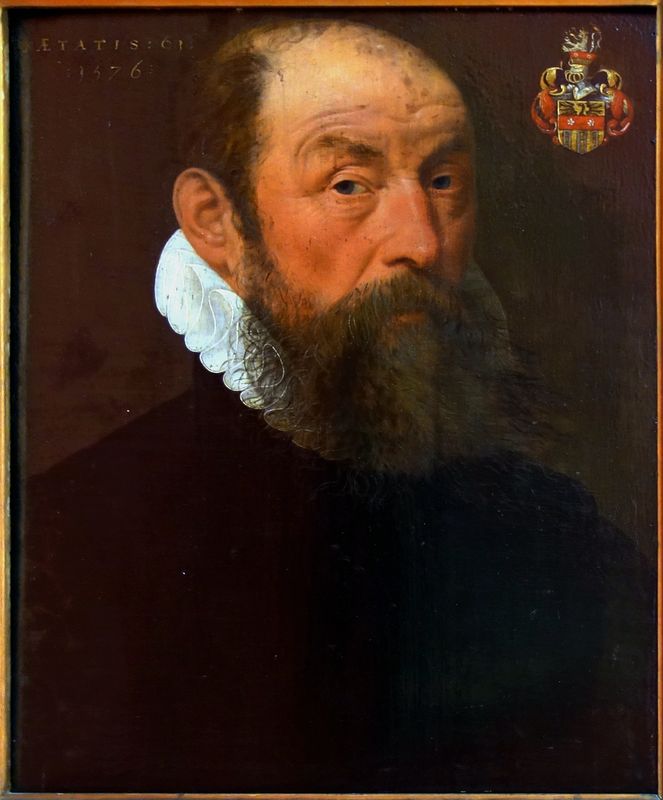
Portrait of a man
Willem van der Vliet · 1634 · Pushkin Museum of Fine Arts
 Same era · 1610s–1640s
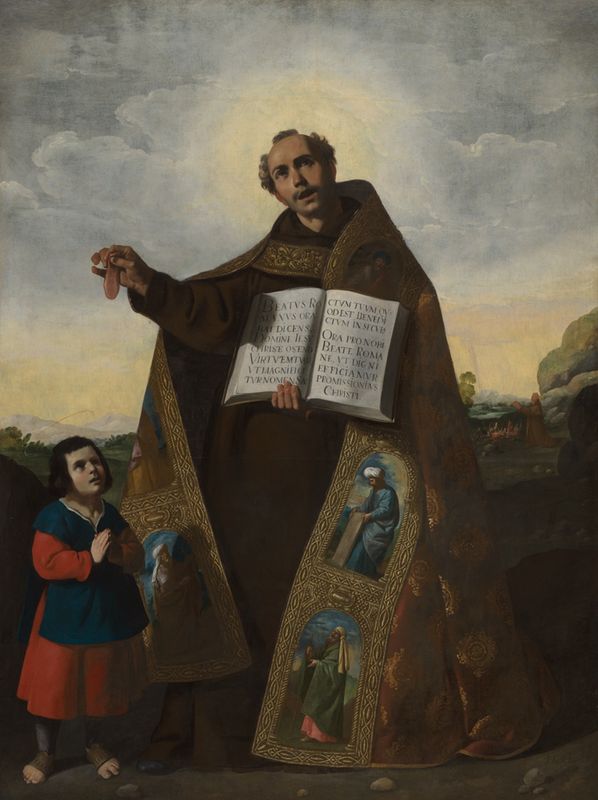
Saint Romanus of Antioch and Saint Barulas
Master of the View of Saint Gudula · 1638 · Art Institute of Chicago
 Same era · 1610s–1640s
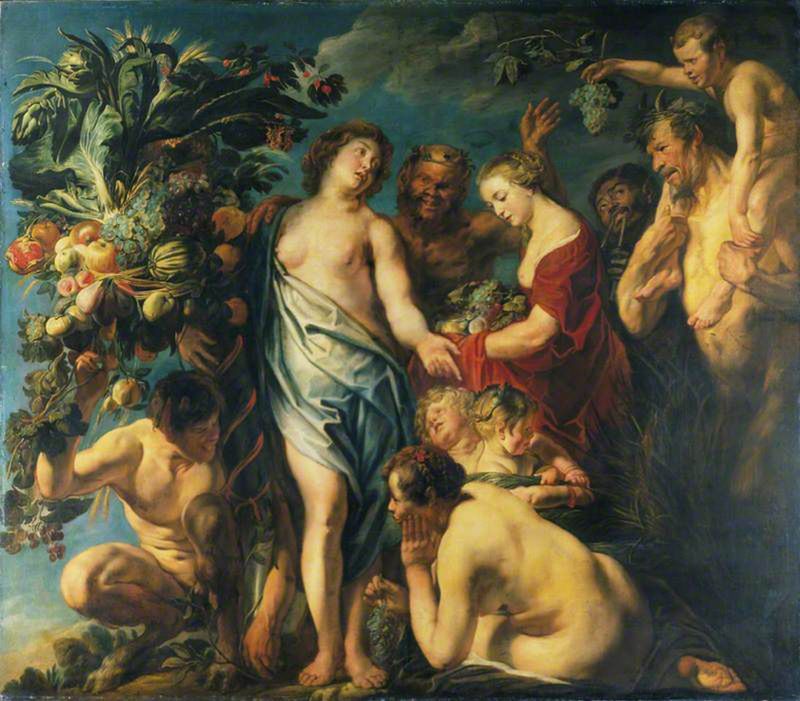
An Allegory of Fruitfulness
Jacob Jordaens · 1620 · Wallace Collection
 Same era · 1610s–1640s
Floral Still Life
Jan van Kessel the Elder · 1633 · Museo del Prado
 Same era · 1610s–1640s
Simon Vouet
Noriega · 1630 · Art Institute of Chicago