01
Erasmus's downcast face
Look at the lined, concentrated face under the soft cap. His eyes are lowered toward the page, so he seems absorbed in his work rather than posing for us.
1 of 5 on the painting
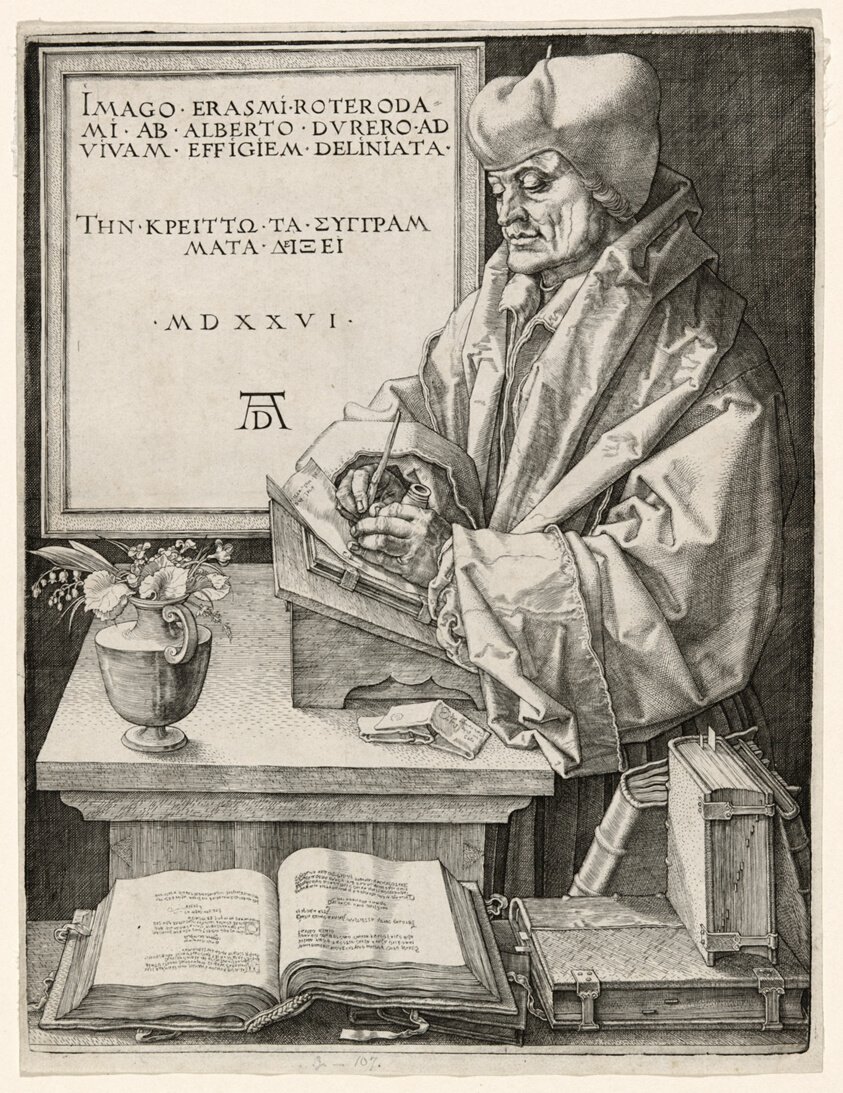
“Stop and observe this early portrait of Erasmus of Rotterdam, a rare depiction by Albrecht Dürer from 1501. It captures the humanist's intellectual intensity through meticulous engraving, long before his more famous later portrait.”
In this striking portrait, Erasmus of Rotterdam, the renowned Dutch humanist, appears deep in thought, his gaze directed away from the viewer. The lines etched into the paper capture the scholar's intense concentration and the subtle textures of his fur-lined robe and cap. Though rendered in black and white, the engraving conveys a sense of quiet dignity and intellectual rigor, reflecting the period's reverence for learning. The intricate details, from the delicate rendering of Erasmus's features to the folds of his garment, showcase the meticulous skill characteristic of German Renaissance printmaking. This work, created in 1501, predates the more widely known engraving of Erasmus by the same artist from 1526, offering a fascinating glimpse into an earlier interpretation of the influential figure.
Five details hide in plain sight. Pick one and we’ll show you exactly where to look.
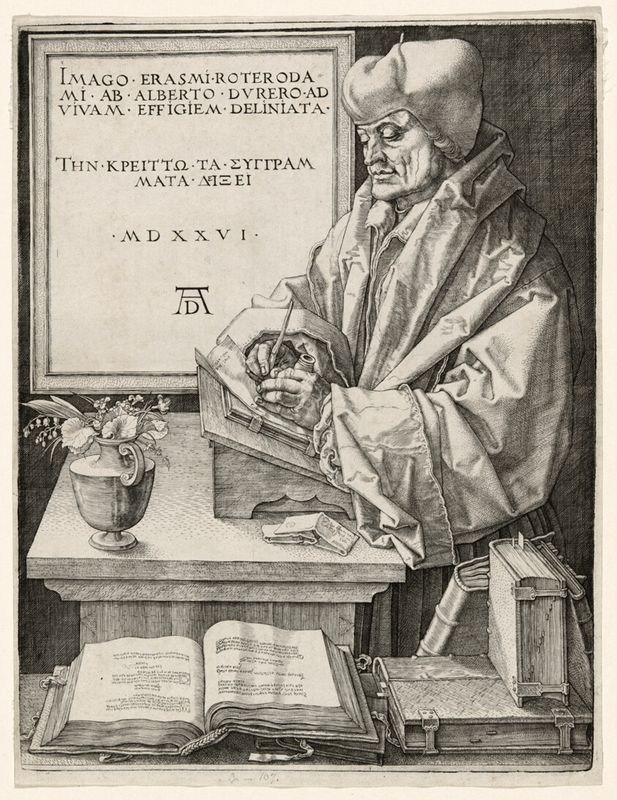
Look at the lined, concentrated face under the soft cap. His eyes are lowered toward the page, so he seems absorbed in his work rather than posing for us.
Find the hands gripping a slim pen at the sloped desk. The writing moment shows Erasmus as a working scholar, and the fingers are drawn with great care.
Follow the dense crosshatched lines in the robe's folds and collar. Short, tight engraved lines build deep shadow and make the heavy cloth look weighty.
The framed Latin and Greek text at upper left identifies the sitter as Erasmus and says the portrait was drawn from life. Dürer's AD monogram sits below the text, like a signature, next to the date MDXXVI (1526).
At the bottom left, an open book lies on the floor with tiny rows of script. Dürer renders its curved pages and dense lines of text with great care, a nod to the scholarly world around Erasmus.
The full narration walks you through Erasmus of Rotterdam — the story behind it, the details most visitors miss, and why it matters. Free in the Art Whisper app.
Renaissance master who revolutionized printmaking across Europe before turning 30.
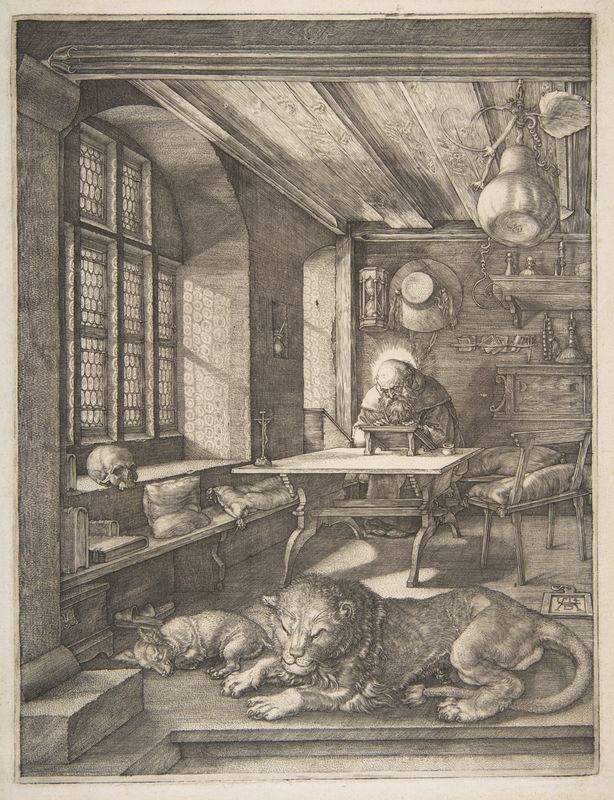 Saint Jerome in His Study
1521 · National Museum of Ancient Art
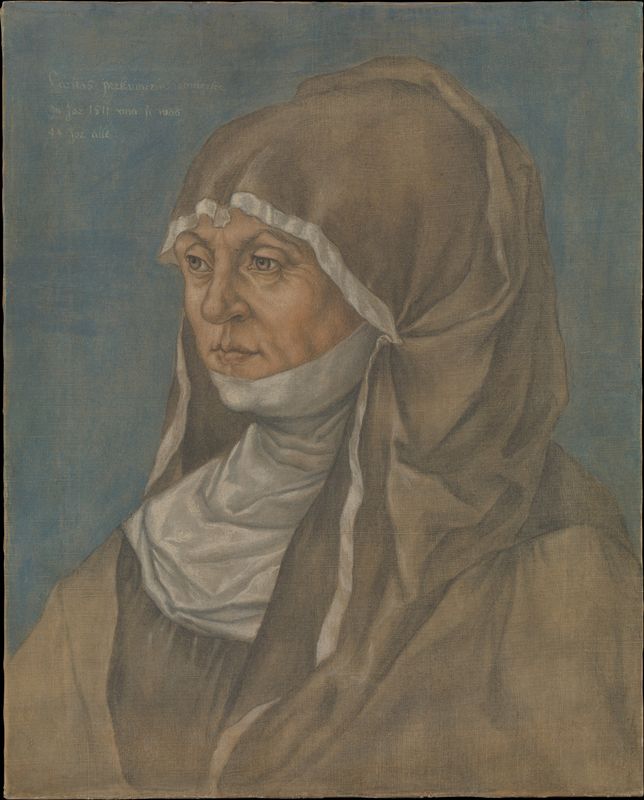 Portrait of a Woman, Said to Be Caritas Pirckheimer (1467–1532)
The Metropolitan Museum of Art
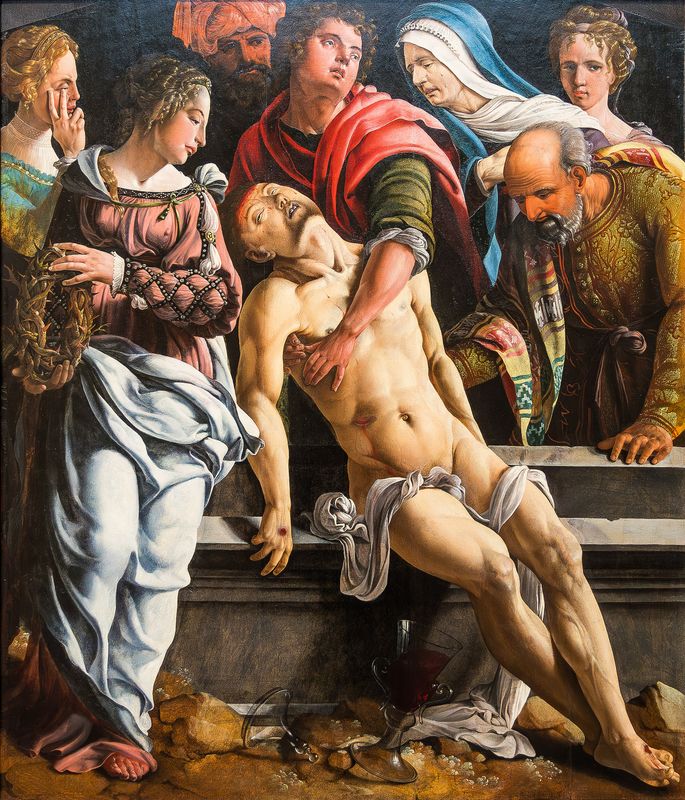 The Lamentation
1477 · The Metropolitan Museum of Art
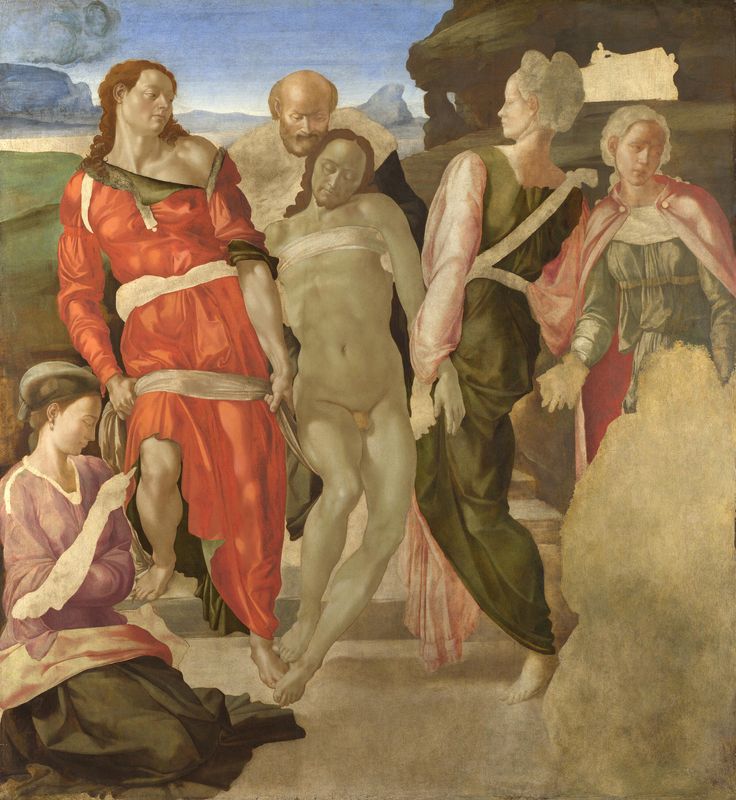 The Entombment
1485 · The Metropolitan Museum of Art
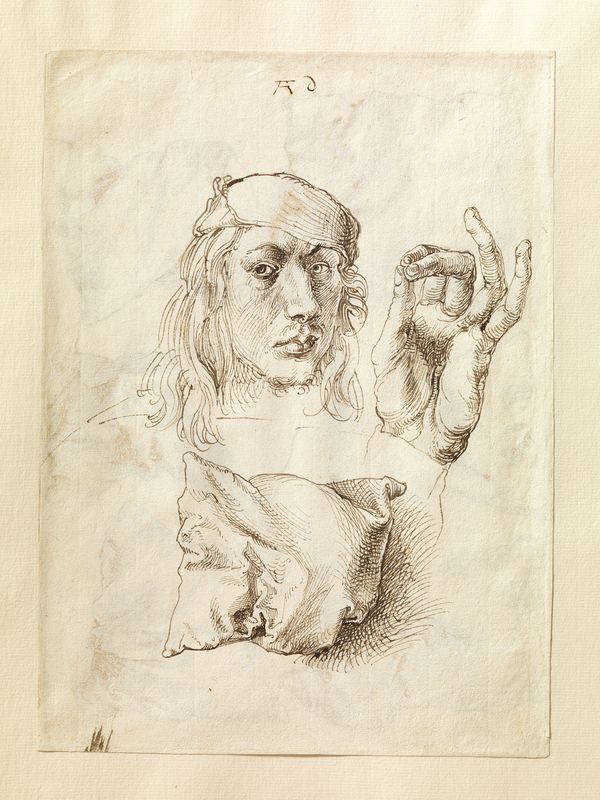 Self-portrait, Study of a Hand and a Pillow (recto); Six Studies of Pillows (verso)
1493 · The Metropolitan Museum of Art
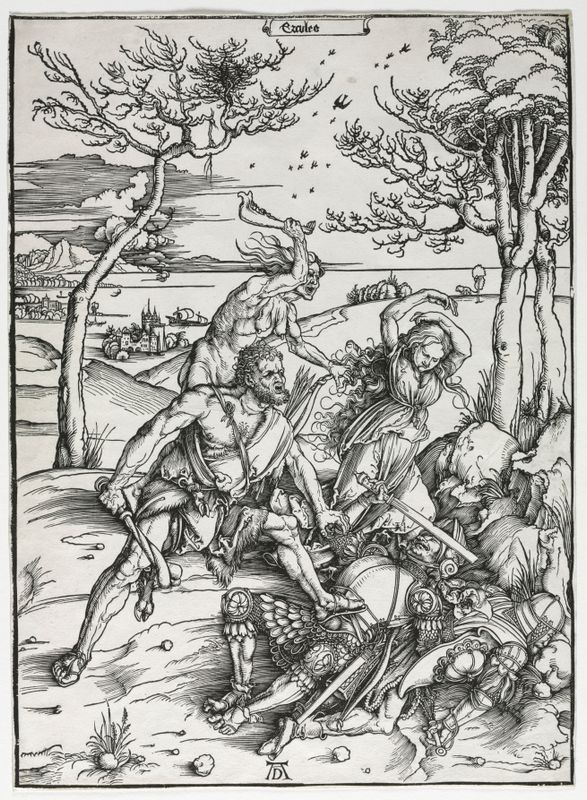 Hercules
1496 · Cleveland Museum of Art
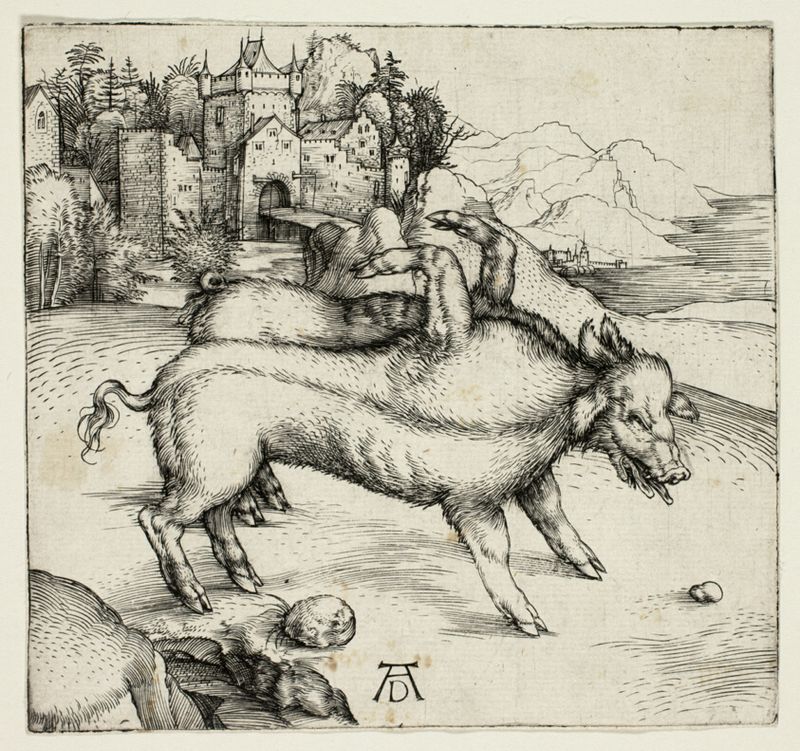 The Monstrous Sow of Landser
1496 · Art Institute of Chicago
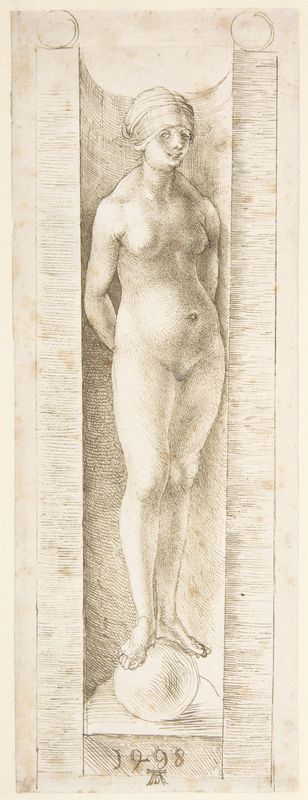 Fortuna in a Niche
1498 · The Metropolitan Museum of Art
Beyond Dürer and Northern Renaissance: works from the same years.
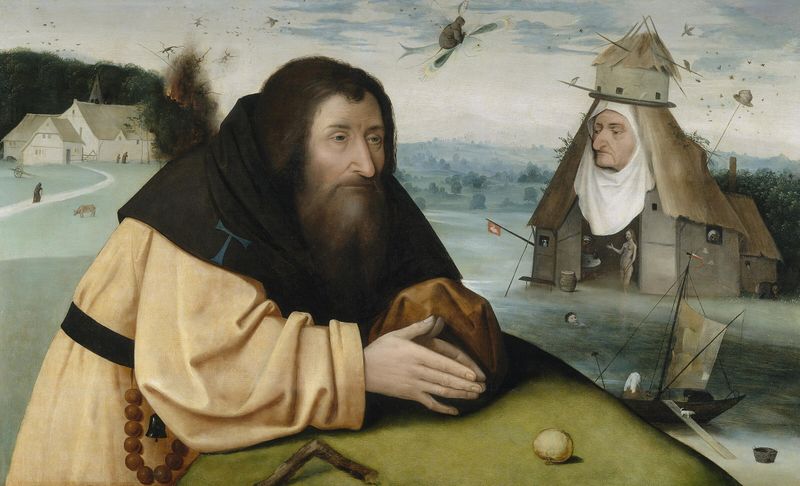 Same era · 1480s–1510s
The Temptations of Saint Anthony
Hieronymus Bosch · 1501 · Museo del Prado
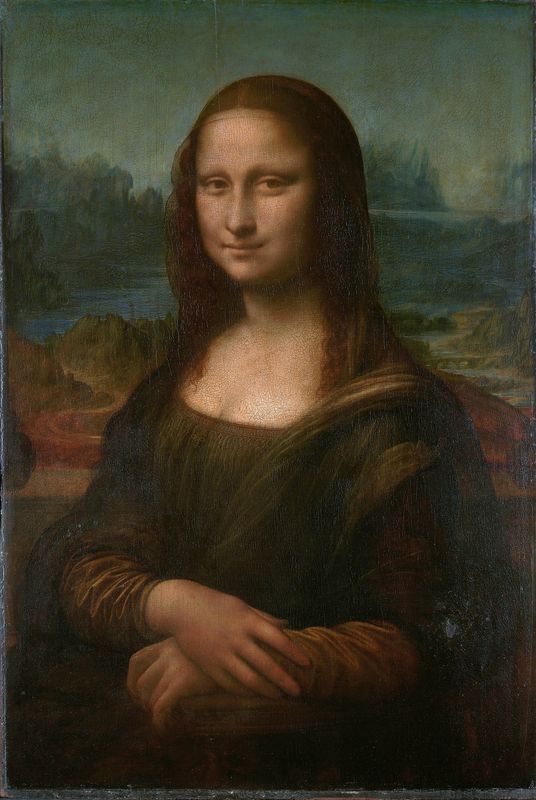 Same era · 1480s–1510s
Mona Lisa
Leonardo da Vinci · 1503 · Department of Paintings of the Louvre
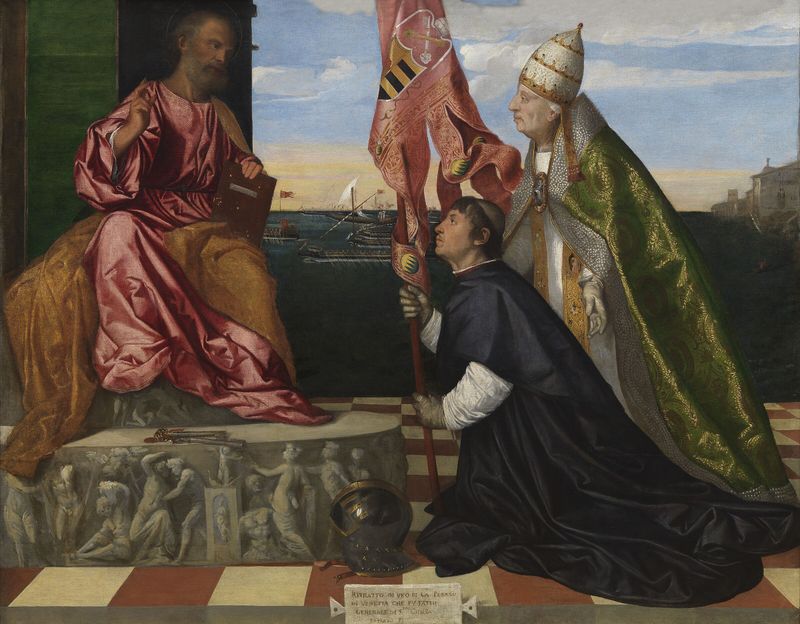 Same era · 1480s–1510s
Jacopo Pesaro, Bishop of Paphos, being presented by Pope Alexander VI to Saint Peter
Titian · 1504 · Royal Museum of Fine Arts Antwerp
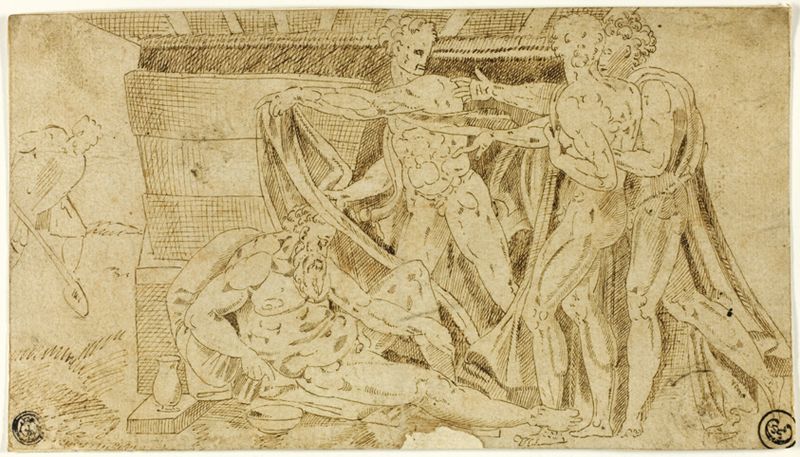 Same era · 1480s–1510s
Drunkenness of Noah
Michelangelo · 1509 · Sistine Chapel
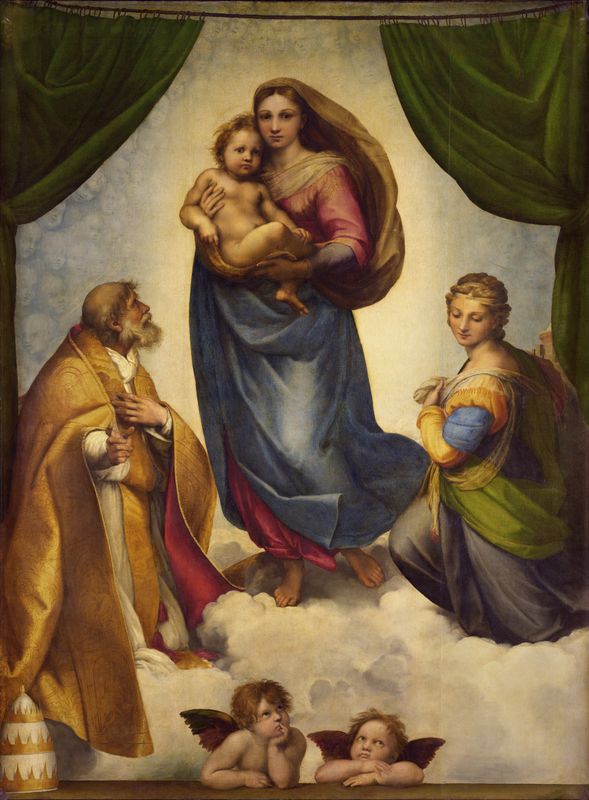 Same era · 1480s–1510s
Sistine Madonna (Madonna di San Sisto)
Raphael (Raffaello Sanzio da Urbino) · 1512
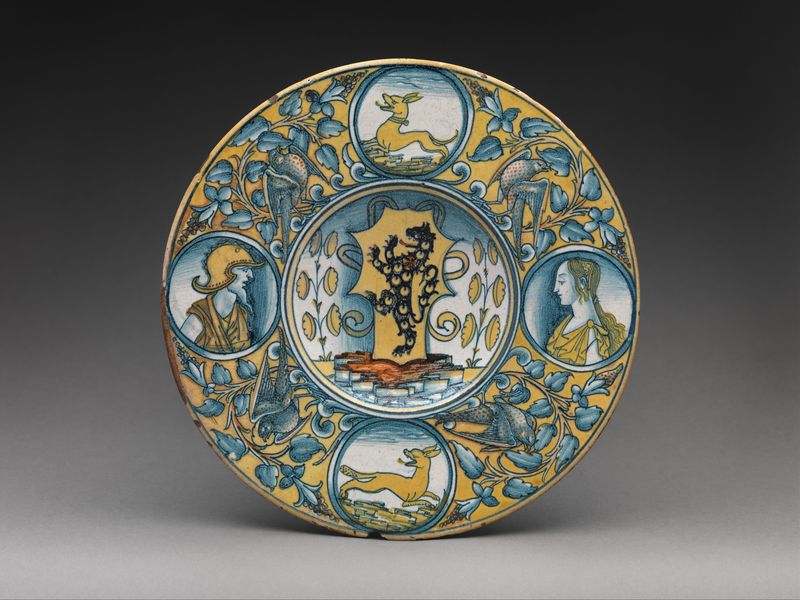 Same era · 1480s–1510s
Plate with arms of the Tosinghi family
Artist Unknown - The Mercat Cross, Aberdeen · 1495 · The Metropolitan Museum of Art
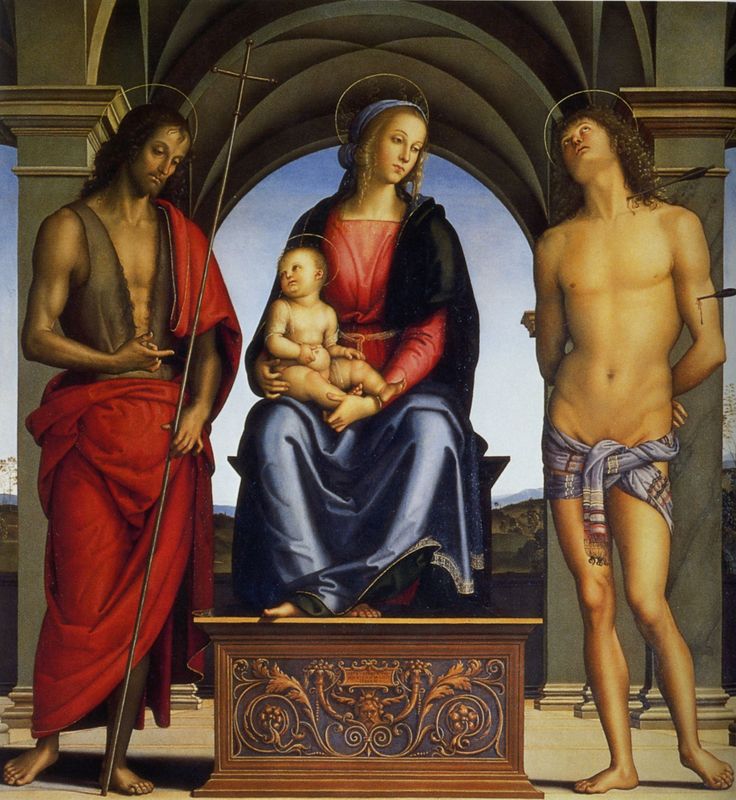 Same era · 1480s–1510s
Madonna and Child Enthroned with Saints John the Baptist and Sebastian
Pietro Perugino · 1493 · Uffizi Gallery
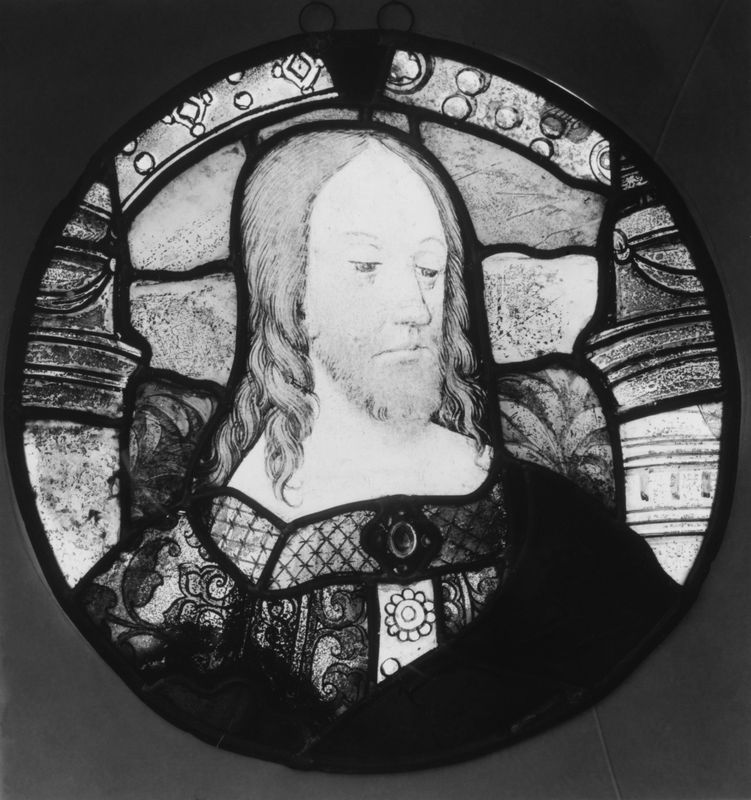 Same era · 1480s–1510s
Head of Christ (one of a pair)
Master of the View of Saint Gudula · 1495 · The Metropolitan Museum of Art