01
Leaf wreath and hair
A small wreath of leaves sits on his head, and loose wavy hair falls past his shoulder. Together they give the young, alert face a classical air.
1 of 5 on the painting
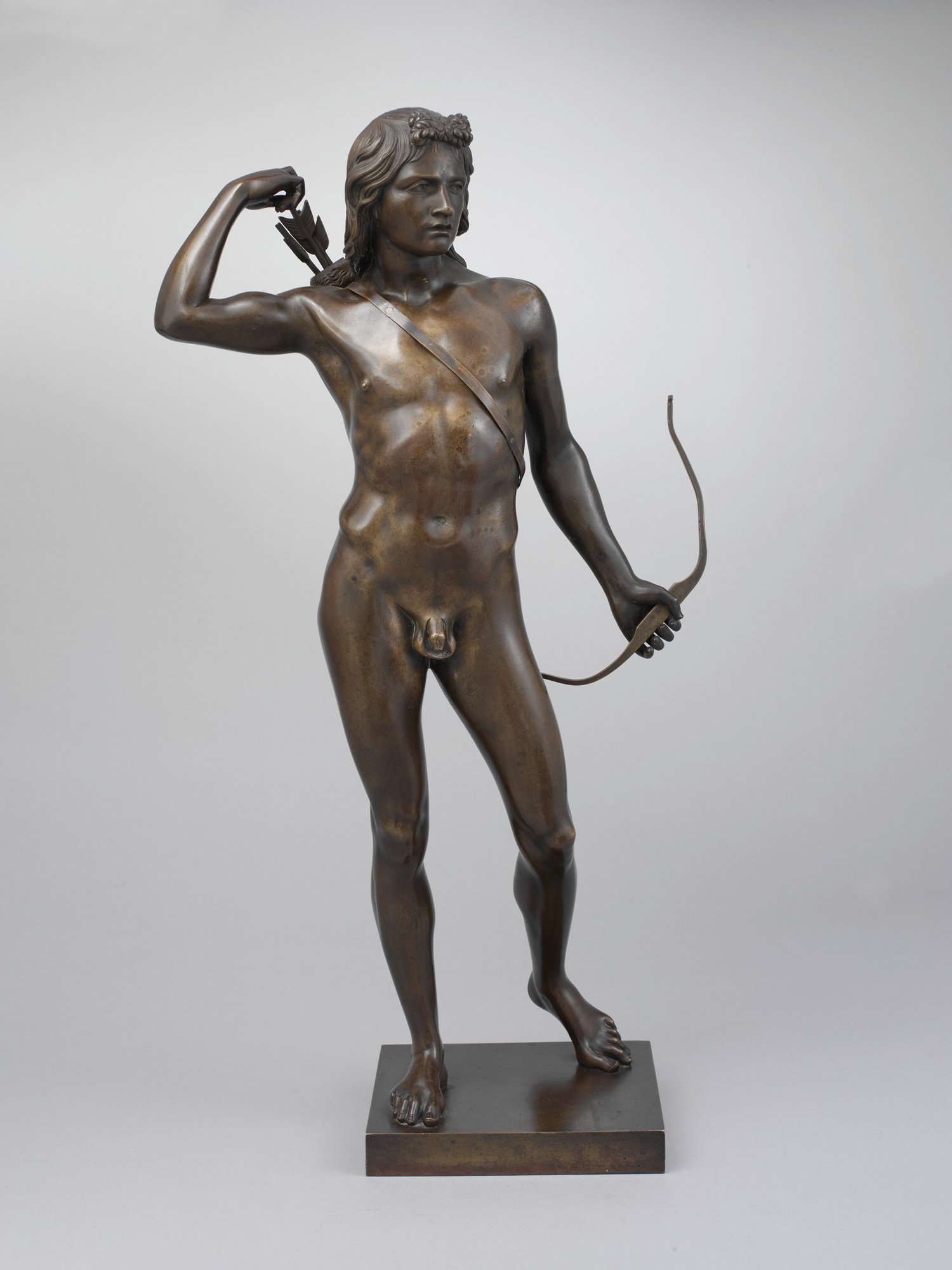
“This striking bronze sculpture captures a powerful moment of decision, as a classical figure carefully selects an arrow. It's a compelling blend of idealized form and quiet contemplation.”
A lone figure, nude and poised, stands with a bow, carefully selecting an arrow from a quiver. This bronze sculpture, titled "Choosing of the Arrow," captures a moment of quiet contemplation and preparation. The artist, William Henry Brown, has rendered the man with a classical idealization, his musculature finely detailed, suggesting strength and grace. The pose, with the head slightly tilted and eyes downcast, conveys a sense of intense focus on the task at hand, hinting at the importance of the choice being made. Created in 1849, the work reflects a mid-19th-century interest in allegorical or mythological subjects, often presented through idealized human forms. The bronze medium lends a timeless quality to the figure, emphasizing the universal nature of decision and readiness.
Five details hide in plain sight. Pick one and we’ll show you exactly where to look.
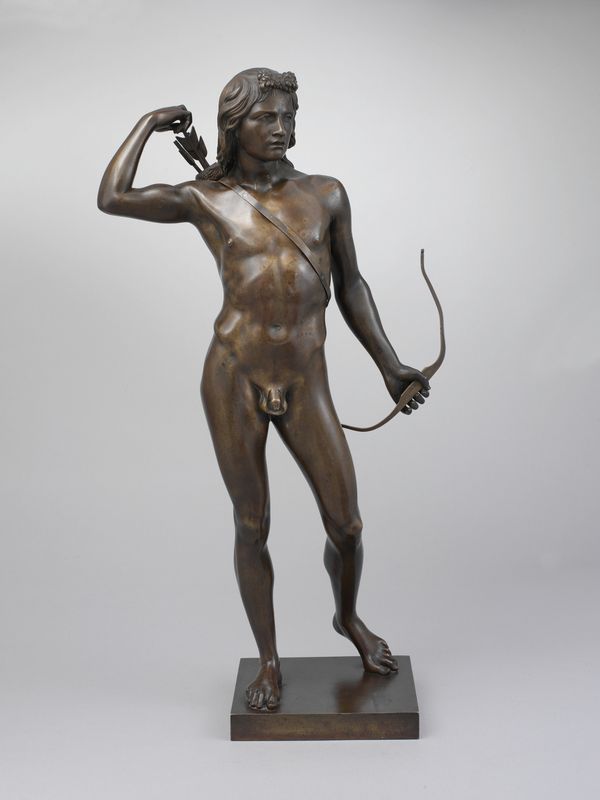
A small wreath of leaves sits on his head, and loose wavy hair falls past his shoulder. Together they give the young, alert face a classical air.
On the left, the bent arm and clenched fist rise beside the head, with arrow feathers showing behind the shoulder. The pose suggests he has just drawn an arrow.
Look at the chest and ribs, where the surface shifts from bright highlights to deep brown shadow. The soft modeling of the muscles makes the bronze feel like living skin.
His weight rests on the straight leg on the left, while the other leg angles out and that foot touches down lightly. The relaxed stance gives the figure a gentle S-curve.
On the right, his hand grips the bow while its thin curved tips sweep out into empty space. The slim line is delicate and easy to overlook against the grey.
The full narration walks you through Choosing of the Arrow — the story behind it, the details most visitors miss, and why it matters. Free in the Art Whisper app.
William Henry Brown, known for his silhouette portraits and early photographic experiments, captured the likenesses of figures like John Quincy Adams.
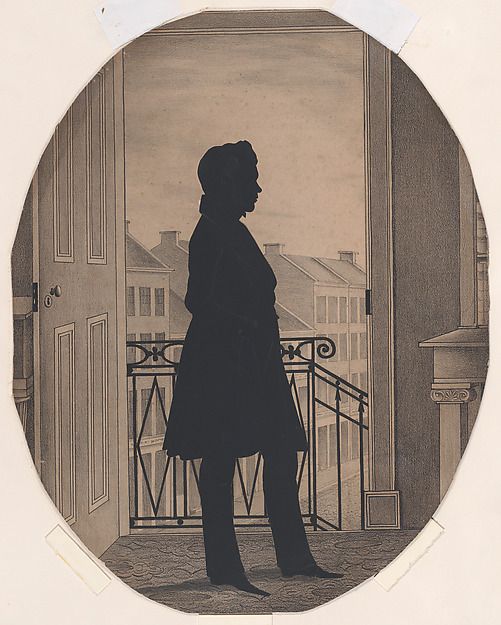 Silhouette of a Young Man Before an Open Window, Facing Right
1830 · The Metropolitan Museum of Art
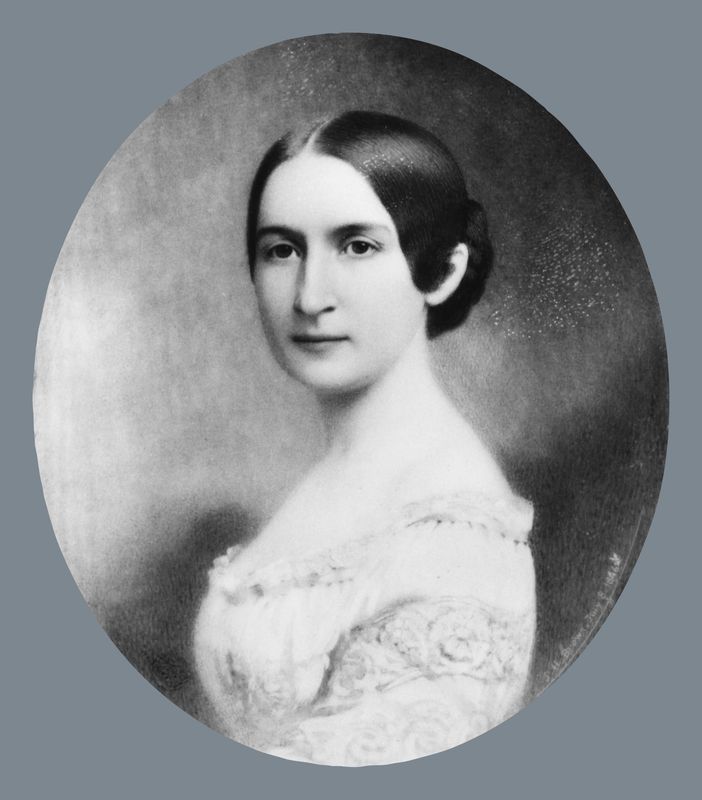 Adaline Peters Brown
1843 · The Metropolitan Museum of Art
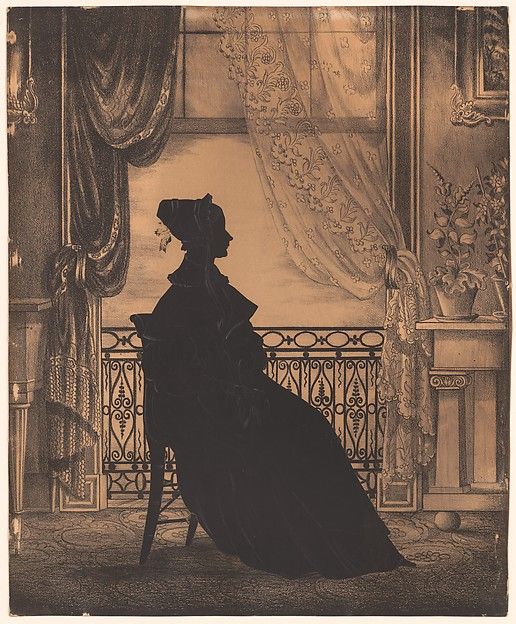 Portrait of a Woman before a Window
1845 · The Metropolitan Museum of Art
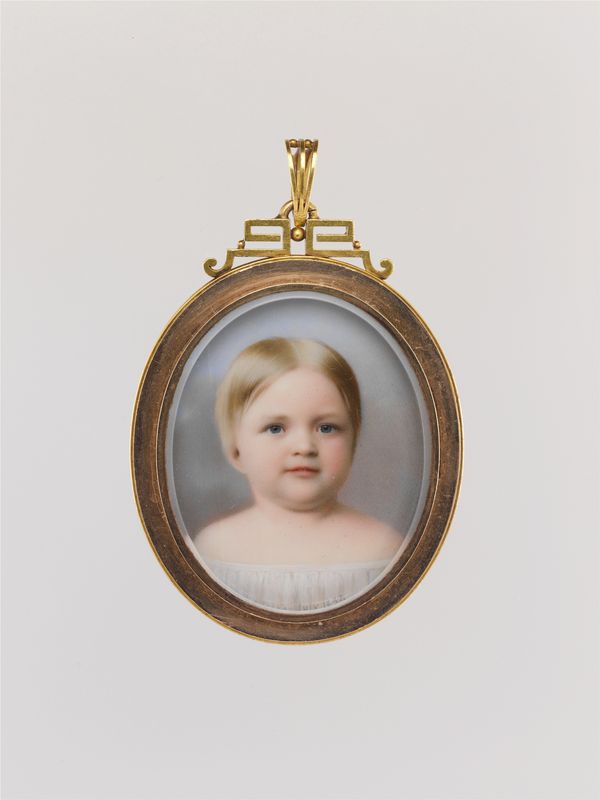 Ada Brown
1847 · The Metropolitan Museum of Art
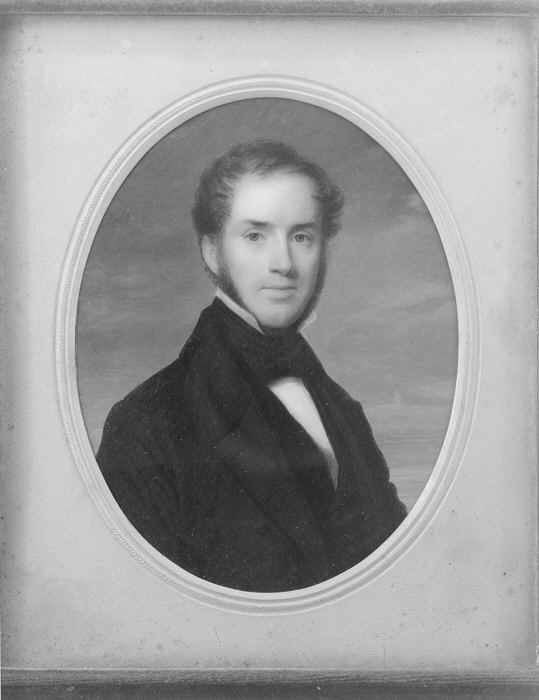 Benjamin Daniel Greene
1848 · The Metropolitan Museum of Art
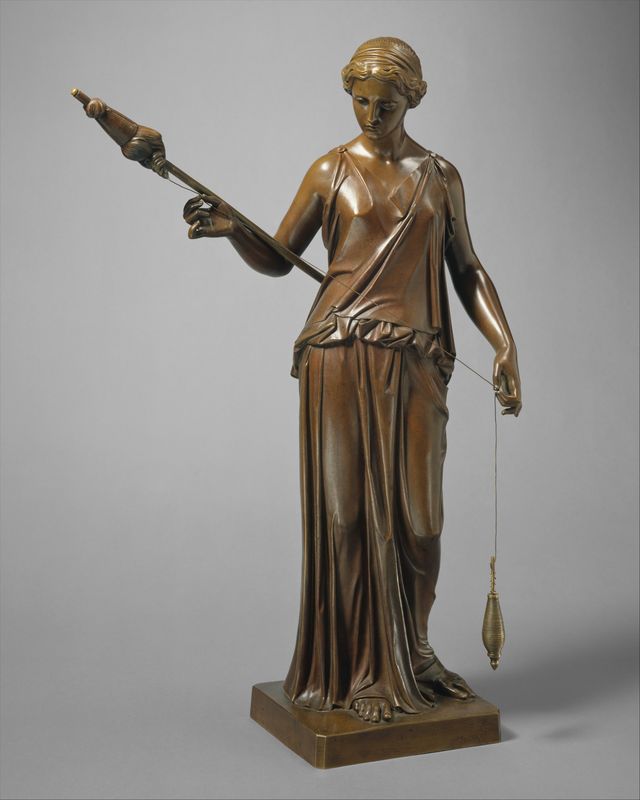 Filatrice
1850 · The Metropolitan Museum of Art
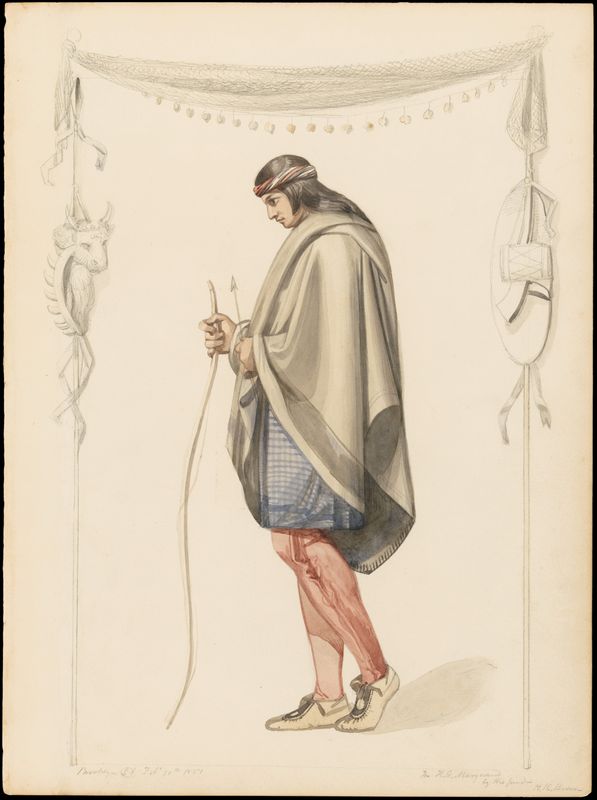 Indian Figure in Profile
1851 · The Metropolitan Museum of Art
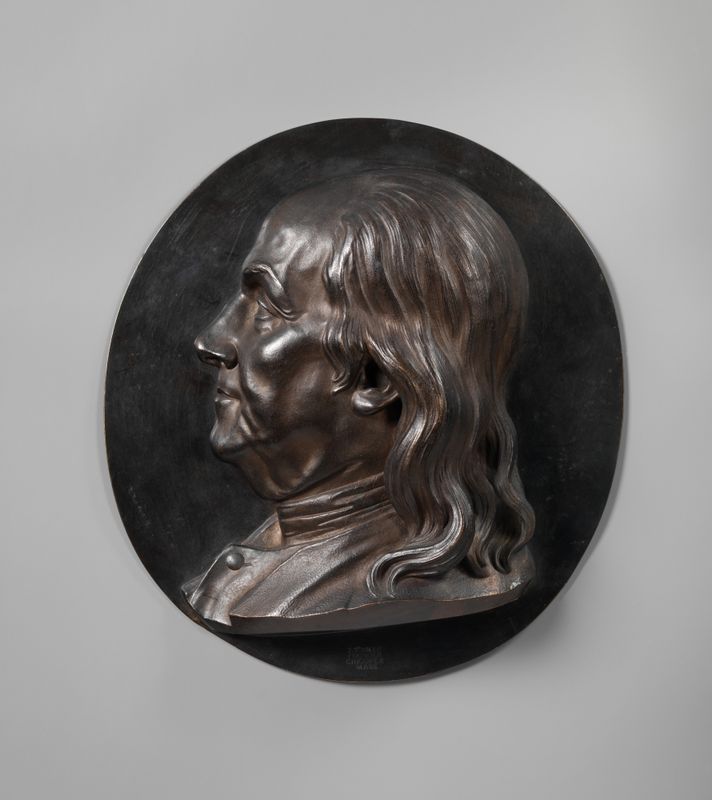 Benjamin Franklin
1852 · The Metropolitan Museum of Art
Beyond Brown: works from the same years.
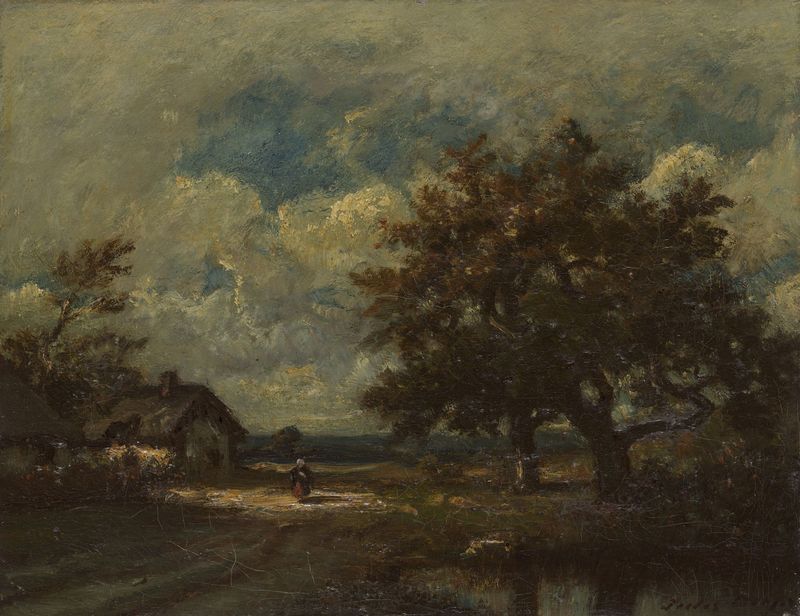 Same era · 1830s–1860s
The Cottage by the Roadside, Stormy Sky
Léon-Victor Dupré · 1855 · Art Institute of Chicago
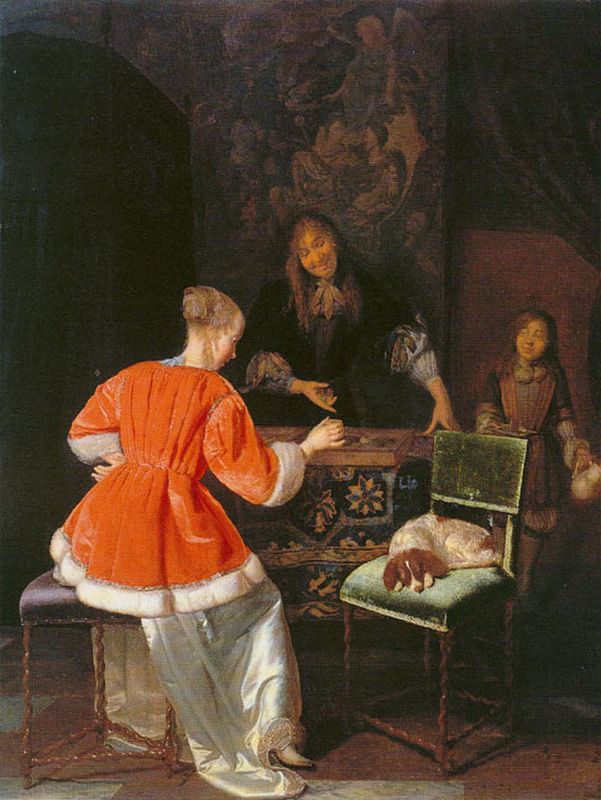 Same era · 1830s–1860s
The Backgammon Players
Philip Webb · 1861 · The Metropolitan Museum of Art
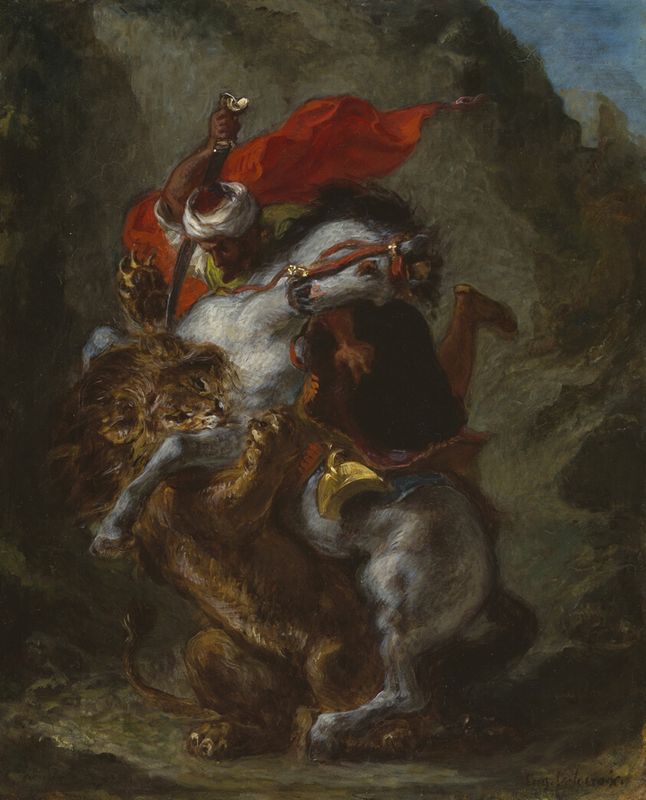 Same era · 1830s–1860s
Arab Horseman Attacked by a Lion
Eugène Delacroix · 1849 · Art Institute of Chicago
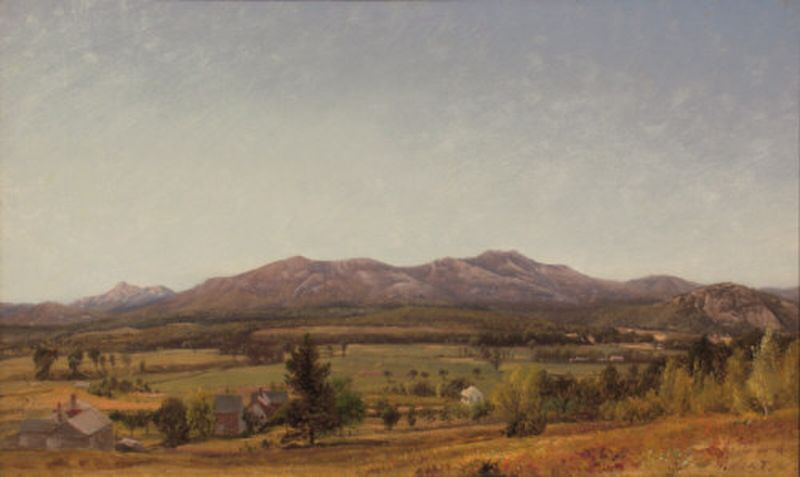 Same era · 1830s–1860s
Mount Chocorua and Moat Mountain from North Conway
William Hart · 1850
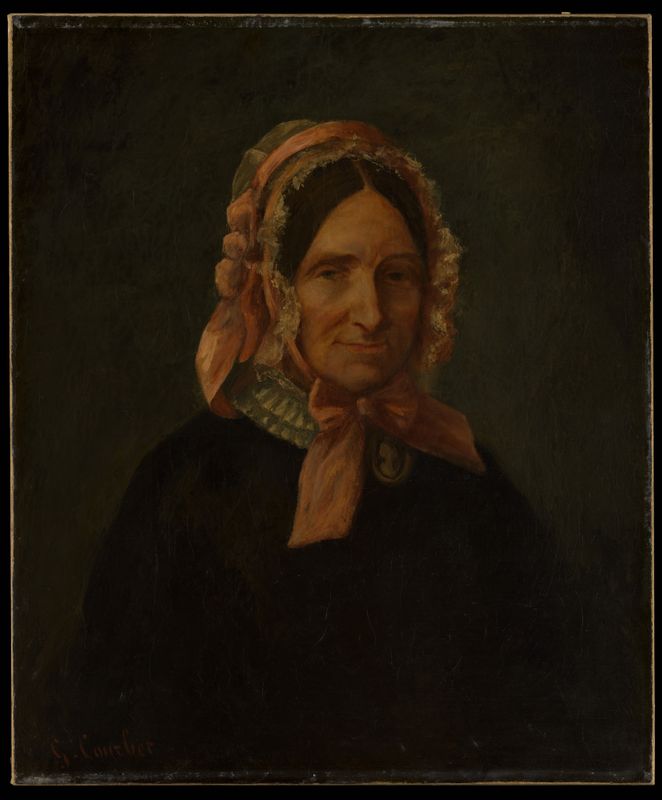 Same era · 1830s–1860s
Portrait of a Woman, Called Héloïse Abélard
Gustave Courbet · 1850 · The Metropolitan Museum of Art
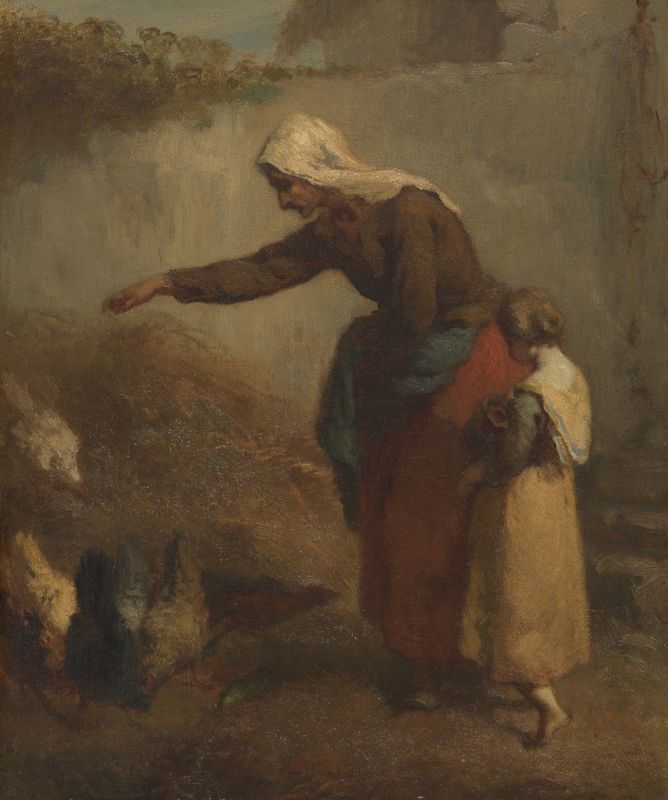 Same era · 1830s–1860s
Woman Feeding Chickens
Jean-François Millet · 1850 · Art Institute of Chicago
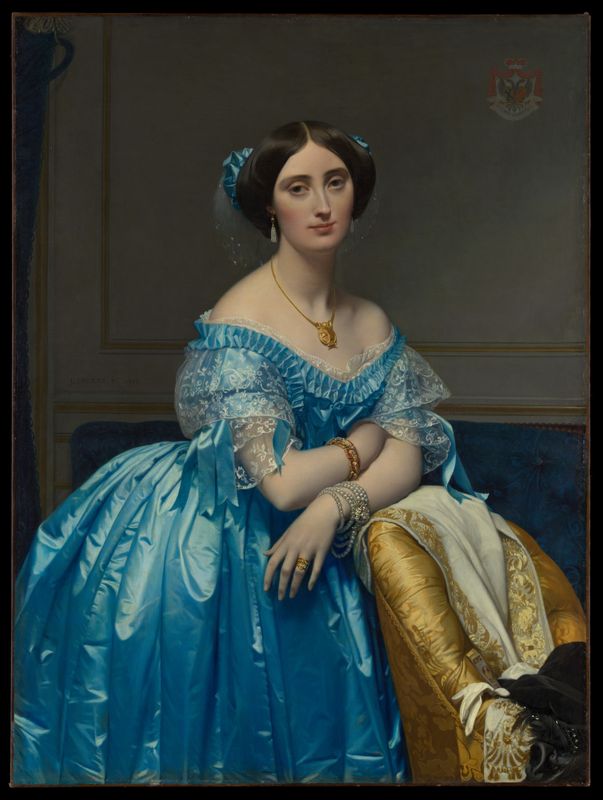 Same era · 1830s–1860s
Joséphine-Éléonore-Marie-Pauline de Galard de Brassac de Béarn (1825–1860), Princesse de Broglie
Jean-Auguste-Dominique Ingres · 1853 · Metropolitan Museum of Art
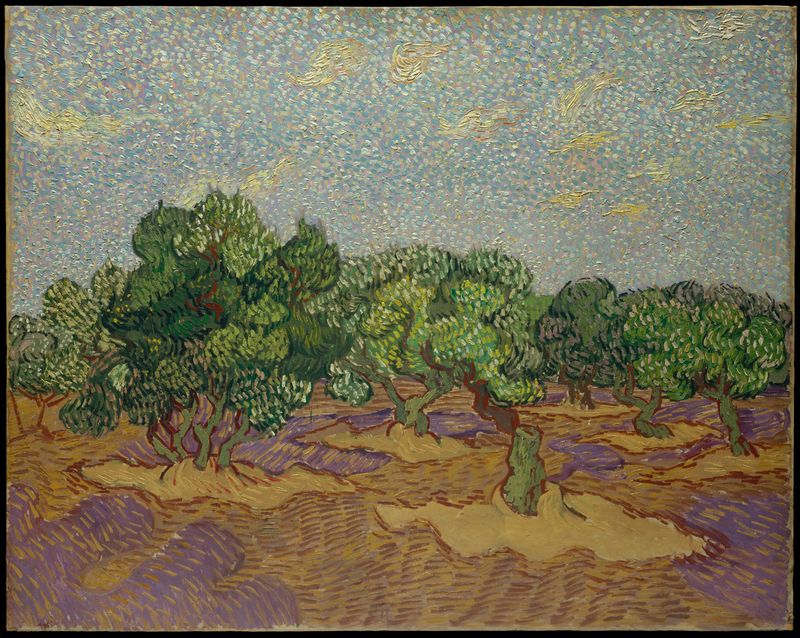 Same era · 1830s–1860s
Olive Trees
Vincent van Gogh · 1853 · The Metropolitan Museum of Art
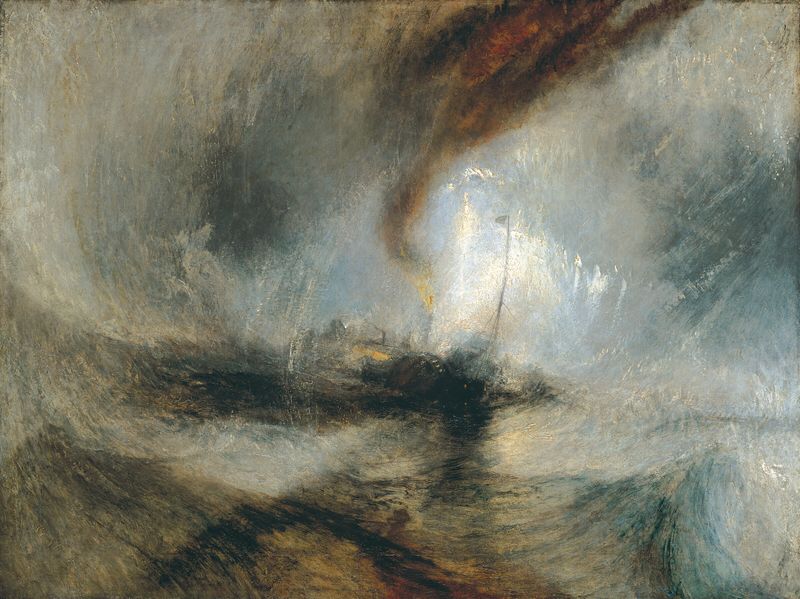 Same era · 1830s–1860s
Snow Storm: Steam-Boat off a Harbour's Mouth
J. M. W. Turner · 1842 · National Gallery
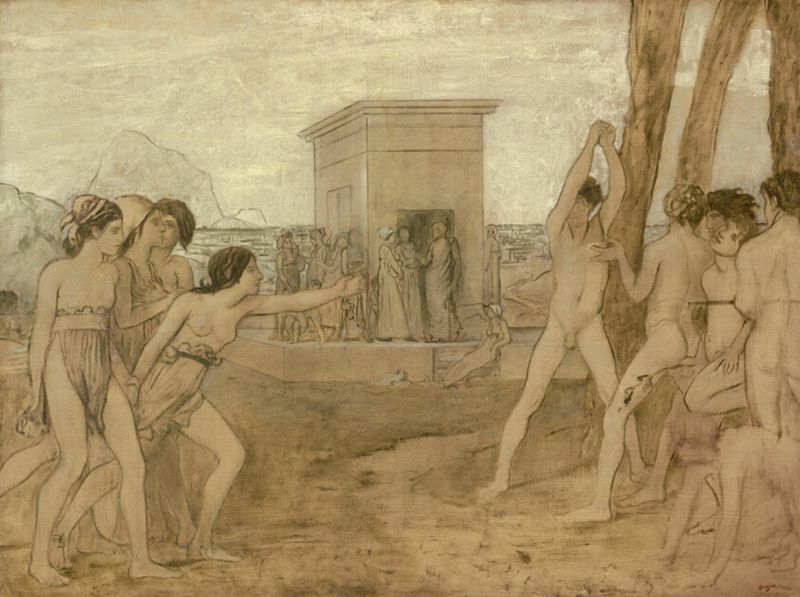 Same era · 1830s–1860s
Young Spartan Girls Challenging Boys
Edgar Degas · 1860 · Art Institute of Chicago
 Same era · 1830s–1860s
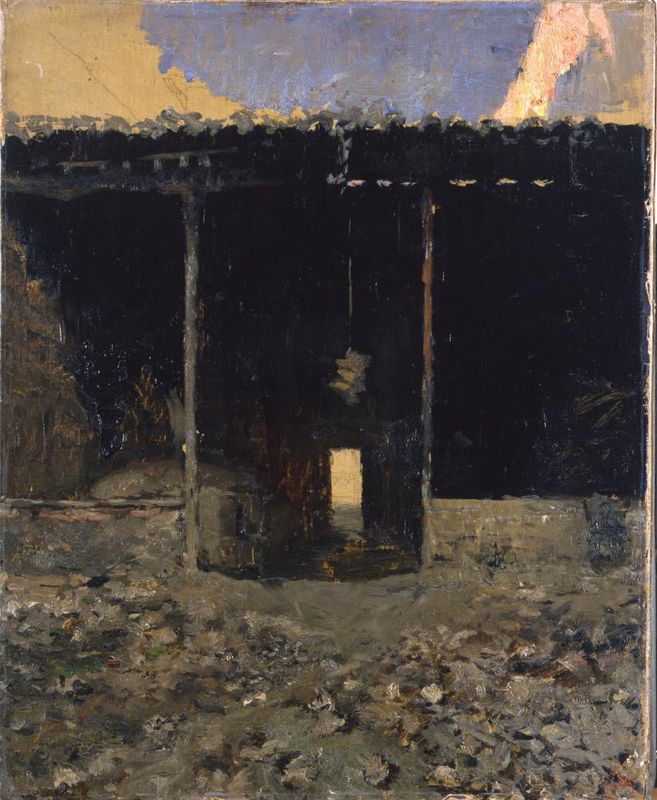
A Sketch
Mariano Fortuny Marsal · 1862 · Hispanic Society of America
 Same era · 1830s–1860s
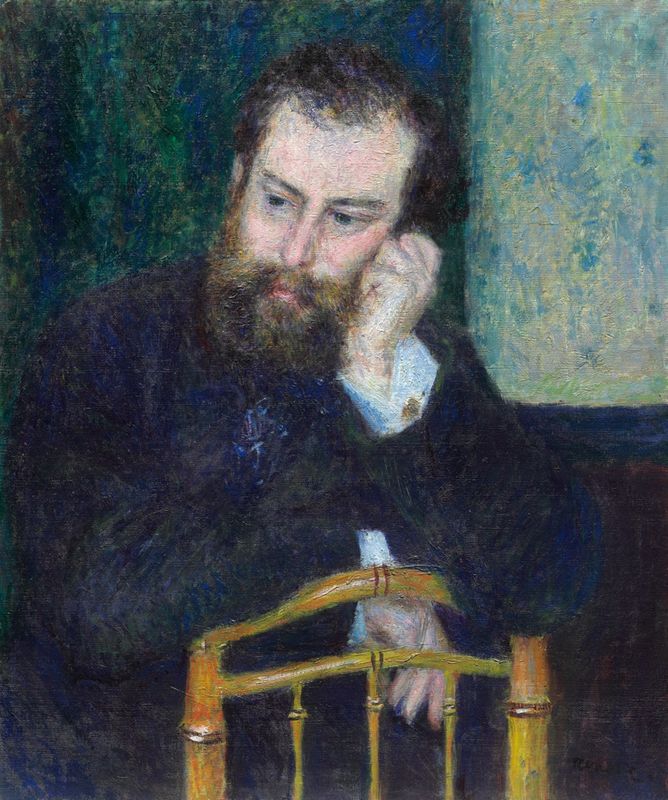
Alfred Sisley
Pierre-Auguste Renoir · 1864 · Foundation E.G. Bührle Collection
