
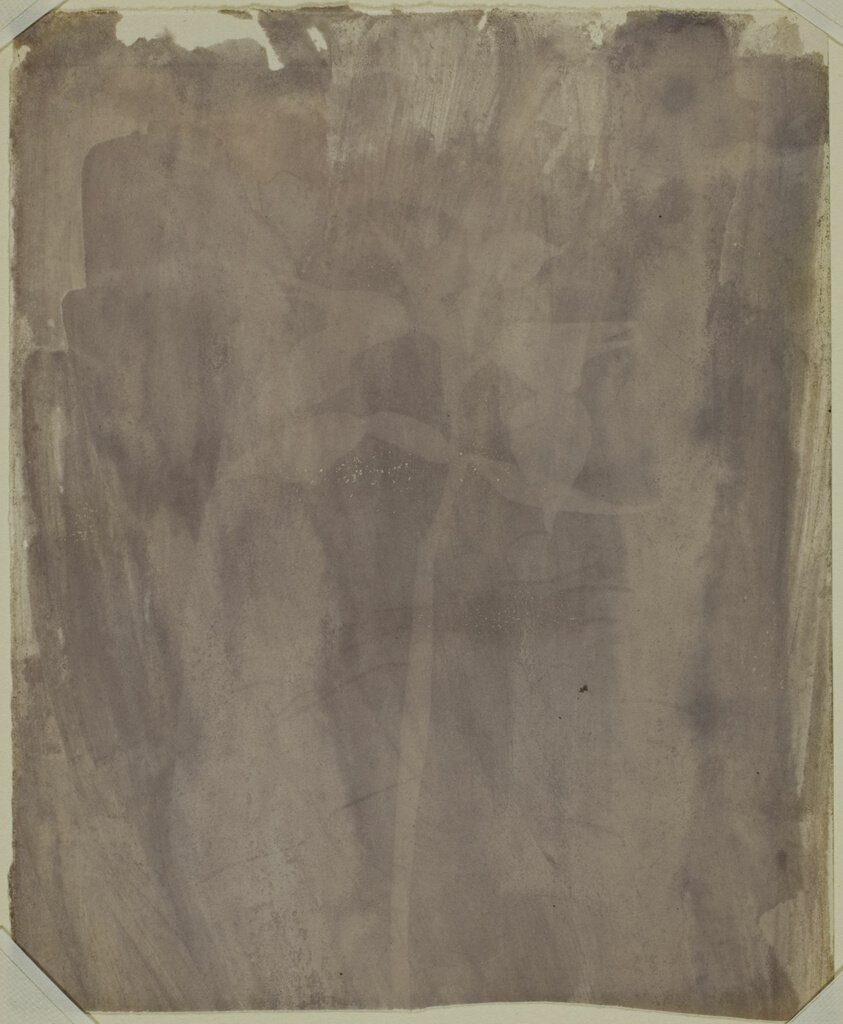
“This isn't just a picture of a plant; it's one of the earliest known photographs, a "photogenic drawing" from 1830 that captures nature's own imprint on light-sensitive paper.”
This early photogenic drawing captures the delicate silhouette of a botanical specimen, its intricate veins and fronds rendered with stark clarity against a dark background. The image, created in 1830, predates the public announcement of photography by nearly a decade, showcasing a pioneering moment in the medium's history. It’s a direct impression, a "shadow image" made by placing the plant directly onto light-sensitive paper and exposing it to sunlight. This contact printing technique results in a negative image, where the parts of the paper exposed to light darken, while areas shielded by the plant remain lighter. The ethereal quality of the form, almost like a ghost, highlights the revolutionary idea that nature itself could draw its own portrait, without the intervention of an artist's hand.
- Artist
- William Henry Fox Talbot
- Date
- 1830
- Medium
- Photogenic drawing
- Location
- Art Institute of Chicago
- Dimensions
- Image/paper: 14 × 11.5 cm (5 9/16 × 4 9/16 in.)
What to Notice
Four details hide in plain sight. Here’s where to look.
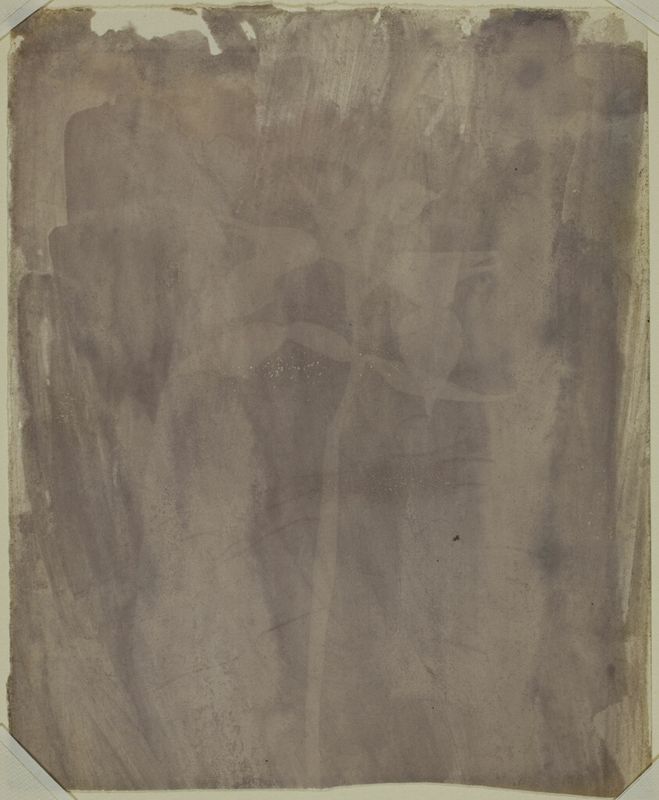
The fine, almost translucent network of veins within the leaves.
The subtle variations in tone, from deep brown to lighter, almost tan hues.
The way the edges of the leaves appear slightly blurred, a characteristic of early photogenic drawings.
The delicate, wispy tendrils extending from the main stem.
William Henry Fox Talbot
1800–1877 · Kingdom of Great BritainThe man who invented the negative-positive process, making every photograph ever printed possible.
Further Works by Talbot
 The Fruit Sellers
1837 · Art Institute of Chicago
 Articles of China
1843 · Art Institute of Chicago
 1. Aglio. 2. Cestro. 3. Poa.
1839 · The Metropolitan Museum of Art
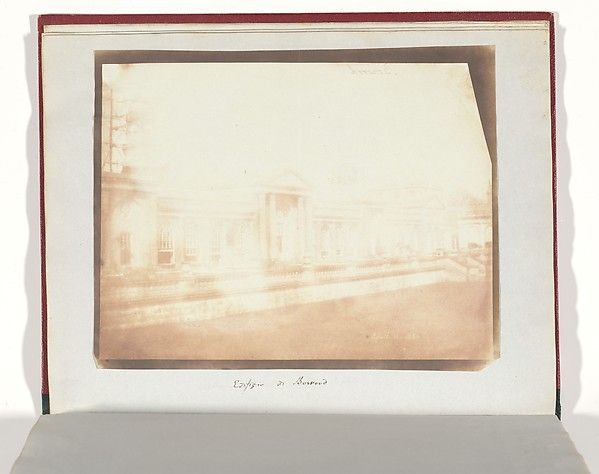 Bowood
1839 · The Metropolitan Museum of Art
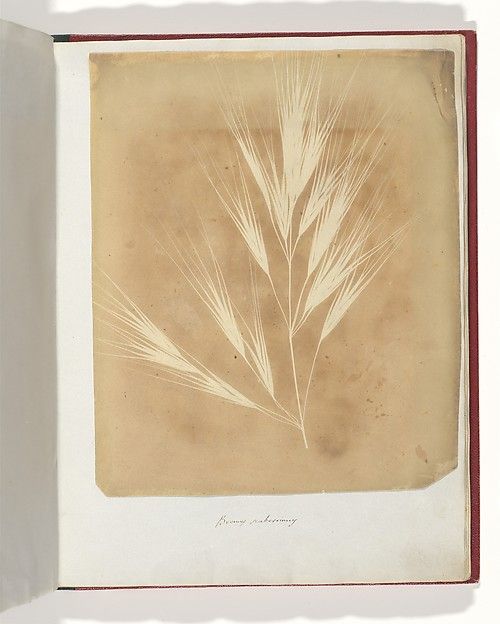 Bromus Maximus, Genoa
1839 · The Metropolitan Museum of Art
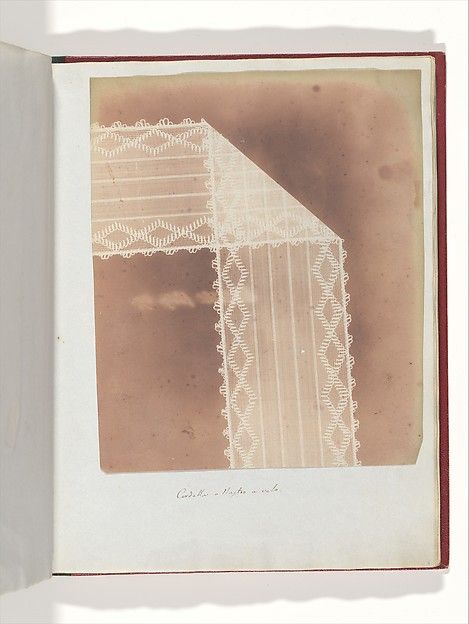 Cordella o Nastro a velo
1839 · The Metropolitan Museum of Art
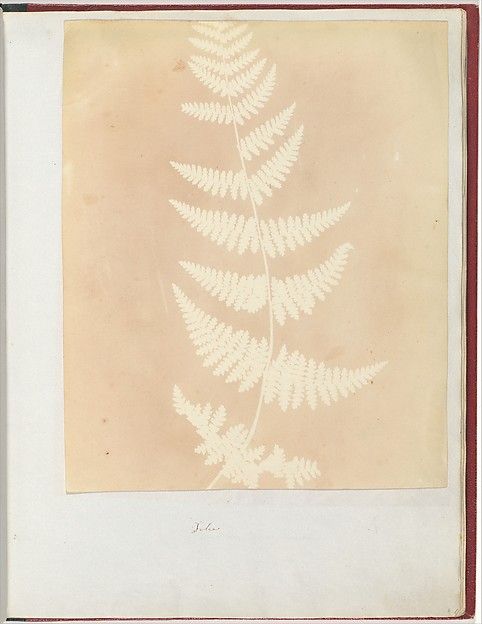 Felce
1839 · The Metropolitan Museum of Art
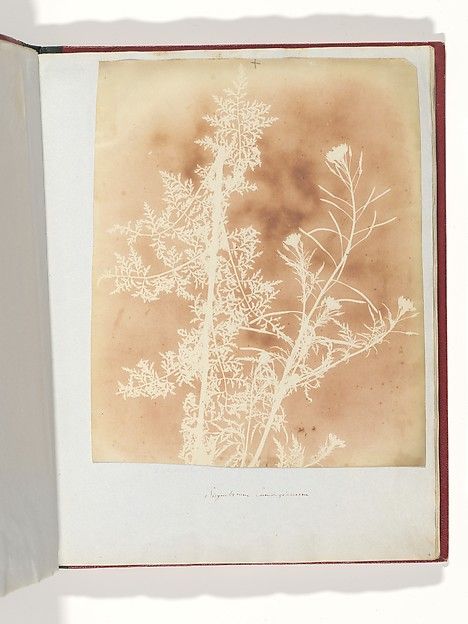 Sisymbrium Cumingianum
1839 · The Metropolitan Museum of Art
More works to explore
Beyond Talbot: works from the same years.
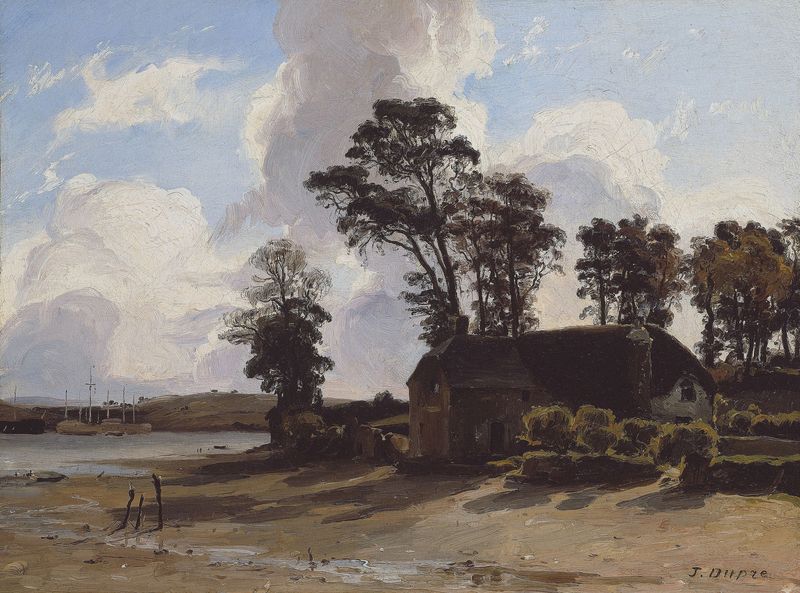 Same era · 1810s–1840s
The Estuary Farm
Léon-Victor Dupré · 1831 · Art Institute of Chicago
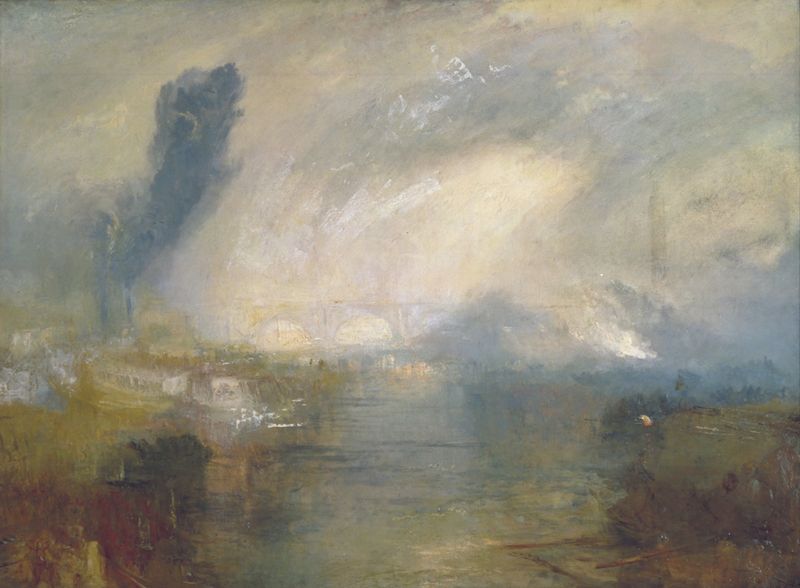 Same era · 1810s–1840s
The Thames above Waterloo Bridge
J. M. W. Turner · 1830 · National Gallery
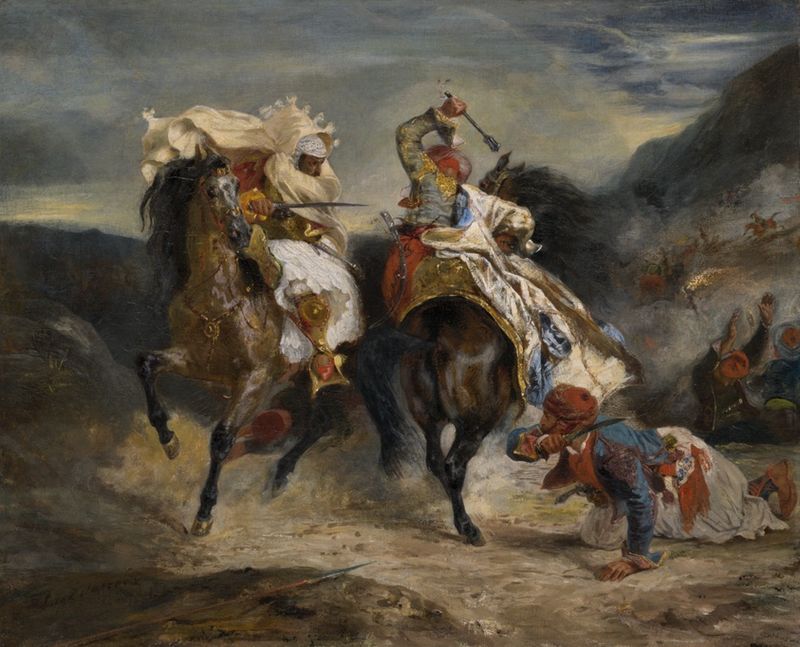 Same era · 1810s–1840s
The Combat of the Giaour and Hassan
Eugène Delacroix · 1826 · Art Institute of Chicago
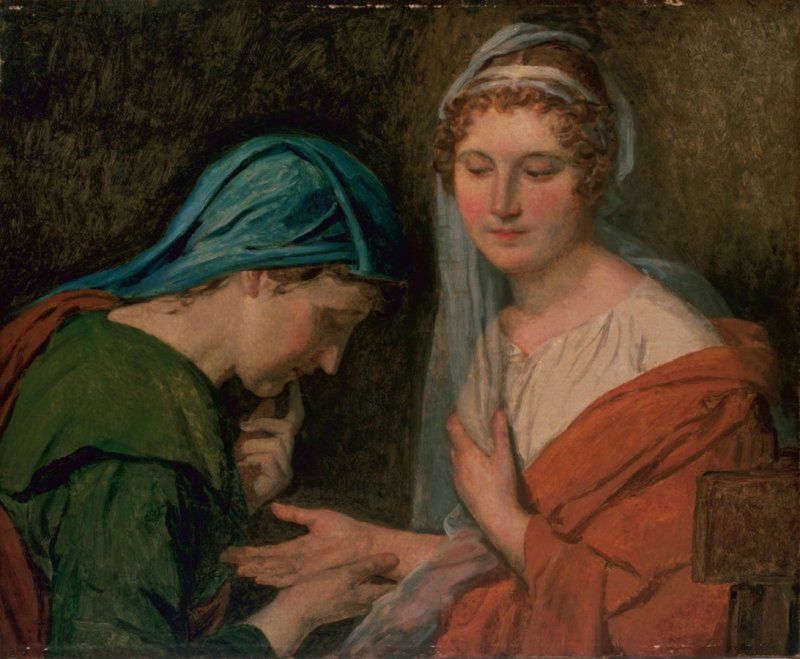 Same era · 1810s–1840s
The Fortune Teller (La Bonne Aventure)
Jacques-Louis David · 1824 · Fine Arts Museums of San Francisco
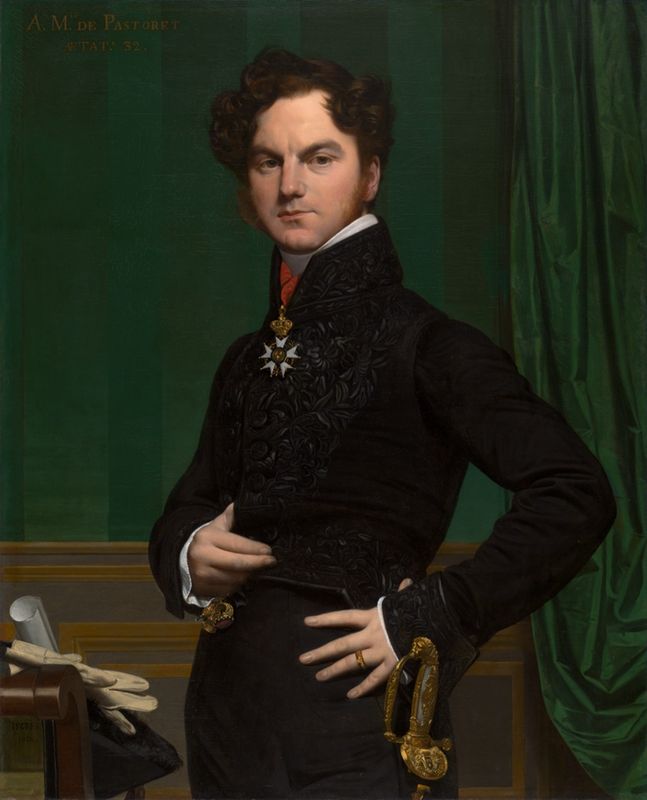 Same era · 1810s–1840s
Amédée-David, the Comte de Pastoret
Jean-Auguste-Dominique Ingres · 1823 · Art Institute of Chicago
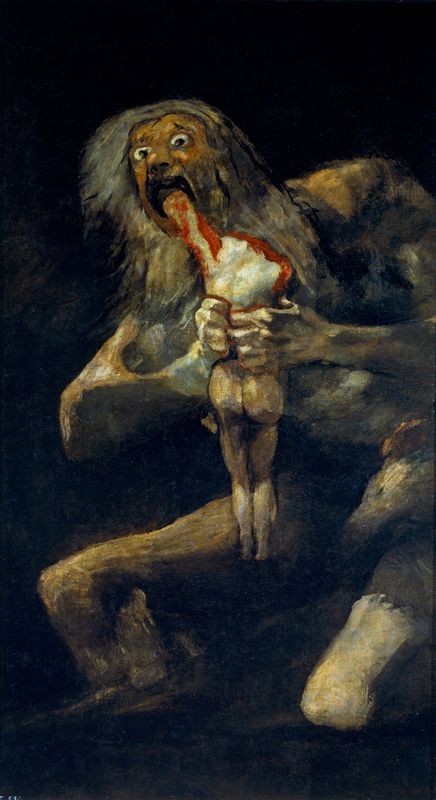 Same era · 1810s–1840s
Saturn Devouring His Son
Francisco Goya · 1820 · Museo del Prado
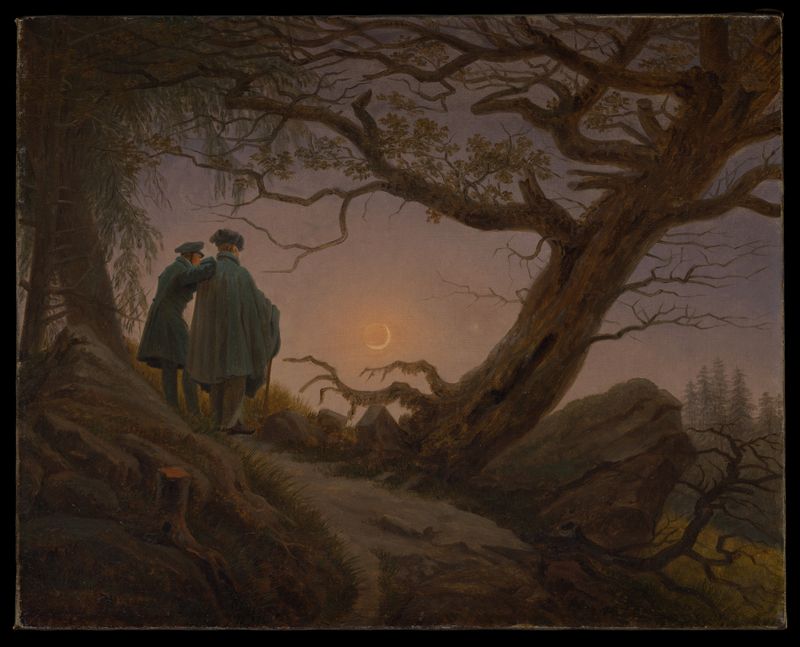 Same era · 1810s–1840s
Two Men Contemplating the Moon
Caspar David Friedrich · 1819 · Staatliche Kunstsammlungen Dresden
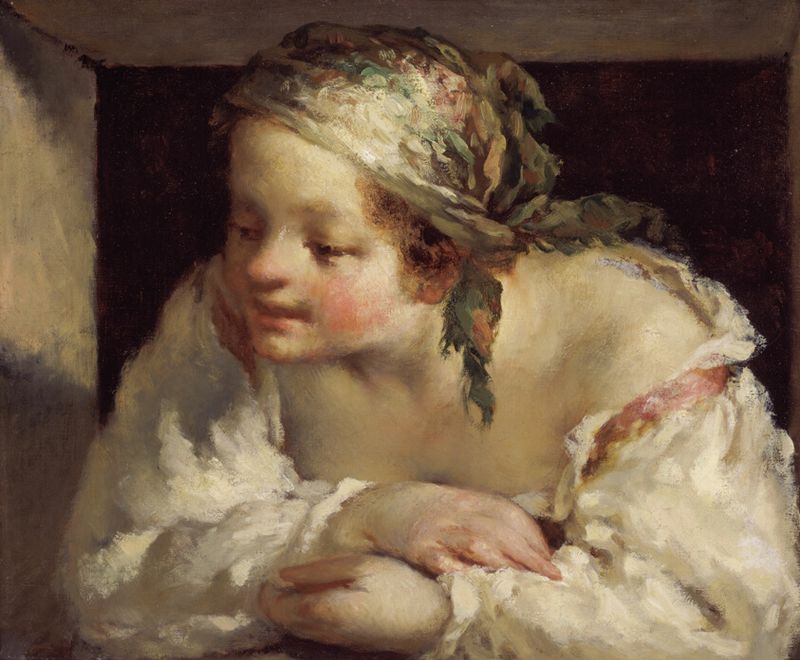 Same era · 1810s–1840s
Young Woman
Jean-François Millet · 1844 · Art Institute of Chicago
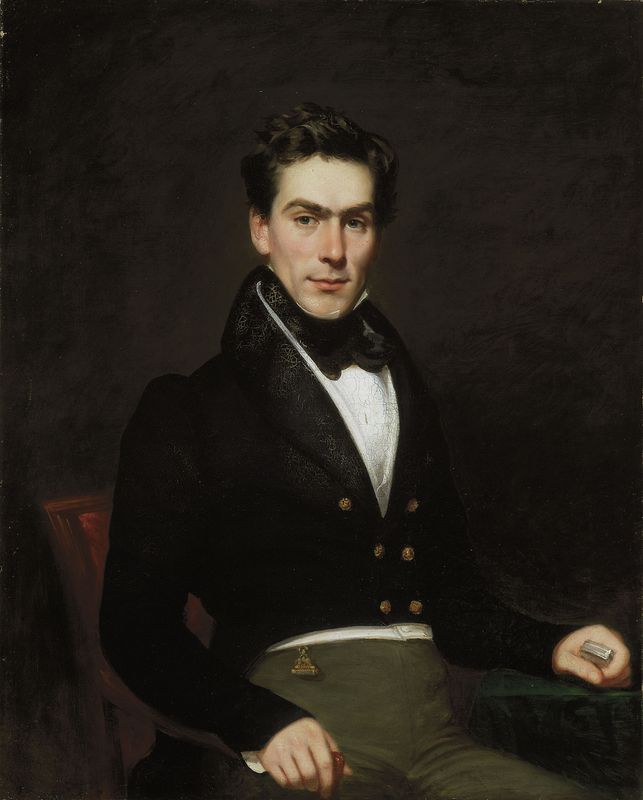 Same era · 1810s–1840s
Mr. James Mackie
Samuel Alcock & Company · 1830 · Art Institute of Chicago
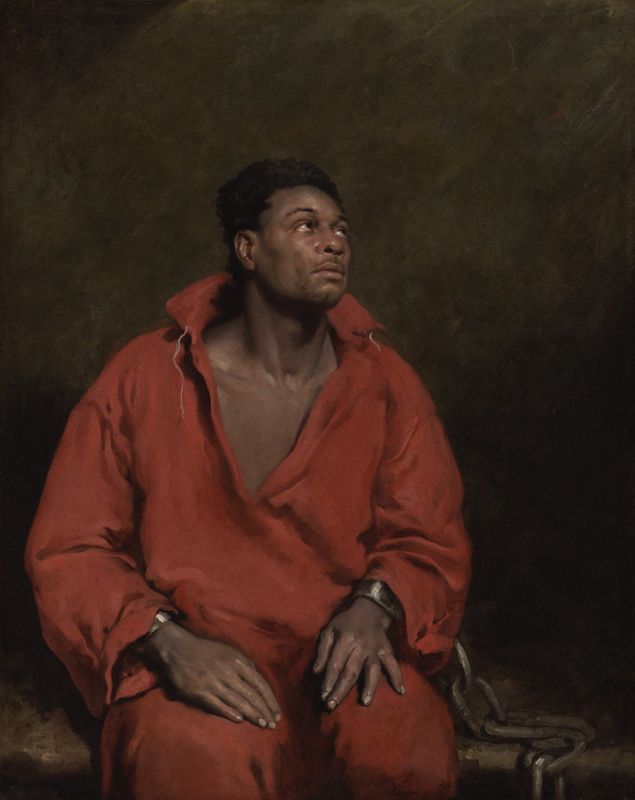 Same era · 1810s–1840s
The Captive Slave (Ira Aldridge)
John Philip Simpson · 1827 · Art Institute of Chicago
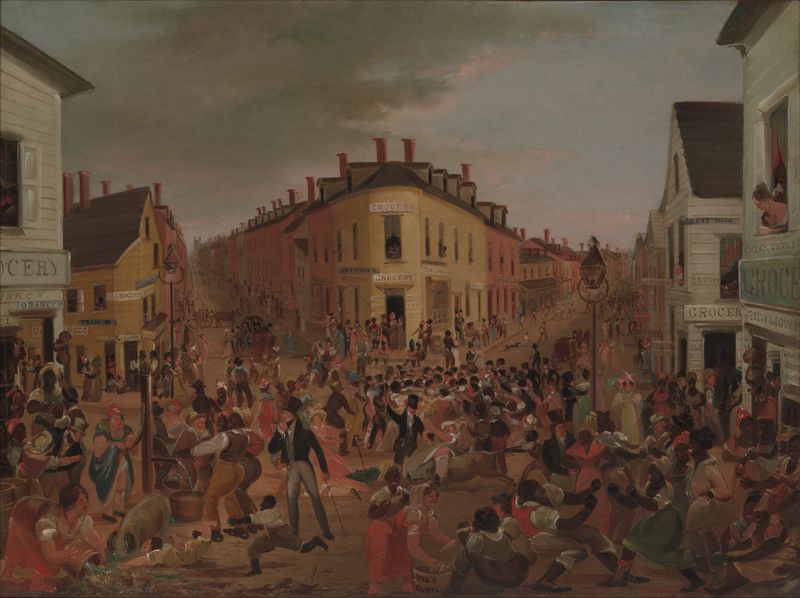 Same era · 1810s–1840s
The Five Points
Artist Unknown - The Mercat Cross, Aberdeen · 1822 · The Metropolitan Museum of Art
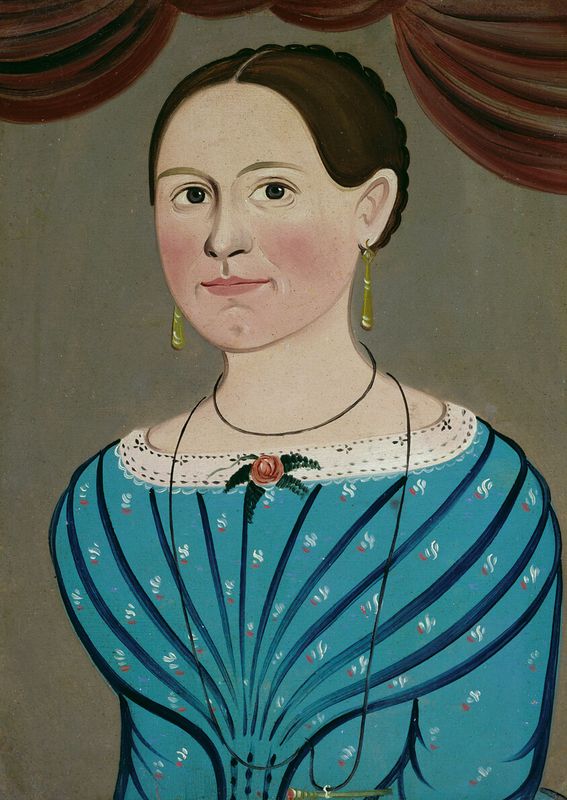 Same era · 1810s–1840s
Woman in a Blue Dress
School of William Matthew Prior · 1840 · Art Institute of Chicago