01
Tall standing nude
On the left, the tallest figure raises one arm to her head. Her long, angular body and mask-like face set the picture's tone.
1 of 5 on the painting
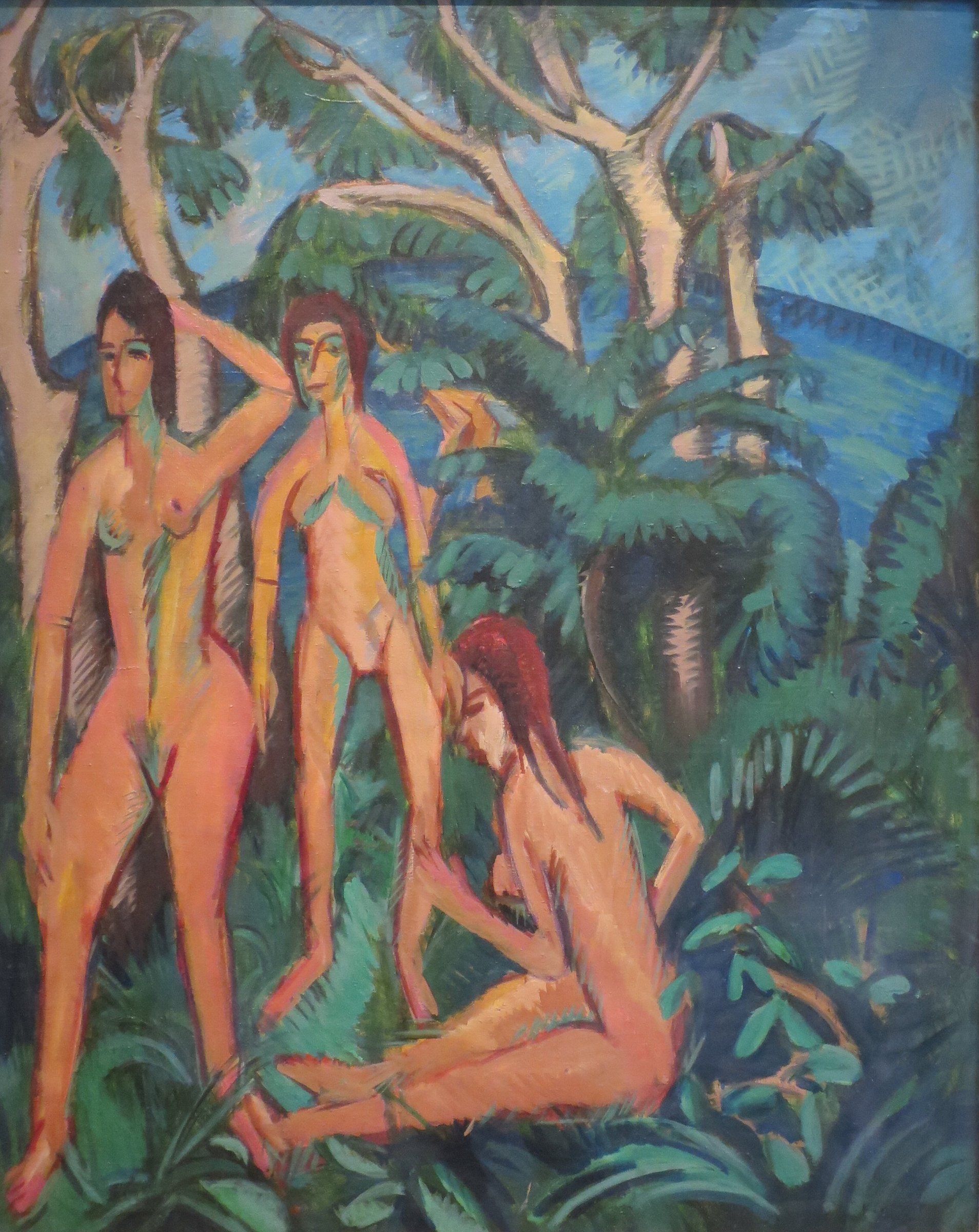
“This painting throws you into a world where bodies and nature merge in a riot of color and sharp lines. It's an electrifying example of German Expressionism, capturing a moment of raw freedom on the island of Fehmarn.”
In "Bathers beneath Trees, Fehmarn," Ernst Ludwig Kirchner immerses us in a vibrant, almost raw depiction of figures in nature. The scene unfolds with a group of nudes, their bodies rendered in strong, angular lines and bold colors, echoing the untamed landscape around them. Two figures in the foreground are particularly striking, their forms simplified yet powerfully expressive, suggesting a primal connection to the earth and sea. The painting captures a moment of uninhibited freedom, characteristic of the German Expressionist movement, which sought to convey emotional experience rather than objective reality. Kirchner spent summers on the island of Fehmarn, and here he translates the island's wild beauty into a dynamic interplay of form and color. The thick brushstrokes and flattened perspective create a sense of immediacy, drawing the viewer into this intimate, sun-drenched encounter with nature.
Five details hide in plain sight. Pick one and we’ll show you exactly where to look.
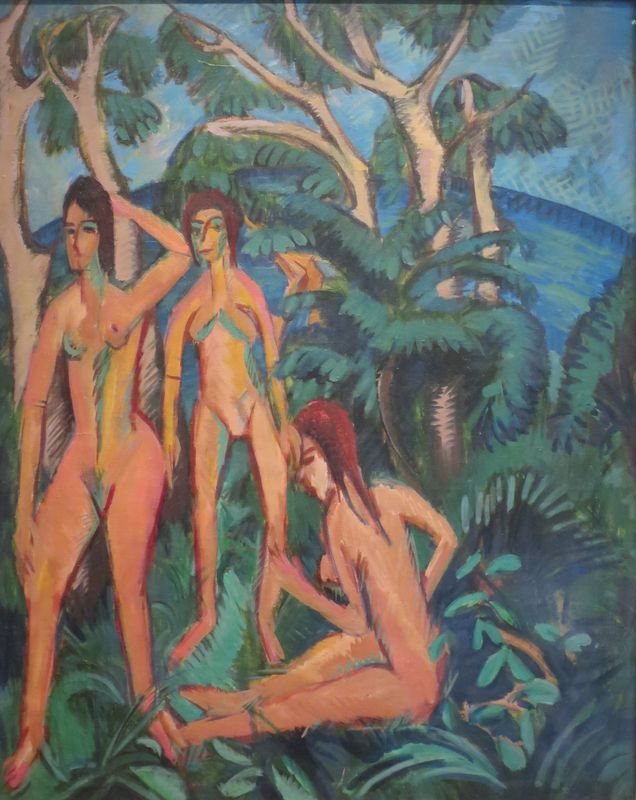
On the left, the tallest figure raises one arm to her head. Her long, angular body and mask-like face set the picture's tone.
Look at the middle figure's torso, where streaks of green and yellow sit on the pink flesh. Color, not careful shading, models the body.
At lower right, a figure with red hair bends forward, her head lowered and one hand near her leg. Her folded, sharp-edged pose breaks up the standing verticals.
In the upper right corner, the sky is brushed with short, crossing strokes. They give the blue a restless, woven surface instead of a smooth, calm sky.
Pale, branching trunks curve across the top, and their angular limbs share the sharp lines used for the bathers' arms and legs. Figures and trees feel drawn in the same hand.
The full narration walks you through Bathers beneath Trees, Fehmarn — the story behind it, the details most visitors miss, and why it matters. Free in the Art Whisper app.
Ernst Ludwig Kirchner, a founder of the revolutionary Die Brücke group, reshaped German art with his raw, emotional Expressionist vision.
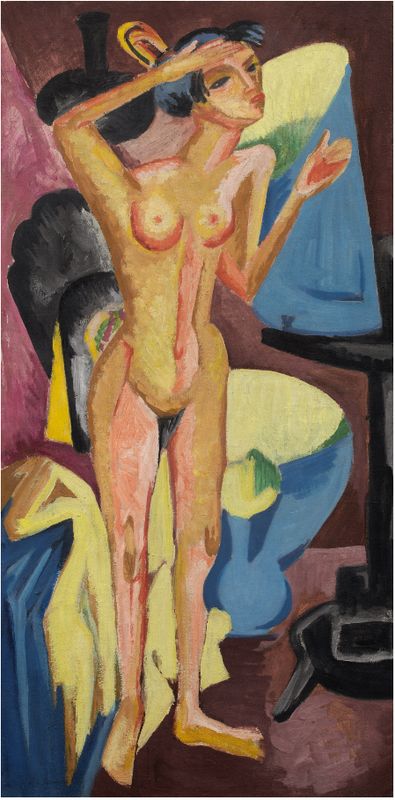 NUDE AT THE MIRROR
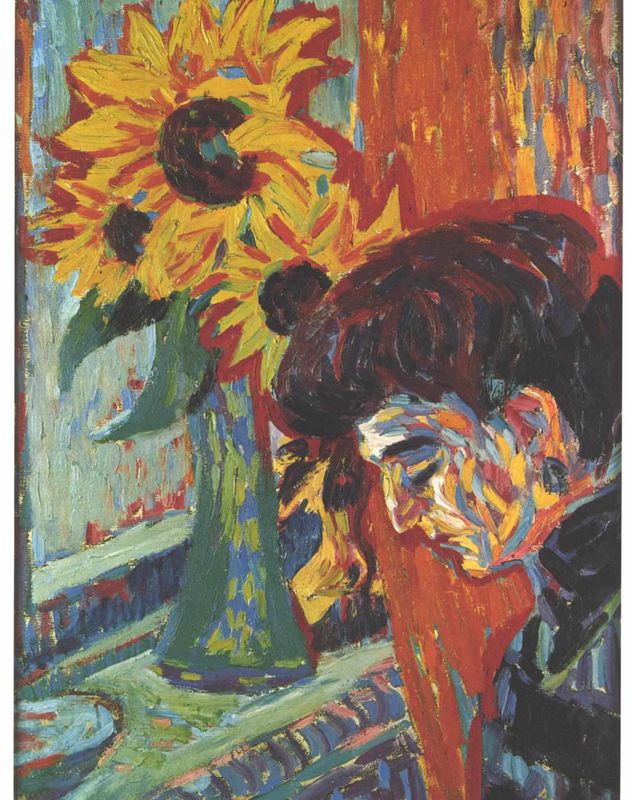 Frauenkopf vor Sonnenblumen
1906 · Museum Frieder Burda
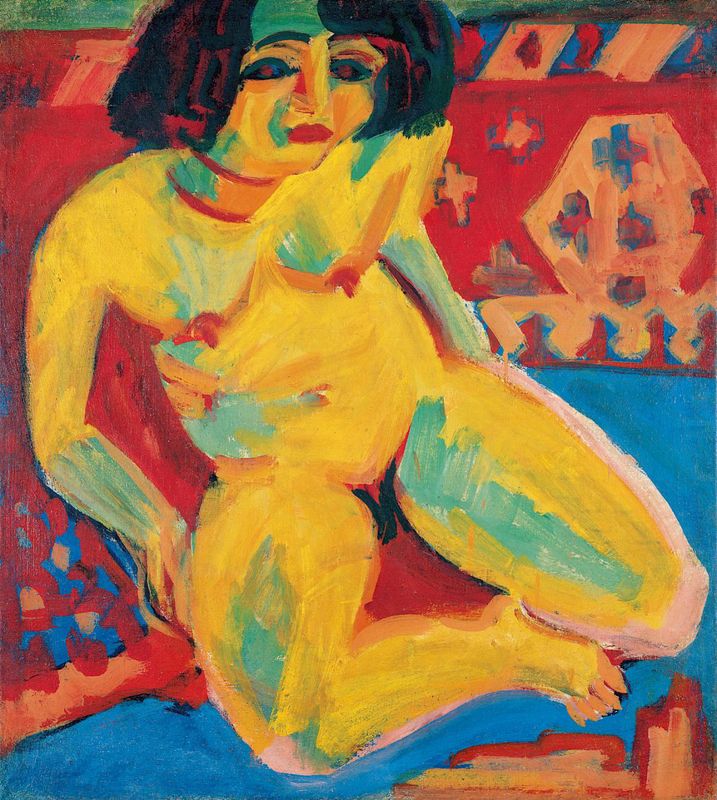 Female Nude (Dodo)
1909 · Albertina
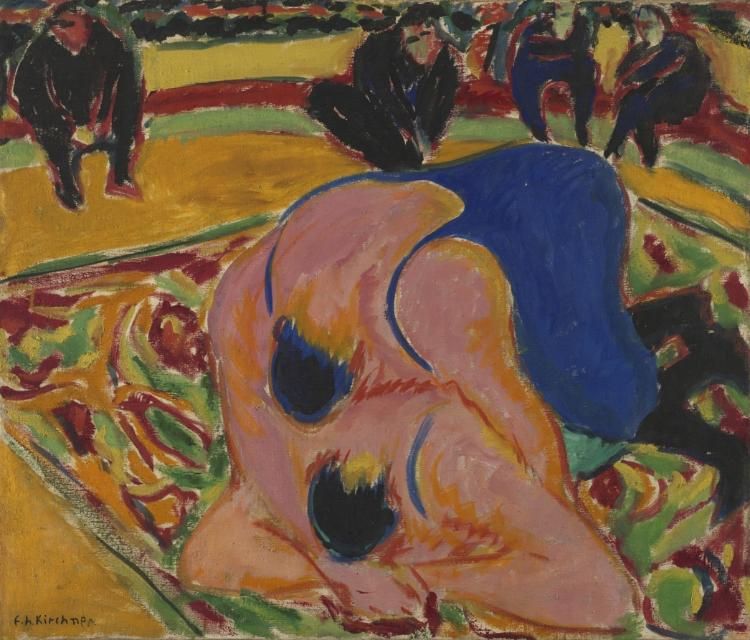 Wrestlers in a Circus
1909 · Cleveland Museum of Art
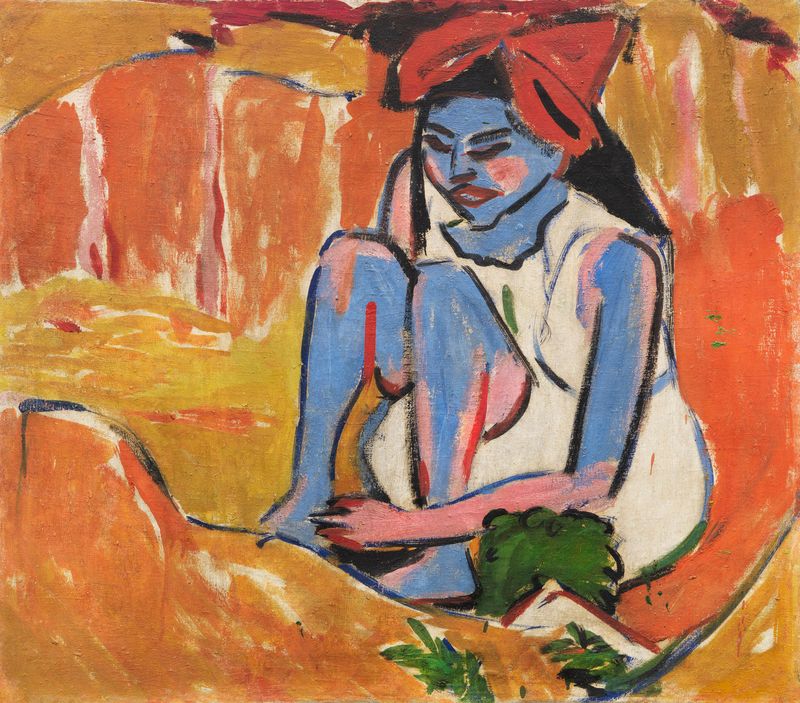 Blue Girl in the Sun
1910
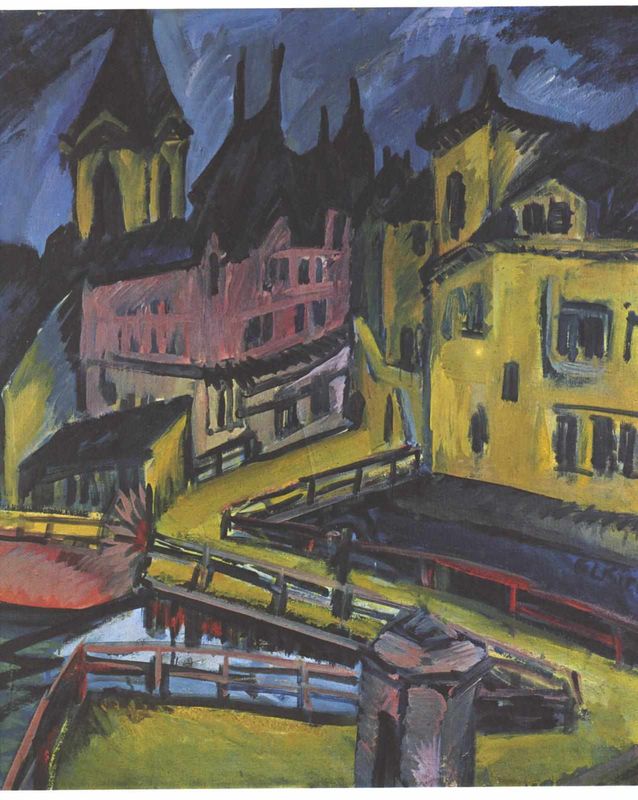 Pfortensteg Chemnitz
1910 · Museum Frieder Burda
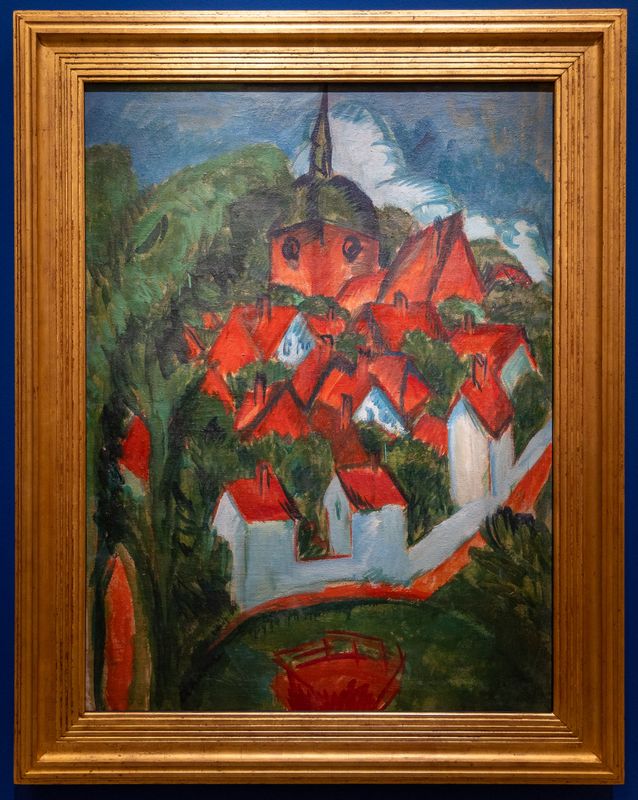 Burg on Fehmarn
1912 · Westphalian State Museum of Art and Cultural History
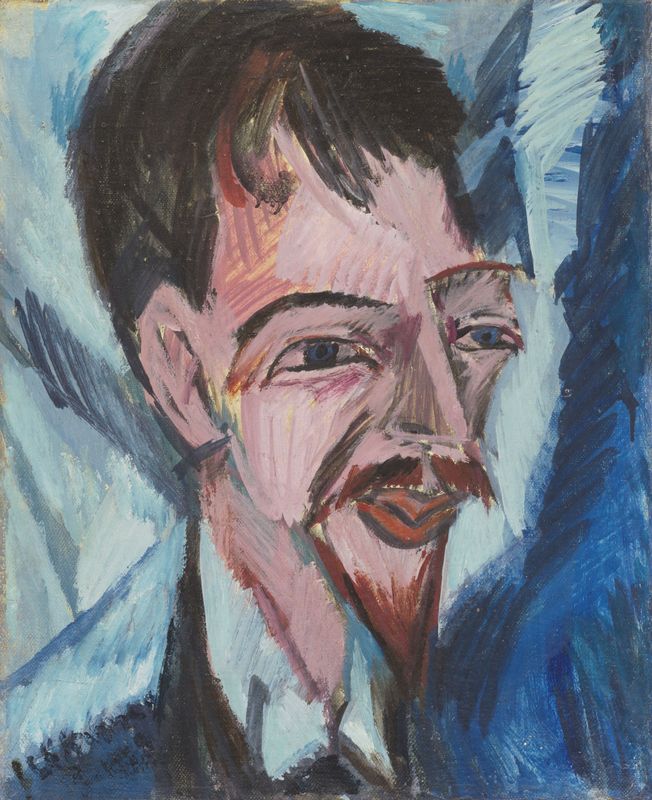 Portrait of Alfred Döblin
1912 · Busch–Reisinger Museum
Beyond Kirchner and Die Brucke: works from the same years.
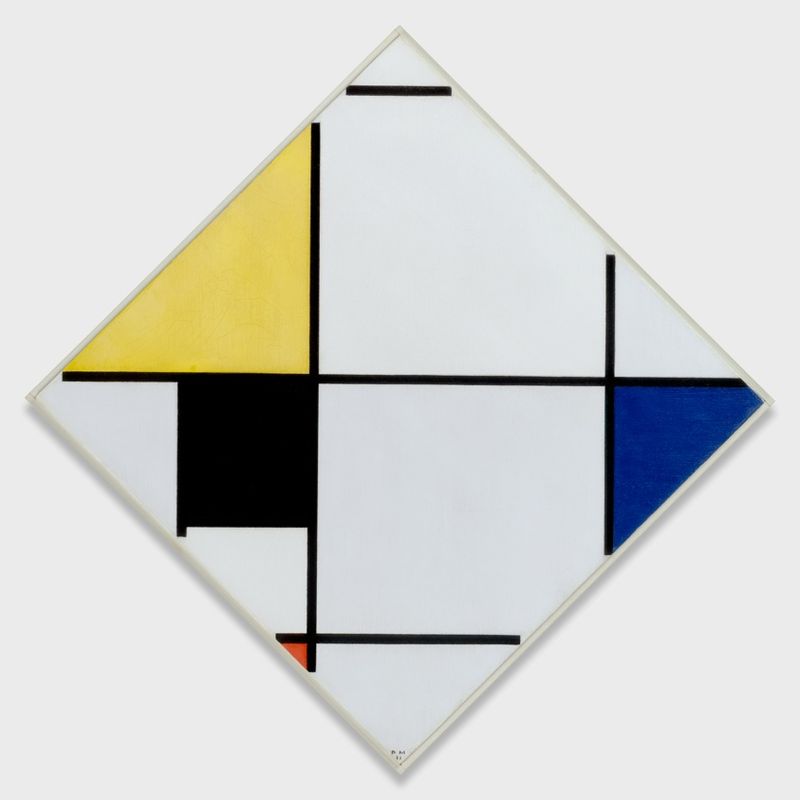 Same era · 1890s–1920s
Lozenge Composition with Yellow, Black, Blue, Red, and Gray
Piet Mondrian · 1921 · Art Institute of Chicago
 Same era · 1890s–1920s
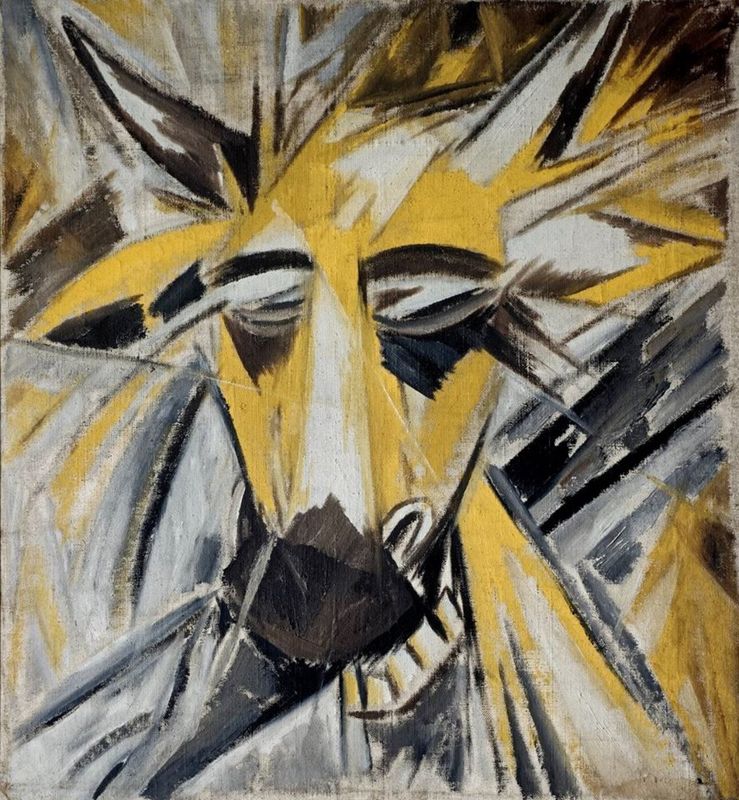
Bull's Head
Mikhail Larionov · 1913 · Tretyakov Gallery
 Same era · 1890s–1920s
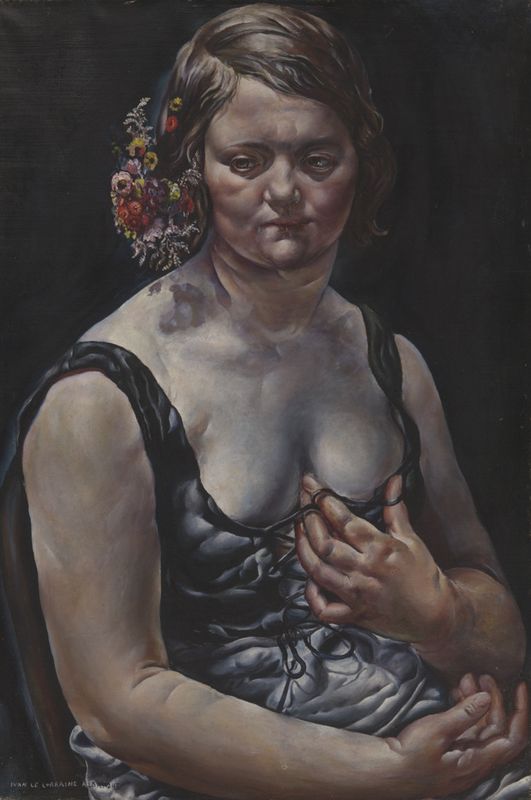
Memories of the Past
Ivan Puni · 1927 · Art Institute of Chicago
 Same era · 1890s–1920s
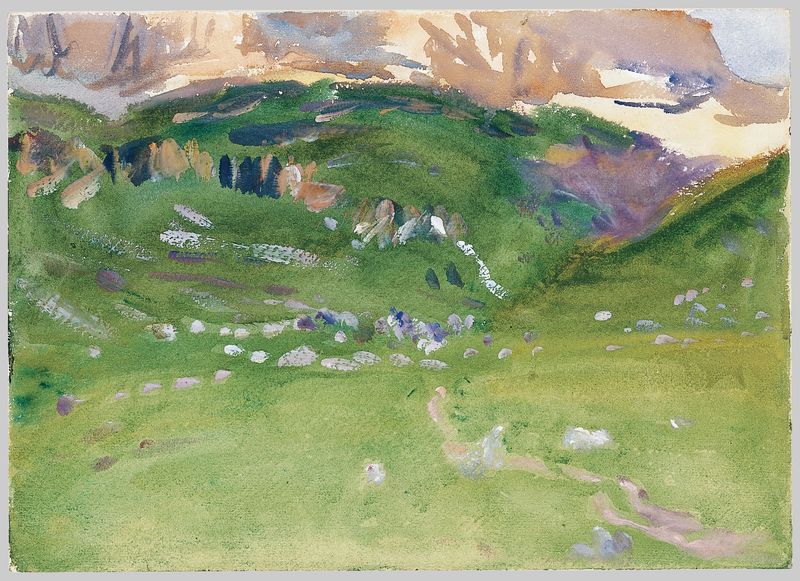
Sellar Alp, Dolomites
John Singer Sargent · 1913 · The Metropolitan Museum of Art
 Same era · 1890s–1920s
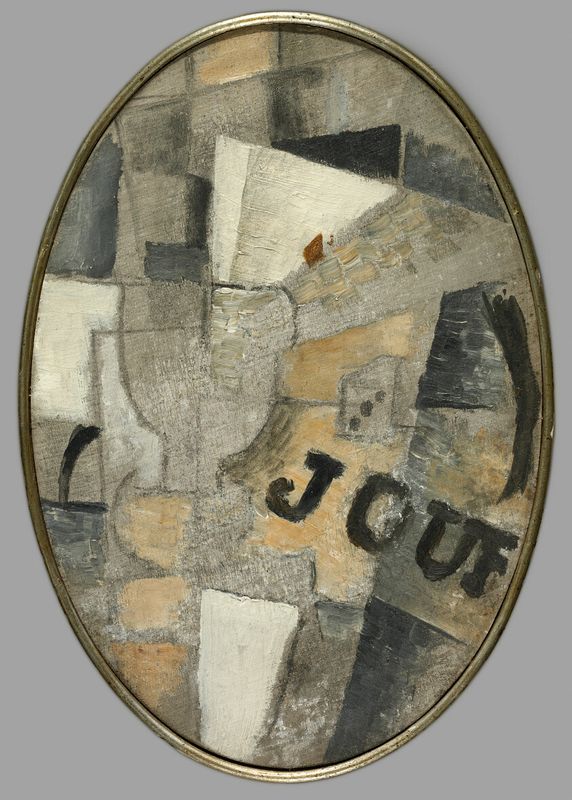
Still Life with Glass, Dice, Newspaper and Playing Card
Georges Braque · 1913 · Art Institute of Chicago
 Same era · 1890s–1920s
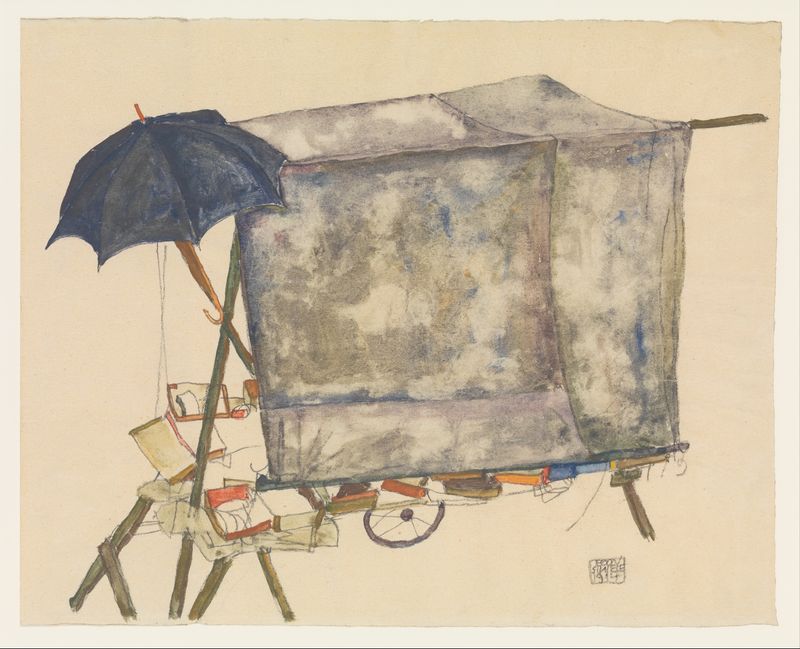
Street Cart
Egon Schiele · 1914 · The Metropolitan Museum of Art
 Same era · 1890s–1920s
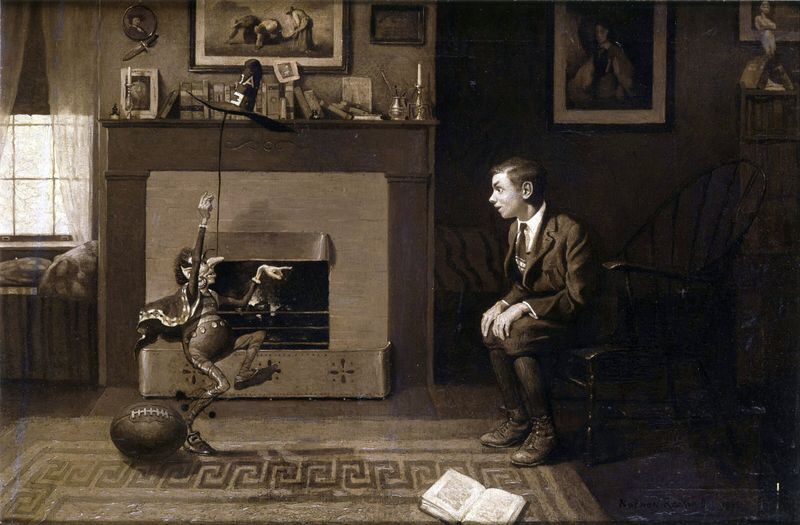
The Magic Foot-ball, 'I thought you were wrong,' he said in triumph. 'You said it was nine! Stupid!'
Norman Rockwell · 1914 · Norman Rockwell Museum
 Same era · 1890s–1920s
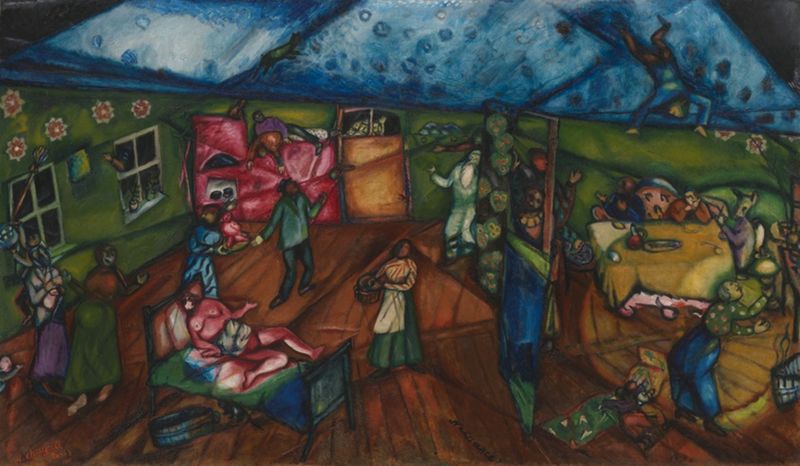
Birth
Marc Chagall · 1911 · Art Institute of Chicago
 Same era · 1890s–1920s
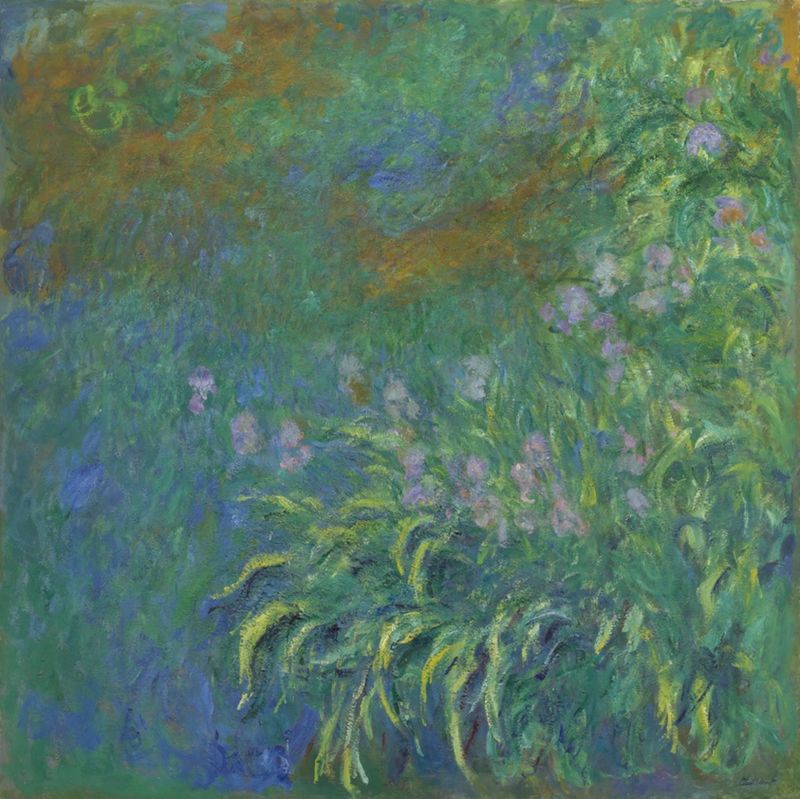
Irises
Claude Monet · 1915 · National Gallery
 Same era · 1890s–1920s
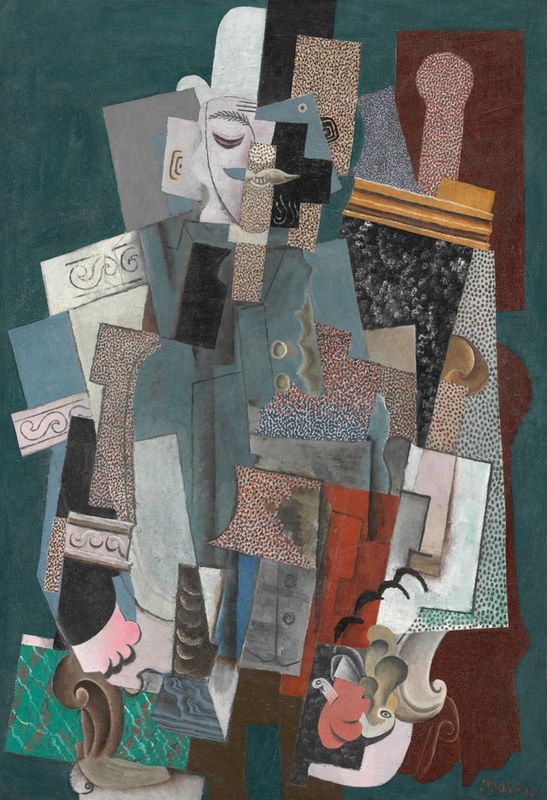
Man with a Pipe
Pablo Picasso · 1915 · Art Institute of Chicago
 Same era · 1890s–1920s
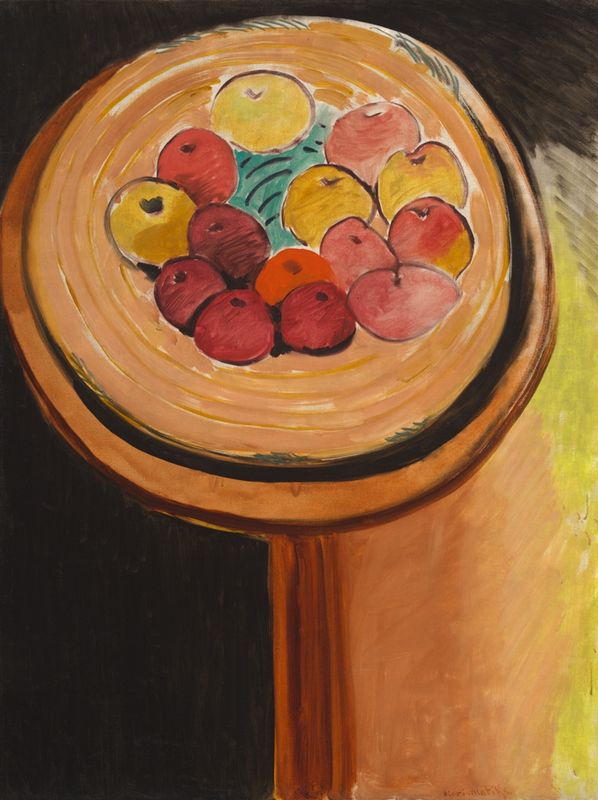
Apples
Henri Matisse · 1916 · Art Institute of Chicago
 Same era · 1890s–1920s
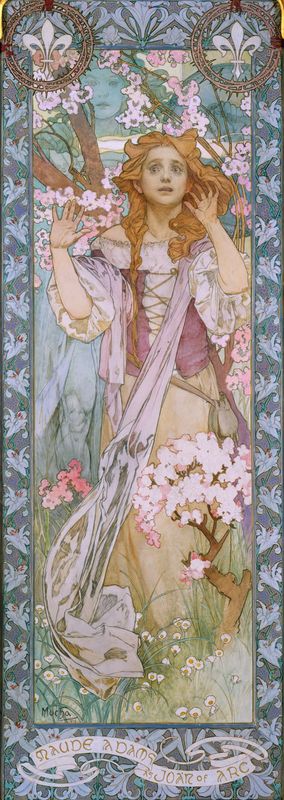
Maude Adams (1872–1953) as Joan of Arc
Alphonse Mucha · 1909 · The Metropolitan Museum of Art