
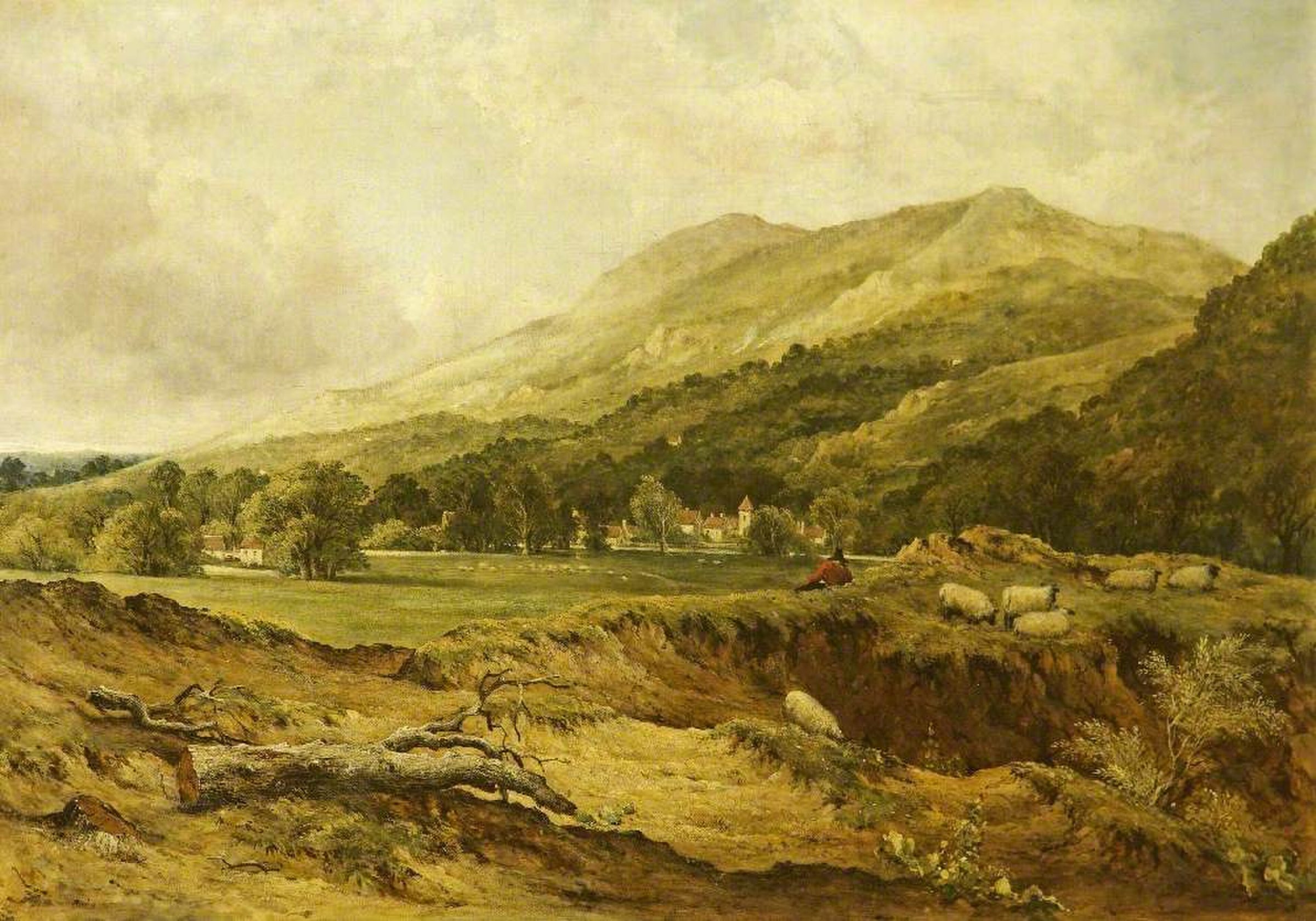
“Step into a tranquil Welsh landscape from 1841. This painting captures the serene beauty of Radnorshire, inviting you to appreciate nature's quiet grandeur through soft light and deep perspective.”
This painting invites you into a serene landscape, a view in Radnorshire, Wales, painted by William Edward West in 1841. The scene unfolds with a sense of quiet grandeur, characteristic of the Romantic era's appreciation for nature's beauty. You can almost feel the gentle breeze rustling through the trees and hear the distant sounds of the countryside. The artist, an American, traveled extensively in Europe, and this work captures the specific light and atmosphere of the Welsh landscape. It reflects a broader artistic interest in depicting natural environments, moving beyond mere topographical representation to evoke a mood and an emotional connection with the land. The carefully balanced composition, with its receding planes and soft light, draws your eye deep into the vista, suggesting both the vastness and the intimate details of this rural setting.
- Artist
- William Edward West
- Date
- 1841
- Location
- National Trust
What to Notice
Four details hide in plain sight. Here’s where to look.
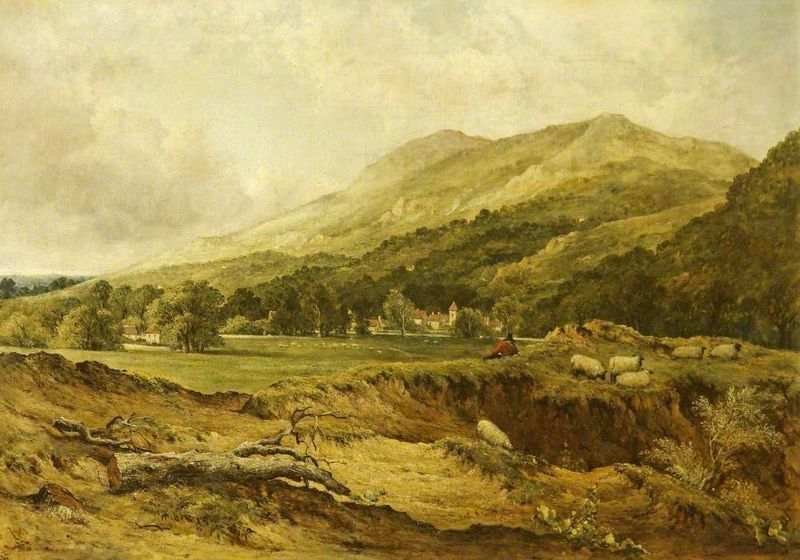
Observe the soft, diffused light, suggesting an overcast or early morning sky.
Notice the subtle variations in green, defining the different textures of trees and fields.
Look for the distant hills, fading into a hazy blue, creating a sense of depth.
Spot any signs of human activity, like a path or a distant structure.
Stand in front of it and listen
The full narration walks you through A View in Radnorshire — the story behind it, the details most visitors miss, and why it matters. Free in the Art Whisper app.
William Edward West
1788–1857 · United StatesWilliam Edward West, an American portrait painter, captured the likenesses of wealthy families and collaborated with author Washington Irving.
Further Works by West
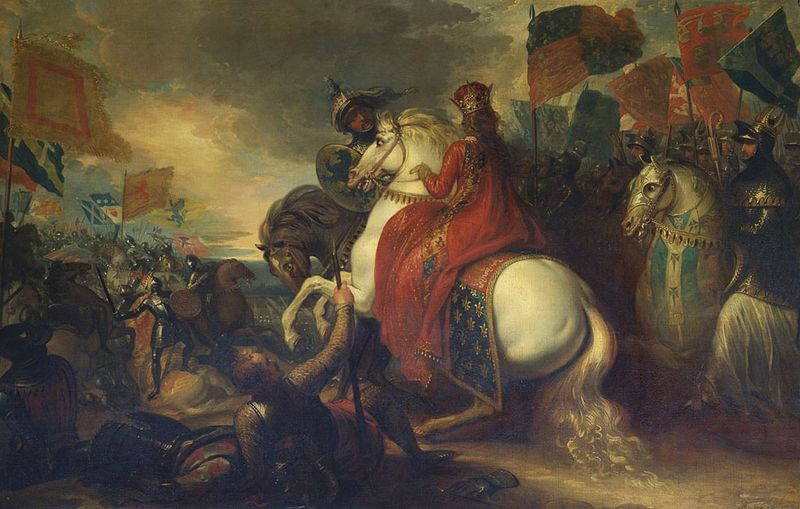 Queen Philippa at the Battle of Neville's Cross
Art Institute of Chicago
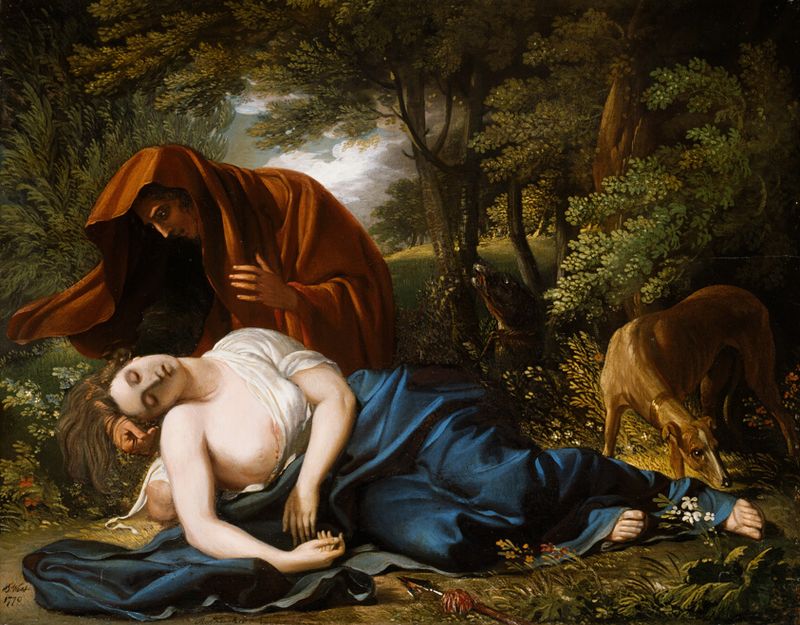 The Death of Procris
Art Institute of Chicago
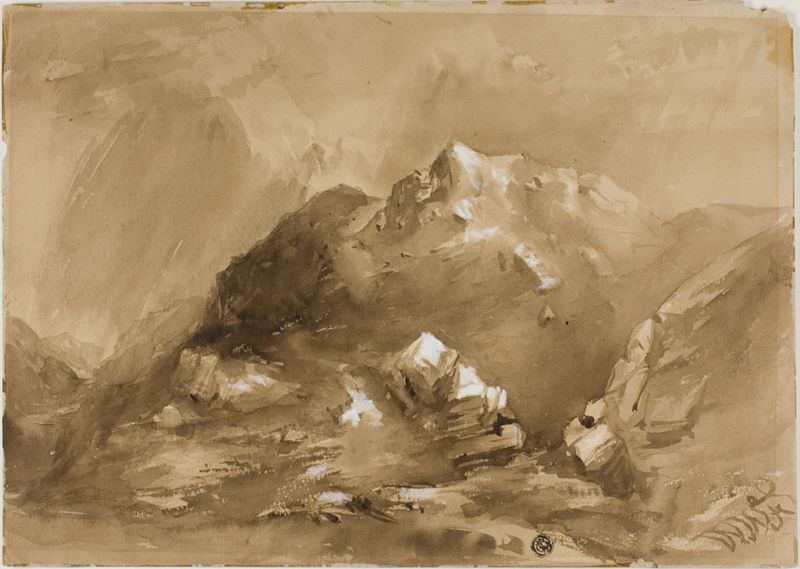 Misty Mountains
1821 · Art Institute of Chicago
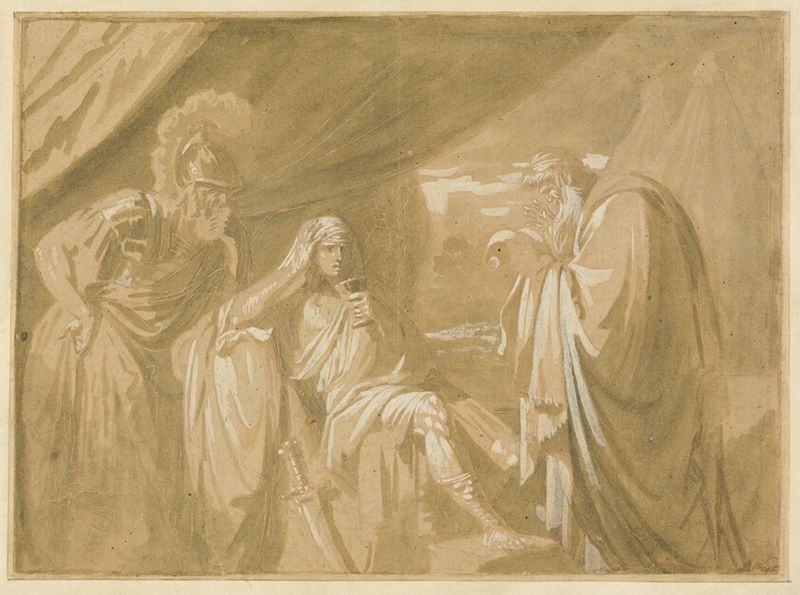 Alexander's Confidence with his Physician Philip
Art Institute of Chicago
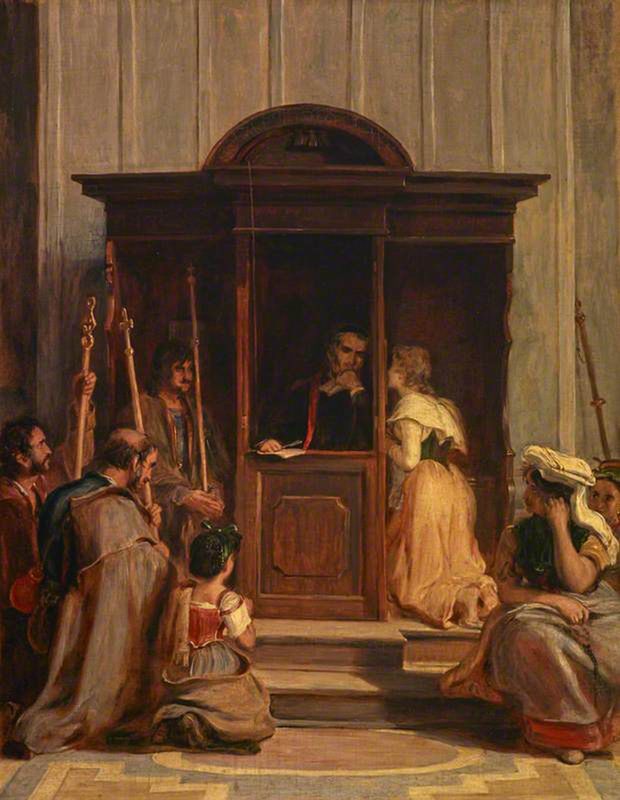 The Confessional
1847 · New York Historical
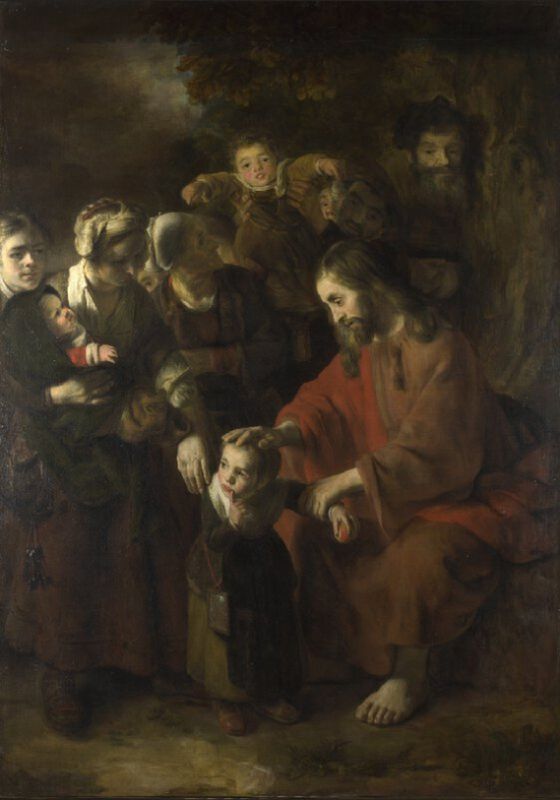 Christ Blessing the Children
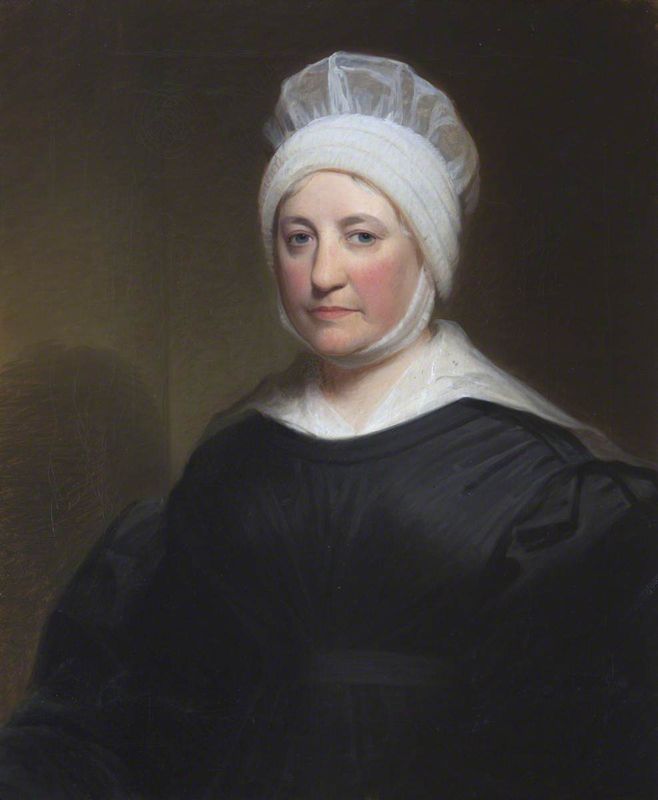 Anne Thellusson, Mrs William (Lukin) Windham (1775-1849)
1833 · National Trust
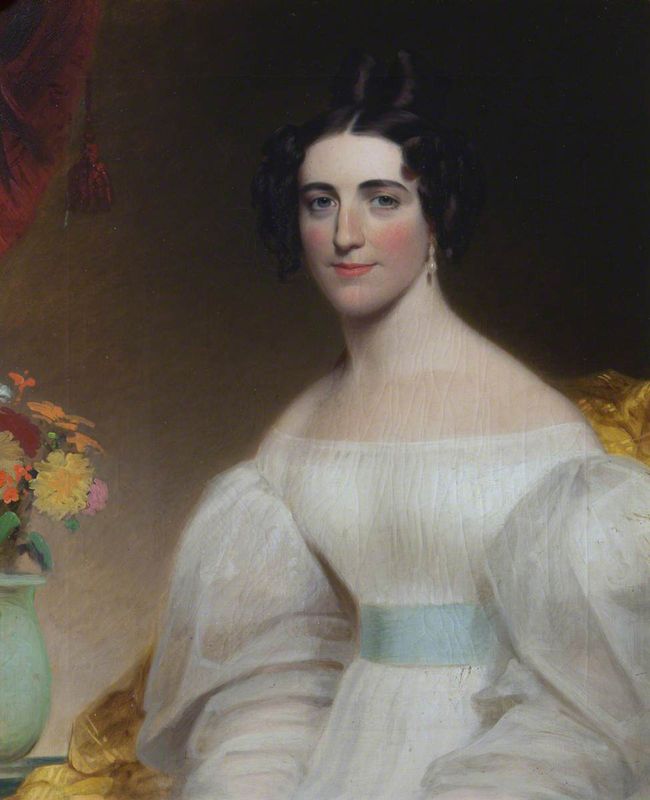 Cecilia Ann Windham, Mrs Henry Baring (1803-1874)
1833 · National Trust
More works to explore
Beyond West: works from the same years.
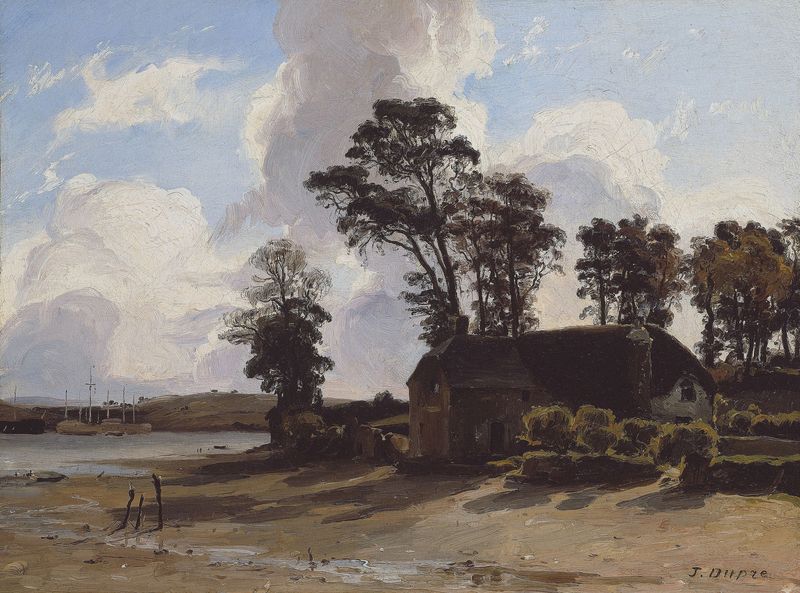 Same era · 1820s–1850s
The Estuary Farm
Léon-Victor Dupré · 1831 · Art Institute of Chicago
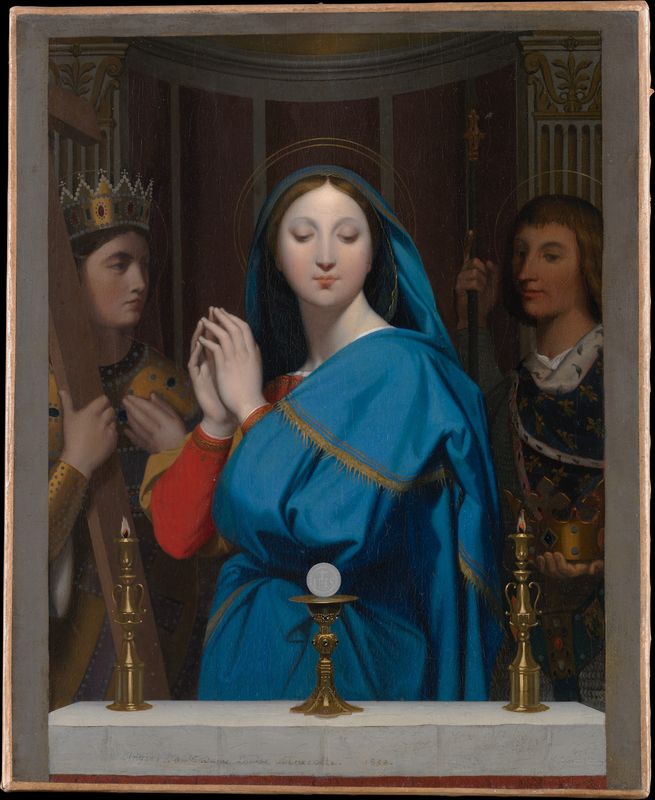 Same era · 1820s–1850s
The Virgin Adoring the Host
Jean-Auguste-Dominique Ingres · 1841 · Pushkin Museum of Fine Arts
 Same era · 1820s–1850s
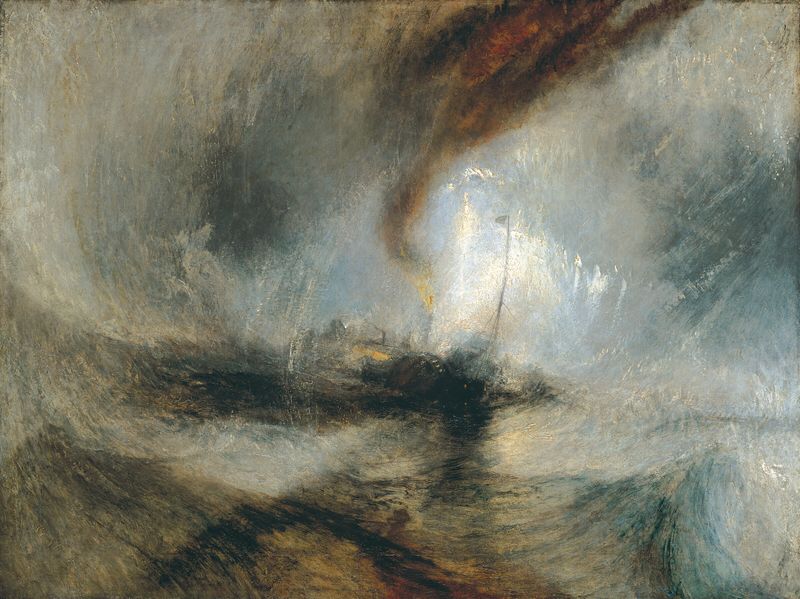
Snow Storm: Steam-Boat off a Harbour's Mouth
J. M. W. Turner · 1842 · National Gallery
 Same era · 1820s–1850s
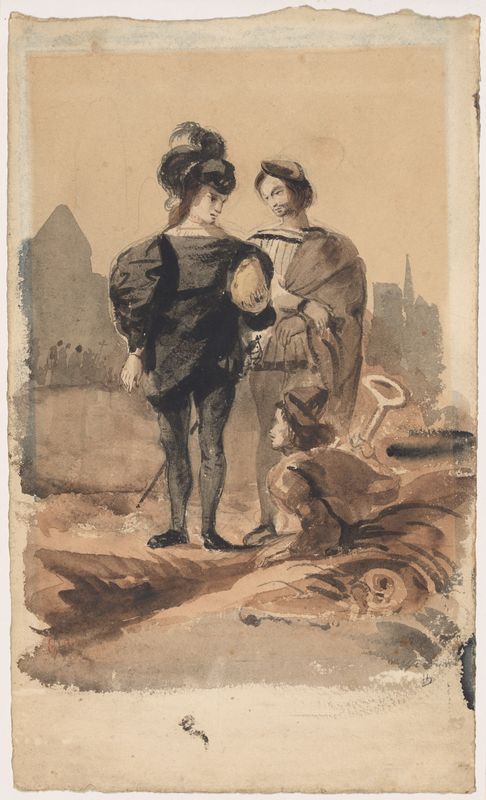
Hamlet and Horatio in the Graveyard
Eugène Delacroix · 1839 · Department of Paintings of the Louvre
 Same era · 1820s–1850s
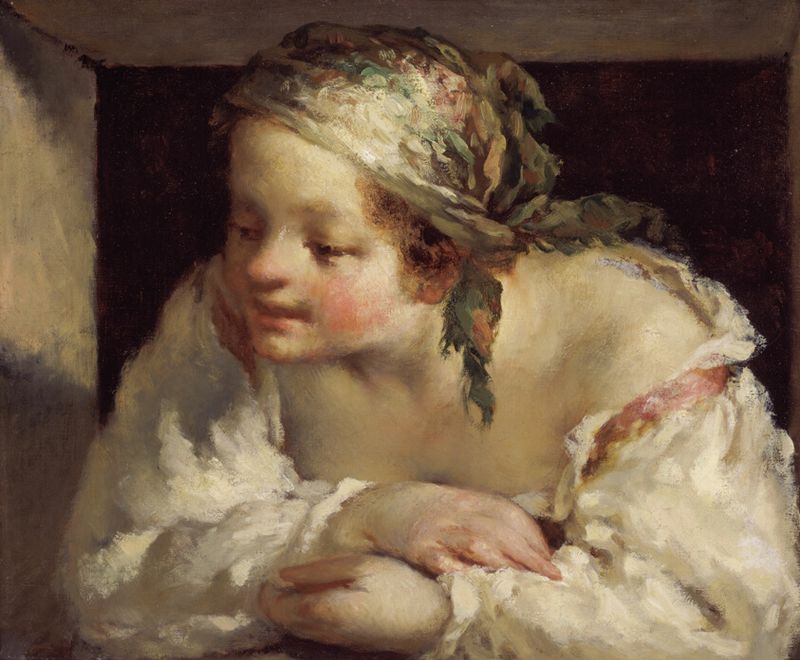
Young Woman
Jean-François Millet · 1844 · Art Institute of Chicago
 Same era · 1820s–1850s
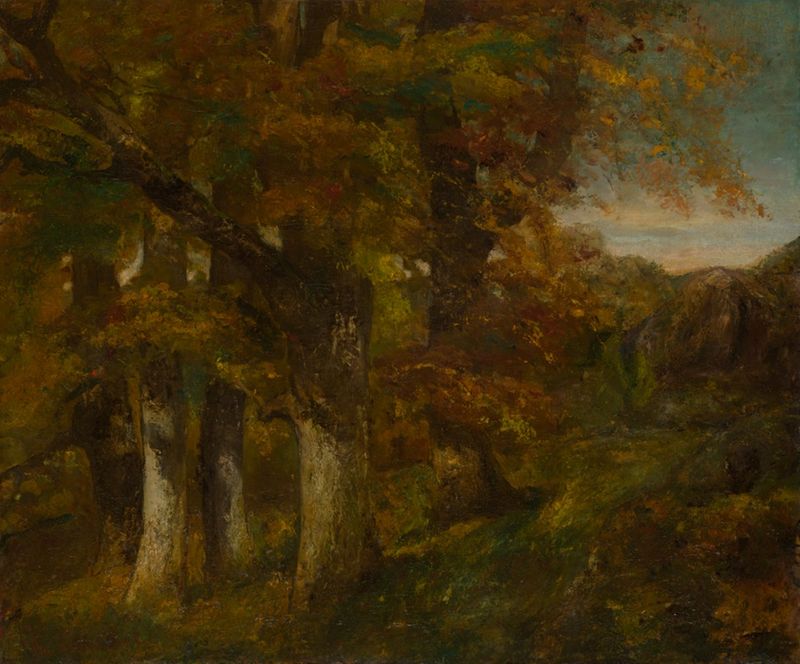
Wooded Landscape
Gustave Courbet · 1848 · Art Institute of Chicago
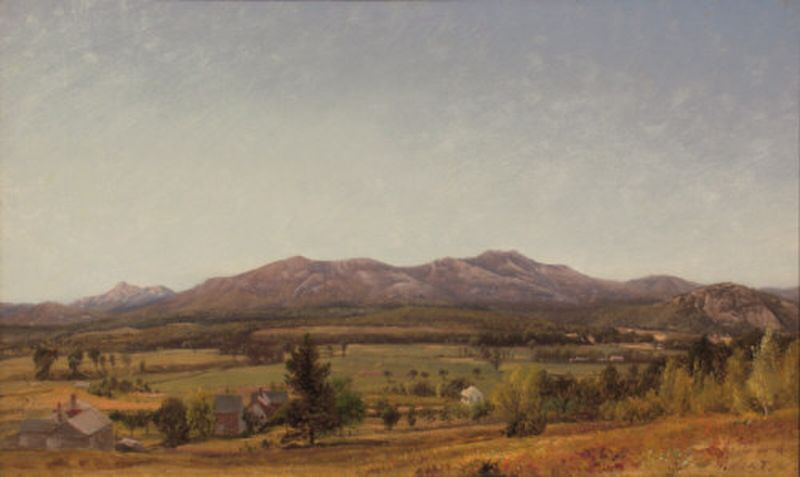 Same era · 1820s–1850s
Mount Chocorua and Moat Mountain from North Conway
William Hart · 1850
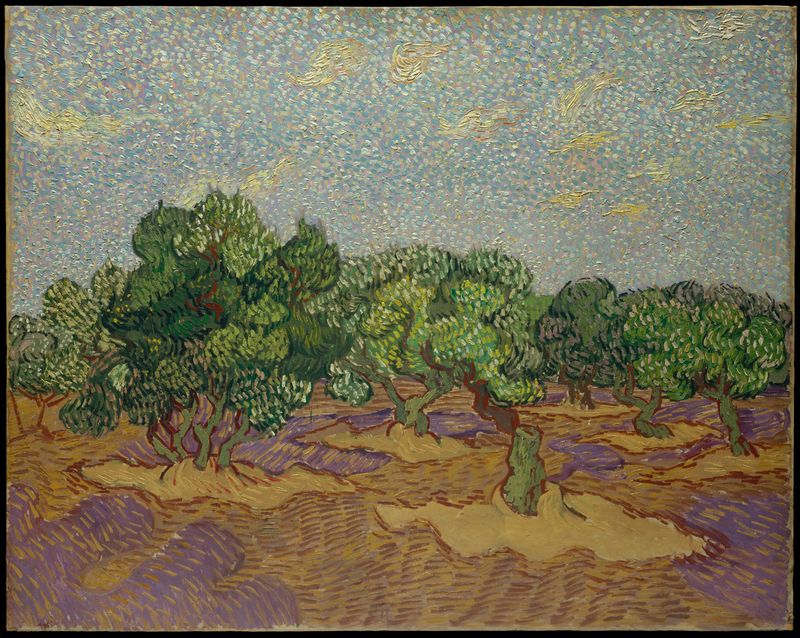 Same era · 1820s–1850s
Olive Trees
Vincent van Gogh · 1853 · The Metropolitan Museum of Art
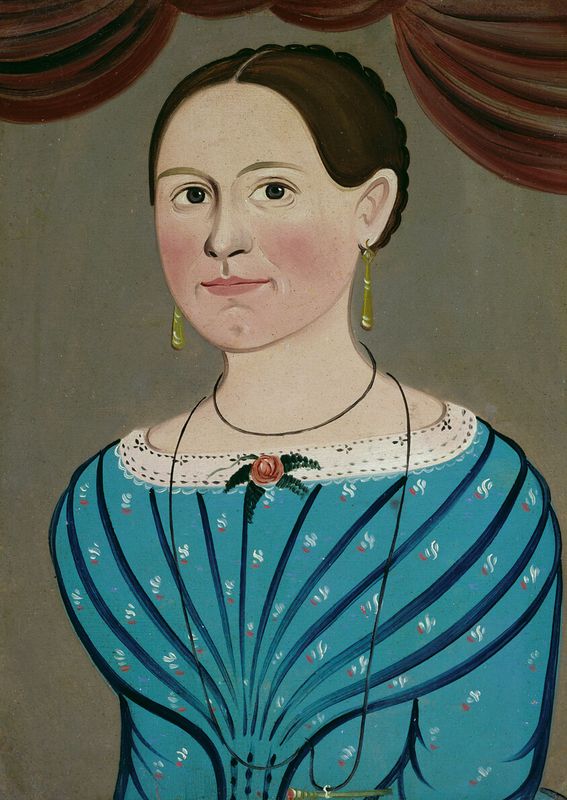 Same era · 1820s–1850s
Woman in a Blue Dress
School of William Matthew Prior · 1840 · Art Institute of Chicago
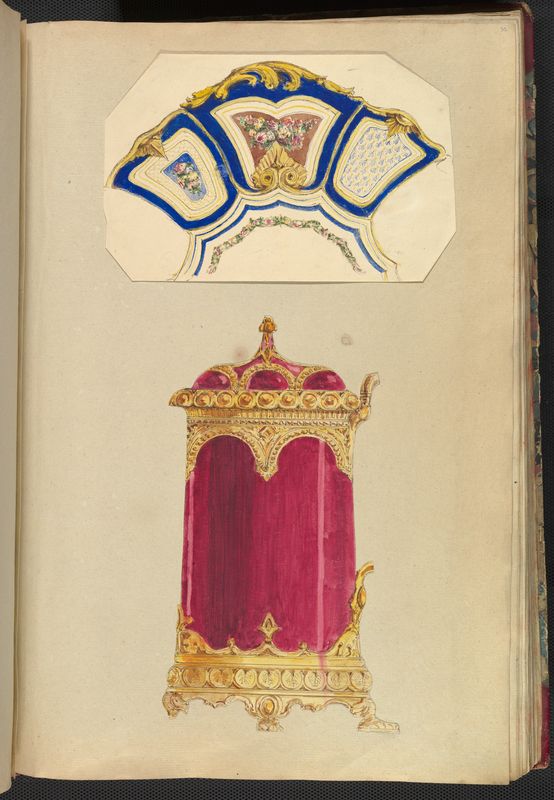 Same era · 1820s–1850s
Designs for a Decorated Dish, or Platter, and a Biscuit Barrel
Alfred Henry Forrester [Alfred Crowquill] · 1845 · The Metropolitan Museum of Art
 Same era · 1820s–1850s
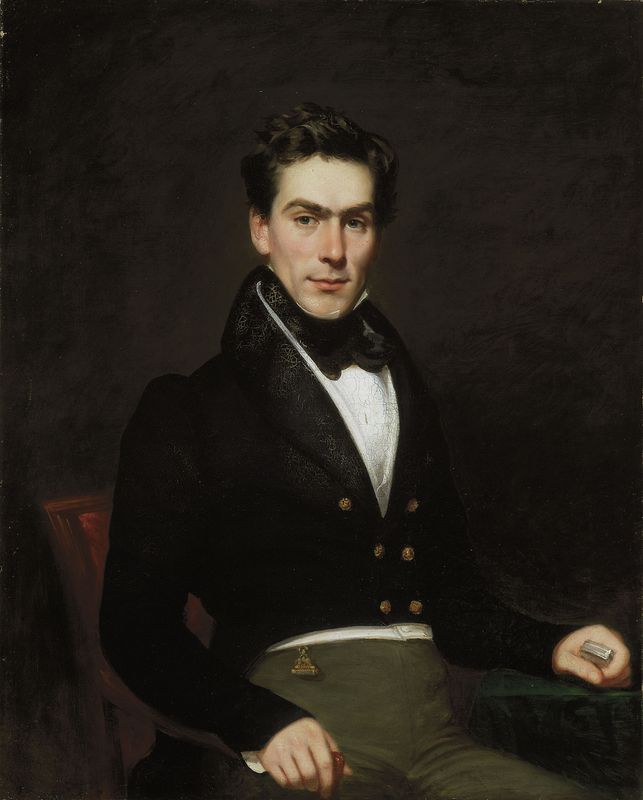
Mr. James Mackie
Samuel Alcock & Company · 1830 · Art Institute of Chicago
 Same era · 1820s–1850s
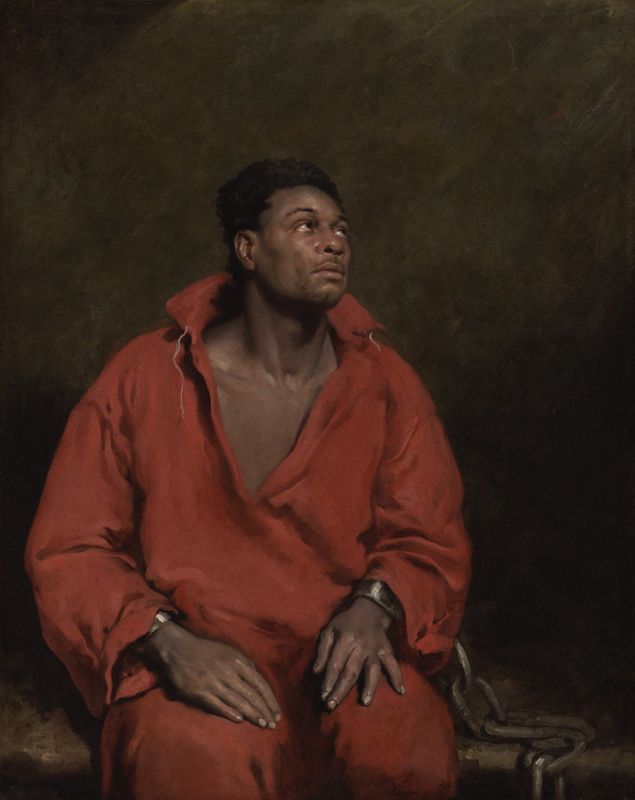
The Captive Slave (Ira Aldridge)
John Philip Simpson · 1827 · Art Institute of Chicago