
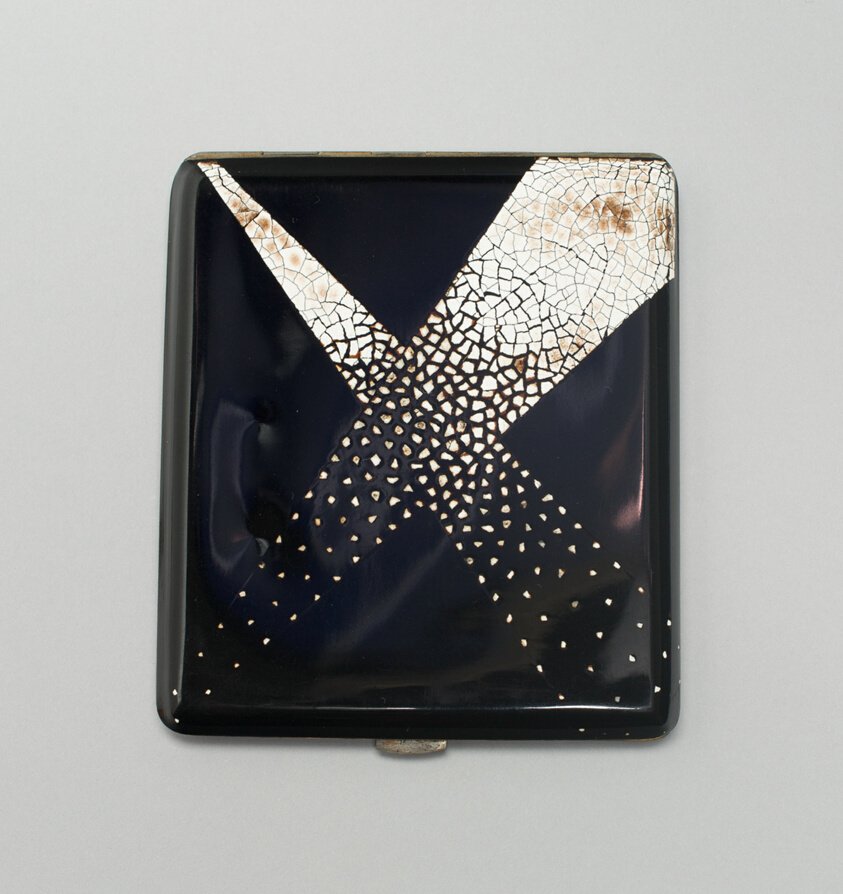
- Artist
- Jean Dunand
- Date
- 1920
- Medium
- Eggshell on gilt metal
- Location
- Art Institute of Chicago
- Dimensions
- 0.8 × 9.5 × 8.3 cm (11 × 3 3/4 × 3 1/4 in.)
Jean Dunand
1877–1942 · FranceJean Dunand (1877–1942) was a Swiss and French painter, sculptor, metal craftsman and interior designer during the Art Deco period. He was particularly known for his lacquered screens and other art objects. == Biography == Jules-John Dunand was born on 20 May 1877 in Lancy, Switzerland. He later adopted the French first name of Jean, and became a naturalized French citizen in 1922. At the age of fourteen, he began studying sculpture at the Geneva School of Industrial Arts, where he won several prizes and received his diploma. In 1897 he moved to Paris and began to work as a sculptor and a copper craftsman. He participated in the 1904 Salon of the National Society of Fine Arts, and in 1905 he was selected a member, after completing an interior for the Countess de Bearn. He worked with a very wide range of materials, including steel, copper, pewter and silver, which he worked with hammer and glided, and encrusted with gold or mother-of-pearl, and then often decorated with enamels and patinas. His works included vases, plates, boxes, and jewelry. In about 1912, he began working with Seizo Sugawara, a Japanese lacquer painter who had emigrated to France, and began to use that ancient and almost forgotten technique in his own work, making large decorative panels and screens. He also sometimes decorated pieces of furniture by other designers, including Jacques-Emile Ruhlmann and Pierre Legrain. His themes were greatly varied, from floral and animal designs, to a kind of neo-cubism, to oriental designs. For the 1925 Paris Exposition of Decorative Arts, he worked on one of his best-known exhibits, a proposal for the interior of an Art Deco French Embassy, creating a smoking room entirely decorated in lacquered panels. He also contributed to Ruhlmann's House of a Collector. He contributed to the interiors of many apartments, and of ocean liners; he decorated the smoking room of the ocean liner SS Normandie. He died on 7 June 1942 in Paris. His works can be found in museums in Amsterdam, Denver, Detroit, Geneva, Lausanne, Le Havre, London, Miami, Minneapolis, New York, Paris, Pittsburg, Quimper, Reims, Richmond, San Francisco, Tokyo and Zurich. == Gallery == == References == == Bibliography == Cabanne, Pierre (1986). Encyclopédie Art Deco (in French). Somogy. ISBN 2-85056-178-9. Félix Marcilhac, Jean Dunand: His Life and Work, London, Thames and Hudson, 1991 OCLC 25611010 Exhibition Catalogue "Madeleine Vionnet, Puriste de la Mode", Les Arts décoratifs, Paris, 24-06-2009 - 31-01-2010. E. Bénézit, "Dictionary of Artists", Paris 2006, Vol. 4, p. 1338–1339.
More works to explore
Beyond Dunand: works from the same years.
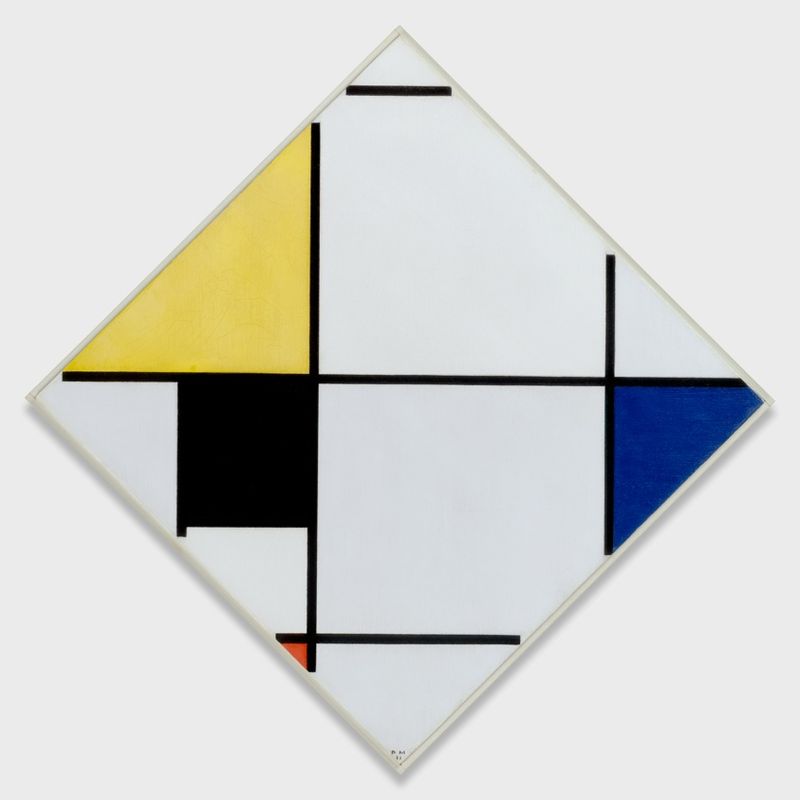 Same era · 1900s–1930s
Lozenge Composition with Yellow, Black, Blue, Red, and Gray
Piet Mondrian · 1921 · Art Institute of Chicago
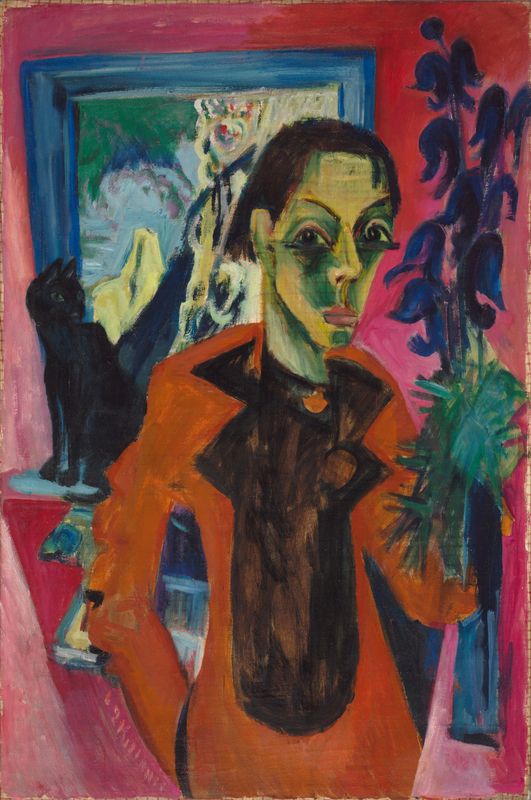 Same era · 1900s–1930s
Self-Portrait with Cat
Ernst Ludwig Kirchner · 1920 · Museum Folkwang
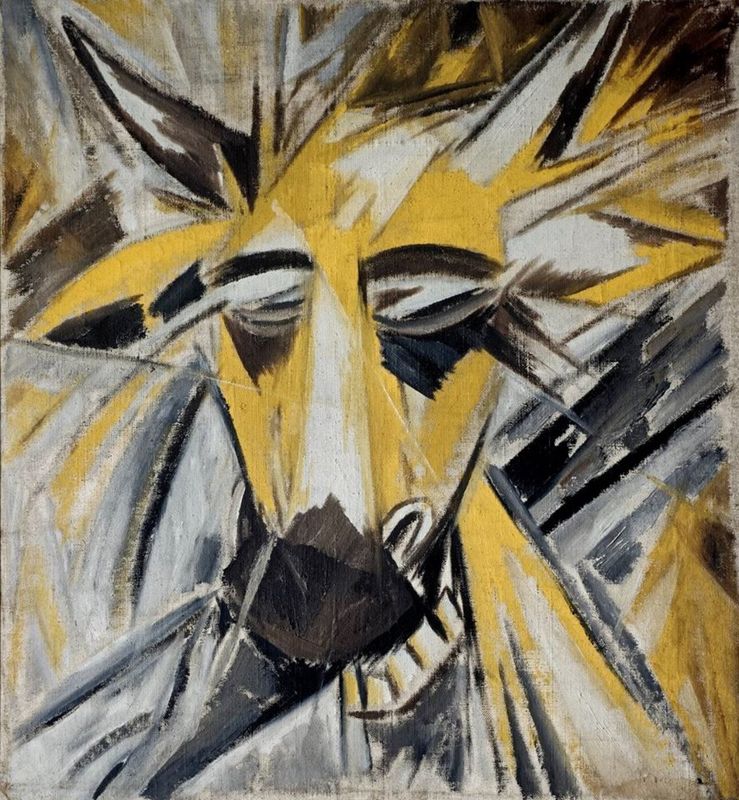 Same era · 1900s–1930s
Bull's Head
Mikhail Larionov · 1913 · Tretyakov Gallery
 Same era · 1900s–1930s
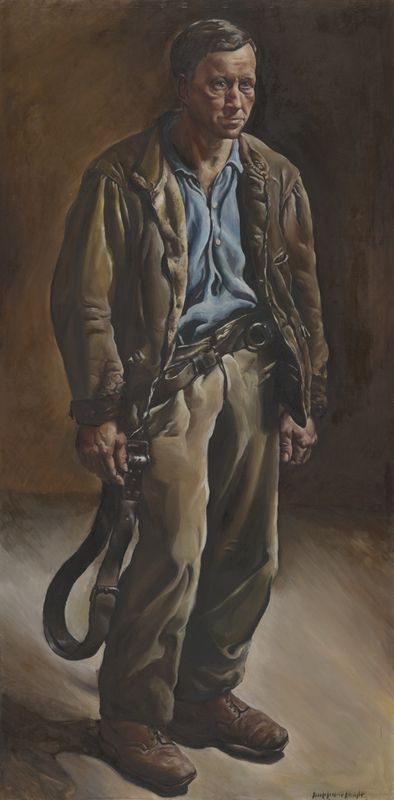
The Lineman
Ivan Puni · 1927 · Art Institute of Chicago
 Same era · 1900s–1930s
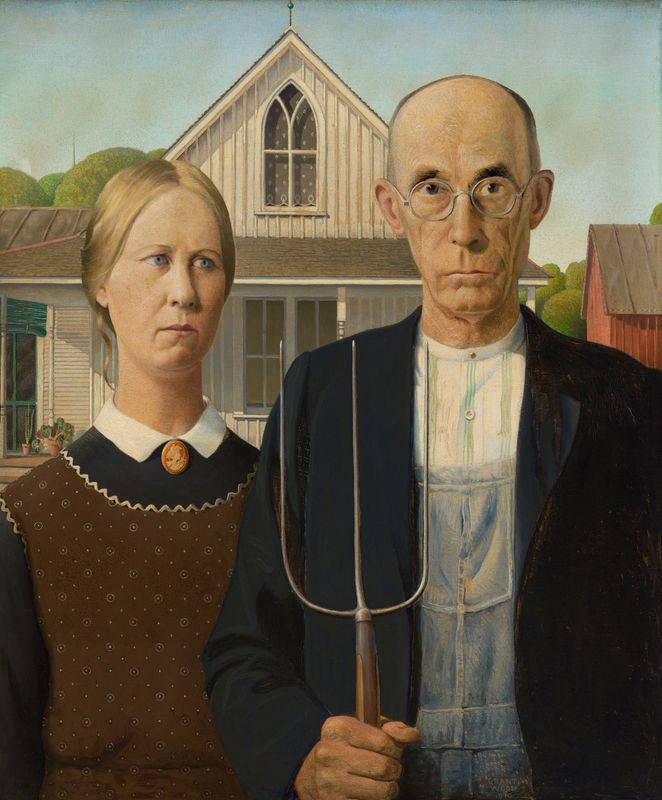
American Gothic
Okada Saburosuke · 1930 · Art Institute of Chicago
 Same era · 1900s–1930s
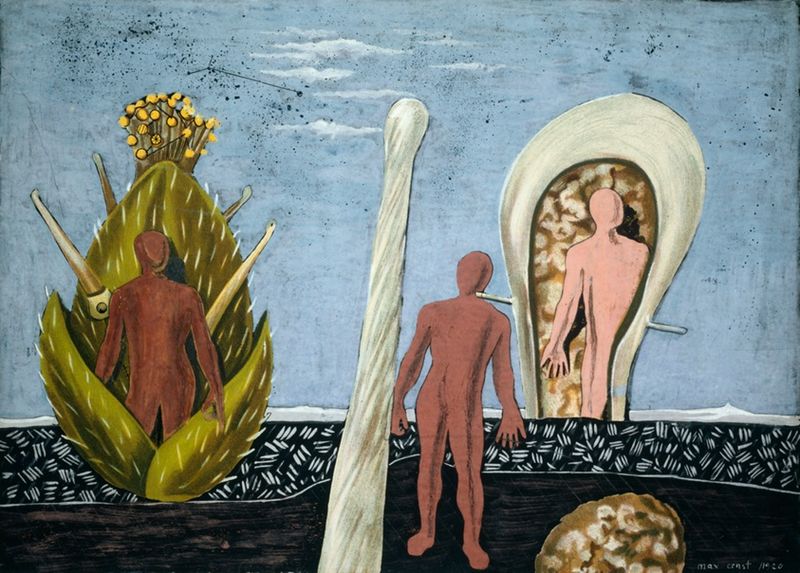
Dada Gauguin
Max Ernst · 1920 · Art Institute of Chicago
 Same era · 1900s–1930s
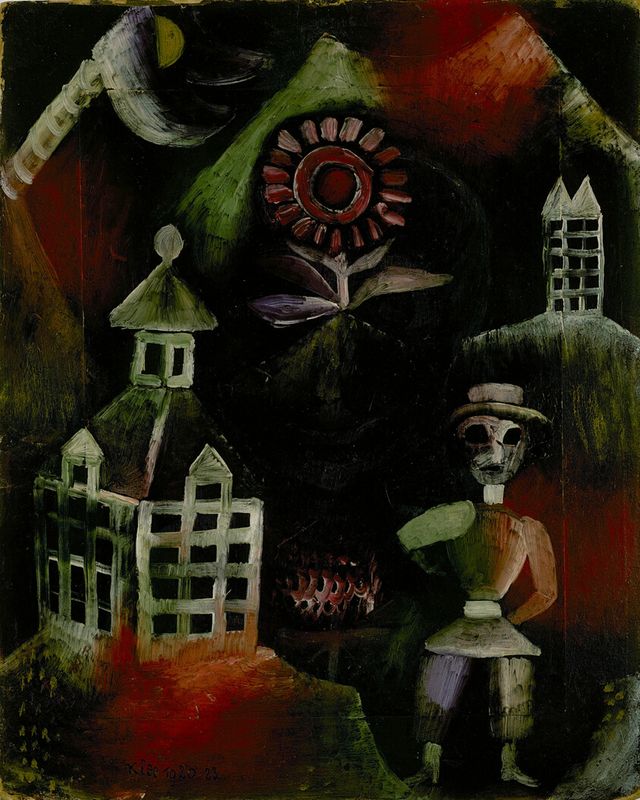
Schoolhouse
Paul Klee · 1920 · Art Institute of Chicago
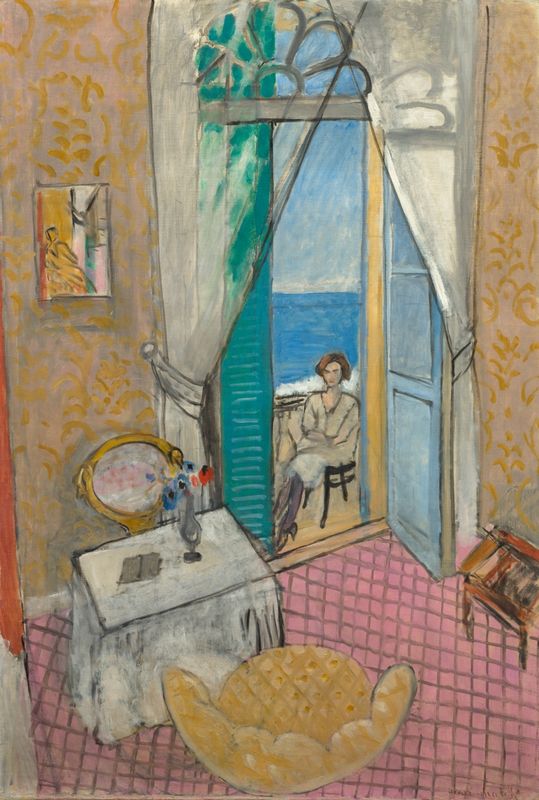 Same era · 1900s–1930s
Interior at Nice
Henri Matisse · 1919 · Art Institute of Chicago
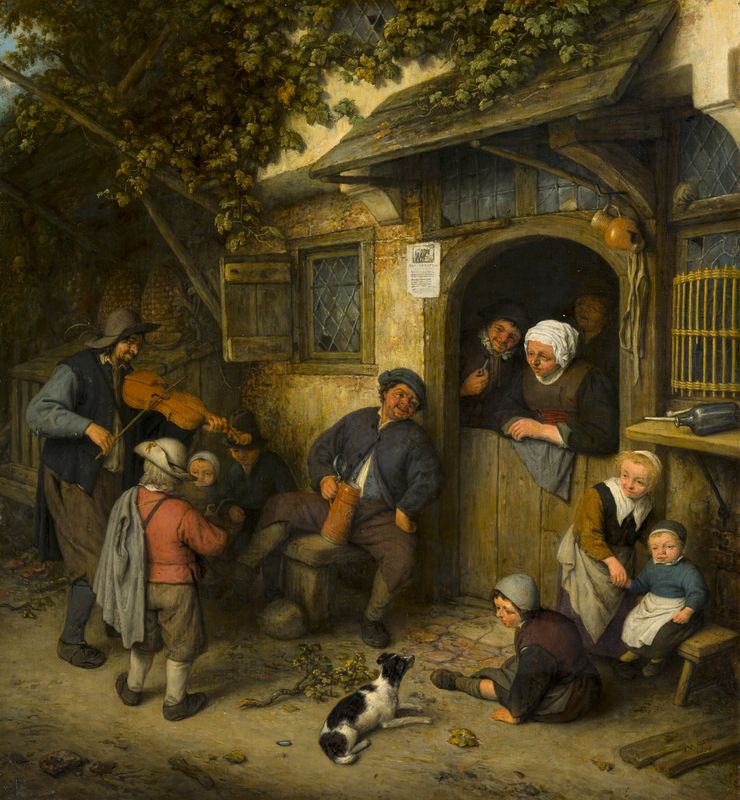 Same era · 1900s–1930s
The Fiddler
Norman Rockwell · 1921 · Brandywine Museum of Art
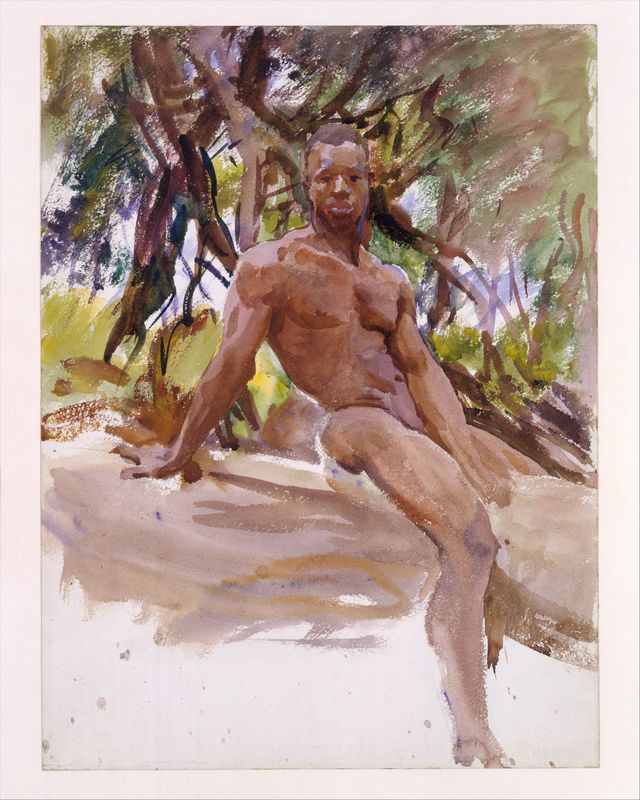 Same era · 1900s–1930s
Man and Trees, Florida
John Singer Sargent · 1917 · The Metropolitan Museum of Art
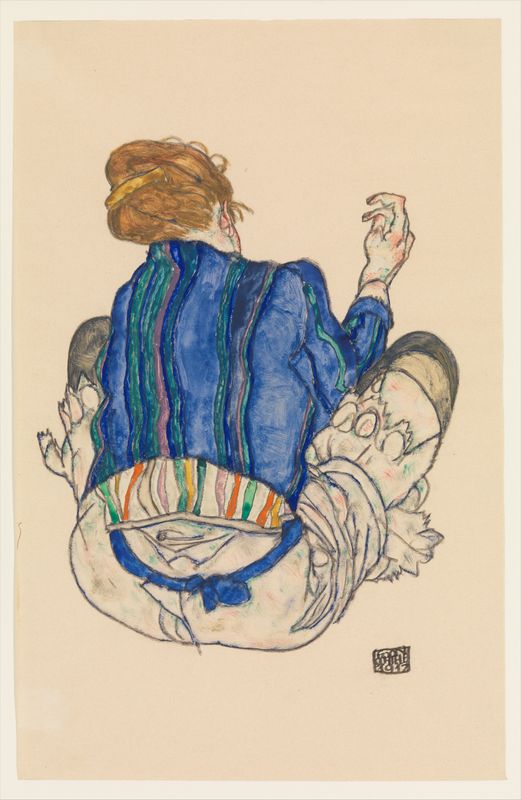 Same era · 1900s–1930s
Seated Woman, Back View
Egon Schiele · 1917 · The Metropolitan Museum of Art
 Same era · 1900s–1930s
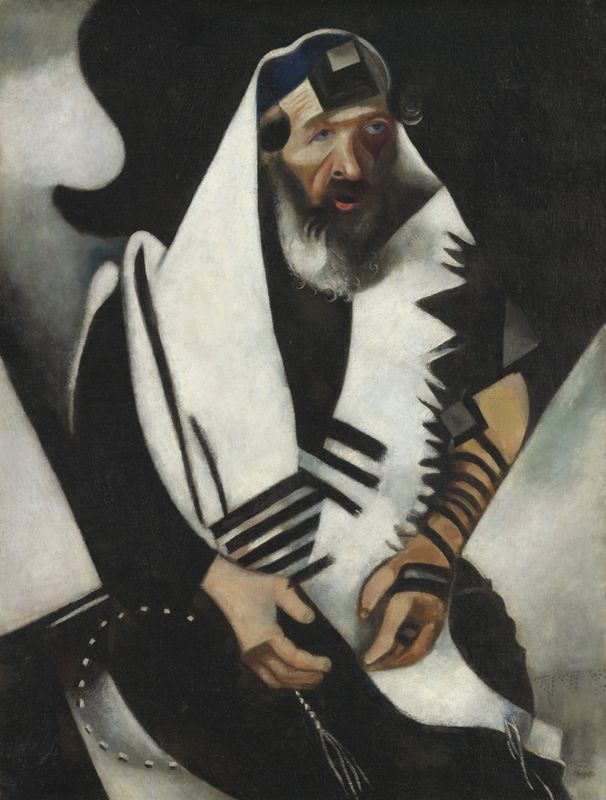
The Praying Jew
Marc Chagall · 1923 · Art Institute of Chicago