
“Picture this: you're walking through a gallery and suddenly you see bold geometric patterns, sleek lines, and luxurious materials that practically scream glamour and modernity.”
That's Art Deco, and it's like the visual equivalent of a champagne toast at the opening of a skyscraper. Born in Paris but spreading worldwide during the roaring twenties and thirties, Art Deco was all about optimism, progress, and showing off a bit. It celebrated the machine age, exotic cultures, and pure decorative delight—no heavy symbolism needed.
What makes Art Deco so distinctive is its confidence. Unlike the organic, flowing lines of Art Nouveau that came before it, Art Deco is angular, symmetrical, and unapologetically bold. Think sunburst motifs, zigzag patterns, stepped forms like a ziggurat, and streamlined curves inspired by automobiles and ocean liners. Materials matter here: expect to see chrome, lacquer, exotic woods, ivory, and plenty of gold leaf. This movement didn't whisper—it announced itself.
The name itself came from the 1925 Exposition Internationale des Arts Décoratifs et Industriels Modernes in Paris, though the style had been brewing since before World War I. Art Deco touched everything from architecture (the Chrysler Building!) to jewelry, posters, fashion, and furniture. It represented a world rushing toward the future with style and sophistication, blending influences from ancient Egypt, Aztec temples, and Cubist art into something entirely new and utterly modern for its time.
- Period
- c. 1910–1940
- Peak
- around 1925
- Born in
- Paris, France
- Key artists
- André Mare, Erté, George Barbier, Gustave Miklos
- Came before
- Art Nouveau
- Came after
- Modernism/International Style
When it happened
- CAME BEFOREArt Nouveau
- ~1910 · STARTED
- ~1925 · PEAKED
- ~1940 · ENDED
- CAME AFTERModernism/International Style
What makes it Art Deco
Bold Geometric Patterns
Sharp angles, zigzags, chevrons, and stepped forms create dynamic, symmetrical compositions that feel both modern and ancient.
e.g. Tamara de Lempicka's 'Autoportrait (Tamara in a Green Bugatti)'Luxurious Materials & Metallic Finishes
Chrome, gold leaf, lacquer, and exotic materials create a sense of opulence and machine-age sophistication.
e.g. Erté's 'Symphony in Black'Streamlined Forms & Speed Lines
Aerodynamic curves and horizontal lines suggest movement, progress, and the excitement of trains, planes, and automobiles.
e.g. A.M. Cassandre's 'Normandie' posterSunburst & Fan Motifs
Radiating lines and fan shapes symbolize the dawn of a new era, appearing everywhere from architecture to jewelry.
e.g. Jean Dunand's lacquered panelsExotic & Ancient References
Egyptian, Aztec, and African influences blend with modern design, creating sophisticated decoration with global flair.
e.g. Léon Bakst's costume designs for the Ballets RussesHow to spot Art Deco
Three signs you’re standing in front of one — all easy to see in Dinner.
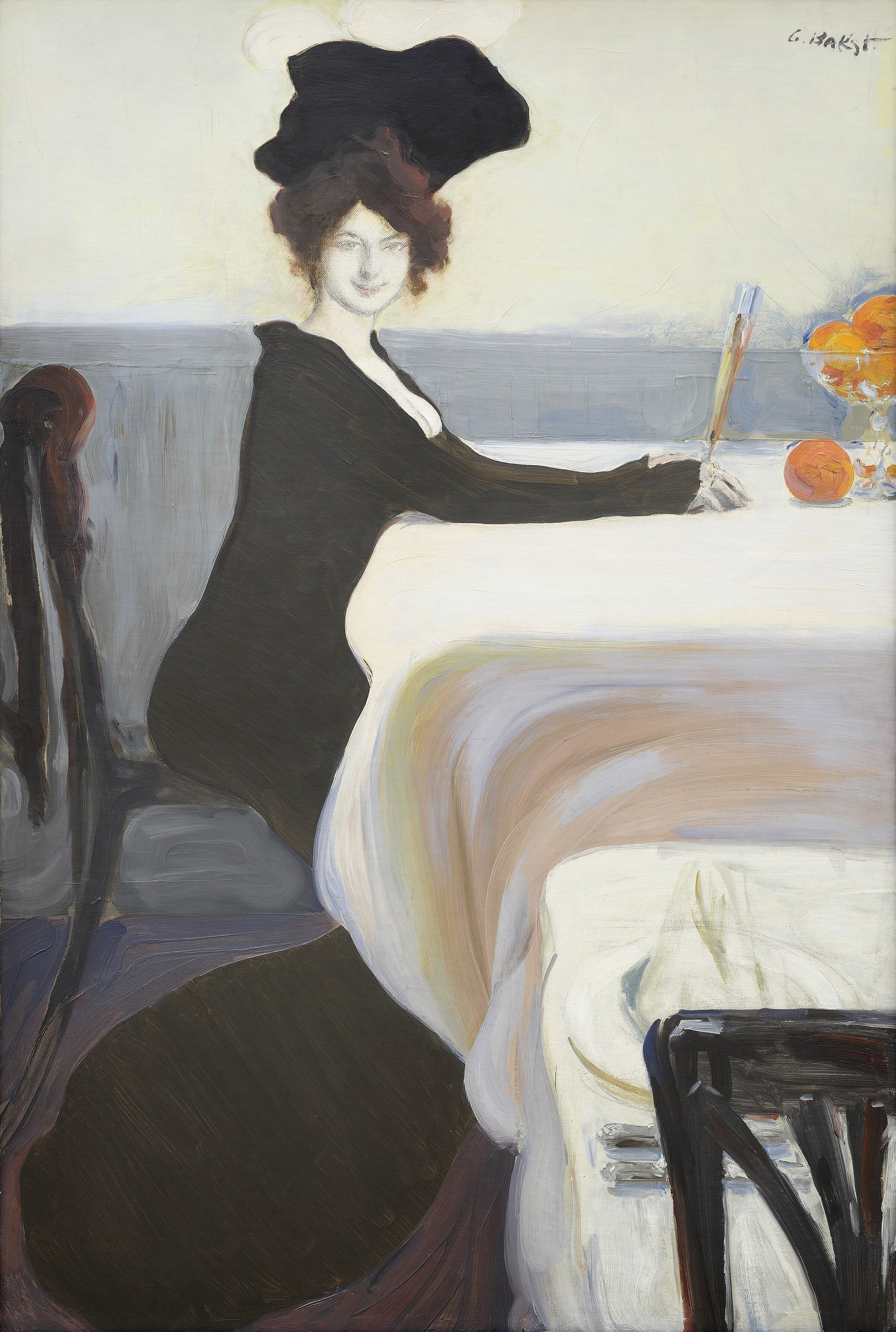
Look for symmetry and sharp angles—if it looks like a stylish skyscraper or a jazz-age cocktail shaker, you're probably looking at Art Deco.
Check for metallic accents and luxe materials: gold, chrome, exotic woods, or lacquer are Art Deco calling cards.
Spot the sunburst! Radiating lines and fan shapes are everywhere in Art Deco, from the top of picture frames to building entrances.
The name 'Art Deco' wasn't actually used until 1968—40 years after the style peaked! During its heyday, it was just called 'moderne.'
King Tut's tomb discovery in 1922 sparked an Egypt-mania that influenced Art Deco design worldwide, from jewelry to movie theater interiors.
The Empire State Building was completed in just 410 days during the Depression—a stunning Art Deco achievement of both style and engineering.
The artists who defined it
Works to know
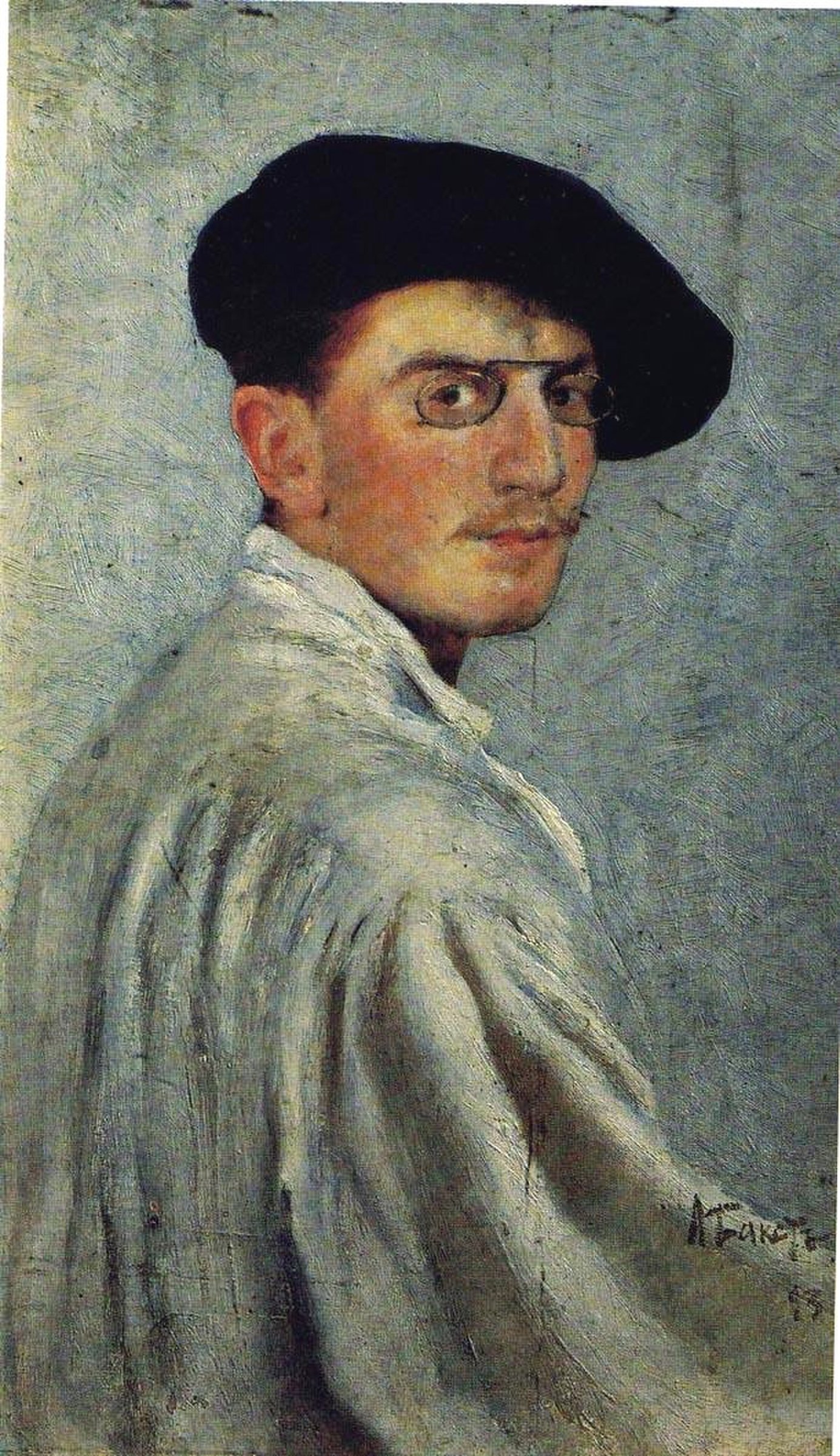
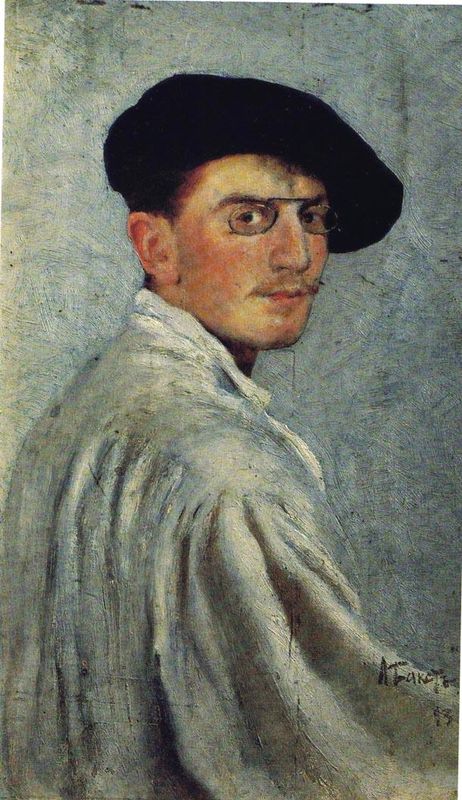 Self Portrait.
1893
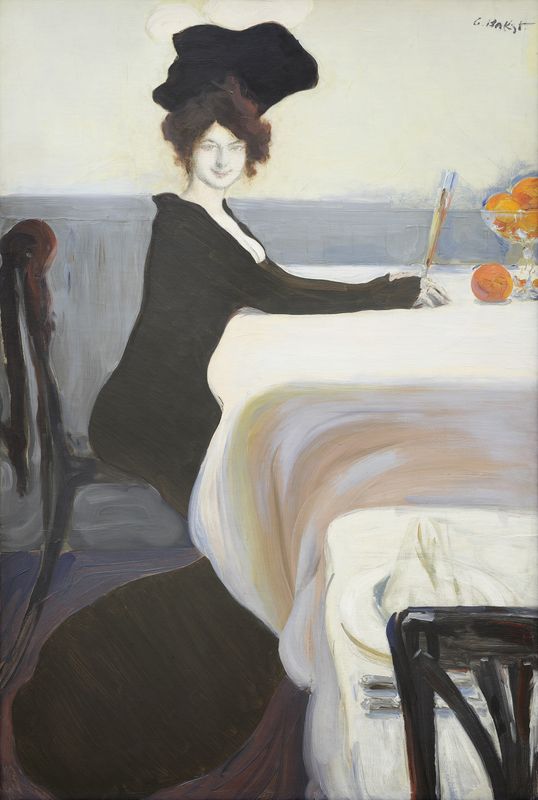 Dinner
1902
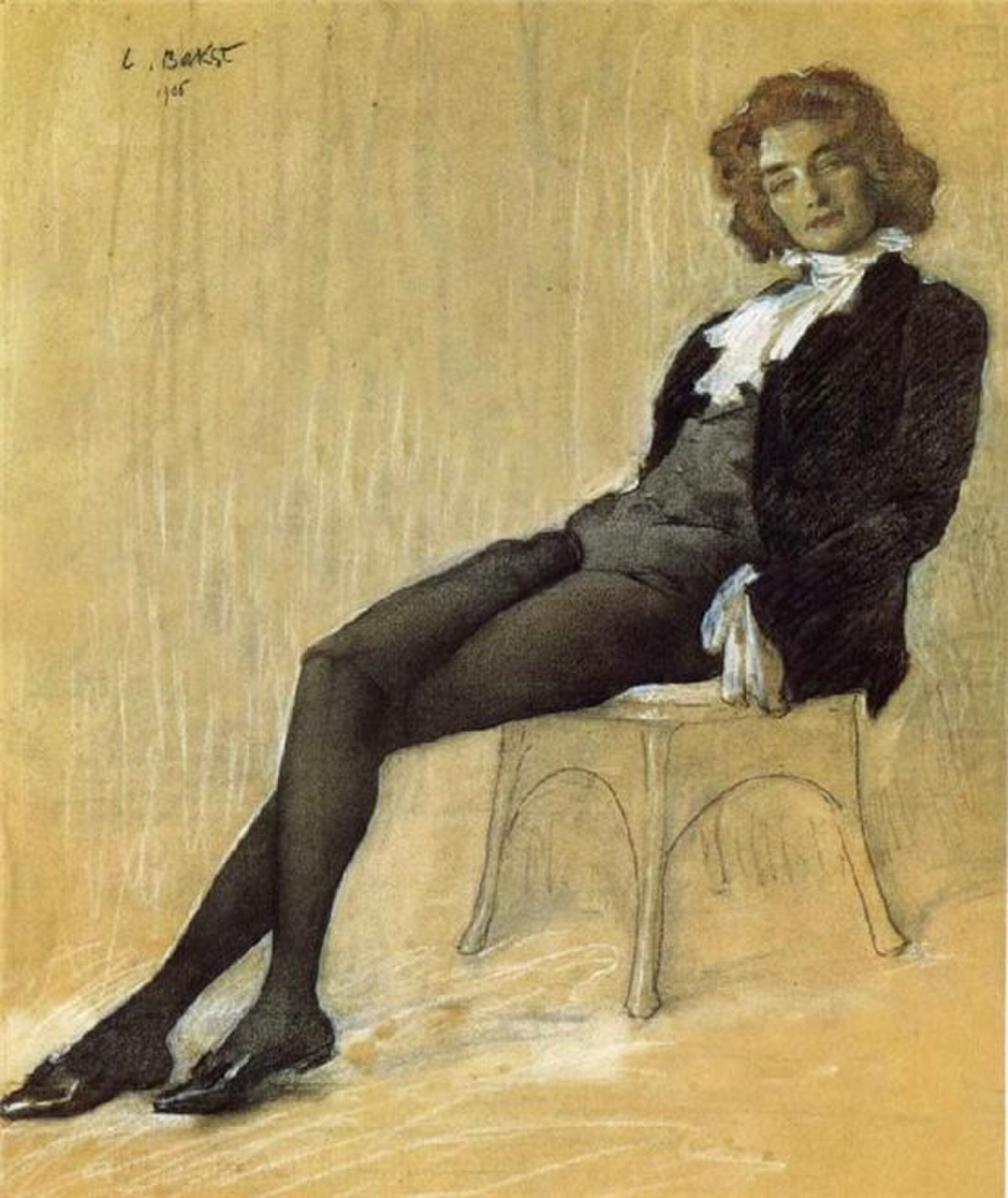
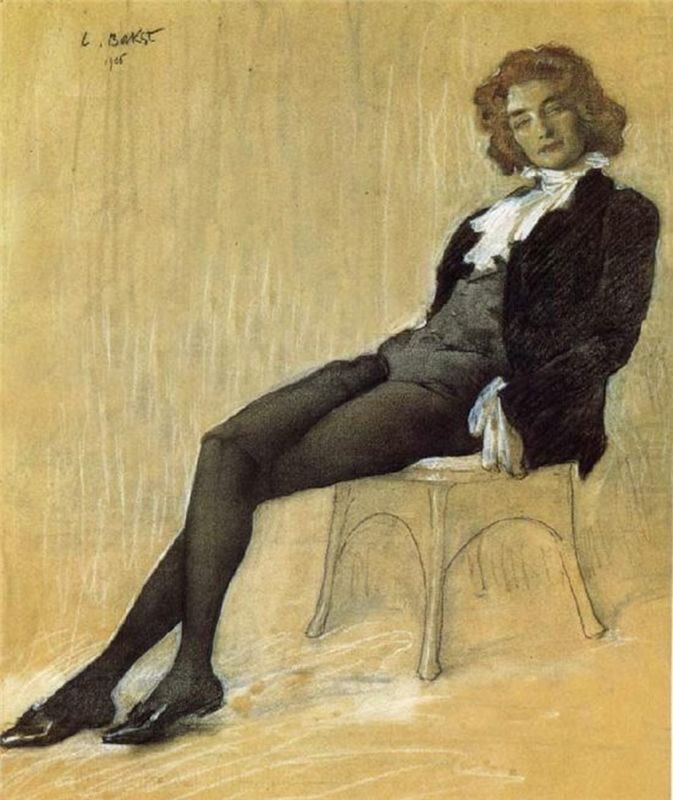 Portrait of inaida Gippius
1906 · Tretyakov Gallery
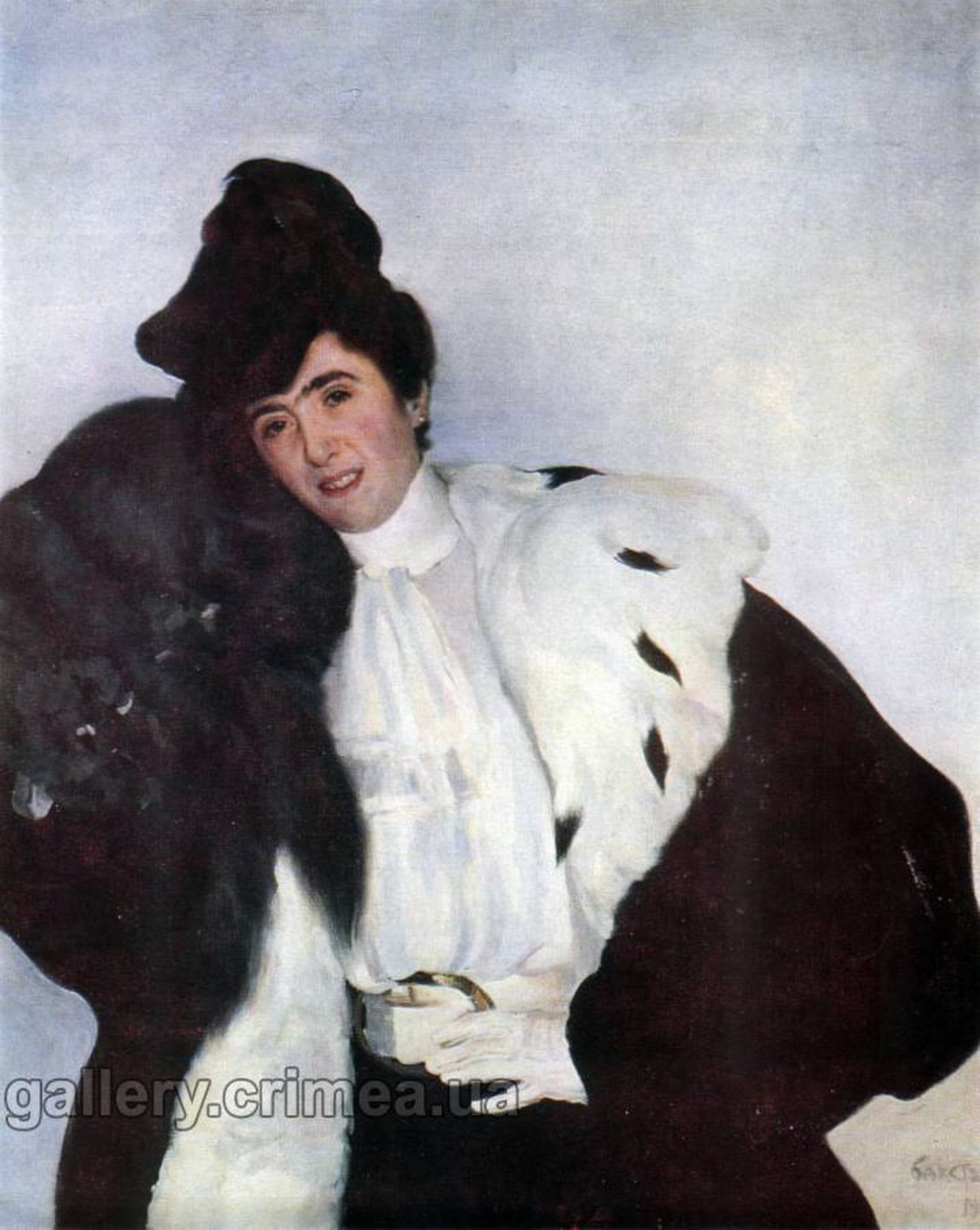
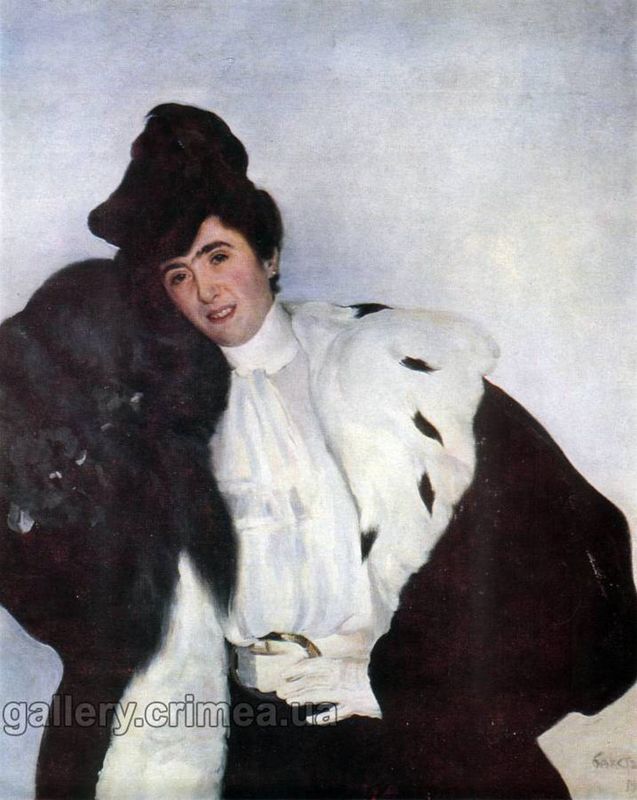 Portrait of a Lady
1906
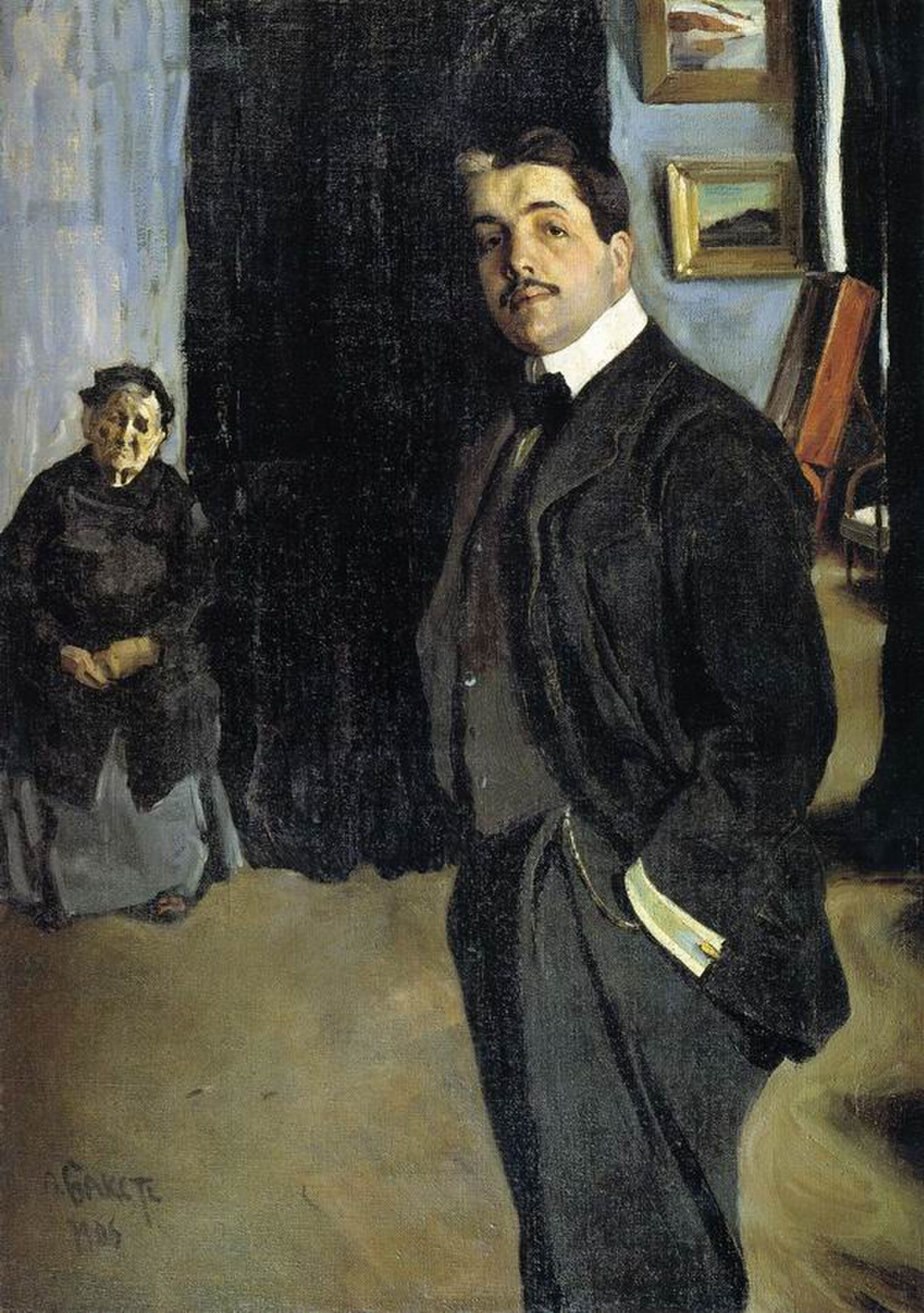
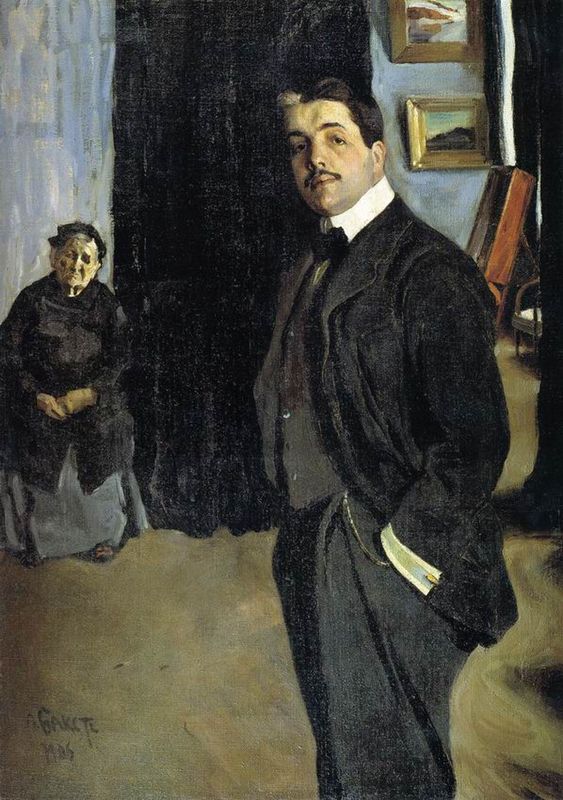 Portrait of Serge Diaghilev and His Nanny
1906 · Russian Museum
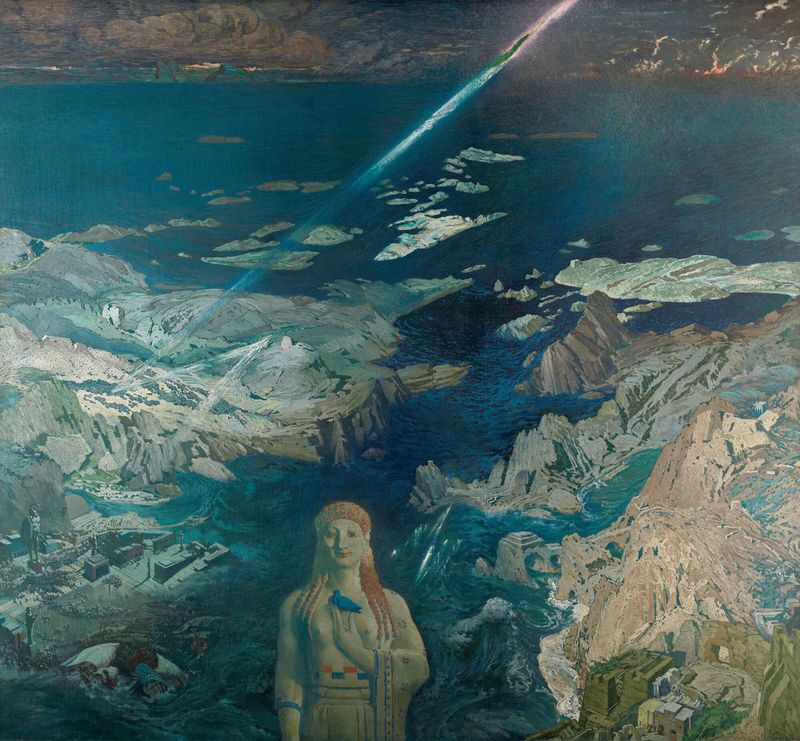 Terror Antiquus
1908 · Russian Museum
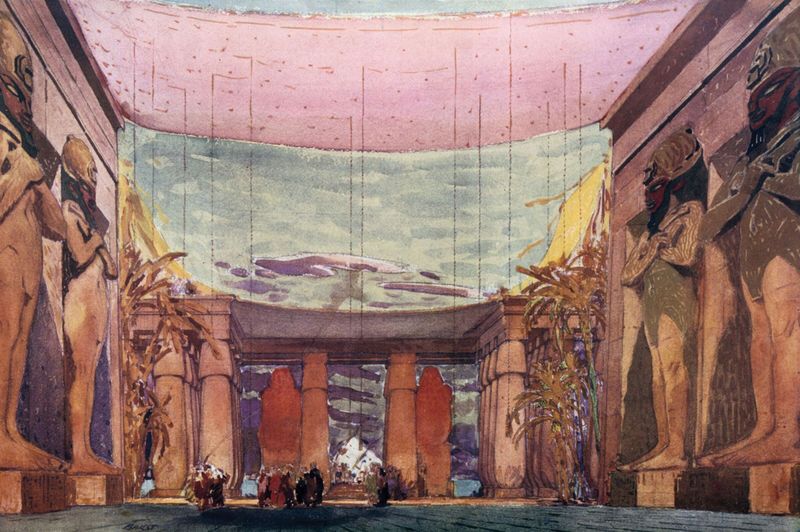 Cleopatra ballet
1910
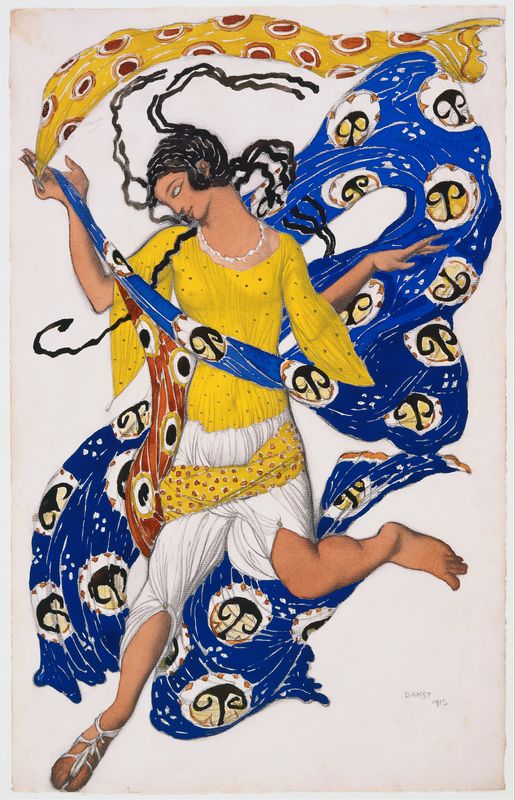 The Butterfly (Costume Design for Anna Pavlova)
1913 · Museum of Fine Arts Boston
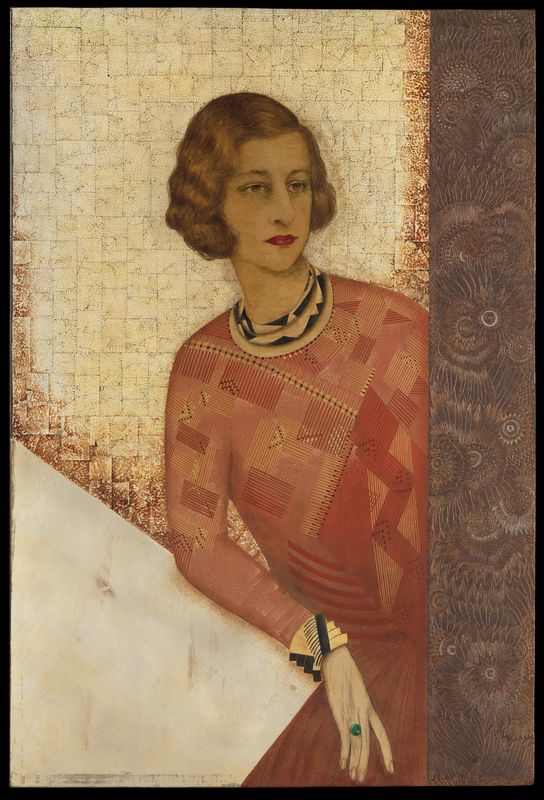 Portrait of Juliette de Saint Cyr
1925 · Metropolitan Museum of Art
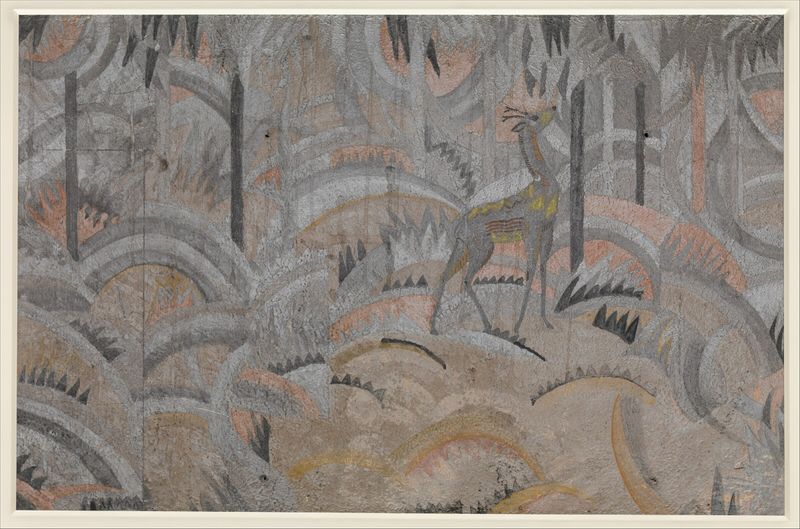 Maquette
1927 · Metropolitan Museum of Art
Take Art Deco to the museum
Point your phone at any painting and Art Whisper tells you its story — who made it, what to notice, and why it matters. Free to start.