
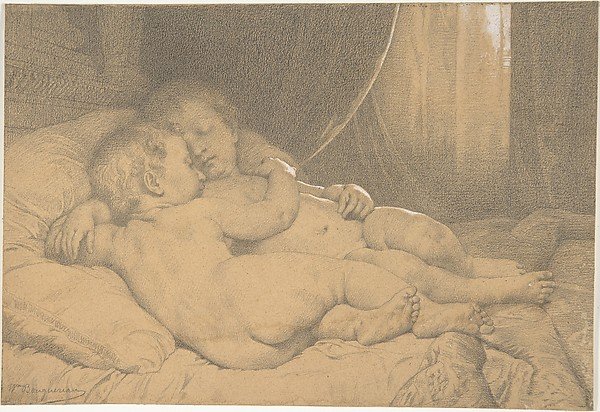
“This tender chalk drawing captures two children in deep slumber, showcasing an early mastery of form and emotion by an artist who would become a leading figure in academic painting.”
Two young children lie in a deep, peaceful sleep, their forms rendered with tender precision in black and white chalk. One child rests on their side, face partially obscured by a plump arm, while the other lies on their back, head turned slightly, revealing a cherubic cheek. The artist, William-Adolphe Bouguereau, created this drawing around 1840, when he would have been a teenager just beginning his formal art education in Bordeaux. The delicate shading and highlights, achieved with black and white chalk, give a soft, almost ethereal quality to the children's skin and rumpled clothing. This early work showcases a remarkable sensitivity to human form and emotion, hinting at the academic skill that would later define much of his career. It captures a universal moment of innocence and vulnerability, inviting a quiet contemplation of childhood's fleeting tranquility.
- Artist
- William-Adolphe Bouguereau
- Date
- 1840
- Medium
- Black chalk, heightened with white chalk
- Location
- The Metropolitan Museum of Art
- Dimensions
- Sheet: 5 15/16 x 8 3/4 in. (15.1 x 22.2cm)
- Collection
- Drawings and Prints
- Credit line
- Gift of Mrs. Artemis Karagheusian, in memory of Arshag Karagheusi, 1965
What to Notice
Four details hide in plain sight. Here’s where to look.
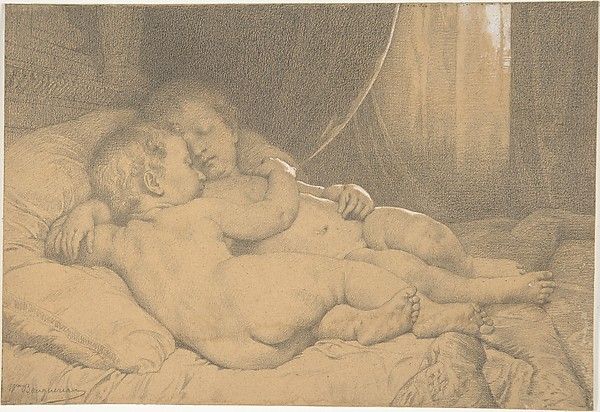
The way the white chalk catches the light on the children's cheeks and foreheads.
The intricate folds and creases in the children's clothing.
The gentle curve of the arm cradling the head of the child on the left.
The soft, smudged lines that create the shadows beneath their bodies.
Stand in front of it and listen
The full narration walks you through Two Sleeping Children — the story behind it, the details most visitors miss, and why it matters. Free in the Art Whisper app.
William-Adolphe Bouguereau
1825–1905 · FranceWilliam-Adolphe Bouguereau, a master of academic painting, captivated 19th-century audiences with his mythological and realistic genre scenes.
Further Works by Bouguereau
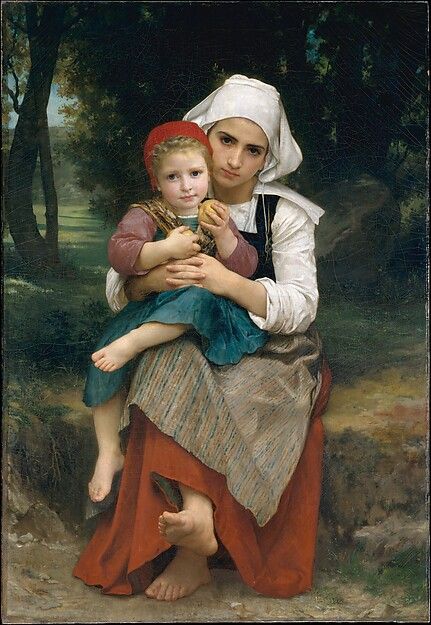 Breton Brother and Sister
1871 · The Metropolitan Museum of Art
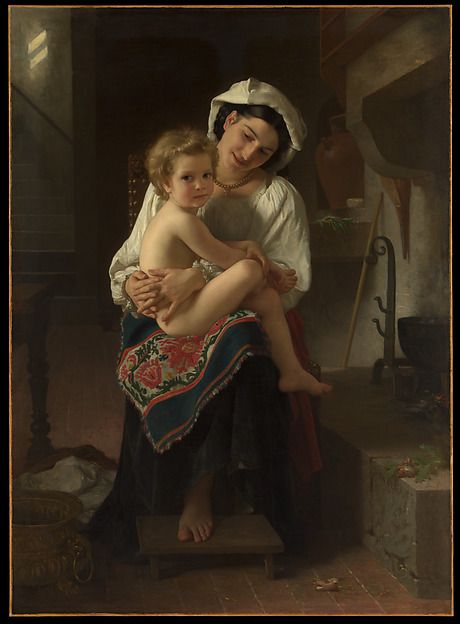 Young Mother Gazing at Her Child
1871 · The Metropolitan Museum of Art
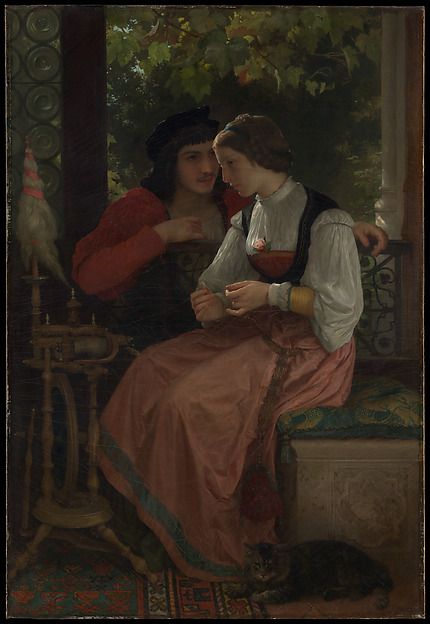 The Proposal
1872 · The Metropolitan Museum of Art
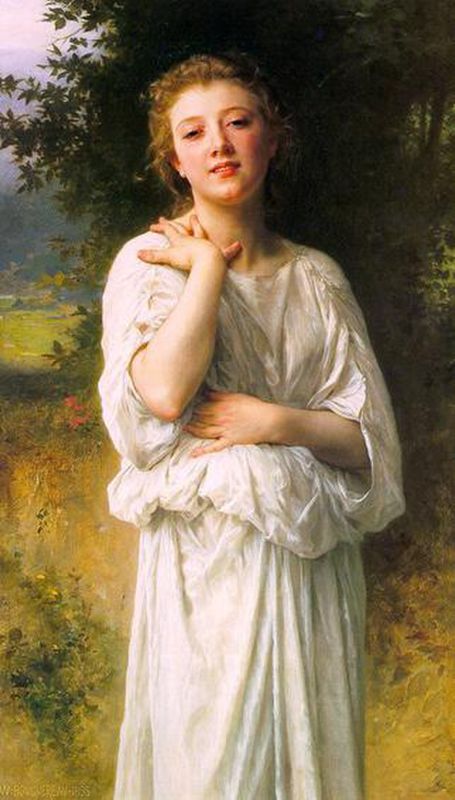
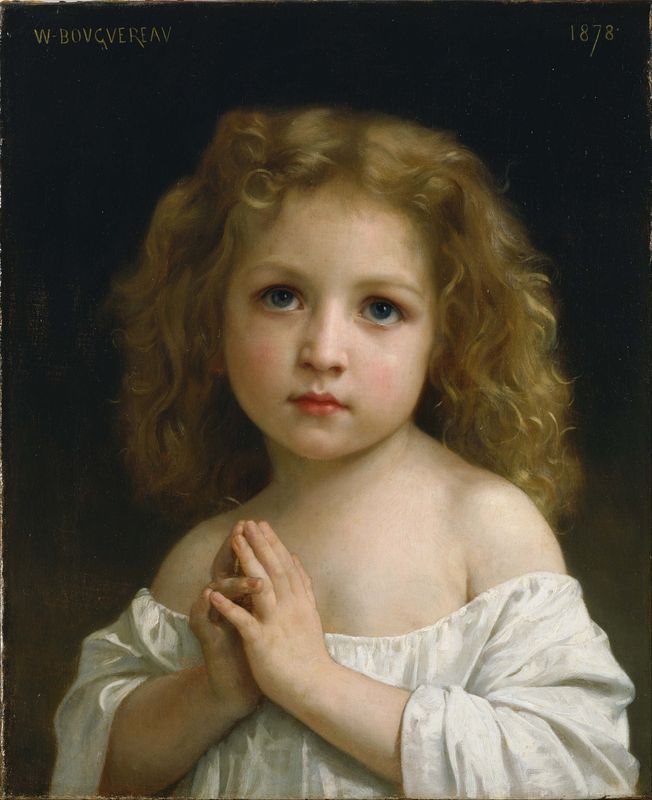 Little Girl
1878 · National Museum of Western Art
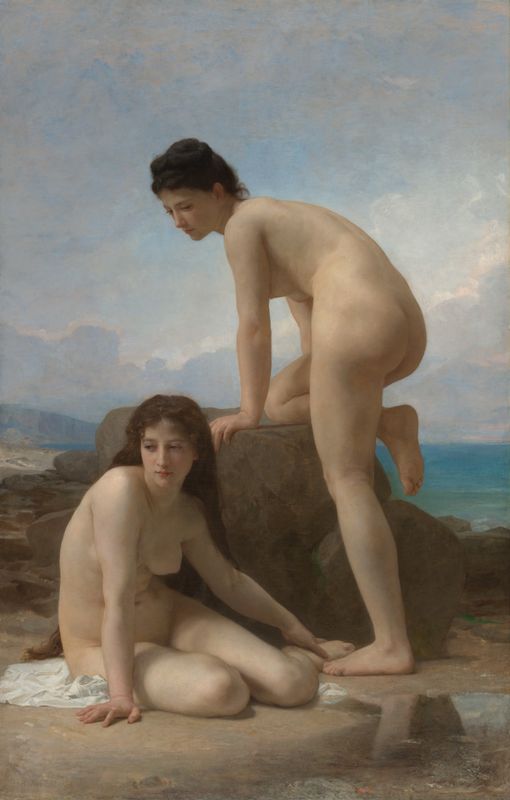 The Bathers
1884 · Art Institute of Chicago
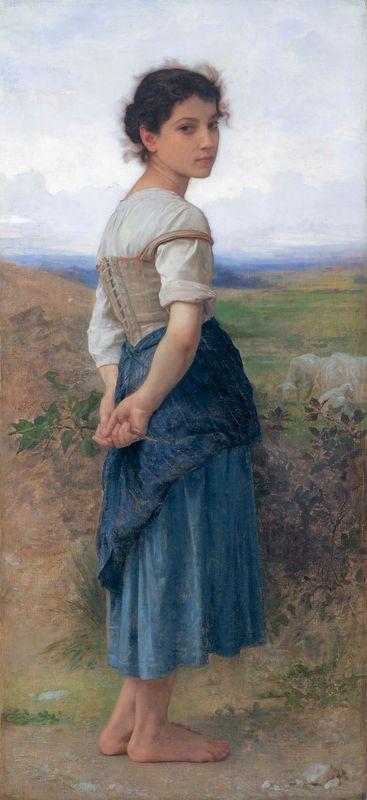 The Young Shepherdess
1885 · San Diego Museum of Art
 Souvenir
1895 · Carnegie Museum of Art
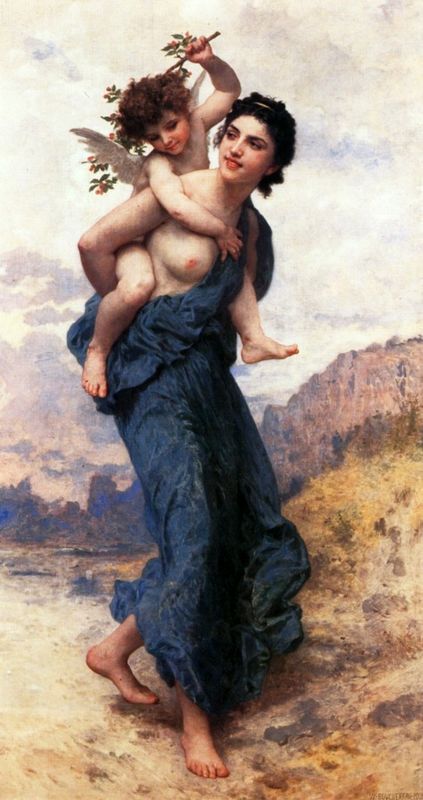 Venus and Cupid.
1903 · Museum of John Paul II Collection
More works to explore
Beyond Bouguereau: works from the same years.
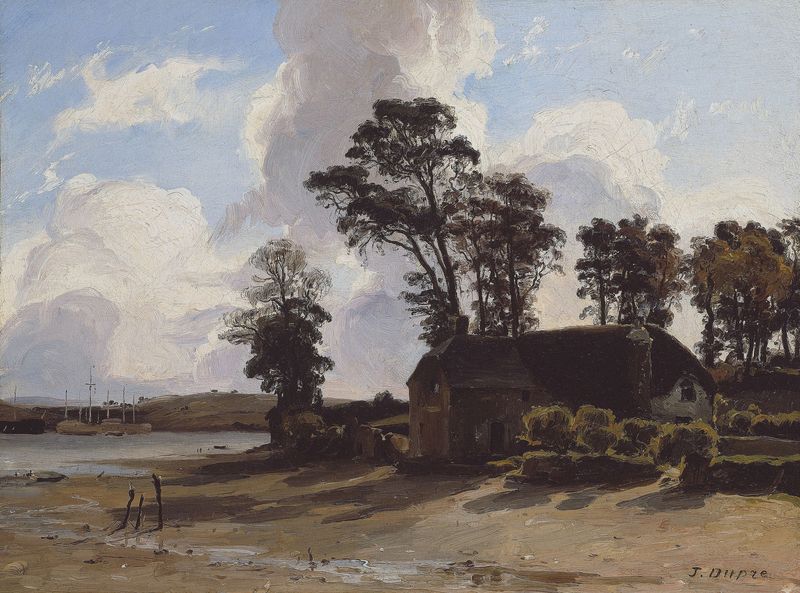 Same era · 1820s–1850s
The Estuary Farm
Léon-Victor Dupré · 1831 · Art Institute of Chicago
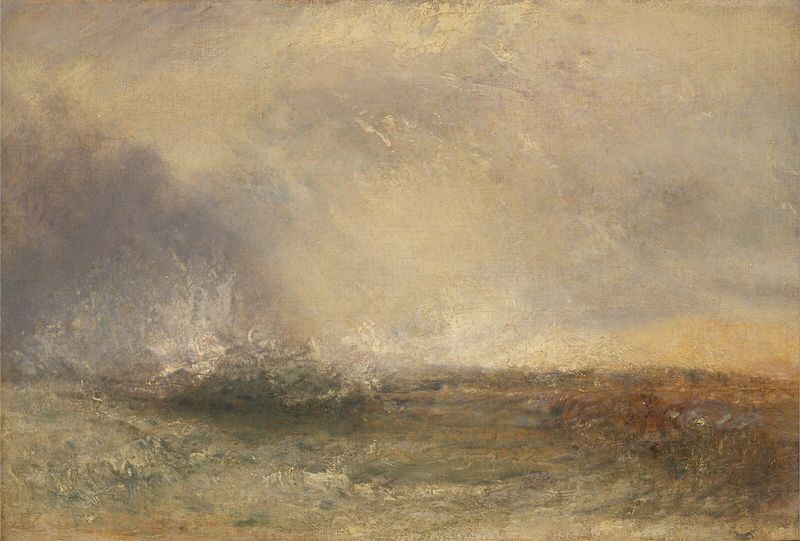 Same era · 1820s–1850s
Stormy Sea Breaking on a Shore
J. M. W. Turner · 1840 · Yale Center for British Art
 Same era · 1820s–1850s
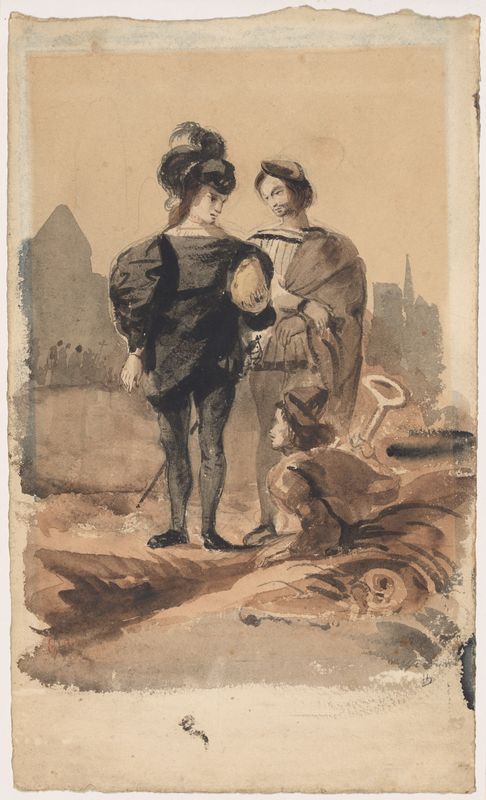
Hamlet and Horatio in the Graveyard
Eugène Delacroix · 1839 · Department of Paintings of the Louvre
 Same era · 1820s–1850s
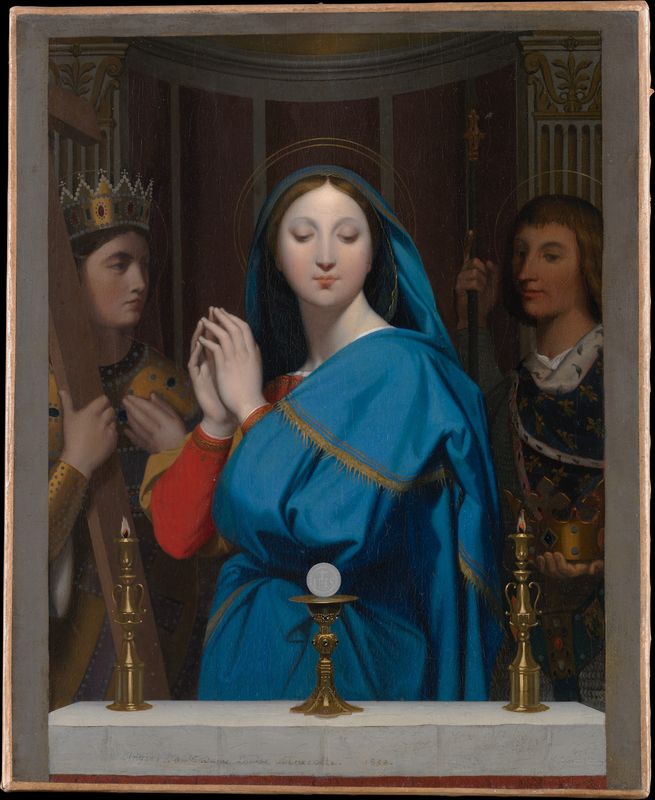
The Virgin Adoring the Host
Jean-Auguste-Dominique Ingres · 1841 · Pushkin Museum of Fine Arts
 Same era · 1820s–1850s
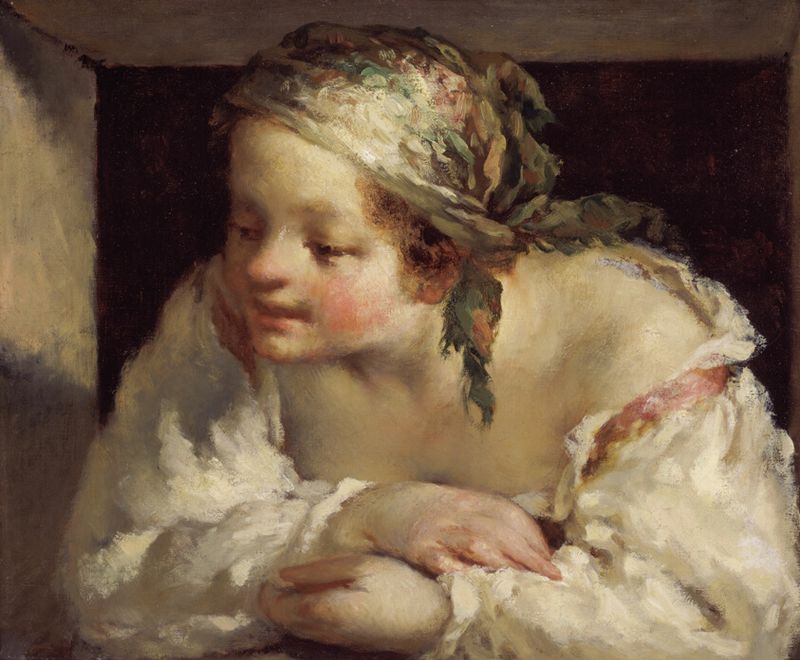
Young Woman
Jean-François Millet · 1844 · Art Institute of Chicago
 Same era · 1820s–1850s
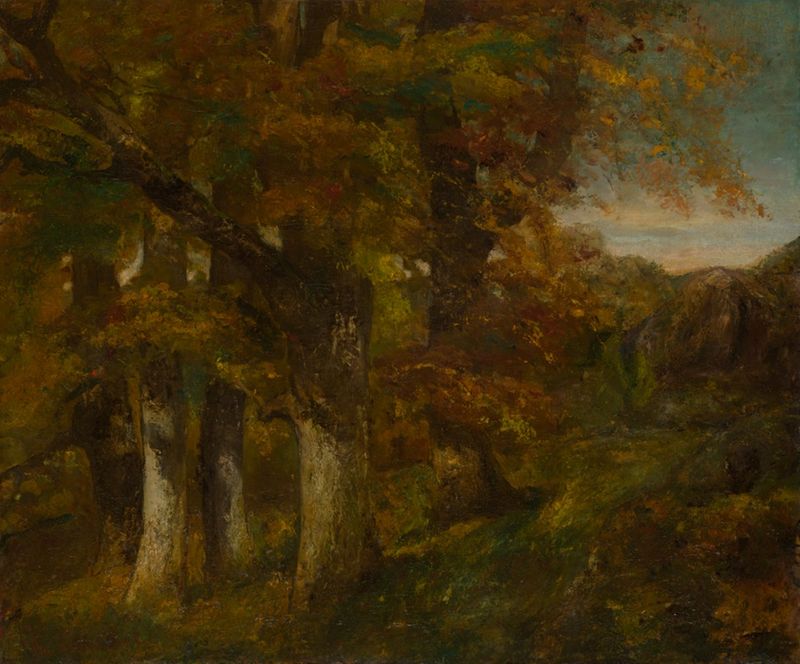
Wooded Landscape
Gustave Courbet · 1848 · Art Institute of Chicago
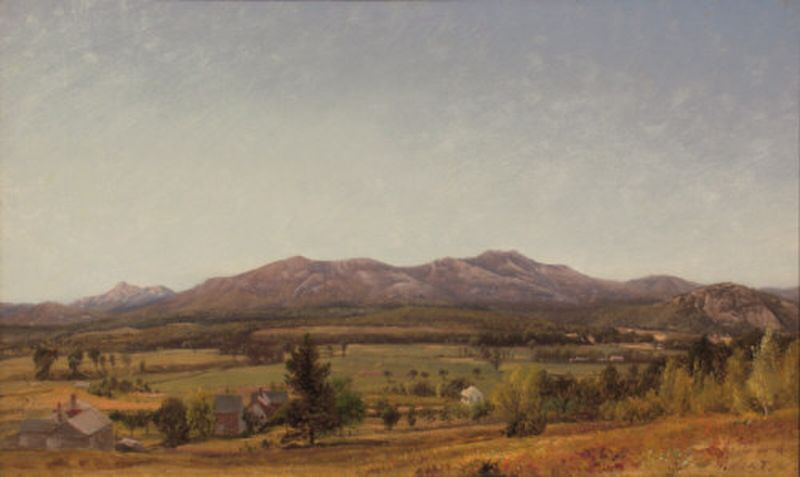 Same era · 1820s–1850s
Mount Chocorua and Moat Mountain from North Conway
William Hart · 1850
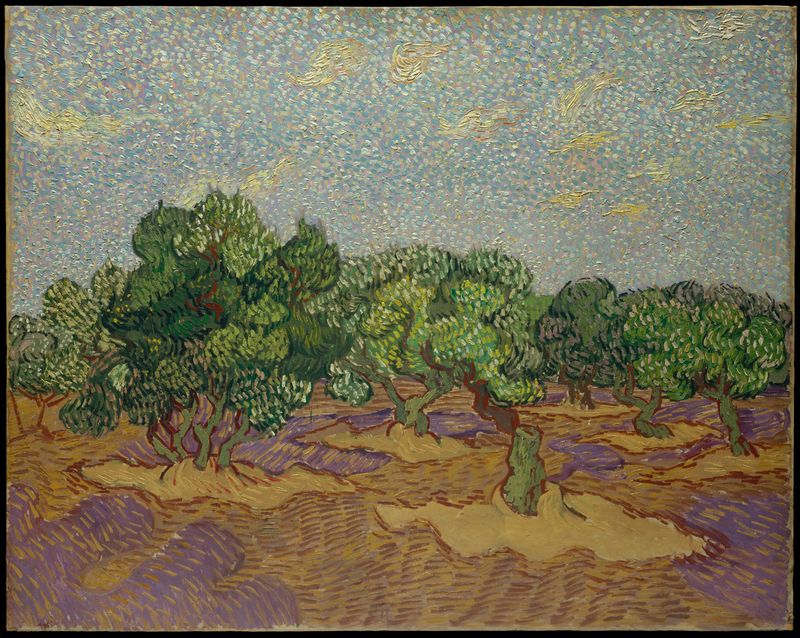 Same era · 1820s–1850s
Olive Trees
Vincent van Gogh · 1853 · The Metropolitan Museum of Art
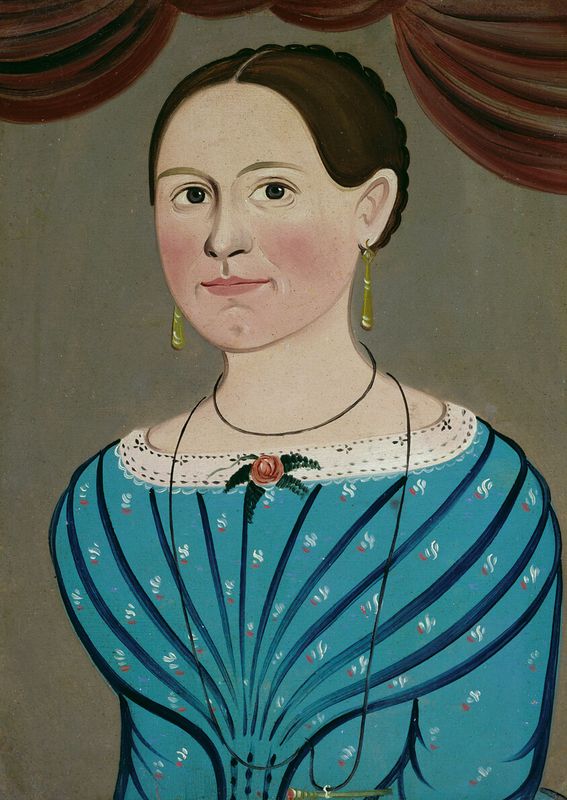 Same era · 1820s–1850s
Woman in a Blue Dress
School of William Matthew Prior · 1840 · Art Institute of Chicago
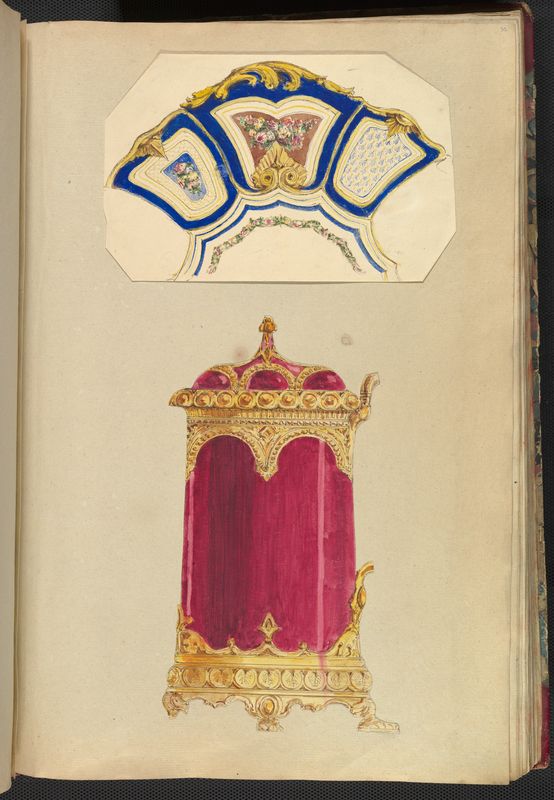 Same era · 1820s–1850s
Designs for a Decorated Dish, or Platter, and a Biscuit Barrel
Alfred Henry Forrester [Alfred Crowquill] · 1845 · The Metropolitan Museum of Art
 Same era · 1820s–1850s
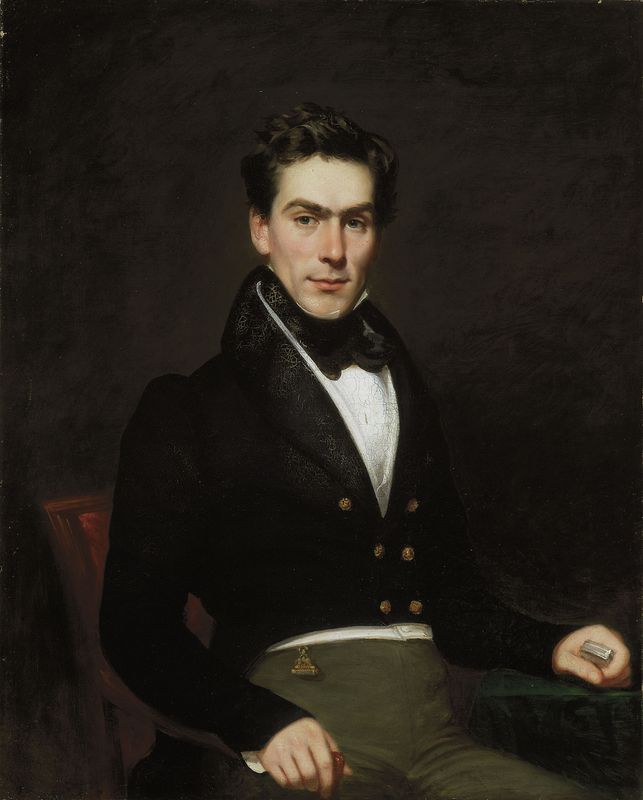
Mr. James Mackie
Samuel Alcock & Company · 1830 · Art Institute of Chicago
 Same era · 1820s–1850s
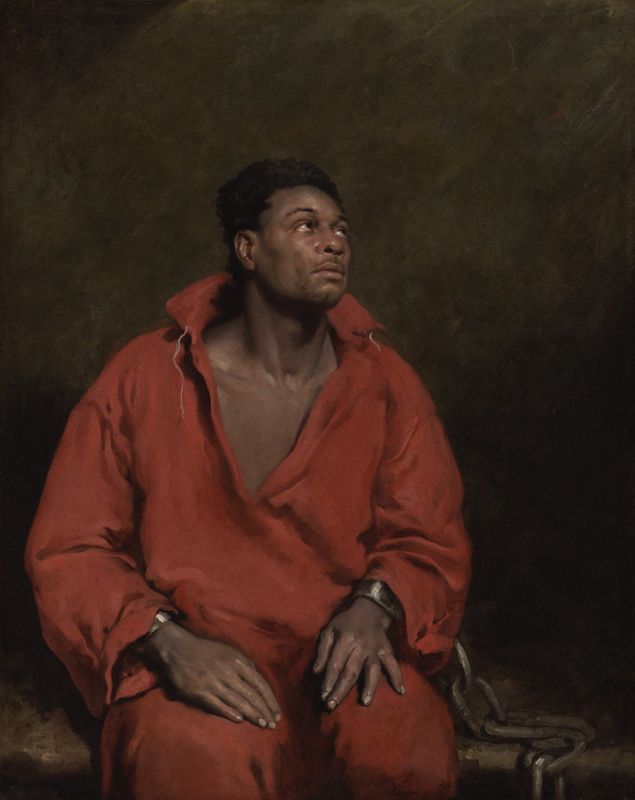
The Captive Slave (Ira Aldridge)
John Philip Simpson · 1827 · Art Institute of Chicago