

“This bronze Mutiny Medal, though dated after William Wyon's death, showcases the enduring legacy of Britain's chief engraver, known for his Neoclassical designs on coinage and medals, including the iconic Penny Black postage stamp.”
This bronze medal, known as "The Mutiny Medal," was created by the renowned British engraver William Wyon in 1858. Wyon, who served as the official chief engraver at the Royal Mint from 1828 until his death in 1851, was a prolific artist celebrated for his exceptional skill in medallic art. Although the medal is dated 1858, seven years after Wyon's passing, it likely reflects a posthumous striking or a design completed earlier in his career, perhaps by his son, Leonard Charles Wyon, who also became a notable engraver. Wyon was a key proponent of Neoclassicism, a style evident in the classical drapery and idealized figures often found in his work, as seen in his "Three Graces" crown or the "Society of Arts Medal, Mercury and Minerva." His influence extended beyond coinage and medals; his portrait of Queen Victoria was famously used for the Penny Black, the world's first adhesive postage stamp. The Mutiny Medal, with its precise execution and historical subject matter, exemplifies Wyon's mastery of relief sculpture and his lasting legacy in numismatic art, even when produced after his lifetime.
- Artist
- William Wyon
- Date
- 1858
- Medium
- Bronze
- Location
- The Metropolitan Museum of Art
- Dimensions
- Diameter (confirmed): 36 mm
- Collection
- European Sculpture and Decorative Arts
- Culture
- British
- Credit line
- Museum Accession
What to Notice
Four details hide in plain sight. Here’s where to look.
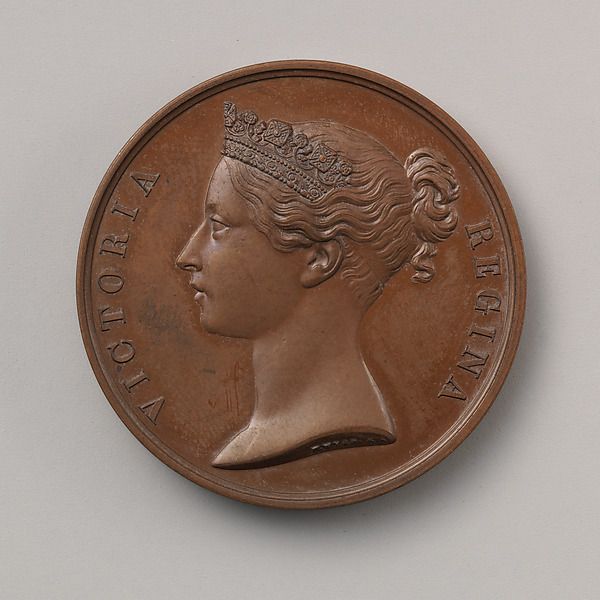
The intricate detail of the figures on the medal
The classical style of the drapery and poses
The crispness of the engraved text
The subtle sheen of the bronze medium
Stand in front of it and listen
The full narration walks you through The Mutiny Medal — the story behind it, the details most visitors miss, and why it matters. Free in the Art Whisper app.
William Wyon
1795–1851 · British EmpireWilliam Wyon, Chief Engraver at the Royal Mint, left an indelible mark on British coinage and even the world's first adhesive postage stamp, the Penny Black.
Further Works by Wyon
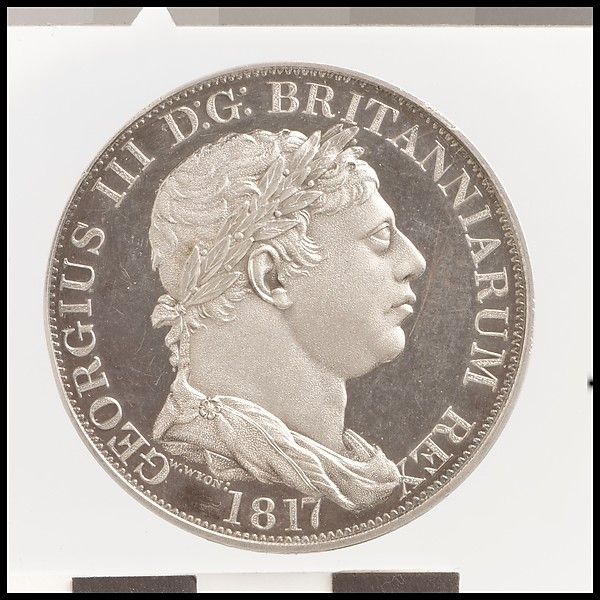 George III "Incorrupta" crown
1817 · The Metropolitan Museum of Art
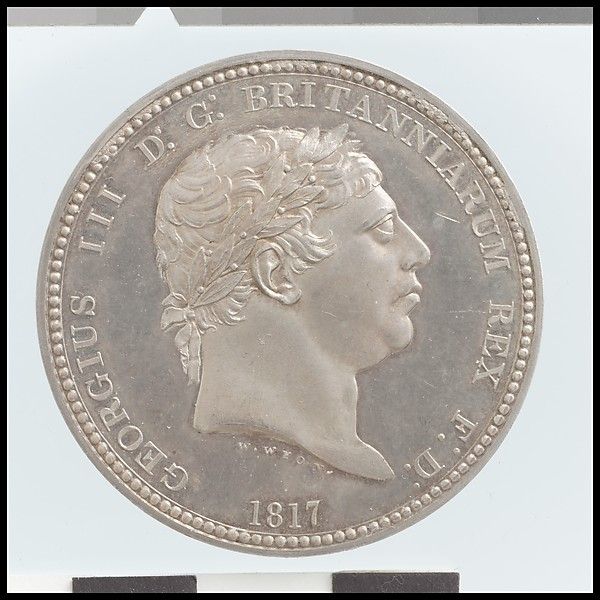 "Three Graces" crown
1817 · The Metropolitan Museum of Art
 Study for "Flying Victory"
1825 · The Metropolitan Museum of Art
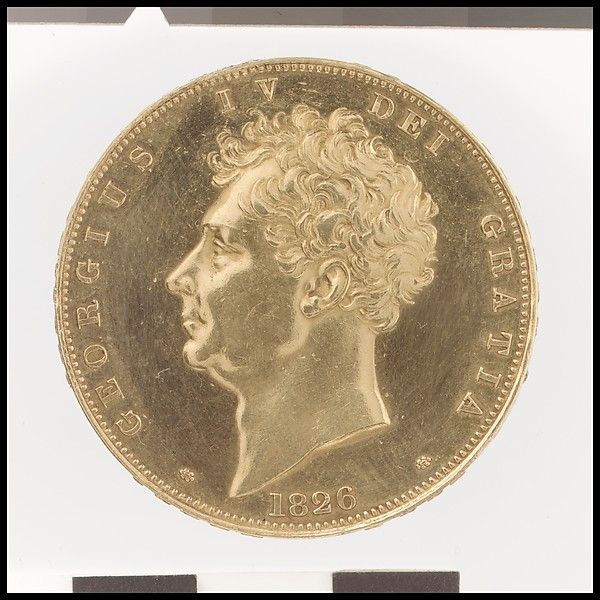 George IV crown
1826 · The Metropolitan Museum of Art
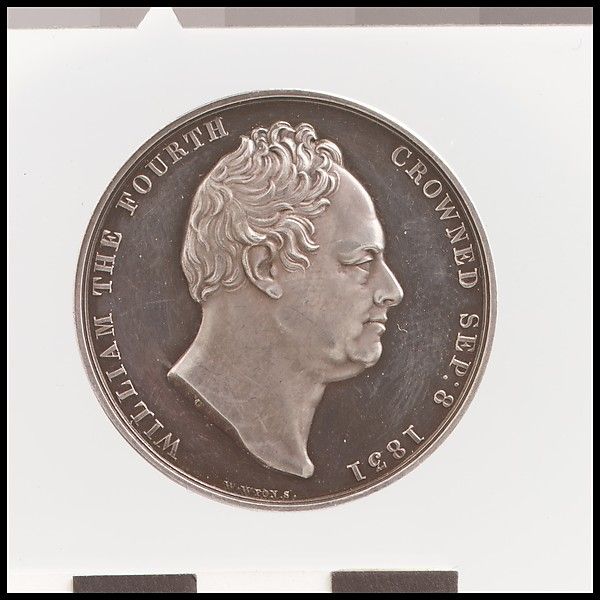 Coronation of William IV
1831 · The Metropolitan Museum of Art
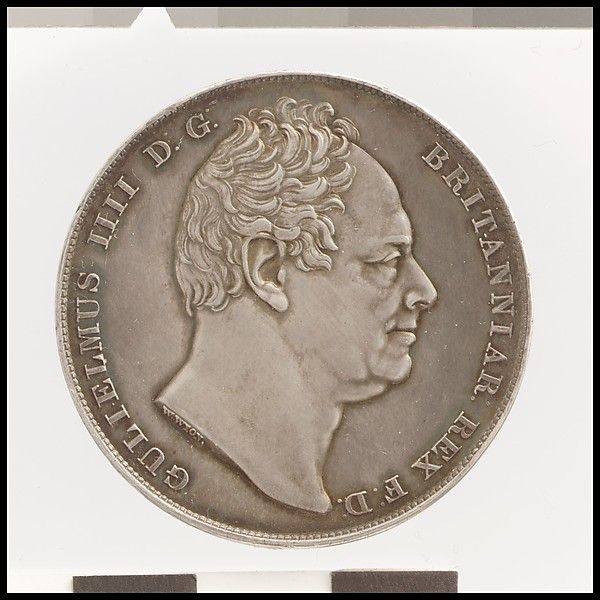 William IV proof crown
1831 · The Metropolitan Museum of Art
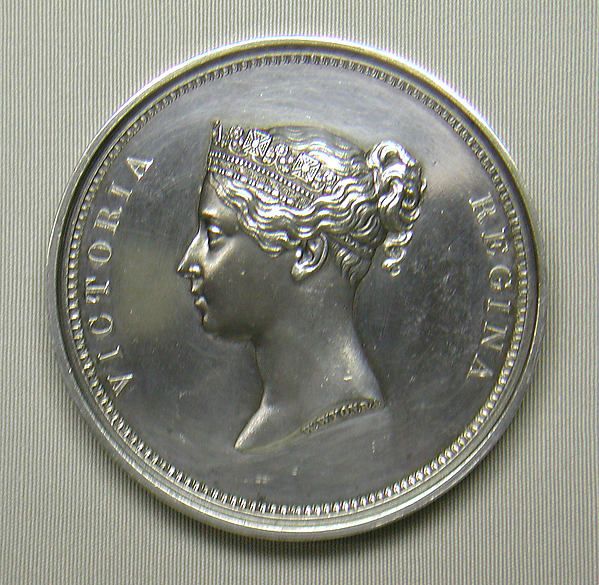 Queen Victoria's Visit to the Corporation of London
1837 · The Metropolitan Museum of Art
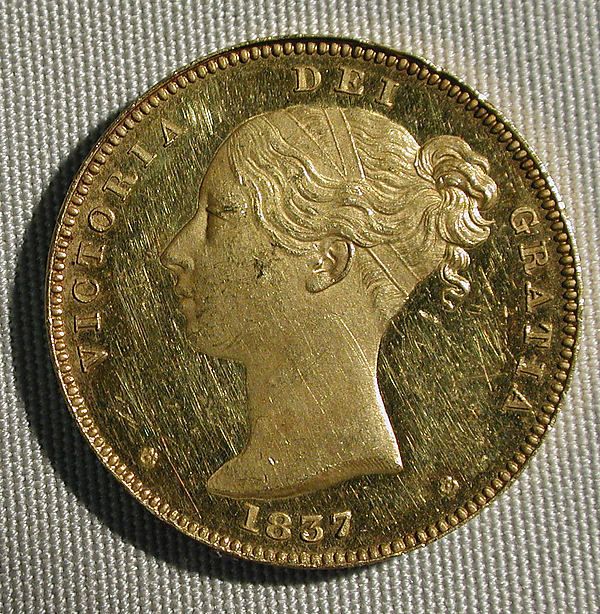 Victoria proof sovereign
1837 · The Metropolitan Museum of Art
More works to explore
Beyond Wyon: works from the same years.
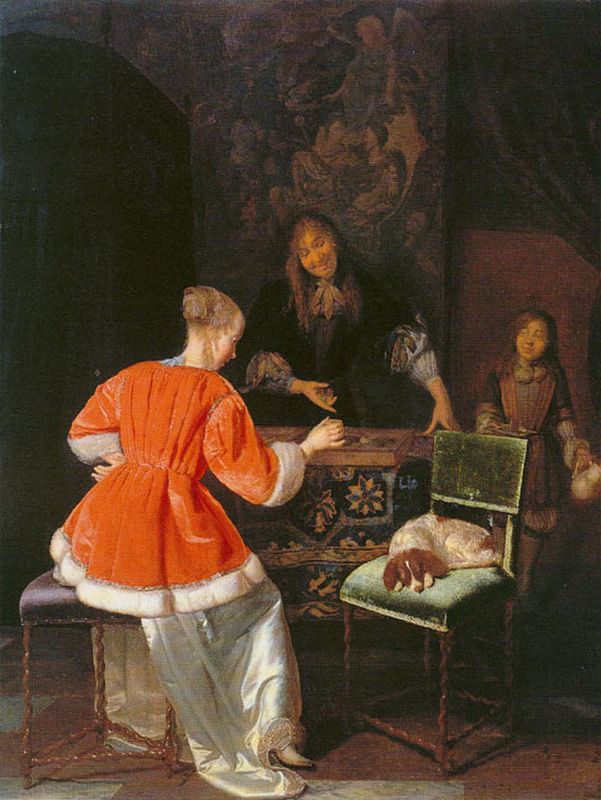 Same era · 1840s–1870s
The Backgammon Players
Philip Webb · 1861 · The Metropolitan Museum of Art
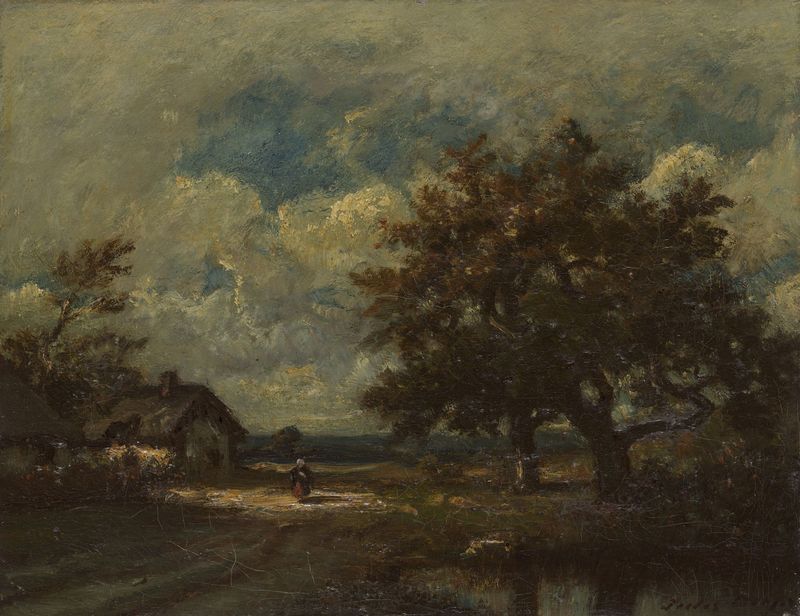 Same era · 1840s–1870s
The Cottage by the Roadside, Stormy Sky
Léon-Victor Dupré · 1855 · Art Institute of Chicago
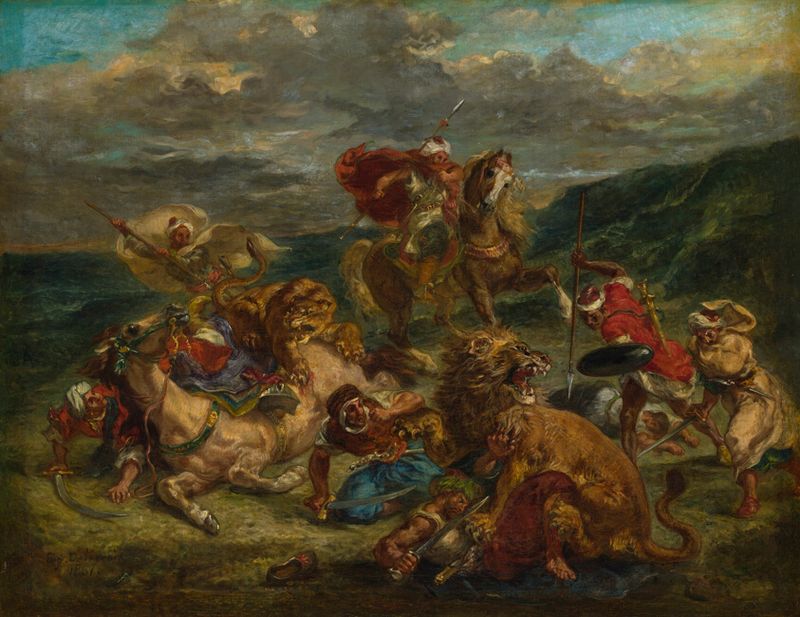 Same era · 1840s–1870s
Lion Hunt
Eugène Delacroix · 1858 · Museum of Fine Arts Boston
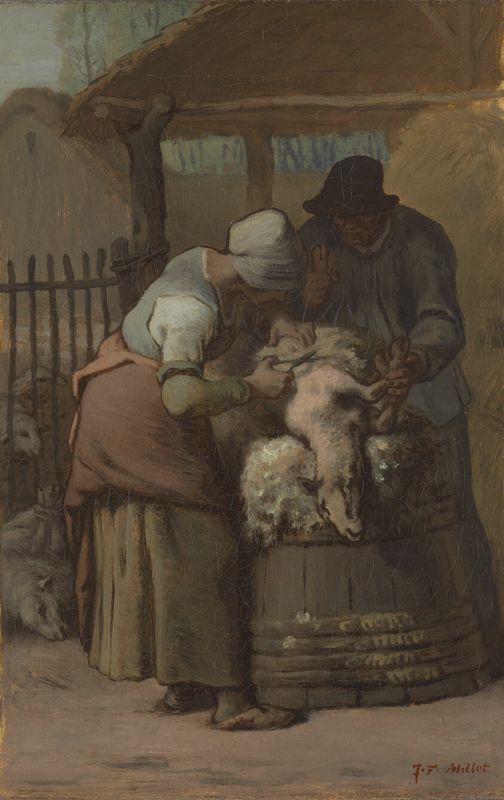 Same era · 1840s–1870s
The Sheepshearers
Jean-François Millet · 1857 · Art Institute of Chicago
 Same era · 1840s–1870s
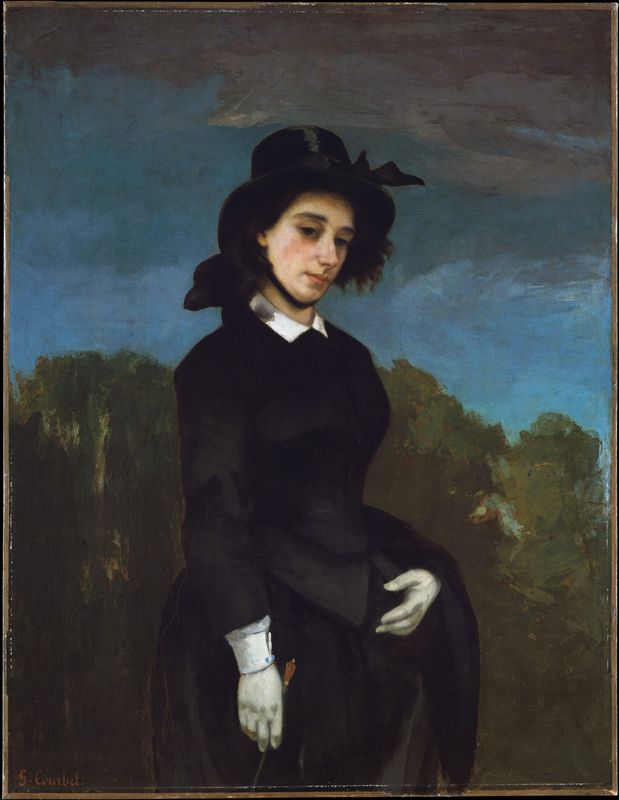
Woman in a Riding Habit (L'Amazone)
Gustave Courbet · 1856 · Metropolitan Museum of Art
 Same era · 1840s–1870s
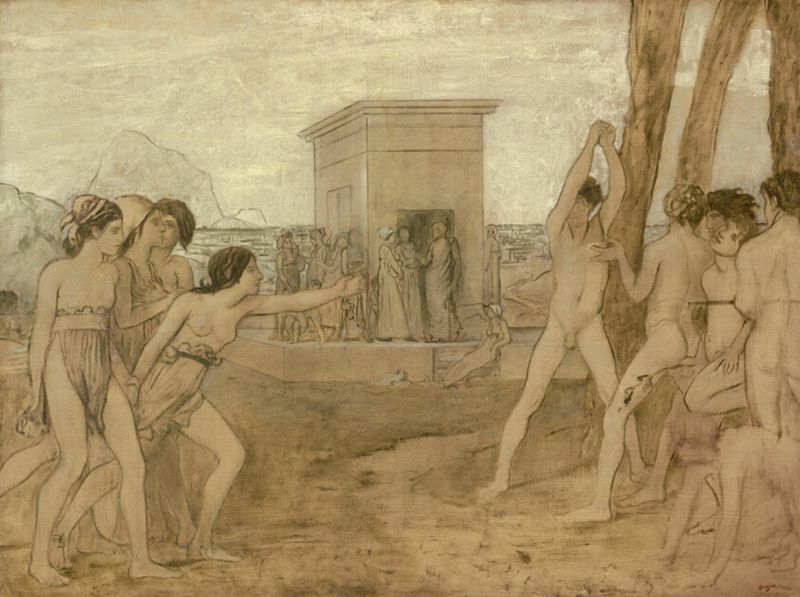
Young Spartan Girls Challenging Boys
Edgar Degas · 1860 · Art Institute of Chicago
 Same era · 1840s–1870s
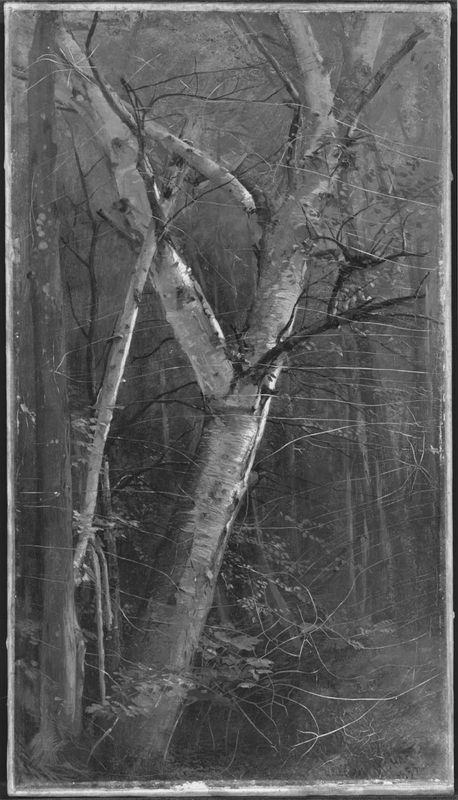
Birches
William Hart · 1855 · Museum of Fine Arts Boston
 Same era · 1840s–1870s
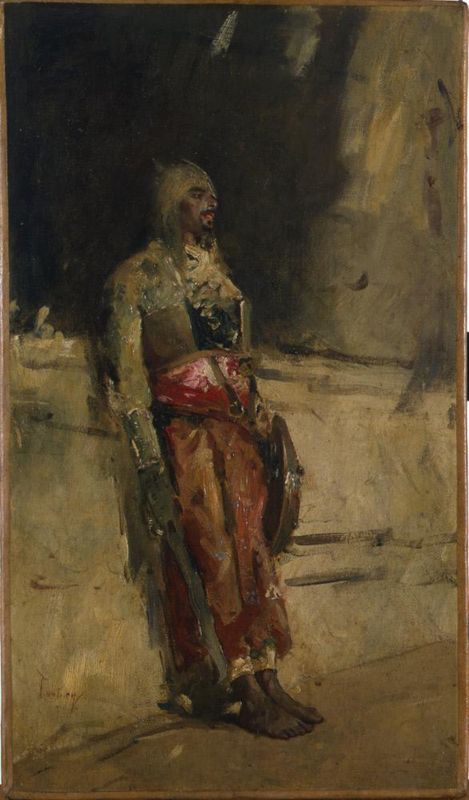
An Arab Warrior
Mariano Fortuny Marsal · 1862 · Hispanic Society of America
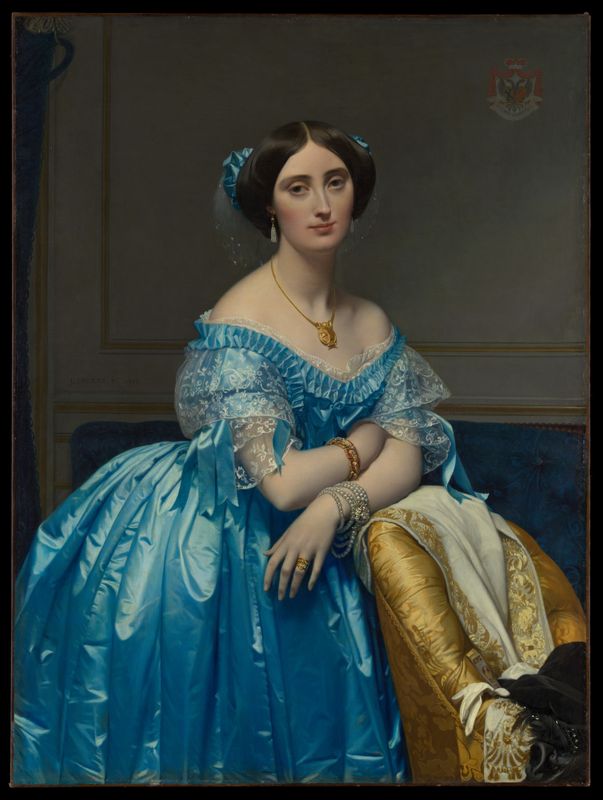 Same era · 1840s–1870s
Joséphine-Éléonore-Marie-Pauline de Galard de Brassac de Béarn (1825–1860), Princesse de Broglie
Jean-Auguste-Dominique Ingres · 1853 · Metropolitan Museum of Art
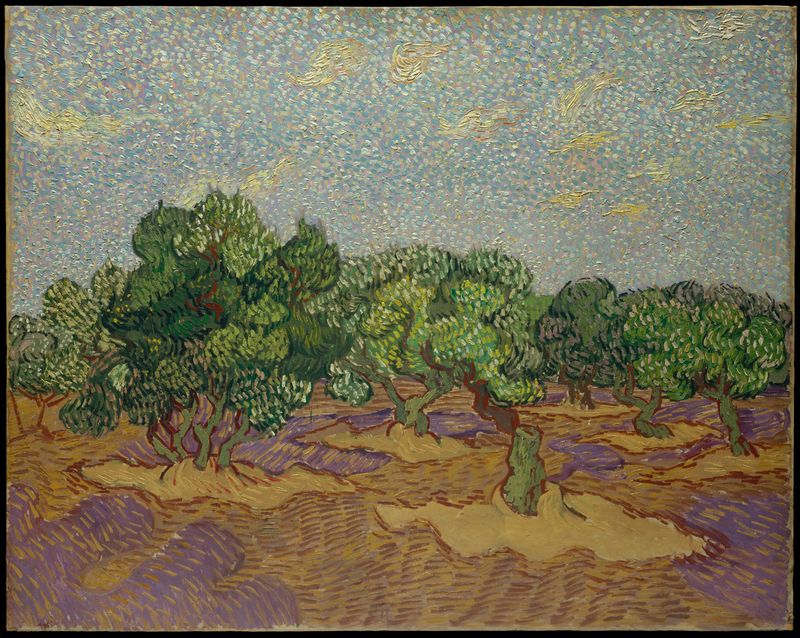 Same era · 1840s–1870s
Olive Trees
Vincent van Gogh · 1853 · The Metropolitan Museum of Art
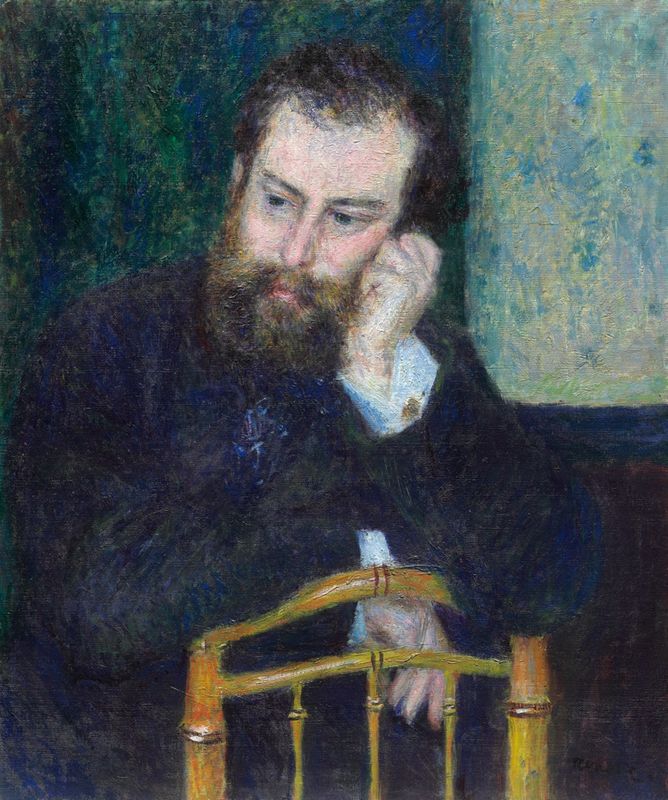 Same era · 1840s–1870s
Alfred Sisley
Pierre-Auguste Renoir · 1864 · Foundation E.G. Bührle Collection
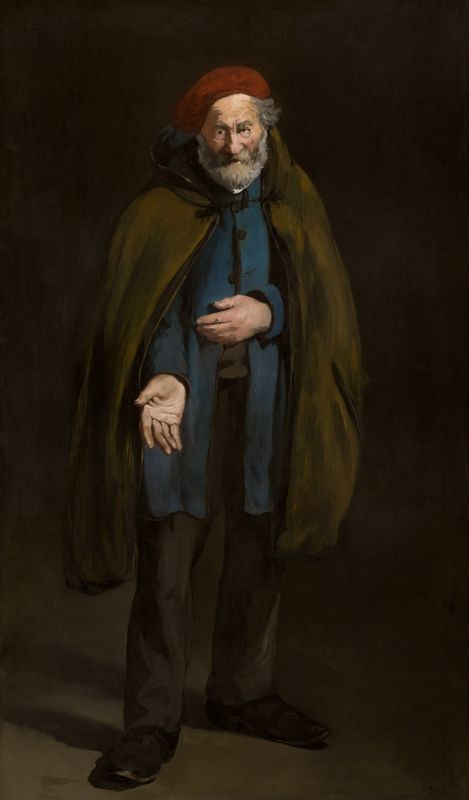 Same era · 1840s–1870s
Beggar with a Duffle Coat (Philosopher)
Édouard Manet · 1864 · Art Institute of Chicago