
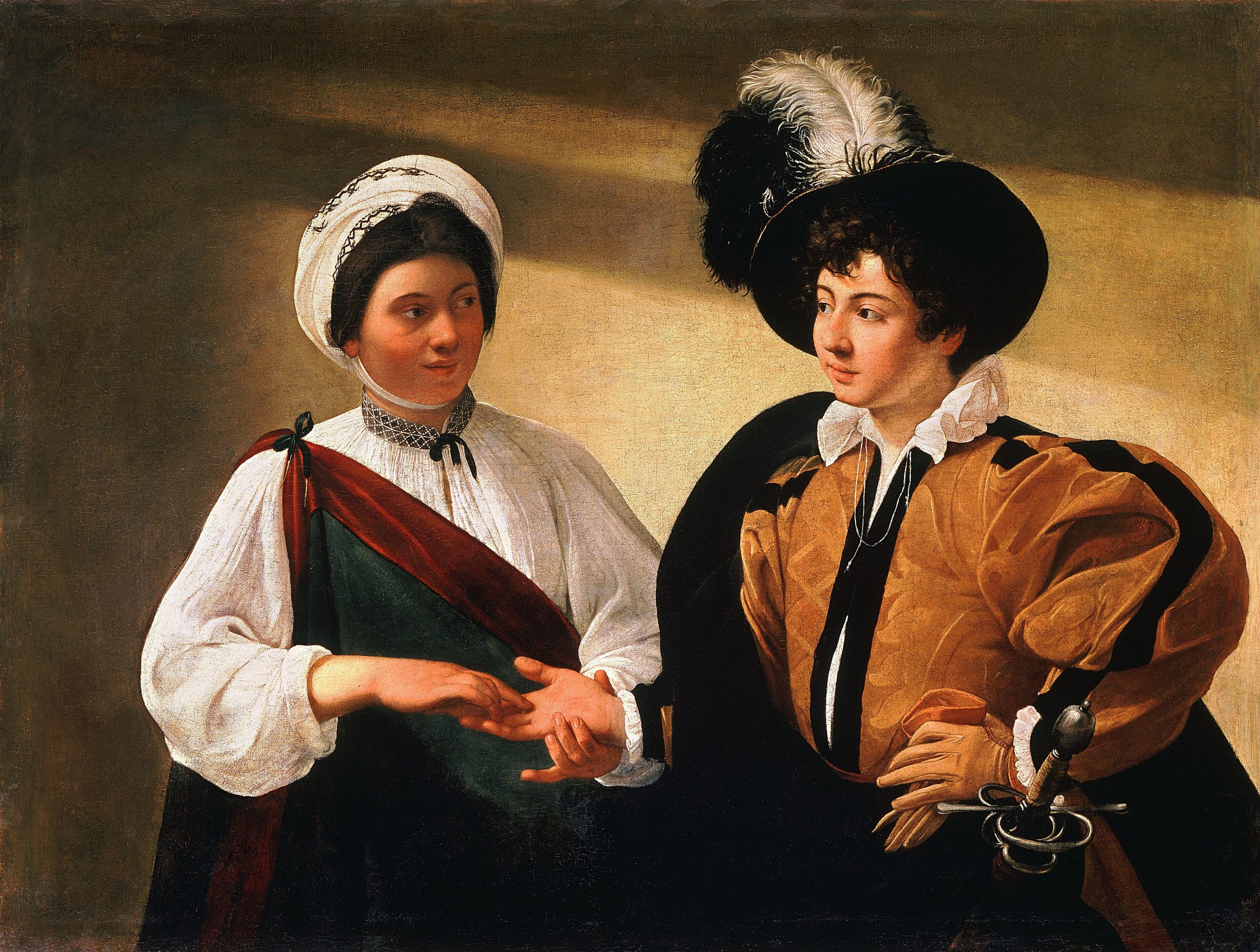
“Stop to see how a seemingly innocent moment of fortune-telling reveals a subtle act of deception, captured with striking realism and psychological depth. It's a key work in the artist's early career, showcasing his innovative approach to everyday subjects.”
In this painting, a young, fashionably dressed man gazes intently at a Romani woman, who appears to be reading his palm. A soft light illuminates their faces, highlighting the woman's subtle smile and the man's trusting expression. The scene unfolds with a quiet intimacy, drawing the viewer into the close interaction between the two figures. This version, painted around 1595, is a powerful example of how art can reflect real life, a revolutionary approach for its time. It captures a fleeting moment, inviting us to consider the dynamics of trust and deception at play. The painting's subject matter, depicting a common street scene, was a departure from the grand historical or religious narratives often favored by artists of the period, demonstrating a new emphasis on everyday human experience.
- Artist
- Caravaggio
- Date
- 1594
- Location
- Department of Paintings of the Louvre
- Culture
- Italy
What to Notice
Four details hide in plain sight. Here’s where to look.
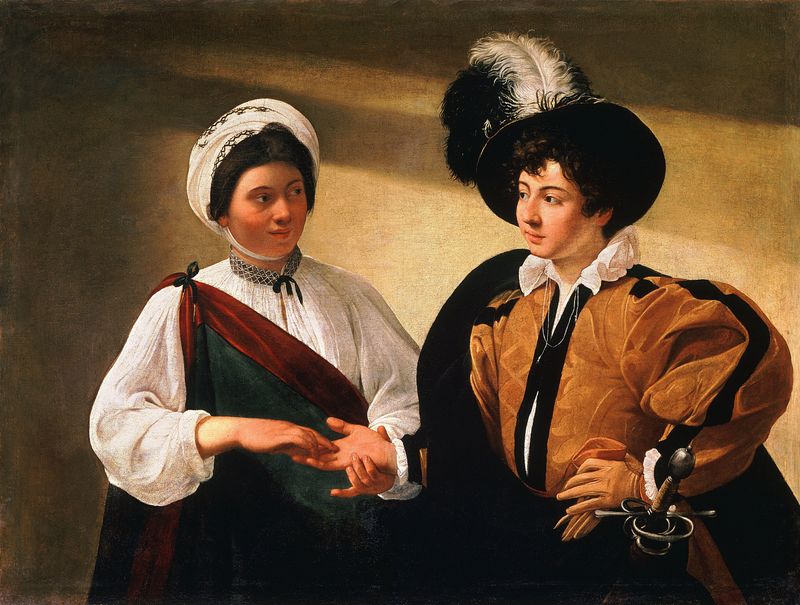
The young man's ring, subtly being removed by the woman.
The woman's slight, knowing smile.
The rich fabric and feathered cap of the young man's attire.
The delicate gesture of the woman's hand on his palm.
Caravaggio
1571–1610 · Duchy of MilanCaravaggio, the fiery Italian painter, revolutionized art with his dramatic use of light and shadow, capturing raw human emotion directly on canvas.
Further Works by Caravaggio
More from Baroque
More works to explore
Beyond Caravaggio and Baroque: works from the same years, and from the other movements The Fortune Teller belongs to.
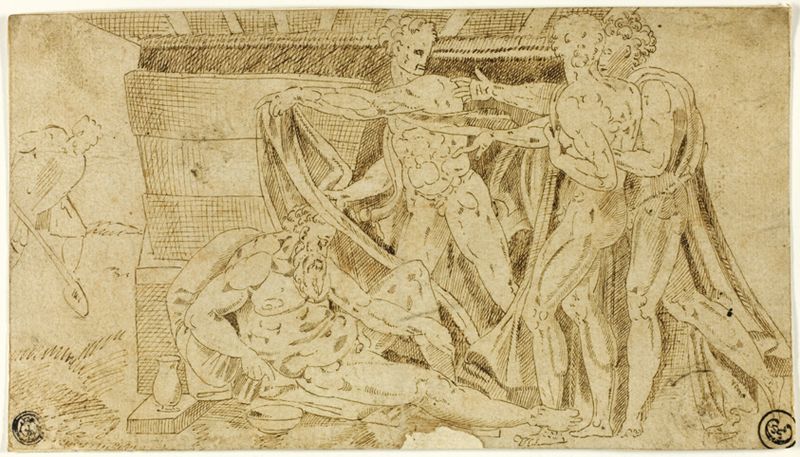 Same movement · Academic art
Drunkenness of Noah
Michelangelo · 1509 · Sistine Chapel
 Same era · 1570s–1600s
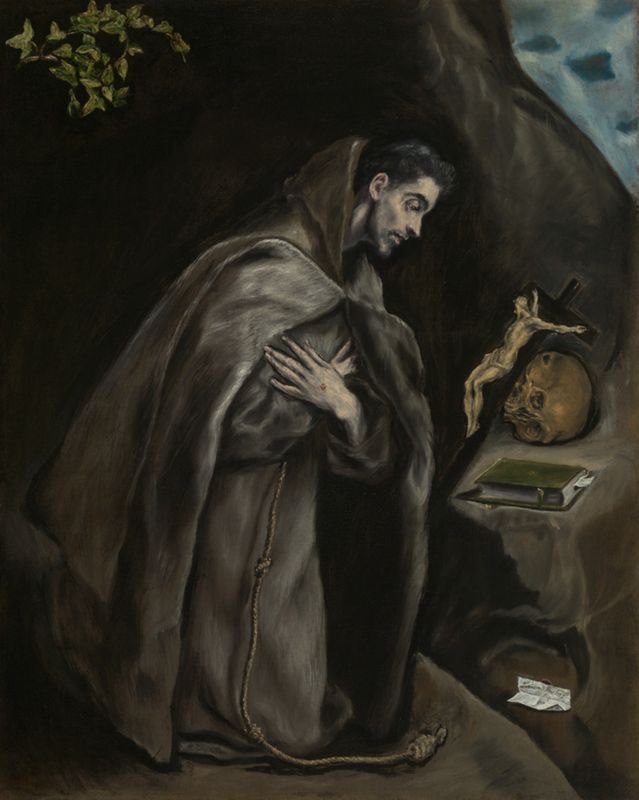
Saint Francis Kneeling in Meditation
El Greco · 1597 · Art Institute of Chicago
 Same movement · Academic art
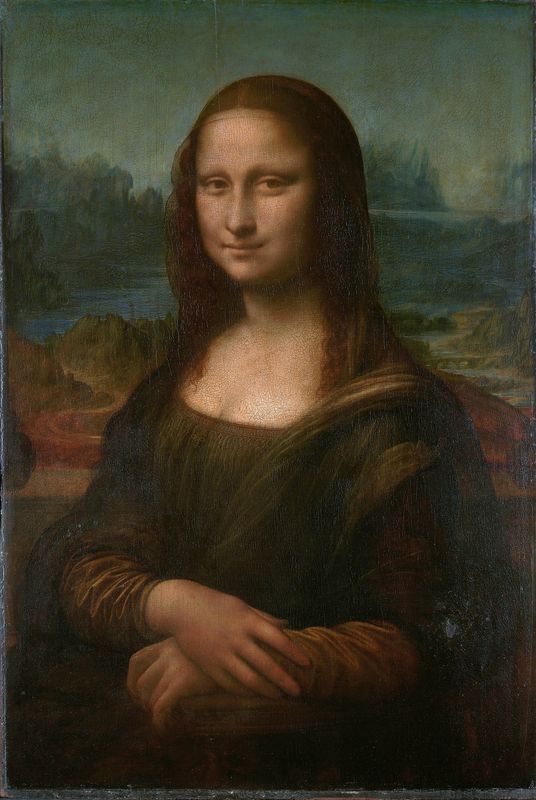
Mona Lisa
Leonardo da Vinci · 1503 · Department of Paintings of the Louvre
 Same era · 1570s–1600s
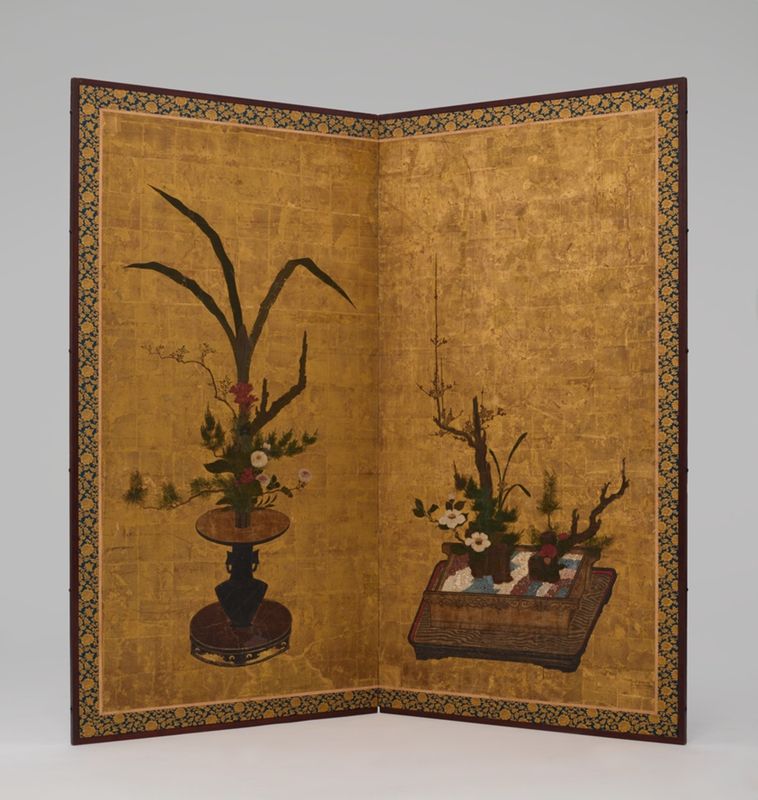
Flower Arrangements
Artist Unknown - The Mercat Cross, Aberdeen · 1595 · Art Institute of Chicago
 Same movement · Academic art
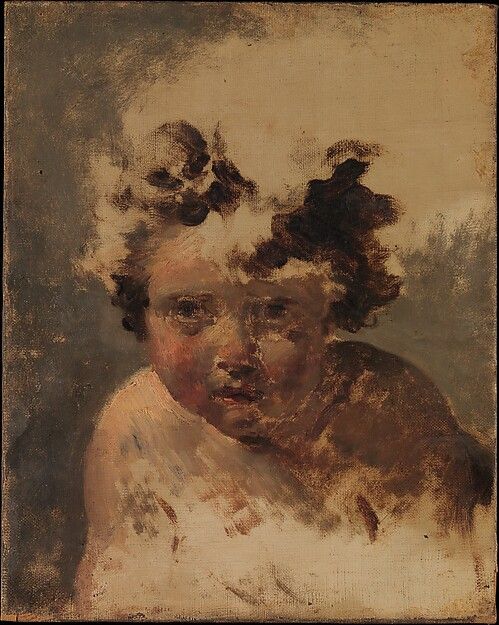
Head of a Child
Jacques-Louis David · 1768 · The Metropolitan Museum of Art
 Same era · 1570s–1600s
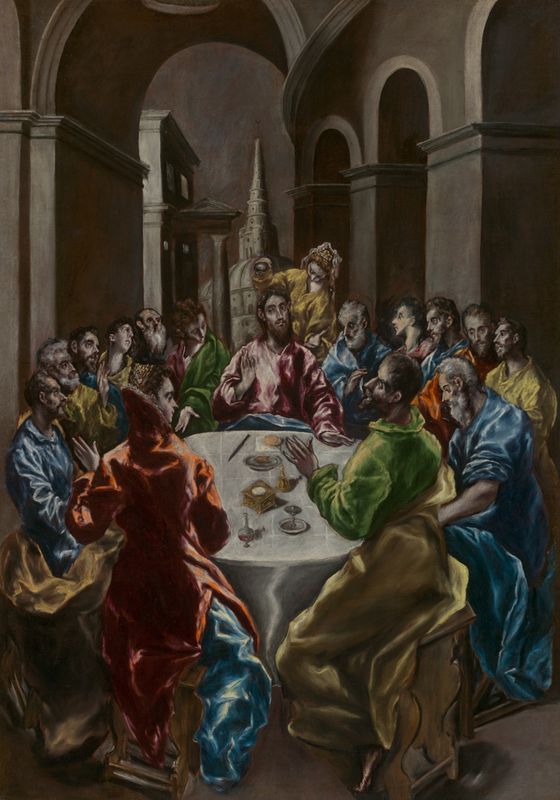
The Feast in the House of Simon
El Greco (Doménikos Theotokópoulos) and workshop · 1608 · Art Institute of Chicago
 Same movement · Academic art
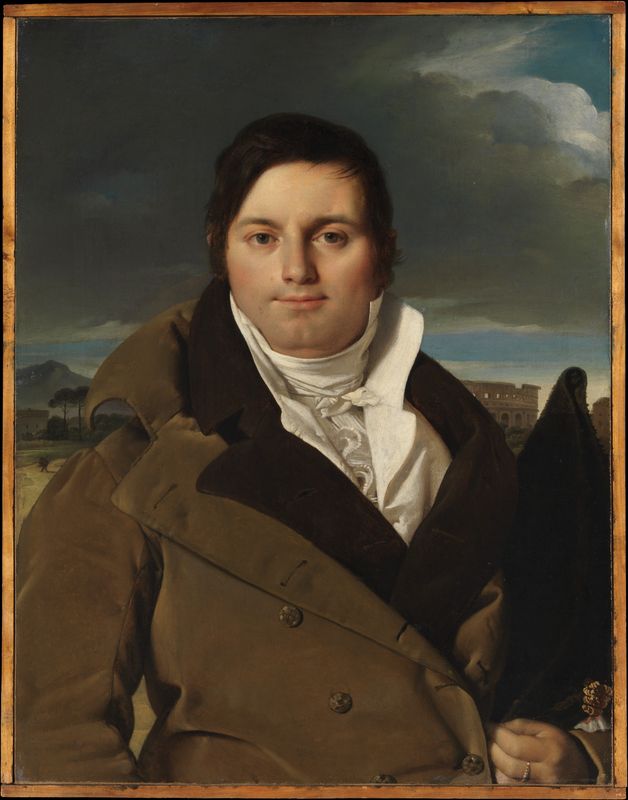
Joseph-Antoine Moltedo (born 1775)
Jean-Auguste-Dominique Ingres · 1805 · The Metropolitan Museum of Art
 Same era · 1570s–1600s
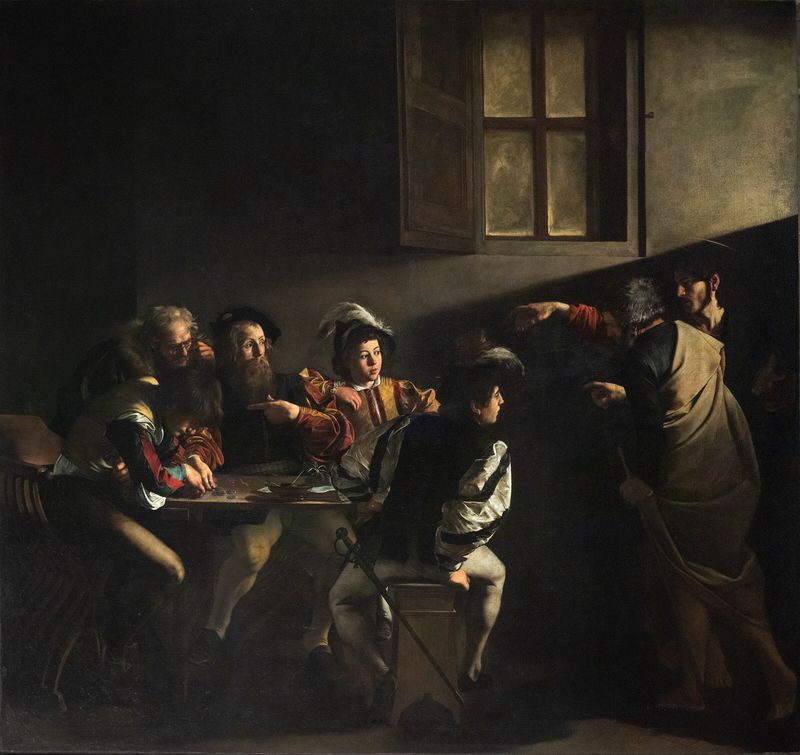
The Calling of Saint Matthew
Hendrick ter Brugghen · 1609 · Museum of Fine Arts, Budapest
 Same movement · Academic art
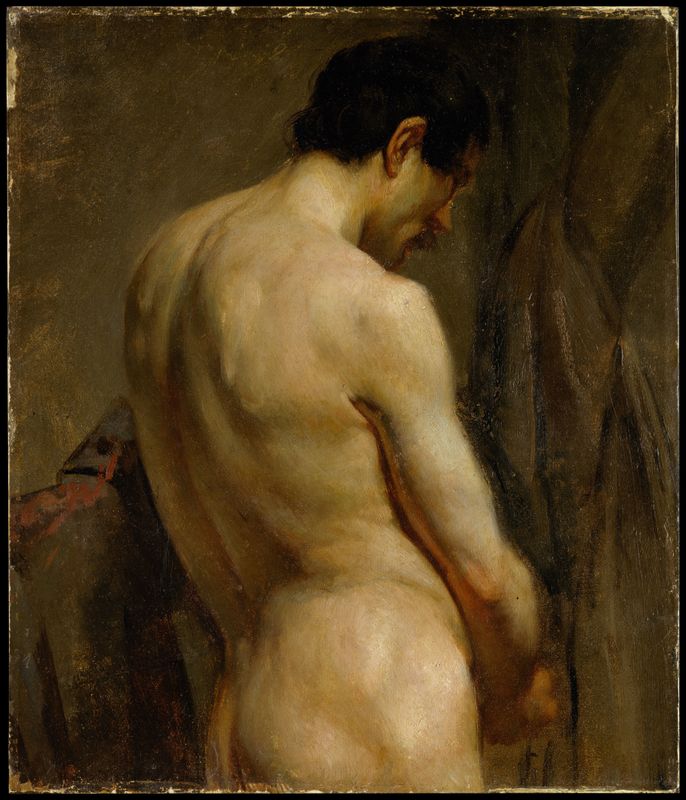
Male Academy Figure: Half-Length, Side View
Eugène Delacroix · 1819 · Karen B. Cohen Collection
 Same era · 1570s–1600s
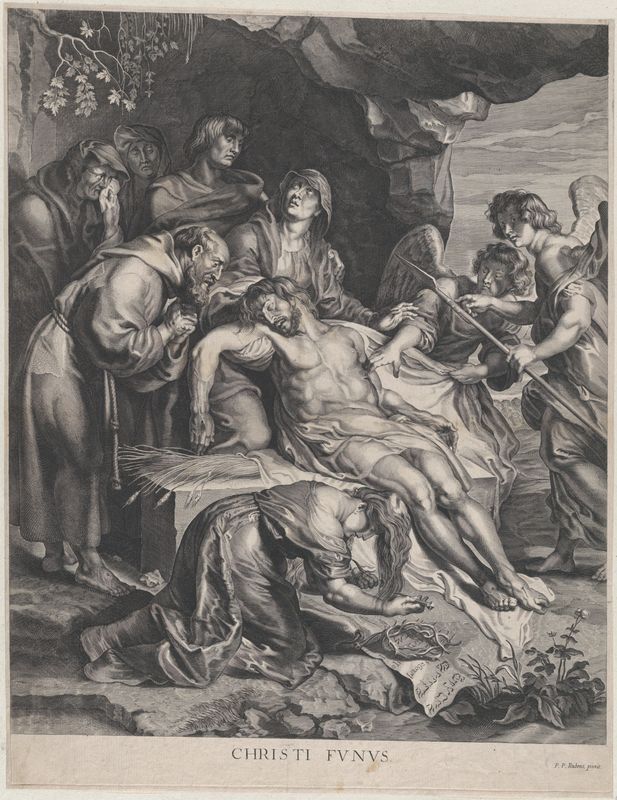
The Lamentation with Saint Francis and Two Angels
Peter Paul Rubens · 1603 · The Metropolitan Museum of Art
 Same movement · Academic art
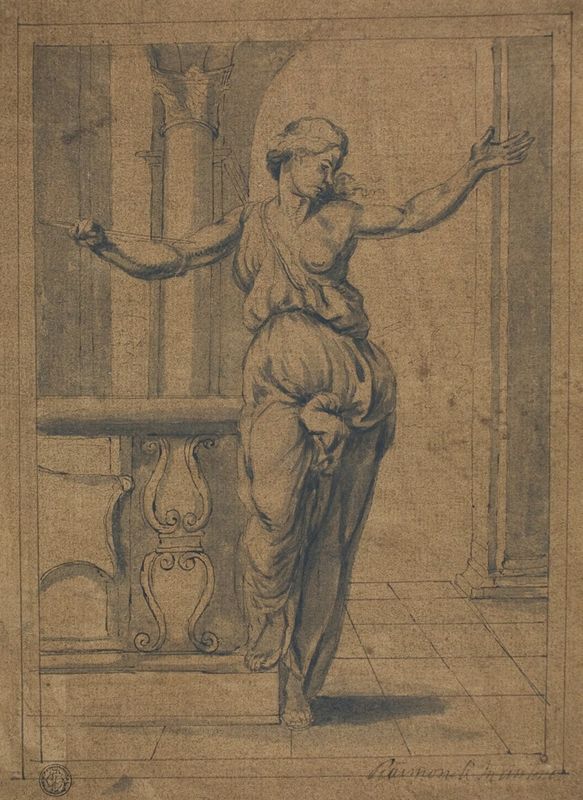
Lucretia
Raphael · Metropolitan Museum of Art
 Same era · 1570s–1600s
Wooded landscape with a road
Jan Brueghel the Elder · 1602
 Same era · 1570s–1600s
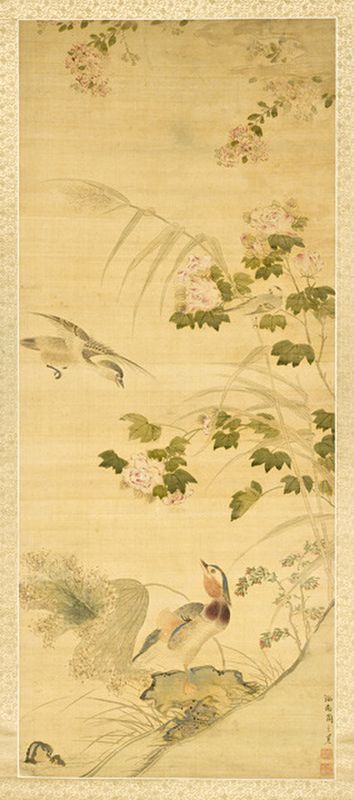
Flowers and Birds
Zhou Zhimian · 1595 · Los Angeles County Museum of Art
 Same era · 1570s–1600s
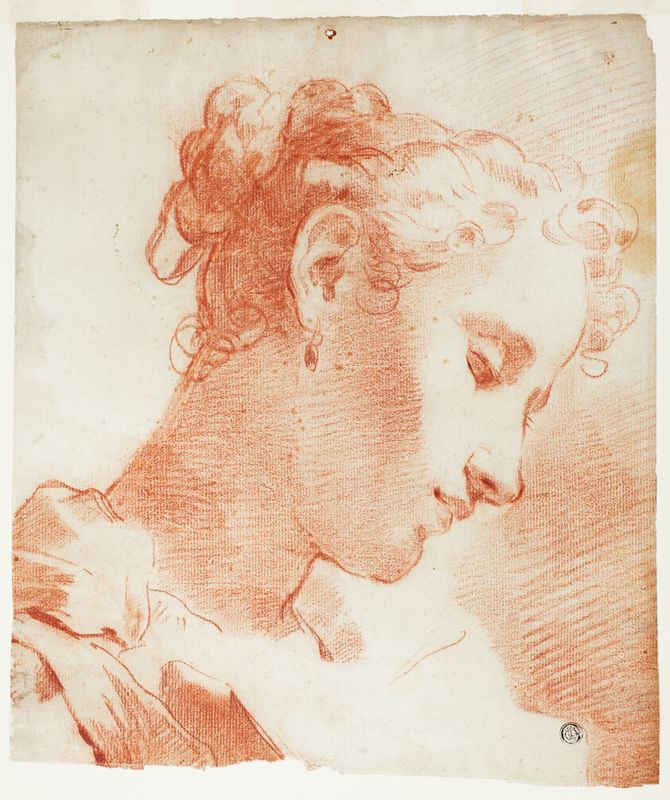
Female Head
Gaetano Gandolfi · 1592 · Art Institute of Chicago
 Same era · 1570s–1600s
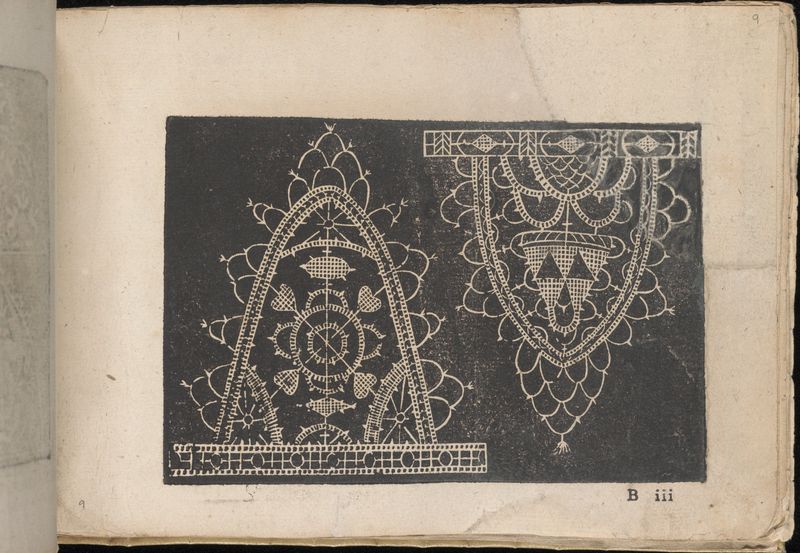
Fiori di Ricami Nuovamente Posti in Luce, page 9 (recto)
Matteo Florimi · 1591 · The Metropolitan Museum of Art
 Same era · 1570s–1600s
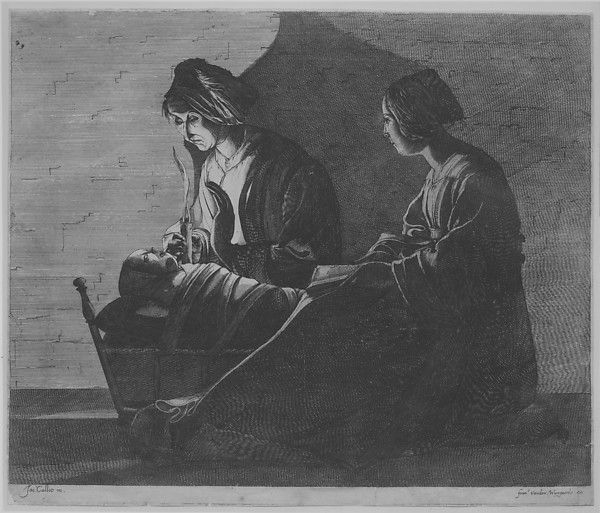
The Virgin and Child with Saint Anne
Georges de La Tour · 1600 · The Metropolitan Museum of Art
 Same era · 1570s–1600s
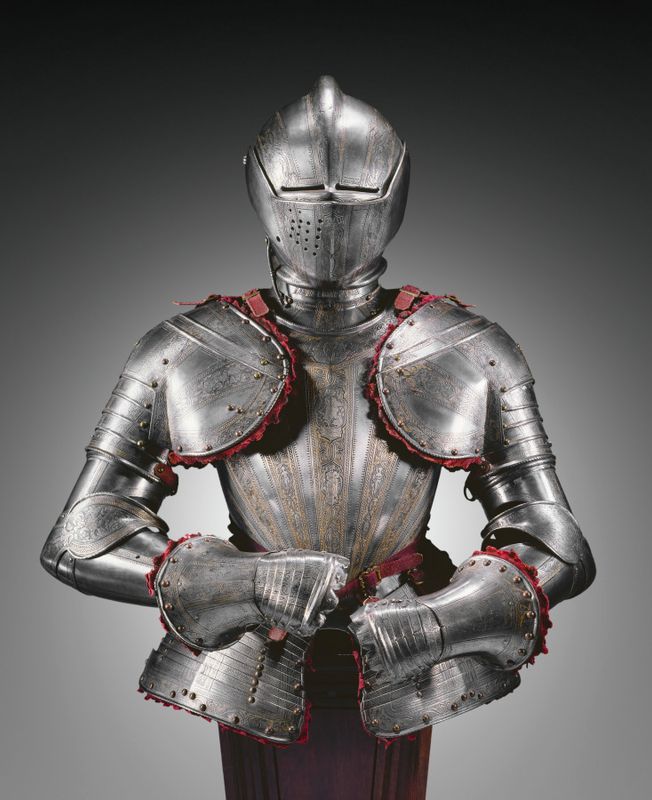
Half Armor for the Foot Tournament
Pompeo della Cesa · 1585 · Cleveland Museum of Art
 Same era · 1570s–1600s
La Pratique de l'Aiguille, page 2 (recto)
Matthias Mignerak · 1605 · The Metropolitan Museum of Art