01
The Custom House Tower
The slim tower rises dead center and cuts into the clouds. Its clock and pointed cap make it the anchor of the whole scene.
1 of 5 on the painting
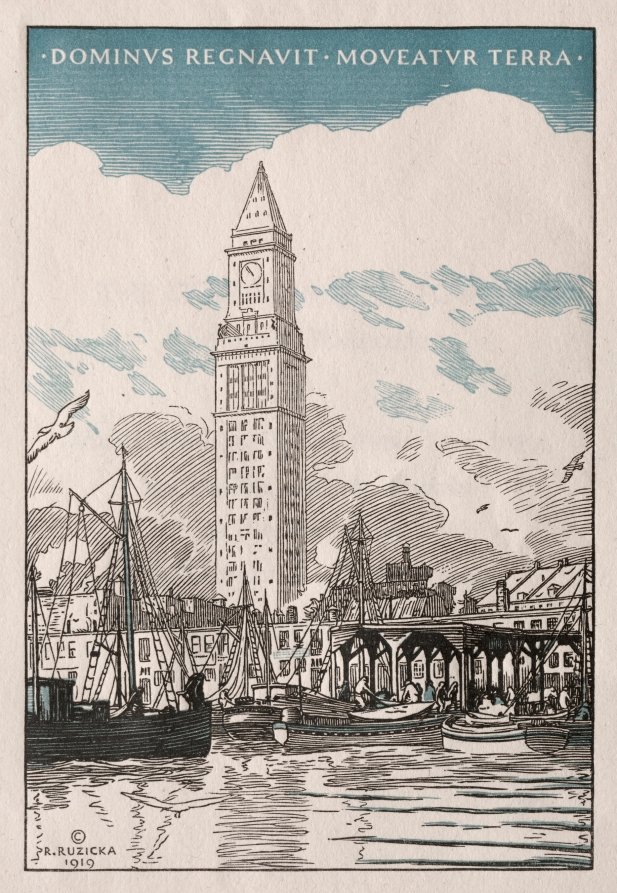
“This dramatic woodcut captures Boston's iconic Custom House Tower in 1919, showcasing its imposing height and the interplay of light and shadow over the city's waterside.”
In this striking chiaroscuro woodcut, the towering Custom House in Boston rises dramatically from the water, its intricate details rendered with a captivating interplay of light and shadow. The building, a neoclassical structure completed in 1849, was significantly expanded with a skyscraper tower in 1915, transforming the city's skyline. Here, Rudolph Ruzicka captures the structure from a unique waterside perspective, emphasizing its verticality and imposing presence. The technique of chiaroscuro woodcut, which uses multiple blocks to create different tones, lends a rich, almost theatrical depth to the scene, making the building seem to emerge from a soft, atmospheric haze. This print offers a glimpse into a rapidly modernizing urban landscape, where historic architecture met new, ambitious heights.
Five details hide in plain sight. Pick one and we’ll show you exactly where to look.
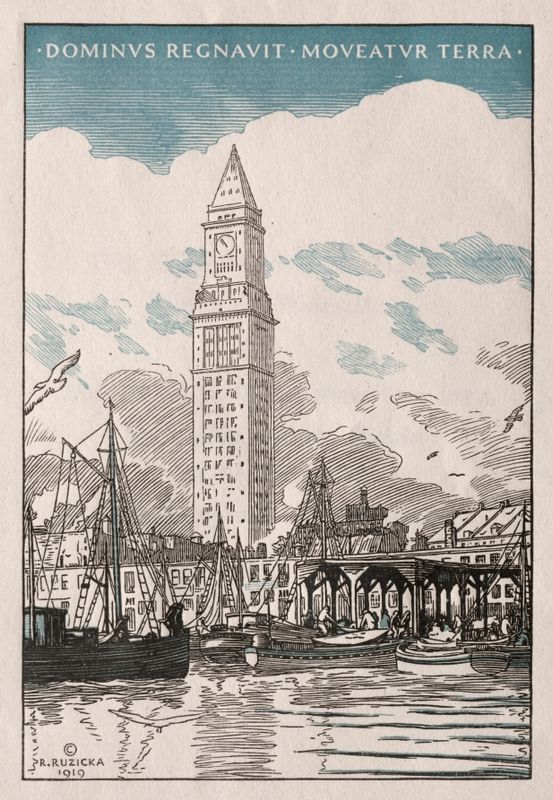
The slim tower rises dead center and cuts into the clouds. Its clock and pointed cap make it the anchor of the whole scene.
Ship masts and rigging at left and right rise toward the tower. Their thin vertical and slanting lines frame it and lead your eye up its height.
Dense, curving black lines build the dark clouds behind the tower. The contrast makes the pale stone of the shaft glow against them.
Look at the top edge, where a flat teal tone carries streaks of cut lines. The added color gives the sky a cool tone, and patches of teal also appear in the clouds lower down.
Under the open wooden shed at right, tiny figures gather near small boats. They hint at the working life of the harbor.
The full narration walks you through The Custom House Tower from the Waterside — the story behind it, the details most visitors miss, and why it matters. Free in the Art Whisper app.
Rudolph Ruzicka was a Czech American master of wood engraving and typeface design, celebrated for his intricate urban landscapes and influential typefaces like Fairfield.
Beyond Ruzicka: works from the same years.
 Same era · 1900s–1930s
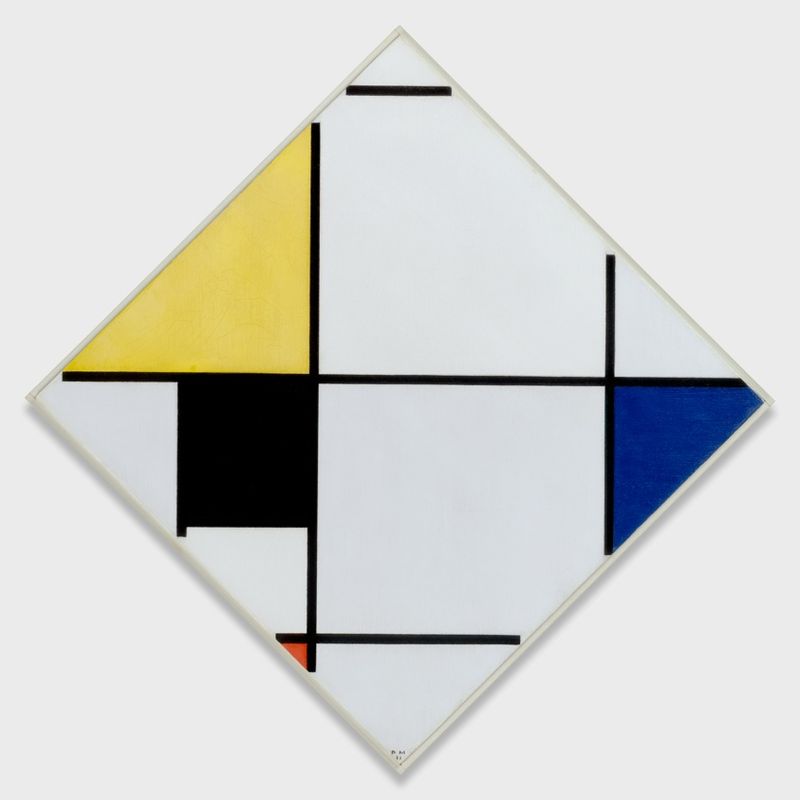
Lozenge Composition with Yellow, Black, Blue, Red, and Gray
Piet Mondrian · 1921 · Art Institute of Chicago
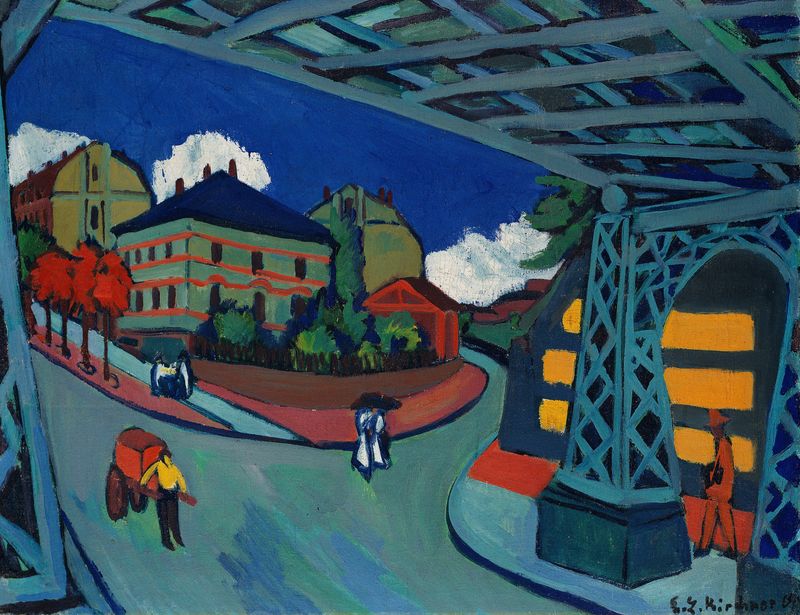 Same era · 1900s–1930s
Railway Bridge on Löbtauer Strasse in Dresden
Ernst Ludwig Kirchner · 1918 · Galerie Neue Meister
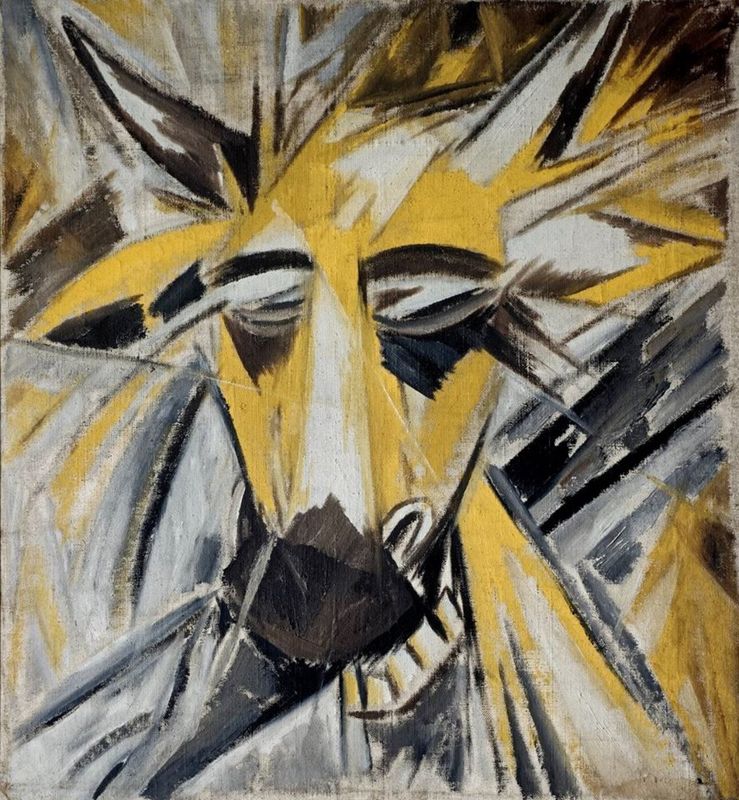 Same era · 1900s–1930s
Bull's Head
Mikhail Larionov · 1913 · Tretyakov Gallery
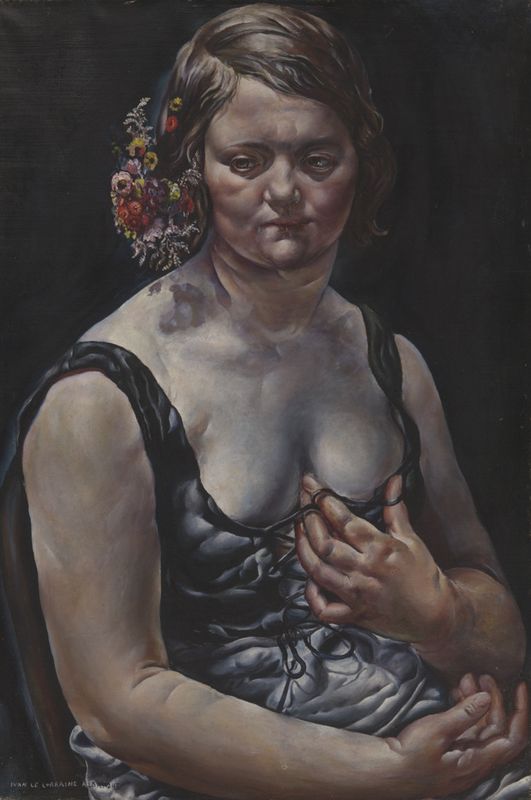 Same era · 1900s–1930s
Memories of the Past
Ivan Puni · 1927 · Art Institute of Chicago
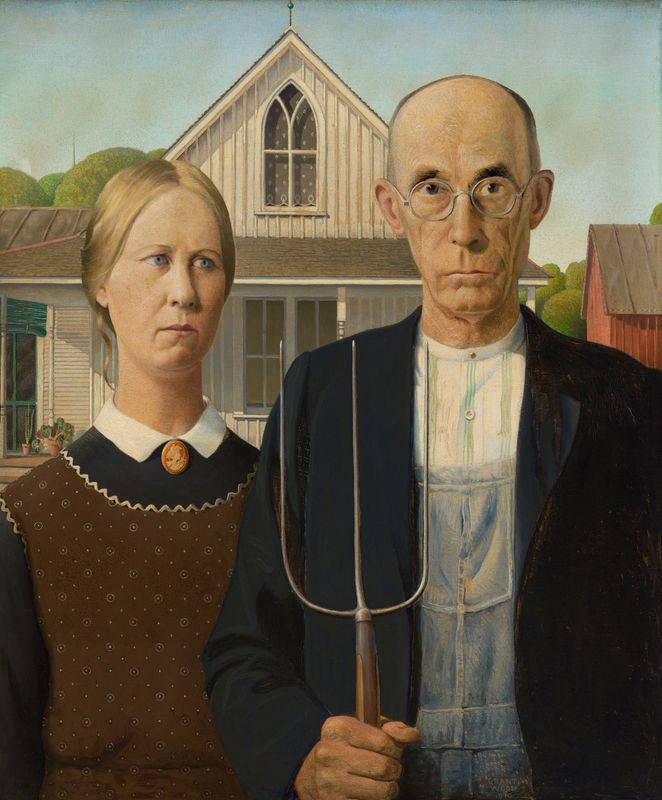 Same era · 1900s–1930s
American Gothic
Okada Saburosuke · 1930 · Art Institute of Chicago
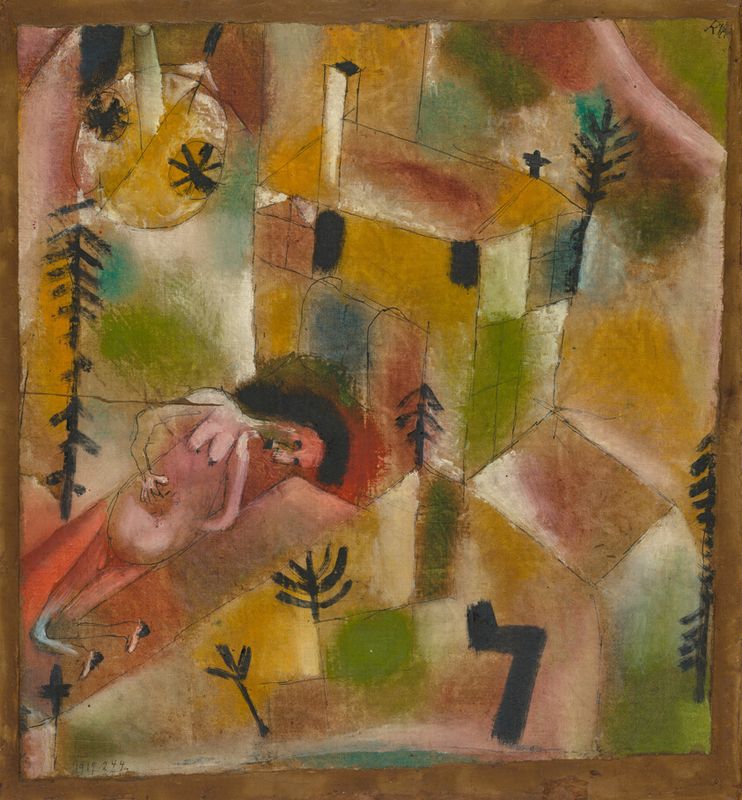 Same era · 1900s–1930s
Death in the Garden (Legend)
Paul Klee · 1919 · Art Institute of Chicago
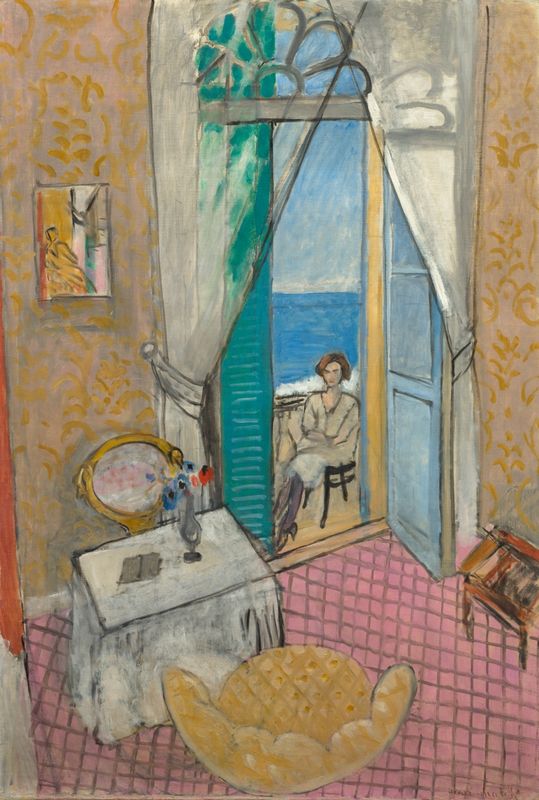 Same era · 1900s–1930s
Interior at Nice
Henri Matisse · 1919 · Art Institute of Chicago
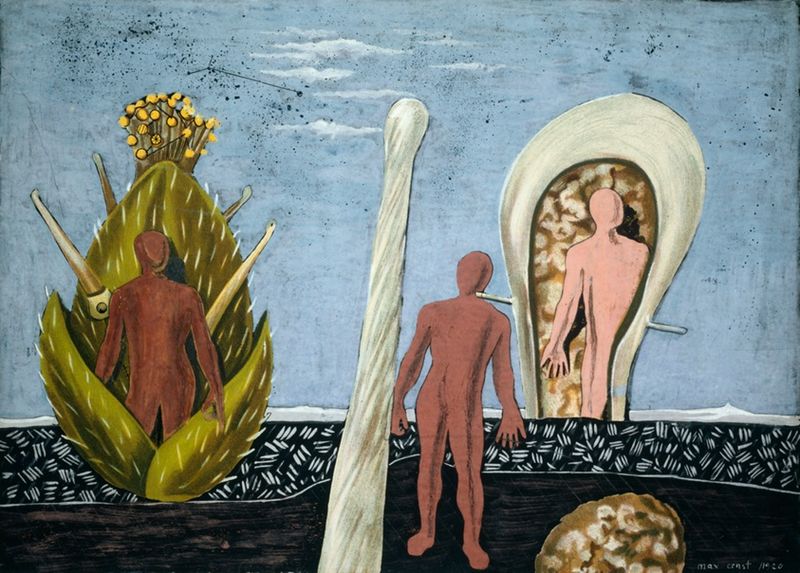 Same era · 1900s–1930s
Dada Gauguin
Max Ernst · 1920 · Art Institute of Chicago
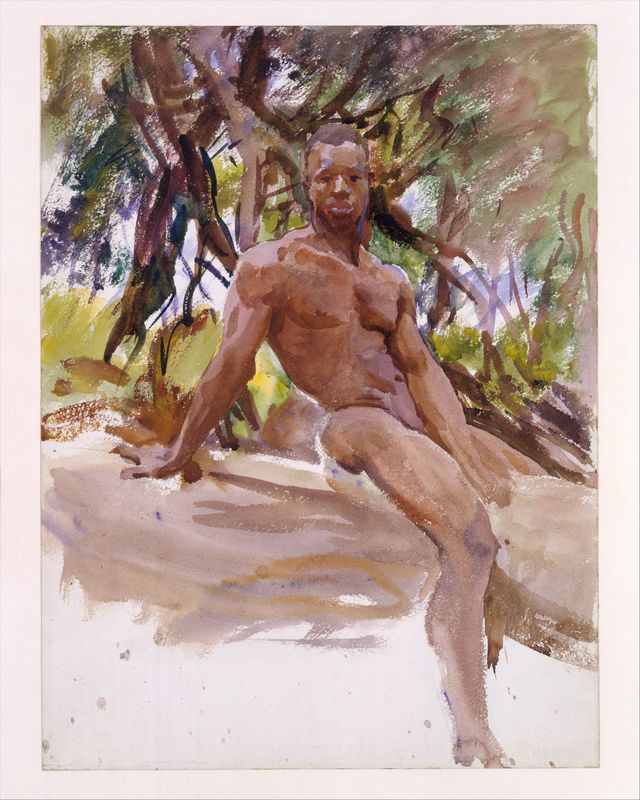 Same era · 1900s–1930s
Man and Trees, Florida
John Singer Sargent · 1917 · The Metropolitan Museum of Art
 Same era · 1900s–1930s
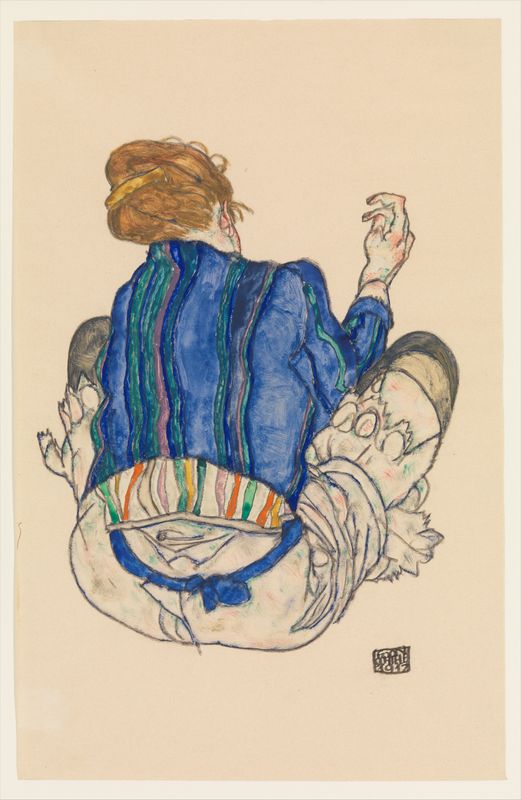
Seated Woman, Back View
Egon Schiele · 1917 · The Metropolitan Museum of Art
 Same era · 1900s–1930s
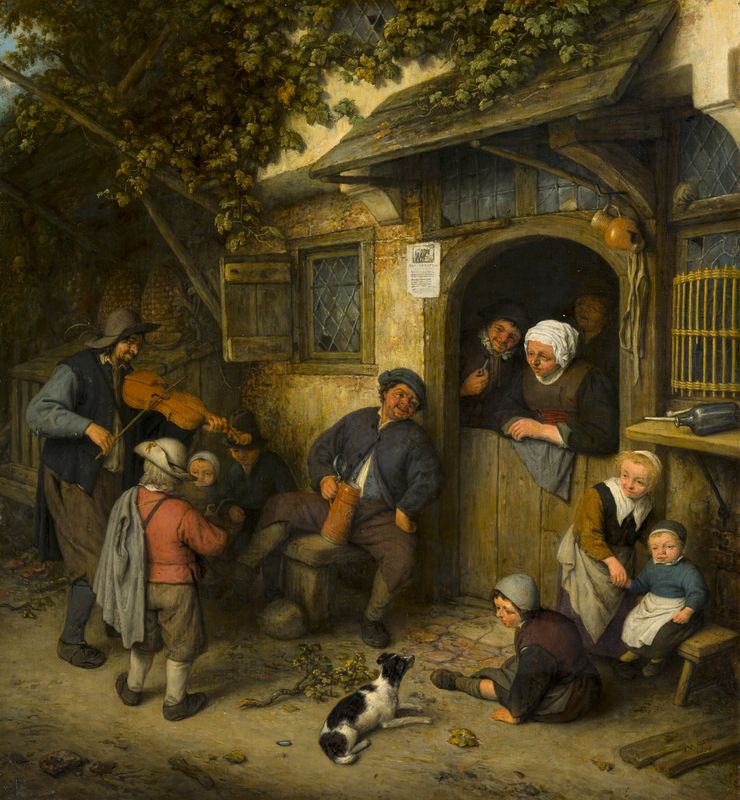
The Fiddler
Norman Rockwell · 1921 · Brandywine Museum of Art
 Same era · 1900s–1930s
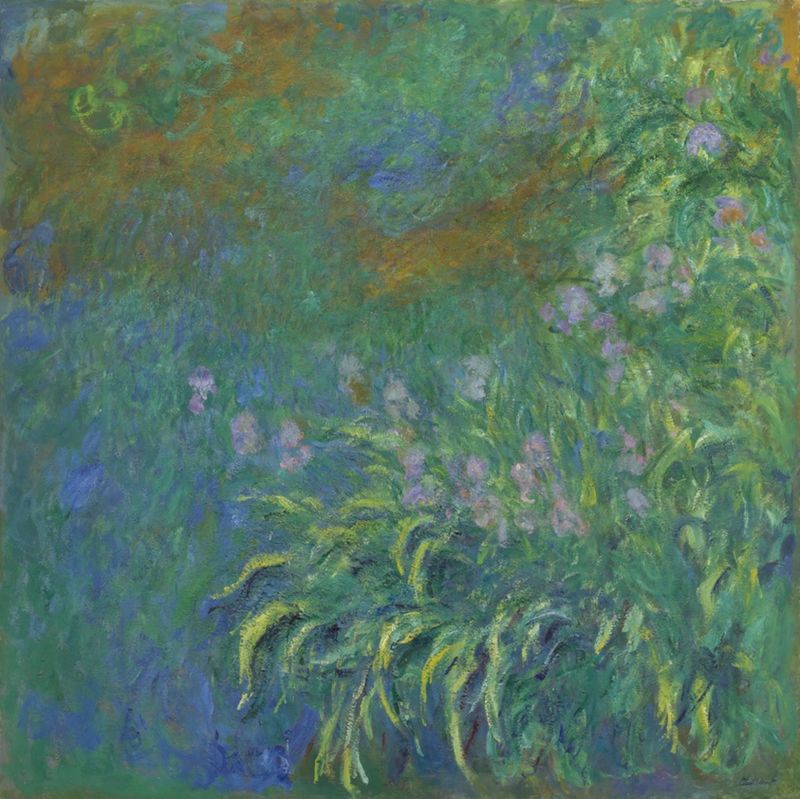
Irises
Claude Monet · 1915 · National Gallery