01
The cobbler at work
On the left, the cobbler in a leather apron sits by his bench, hand raised to his mouth. He anchors the room and shows the trade the title promises.
1 of 5 on the painting
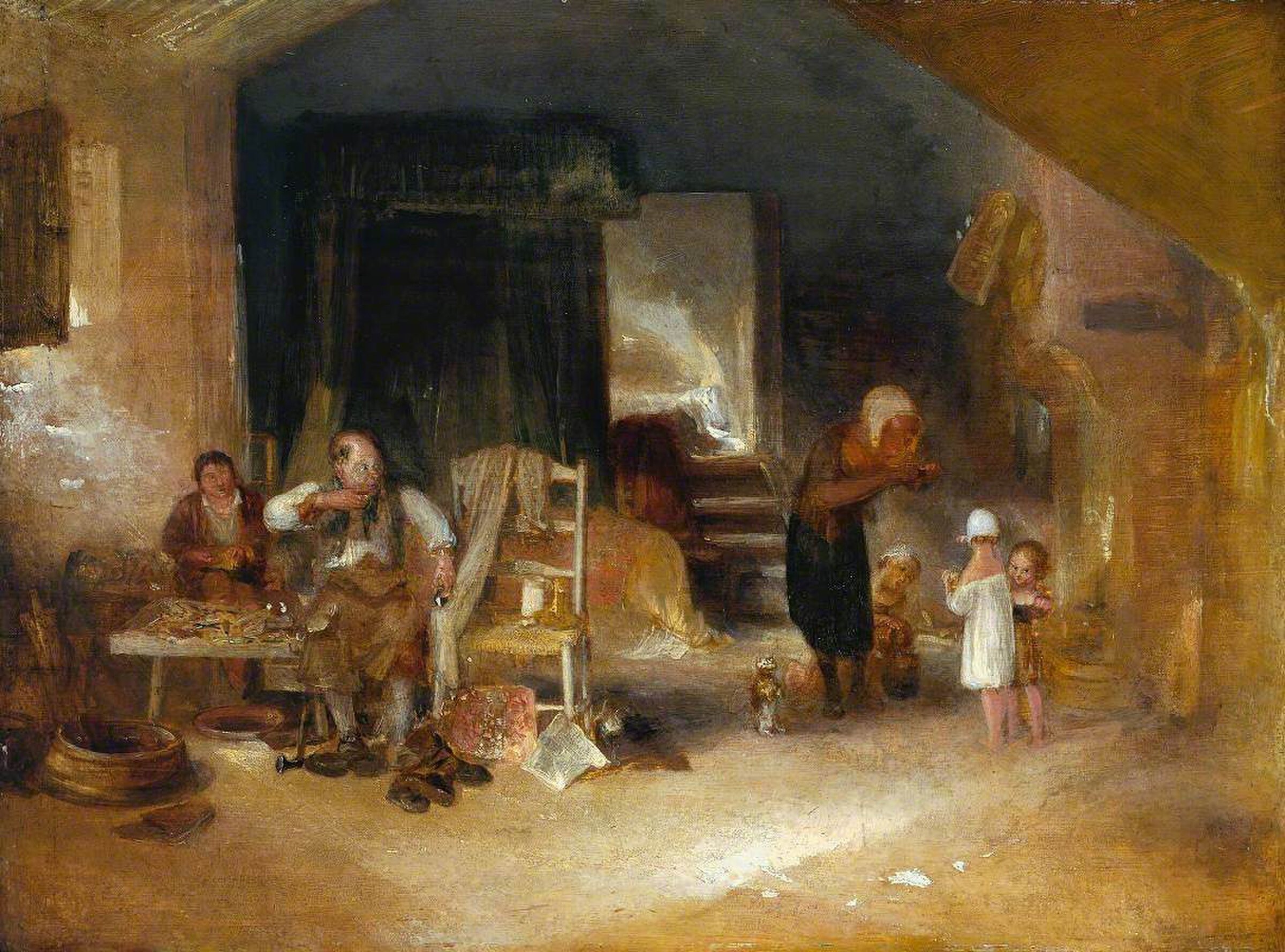
“Stop to appreciate this intimate domestic scene by J. M. W. Turner. It's a rare glimpse into everyday life, showcasing his remarkable ability to capture the subtle beauty of light and shadow in a humble setting.”
In J. M. W. Turner's "The Cobbler’s Home," a cozy domestic scene unfolds, bathed in a soft, ethereal light. The composition draws your eye into a modest interior, where the cobbler, likely the patriarch, diligently works at his bench. This painting offers a rare glimpse into the everyday life of ordinary people, a departure from the dramatic landscapes and turbulent seascapes often associated with the artist. Here, the focus is on quiet industry and the warmth of home, rendered with a delicate touch that emphasizes the textures of the room and the gentle play of light and shadow, suggesting a sense of peace and humble contentment within the domestic sphere. Painted around 1825, it reflects a moment of intimate observation, capturing a fleeting scene with an almost photographic immediacy.
Five details hide in plain sight. Pick one and we’ll show you exactly where to look.
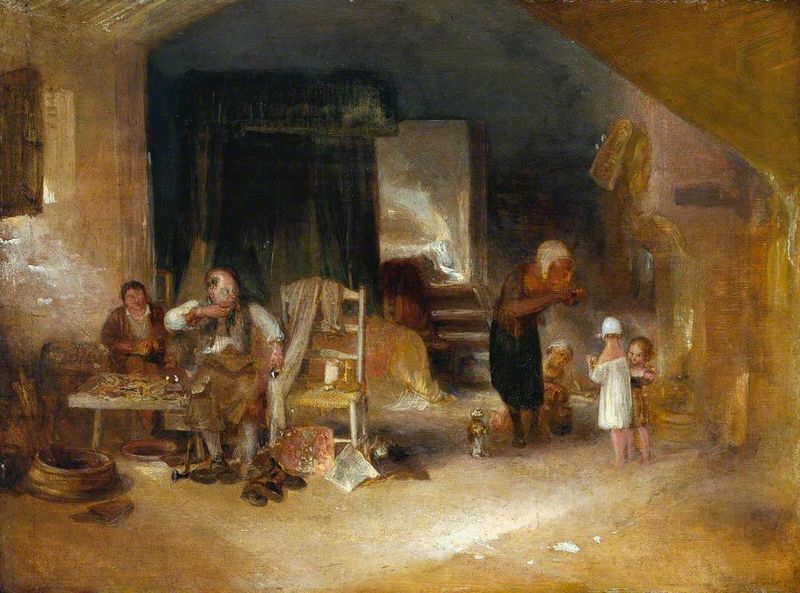
On the left, the cobbler in a leather apron sits by his bench, hand raised to his mouth. He anchors the room and shows the trade the title promises.
The workbench is covered in small, quick flecks of paint that read as tools and leather scraps. They suggest clutter without any one object being spelled out.
A small dog stands on the floor near the children. Not far from the cobbler's chair lie a folded paper and a rough pink block, little bits of clutter that make the room feel lived in.
A stooped figure in dark clothes bends forward near the stairs, raising a hand to the face. The dark shape stands out against the paler wall and balances the cobbler on the left.
On the right, a child in a white nightshirt and cap stands with a smaller child peeking out beside. The brightest cloth in the room draws the eye to them.
The full narration walks you through The Cobbler’s Home — the story behind it, the details most visitors miss, and why it matters. Free in the Art Whisper app.
J. M. W. Turner, the 'painter of light,' transformed landscape painting with his turbulent marine scenes and expressive use of color.
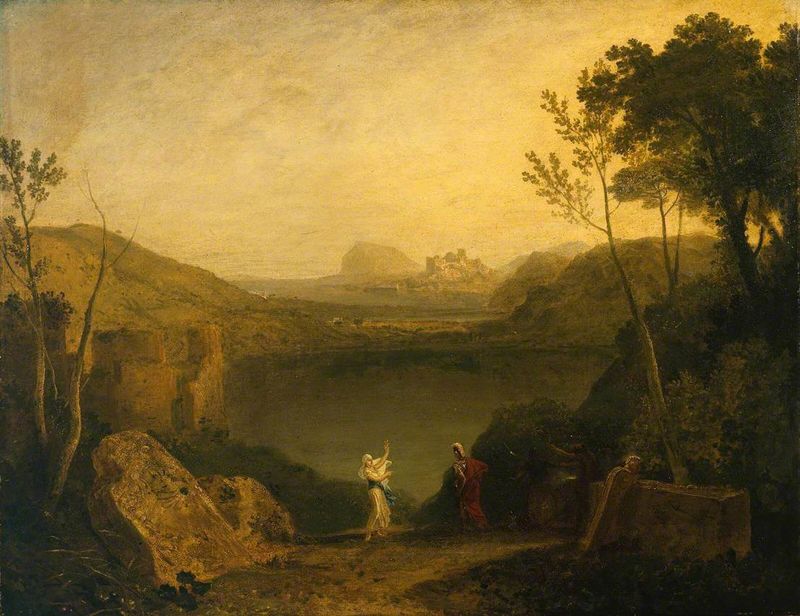 Aeneas and the Sibyl, Lake Avernus
1798 · National Gallery
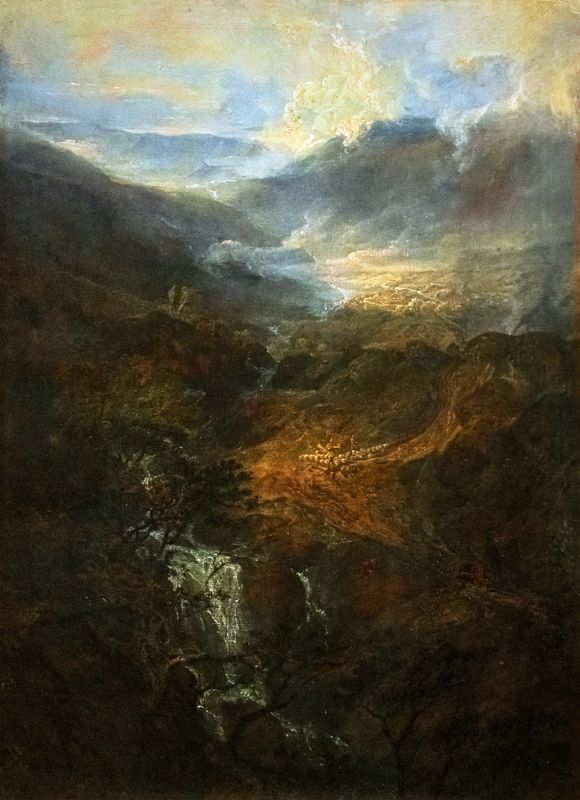 Morning amongst the Coniston Fells, Cumberland
1798 · National Gallery
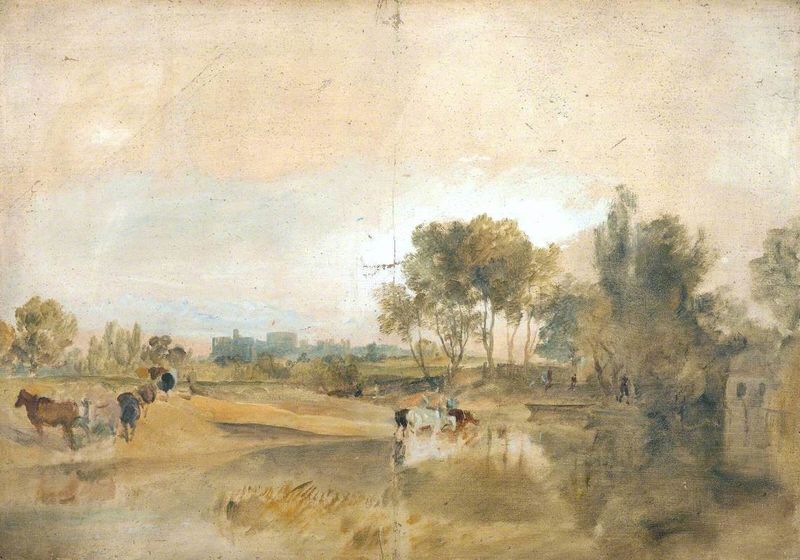 A Thames Backwater with Windsor Castle in the Distance
1805 · National Gallery
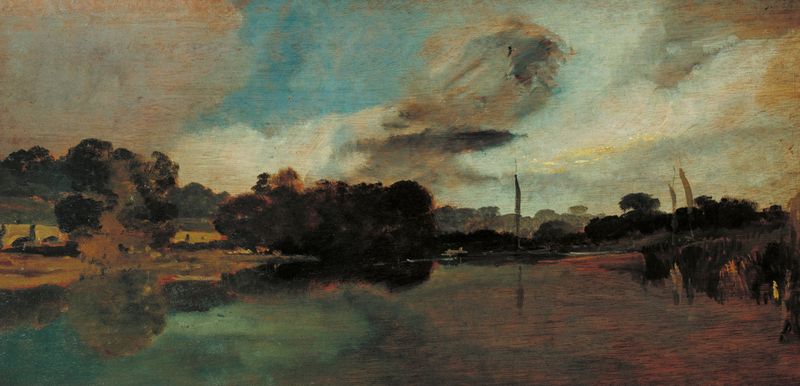 Walton Reach
1805 · National Gallery
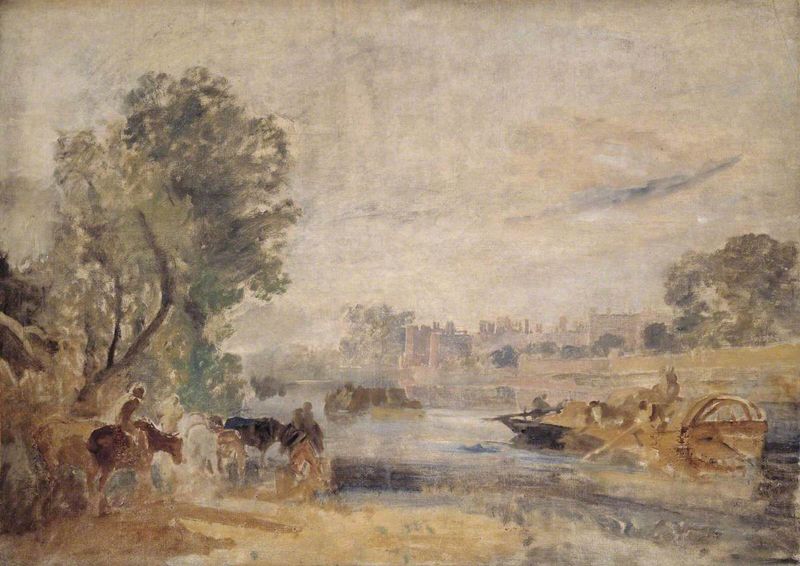 Hampton Court from the Thames
1806 · National Gallery
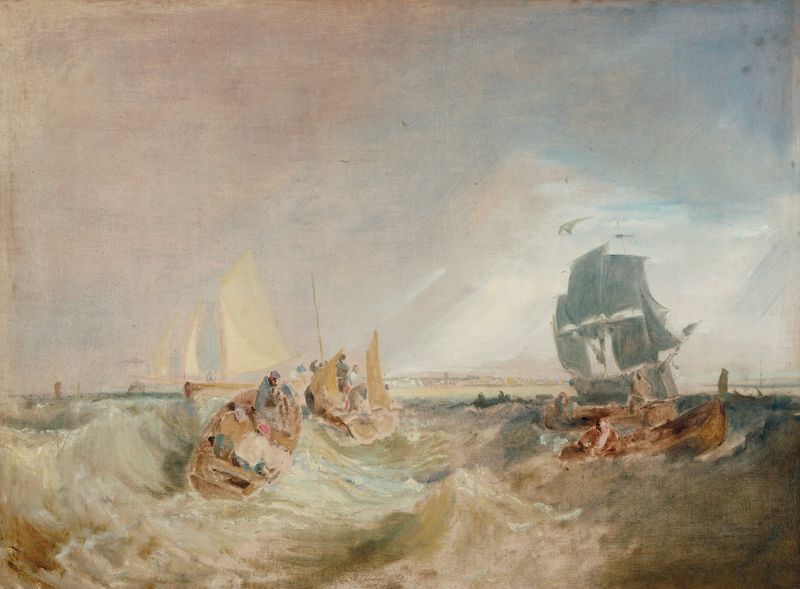 Shipping at the Mouth of the Thames
1806 · National Gallery
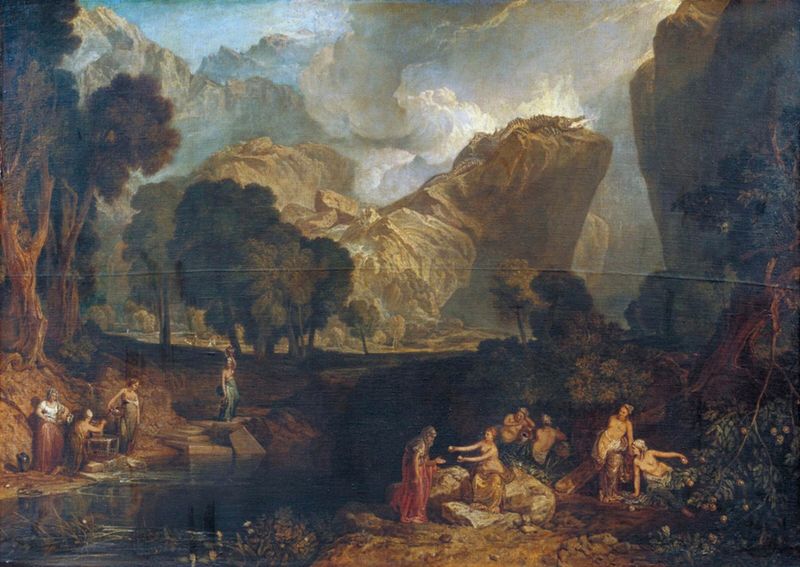 The Goddess of Discord Choosing the Apple of Contention in the Garden of the Hesperides
1806 · National Gallery
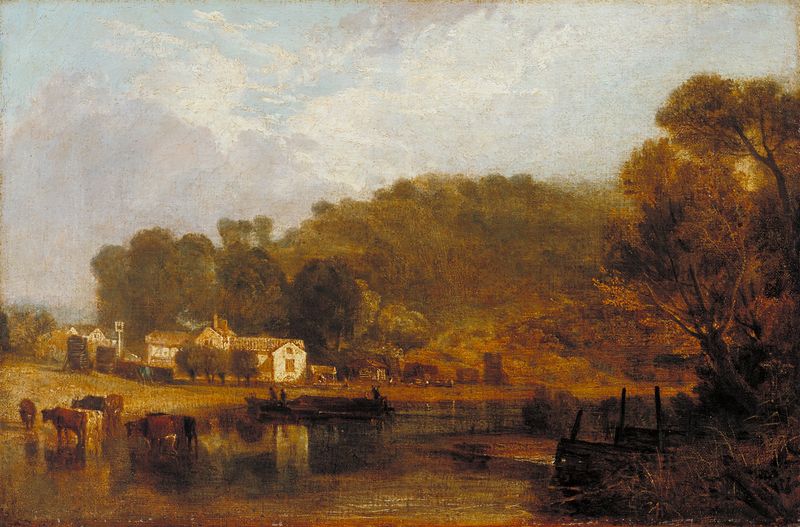 Cliveden on Thames
1807 · National Gallery
Beyond Turner and Romanticism: works from the same years.
 Same era · 1810s–1840s
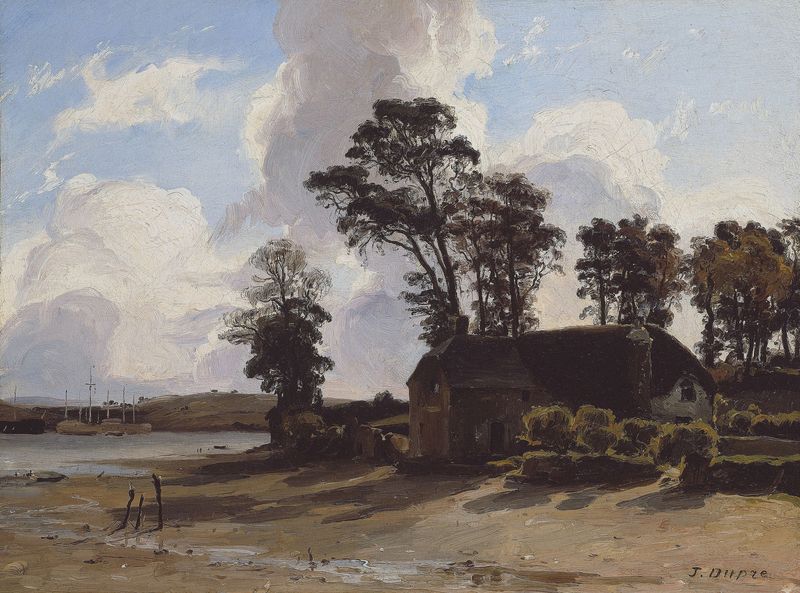
The Estuary Farm
Léon-Victor Dupré · 1831 · Art Institute of Chicago
 Same era · 1810s–1840s
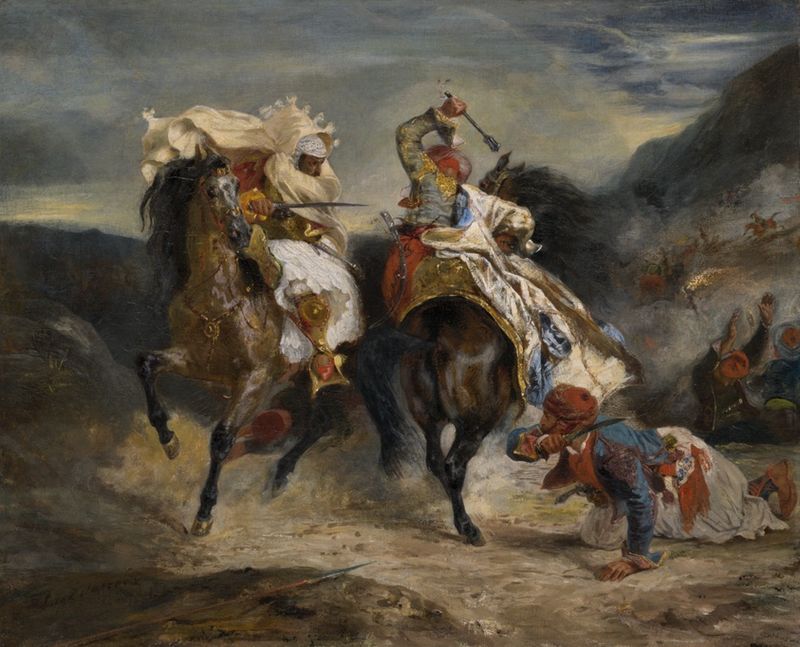
The Combat of the Giaour and Hassan
Eugène Delacroix · 1826 · Art Institute of Chicago
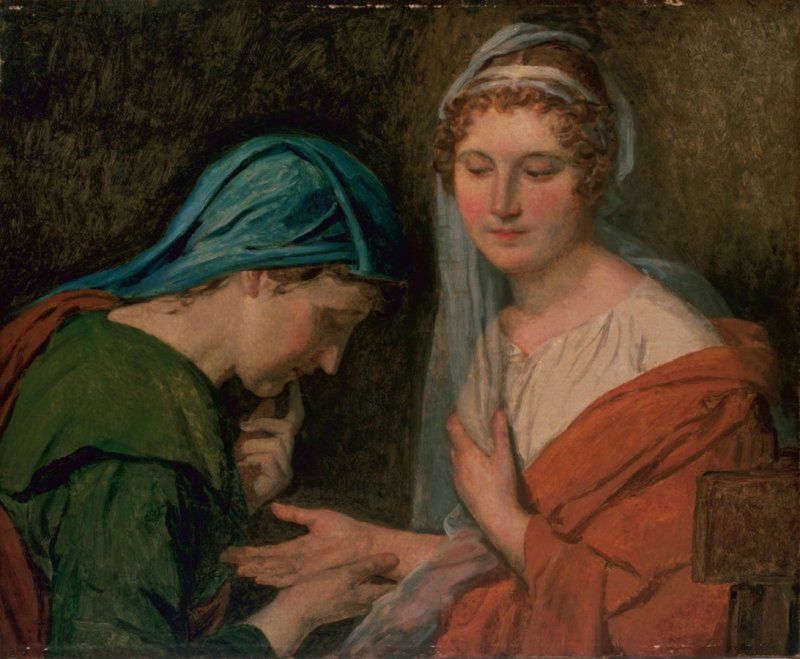 Same era · 1810s–1840s
The Fortune Teller (La Bonne Aventure)
Jacques-Louis David · 1824 · Fine Arts Museums of San Francisco
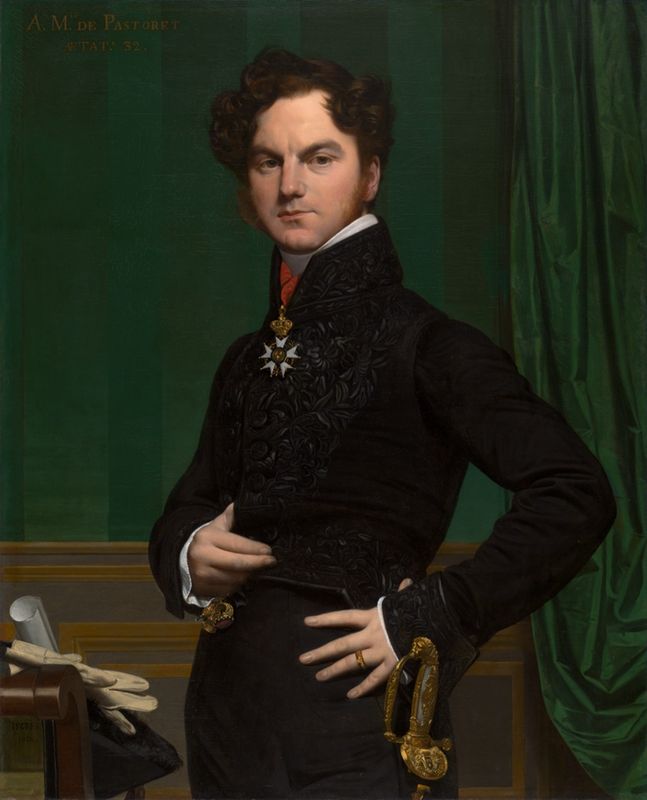 Same era · 1810s–1840s
Amédée-David, the Comte de Pastoret
Jean-Auguste-Dominique Ingres · 1823 · Art Institute of Chicago
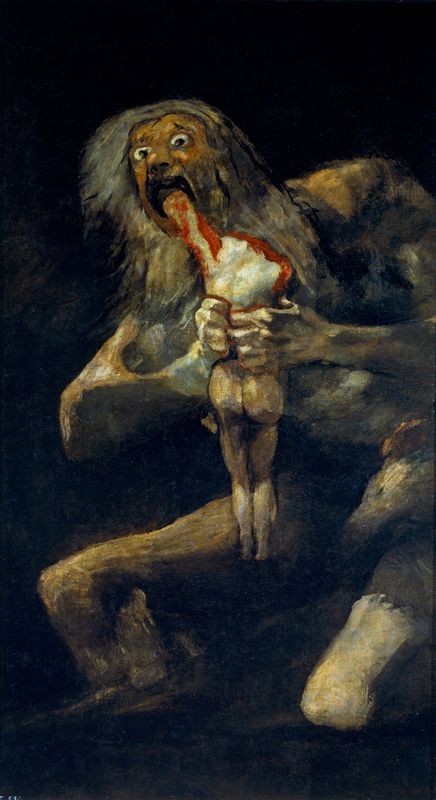 Same era · 1810s–1840s
Saturn Devouring His Son
Francisco Goya · 1820 · Museo del Prado
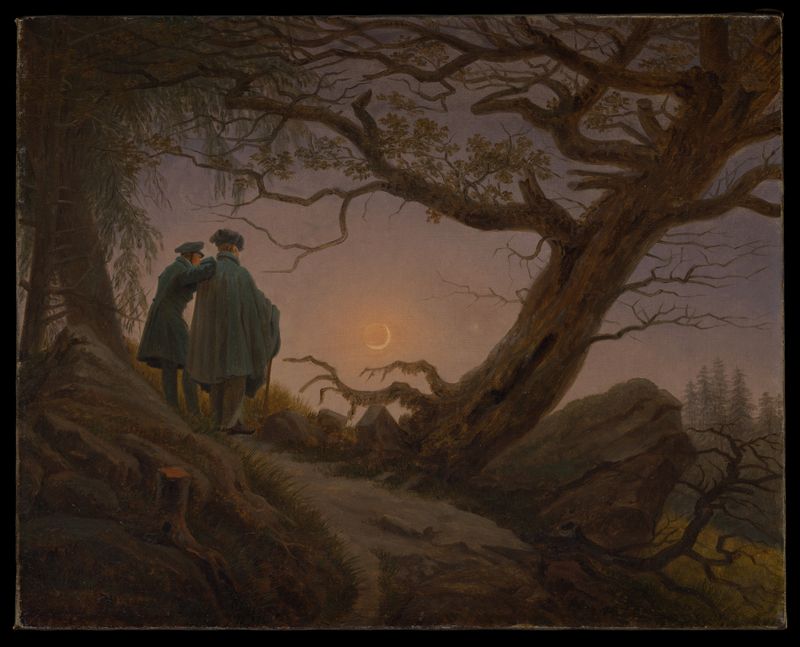 Same era · 1810s–1840s
Two Men Contemplating the Moon
Caspar David Friedrich · 1819 · Staatliche Kunstsammlungen Dresden
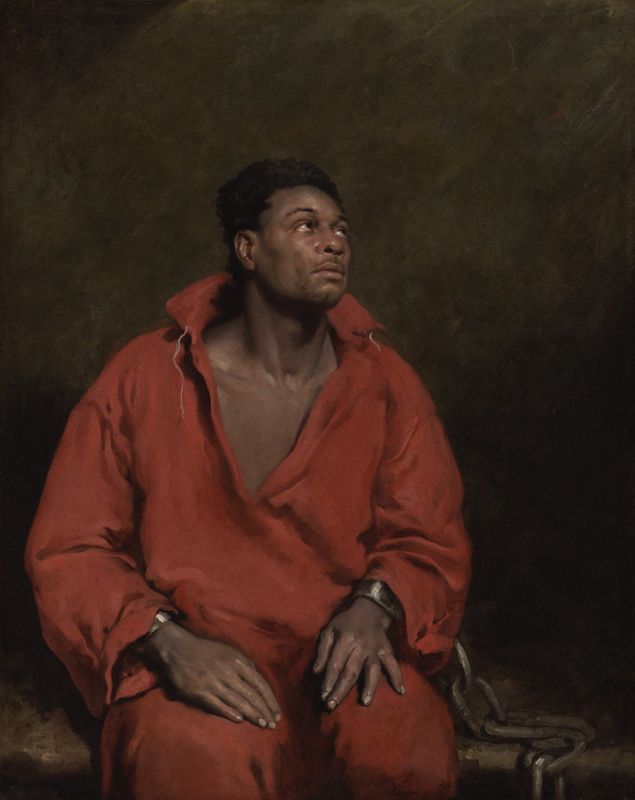 Same era · 1810s–1840s
The Captive Slave (Ira Aldridge)
John Philip Simpson · 1827 · Art Institute of Chicago
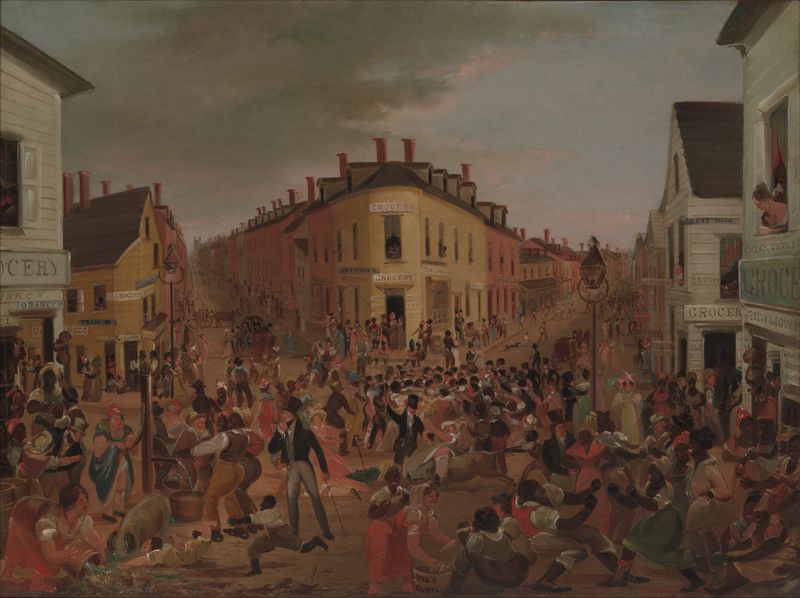 Same era · 1810s–1840s
The Five Points
Artist Unknown - The Mercat Cross, Aberdeen · 1822 · The Metropolitan Museum of Art
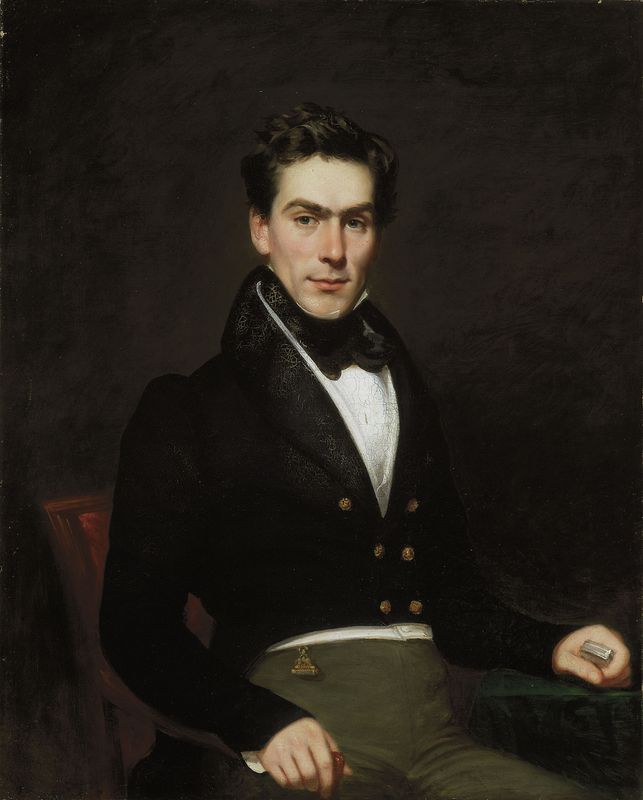 Same era · 1810s–1840s
Mr. James Mackie
Samuel Alcock & Company · 1830 · Art Institute of Chicago
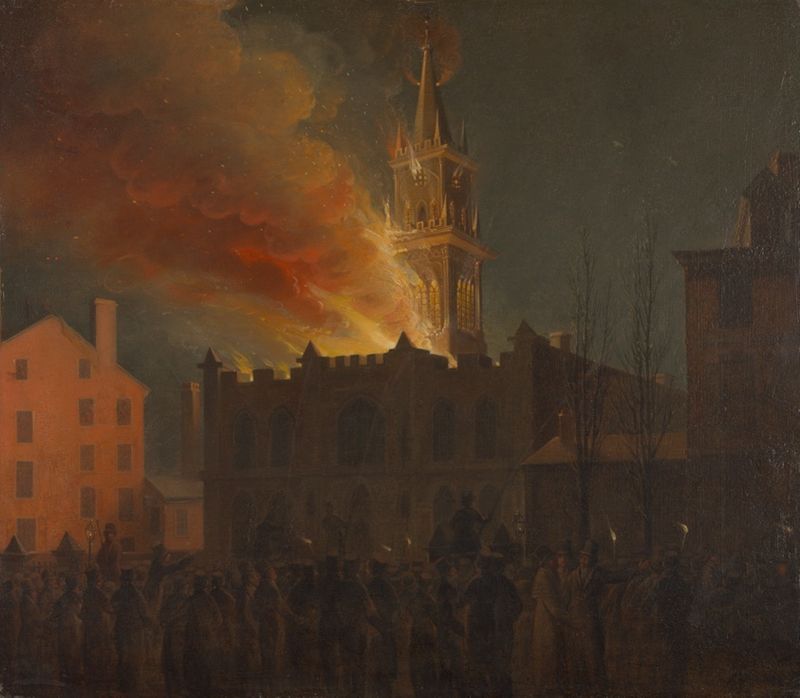 Same era · 1810s–1840s
Conflagration of the Masonic Hall, Chestnut Street, Philadelphia, Pennsylvania
Samuel Jones · 1819 · Art Institute of Chicago
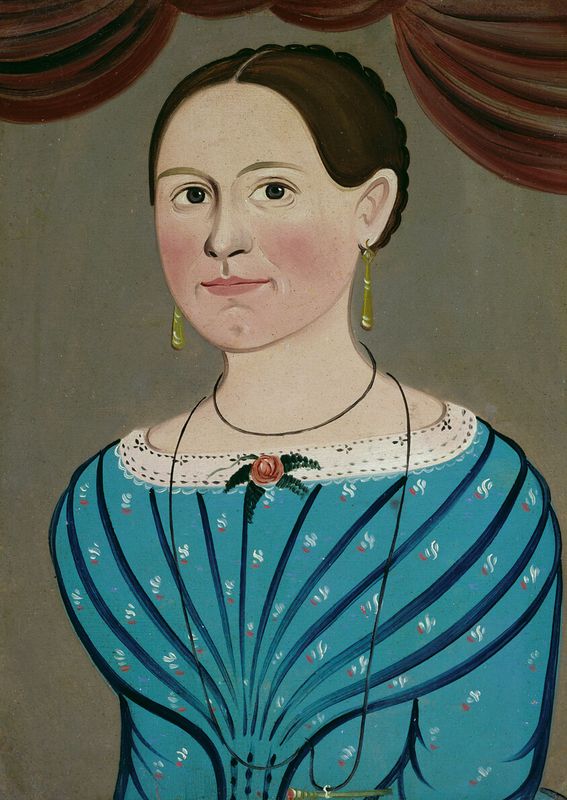 Same era · 1810s–1840s
Woman in a Blue Dress
School of William Matthew Prior · 1840 · Art Institute of Chicago
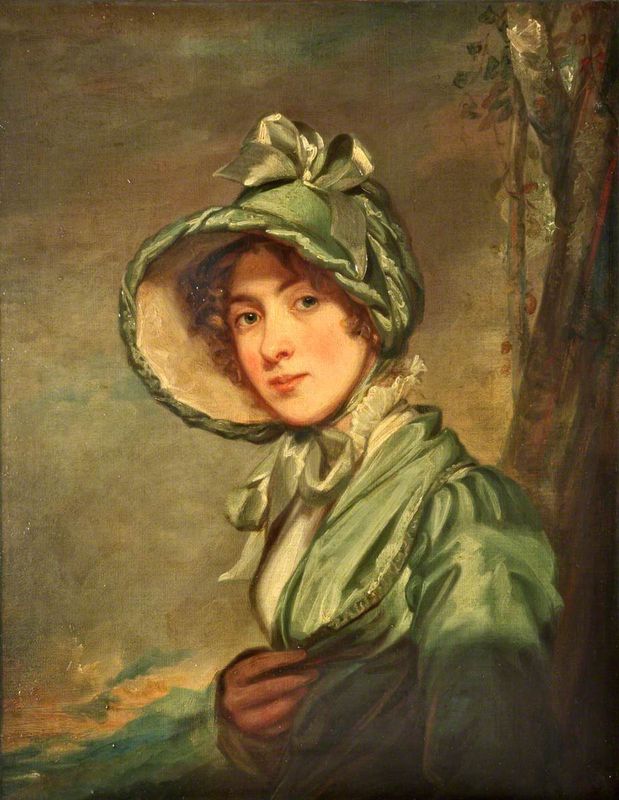 Same era · 1810s–1840s
Mrs Jane Romney (1786–1861)
Thomas Stewardson · 1825 · Lady Lever Art Gallery