
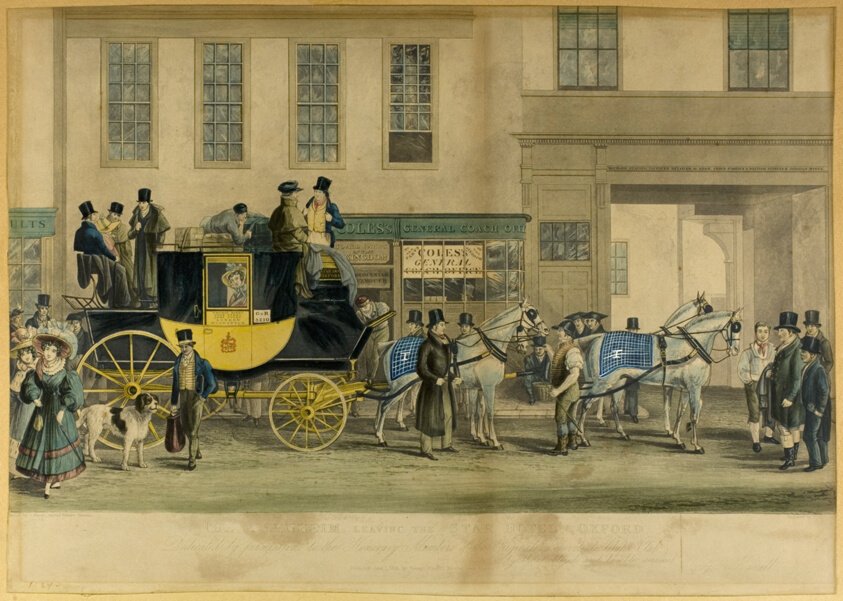
“This aquatint, heightened with watercolor, offers a vibrant glimpse into 19th-century travel, capturing the bustling energy of a stagecoach departure from a historic Oxford hotel. It's a snapshot of a bygone era, rendered with remarkable detail and atmospheric color.”
A stagecoach, likely the famous Blenheim, prepares to depart from the Star Hotel in Oxford, its horses straining as the driver readies for the journey. The scene captures a moment of bustling activity, with travelers and staff moving around the coach, their figures rendered with delicate detail. Havell uses aquatint, a printmaking technique that creates tonal effects similar to watercolor, which he then enhances with actual watercolor, giving the image a soft, painted quality. This blend of techniques allows for a vivid depiction of the architecture and the lively atmosphere of a 19th-century coaching inn, a vital hub for travel and communication in its era. The cool light of the morning or late afternoon illuminates the building and figures, emphasizing the texture of the stone and the movement of the horses.
- Artist
- William Havell
- Date
- 1831
- Medium
- Aquatint, heightened with watercolor, on paper
- Location
- Art Institute of Chicago
- Collection
- Prints and Drawings
- Culture
- England
- Credit line
- Bequest of Marie S. Budd
What to Notice
Five details hide in plain sight. Here’s where to look.
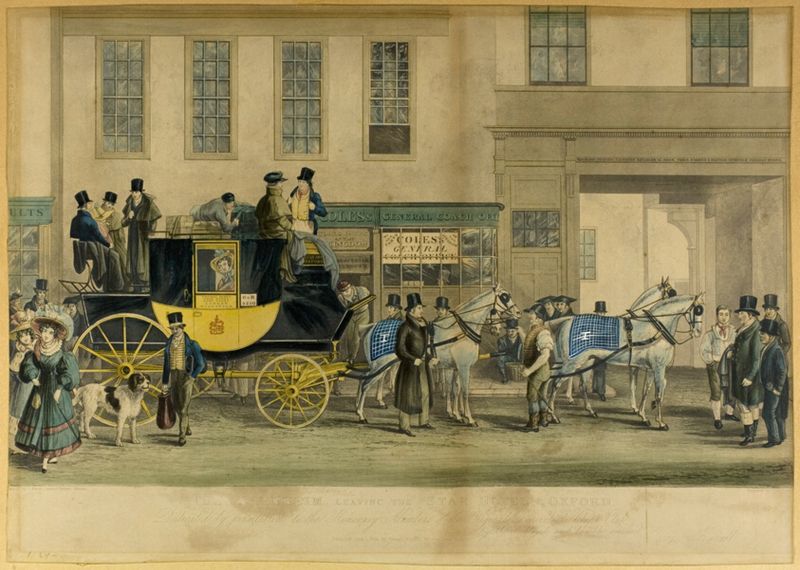
The intricate details of the stagecoach, from its wheels to the luggage piled on top.
The expressions and attire of the figures, suggesting their roles and social status.
The architectural features of the Star Hotel, a prominent Oxford landmark.
The subtle watercolor washes that bring warmth and depth to the aquatint.
1 more detail is waiting.
See all 5 in Art Whisper →Stand in front of it and listen
The full narration walks you through The Blenheim, Leaving the Star Hotel, Oxford — the story behind it, the details most visitors miss, and why it matters. Free in the Art Whisper app.
William Havell
1782–1857 · Kingdom of Great BritainWilliam Havell, a founding member of the Society of Painters in Watercolours, captured the dramatic landscapes of Wales and the Lake District before embarking on a global journey.
Further Works by Havell
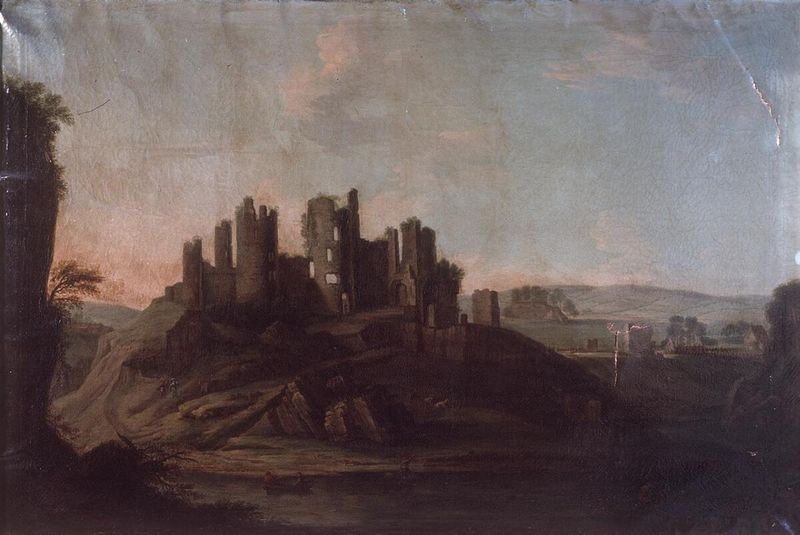 Cilgerran Castle
1805 · National Museum Cardiff
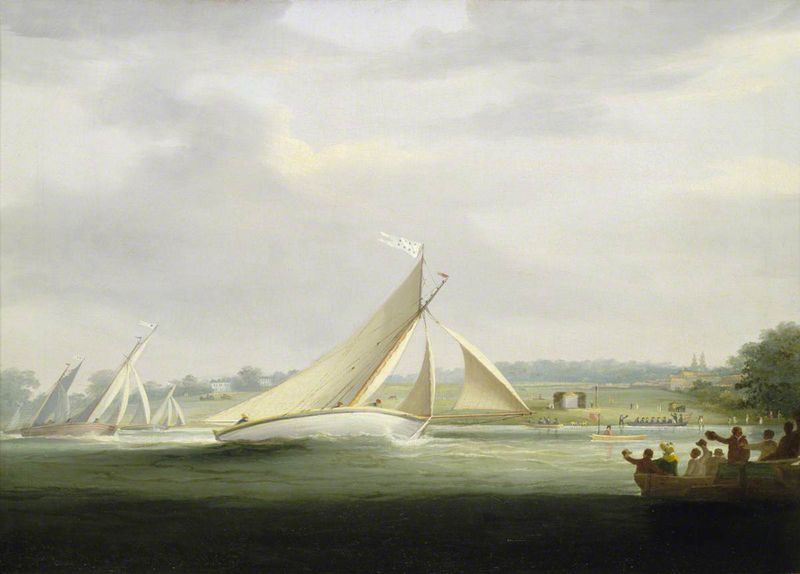 Yachts of the Cumberland Society Racing on the Thames, circa 1815
1815 · Royal Museums Greenwich
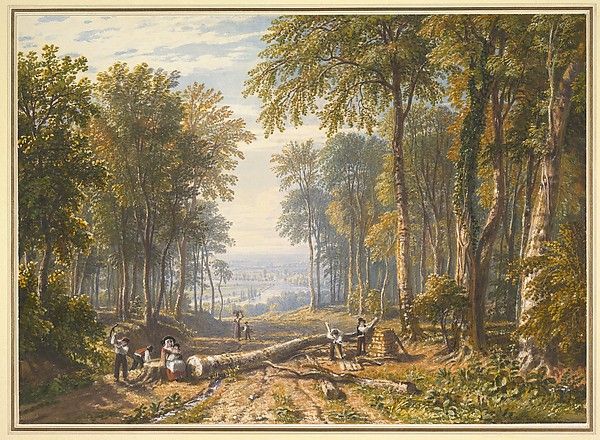 Woodcutters at Park Place, Henley, the River Thames Beyond
1821 · The Metropolitan Museum of Art
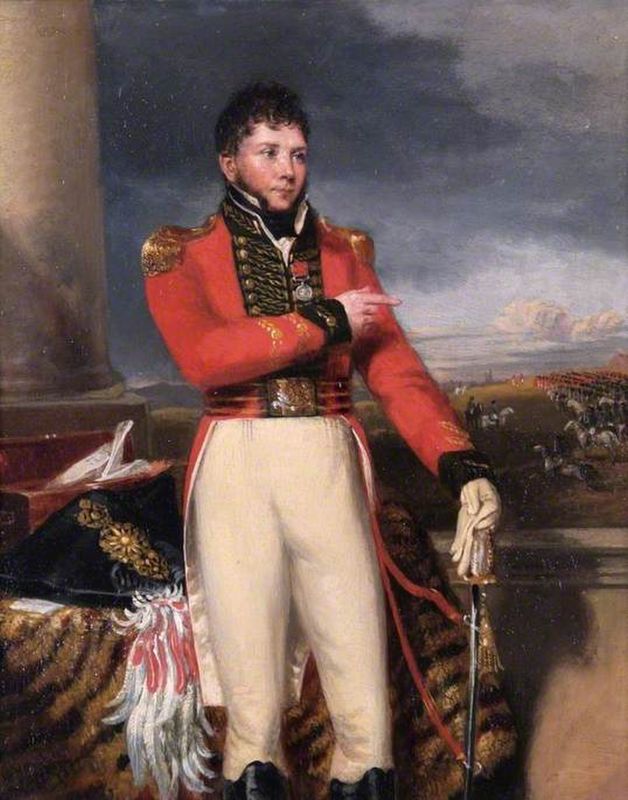 Indian Army Officer
1822 · Reading Museum
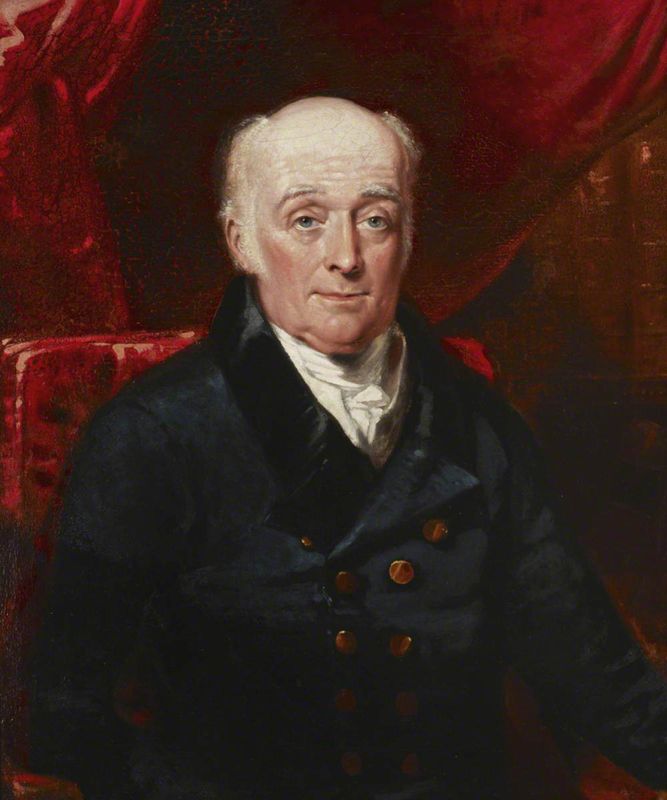 Lieutenant Colonel William Lambton (1756–1823)
1822 · Royal Asiatic Society of Great Britain and Ireland
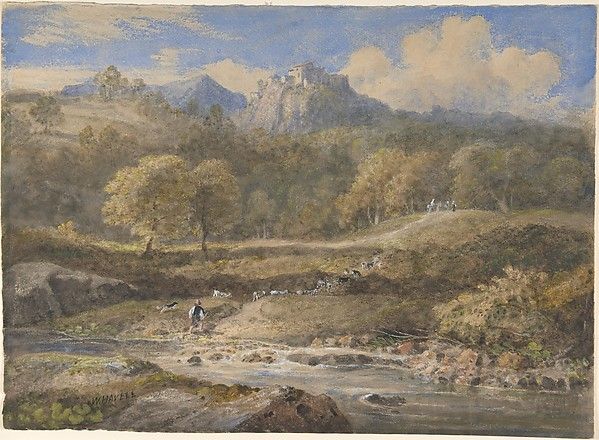 Licenza, near Rome: Horace's Villa
1828 · The Metropolitan Museum of Art
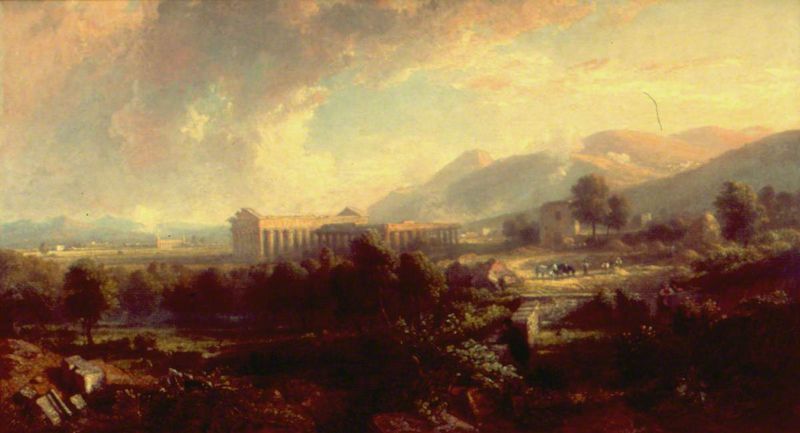 Temple of Paestum, Italy
1830 · Reading Museum
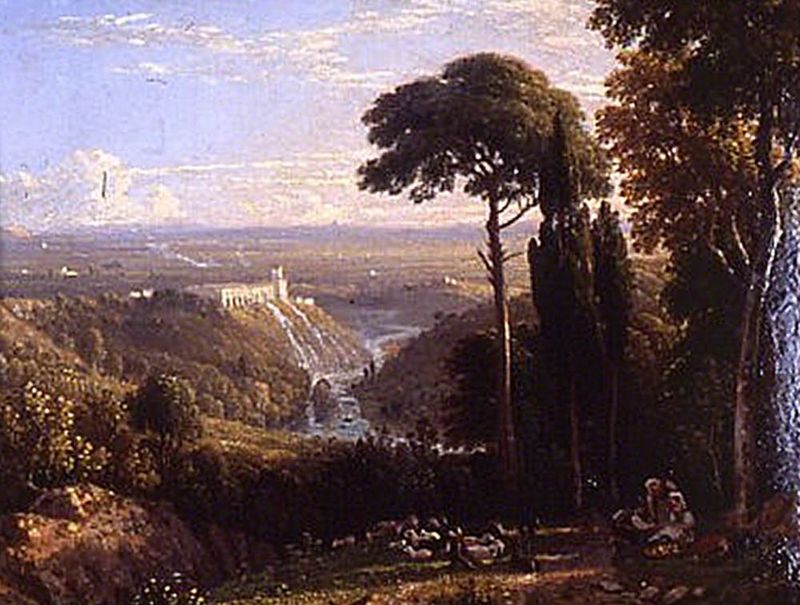 Tivoli, Italy
1830 · Reading Museum
More works to explore
Beyond Havell: works from the same years.
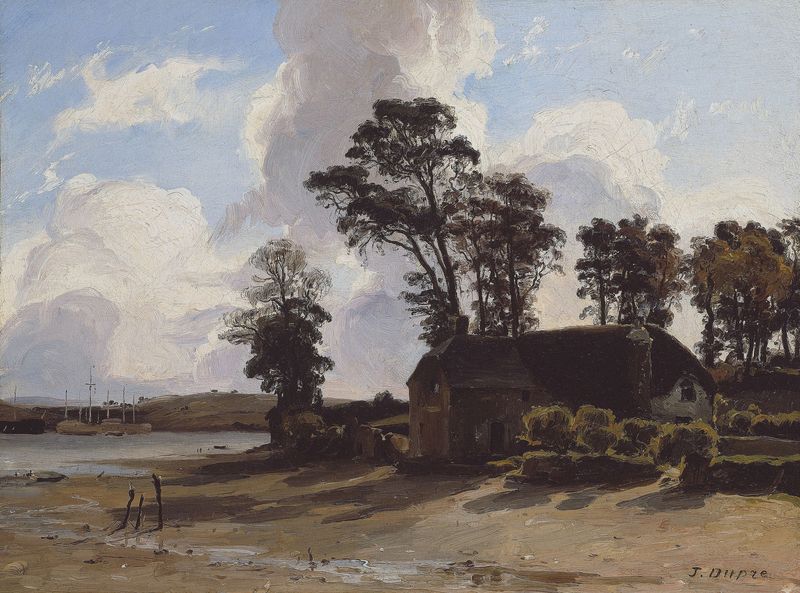 Same era · 1810s–1840s
The Estuary Farm
Léon-Victor Dupré · 1831 · Art Institute of Chicago
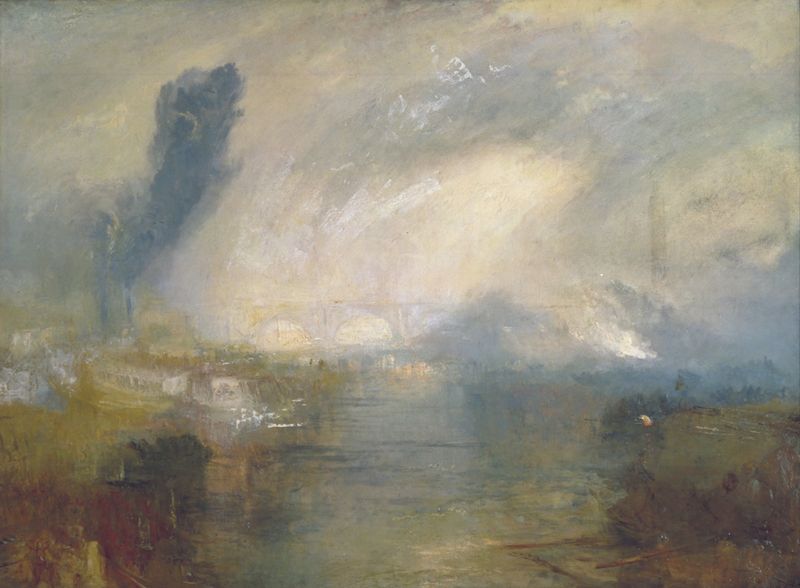 Same era · 1810s–1840s
The Thames above Waterloo Bridge
J. M. W. Turner · 1830 · National Gallery
 Same era · 1810s–1840s
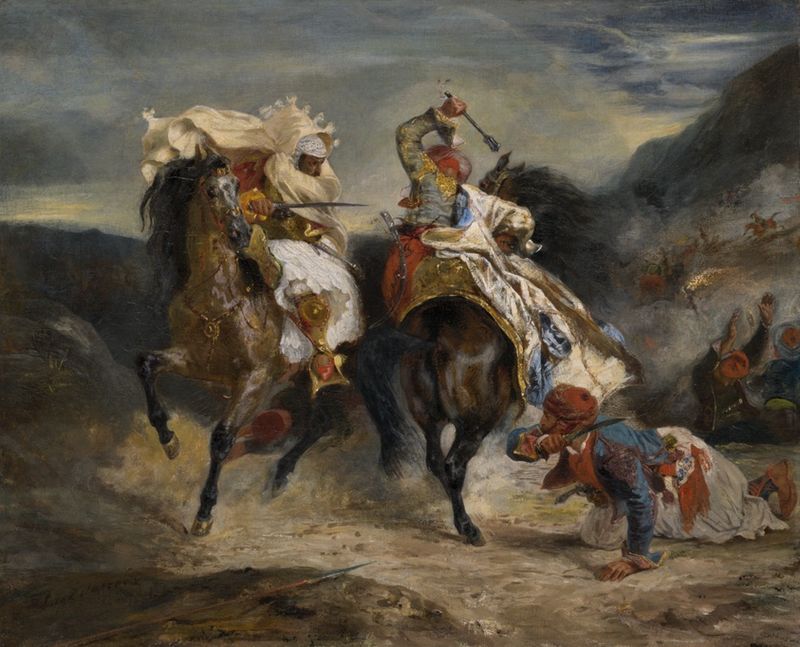
The Combat of the Giaour and Hassan
Eugène Delacroix · 1826 · Art Institute of Chicago
 Same era · 1810s–1840s
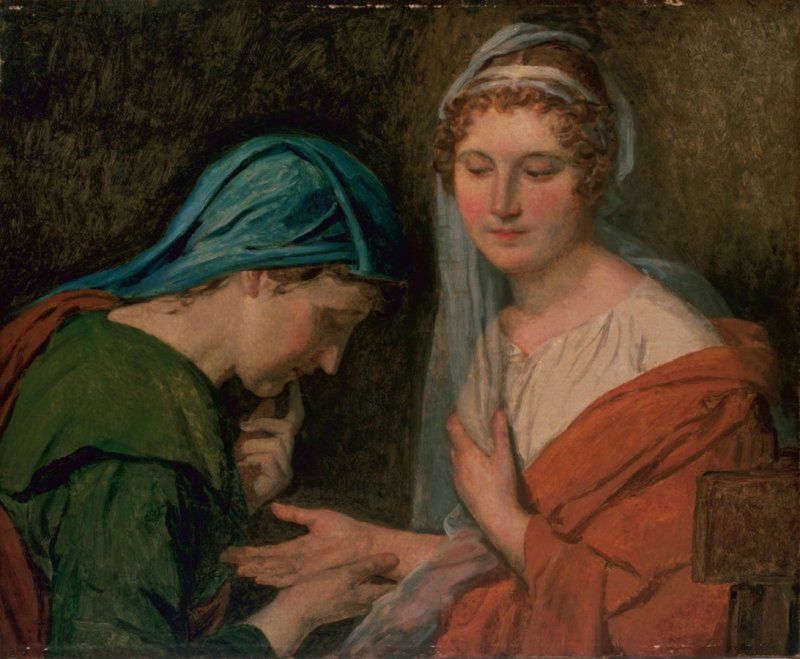
The Fortune Teller (La Bonne Aventure)
Jacques-Louis David · 1824 · Fine Arts Museums of San Francisco
 Same era · 1810s–1840s
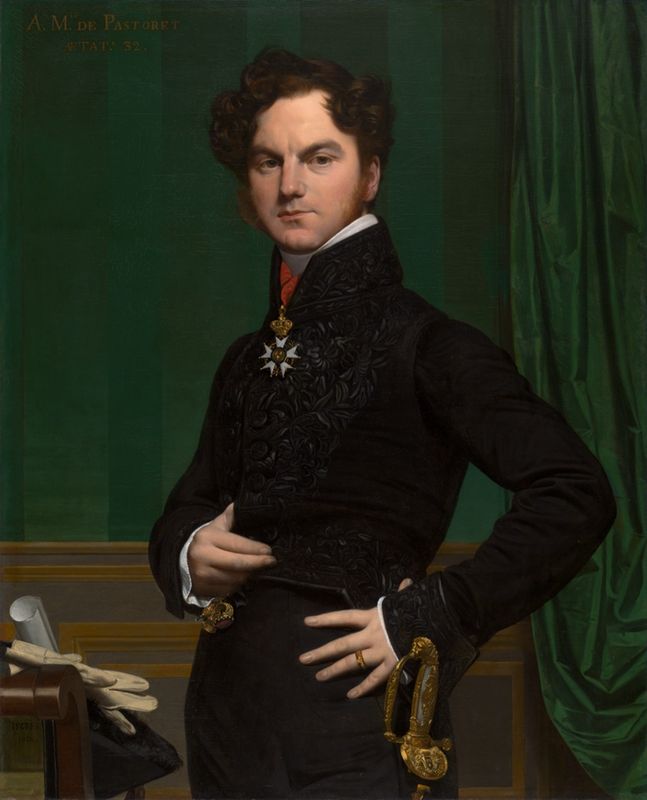
Amédée-David, the Comte de Pastoret
Jean-Auguste-Dominique Ingres · 1823 · Art Institute of Chicago
 Same era · 1810s–1840s
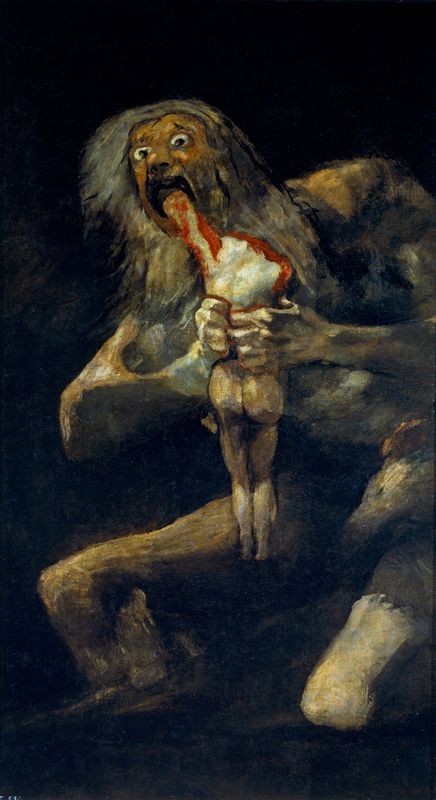
Saturn Devouring His Son
Francisco Goya · 1820 · Museo del Prado
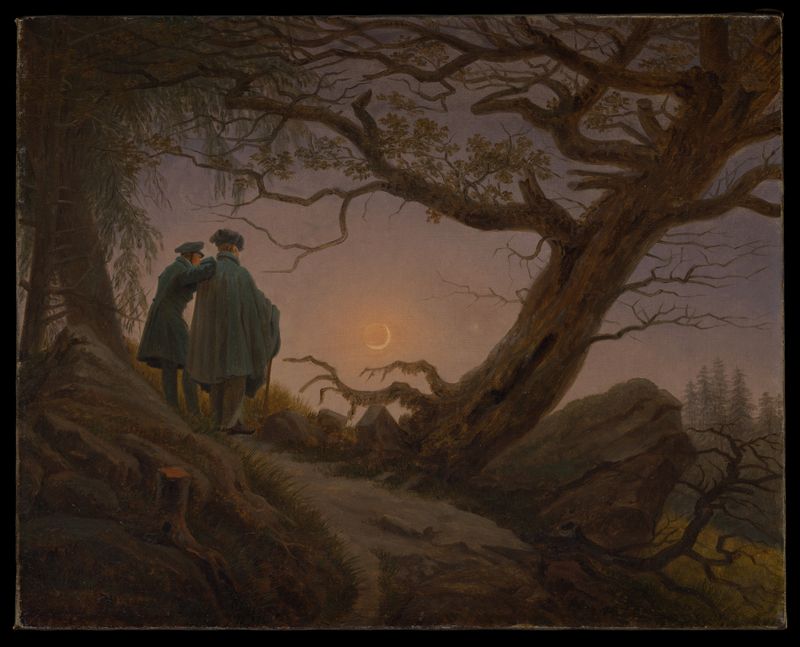 Same era · 1810s–1840s
Two Men Contemplating the Moon
Caspar David Friedrich · 1819 · Staatliche Kunstsammlungen Dresden
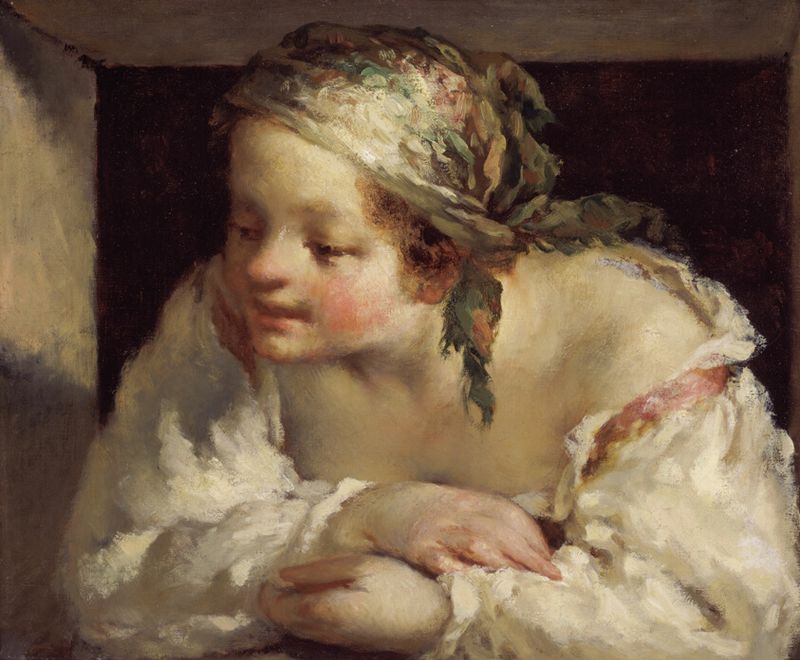 Same era · 1810s–1840s
Young Woman
Jean-François Millet · 1844 · Art Institute of Chicago
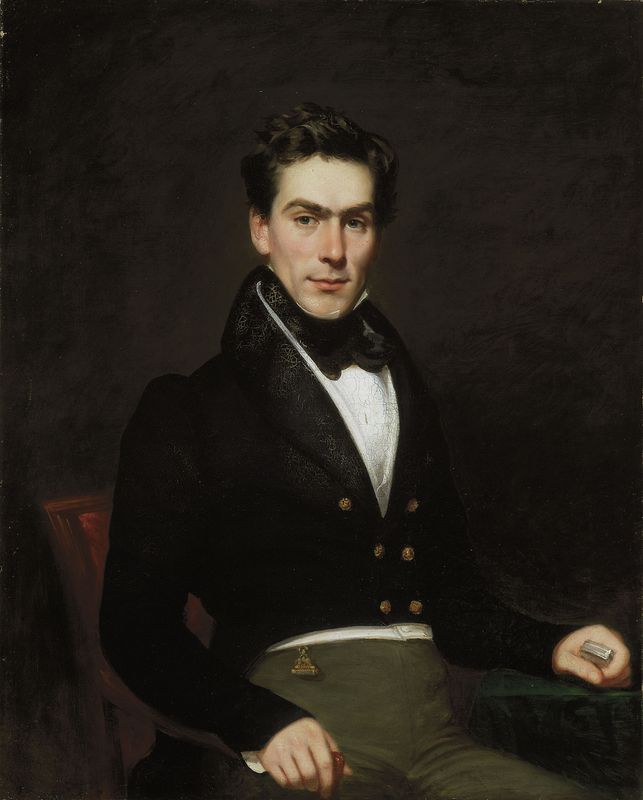 Same era · 1810s–1840s
Mr. James Mackie
Samuel Alcock & Company · 1830 · Art Institute of Chicago
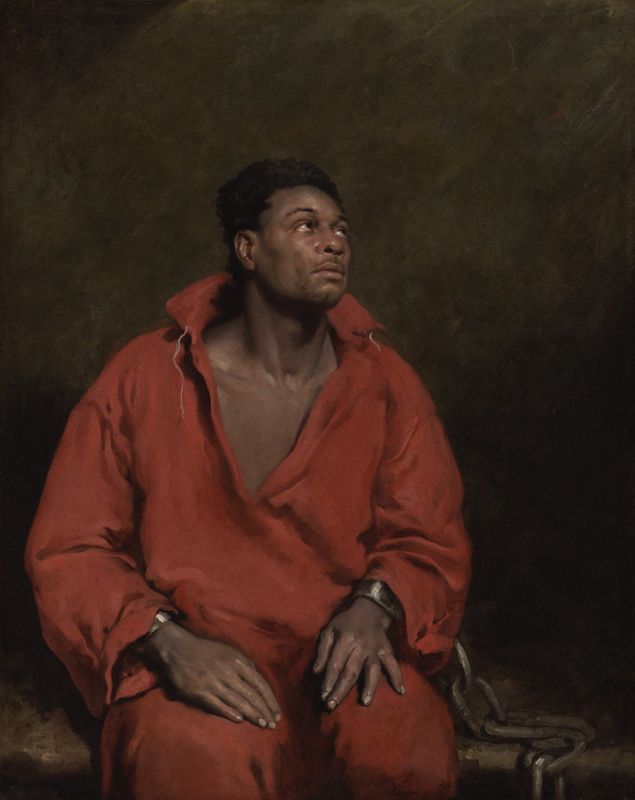 Same era · 1810s–1840s
The Captive Slave (Ira Aldridge)
John Philip Simpson · 1827 · Art Institute of Chicago
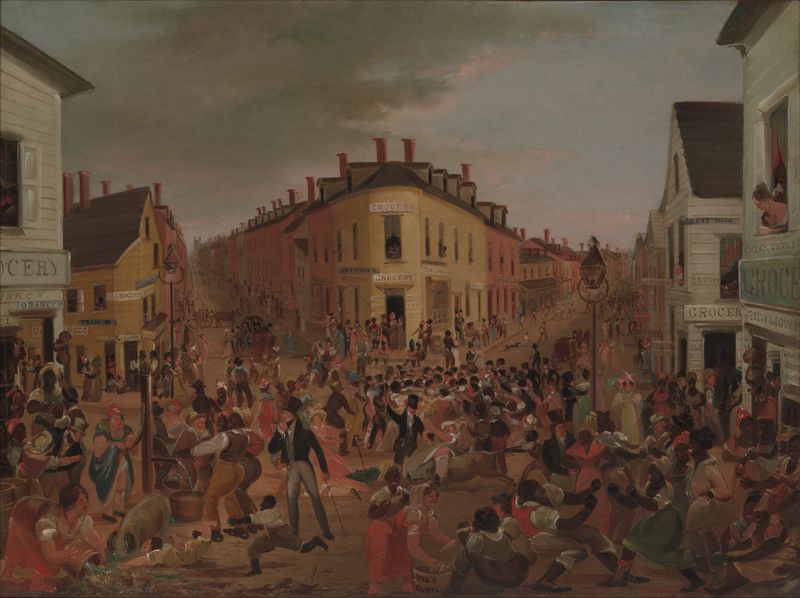 Same era · 1810s–1840s
The Five Points
Artist Unknown - The Mercat Cross, Aberdeen · 1822 · The Metropolitan Museum of Art
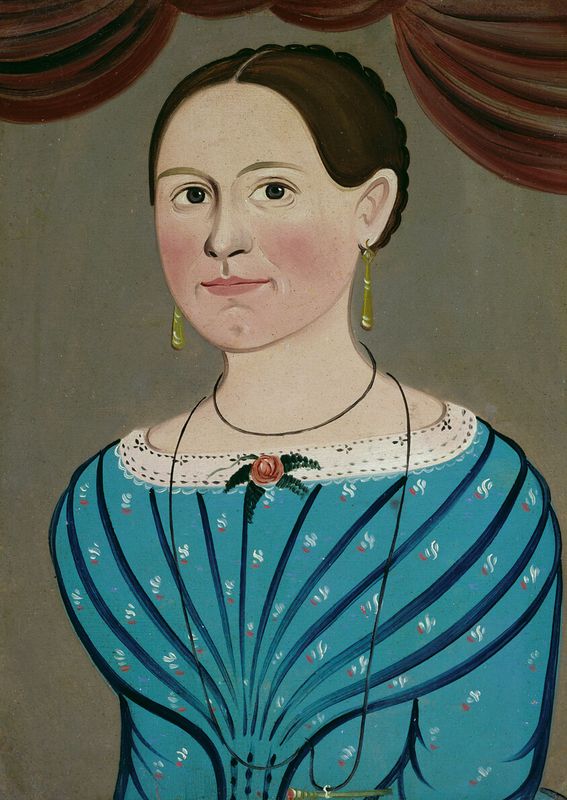 Same era · 1810s–1840s
Woman in a Blue Dress
School of William Matthew Prior · 1840 · Art Institute of Chicago