01
The rearing white horse
The pale horse twists and falls at the center, its head jerked back by the reins. It is the one light shape that stops the street scene cold.
1 of 5 on the painting
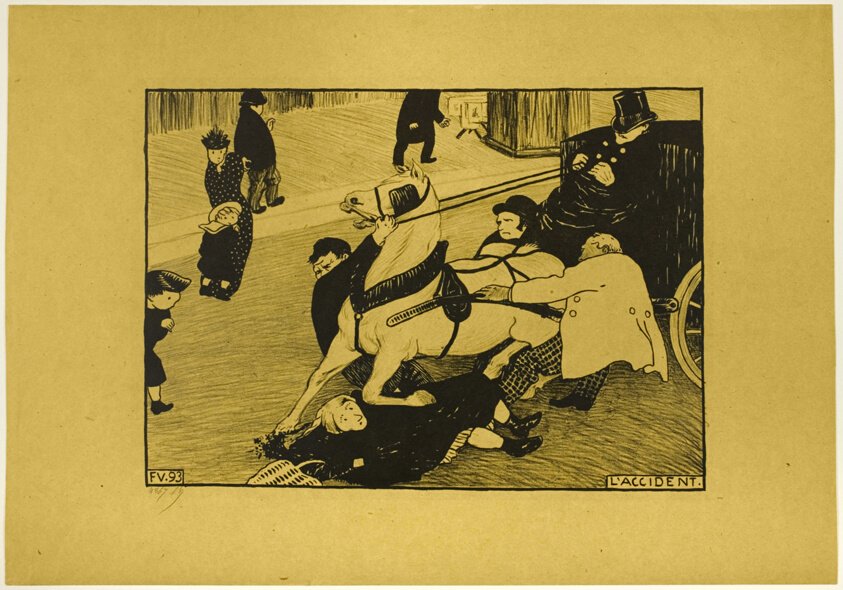
“Stop to observe the stark drama of "The Accident," where Félix Vallotton uses bold silhouettes and minimal detail to powerfully convey a moment of sudden tragedy and human response.”
In Félix Vallotton's "The Accident," a dramatic moment unfolds with stark simplicity, rendered in black zincograph on dark yellow paper. We see a woman, her skirt billowing, collapsed in the foreground, while a man rushes towards her, his hat flying off in his haste. The scene is stripped of extraneous detail, focusing our attention on the raw emotion and suddenness of the event. The figures are stark silhouettes against a muted background, a characteristic approach Vallotton developed during his association with Les Nabis in the 1890s. This deliberate lack of embellishment amplifies the sense of tragedy, allowing the viewer to fill in the narrative gaps and feel the immediate impact of the accident. The choice of zincograph, a printmaking technique, lends itself to the bold contrasts and flat areas of tone that define the image.
Five details hide in plain sight. Pick one and we’ll show you exactly where to look.
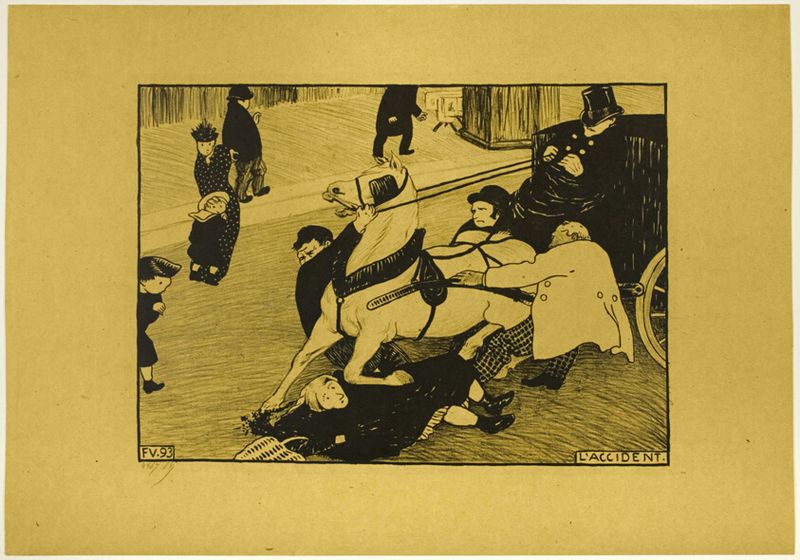
The pale horse twists and falls at the center, its head jerked back by the reins. It is the one light shape that stops the street scene cold.
At the bottom, a woman in black lies on the pavement beneath the horse's raised hooves, with a woven basket beside her. The whole accident hangs on this dark, flattened shape.
A man in a long light coat strains at the horse's harness, his bent legs in checked trousers braced on the pavement. He anchors the right side of the scene.
The coachman sits high on the carriage in a tall hat and dark coat, looking on while others struggle below. His distance feels cold and faintly comic.
Up on the sidewalk at left, a woman carrying a bundle walks along with a man behind her, and another figure walks away at the top. They seem to go about their business as the accident unfolds.
The full narration walks you through The Accident — the story behind it, the details most visitors miss, and why it matters. Free in the Art Whisper app.
Félix Vallotton, 'The Foreign Nabi,' masterfully blended stark realism with the bold simplification of the modern woodcut, capturing intimate domestic dramas and Parisian life.
Beyond Vallotton: works from the same years.
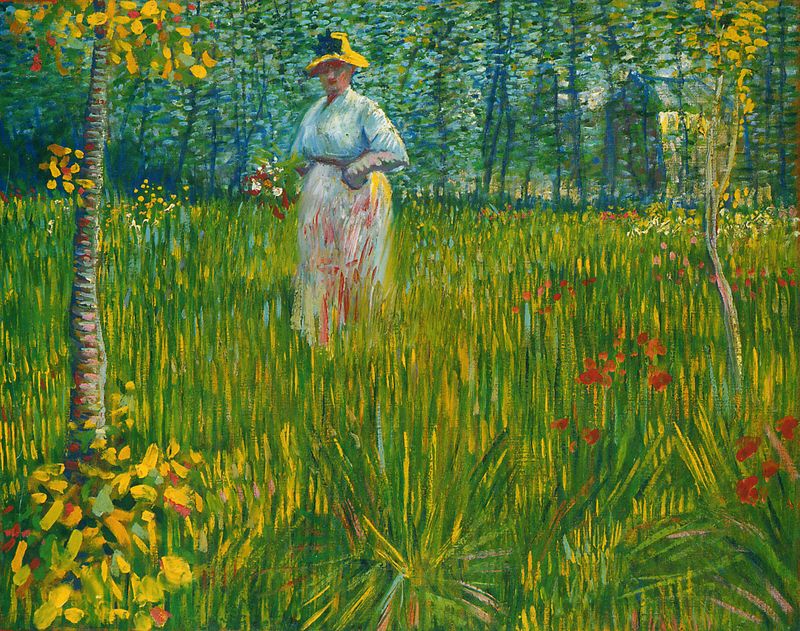 Same era · 1870s–1900s
A Woman Walking in a Garden
Vincent van Gogh · 1887 · Frans Buffa & sons
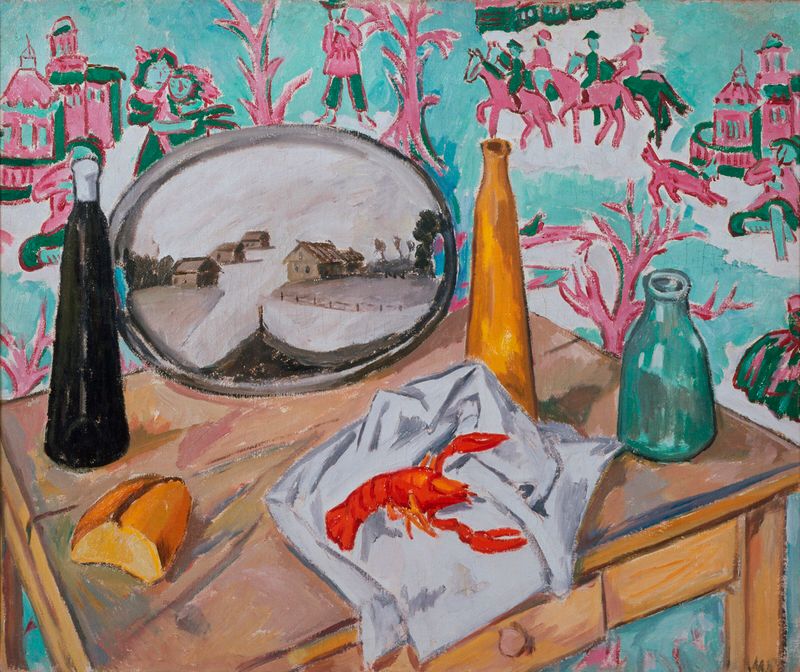 Same era · 1870s–1900s
Still Life with Crayfish
Mikhail Larionov · 1900 · Museum Ludwig
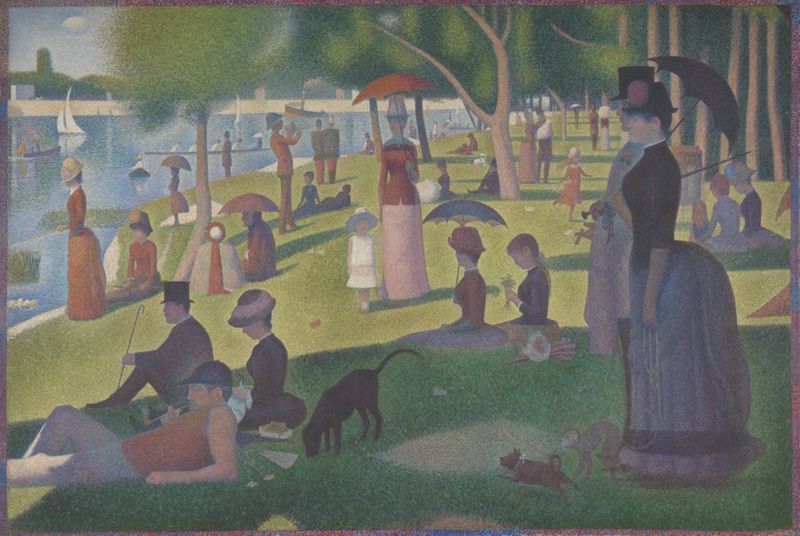 Same era · 1870s–1900s
A Sunday on La Grande Jatte — 1884
Okada Saburosuke · 1884 · Art Institute of Chicago
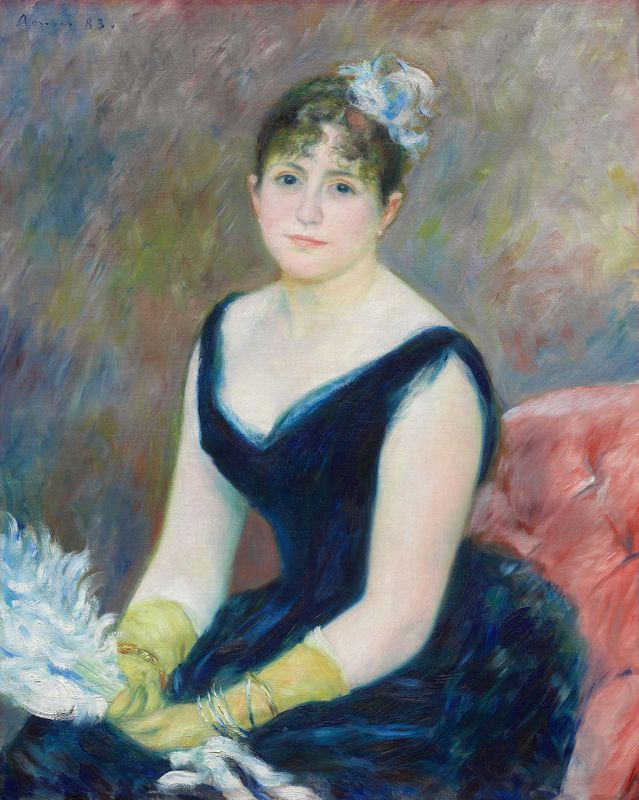 Same era · 1870s–1900s
Madame Léon Clapisson
Léon-Victor Dupré · 1883 · Art Institute of Chicago
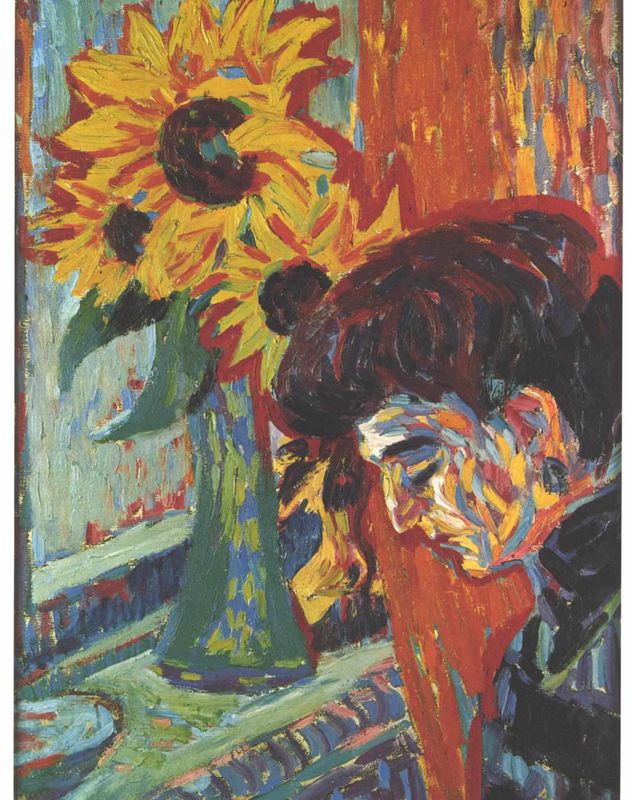 Same era · 1870s–1900s
Frauenkopf vor Sonnenblumen
Ernst Ludwig Kirchner · 1906 · Museum Frieder Burda
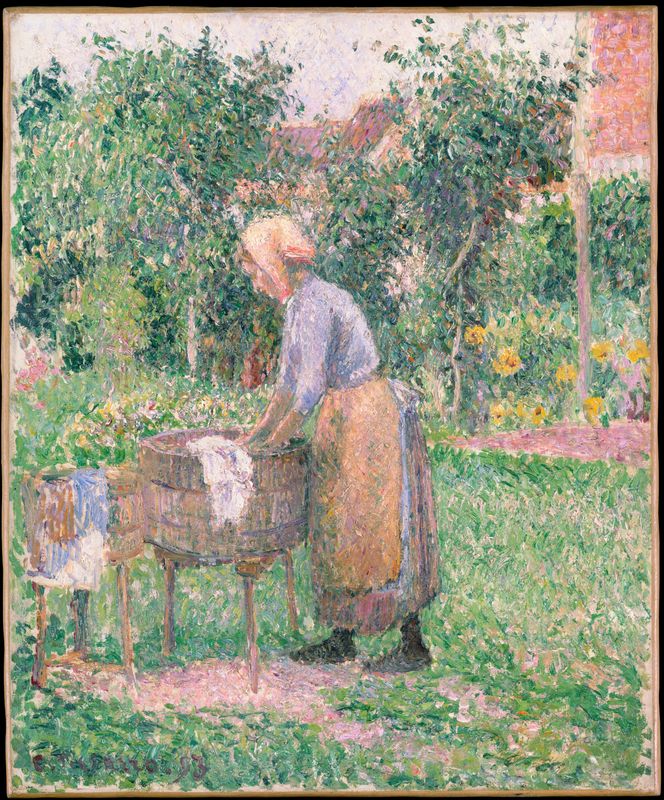 Same era · 1870s–1900s
A Washerwoman at Eragny
Camille Pissarro · 1893 · The Metropolitan Museum of Art
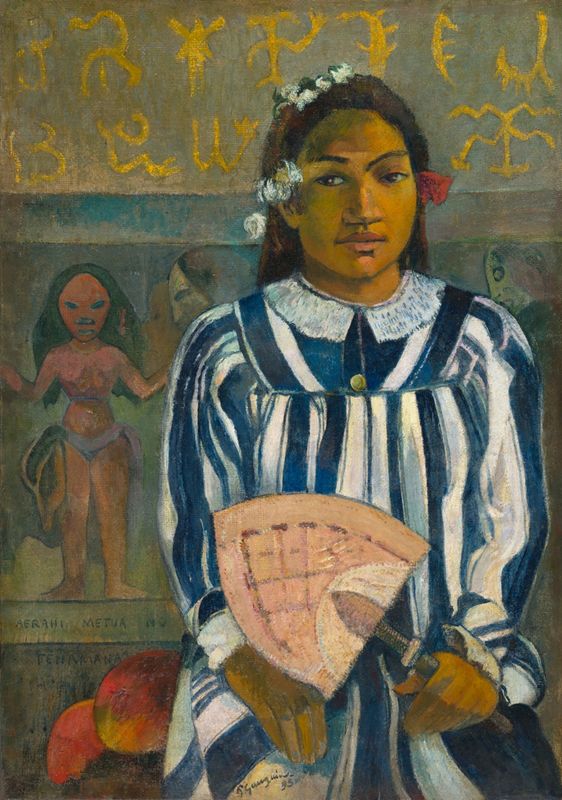 Same era · 1870s–1900s
Merahi metua no Tehamana (Tehamana Has Many Parents or The Ancestors of Tehamana)
Paul Gauguin · 1893 · Art Institute of Chicago
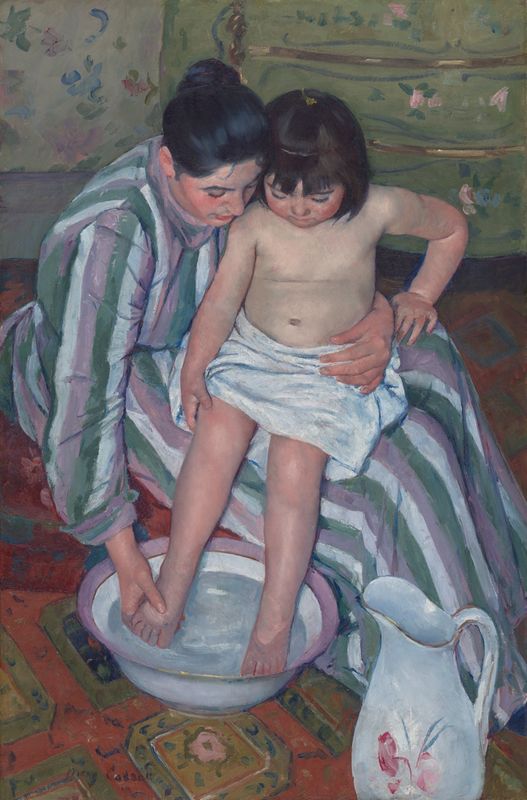 Same era · 1870s–1900s
The Child's Bath
Mary Cassatt · 1893 · Art Institute of Chicago
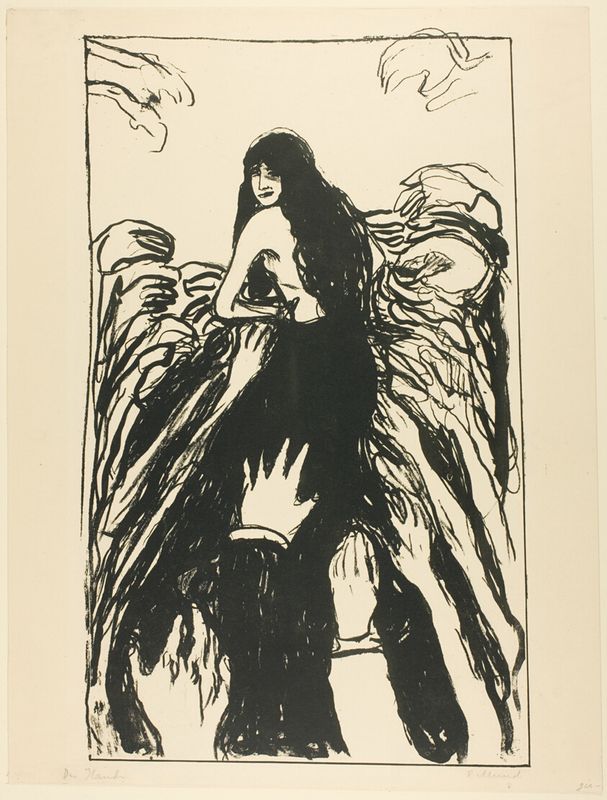 Same era · 1870s–1900s
The Hands
Edvard Munch · 1893 · Munch Museum
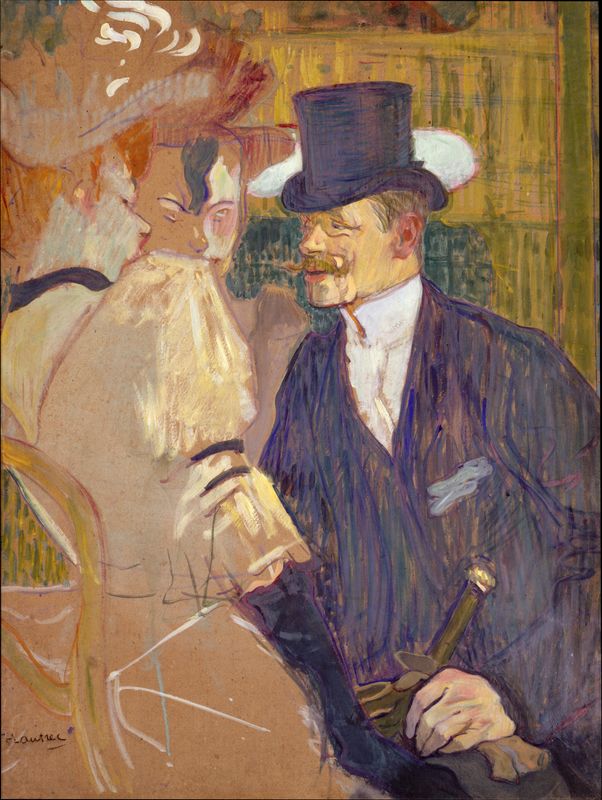 Same era · 1870s–1900s
The Englishman (William Tom Warrener, 1861–1934) at the Moulin Rouge
Henri de Toulouse-Lautrec · 1892 · The Metropolitan Museum of Art
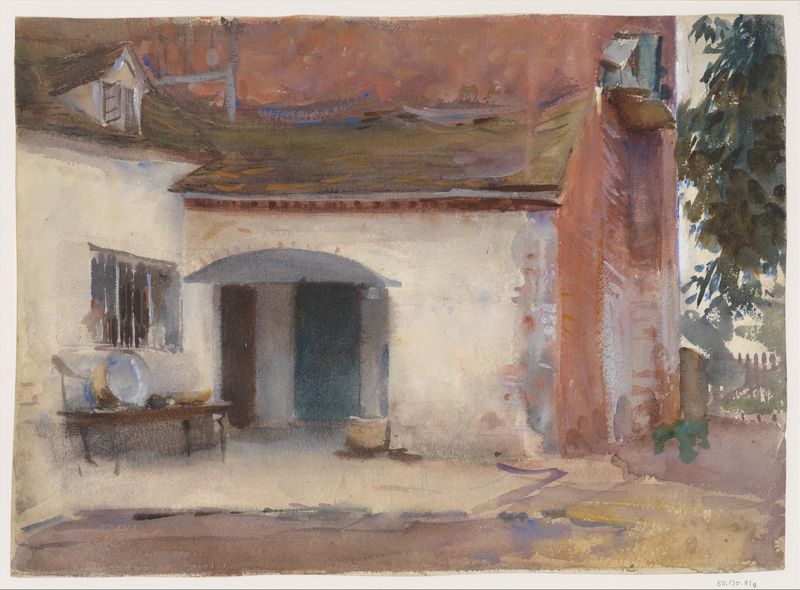 Same era · 1870s–1900s
House and Courtyard
John Singer Sargent · 1895 · The Metropolitan Museum of Art
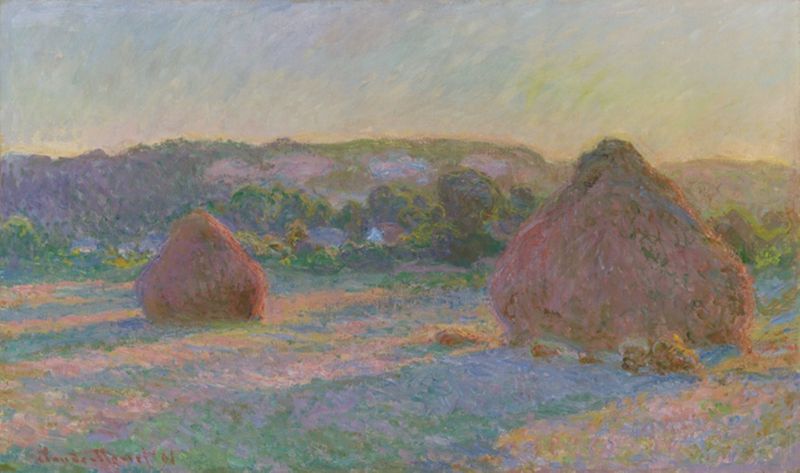 Same era · 1870s–1900s
Stacks of Wheat (End of Summer)
Claude Monet · 1891 · Art Institute of Chicago