
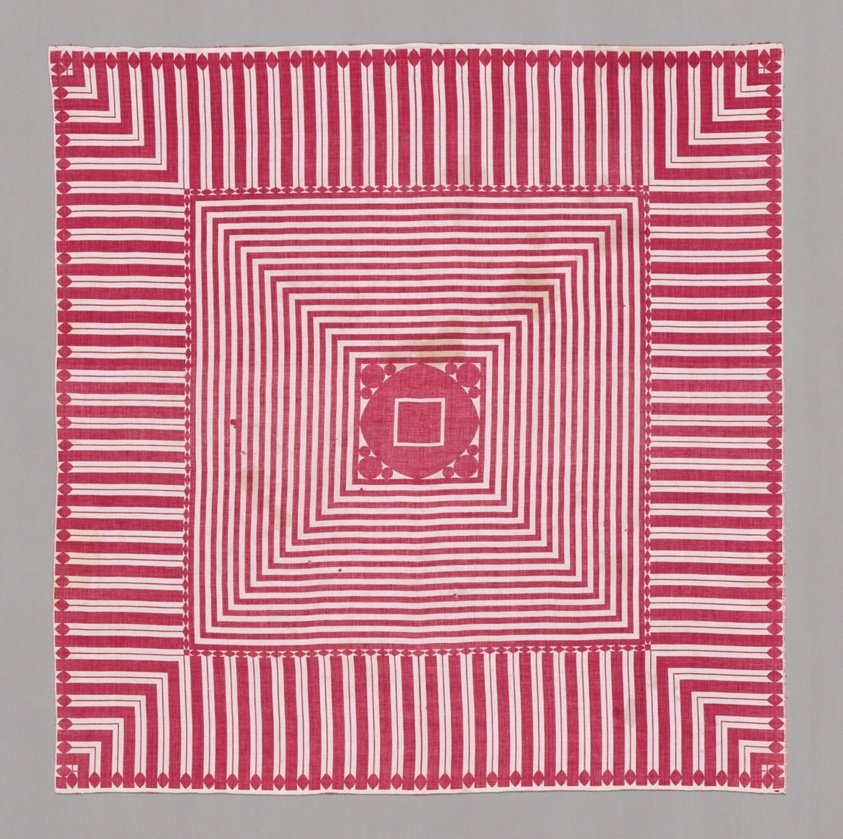
“Stop to appreciate this intricately woven tablecloth, a masterclass in textile design. Its reversible double-cloth technique creates a mesmerizing geometric pattern that shifts with your perspective.”
This tablecloth, woven from cotton, presents a fascinating geometric pattern that plays with positive and negative space. Its design features a series of interlocking squares and diamonds, creating a dynamic visual rhythm across the fabric. The double-cloth technique used here means the textile is essentially two layers woven together, allowing for the intricate, reversible design where the colors invert on the opposite side. One side might show light motifs on a dark ground, while the reverse reveals dark motifs on a light ground. This clever construction not only adds to the textile's durability but also its visual complexity, inviting a closer look at how the patterns emerge and recede. Although attributed to Otto Mäkilä, a Finnish artist known primarily for his Expressionist prints and paintings, the attribution of this early textile piece from 1908 is unusual given his established artistic output starting around the 1910s and 1920s.
- Artist
- Otto Mäkilä
- Date
- 1908
- Medium
- Cotton, plain weave double cloth
- Location
- Art Institute of Chicago
- Dimensions
- 125.8 × 123.7 cm (49 1/2 × 48 3/4 in.)
What to Notice
Four details hide in plain sight. Here’s where to look.
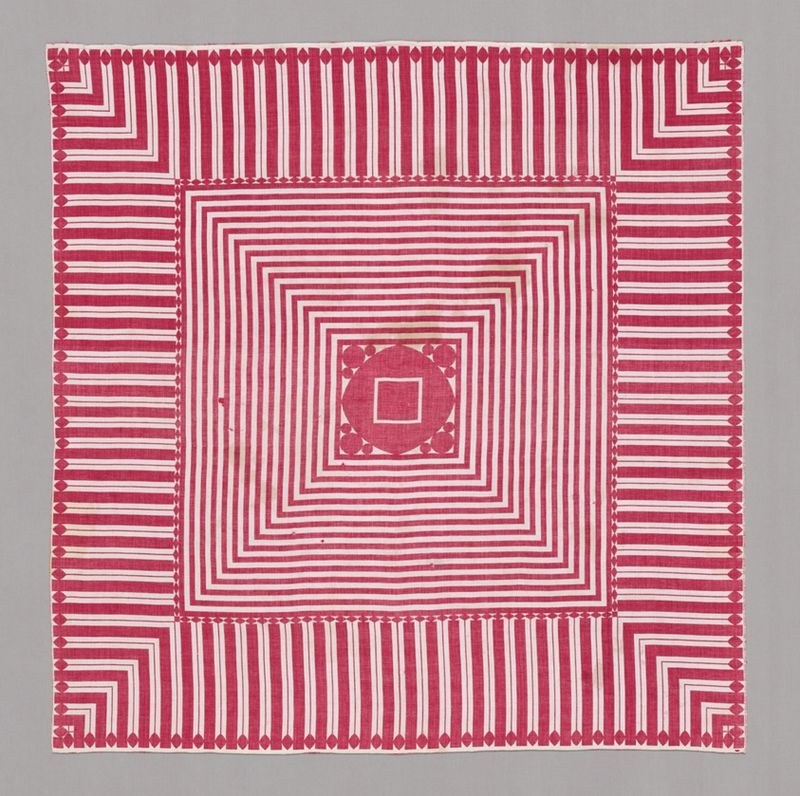
Observe the precise interlocking squares and diamonds that form the main pattern.
Notice how the colors of the design reverse on the other side, a feature of double cloth.
Look closely at the edges for the subtle border that frames the central motif.
Consider the texture of the cotton weave, visible in the fabric's surface.
Otto Mäkilä
1904–1955 · FinlandOtto Mäkilä, a Finnish painter, captured the human experience with works like 'Murder' and 'Evening on the Wijtschaete Plain' in the early 20th century.
Further Works by Mäkilä
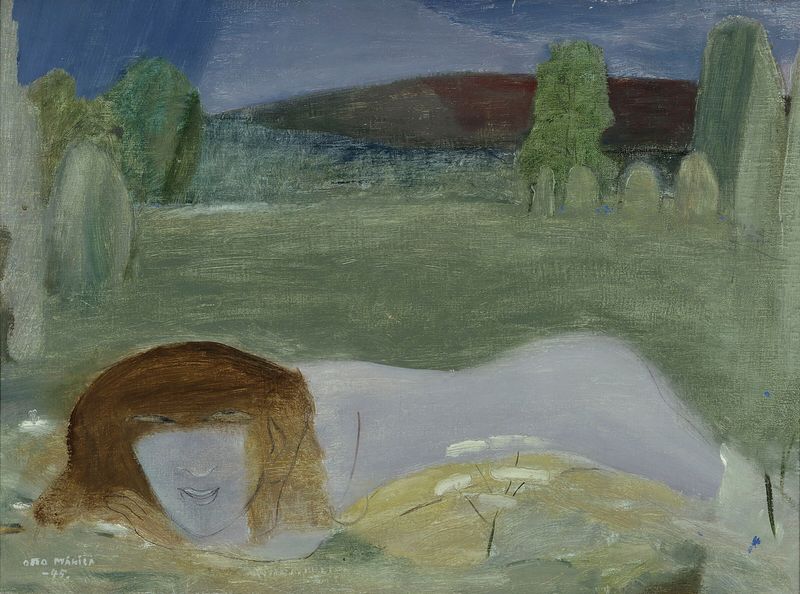 Gnome
1945 · Finnish National Gallery
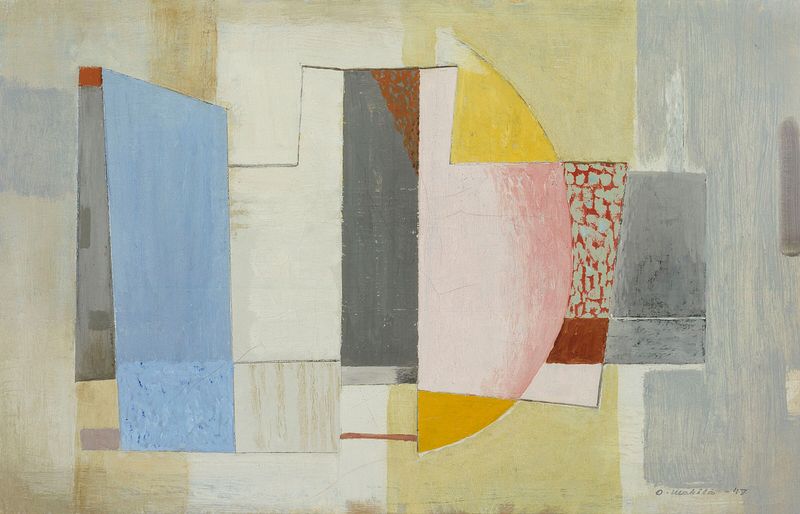 Door to the Unknown
1947 · Finnish National Gallery
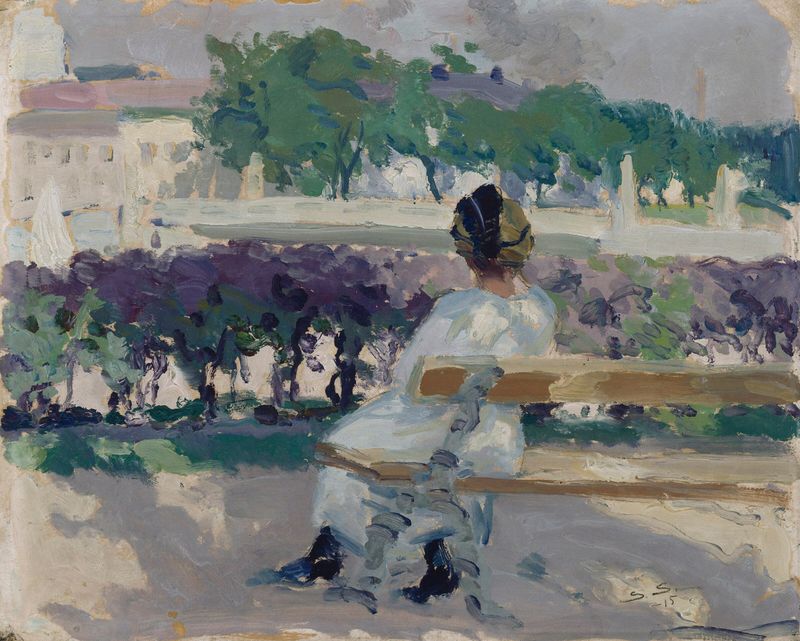 View from Turku
1915 · Finnish National Gallery
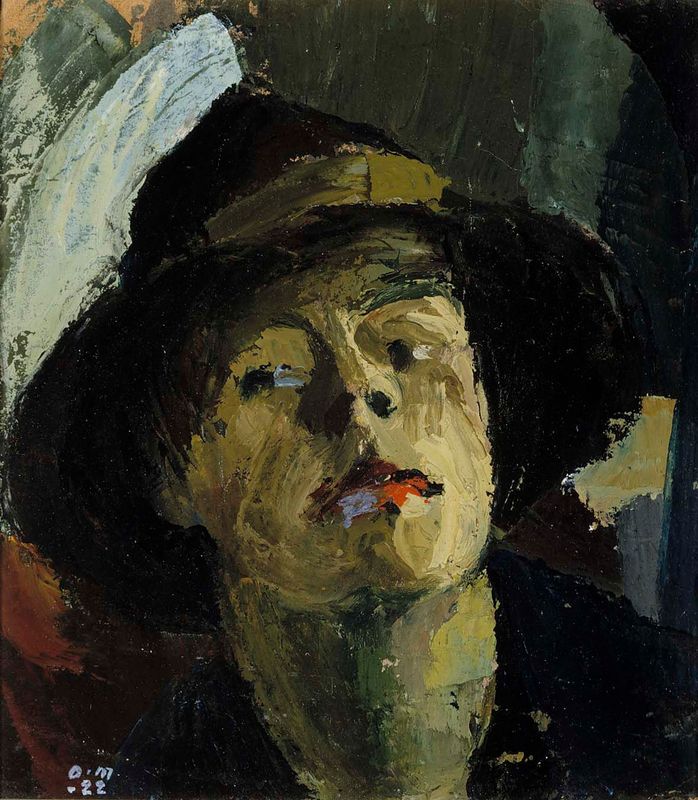 Portrait (Painter Erkki Kosonen)
1922 · Finnish National Gallery
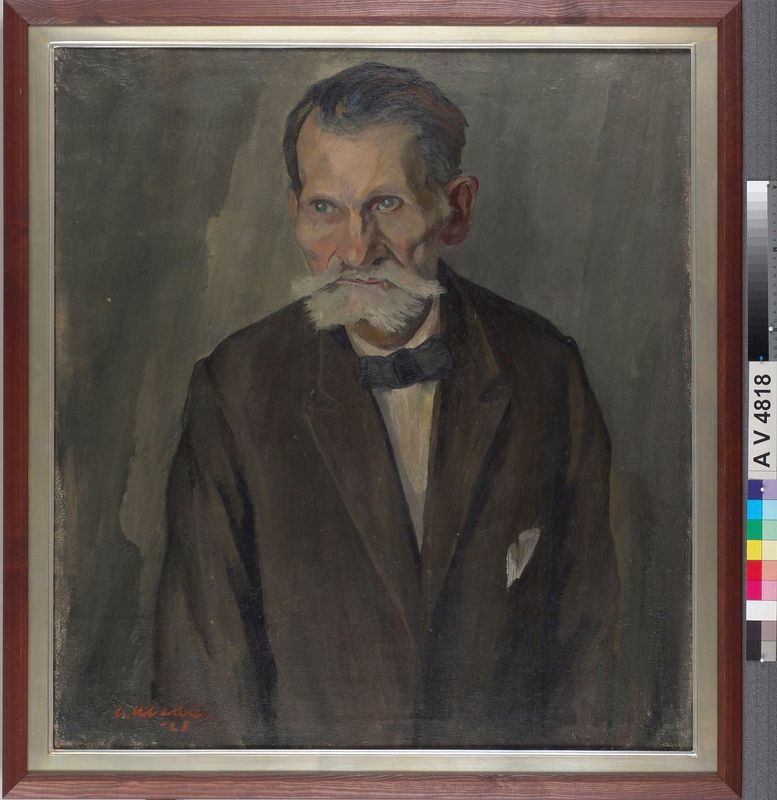 Portrait of an Old Man
1928 · Finnish National Gallery
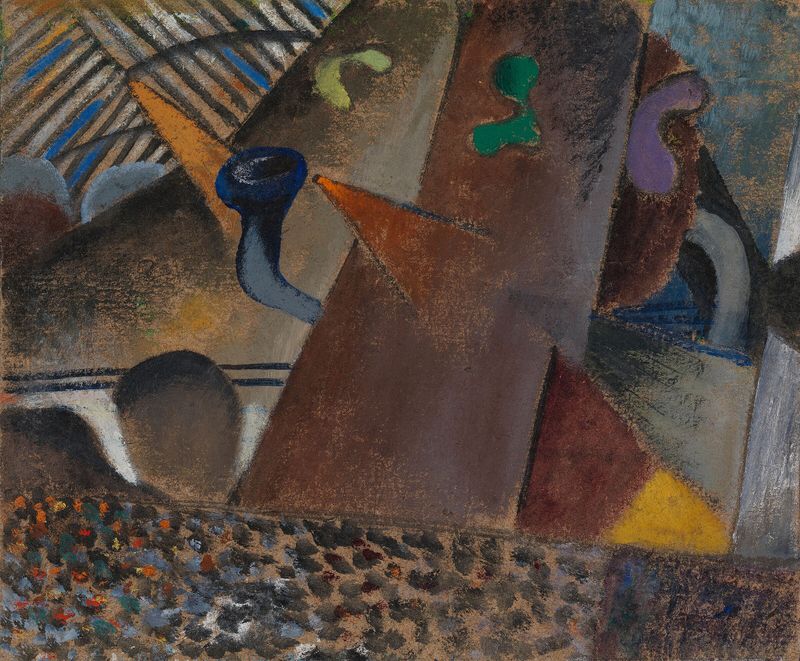 Sommitelma
1930 · Finnish National Gallery
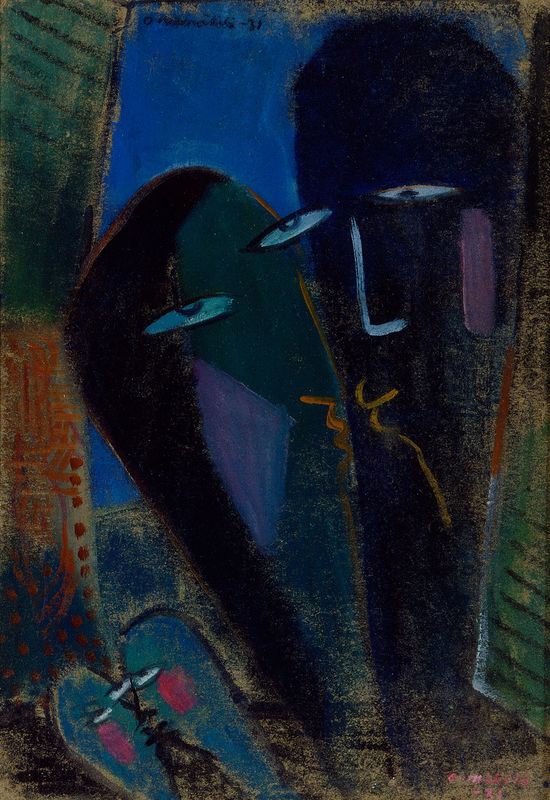 Friends
1931 · Finnish National Gallery
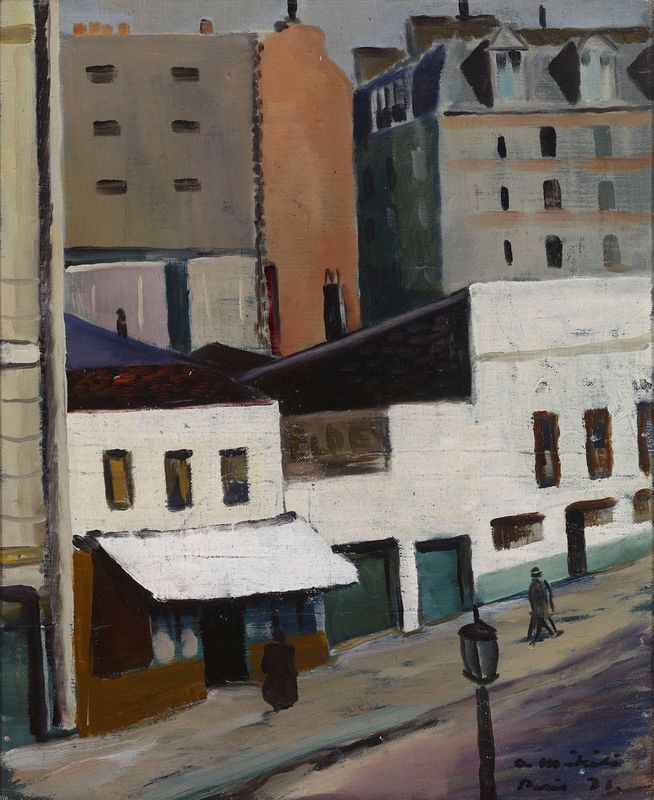 Street in Paris
1931 · Finnish National Gallery
More works to explore
Beyond Mäkilä: works from the same years.
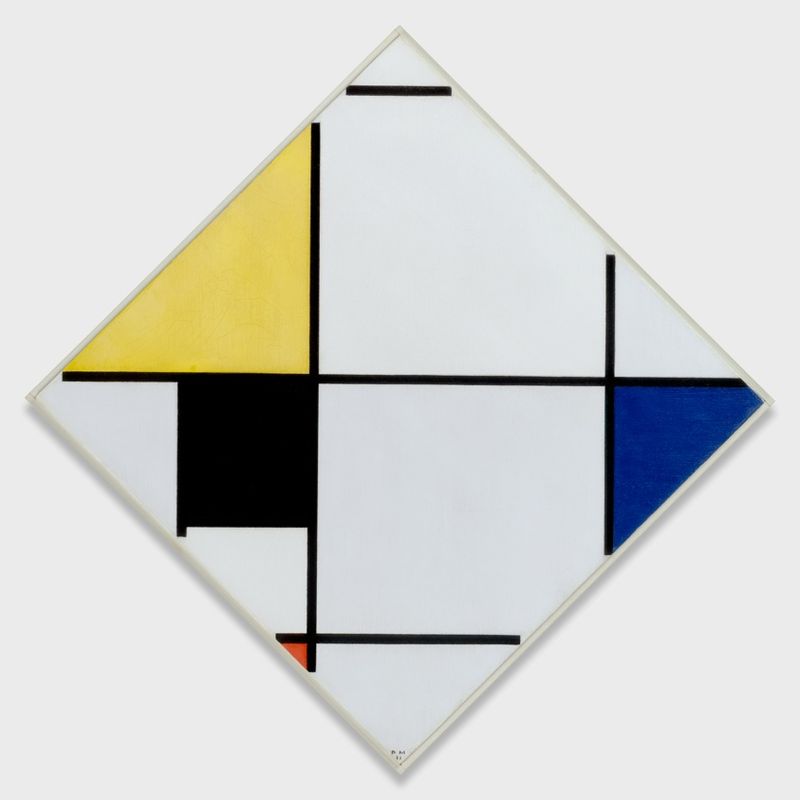 Same era · 1890s–1920s
Lozenge Composition with Yellow, Black, Blue, Red, and Gray
Piet Mondrian · 1921 · Art Institute of Chicago
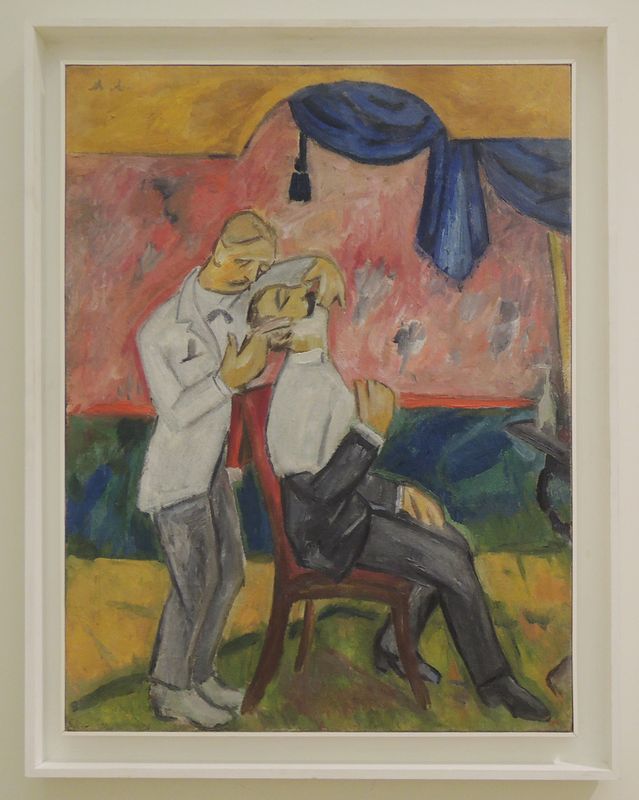 Same era · 1890s–1920s
Barber
Mikhail Larionov · 1907 · Russian Museum
 Same era · 1890s–1920s
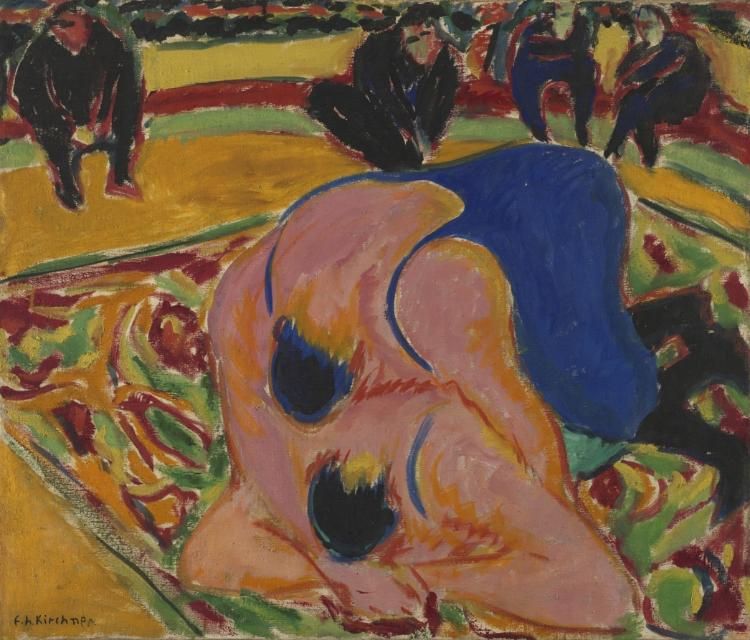
Wrestlers in a Circus
Ernst Ludwig Kirchner · 1909 · Cleveland Museum of Art
 Same era · 1890s–1920s
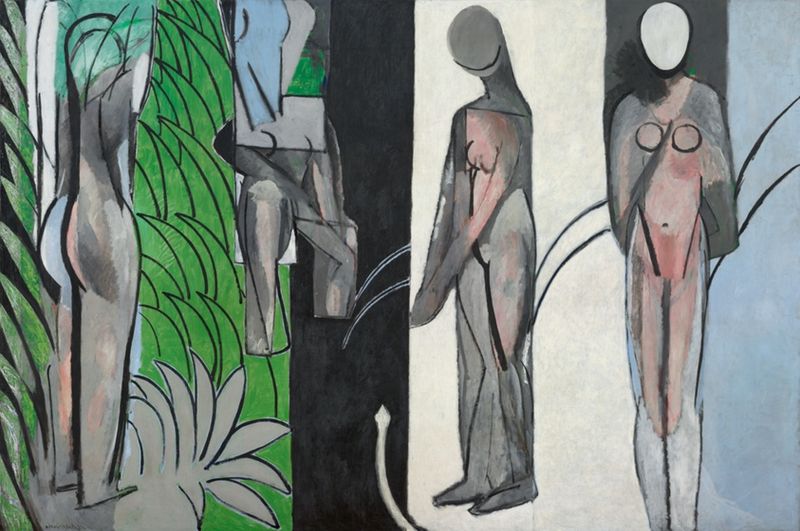
Bathers by a River
Henri Matisse · 1909 · Art Institute of Chicago
 Same era · 1890s–1920s
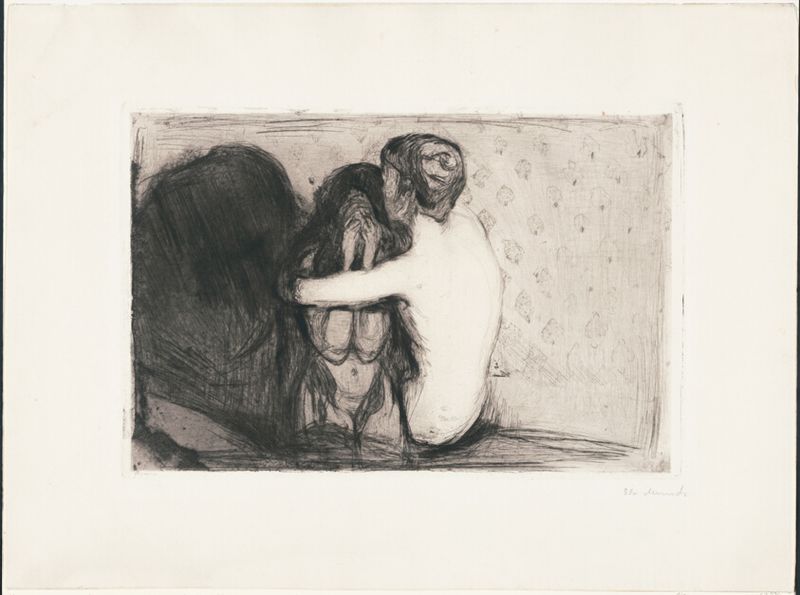
Consolation
Edvard Munch · 1907 · Munch Museum
 Same era · 1890s–1920s
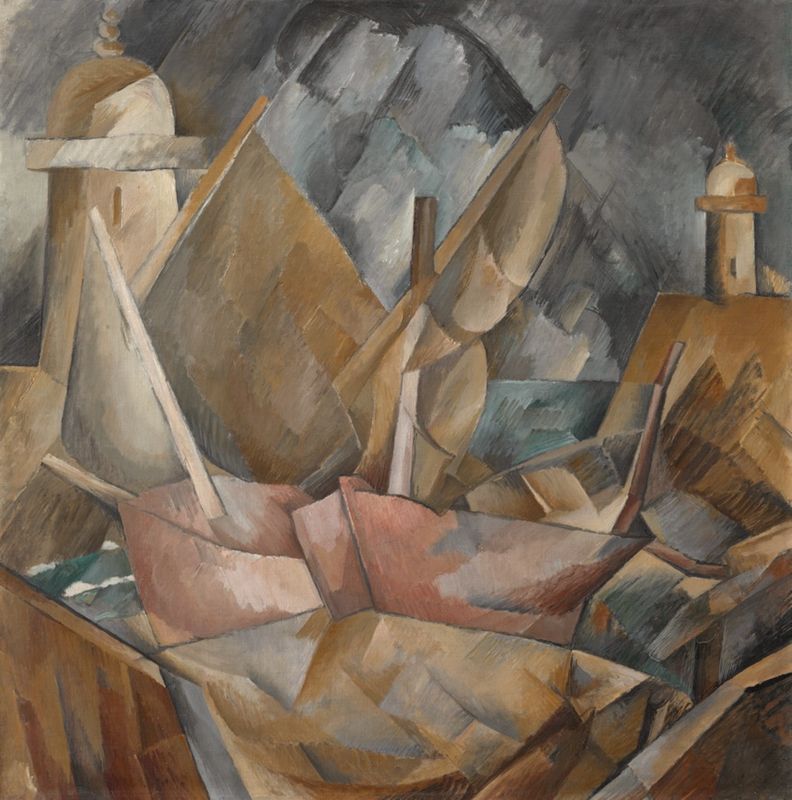
Little Harbor in Normandy
Georges Braque · 1909 · Art Institute of Chicago
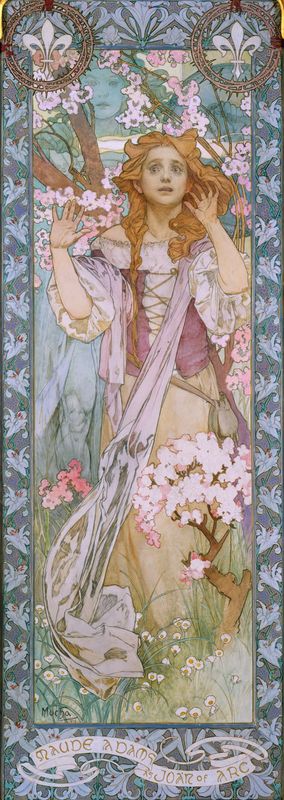 Same era · 1890s–1920s
Maude Adams (1872–1953) as Joan of Arc
Alphonse Mucha · 1909 · The Metropolitan Museum of Art
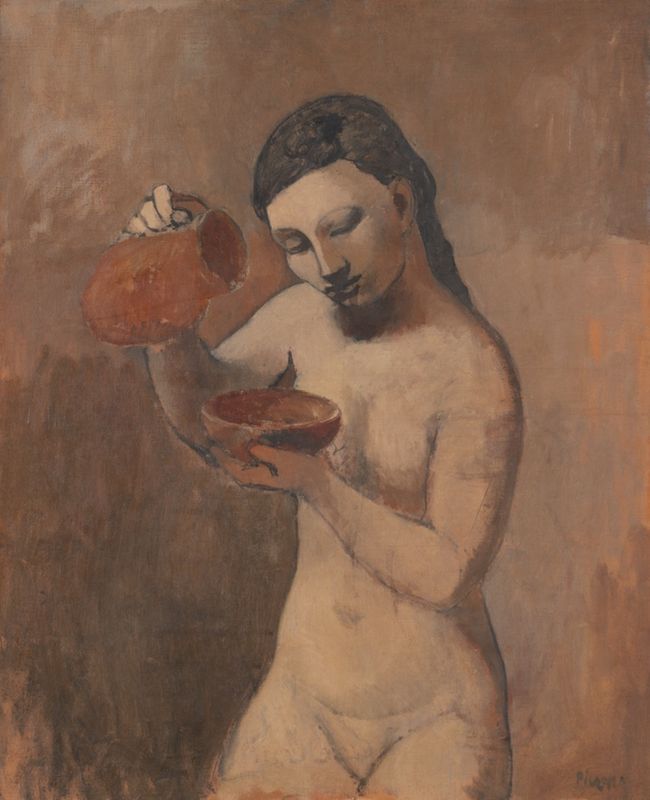 Same era · 1890s–1920s
Nude with a Pitcher
Pablo Picasso · 1906 · Art Institute of Chicago
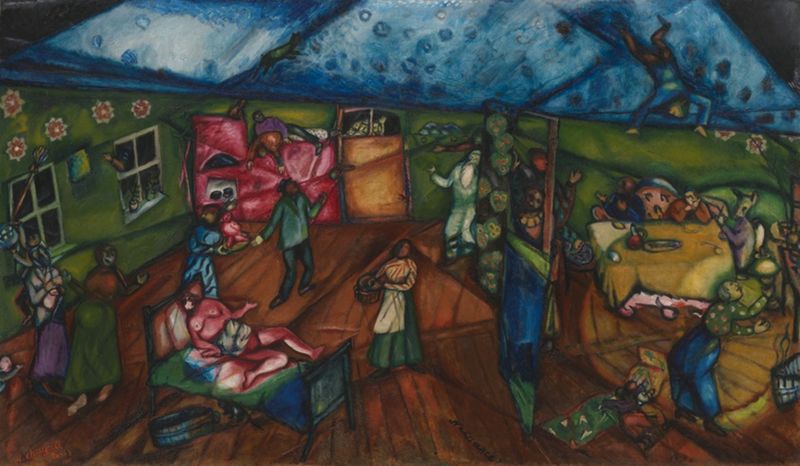 Same era · 1890s–1920s
Birth
Marc Chagall · 1911 · Art Institute of Chicago
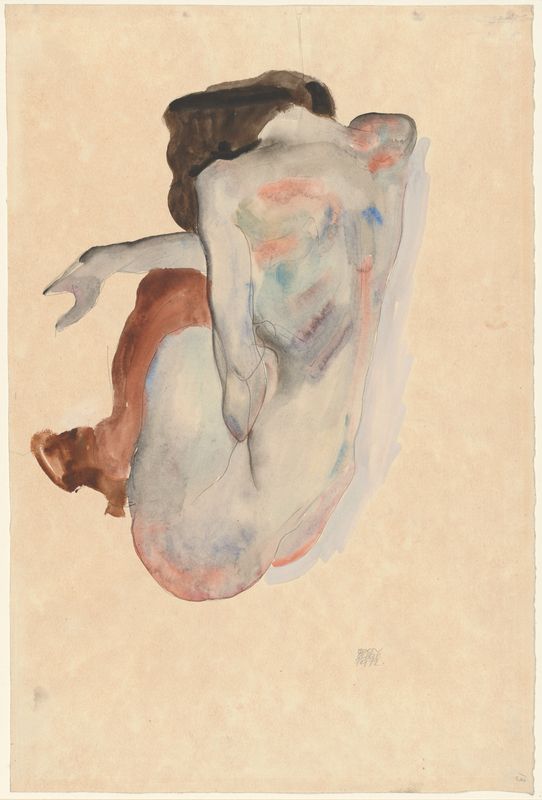 Same era · 1890s–1920s
Crouching Nude in Shoes and Black Stockings, Back View
Egon Schiele · 1912 · The Metropolitan Museum of Art
 Same era · 1890s–1920s
Mont Sainte-Victoire
Paul Cézanne · 1904 · Detroit Institute of Arts
 Same era · 1890s–1920s
Sirmione
John Singer Sargent · 1913 · The Metropolitan Museum of Art