
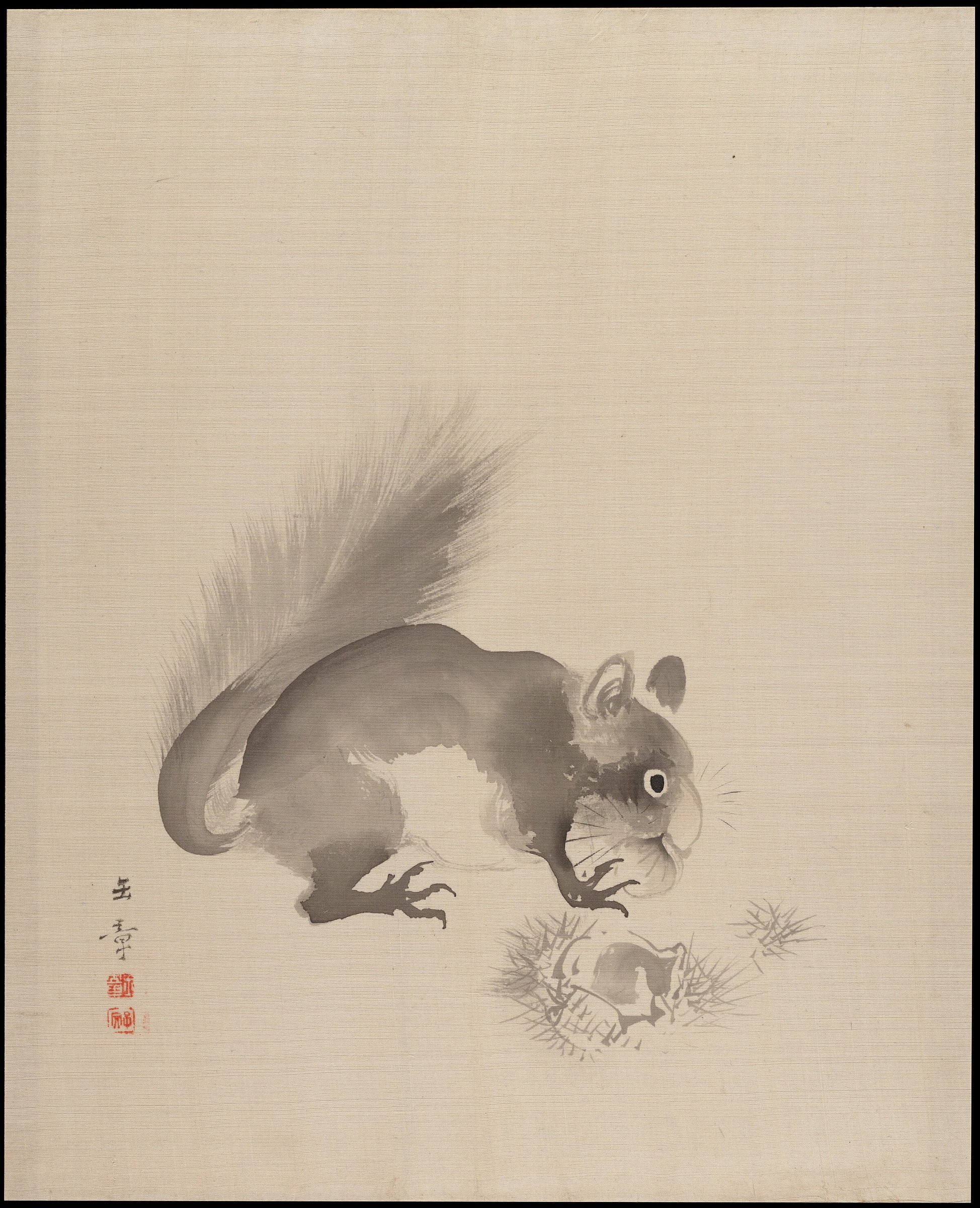
“Stop and observe the exquisite detail in this small ink painting of a squirrel. Its focused expression and the delicate rendering of its fur invite a moment of quiet appreciation for nature's small wonders.”
This intimate ink painting captures a squirrel in a moment of quiet focus, its tiny paws delicately holding a chestnut. The artist, Kawabata Gyokushō, uses a restrained palette, primarily relying on varying shades of ink to create texture and depth. Notice how the squirrel's fur is rendered with soft, almost feathery strokes, contrasting with the smooth, rounded form of the chestnut. The composition is strikingly simple, isolating the creature against a blank silk background, which enhances the sense of immediacy and draws the viewer's eye directly to the animal's intense concentration. This work is part of a larger album of small, detailed nature studies, reflecting a common practice in Japanese art of the late 19th century to observe and depict the natural world with precision and sensitivity.
- Artist
- Kawabata Gyokushō
- Date
- 1889
- Location
- Metropolitan Museum of Art
- Culture
- Japan
What to Notice
Four details hide in plain sight. Here’s where to look.
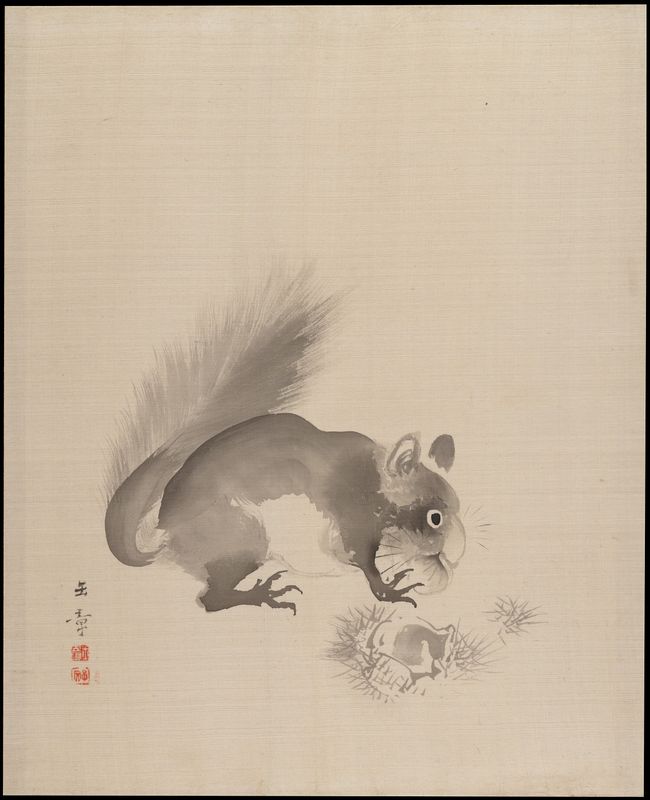
The squirrel's intense gaze at the chestnut.
The delicate rendering of individual hairs on the squirrel's tail.
How the blank silk background emphasizes the subject.
The subtle shading that gives the chestnut its roundness.
Stand in front of it and listen
The full narration walks you through Squirrel Eating Chestnuts — the story behind it, the details most visitors miss, and why it matters. Free in the Art Whisper app.
Kawabata Gyokushō
1842–1913 · Empire of JapanKawabata Gyokushō was a prominent Japanese painter known for his delicate ink and color works on silk.
Further Works by Gyokushō
 Paris Street; Rainy Day
1877 · Art Institute of Chicago
 Cat Seen from Behind
1868 · Metropolitan Museum of Art
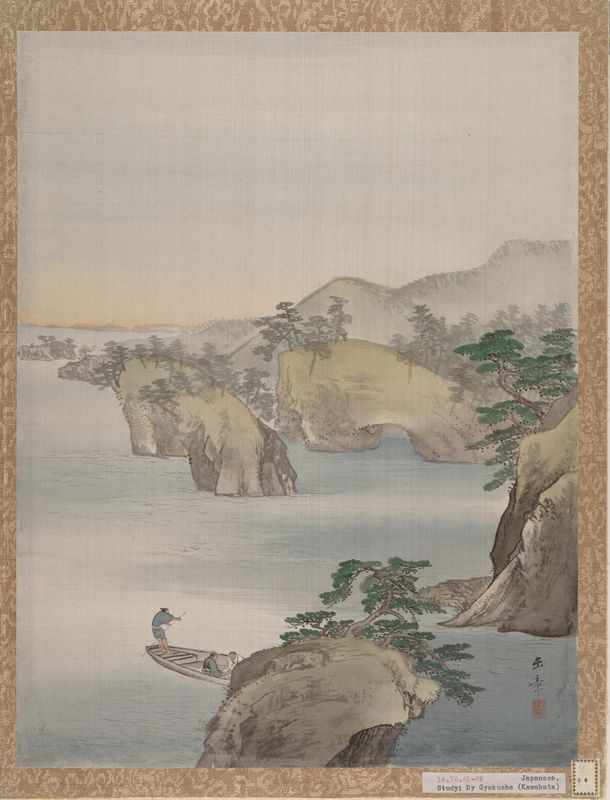 River Scene with Rocky Hills in Background
1868 · Metropolitan Museum of Art
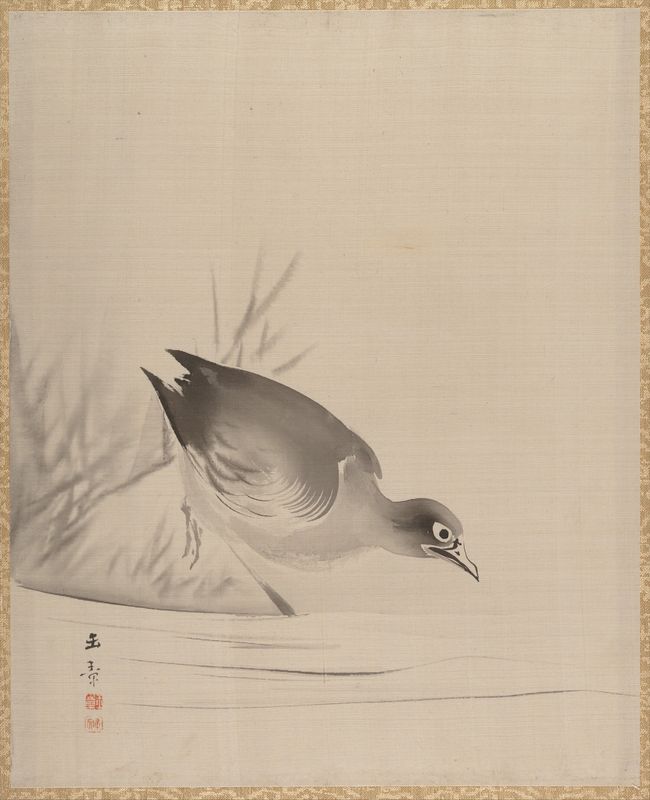 Bird at the Water's Edge
1889 · Metropolitan Museum of Art
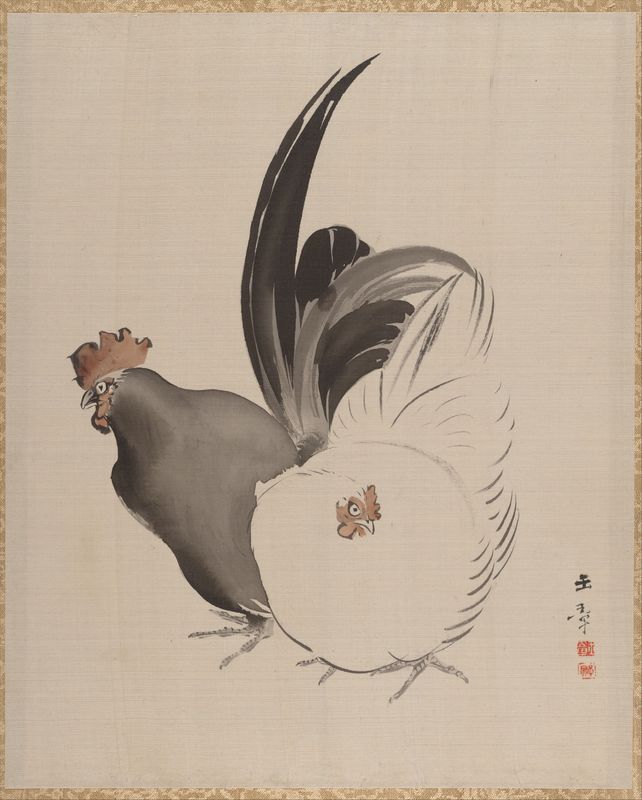 Cock and Hen
1889 · Metropolitan Museum of Art
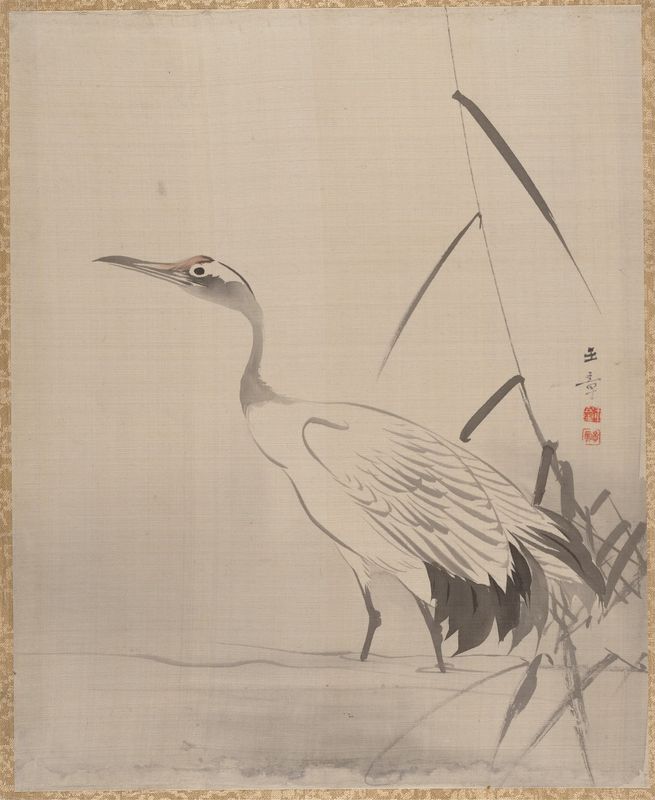 Crane Among Reeds
1889 · Metropolitan Museum of Art
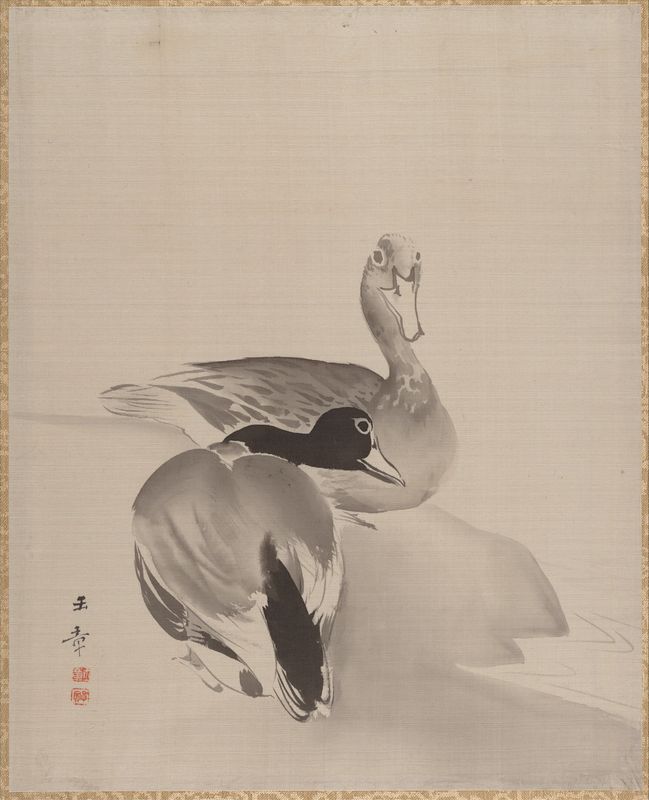 Pair of Ducks
1889 · Metropolitan Museum of Art
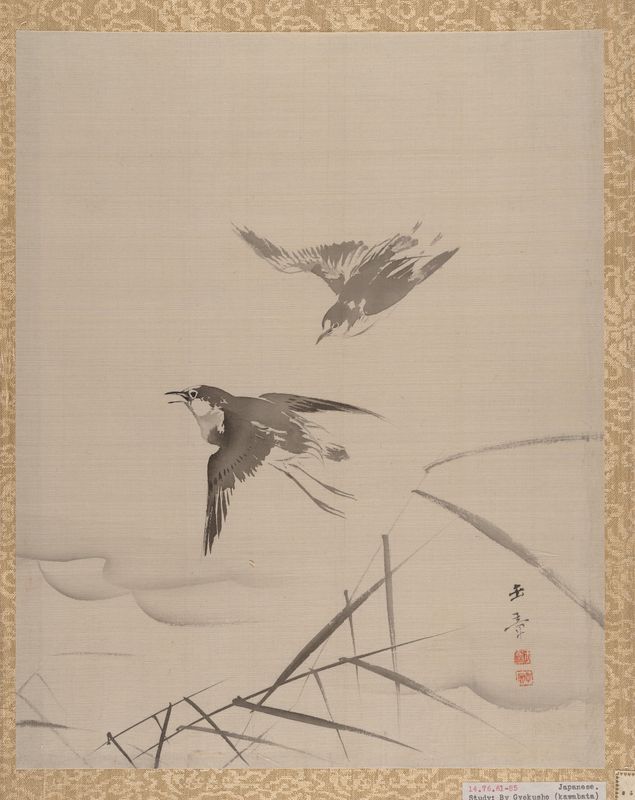 Small Birds and Bamboo
1889 · Metropolitan Museum of Art
More from Nihonga
More works to explore
Beyond Gyokushō and Nihonga: works from the same years.
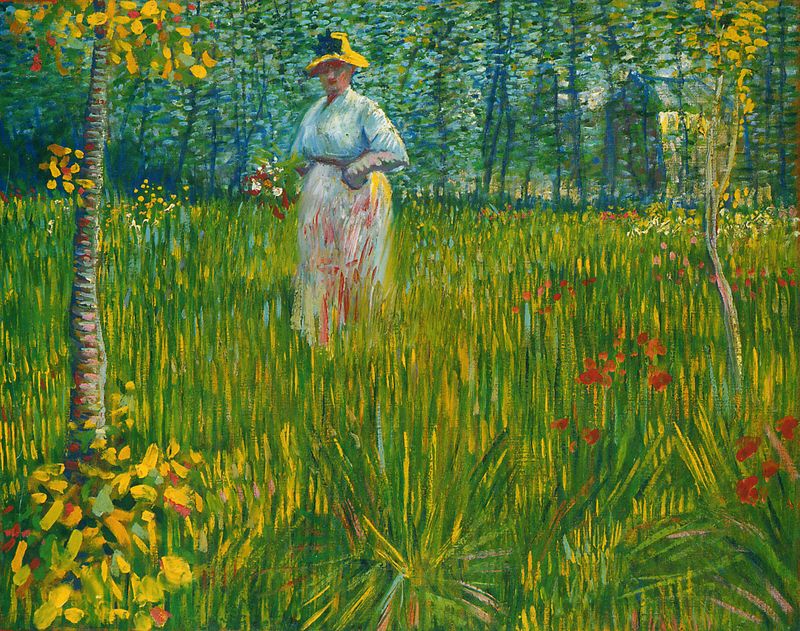 Same era · 1870s–1900s
A Woman Walking in a Garden
Vincent van Gogh · 1887 · Frans Buffa & sons
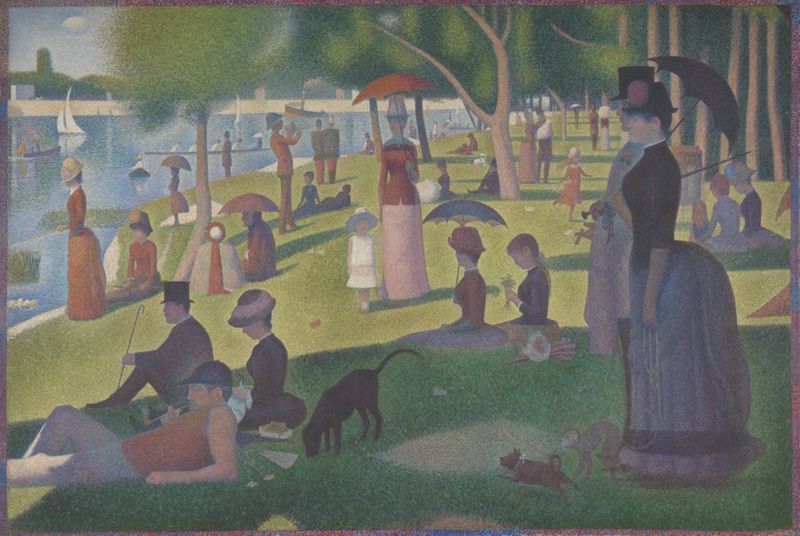 Same era · 1870s–1900s
A Sunday on La Grande Jatte — 1884
Okada Saburosuke · 1884 · Art Institute of Chicago
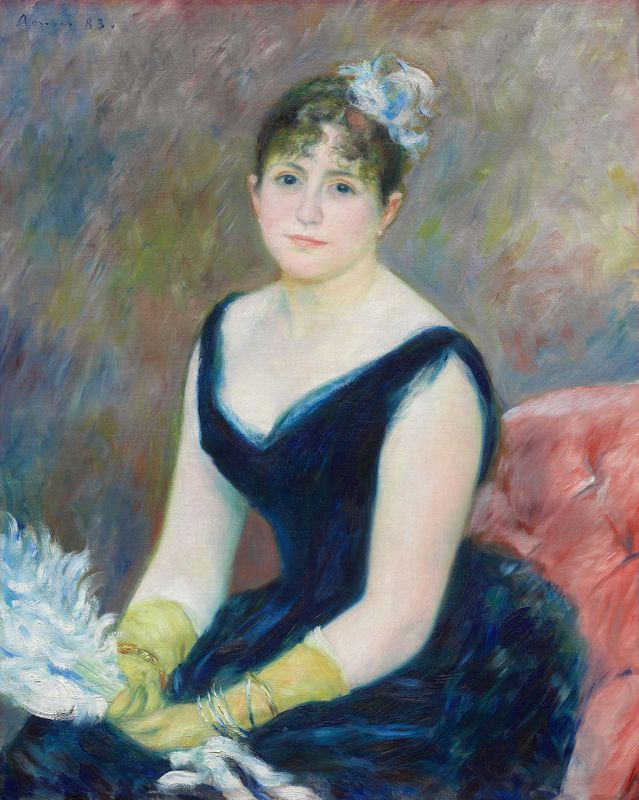 Same era · 1870s–1900s
Madame Léon Clapisson
Léon-Victor Dupré · 1883 · Art Institute of Chicago
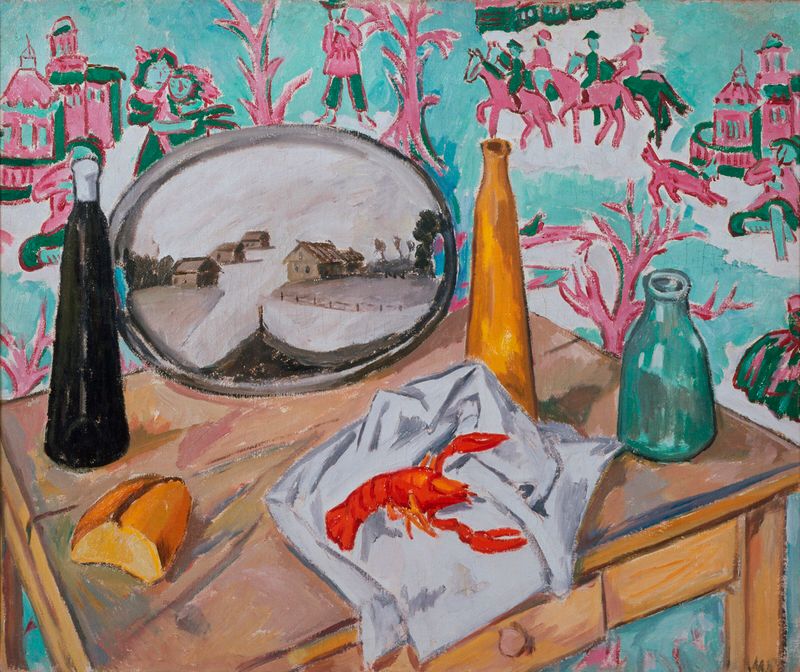 Same era · 1870s–1900s
Still Life with Crayfish
Mikhail Larionov · 1900 · Museum Ludwig
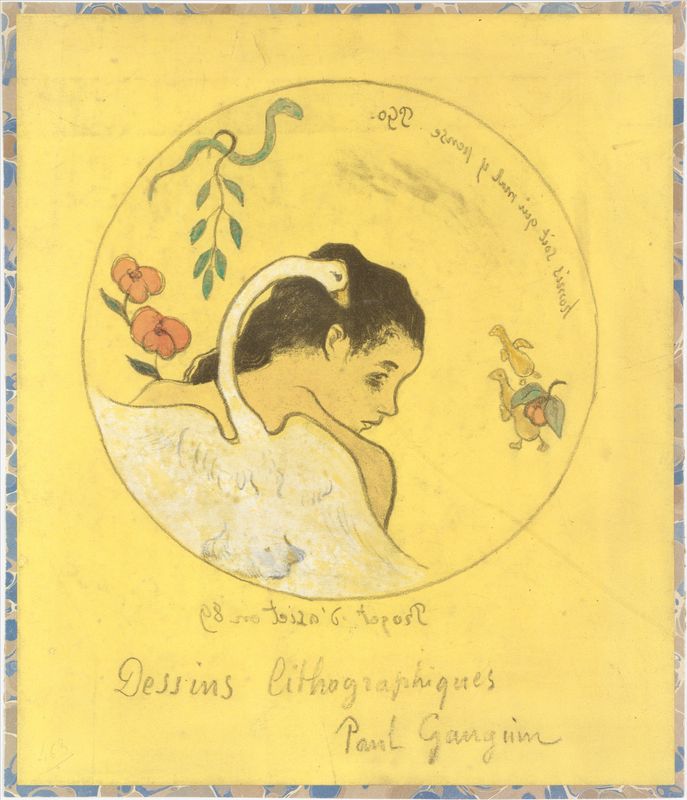 Same era · 1870s–1900s
("Leda") Design for a Plate: Shame on Those Who Evil Think (Honi Soit Qui Mal y Pense) ; cover illustration for the "Volpini Suite" entitled Lithographic Drawings (Dessins lithographiques)
Paul Gauguin · 1889 · The Metropolitan Museum of Art
 Same era · 1870s–1900s
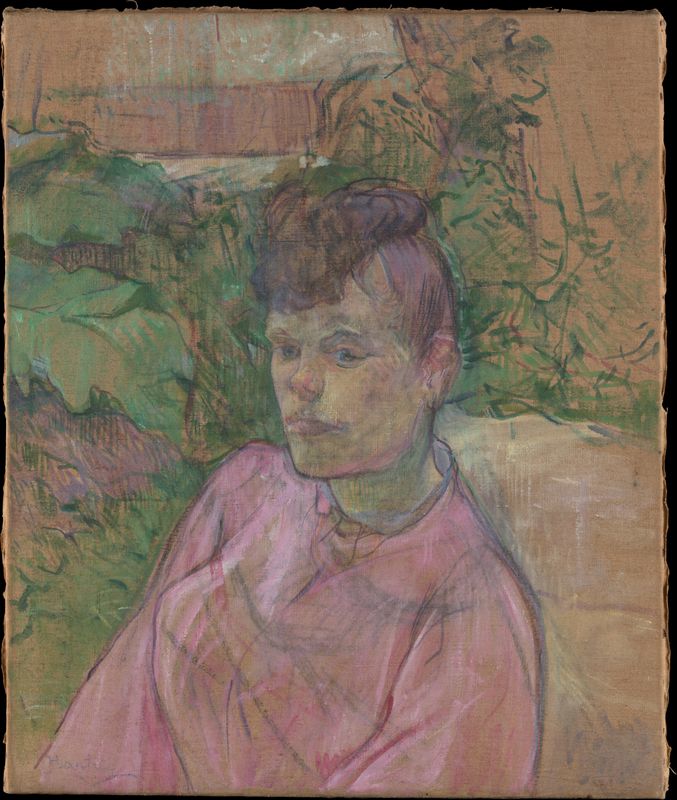
Woman in the Garden of Monsieur Forest
Henri de Toulouse-Lautrec · 1889 · The Metropolitan Museum of Art
 Same era · 1870s–1900s
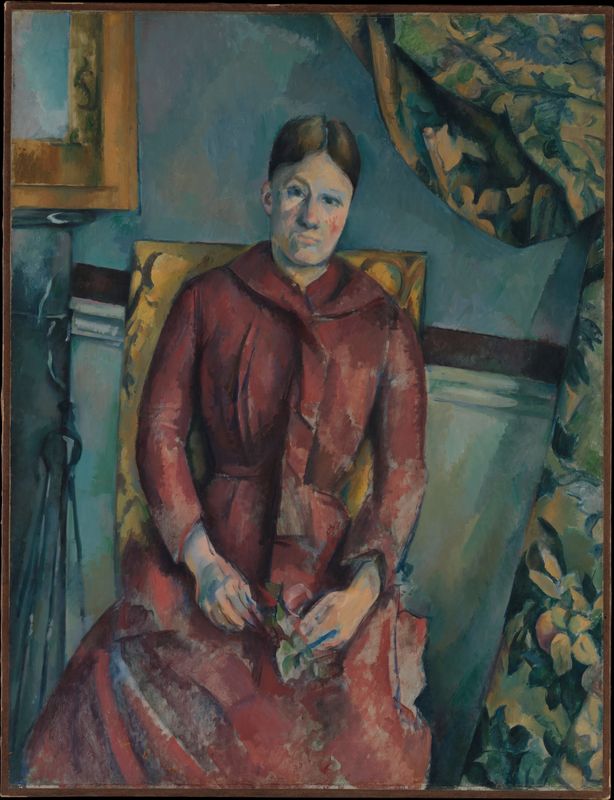
Madame Cézanne (Hortense Fiquet, 1850–1922) in a Red Dress
Paul Cézanne · 1888 · The Metropolitan Museum of Art
 Same era · 1870s–1900s
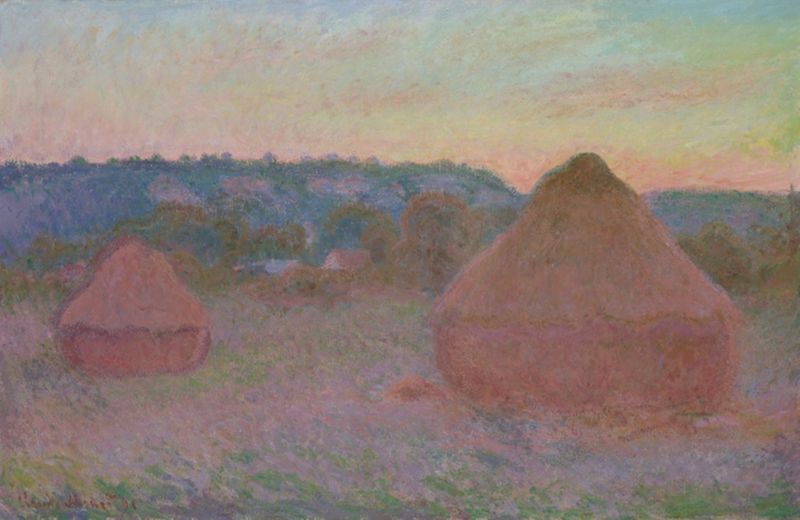
Stacks of Wheat (End of Day, Autumn)
Claude Monet · 1890 · Art Institute of Chicago
 Same era · 1870s–1900s
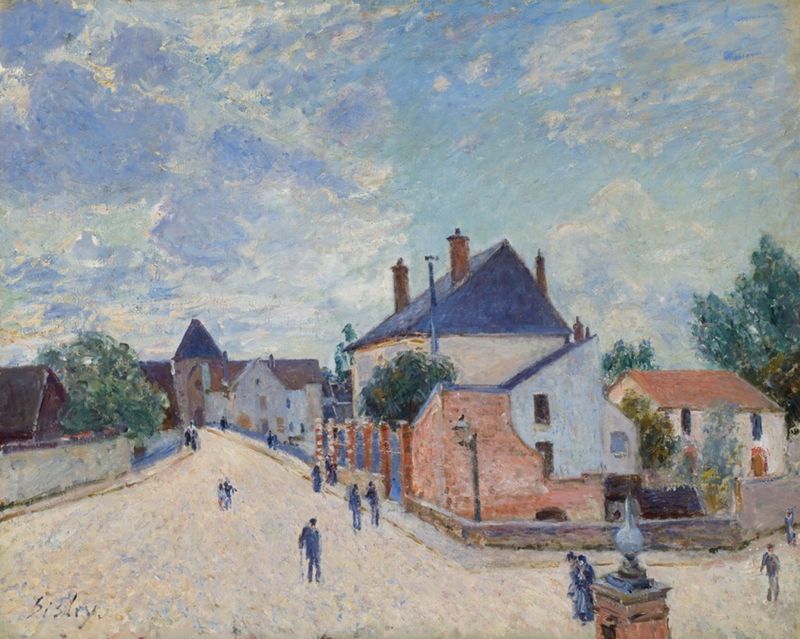
Street in Moret
Alfred Sisley · 1890 · Art Institute of Chicago
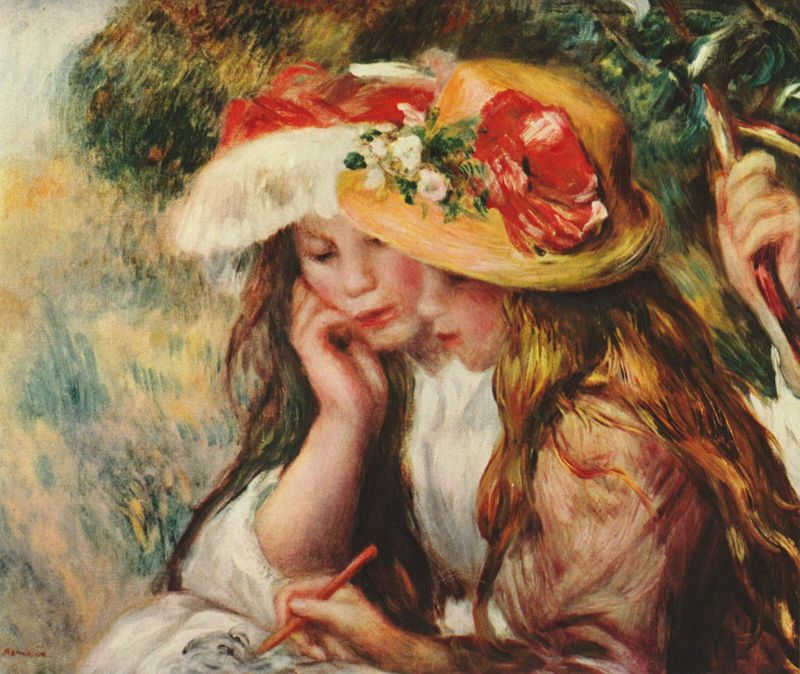 Same era · 1870s–1900s
Two Girls Reading in a Garden
Pierre-Auguste Renoir · 1890
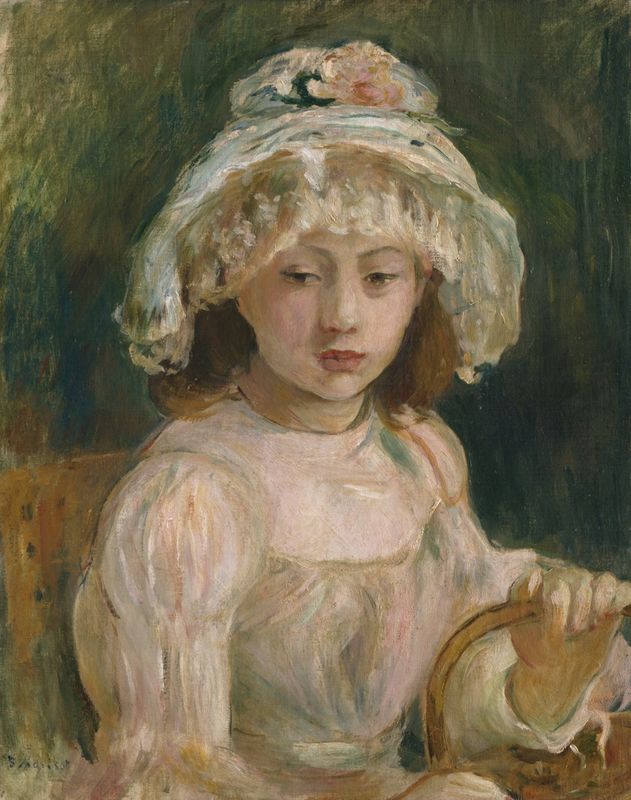 Same era · 1870s–1900s
Young Girl with Hat
Berthe Morisot · 1891 · Art Institute of Chicago
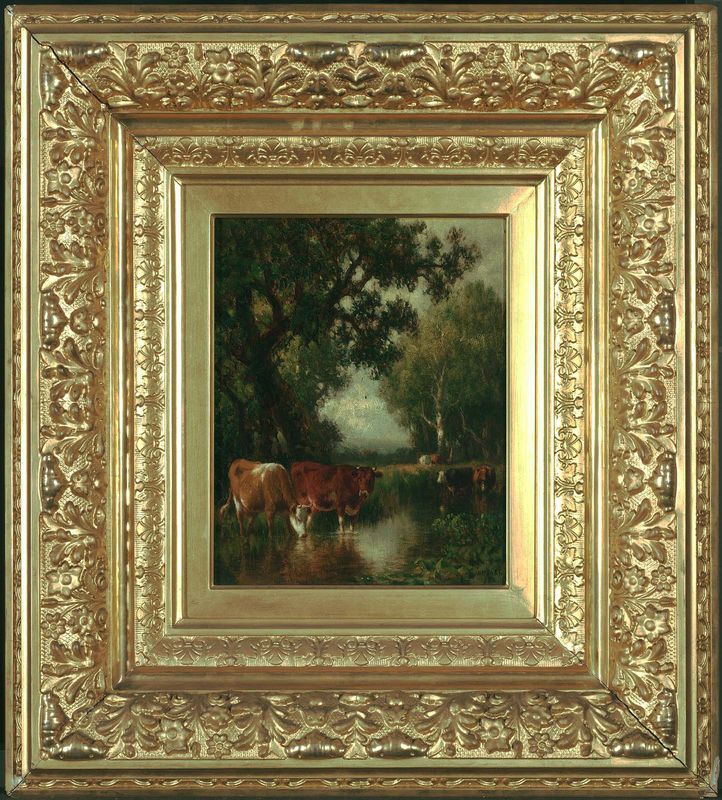 Same era · 1870s–1900s
Cows Drinking at a Pool
William Hart · 1886 · Museum of Fine Arts Boston