01
The calm gaze
Start at the face, tilted slightly with pale blue eyes and rosy cheeks. Her quiet, direct look gives the whole nude a personal presence.
1 of 5 on the painting
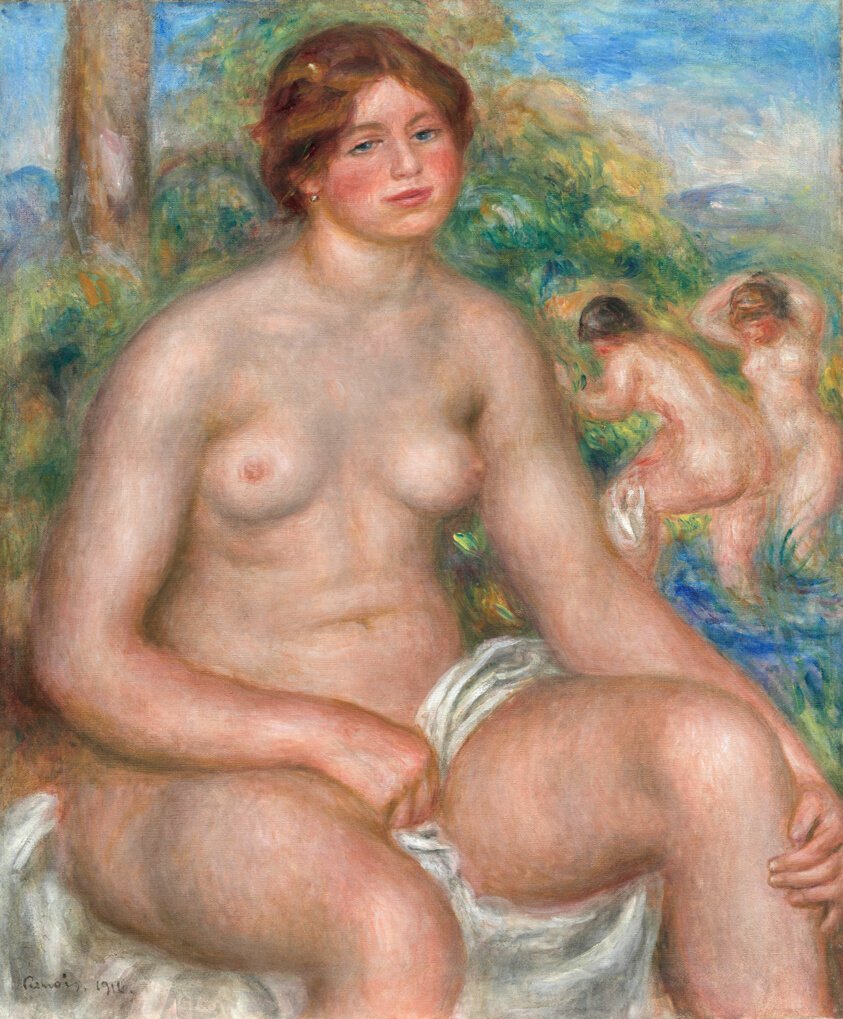
“Stop to appreciate the radiant skin and intimate pose of this bather. It's a beautiful example of how Renoir blended Impressionist light with a renewed focus on the human form.”
This painting, "Seated Bather," captures a woman in an intimate moment, her gaze directed away from the viewer, lost in thought or simply enjoying the warmth of the sun. Her skin glows with a soft, pearlescent quality, a hallmark of the Impressionist style that Renoir helped develop. The background is a blur of warm greens and blues, suggesting a lush, natural setting without distracting from the figure. Notice how the light plays across her body, highlighting the curves of her back and shoulders, giving the scene a sensual yet gentle feeling. This work, painted in 1883, reflects a shift in Renoir's approach, where he began to emphasize the solidity of forms while retaining the vibrant color and light of his earlier Impressionist pieces.
Five details hide in plain sight. Pick one and we’ll show you exactly where to look.
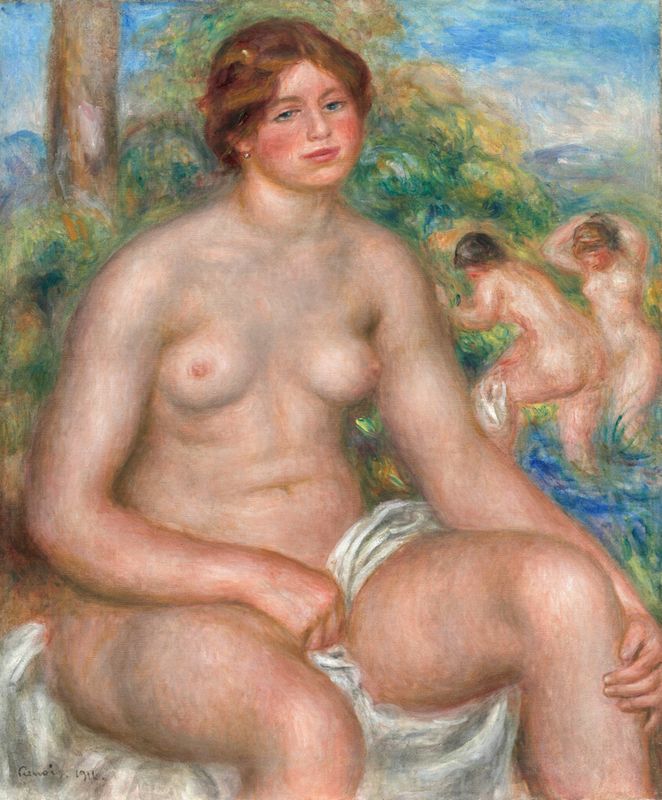
Start at the face, tilted slightly with pale blue eyes and rosy cheeks. Her quiet, direct look gives the whole nude a personal presence.
Look at the torso, where pinks, creams and faint greys melt together in soft, feathery strokes. The skin seems to glow rather than being outlined.
Two small figures stand near the water on the right, one bending forward and one with arms raised to her head. They turn the pose into a bathing scene.
White cloth bunches at her lap and spills beneath her at the lower left. Its cool whites and greys set off the warm skin and suggest a seat beneath her.
The green and yellow foliage behind her shoulder is dabbed in loose, broken touches, with small orange accents that echo the warm skin and tie the figure to the landscape.
The full narration walks you through Seated Bather — the story behind it, the details most visitors miss, and why it matters. Free in the Art Whisper app.
Pierre-Auguste Renoir, a leading Impressionist, painted lively scenes of Parisian life and celebrated feminine beauty.
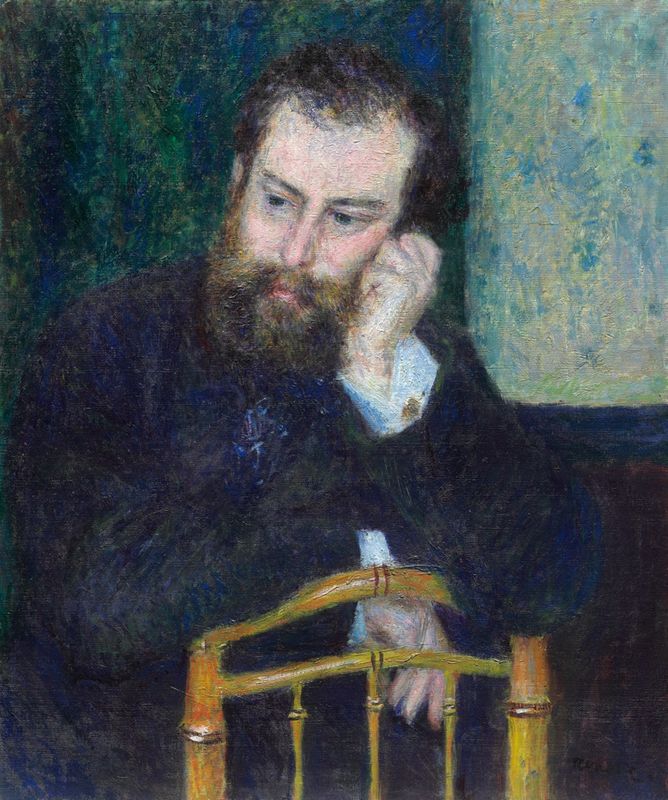 Alfred Sisley
1864 · Foundation E.G. Bührle Collection
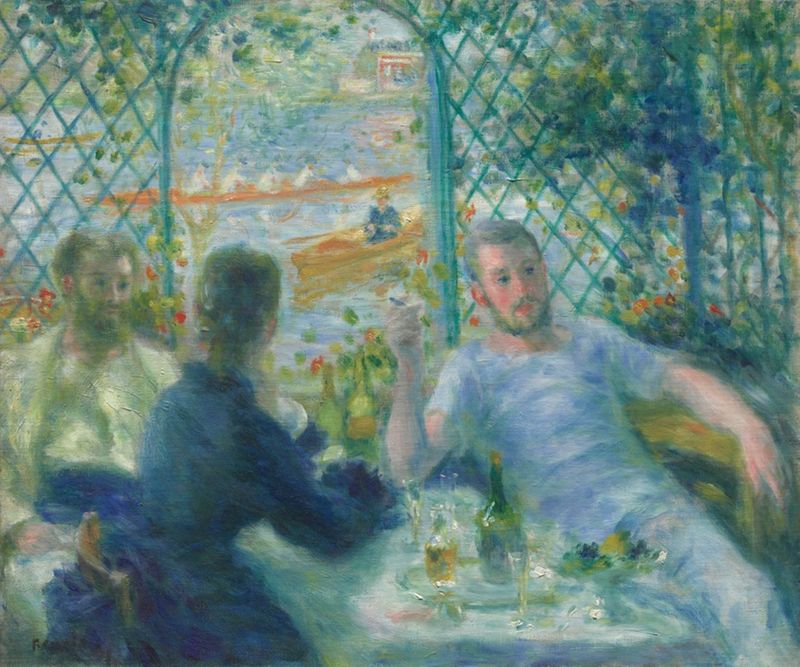 Lunch at the Restaurant Fournaise (The Rowers' Lunch)
1875 · Art Institute of Chicago
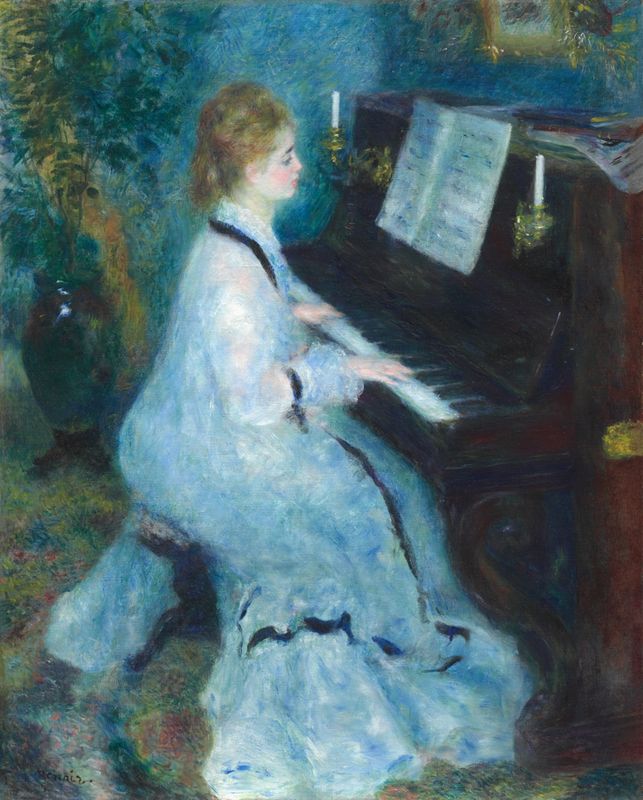 Woman at the Piano
1875 · Art Institute of Chicago
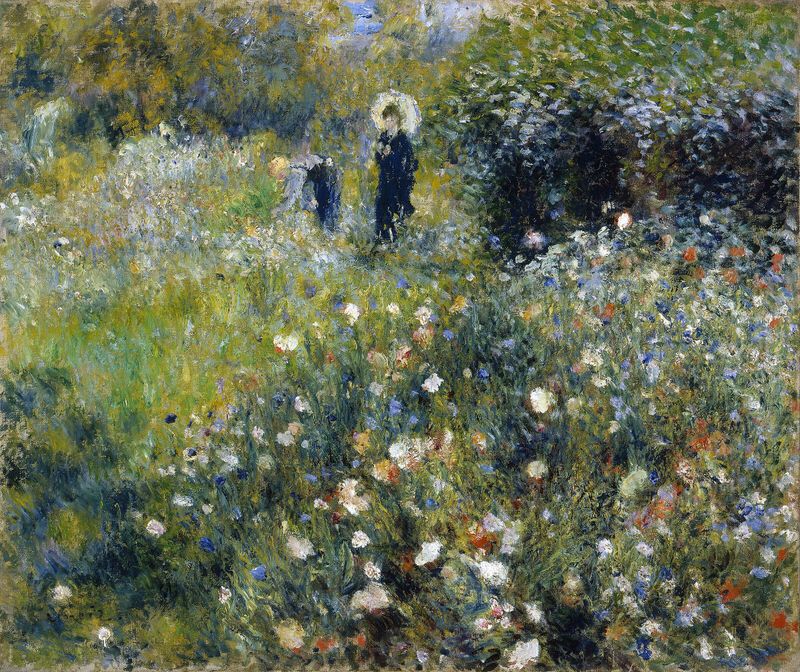 Woman with a Parasol in a Garden
1875 · Thyssen-Bornemisza Museum
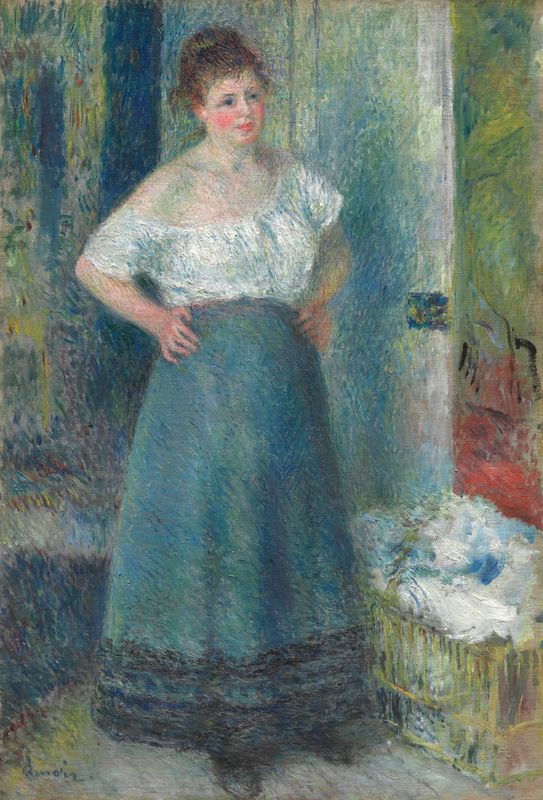 The Laundress
1877 · Art Institute of Chicago
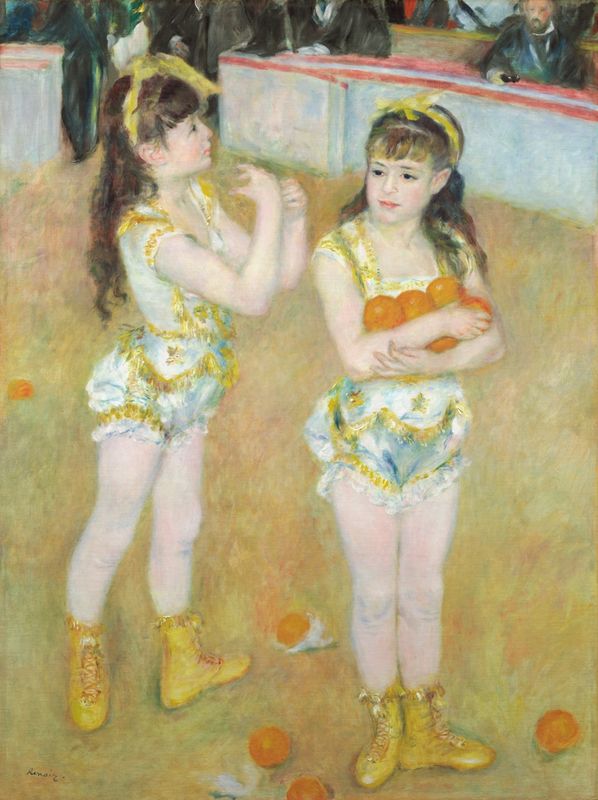 Acrobats at the Cirque Fernando (Francisca and Angelina Wartenberg)
1879 · Art Institute of Chicago
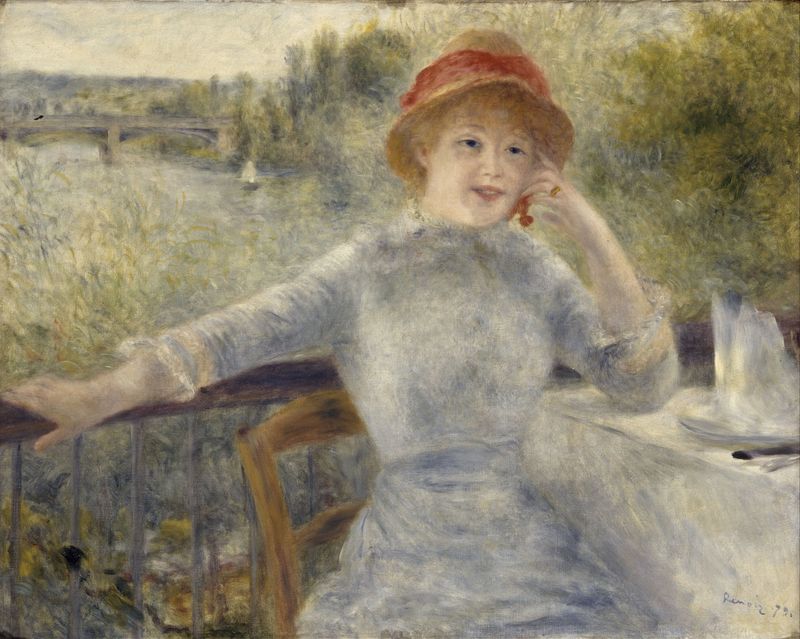 Alphonsine Fournaise
1879 · Musée d'Orsay
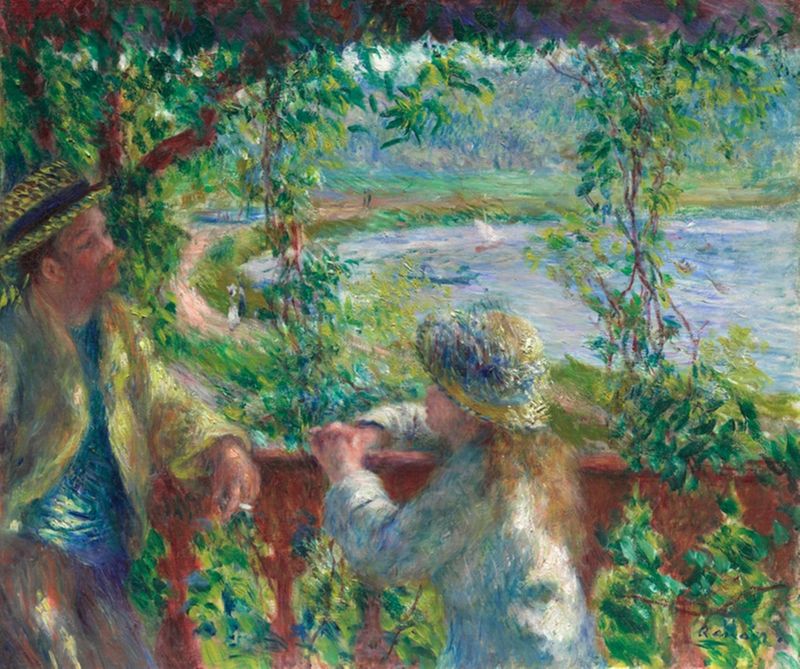 Near the Lake
1879 · Art Institute of Chicago
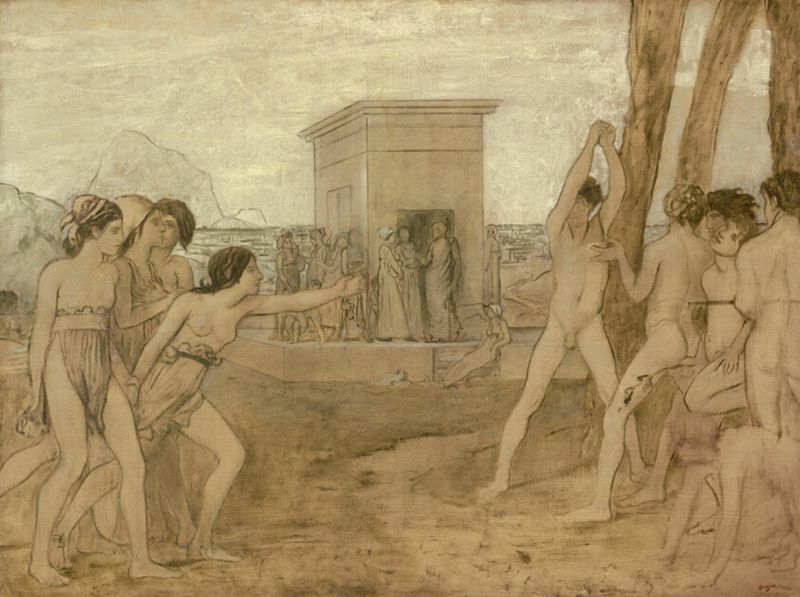 Young Spartan Girls Challenging Boys
Degas · 1860 · Art Institute of Chicago
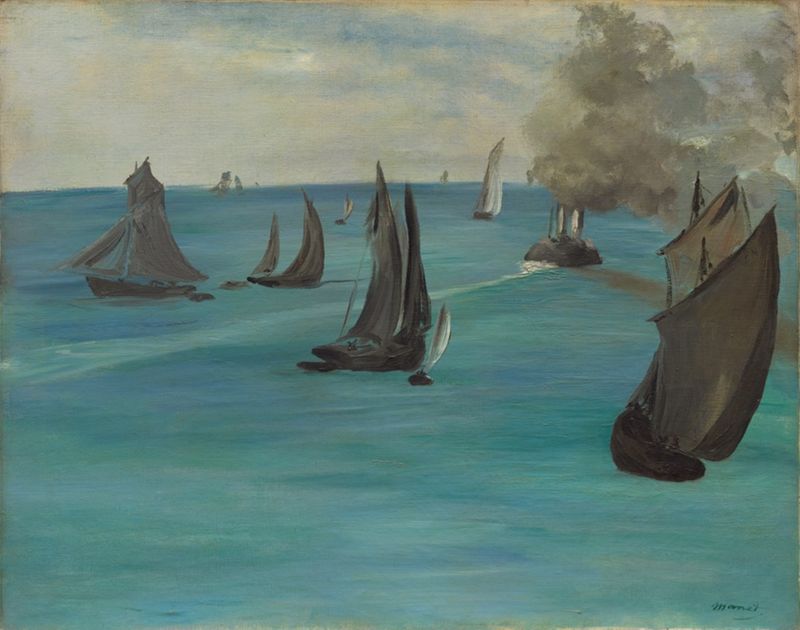 Sea View, Calm Weather (Vue de mer, temps calme)
Manet · 1864 · Art Institute of Chicago
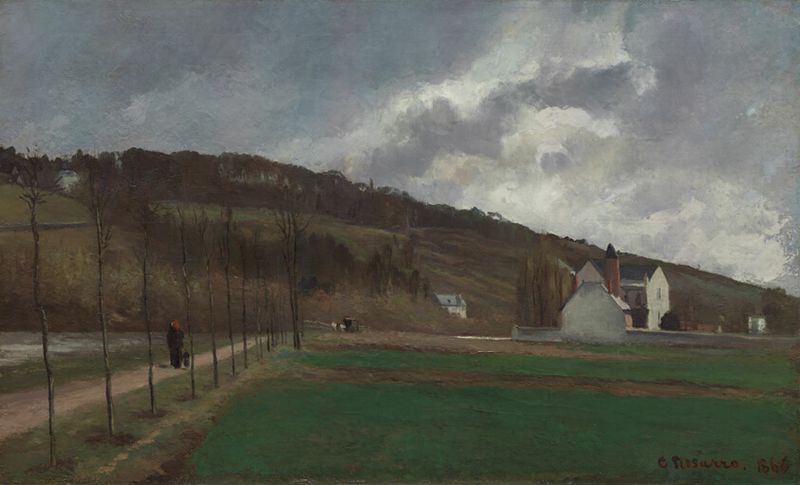 The Banks of the Marne in Winter
Pissarro · 1866 · Art Institute of Chicago
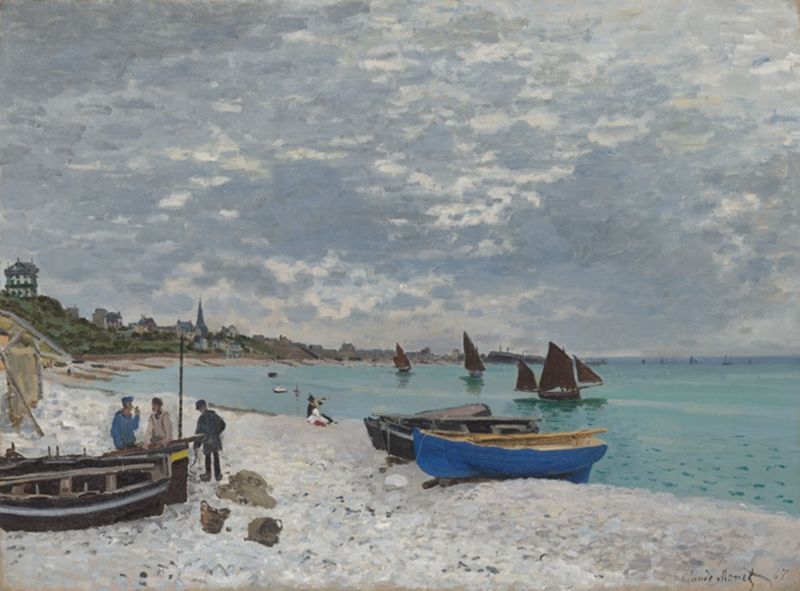 The Beach at Sainte-Adresse
Monet · 1867 · Art Institute of Chicago
Beyond Renoir and Impressionism: works from the same years.
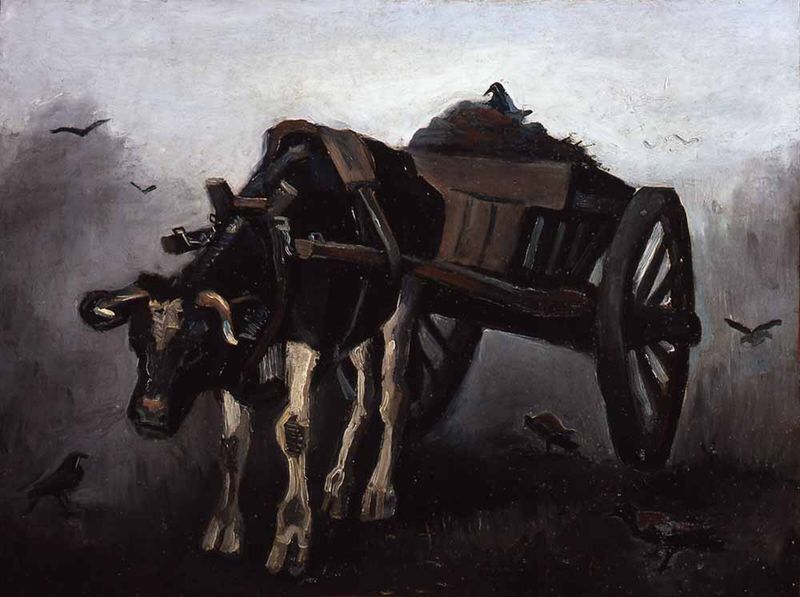 Same era · 1860s–1890s
Cart with Black Ox
Vincent van Gogh · 1884 · Portland Art Museum
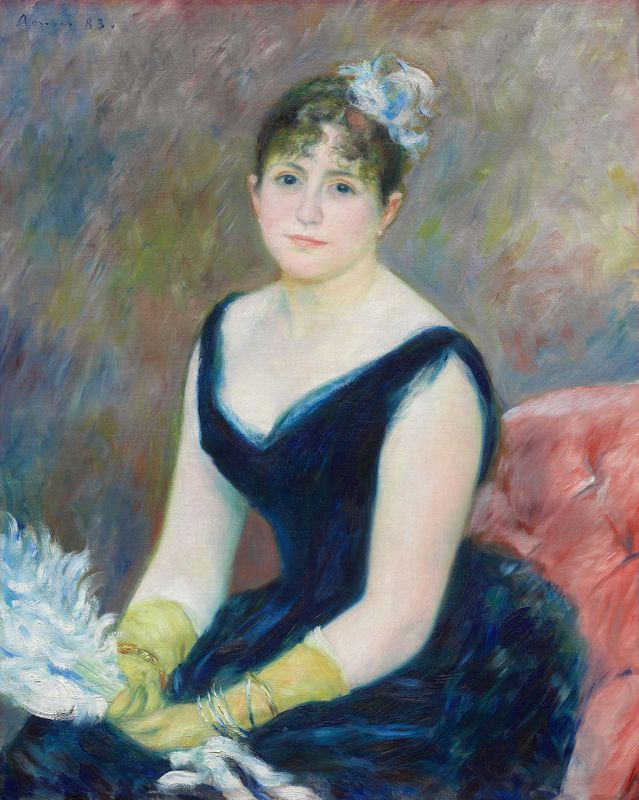 Same era · 1860s–1890s
Madame Léon Clapisson
Léon-Victor Dupré · 1883 · Art Institute of Chicago
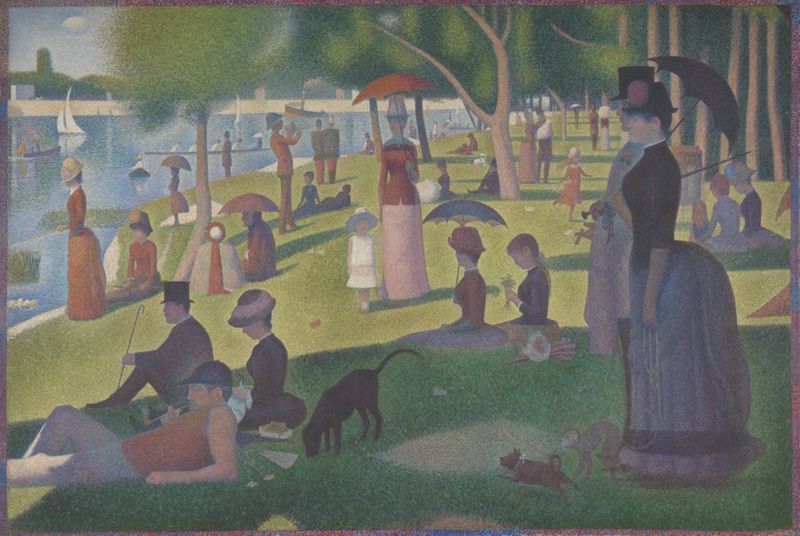 Same era · 1860s–1890s
A Sunday on La Grande Jatte — 1884
Okada Saburosuke · 1884 · Art Institute of Chicago
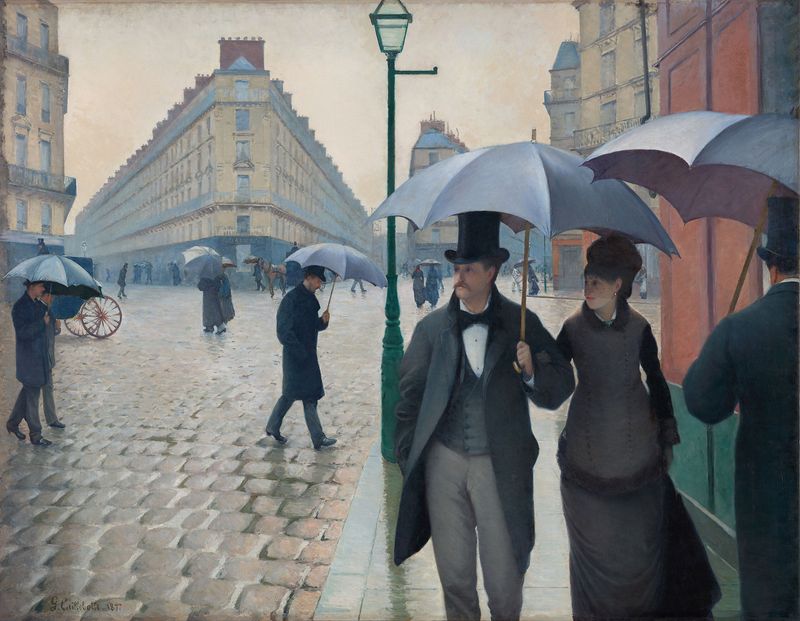 Same era · 1860s–1890s
Paris Street; Rainy Day
Kawabata Gyokushō · 1877 · Art Institute of Chicago
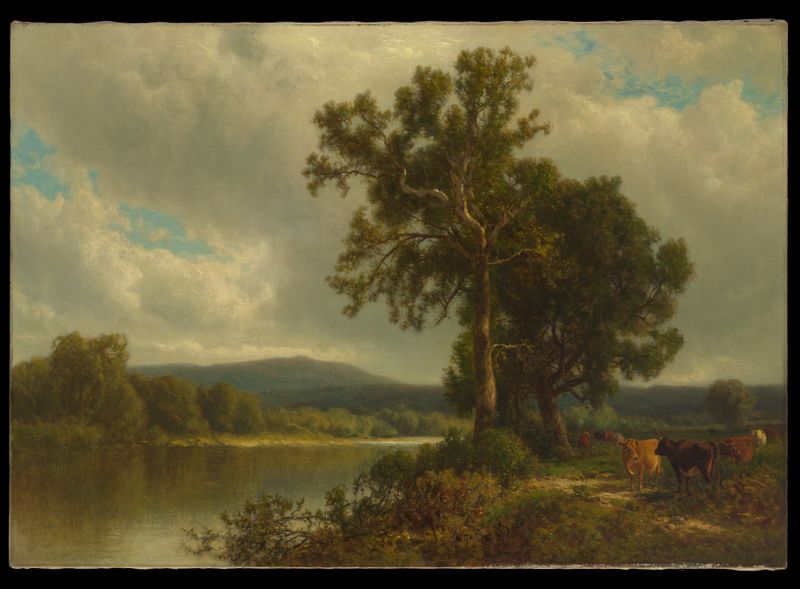 Same era · 1860s–1890s
Scene at Napanoch
William Hart · 1883 · The Metropolitan Museum of Art
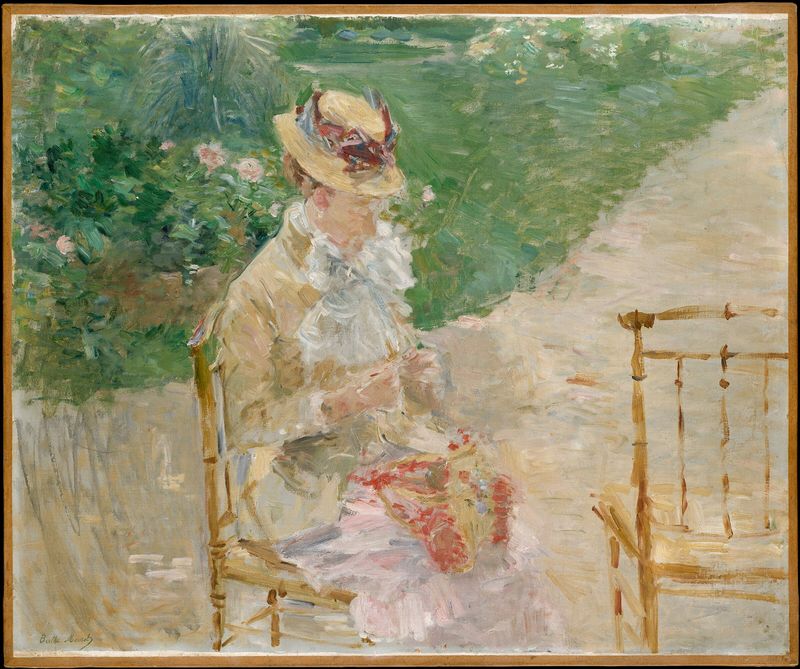 Same era · 1860s–1890s
Young Woman Knitting
Berthe Morisot · 1883 · Metropolitan Museum of Art
 Same era · 1860s–1890s
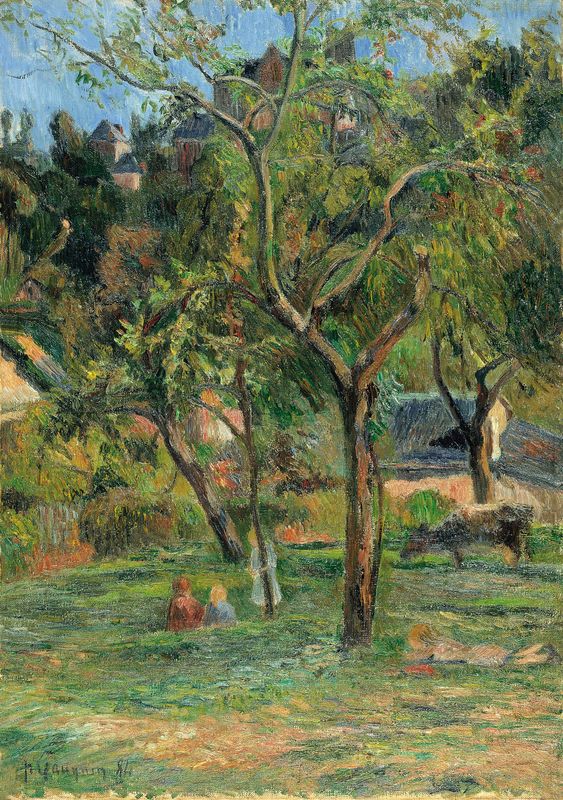
An Orchard under the Church of Bihorel
Paul Gauguin · 1884 · Thyssen-Bornemisza Museum
 Same era · 1860s–1890s
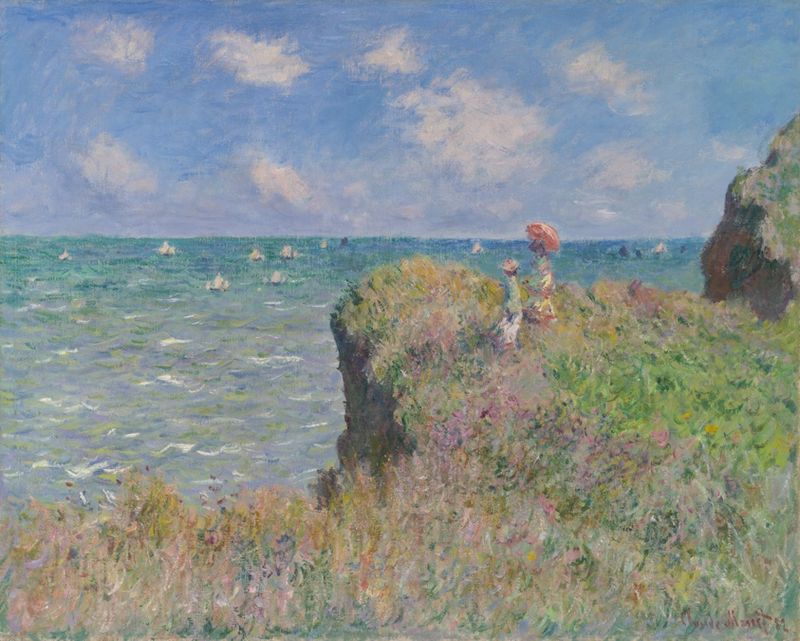
Cliff Walk at Pourville
Claude Monet · 1882 · Art Institute of Chicago
 Same era · 1860s–1890s
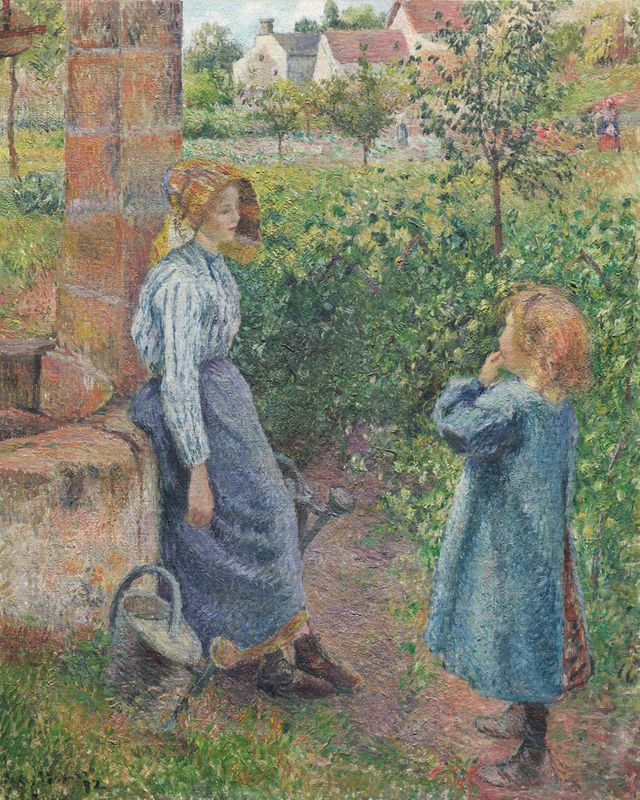
Woman and Child at the Well
Camille Pissarro · 1882 · Art Institute of Chicago
 Same era · 1860s–1890s
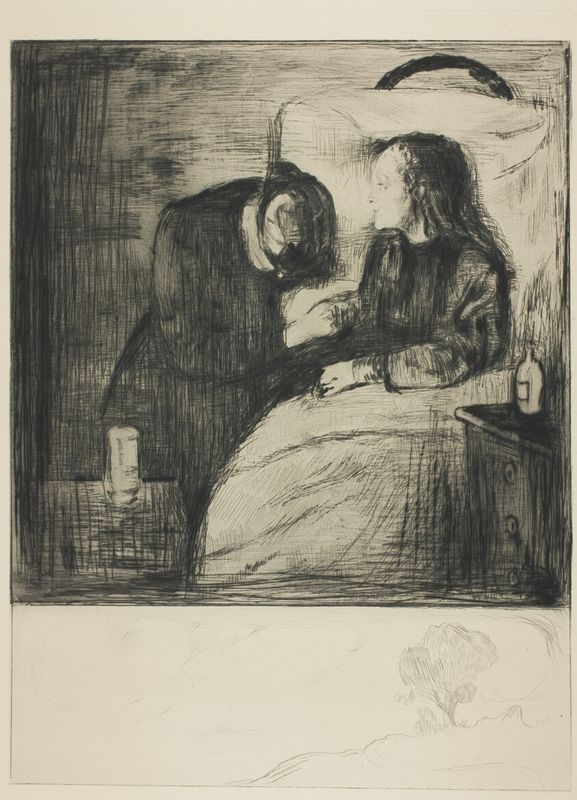
The Sick Child
Edvard Munch · 1885 · National Museum of Art, Architecture and Design
 Same era · 1860s–1890s
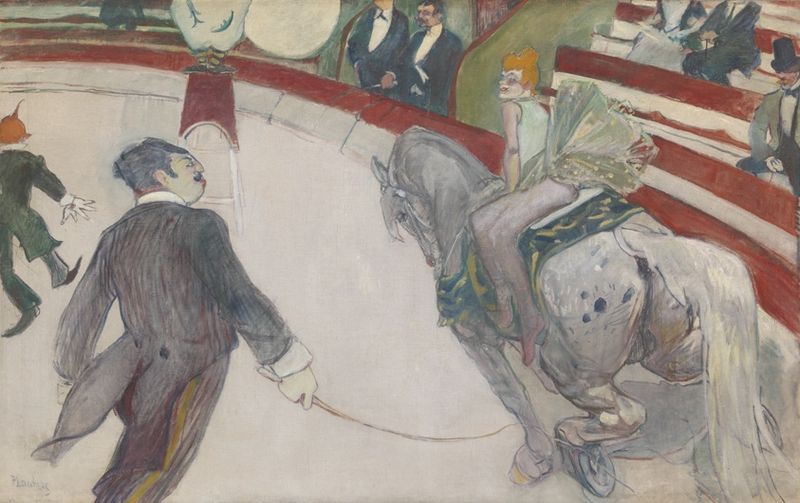
Equestrienne (At the Cirque Fernando)
Henri de Toulouse-Lautrec · 1887 · Art Institute of Chicago
 Same era · 1860s–1890s
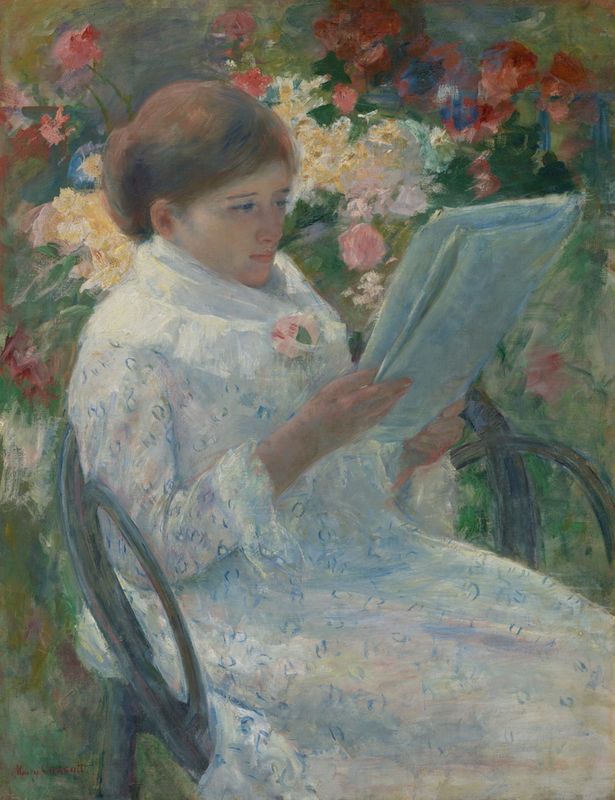
On a Balcony
Mary Cassatt · 1879 · Art Institute of Chicago
