
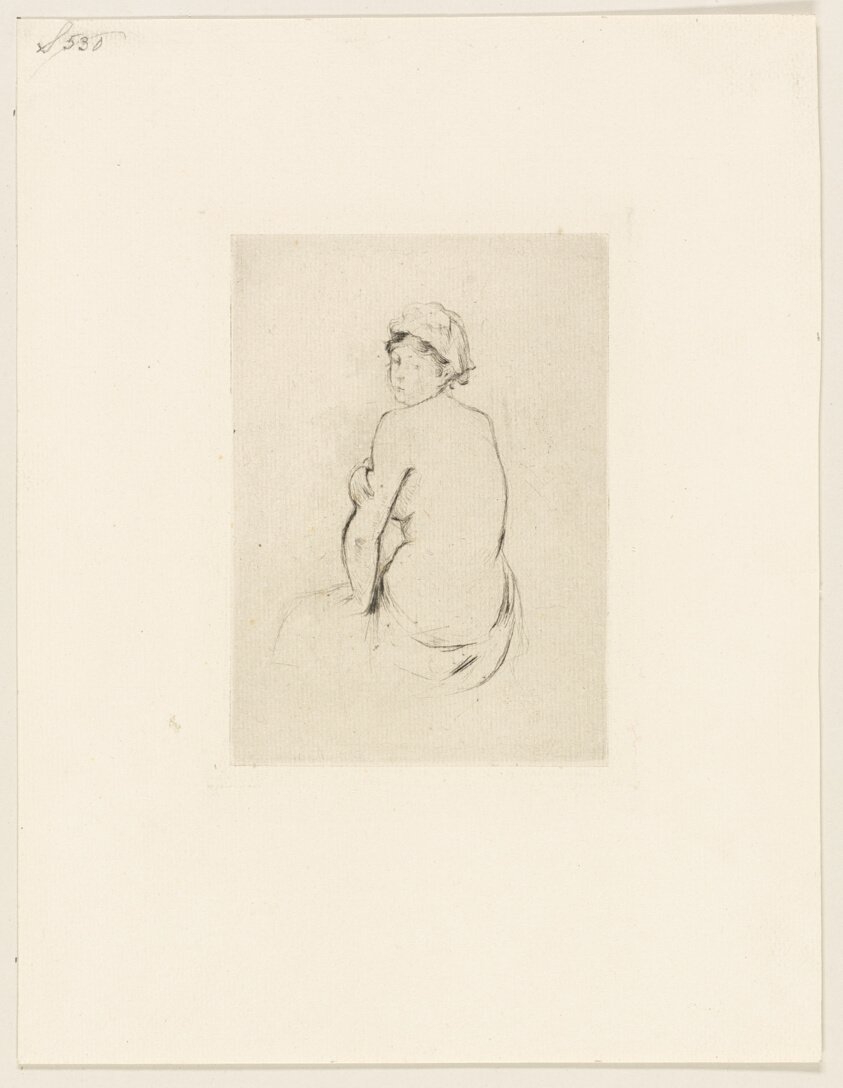
“Stop to appreciate the tender intimacy of this print, where the artist's delicate drypoint lines capture a private moment and the subtle play of light on the human form.”
This drypoint print, "Nude Seen from Behind," captures a private moment with remarkable intimacy. The figure, a woman, turns away from us, her form rendered with a delicate touch that suggests both vulnerability and a quiet strength. The artist uses the drypoint technique to create soft, feathery lines, particularly visible in the contours of the body and the subtle shading of the background. This approach allows for a sense of movement and immediacy, as if we've stumbled upon the scene unawares. The work, created in 1889, reflects a period when many Impressionist artists were exploring domestic subjects and the female form, often with a focus on capturing fleeting impressions rather than idealized classical beauty. Here, the focus is on naturalism and the subtle play of light and shadow across the model's back, emphasizing the human form without overt drama.
- Artist
- Berthe Morisot
- Date
- 1889
- Medium
- Drypoint on cream laid paper
- Location
- Art Institute of Chicago
- Dimensions
- Image: 13.9 × 9.8 cm (5 1/2 × 3 7/8 in.); Plate: 13.9 × 9.8 cm (5 1/2 × 3 7/8 in.); Sheet: 27.2 × 20.9 cm (10 3/4 × 8 1/4 in.)
- Collection
- Prints and Drawings
- Culture
- France
- Credit line
- Albert Roullier Memorial Collection
What to Notice
Four details hide in plain sight. Here’s where to look.
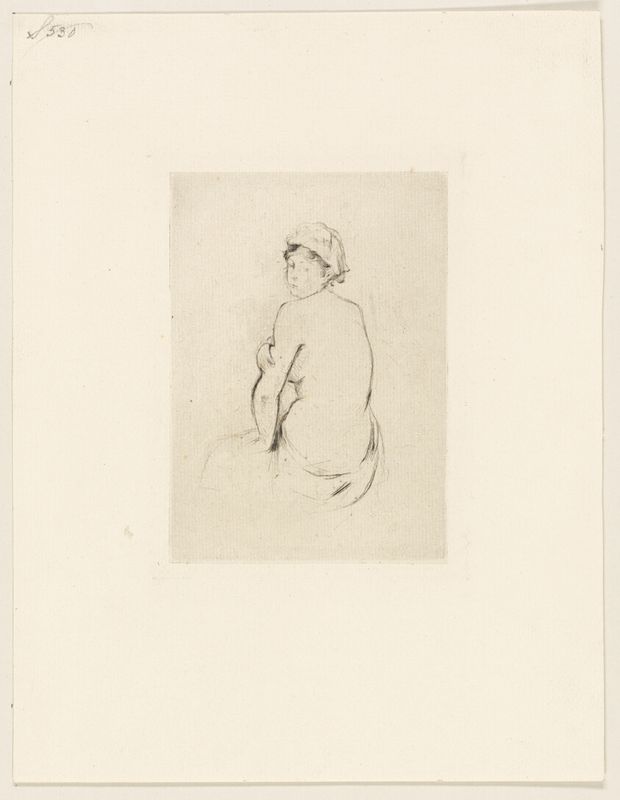
Observe the delicate, almost feathery lines created by the drypoint technique.
Notice how the light seems to fall across the woman's back, highlighting her form.
Look at the subtle shading in the background, which creates depth without clear details.
See the intimate scale of the print, drawing you closer to the scene.
Stand in front of it and listen
The full narration walks you through Nude Seen from Behind — the story behind it, the details most visitors miss, and why it matters. Free in the Art Whisper app.
Berthe Morisot
1841–1895 · FranceBerthe Morisot, a pioneering Impressionist, captured intimate domestic scenes and landscapes, often featuring women and children, with a luminous touch.
Further Works by Morisot
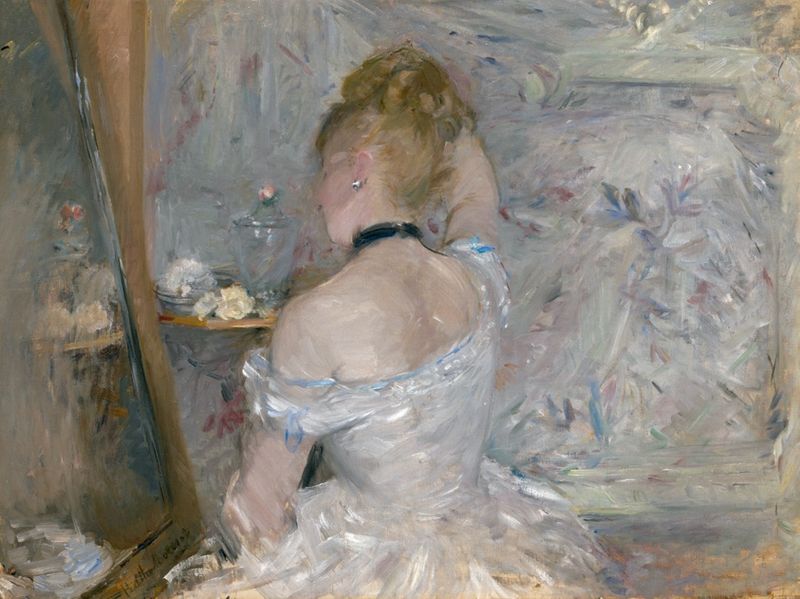 Woman at Her Toilette
1877 · Art Institute of Chicago
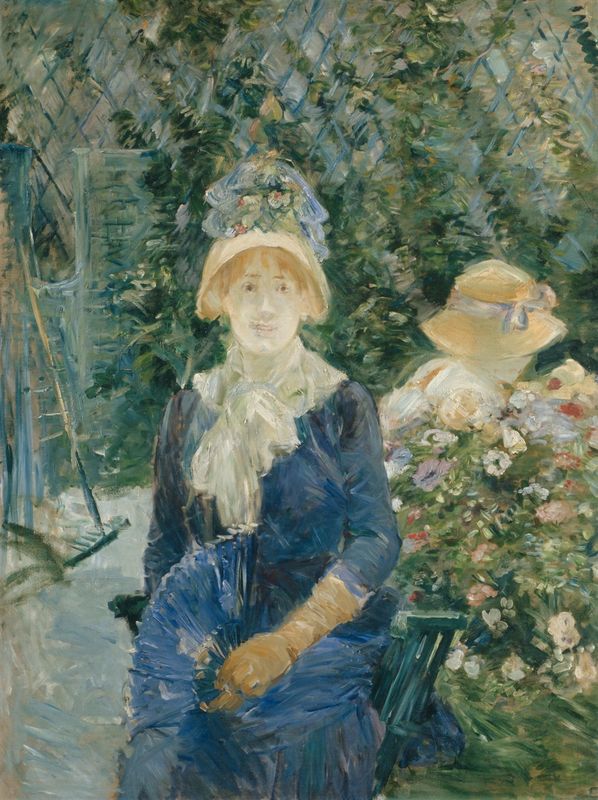 Woman in a Garden
1882 · Art Institute of Chicago
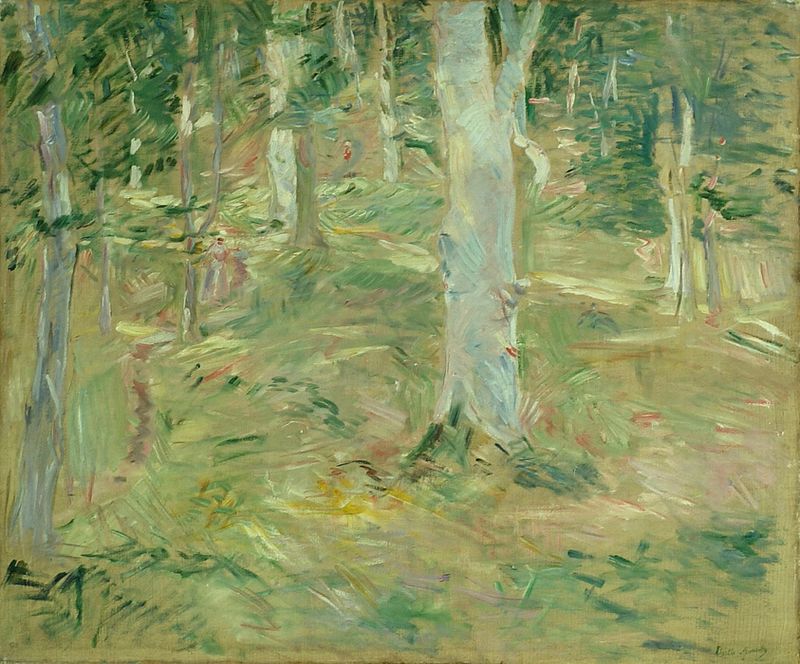 Forêt de Compiègne
1885 · Art Institute of Chicago
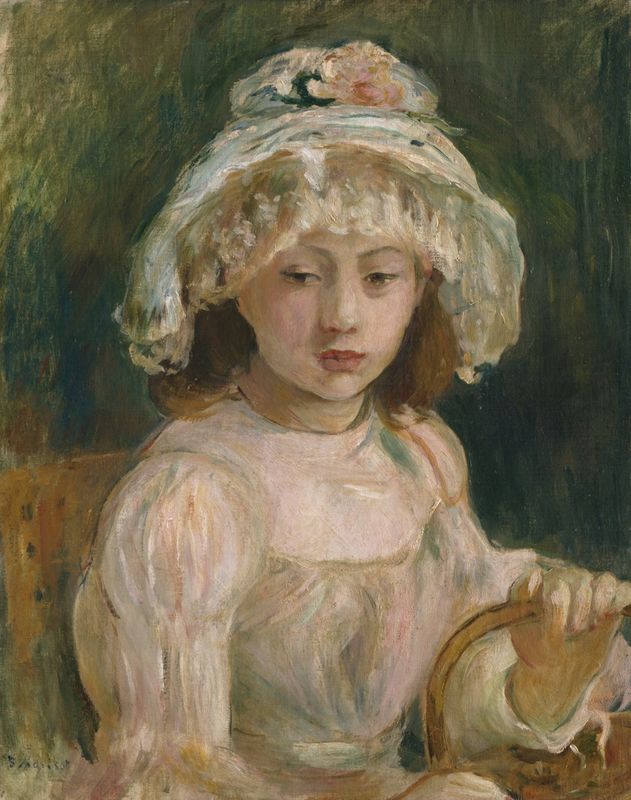 Young Girl with Hat
1891 · Art Institute of Chicago
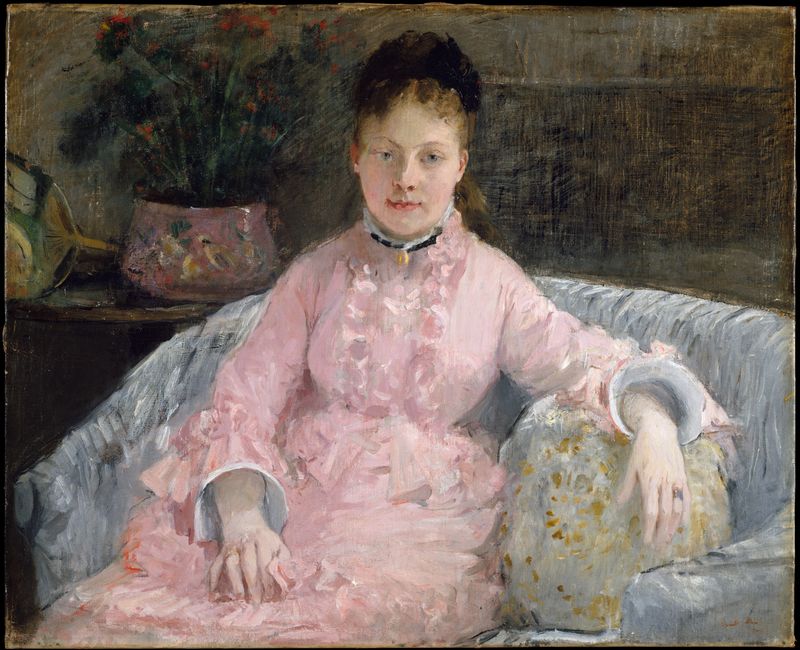 The Pink Dress (Albertie-Marguerite Carré, later Madame Ferdinand-Henri Himmes, 1854–1935)
1870 · Metropolitan Museum of Art
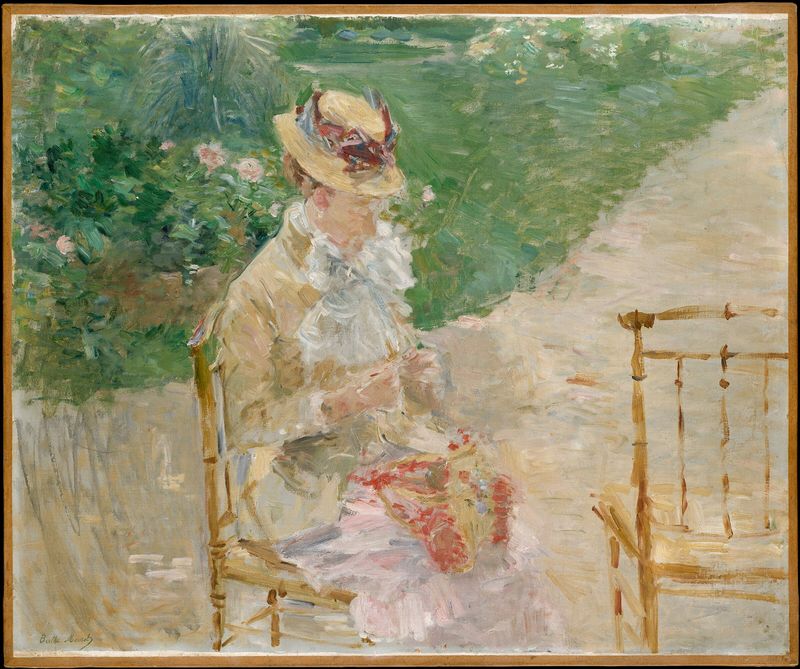 Young Woman Knitting
1883 · Metropolitan Museum of Art
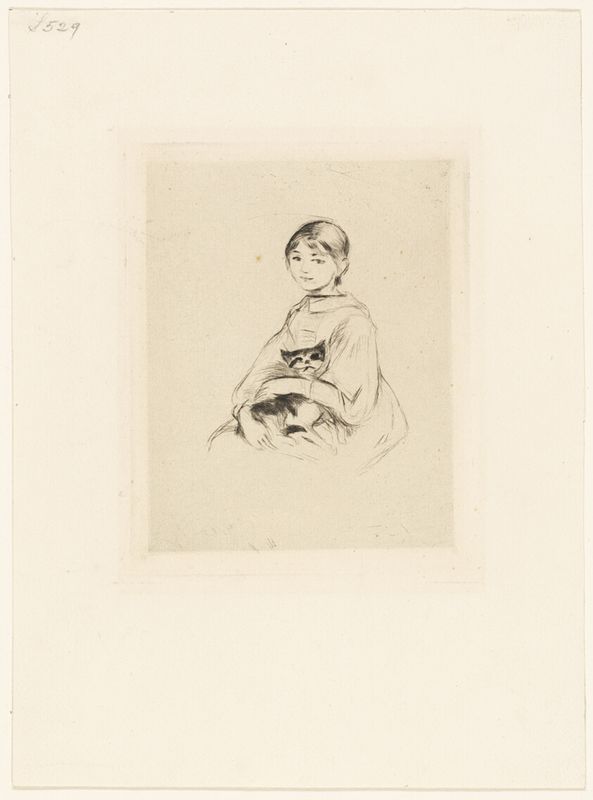 Young Girl with a Cat
1889 · Art Institute of Chicago
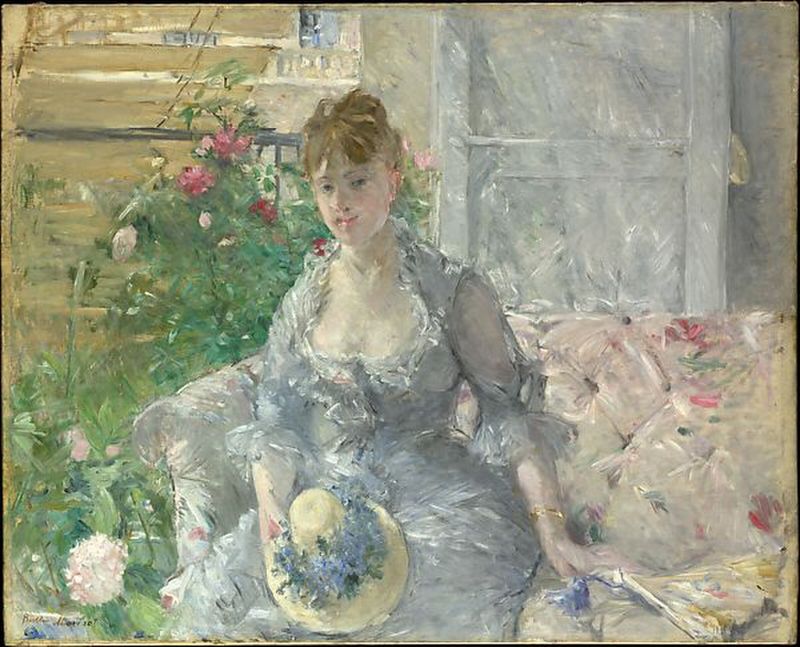 Young Woman Seated on a Sofa
1879 · Metropolitan Museum of Art
More from Impressionism
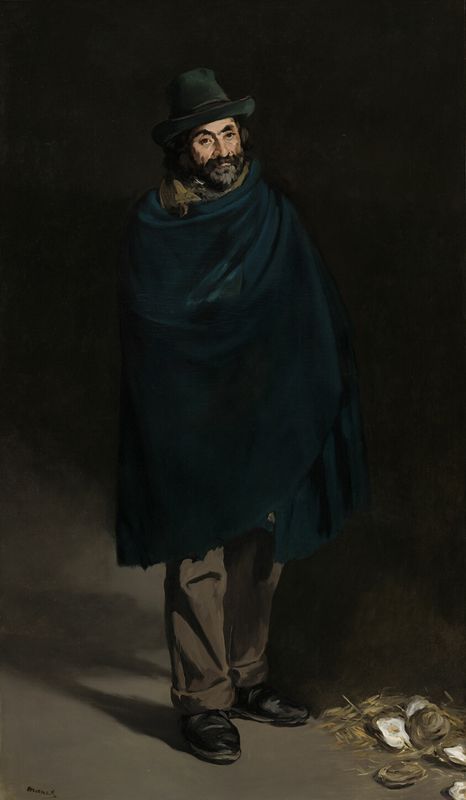
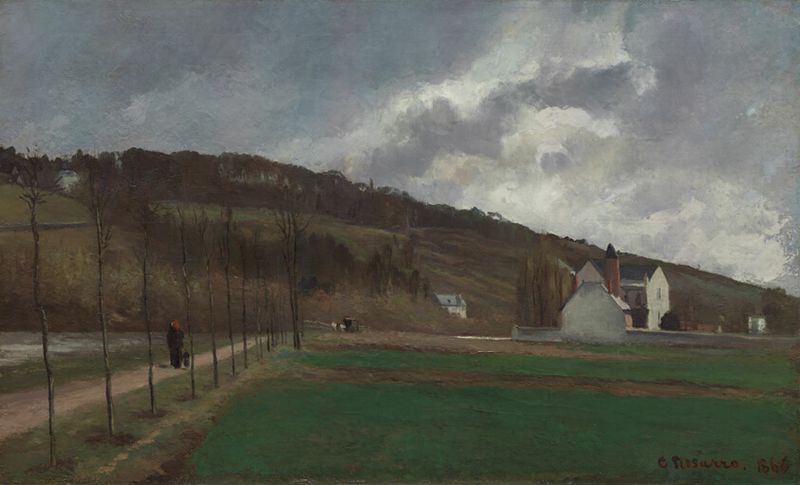
More works to explore
Beyond Morisot and Impressionism: works from the same years.
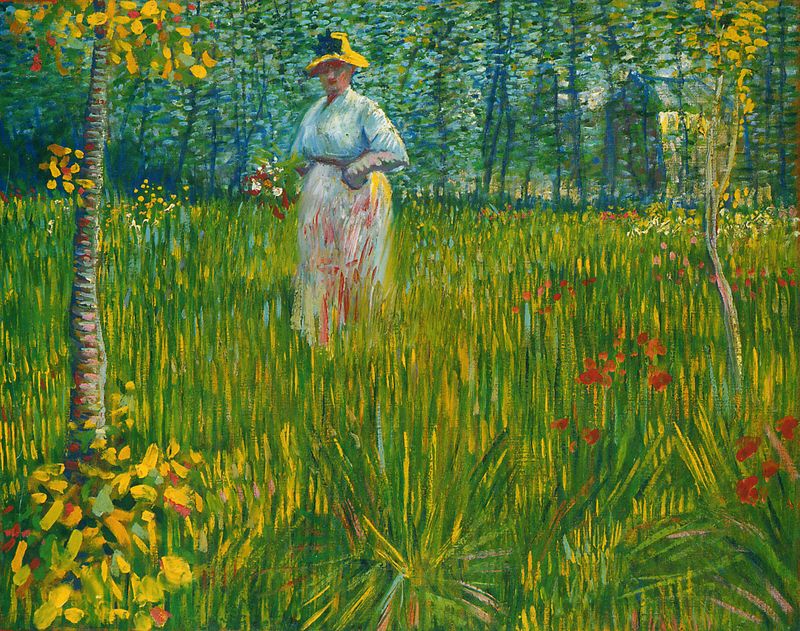 Same era · 1870s–1900s
A Woman Walking in a Garden
Vincent van Gogh · 1887 · Frans Buffa & sons
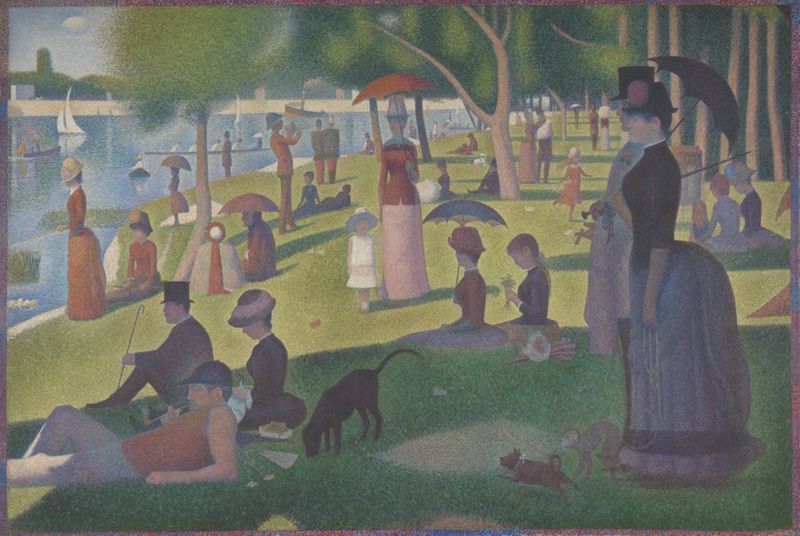 Same era · 1870s–1900s
A Sunday on La Grande Jatte — 1884
Okada Saburosuke · 1884 · Art Institute of Chicago
 Same era · 1870s–1900s
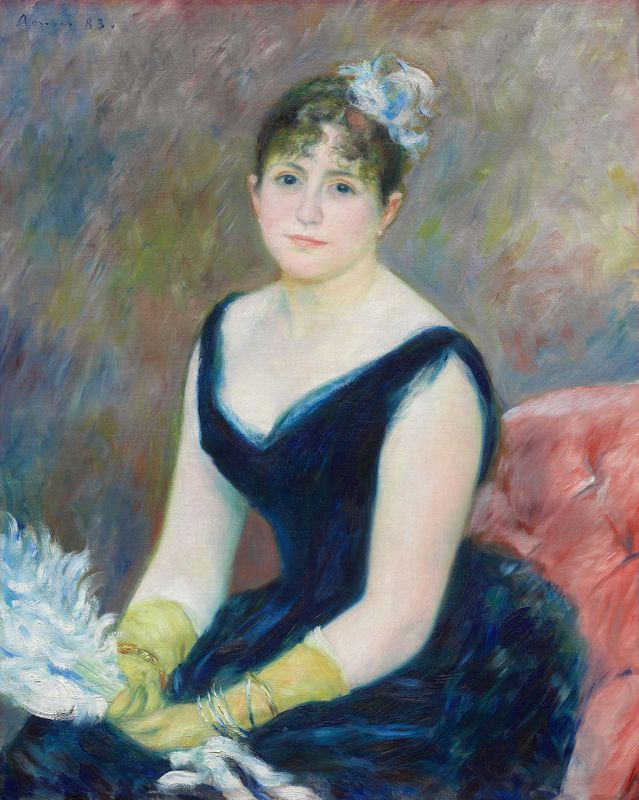
Madame Léon Clapisson
Léon-Victor Dupré · 1883 · Art Institute of Chicago
 Same era · 1870s–1900s
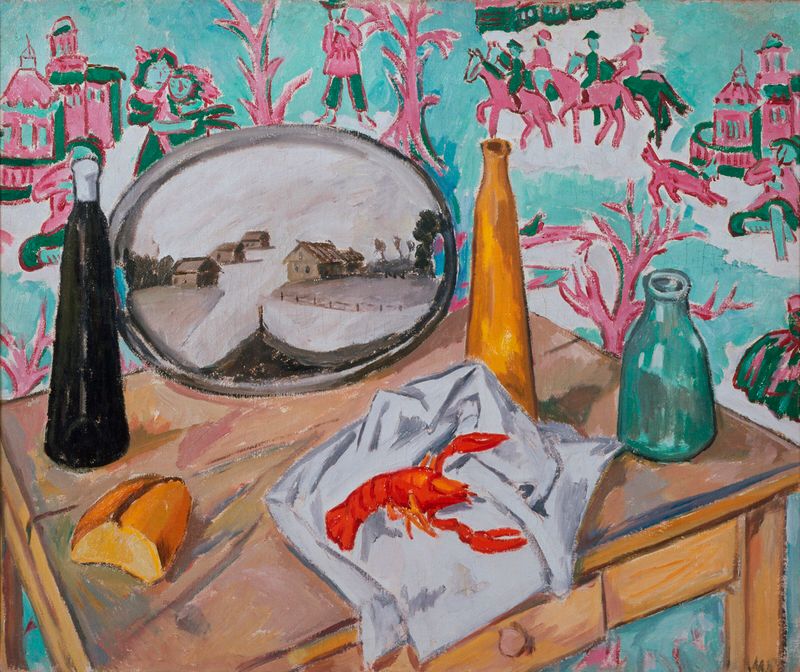
Still Life with Crayfish
Mikhail Larionov · 1900 · Museum Ludwig
 Same era · 1870s–1900s
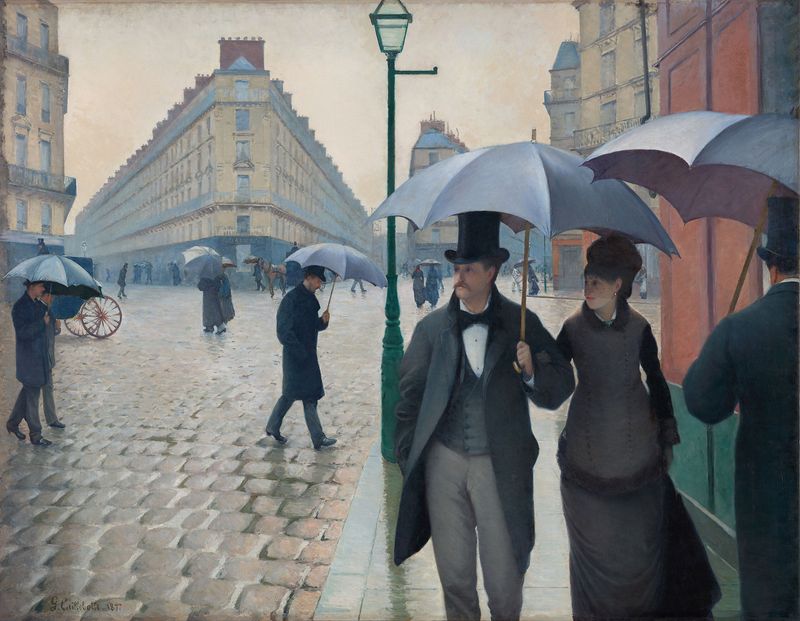
Paris Street; Rainy Day
Kawabata Gyokushō · 1877 · Art Institute of Chicago
 Same era · 1870s–1900s
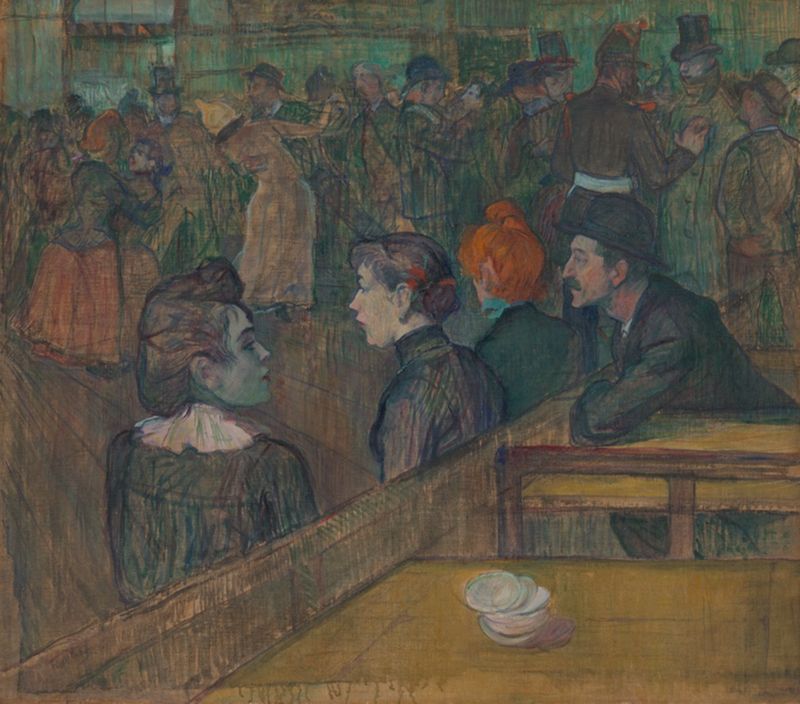
Moulin de la Galette
Henri de Toulouse-Lautrec · 1889 · Art Institute of Chicago
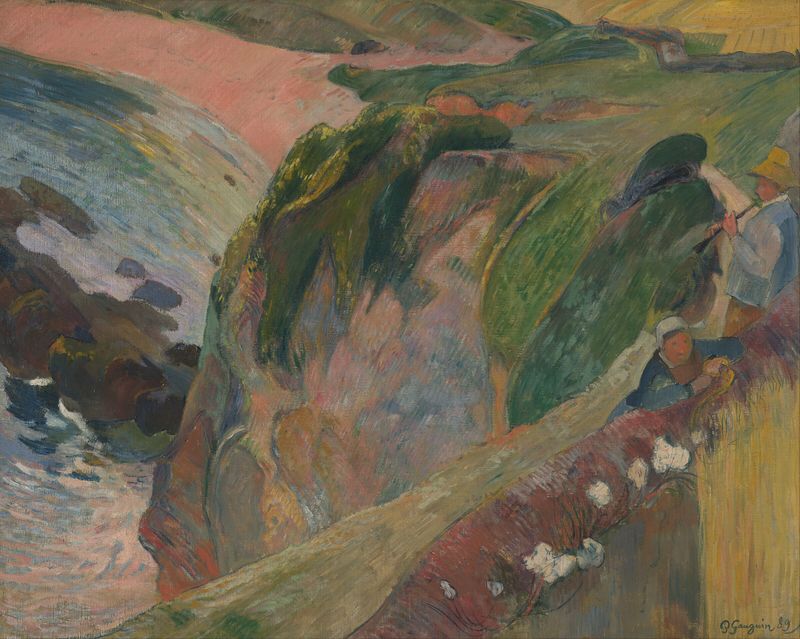 Same era · 1870s–1900s
The Flageolet Player on the Cliff
Paul Gauguin · 1889 · Q1117704
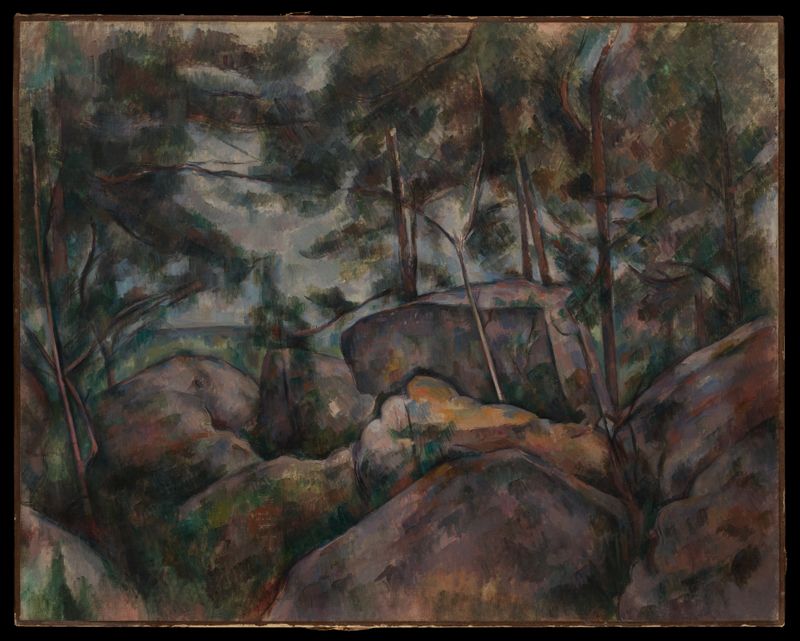 Same era · 1870s–1900s
Rocks at Fontainebleau
Paul Cézanne · 1890 · The Metropolitan Museum of Art
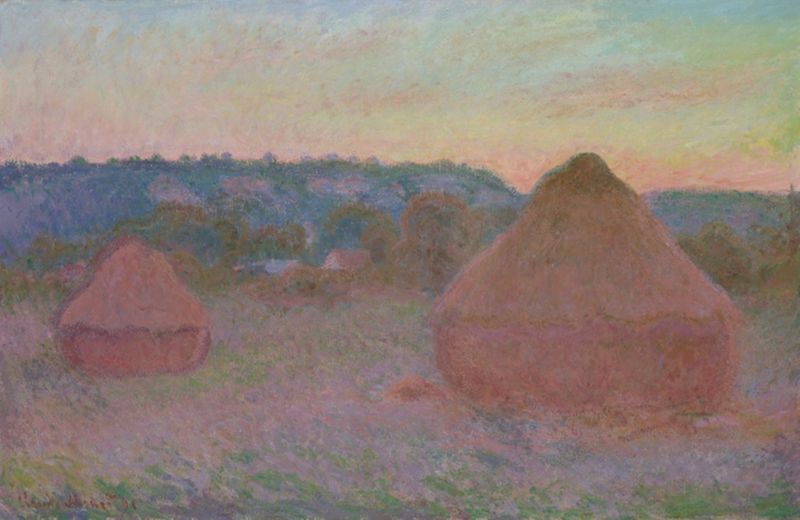 Same era · 1870s–1900s
Stacks of Wheat (End of Day, Autumn)
Claude Monet · 1890 · Art Institute of Chicago
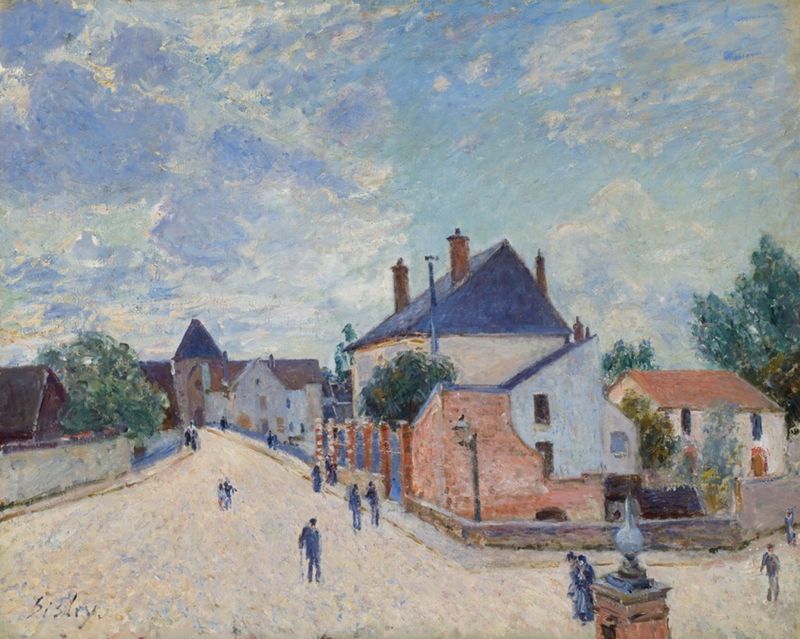 Same era · 1870s–1900s
Street in Moret
Alfred Sisley · 1890 · Art Institute of Chicago
 Same era · 1870s–1900s
Two Girls Reading in a Garden
Pierre-Auguste Renoir · 1890
 Same era · 1870s–1900s
Cows Drinking at a Pool
William Hart · 1886 · Museum of Fine Arts Boston