01
Mother's blank face
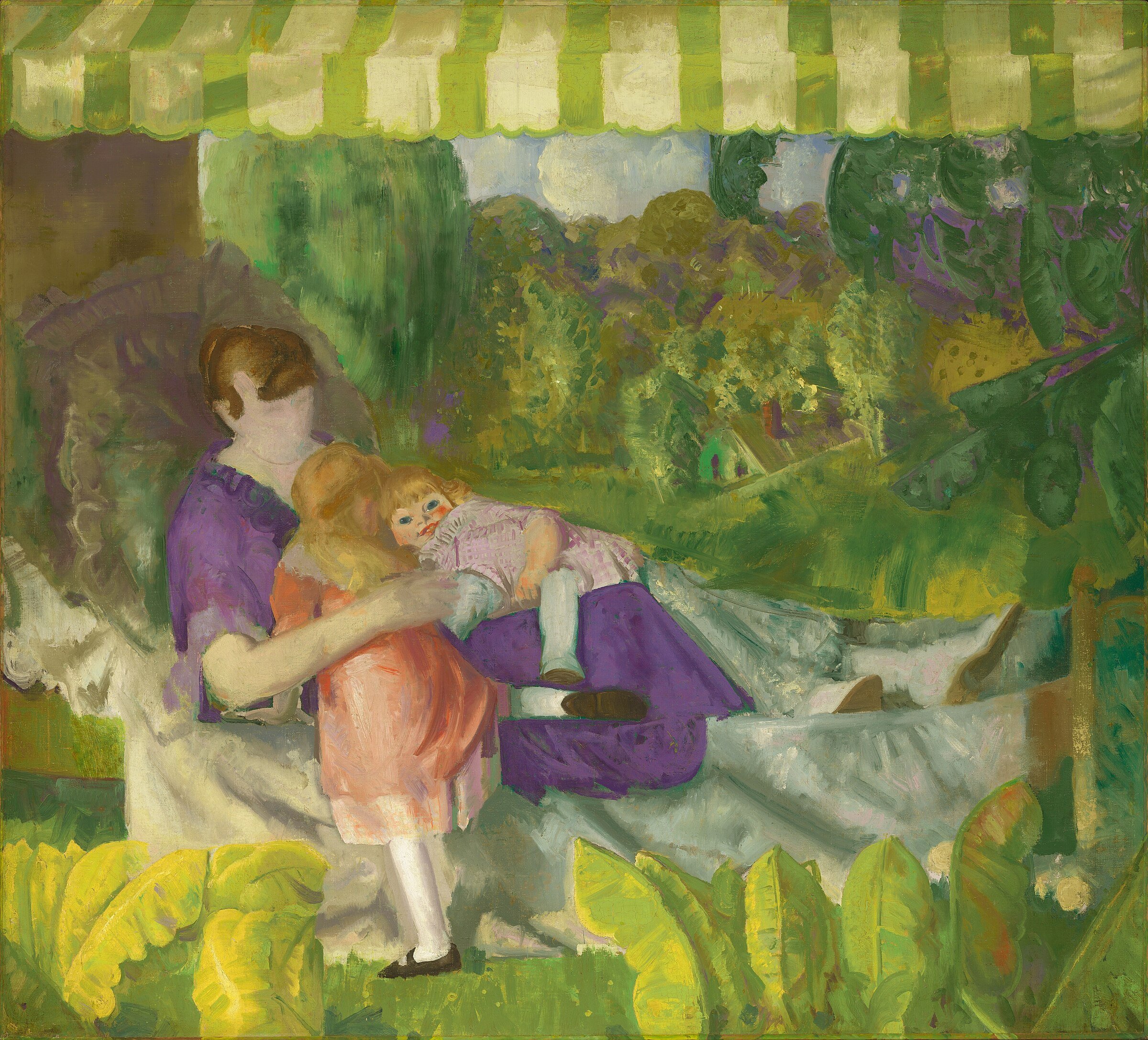
Look at the mother's face, left of center. It is left almost blank, with hair and a hint of a chin but no eyes or mouth, so she reads more as a quiet presence than a portrait.
1 of 5 on the painting
“This painting offers a warm, sun-drenched glimpse into Reuven Rubin's personal world, capturing an intimate family portrait that blends self-representation with domestic tenderness.”
In this tender family portrait from 1949, Reuven Rubin captures a moment of quiet domesticity. The artist places himself at the center, holding a paintbrush and palette, drawing us into his creative world. His wife, Esther, sits beside him, their hands gently clasped, while their two young children engage with the scene. The warm, sun-drenched palette, characteristic of Rubin's work from this period, imbues the painting with a sense of peace and intimacy. This work reflects the artist's personal life after his return to Palestine in the 1920s, where he became a key figure in developing a new Eretz-Yisrael style, often depicting the local landscape and people. Here, the focus shifts inward, celebrating the personal landscape of his own family.
Five details hide in plain sight. Pick one and we’ll show you exactly where to look.
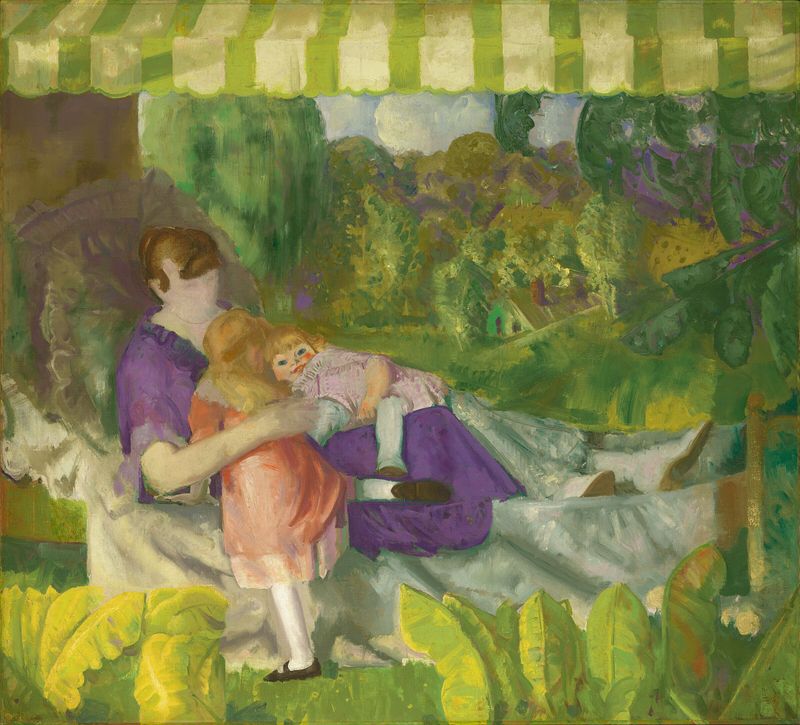
Look at the mother's face, left of center. It is left almost blank, with hair and a hint of a chin but no eyes or mouth, so she reads more as a quiet presence than a portrait.
The girl in the coral dress leans into her mother's arm. Her white stockings lead your eye from the bottom edge up into the embrace.
The doll-like child in the lap has blue eyes and red lips, the most sharply detailed face in the picture. It draws your eye away from the blank faces nearby.
The mother's purple skirt is painted in broad, flat patches. Its deep color anchors the middle of the canvas against all the green.
A scalloped green and cream awning runs across the top of the canvas. It frames the family like a canopy over the landscape beyond.
The full narration walks you through My Family — the story behind it, the details most visitors miss, and why it matters. Free in the Art Whisper app.
Pioneering Israeli painter who captured sun-drenched Jerusalem landscapes and became Israel's first diplomat to Romania.
Beyond Rubin: works from the same years.
 Same era · 1930s–1960s
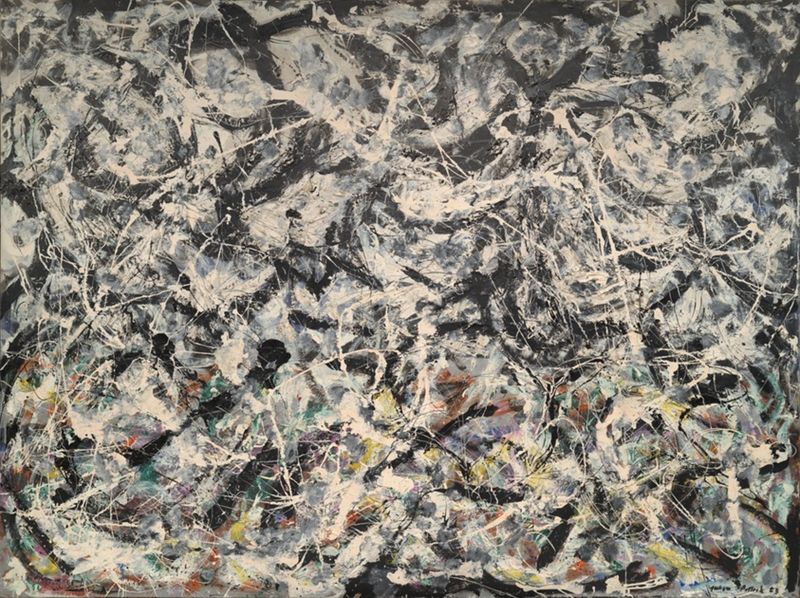
Greyed Rainbow
Jackson Pollock · 1953 · Art Institute of Chicago
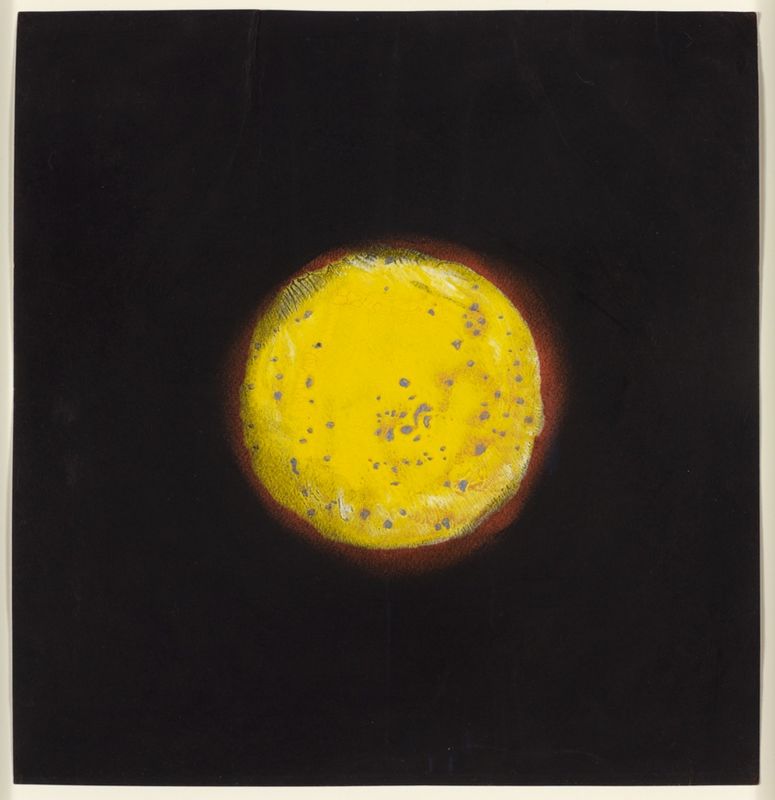 Same era · 1930s–1960s
Sun Spot
Yayoi Kusama · 1953 · Art Institute of Chicago
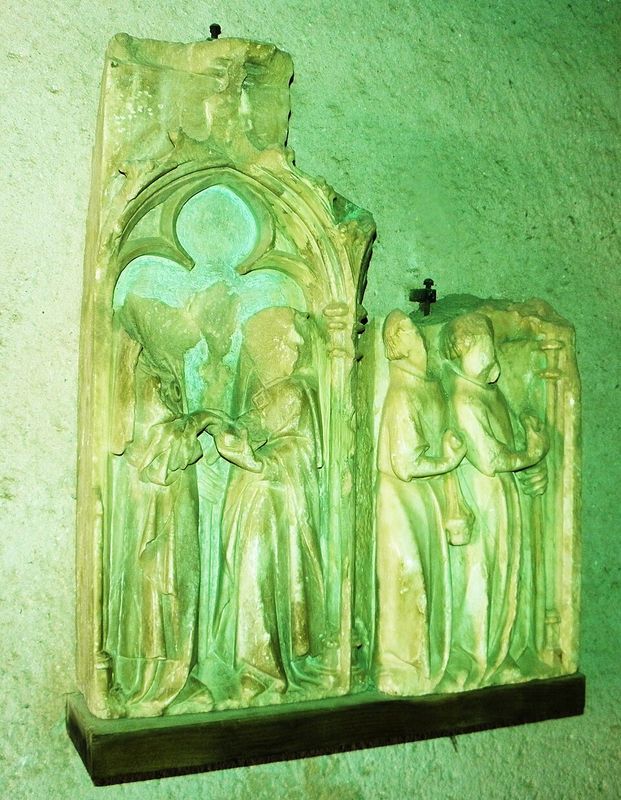 Same era · 1930s–1960s
Deux personnages
Pierre Alechinsky · 1950
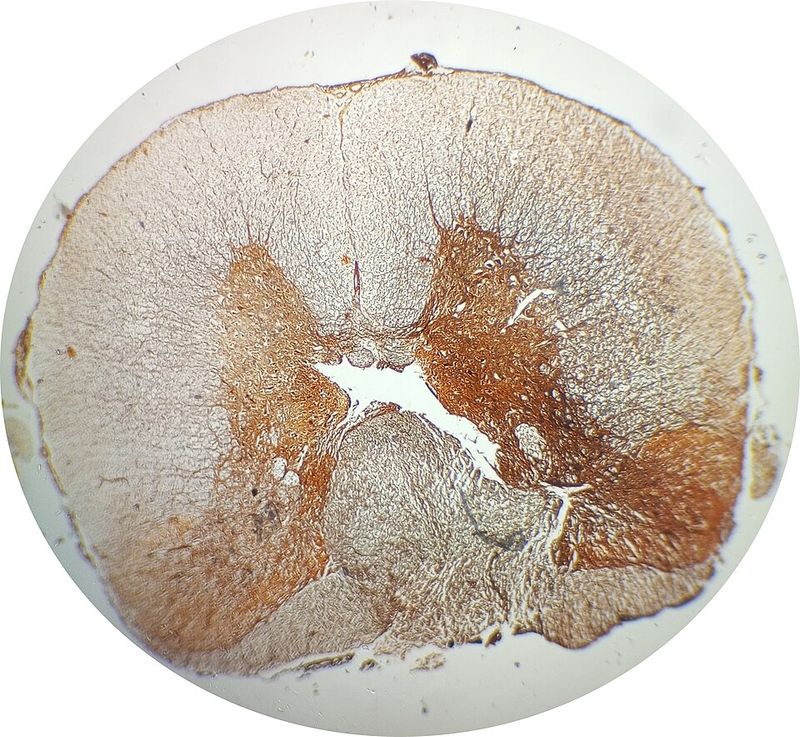 Same era · 1930s–1960s
Impregnazione
Piero Manzoni · 1958
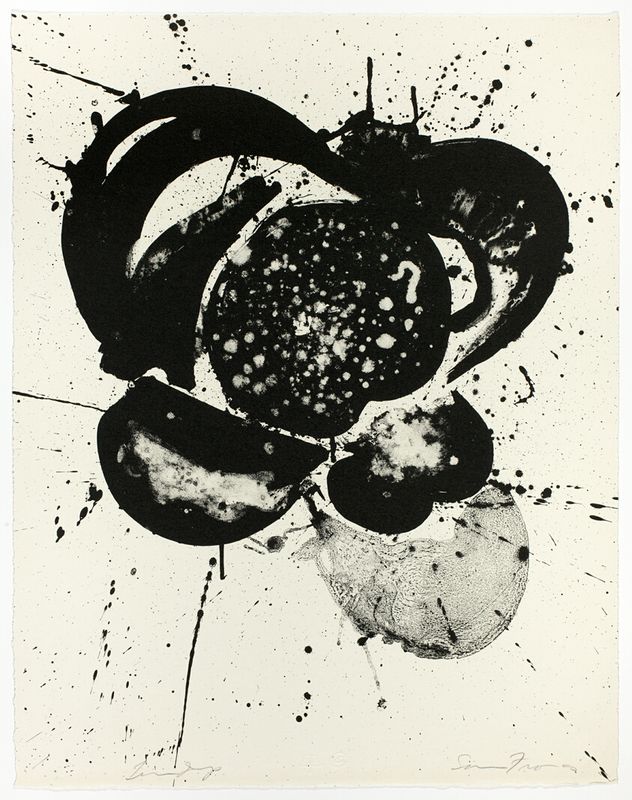 Same era · 1930s–1960s
Essai
Sam Francis · 1963 · Art Institute of Chicago
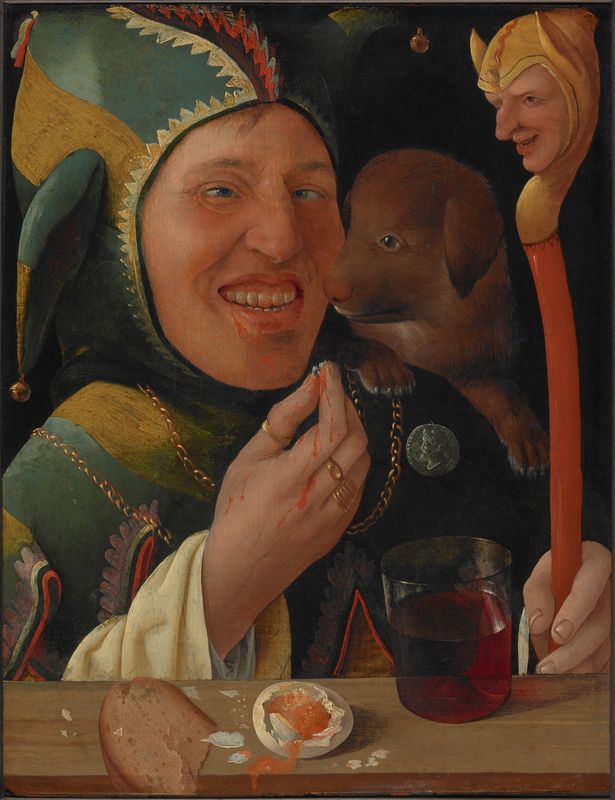 Same era · 1930s–1960s
The Jester
Philip Evergood · 1950 · Whitney Museum of American Art
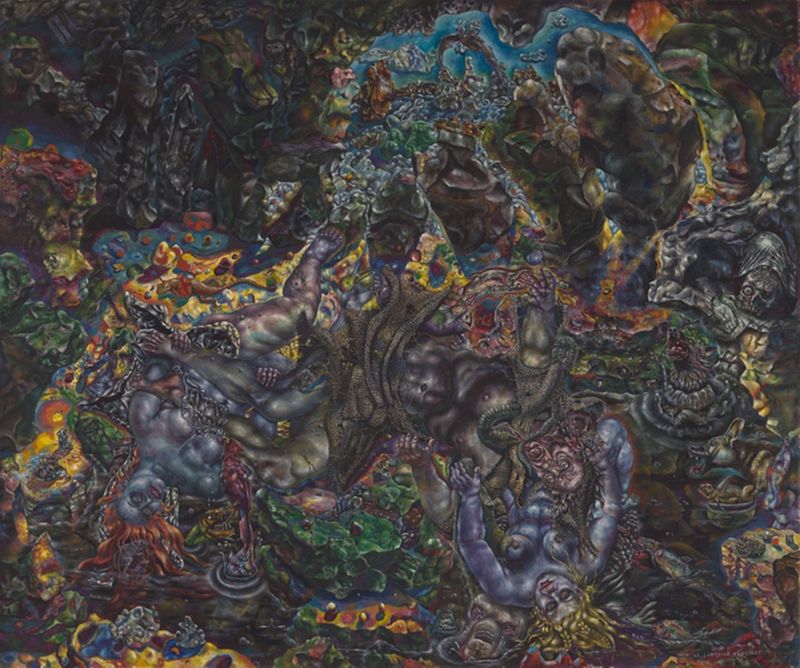 Same era · 1930s–1960s
The Temptation of St. Anthony
Ivan Puni · 1945 · Art Institute of Chicago
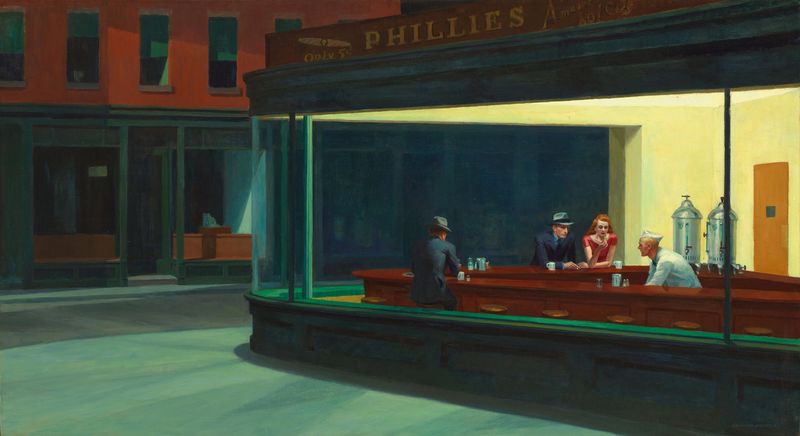 Same era · 1930s–1960s
Nighthawks
Okada Saburosuke · 1942 · Art Institute of Chicago
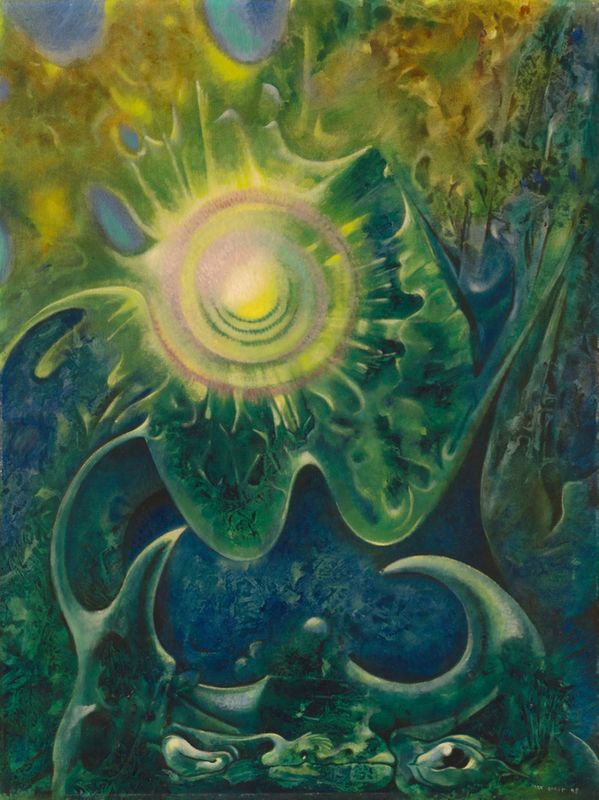 Same era · 1930s–1960s
Halleluiah
Max Ernst · 1948 · Art Institute of Chicago
 Same era · 1930s–1960s
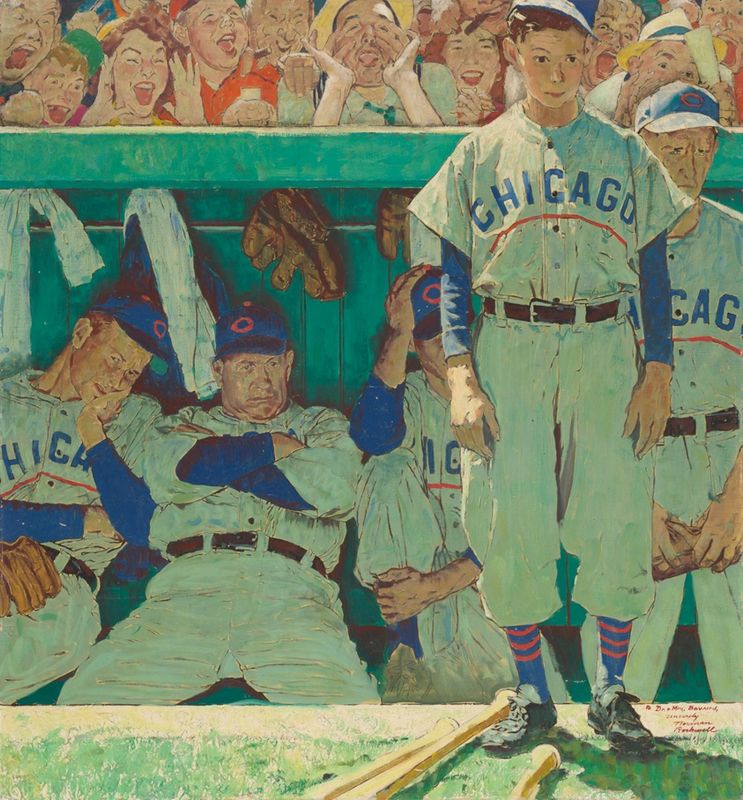
The Dugout
Norman Rockwell · 1948 · Art Institute of Chicago
 Same era · 1930s–1960s
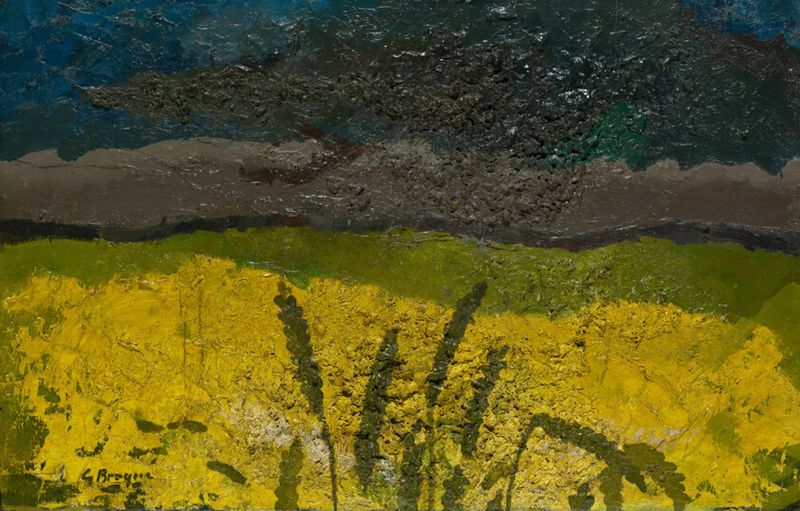
Wheatfield
Georges Braque · 1951 · Art Institute of Chicago
 Same era · 1930s–1960s
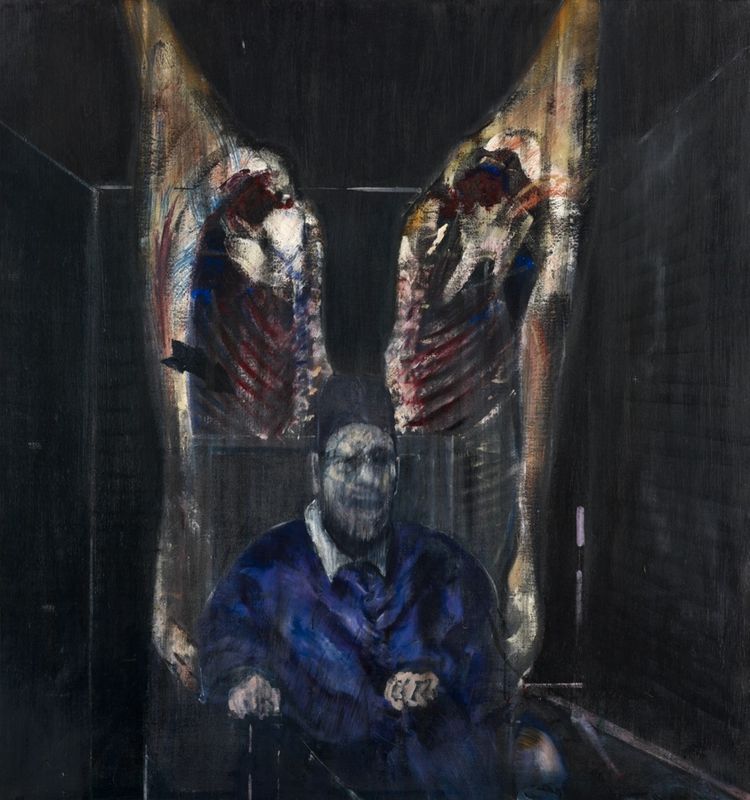
Figure with Meat
Francis Bacon · 1954 · Art Institute of Chicago