
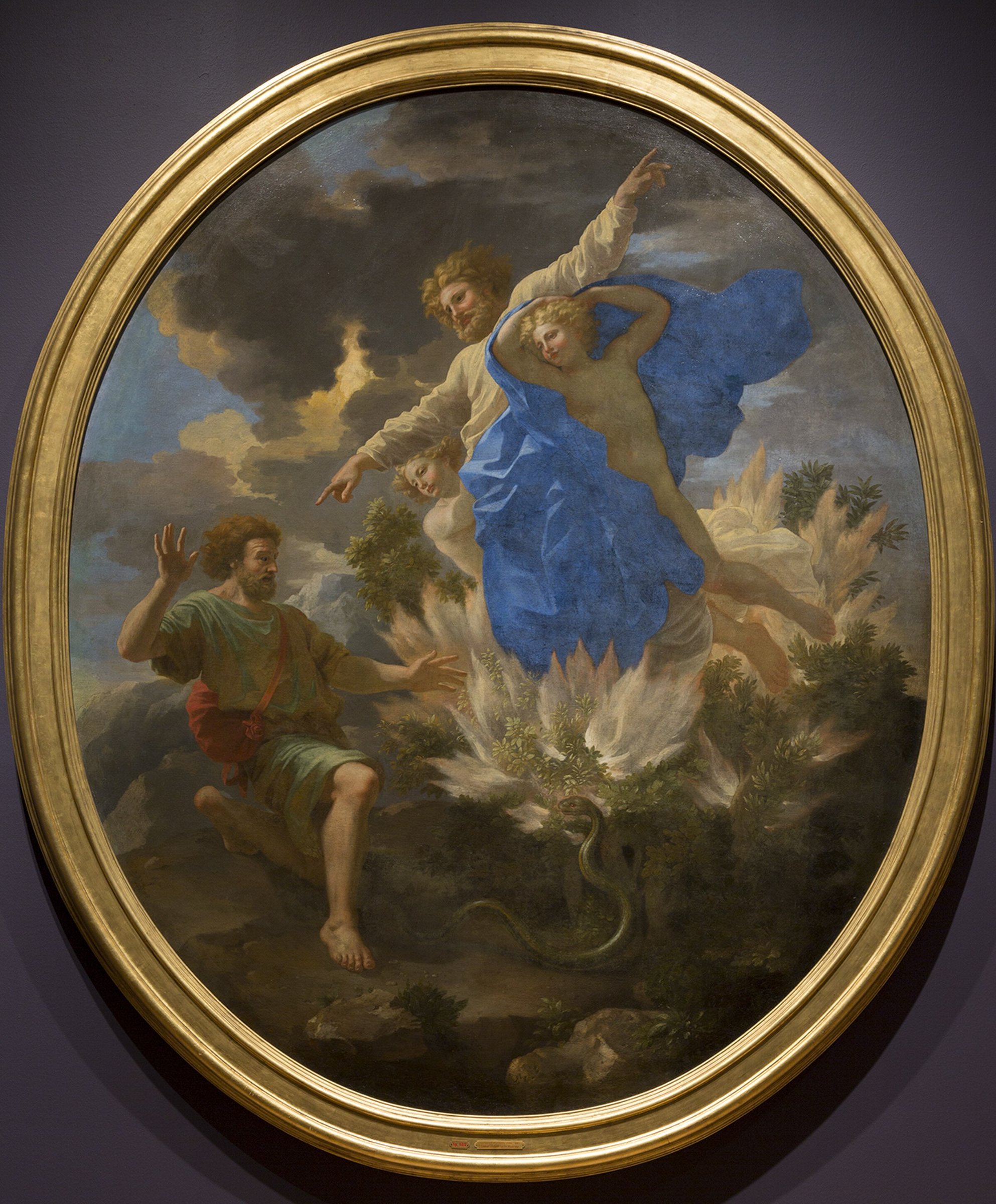
“This painting vividly reinterprets the biblical story of Moses and the Burning Bush through a uniquely modern Israeli lens. Notice the radiant light and the artist's distinctive blend of naive and contemporary styles that define this pivotal work.”
Reuven Rubin's 1923 painting of "Moses and the Burning Bush" captures a pivotal biblical moment with a distinctive blend of modern and naive styles. The scene unfolds under a spiritual, translucent light, a quality often found in Rubin's landscapes from this period. Here, the artist portrays the desert landscape and its inhabitants with a sensitive touch, reflecting his interest in biblical themes and the people of the land. The composition draws the viewer's eye to the radiant bush, a focal point that symbolizes divine presence. Rubin, who emigrated to Mandate Palestine in the same year this work was created, became a key figure in developing a new Eretz-Yisrael artistic style. This painting exemplifies his early approach, combining Eastern nuances with a fresh, direct portrayal of the sacred narrative.
- Artist
- Reuven Rubin
- Date
- 1923
- Medium
- Oil on canvas
- Location
- Israel Museum
What to Notice
Five details hide in plain sight. Here’s where to look.
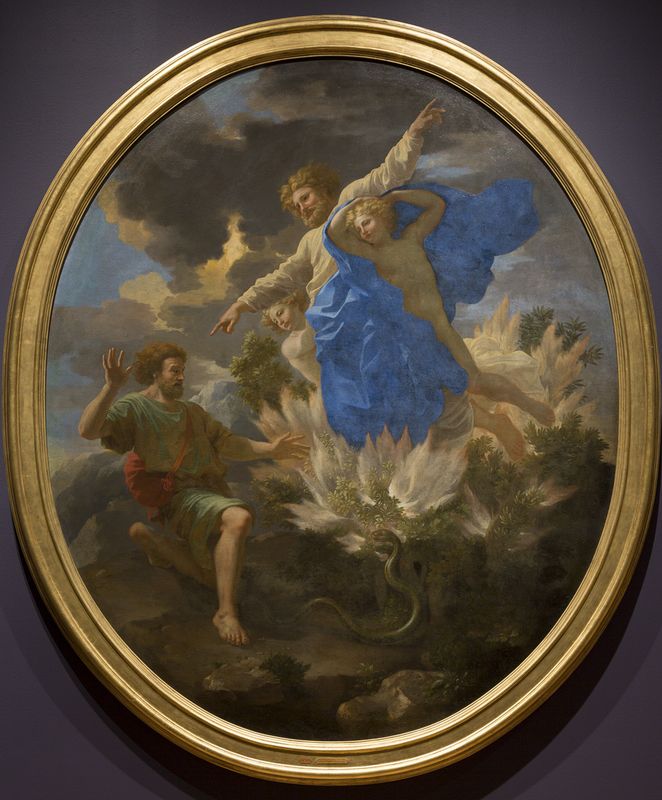
The glowing, almost ethereal quality of the burning bush, yet it remains unconsumed.
Moses's bare feet, a sign of reverence in the presence of the divine.
The simplified forms and strong outlines of the figures and landscape.
The subtle, warm palette of yellows and oranges, evoking the desert light.
1 more detail is waiting.
See all 5 in Art Whisper →Stand in front of it and listen
The full narration walks you through Moses and the Burning Bush — the story behind it, the details most visitors miss, and why it matters. Free in the Art Whisper app.
Reuven Rubin
1893–1974 · RomaniaPioneering Israeli painter who captured sun-drenched Jerusalem landscapes and became Israel's first diplomat to Romania.
Further Works by Rubin
More works to explore
Beyond Rubin: works from the same years.
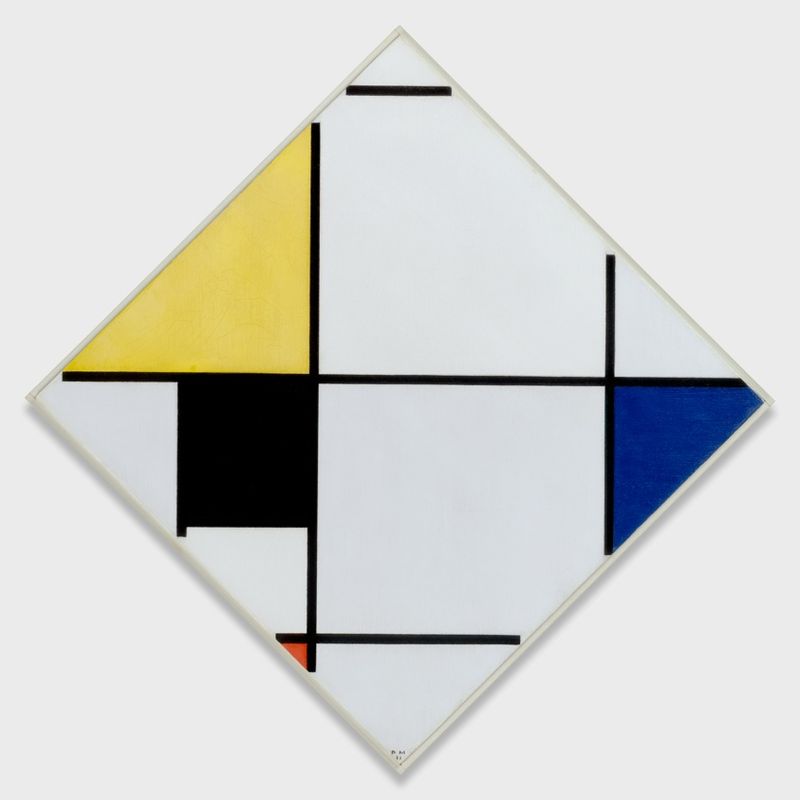 Same era · 1900s–1930s
Lozenge Composition with Yellow, Black, Blue, Red, and Gray
Piet Mondrian · 1921 · Art Institute of Chicago
 Same era · 1900s–1930s
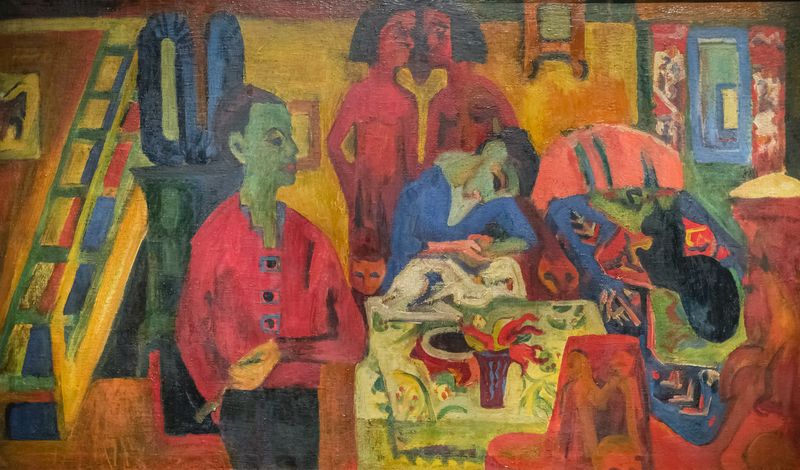
Interior with painter
Ernst Ludwig Kirchner · 1921 · Buchheim Museum of Imagination
 Same era · 1900s–1930s
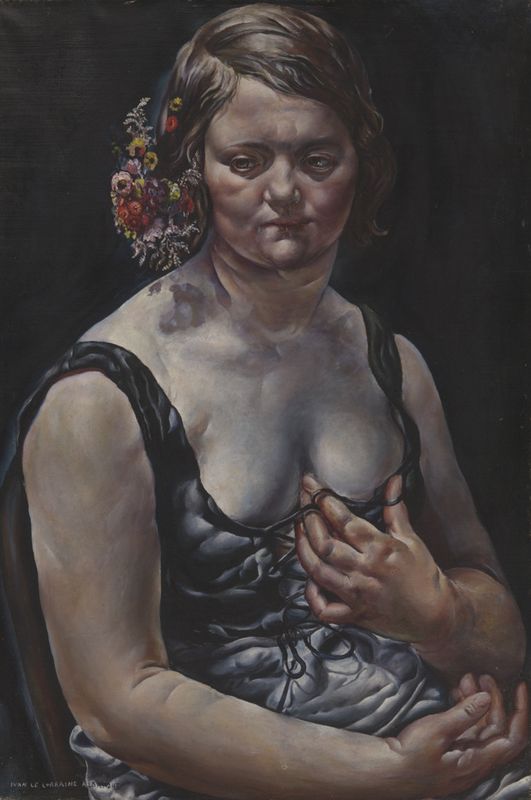
Memories of the Past
Ivan Puni · 1927 · Art Institute of Chicago
 Same era · 1900s–1930s
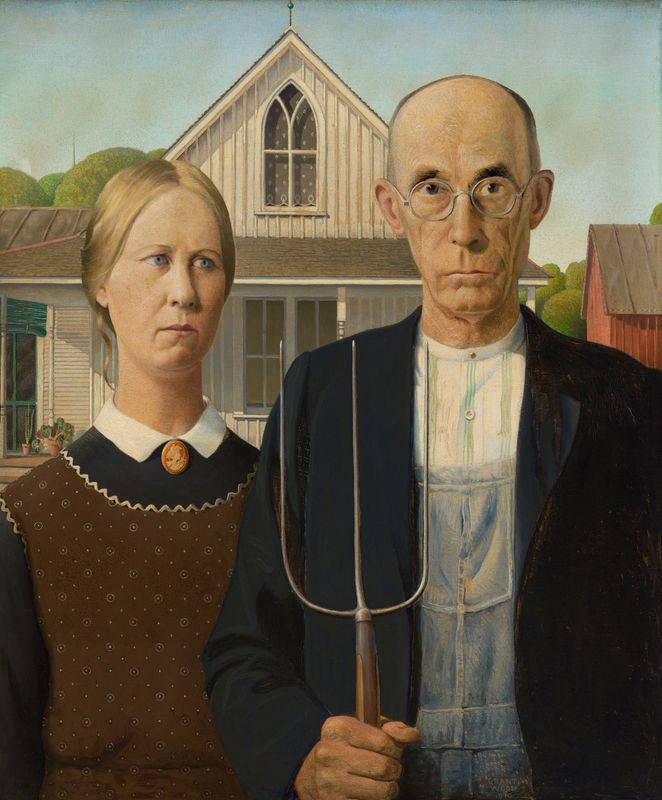
American Gothic
Okada Saburosuke · 1930 · Art Institute of Chicago
 Same era · 1900s–1930s
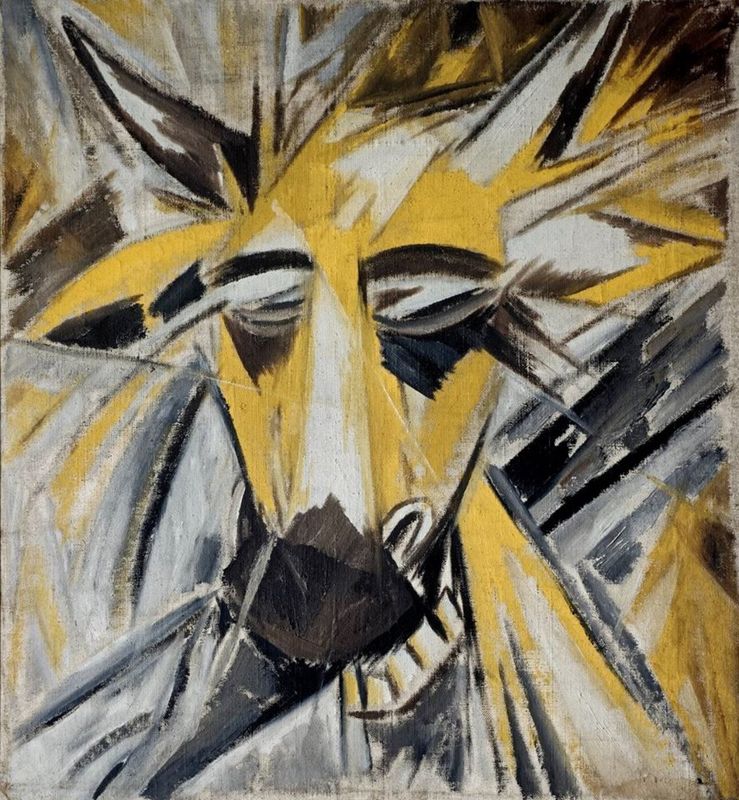
Bull's Head
Mikhail Larionov · 1913 · Tretyakov Gallery
 Same era · 1900s–1930s
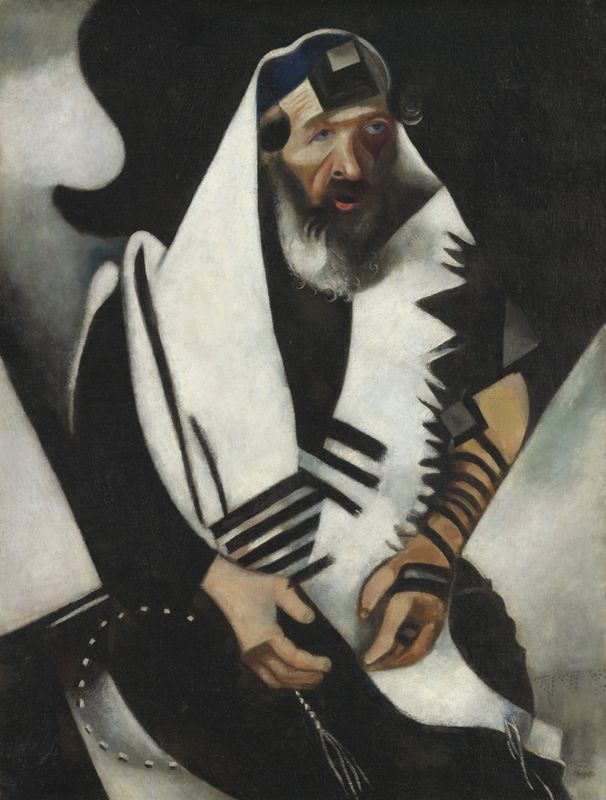
The Praying Jew
Marc Chagall · 1923 · Art Institute of Chicago
 Same era · 1900s–1930s
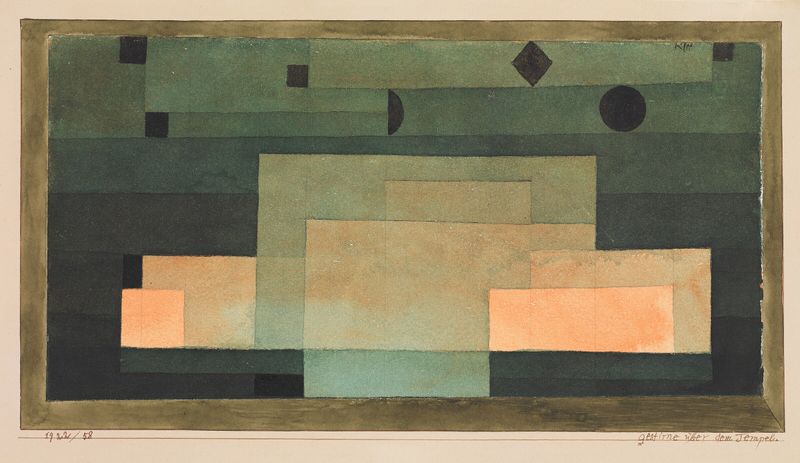
The Firmament Above the Temple
Paul Klee · 1922 · The Metropolitan Museum of Art
 Same era · 1900s–1930s
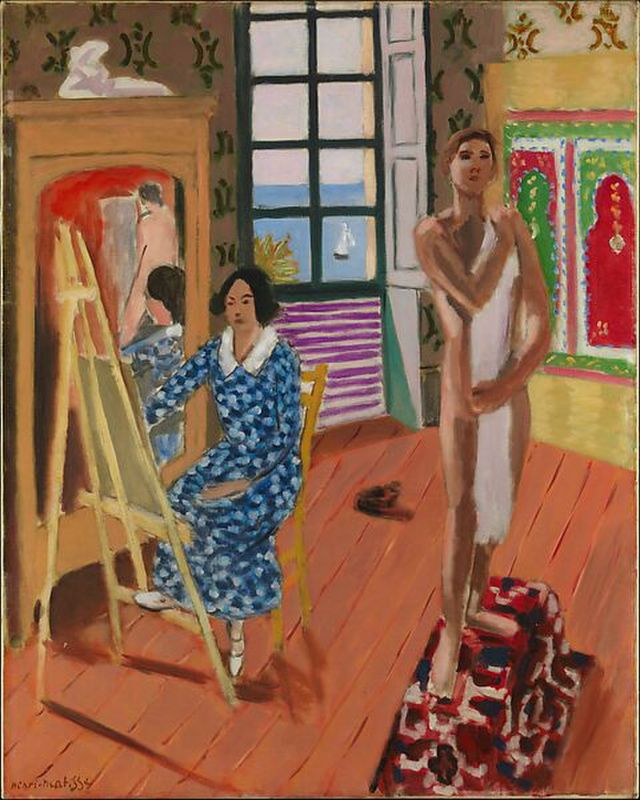
The Three O'Clock Sitting
Henri Matisse · 1924 · The Metropolitan Museum of Art
 Same era · 1900s–1930s
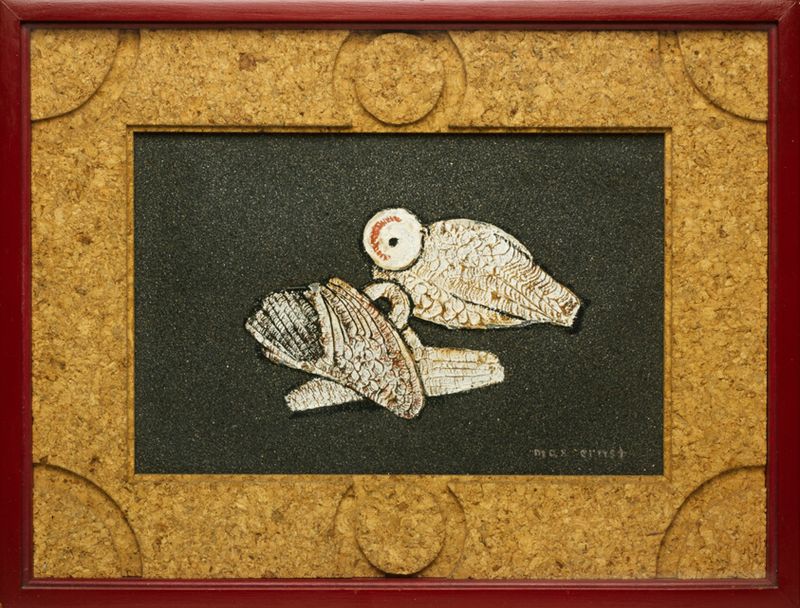
Untitled (Birds)
Max Ernst · 1924 · Art Institute of Chicago
 Same era · 1900s–1930s
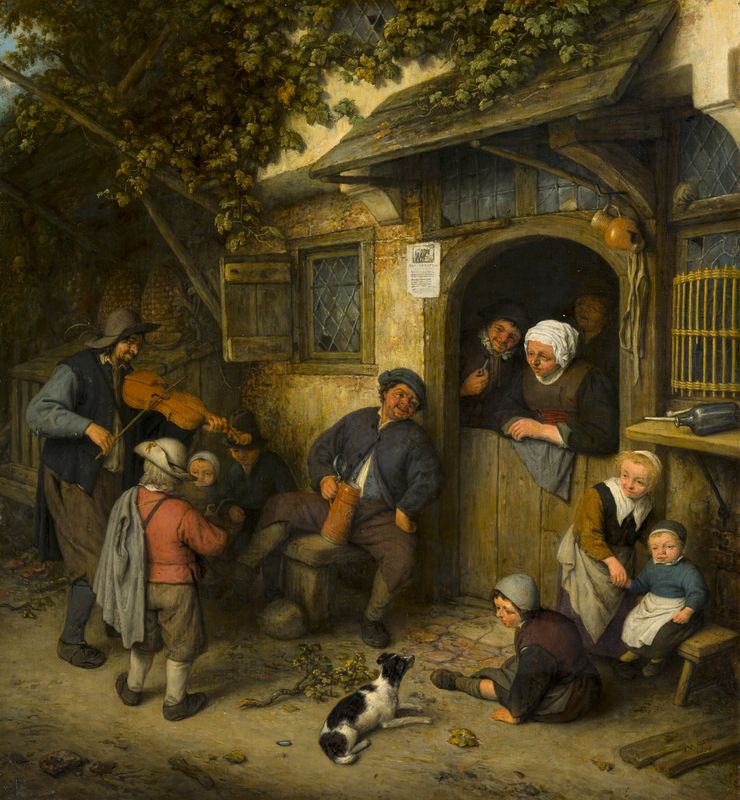
The Fiddler
Norman Rockwell · 1921 · Brandywine Museum of Art
 Same era · 1900s–1930s
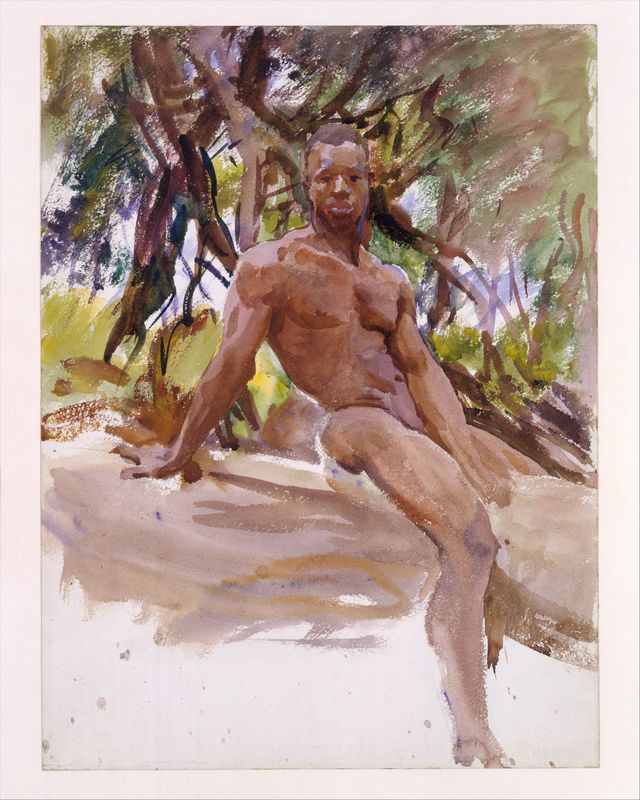
Man and Trees, Florida
John Singer Sargent · 1917 · The Metropolitan Museum of Art
 Same era · 1900s–1930s
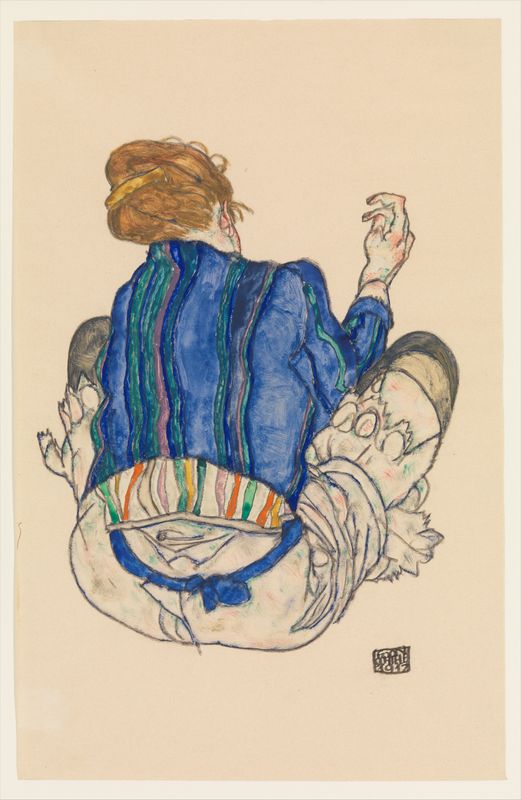
Seated Woman, Back View
Egon Schiele · 1917 · The Metropolitan Museum of Art