
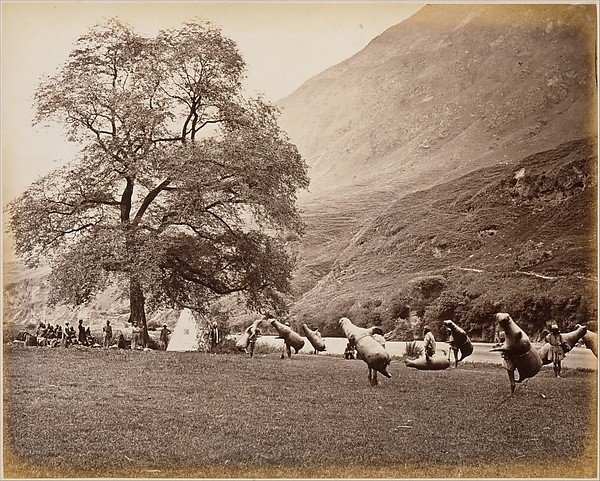
“Stop to see how people navigated the challenging Himalayan rivers in the 19th century, using inflated animal skins as ferries. This photograph captures a dramatic moment of human ingenuity against a grand natural backdrop.”
This striking albumen print captures a moment of ingenuity and challenging terrain in the Himalayas, showing the use of inflated animal skins (mussucks) to ferry people and goods across the powerful Beas River. The scene is dominated by the vast, rugged landscape, with the river carving a path through a deep valley. The figures, though small against the grandeur of the mountains, are central to the narrative, highlighting the resourcefulness required for travel in this remote region. This photograph was taken during Samuel Bourne's ambitious 1866 expedition, a six-month journey aimed at documenting the source of the Ganges, which pushed the boundaries of landscape photography at the time by capturing some of the highest altitude images then known. The meticulous composition, with its clear focus and dramatic sense of scale, reflects the technical skill required to produce such detailed images under demanding conditions, using a large-format camera and the wet plate collodion process.
- Artist
- Samuel Bourne
- Date
- 1866
- Medium
- Albumen silver print from glass negative
- Location
- The Metropolitan Museum of Art
- Dimensions
- 23.7 x 29.8 cm. (9 5/16 x 11 3/4 in.)
- Collection
- Photographs
- Credit line
- Purchase, Cynthia Hazen Polsky Gift, 1993
What to Notice
Four details hide in plain sight. Here’s where to look.
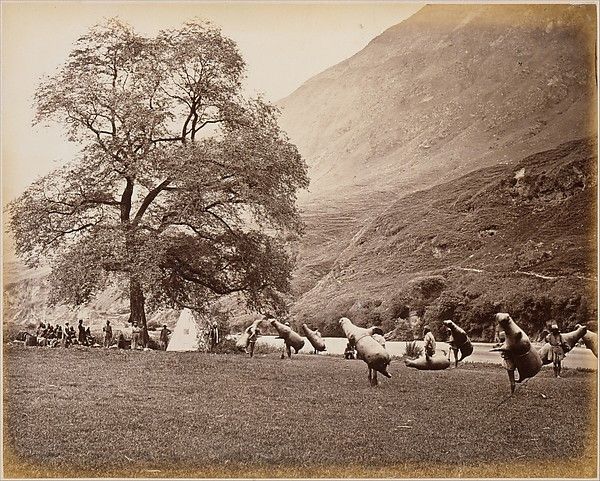
Look closely at the river: you can see the inflated animal skins serving as makeshift rafts.
Observe the figures on the river and bank, dwarfed by the immense mountainous landscape.
Notice the texture of the rocky riverbed and the swift current of the water.
See the distant peaks in the background, illustrating the vastness of the Himalayan terrain.
Stand in front of it and listen
The full narration walks you through [Mussucks for Crossing the Beas River Below Bajoura] — the story behind it, the details most visitors miss, and why it matters. Free in the Art Whisper app.
Samuel Bourne
1834–1912 · United Kingdom of Great Britain and IrelandA bank clerk who quit his job, sailed to India, and hauled cameras up 18,600-foot Himalayan passes to capture 2,200 images.
Further Works by Bourne
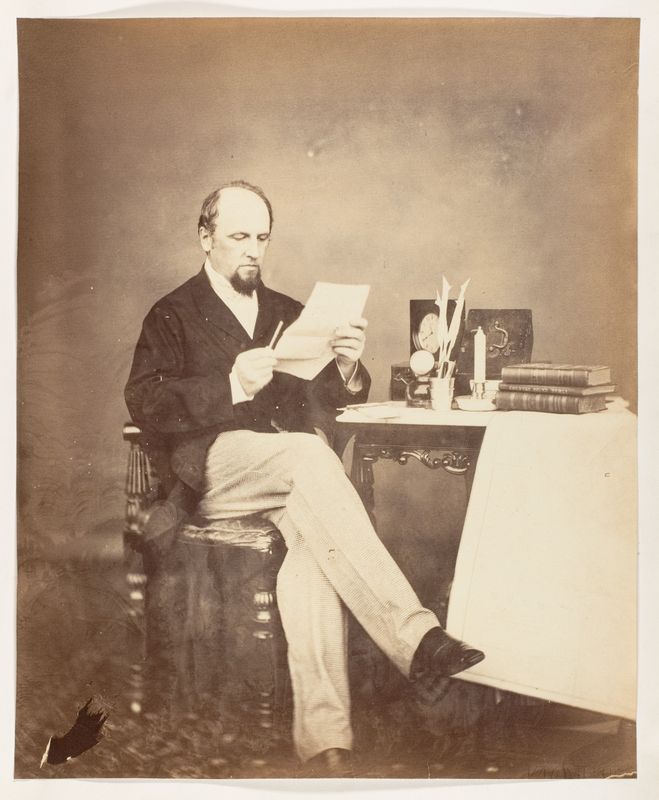 [The Earl Canning, K.G., K.S.I., G.C.B., Calcutta]
1858 · The Metropolitan Museum of Art
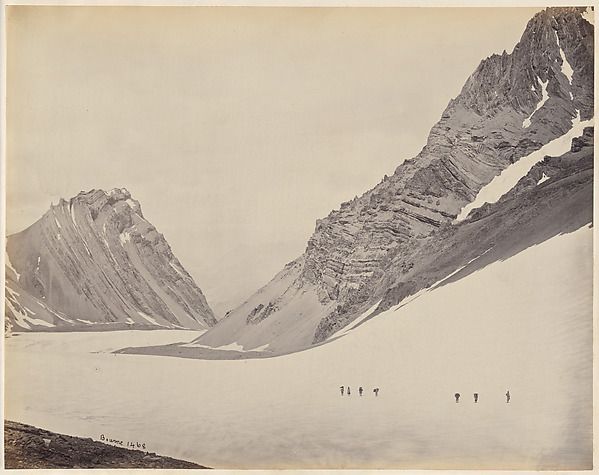 The Manirung Pass
1860 · The Metropolitan Museum of Art
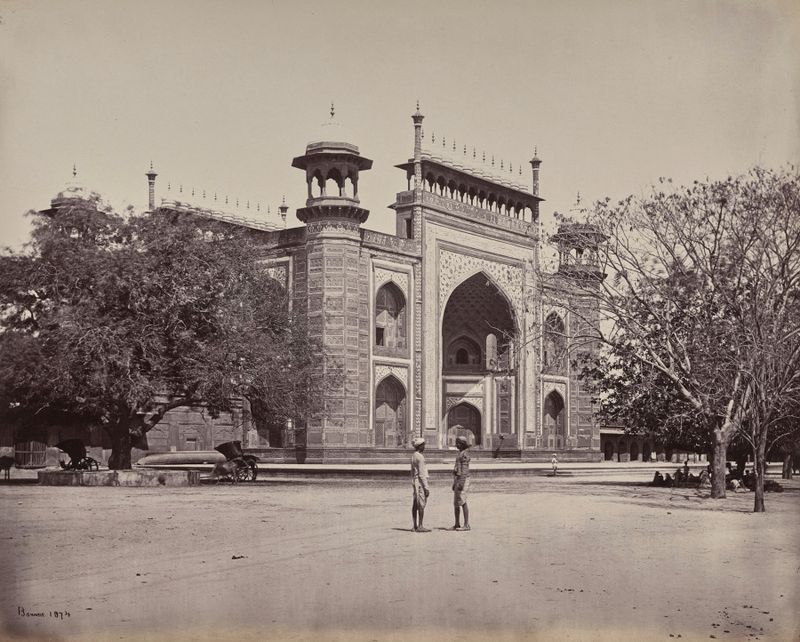 Agra. The Gateway of the Gardens Surrounding the Taj
1863 · Cleveland Museum of Art
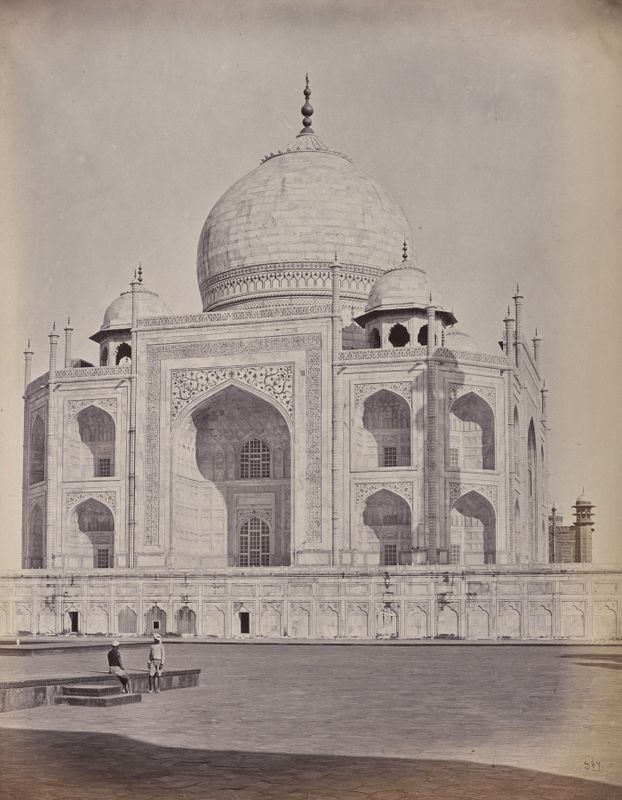 Agra. The Taj, the Central of Principal City
1863 · Cleveland Museum of Art
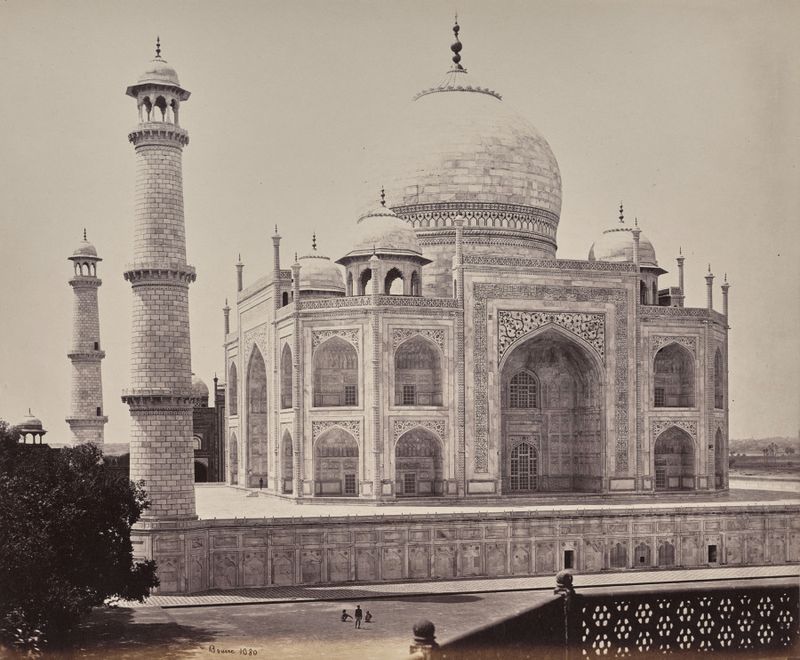 Agra. View of the Taj from a Corner in the Quadrangle
1863 · Cleveland Museum of Art
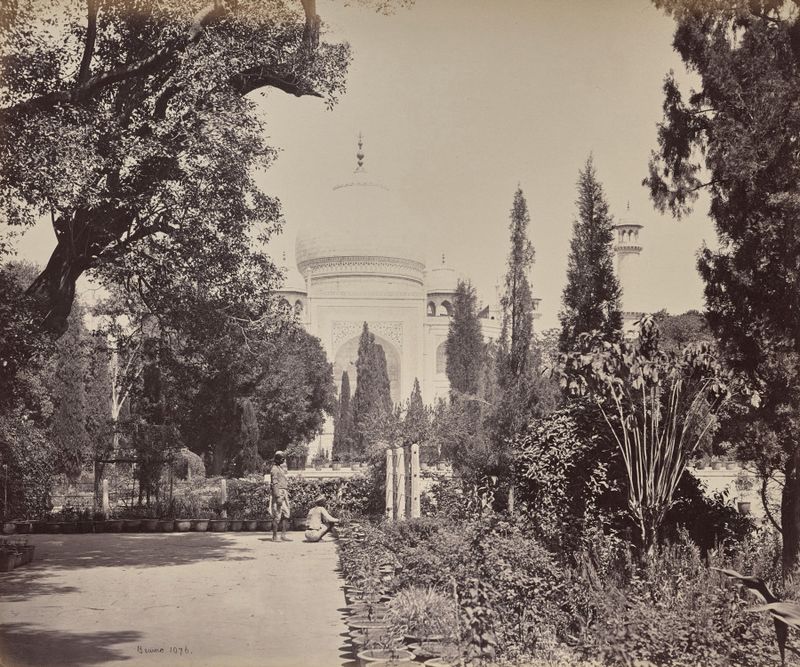 Agra. View of the Taj from the Garden
1863 · Cleveland Museum of Art
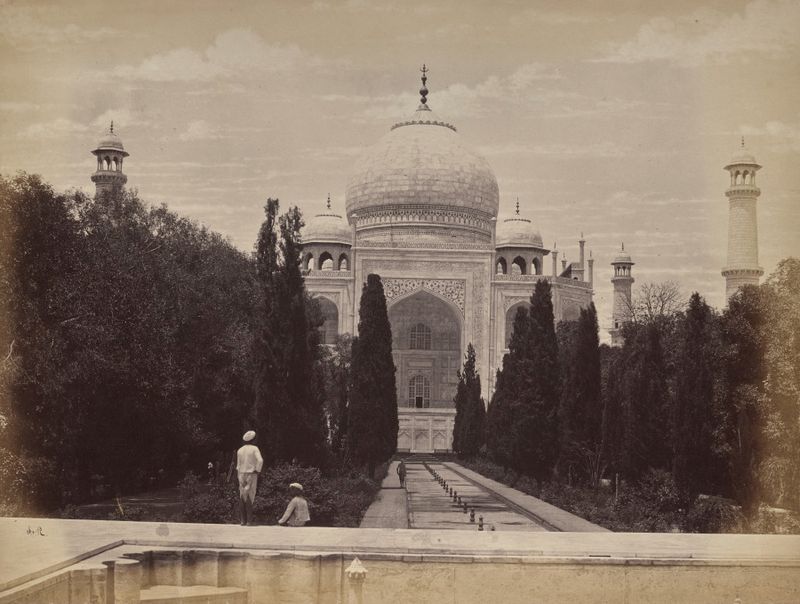 Agra. View of the Taj in Front of Nootkan (The Light of the World), Wife of the Emperor Akbar, View from the River
1863 · Cleveland Museum of Art
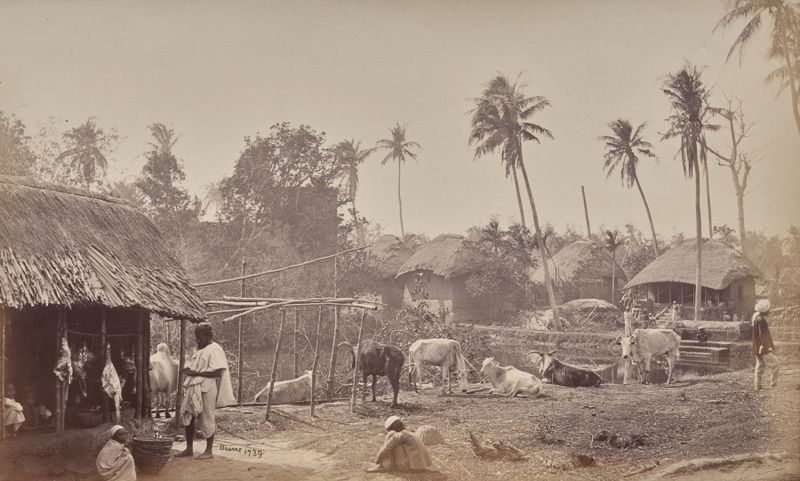 A Village Scene, Near Calcutta
1863 · Cleveland Museum of Art
More works to explore
Beyond Bourne: works from the same years.
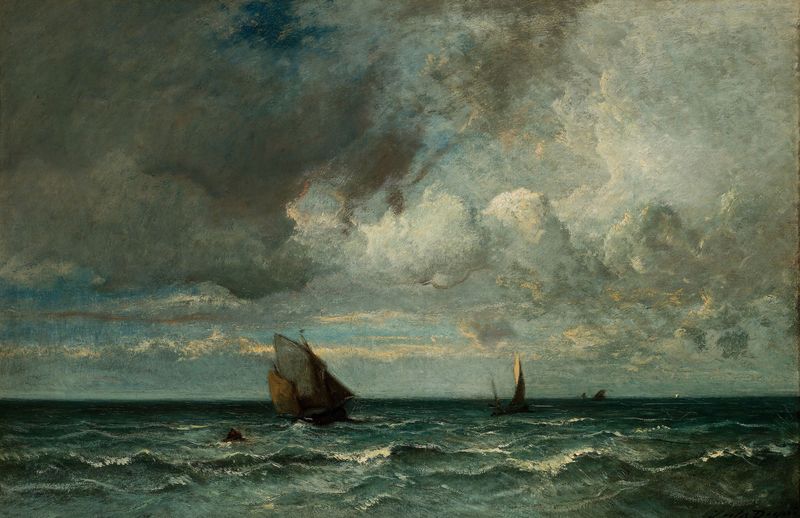 Same era · 1850s–1880s
Barks Fleeing Before the Storm
Léon-Victor Dupré · 1870 · Art Institute of Chicago
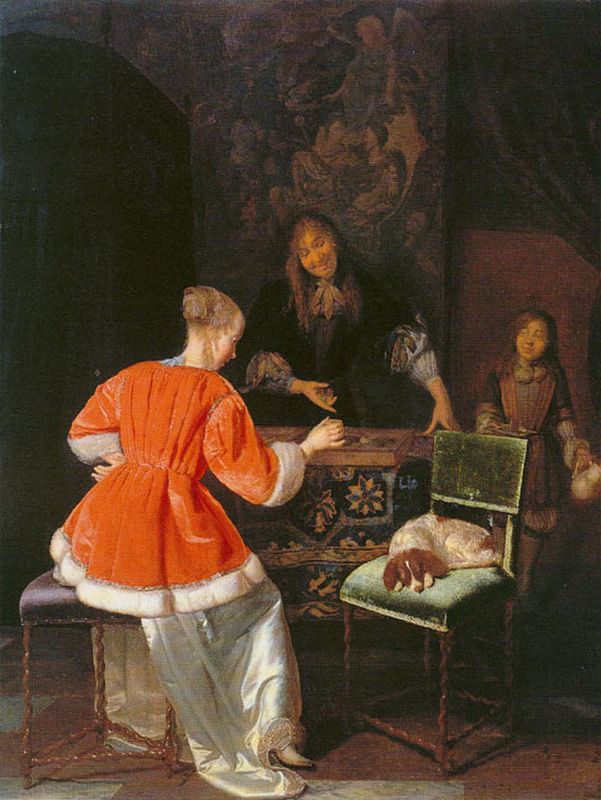 Same era · 1850s–1880s
The Backgammon Players
Philip Webb · 1861 · The Metropolitan Museum of Art
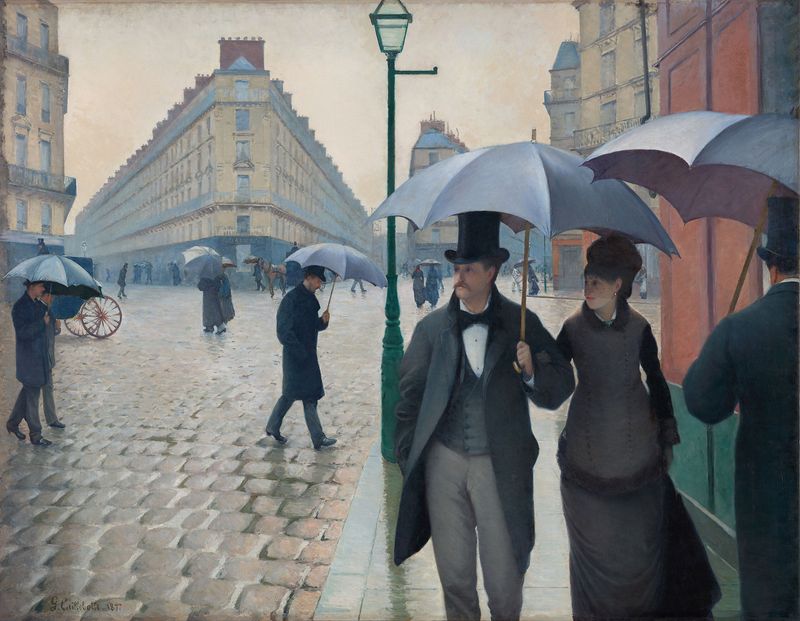 Same era · 1850s–1880s
Paris Street; Rainy Day
Kawabata Gyokushō · 1877 · Art Institute of Chicago
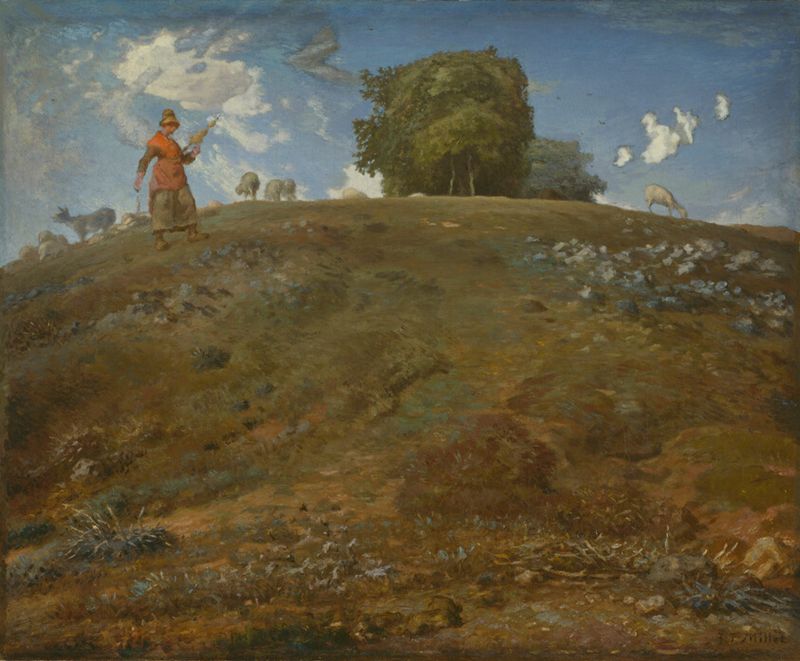 Same era · 1850s–1880s
In the Auvergne
Jean-François Millet · 1866 · Art Institute of Chicago
 Same era · 1850s–1880s
Seashore, Morning
William Hart · 1866 · The Metropolitan Museum of Art
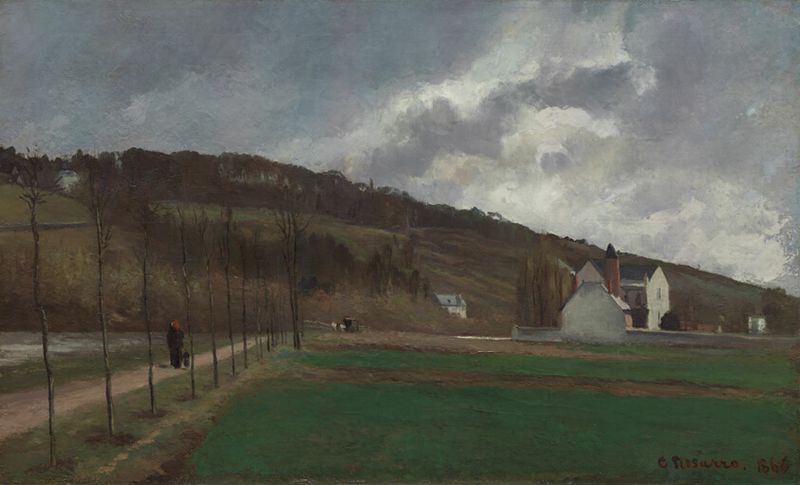 Same era · 1850s–1880s
The Banks of the Marne in Winter
Camille Pissarro · 1866 · Art Institute of Chicago
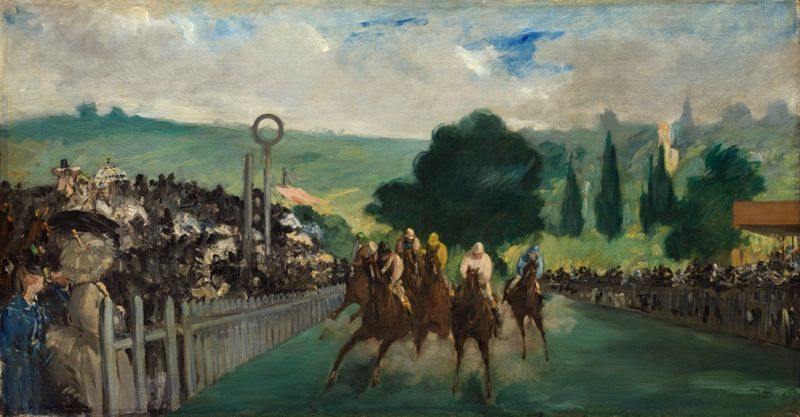 Same era · 1850s–1880s
The Races at Longchamp
Édouard Manet · 1866 · Art Institute of Chicago
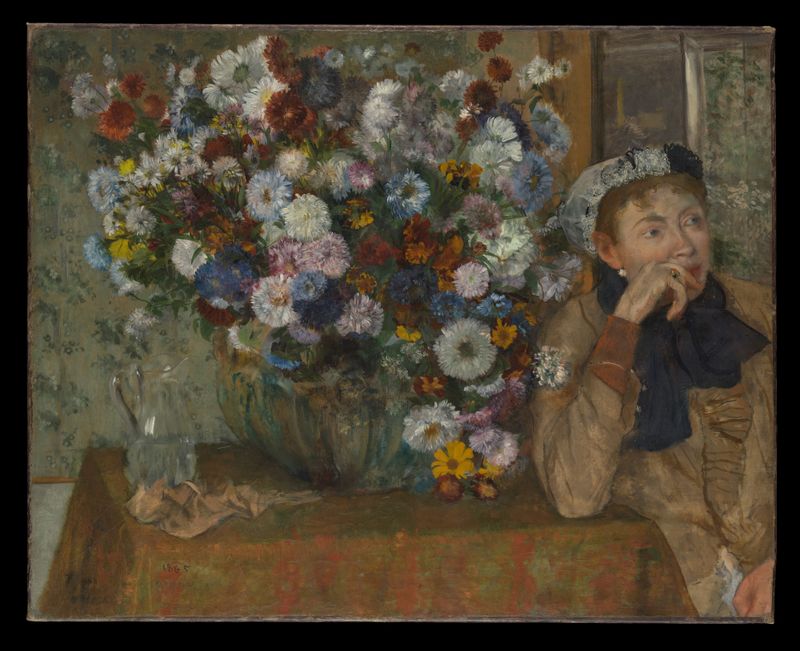 Same era · 1850s–1880s
A Woman Seated beside a Vase of Flowers (Madame Paul Valpinçon?)
Edgar Degas · 1865 · The Metropolitan Museum of Art
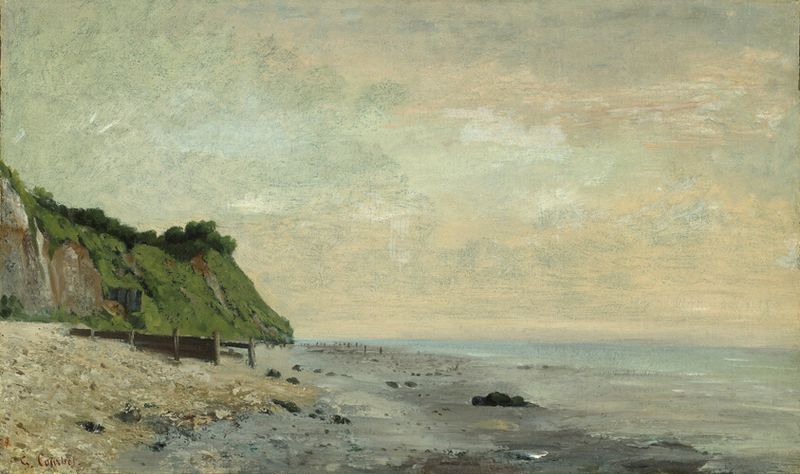 Same era · 1850s–1880s
Cliffs on the Sea Coast: Small Beach, Sunrise (Falaise au bord de la mer, vu Petite Plage, soleil levant)
Gustave Courbet · 1865 · Art Institute of Chicago
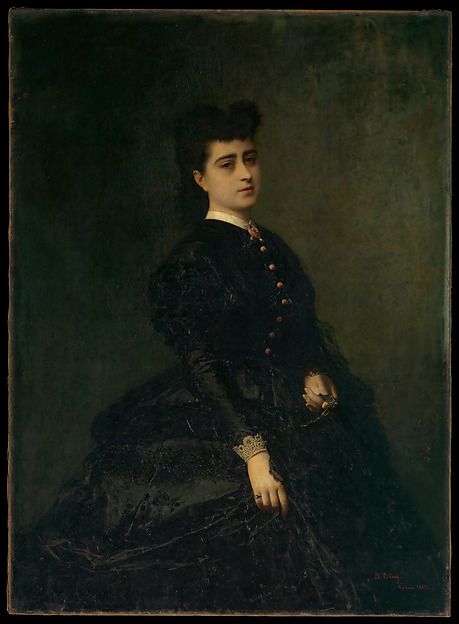 Same era · 1850s–1880s
Mirope Savati Gaye
Mariano Fortuny Marsal · 1865 · The Metropolitan Museum of Art
 Same era · 1850s–1880s
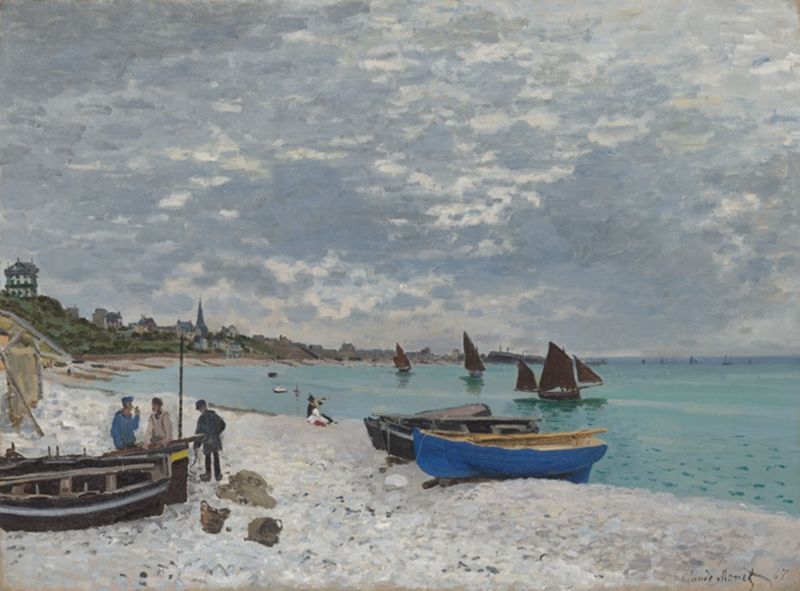
The Beach at Sainte-Adresse
Claude Monet · 1867 · Art Institute of Chicago
 Same era · 1850s–1880s
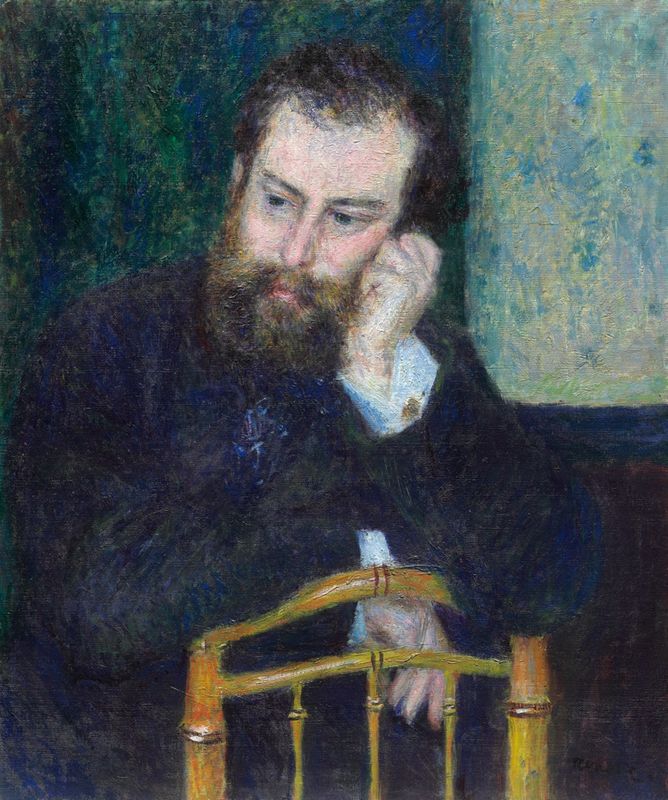
Alfred Sisley
Pierre-Auguste Renoir · 1864 · Foundation E.G. Bührle Collection