
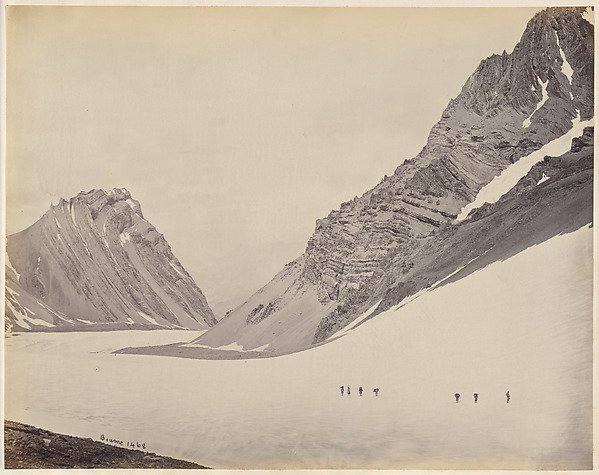
“Stop to appreciate this early photograph of the formidable Manirung Pass, a record-setting image from an ambitious 19th-century Himalayan expedition. It captures not just a landscape, but the immense challenge of exploration.”
This dramatic albumen print captures the rugged grandeur of the Manirung Pass, an imposing mountain crossing in the Himalayas. The scene is dominated by towering, jagged peaks, their rocky faces starkly illuminated by the sun, casting deep shadows into the valleys below. Bourne's composition emphasizes the sheer scale of the landscape, with distant peaks fading into a hazy horizon, suggesting the vastness of the terrain. One can almost feel the thin, cold air of the high altitude, a testament to the photographer's challenging journey. This image was part of a major expedition in 1866, where the artist traveled with forty porters, navigating difficult conditions to document the region, even setting a record for the highest altitude photographs taken at the time.
- Artist
- Samuel Bourne
- Date
- 1860
- Medium
- Albumen silver print from glass negative
- Location
- The Metropolitan Museum of Art
- Dimensions
- 23.7 x 29.6 cm (9 5/16 x 11 5/8 in.)
- Collection
- Photographs
- Credit line
- Gilman Collection, Purchase, Cynthia Hazen Polsky Gift, 2005
What to Notice
Four details hide in plain sight. Here’s where to look.
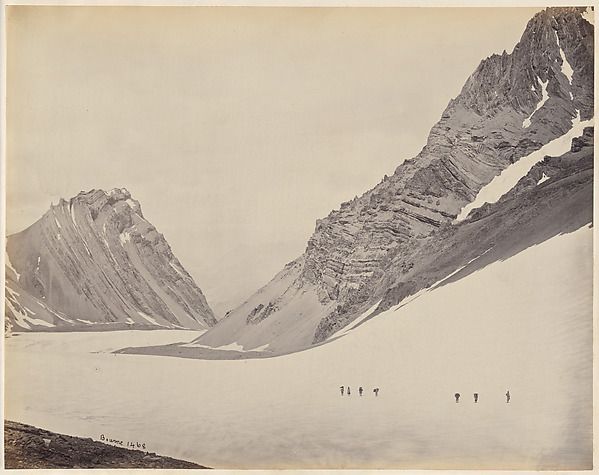
The tiny figures of porters, barely visible, hinting at the scale of the mountains.
The texture of the rocks, showing centuries of erosion and exposure.
The stark contrast between sunlit peaks and shadowed valleys.
The distant, hazy mountain ranges, conveying immense depth and distance.
Stand in front of it and listen
The full narration walks you through The Manirung Pass — the story behind it, the details most visitors miss, and why it matters. Free in the Art Whisper app.
Samuel Bourne
1834–1912 · United Kingdom of Great Britain and IrelandA bank clerk who quit his job, sailed to India, and hauled cameras up 18,600-foot Himalayan passes to capture 2,200 images.
Further Works by Bourne
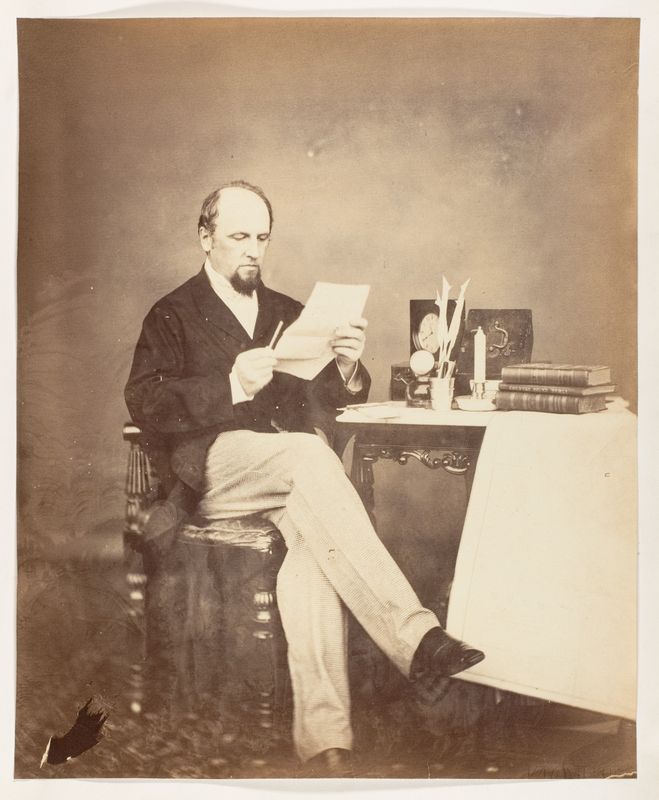 [The Earl Canning, K.G., K.S.I., G.C.B., Calcutta]
1858 · The Metropolitan Museum of Art
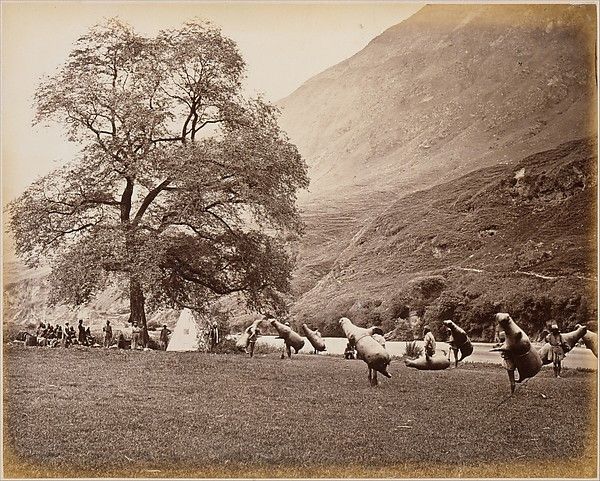 [Mussucks for Crossing the Beas River Below Bajoura]
1866 · The Metropolitan Museum of Art
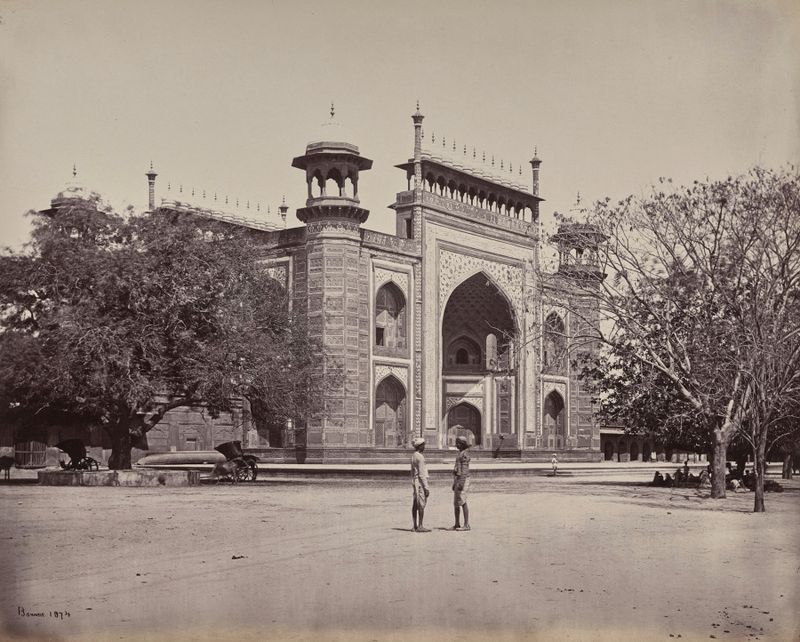 Agra. The Gateway of the Gardens Surrounding the Taj
1863 · Cleveland Museum of Art
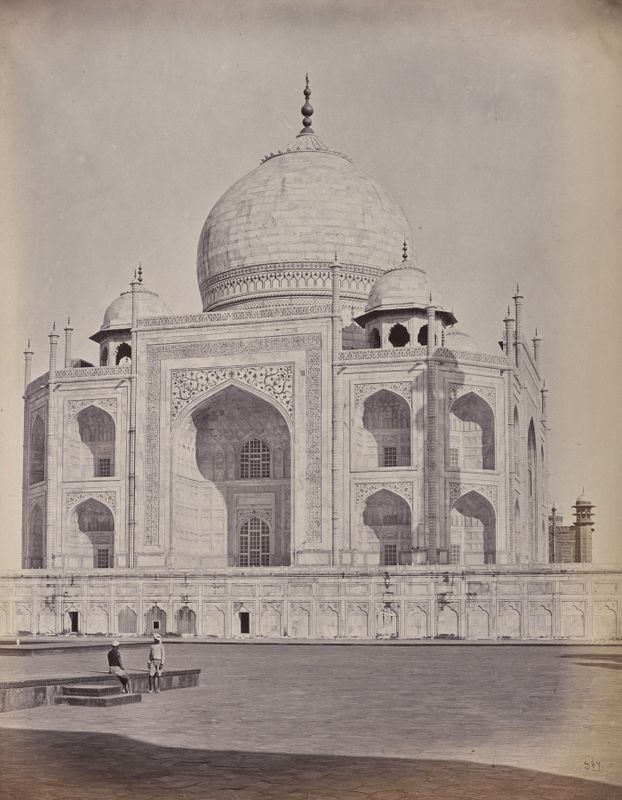 Agra. The Taj, the Central of Principal City
1863 · Cleveland Museum of Art
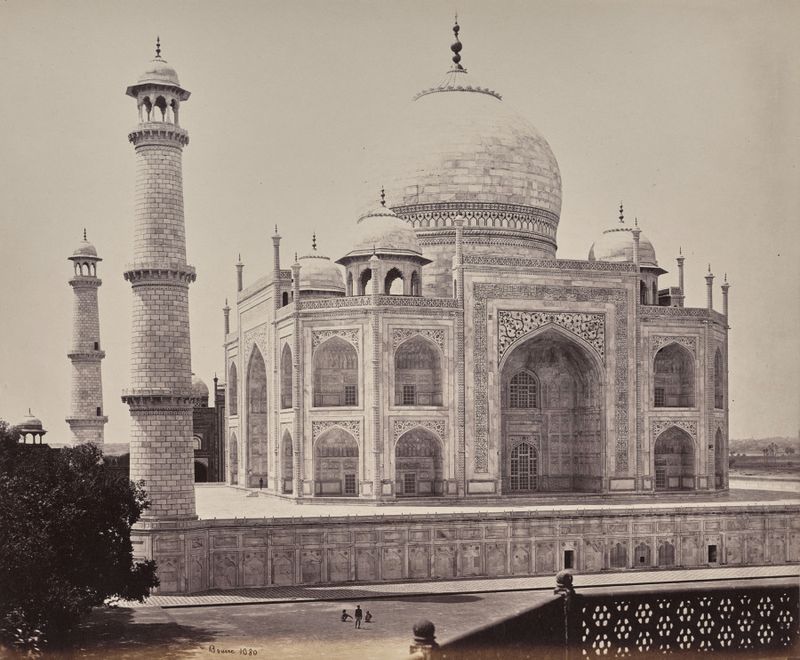 Agra. View of the Taj from a Corner in the Quadrangle
1863 · Cleveland Museum of Art
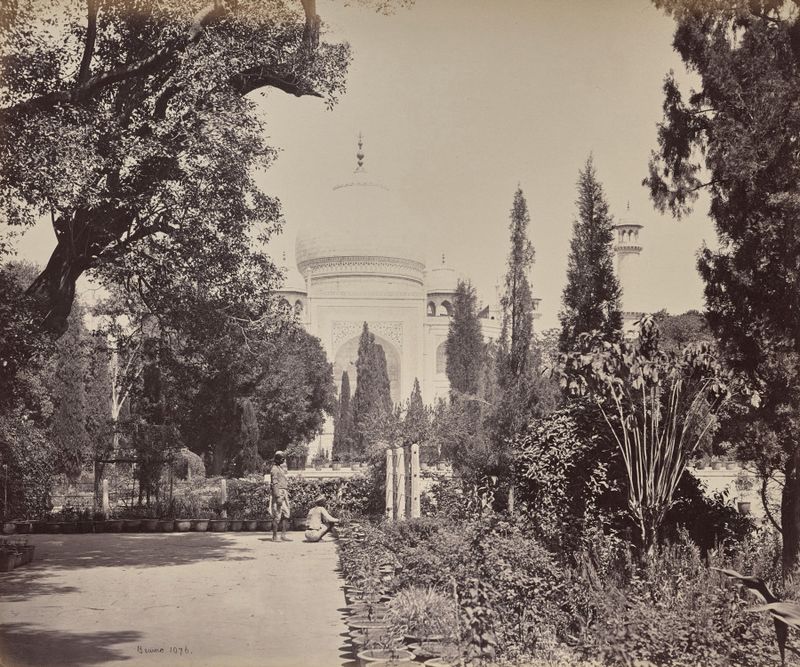 Agra. View of the Taj from the Garden
1863 · Cleveland Museum of Art
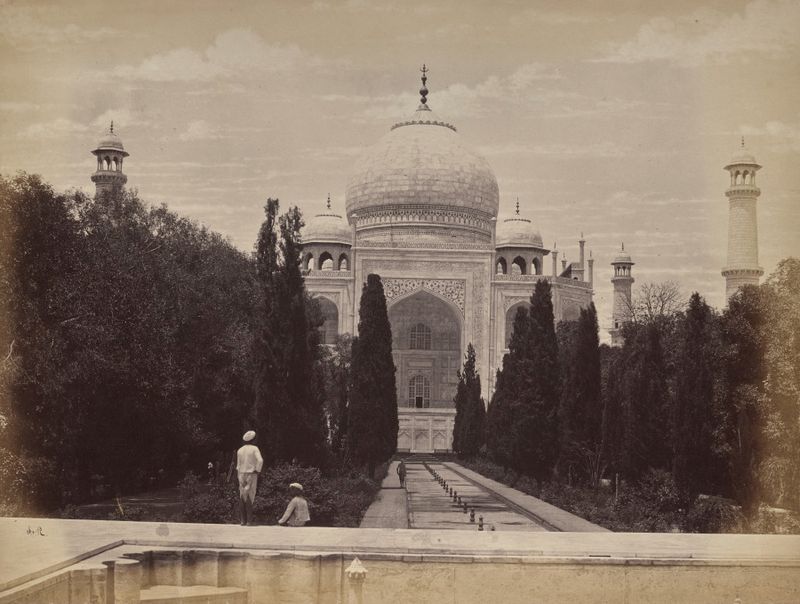 Agra. View of the Taj in Front of Nootkan (The Light of the World), Wife of the Emperor Akbar, View from the River
1863 · Cleveland Museum of Art
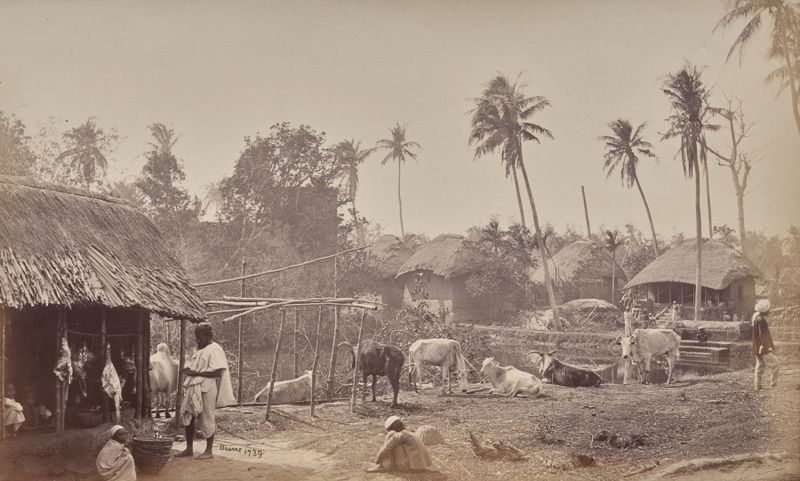 A Village Scene, Near Calcutta
1863 · Cleveland Museum of Art
More works to explore
Beyond Bourne: works from the same years.
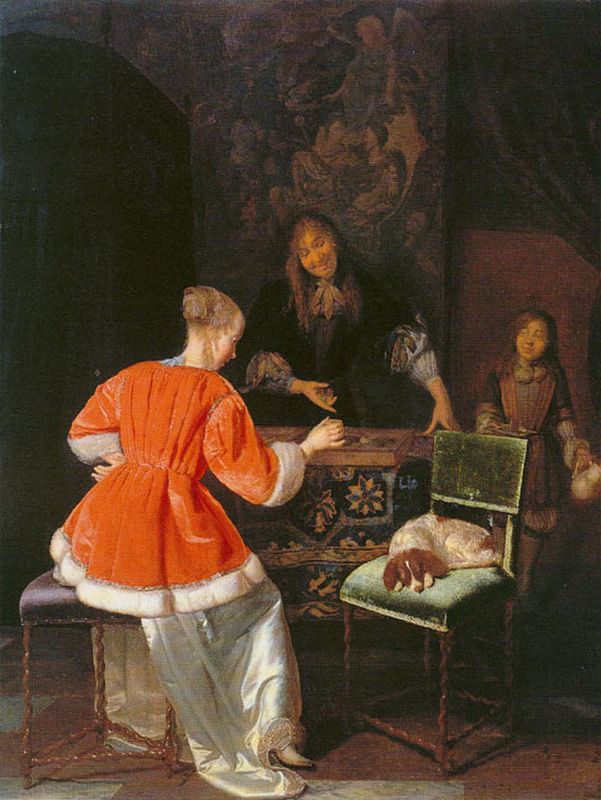 Same era · 1840s–1870s
The Backgammon Players
Philip Webb · 1861 · The Metropolitan Museum of Art
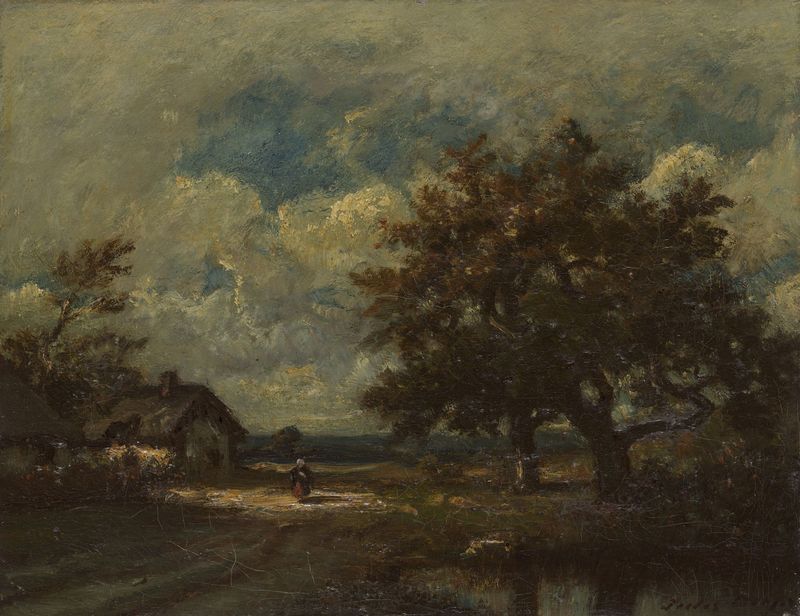 Same era · 1840s–1870s
The Cottage by the Roadside, Stormy Sky
Léon-Victor Dupré · 1855 · Art Institute of Chicago
 Same era · 1840s–1870s
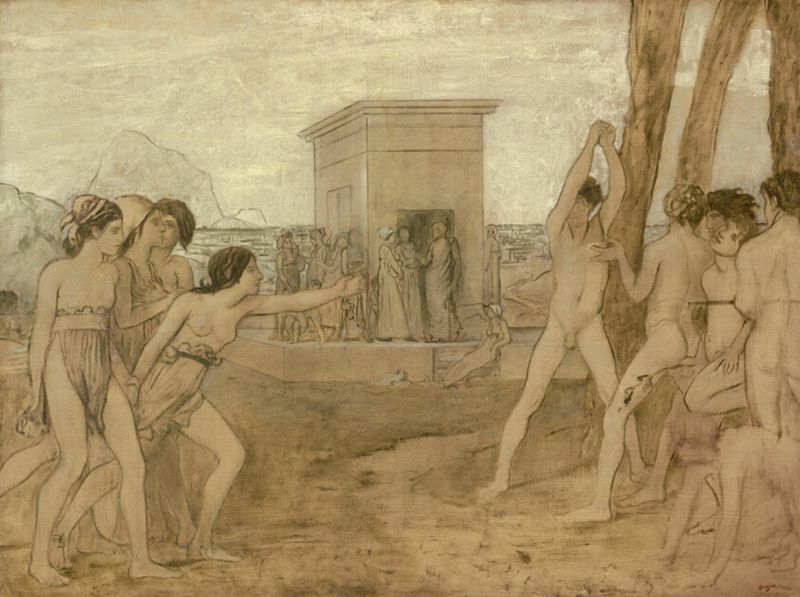
Young Spartan Girls Challenging Boys
Edgar Degas · 1860 · Art Institute of Chicago
 Same era · 1840s–1870s
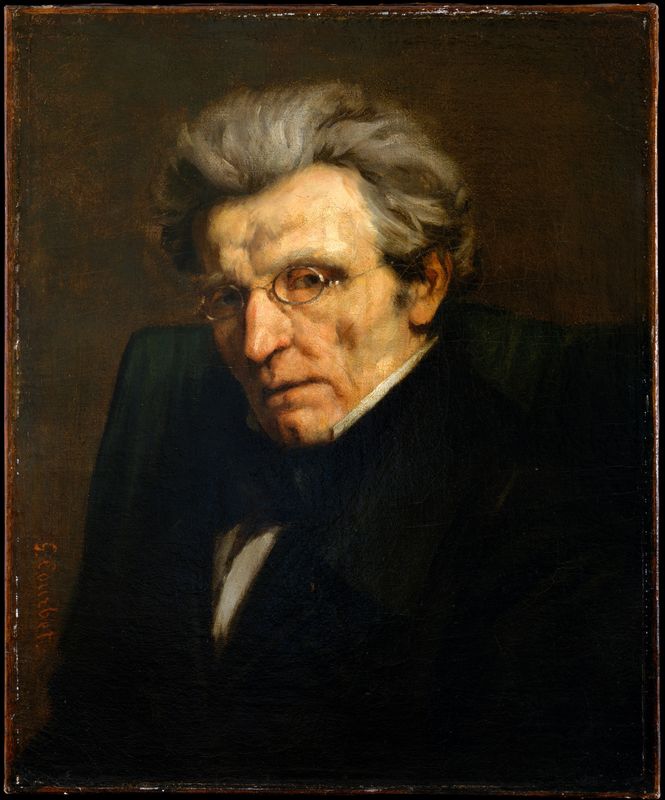
Monsieur Suisse
Gustave Courbet · 1861 · The Metropolitan Museum of Art
 Same era · 1840s–1870s
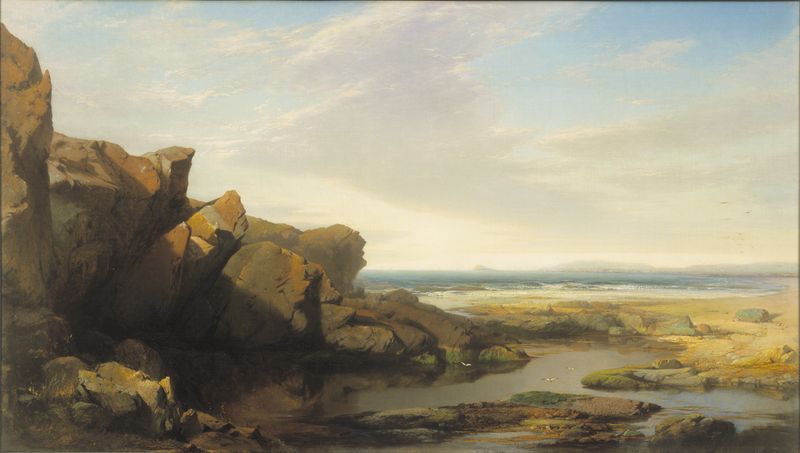
Pools by the Seaside
William Hart · 1861 · Buffalo AKG Art Museum
 Same era · 1840s–1870s
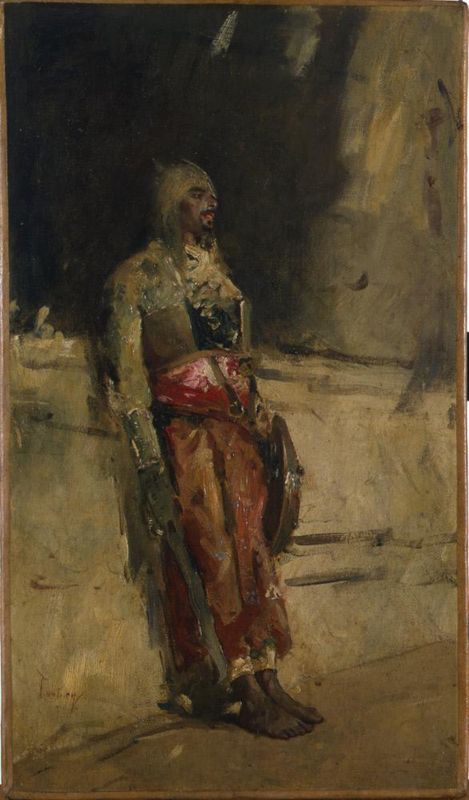
An Arab Warrior
Mariano Fortuny Marsal · 1862 · Hispanic Society of America
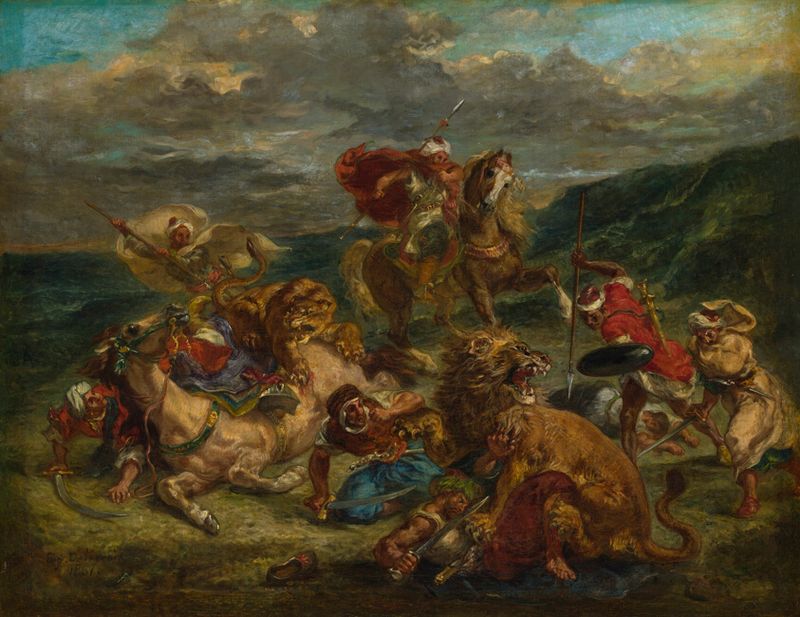 Same era · 1840s–1870s
Lion Hunt
Eugène Delacroix · 1858 · Museum of Fine Arts Boston
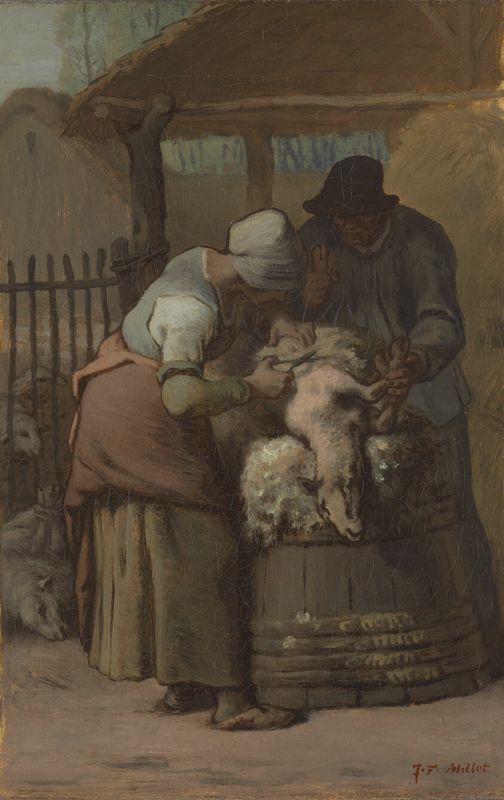 Same era · 1840s–1870s
The Sheepshearers
Jean-François Millet · 1857 · Art Institute of Chicago
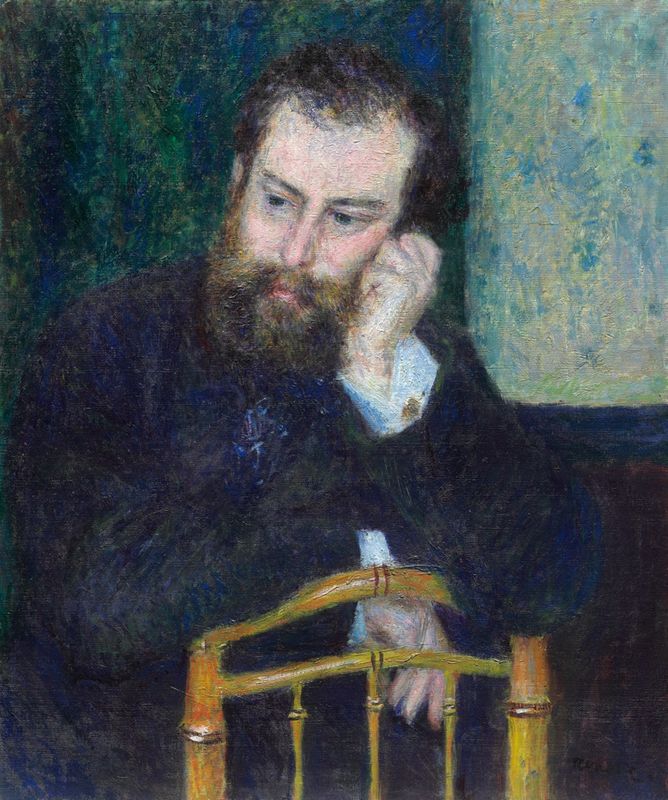 Same era · 1840s–1870s
Alfred Sisley
Pierre-Auguste Renoir · 1864 · Foundation E.G. Bührle Collection
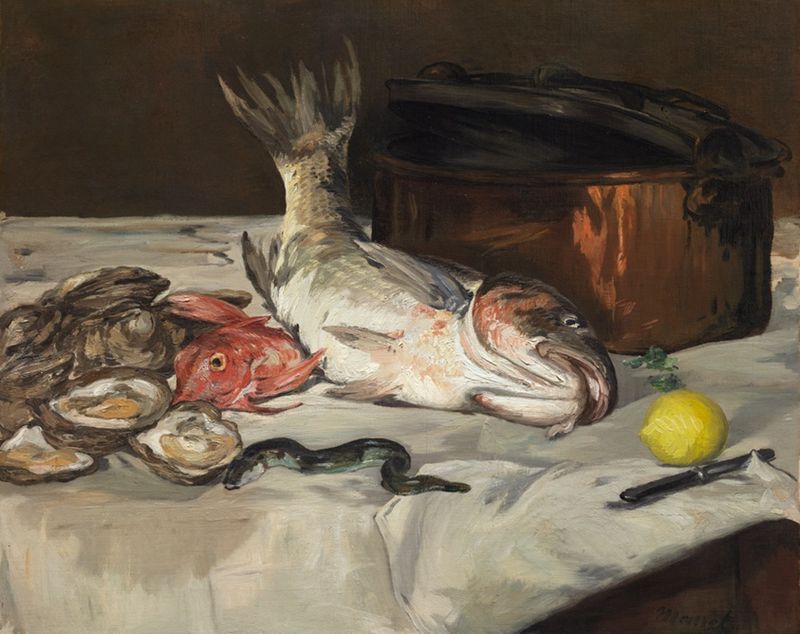 Same era · 1840s–1870s
Fish (Still Life)
Édouard Manet · 1864 · Art Institute of Chicago
 Same era · 1840s–1870s
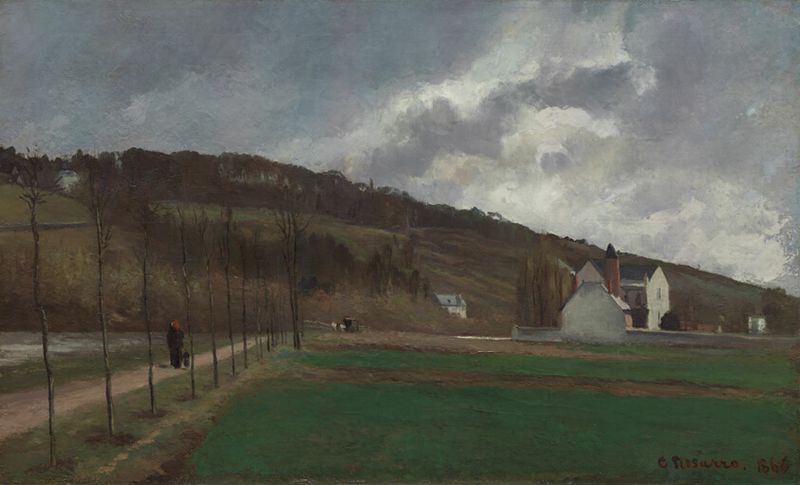
The Banks of the Marne in Winter
Camille Pissarro · 1866 · Art Institute of Chicago
 Same era · 1840s–1870s
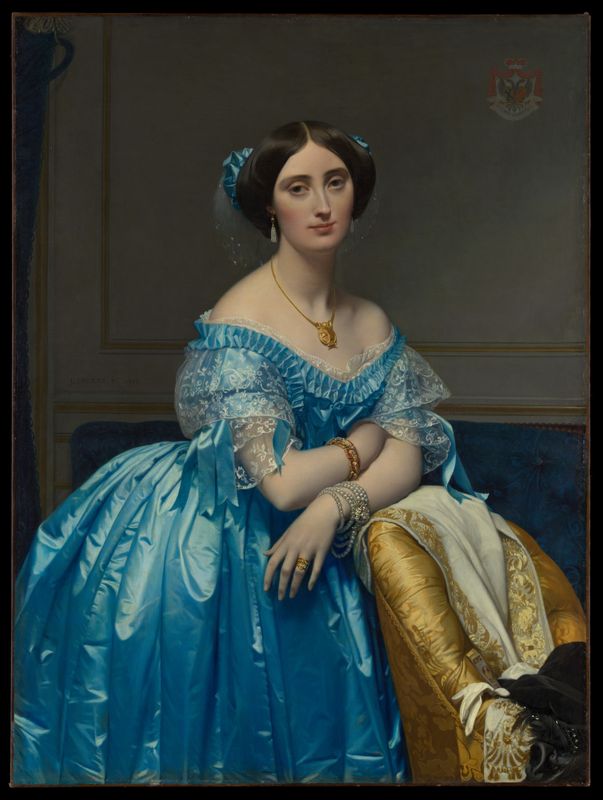
Joséphine-Éléonore-Marie-Pauline de Galard de Brassac de Béarn (1825–1860), Princesse de Broglie
Jean-Auguste-Dominique Ingres · 1853 · Metropolitan Museum of Art