01
The brooding angel
Look at her face, shadowed and fixed on something far off, her cheek resting on a clenched fist. The whole mood of the print starts here.
1 of 5 on the painting
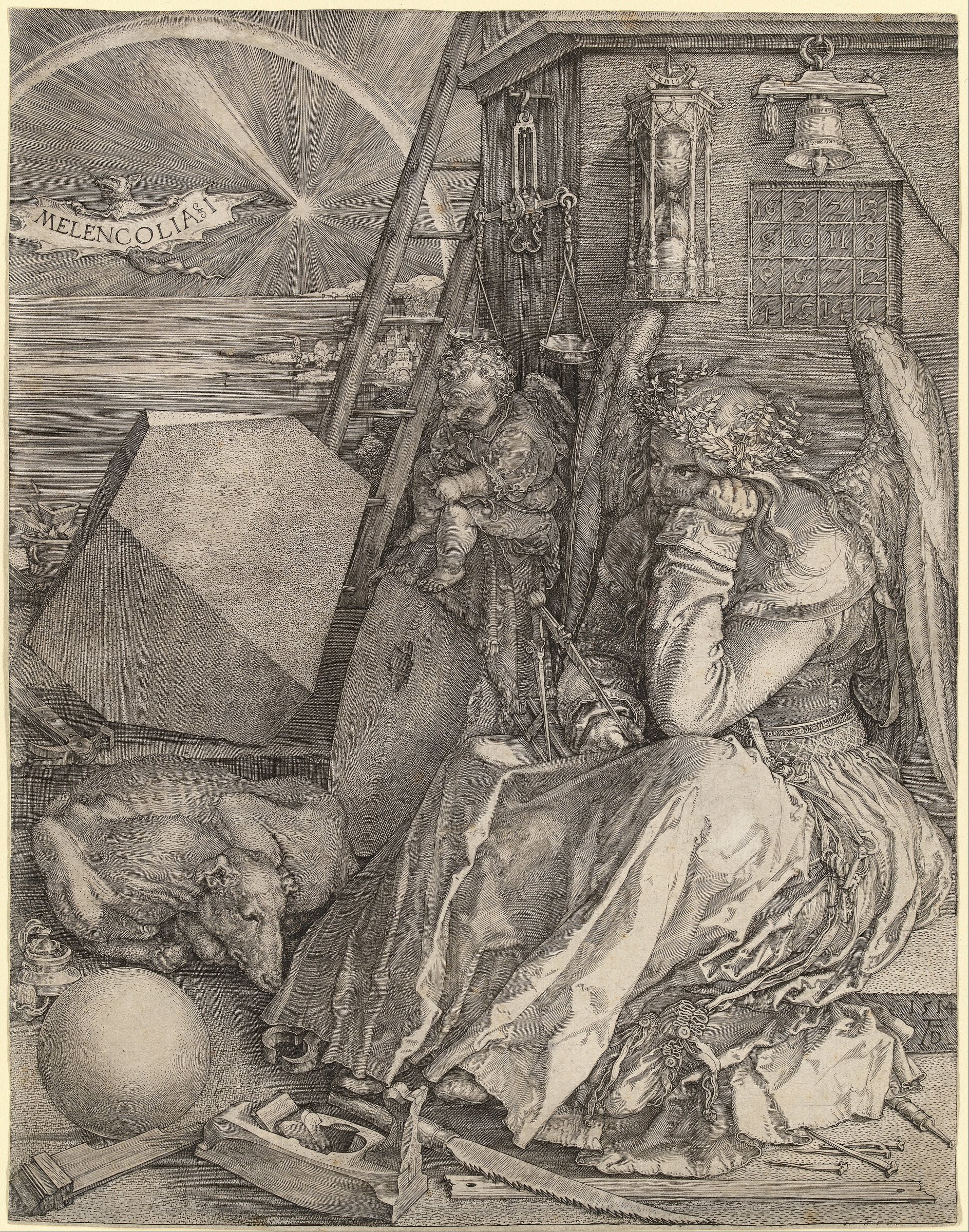
“Stop to observe the intense emotional depth conveyed through the solitary figure and the dramatic play of light and shadow, a hallmark of the Utrecht Caravaggisti movement. This painting invites you to ponder the quiet power of human introspection.”
In Hendrick ter Brugghen's "Melancholia," a solitary figure rests their head on a hand, gazing blankly into the distance. The muted colors and the figure's downcast expression immediately convey a sense of deep contemplation or sorrow. This painting, created in 1627, showcases the dramatic use of light and shadow characteristic of the Utrecht Caravaggisti, a group of Dutch painters influenced by Caravaggio. Here, a strong light source from the left illuminates the figure's face and shoulder, casting the background into a deep, velvety darkness. This stark contrast heightens the emotional intensity of the scene, drawing the viewer into the figure's internal world. The subject of melancholia, often associated with intellectual pursuits and artistic temperament, was a popular theme in the 17th century, reflecting a keen interest in human psychology and emotion.
Five details hide in plain sight. Pick one and we’ll show you exactly where to look.
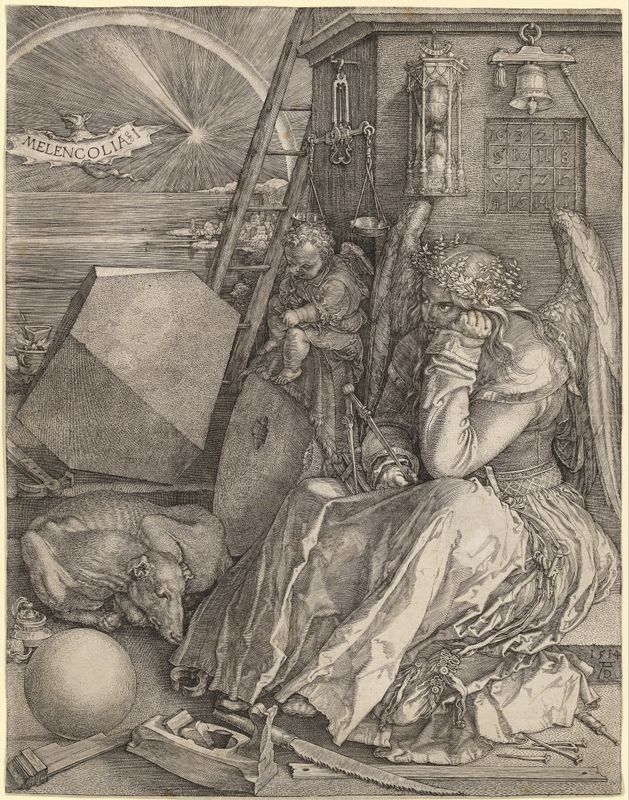
Look at her face, shadowed and fixed on something far off, her cheek resting on a clenched fist. The whole mood of the print starts here.
On the wall at upper right hangs a grid of numbers, four rows of four. Magic squares are tied to mathematics, and this one sits above the brooding figure as a puzzle of order.
Above the figure, an hourglass and a bell hang high on the wall. Both are traditional signs of passing time, set above a woman who sits still.
At lower left a thin dog sleeps, curled tight, ribs showing. Its heavy rest sits quietly beside the brooding figure above it.
Follow the fine, crossing engraved lines in her skirt. Dense hatching makes the heavy cloth catch light and fall into deep shadow.
The full narration walks you through Melancholia — the story behind it, the details most visitors miss, and why it matters. Free in the Art Whisper app.
Hendrick ter Brugghen brought Caravaggio's dramatic light and emotional realism from Italy to the Dutch Republic, profoundly shaping Dutch Golden Age painting.
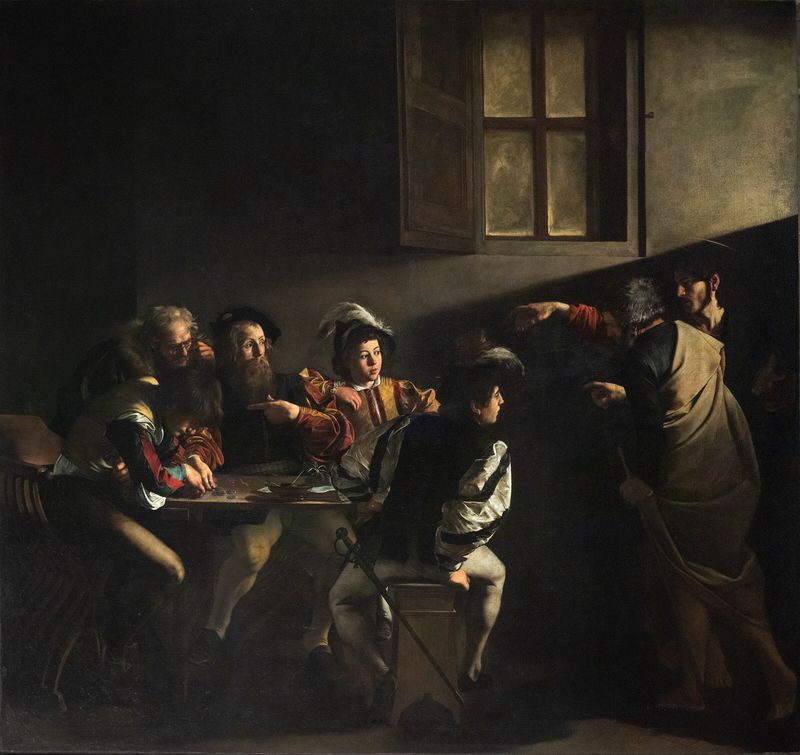 The Calling of Saint Matthew
1609 · Museum of Fine Arts, Budapest
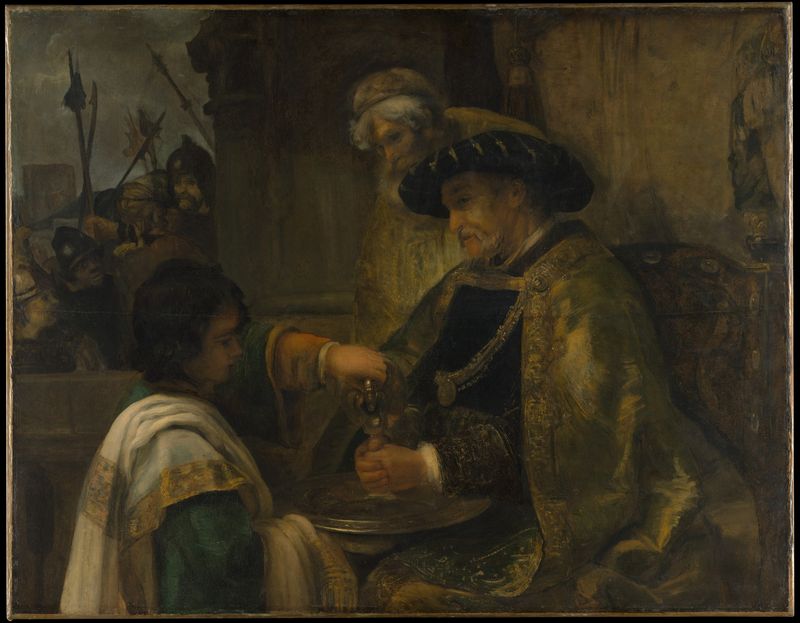 Pilate washing his hands
1617 · National Museum in Lublin
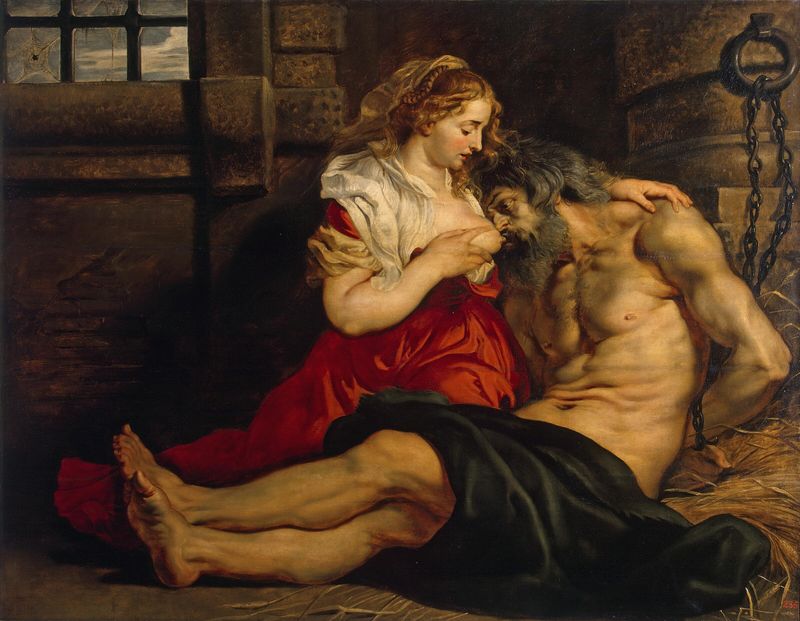 Roman Charity
1622 · The Metropolitan Museum of Art
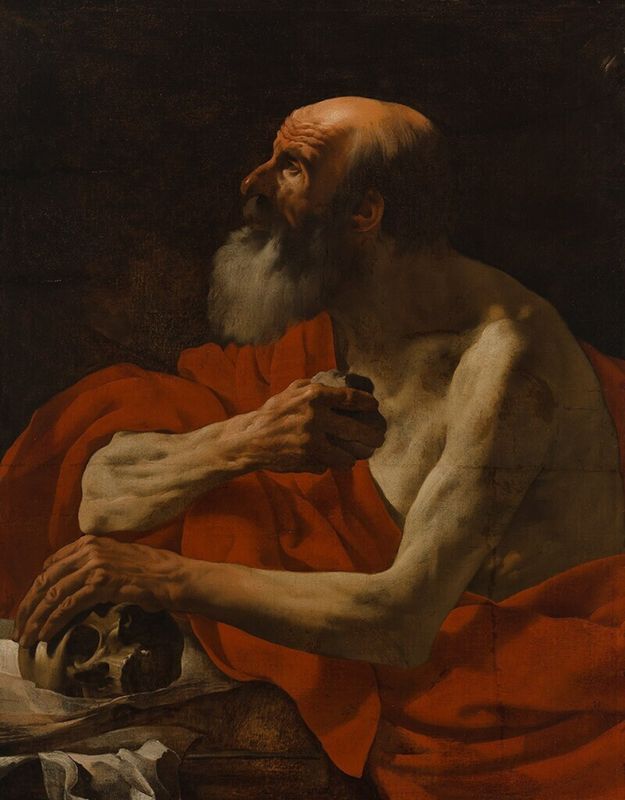 Saint Jerome
1624 · Museum Boijmans Van Beuningen
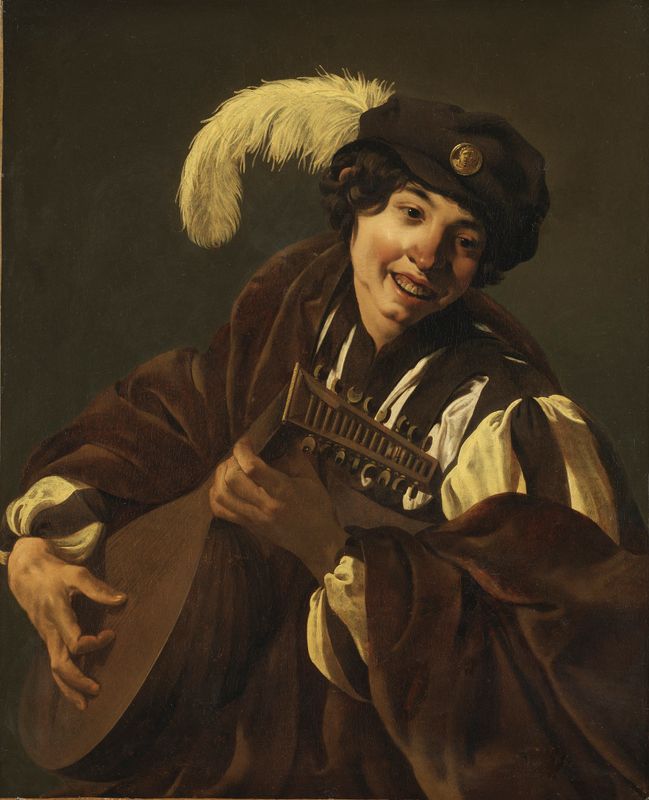 A Boy Playing the Lute ("Hearing", One of a Series of the Five Senses)
1620 · Nationalmuseum
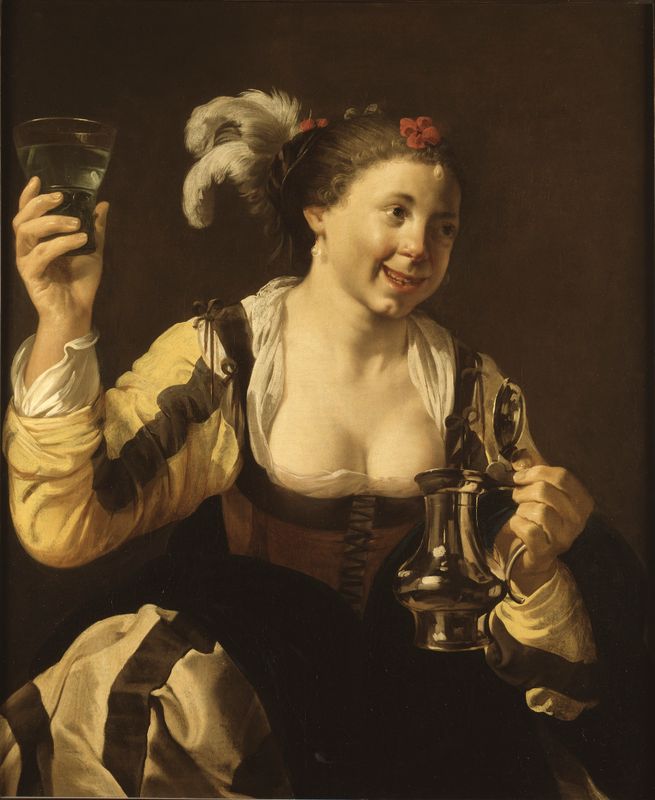 A Girl Holding a Glass ("Taste", One of a Series of the Five Senses)
1620 · Nationalmuseum
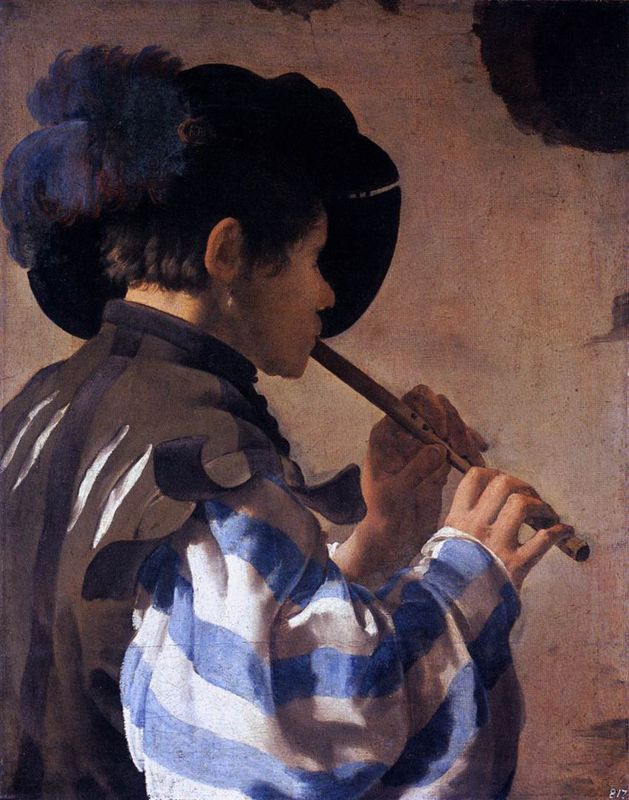 Boy Playing a Fife
1620 · Gemäldegalerie Alte Meister
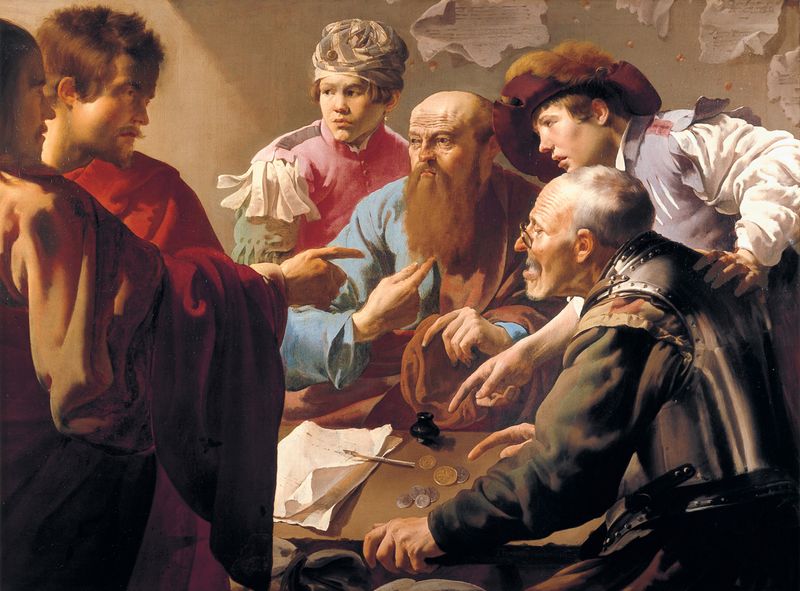 Calling of Saint Matthew
1621 · Centraal Museum
Beyond ter Brugghen: works from the same years.
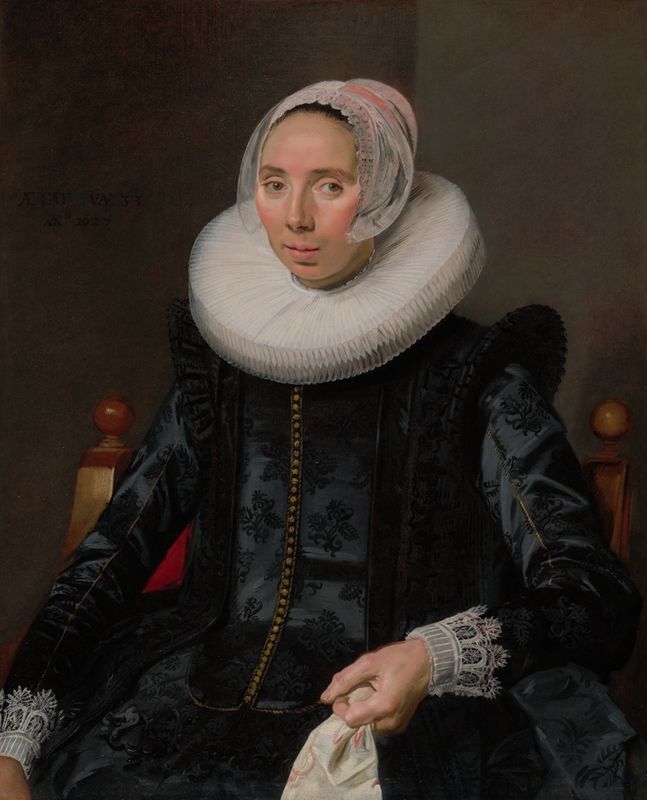 Same era · 1610s–1640s
Portrait of a Lady
Frans Hals · 1627 · Art Institute of Chicago
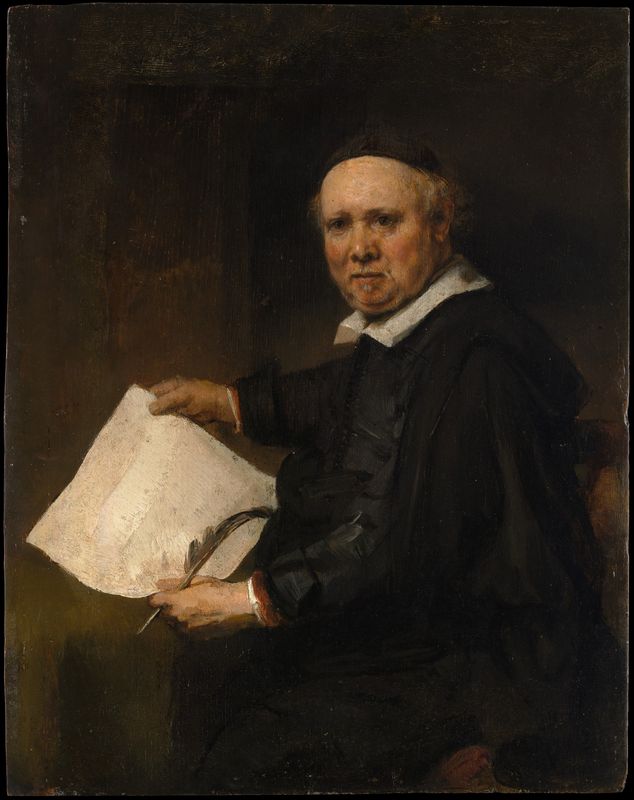 Same era · 1610s–1640s
Lieven Willemsz van Coppenol (born about 1599, died 1671 or later)
Rembrandt · 1626 · The Metropolitan Museum of Art
 Same era · 1610s–1640s
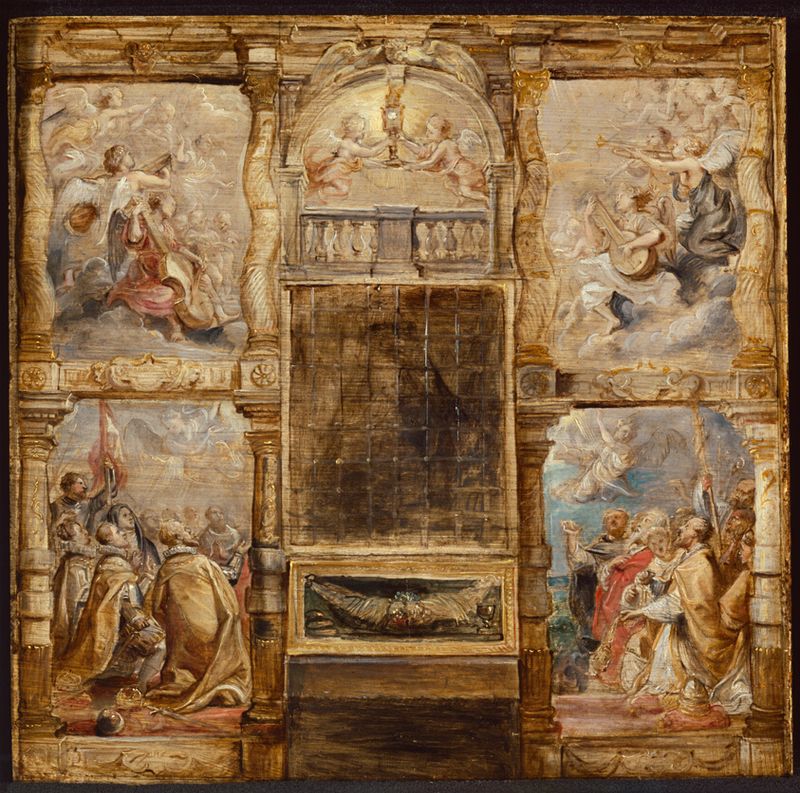
The Adoration of the Eucharist
Peter Paul Rubens · 1626 · Art Institute of Chicago
 Same era · 1610s–1640s
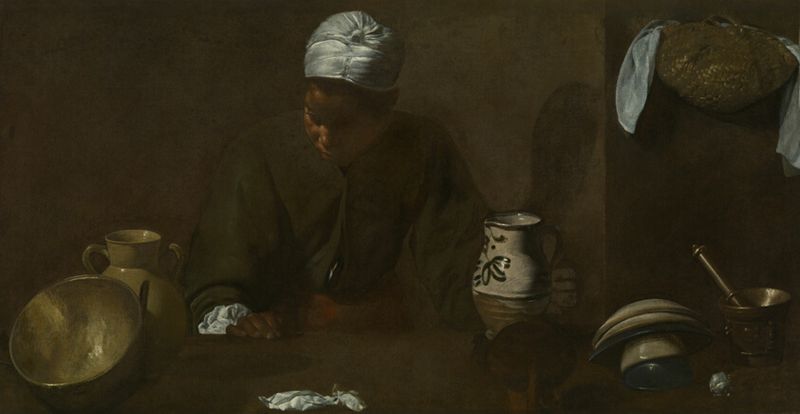
Kitchen Scene
Diego Velázquez · 1618 · Art Institute of Chicago
 Same era · 1610s–1640s
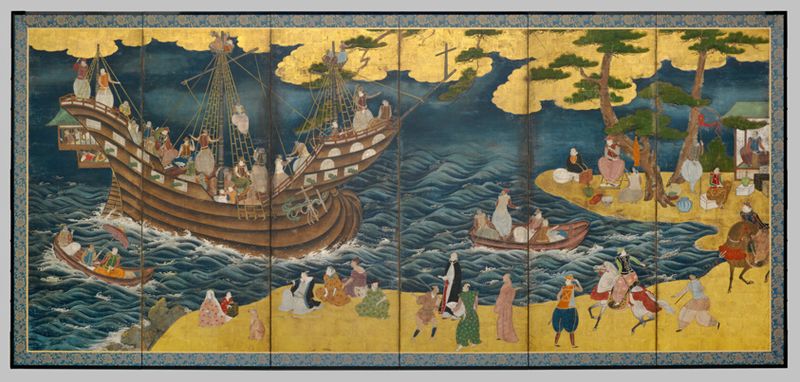
Southern Barbarians
Artist Unknown - The Mercat Cross, Aberdeen · 1625 · Art Institute of Chicago
 Same era · 1610s–1640s
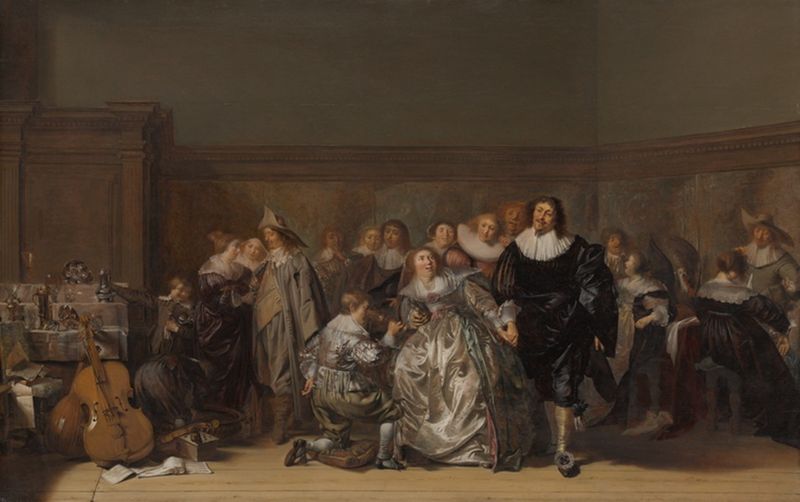
An Elegant Company
Samuel Alcock & Company · 1632 · Art Institute of Chicago
 Same era · 1610s–1640s
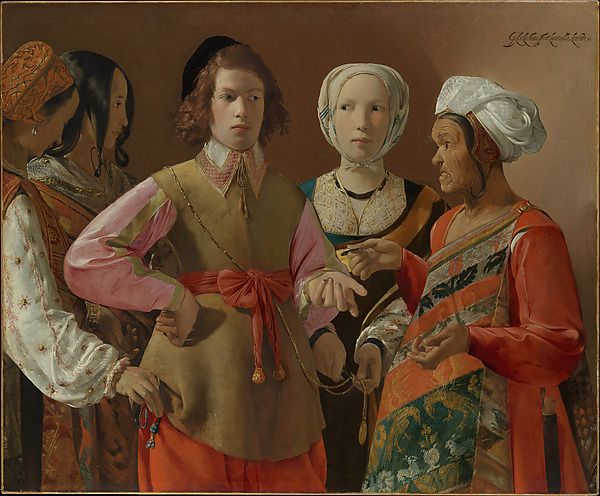
The Fortune-Teller
Georges de La Tour · 1630 · The Metropolitan Museum of Art
 Same era · 1610s–1640s
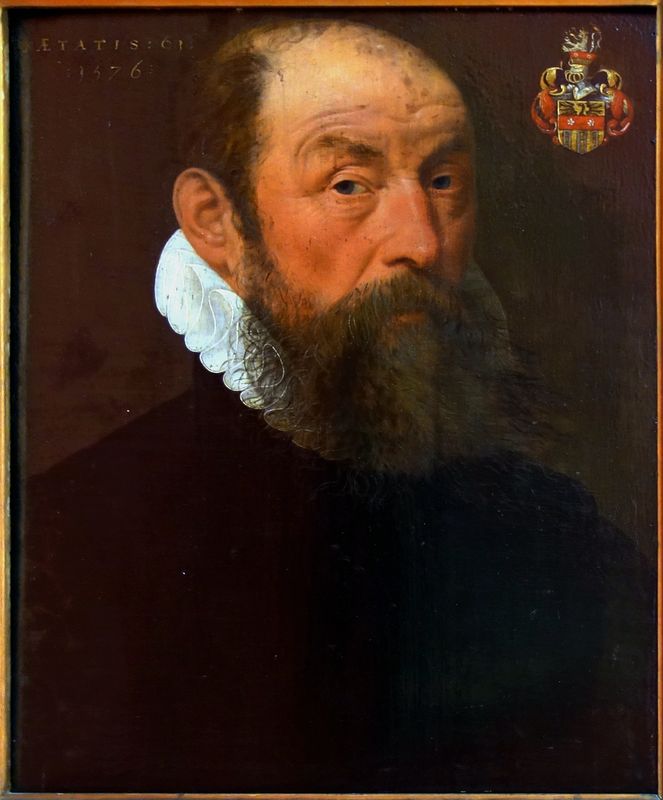
Portrait of a man
Willem van der Vliet · 1634 · Pushkin Museum of Fine Arts
 Same era · 1610s–1640s
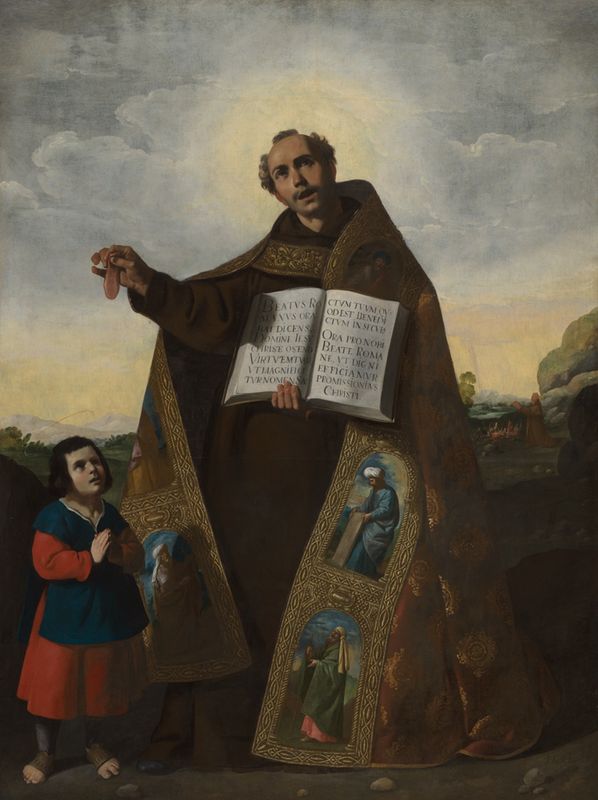
Saint Romanus of Antioch and Saint Barulas
Master of the View of Saint Gudula · 1638 · Art Institute of Chicago
 Same era · 1610s–1640s
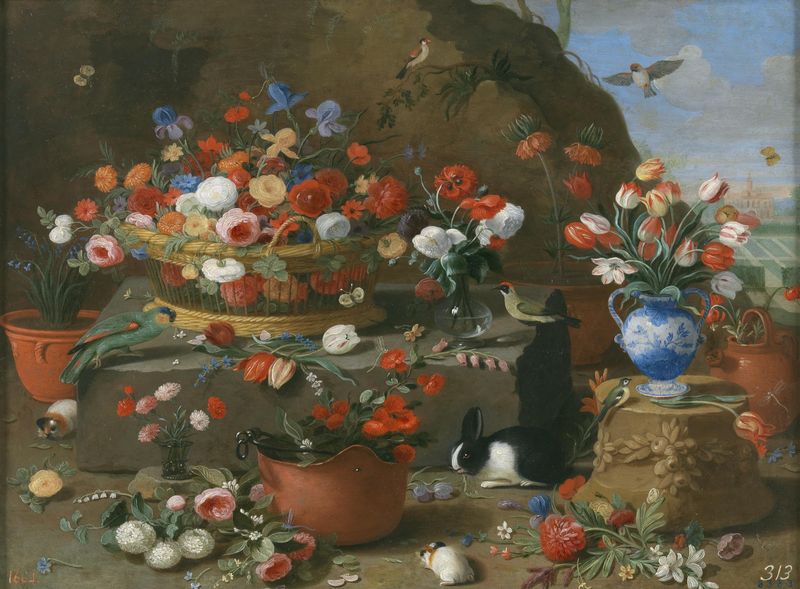
Floral Still Life
Jan van Kessel the Elder · 1633 · Museo del Prado
 Same era · 1610s–1640s
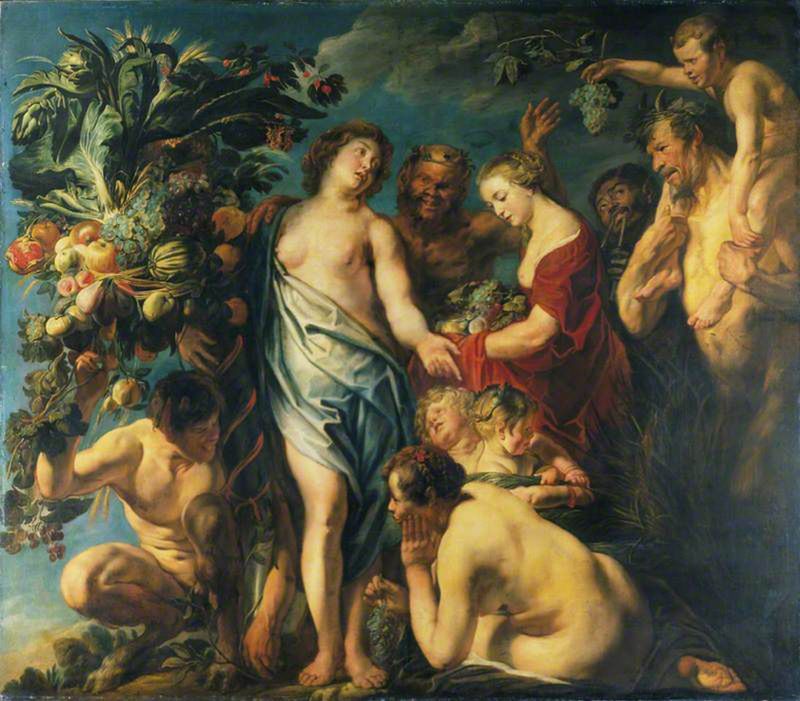
An Allegory of Fruitfulness
Jacob Jordaens · 1620 · Wallace Collection
 Same era · 1610s–1640s
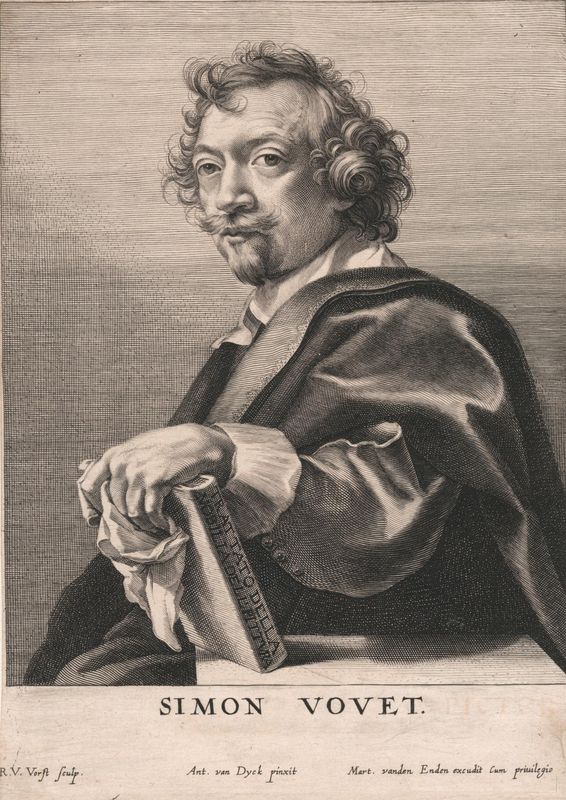
Simon Vouet
Noriega · 1630 · Art Institute of Chicago
