
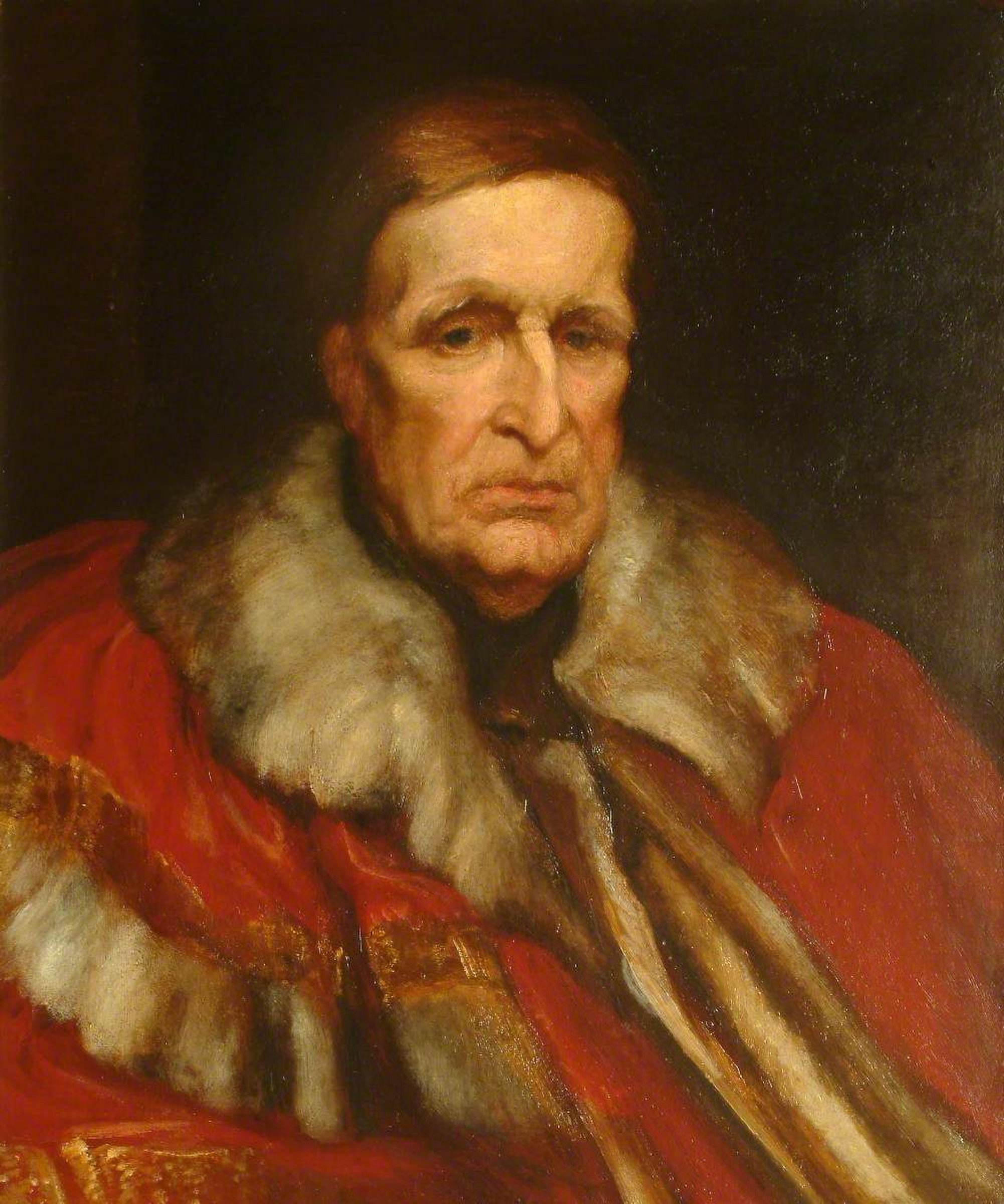
“Stop and look at this striking bust of Lord Lyndhurst. Its unglazed porcelain surface makes it feel like ancient marble, giving a classical dignity to this powerful British politician.”
This unglazed porcelain bust captures Lord Lyndhurst, a prominent British lawyer and politician, with a solemn and dignified expression. Created in 1824, the sculpture's stark white surface and matte finish emphasize the classical ideal of portraiture, a popular aesthetic during the early 19th century. Lord Lyndhurst is depicted in formal attire, likely a judicial robe, its folds and textures rendered with remarkable precision despite the material's inherent smoothness. The choice of unglazed porcelain, often called Parian ware, was a deliberate one, mimicking the appearance of ancient marble sculptures while being more affordable and easier to mass-produce. This piece reflects a broader trend in the decorative arts of the period, where Neoclassical tastes influenced everything from grand architecture to intimate household objects. It offers a tangible connection to the political and artistic sensibilities of Regency-era Britain.
- Artist
- Samuel Alcock & Company
- Date
- 1824
- Medium
- Unglazed porcelain (Parian ware)
- Location
- The Metropolitan Museum of Art
- Dimensions
- Height: 14 1/4 in. (36.2 cm)
- Collection
- European Sculpture and Decorative Arts
- Culture
- British, Staffordshire
- Credit line
- Rogers Fund, 1915
What to Notice
Five details hide in plain sight. Here’s where to look.
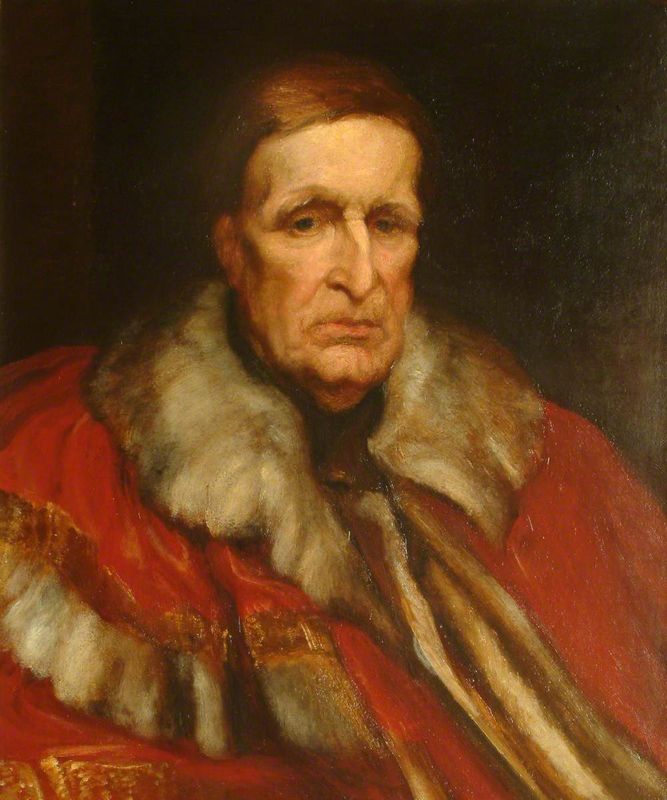
The subtle, almost milky texture of the unglazed porcelain.
The intricate folds and drapes of Lord Lyndhurst's formal attire.
His stern, focused gaze and tightly set lips.
The finely sculpted curls of his hair, framing his face.
1 more detail is waiting.
See all 5 in Art Whisper →Stand in front of it and listen
The full narration walks you through Lord Lyndhurst — the story behind it, the details most visitors miss, and why it matters. Free in the Art Whisper app.
Samuel Alcock & Company
Samuel Alcock & Company, a prominent British business, was renowned for its intricate ceramic designs, particularly elegant cups and tureens, in the mid-19th century.
Further Works by Company
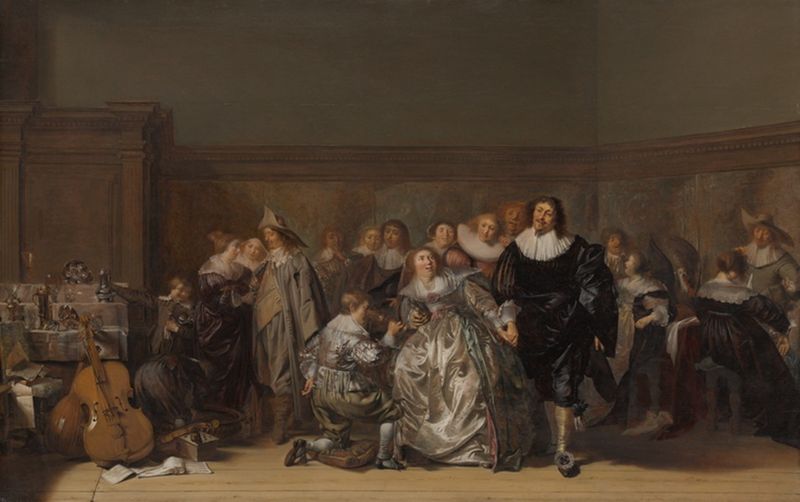 An Elegant Company
1632 · Art Institute of Chicago
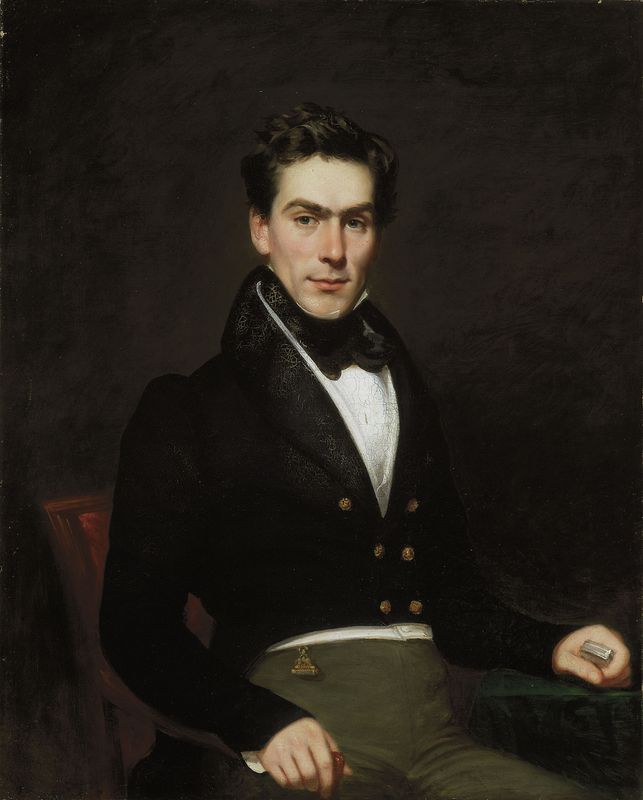 Mr. James Mackie
1830 · Art Institute of Chicago
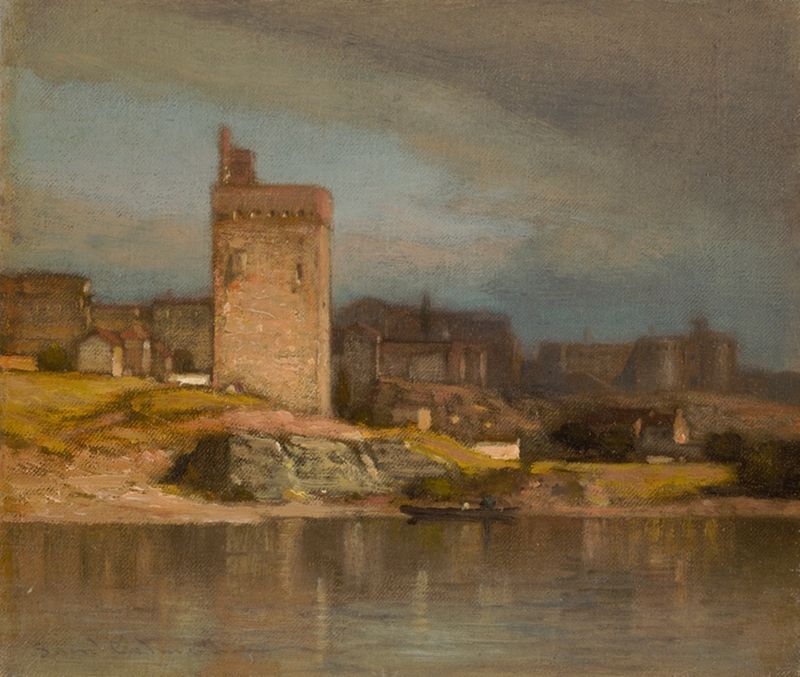 Old Tower at Avignon
1875 · Art Institute of Chicago
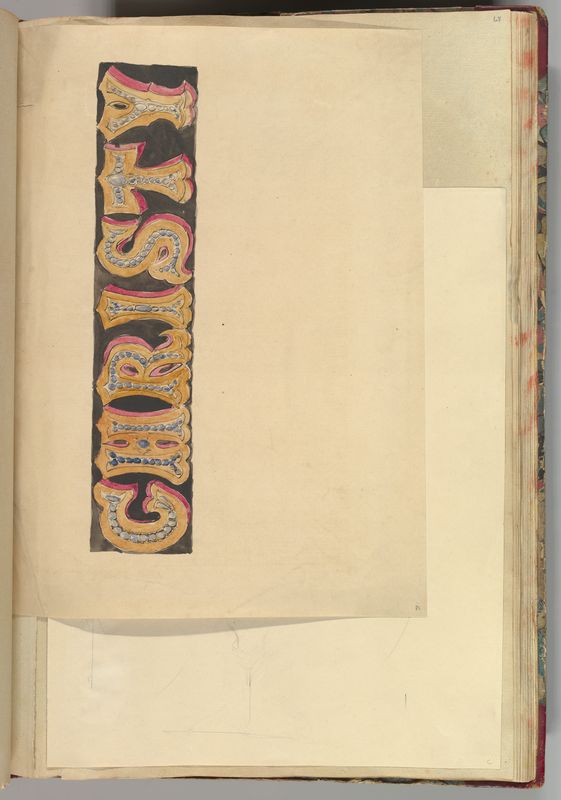 Lettered title: Christy
1845 · The Metropolitan Museum of Art
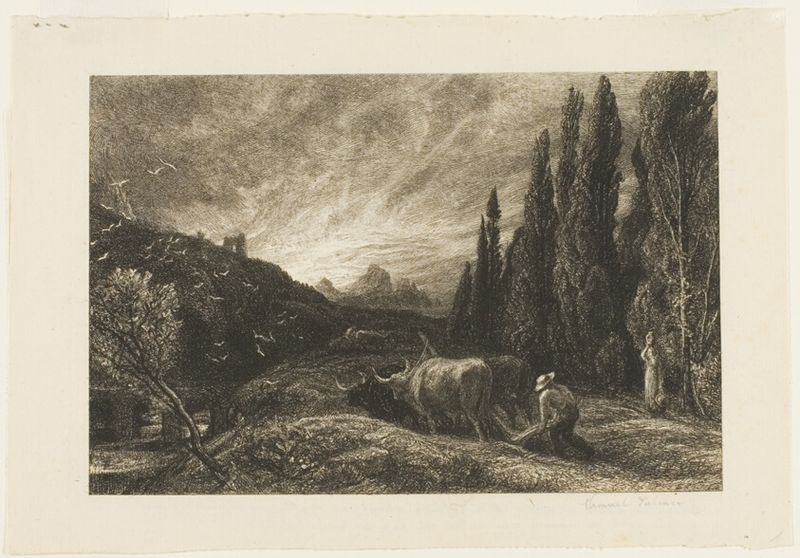 The Early Ploughman
1856 · Art Institute of Chicago
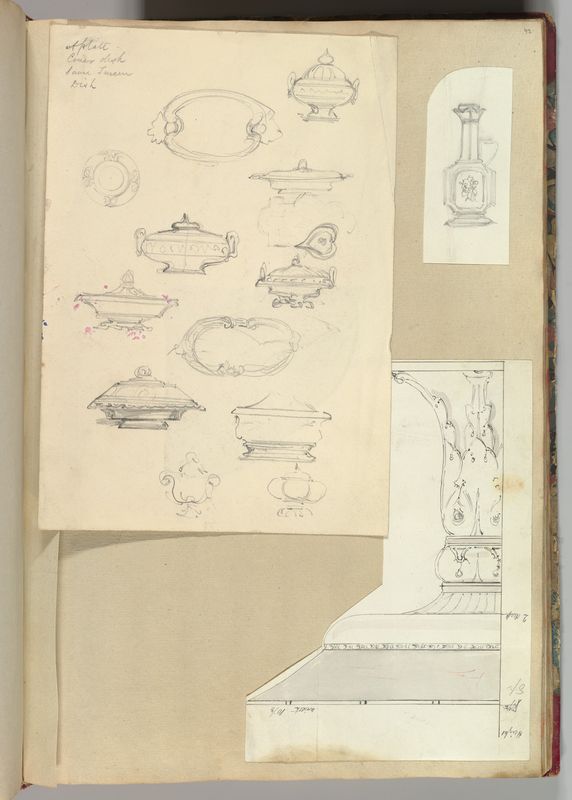 Designs for Tureens and a Platter
1845 · The Metropolitan Museum of Art
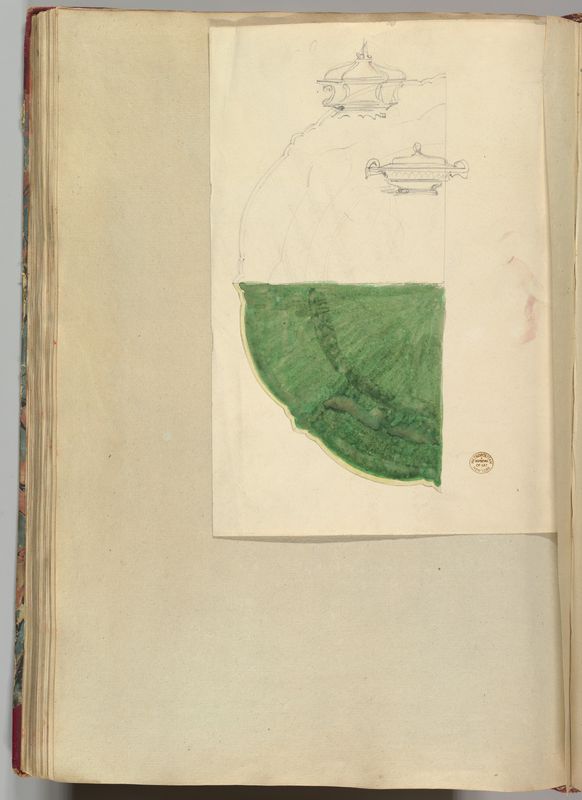 Designs for Two Tureens and a Plate
1845 · The Metropolitan Museum of Art
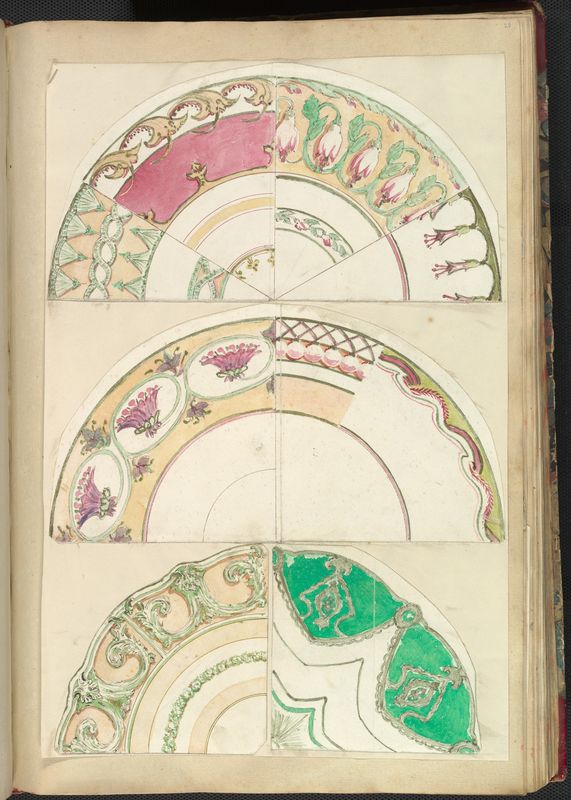 Nine Designs for Decorated Plates
1845 · The Metropolitan Museum of Art
More works to explore
Beyond Company: works from the same years.
 Same era · 1800s–1830s
The Estuary Farm
Léon-Victor Dupré · 1831 · Art Institute of Chicago
 Same era · 1800s–1830s
The Fortune Teller (La Bonne Aventure)
Jacques-Louis David · 1824 · Fine Arts Museums of San Francisco
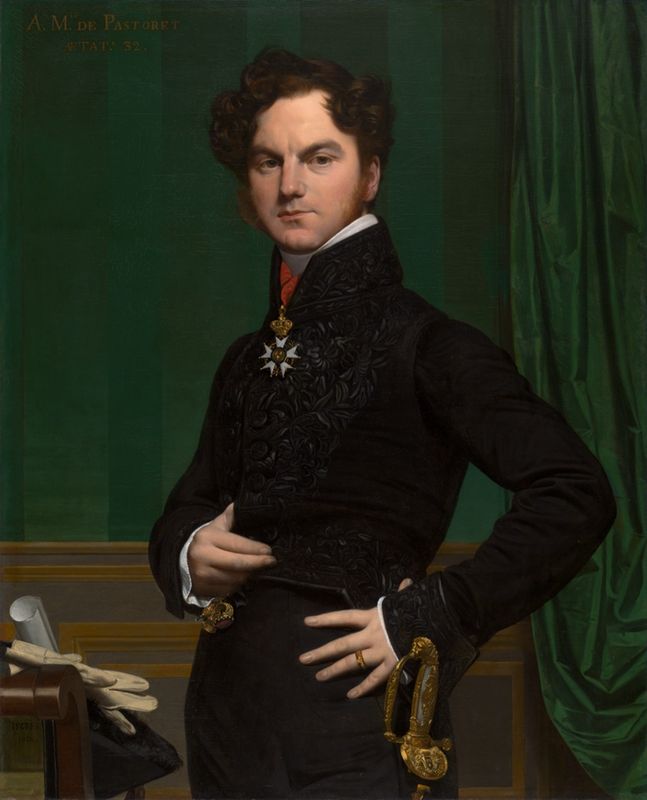 Same era · 1800s–1830s
Amédée-David, the Comte de Pastoret
Jean-Auguste-Dominique Ingres · 1823 · Art Institute of Chicago
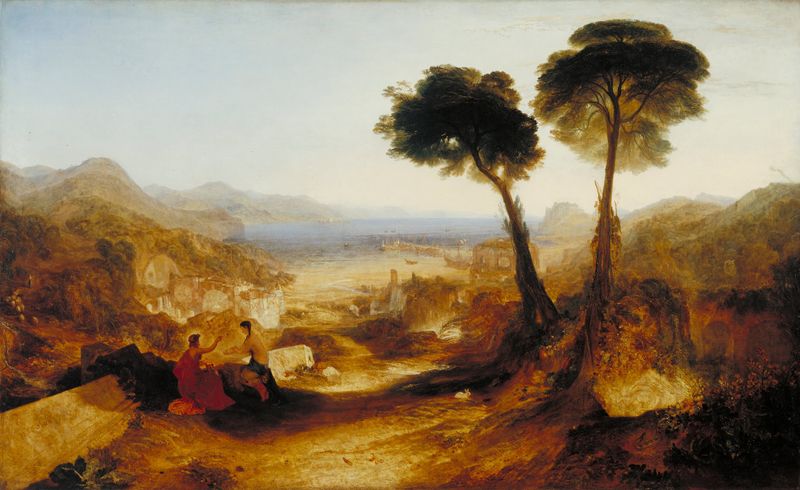 Same era · 1800s–1830s
The Bay of Baiae, with Apollo and the Sibyl
J. M. W. Turner · 1823 · National Gallery
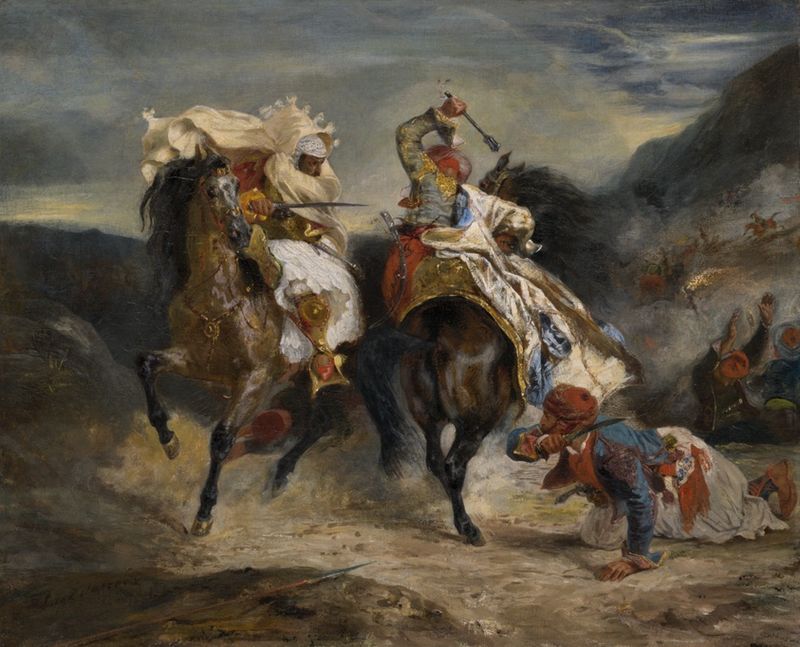 Same era · 1800s–1830s
The Combat of the Giaour and Hassan
Eugène Delacroix · 1826 · Art Institute of Chicago
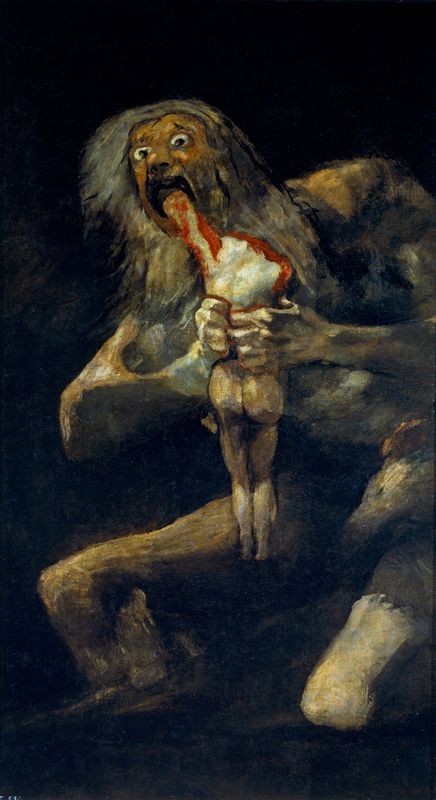 Same era · 1800s–1830s
Saturn Devouring His Son
Francisco Goya · 1820 · Museo del Prado
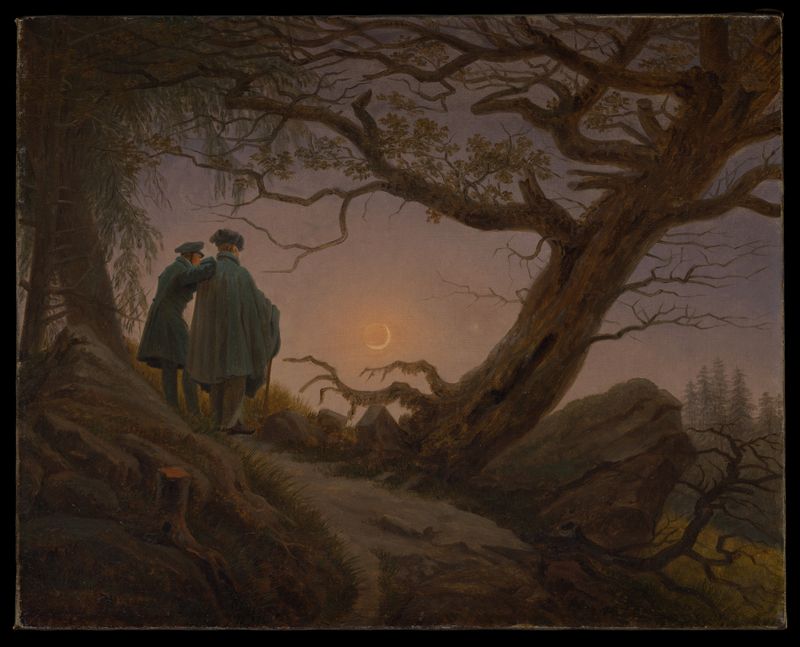 Same era · 1800s–1830s
Two Men Contemplating the Moon
Caspar David Friedrich · 1819 · Staatliche Kunstsammlungen Dresden
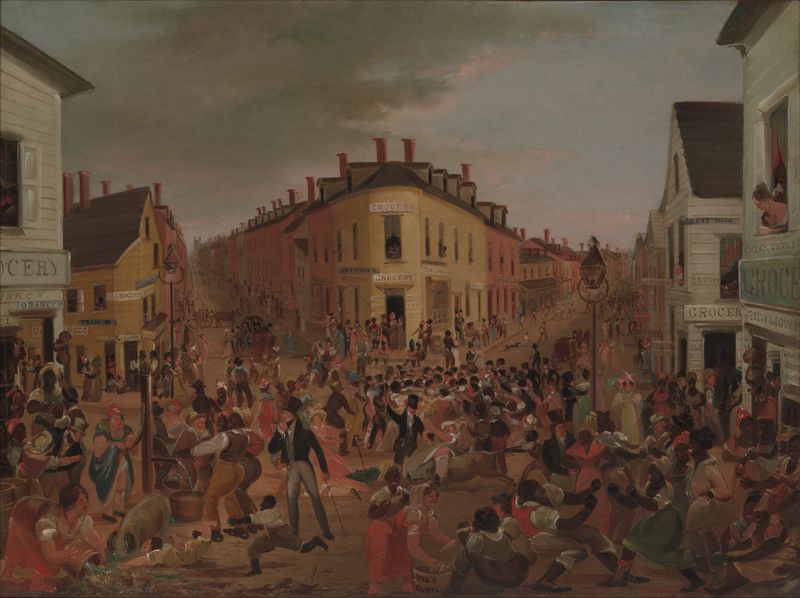 Same era · 1800s–1830s
The Five Points
Artist Unknown - The Mercat Cross, Aberdeen · 1822 · The Metropolitan Museum of Art
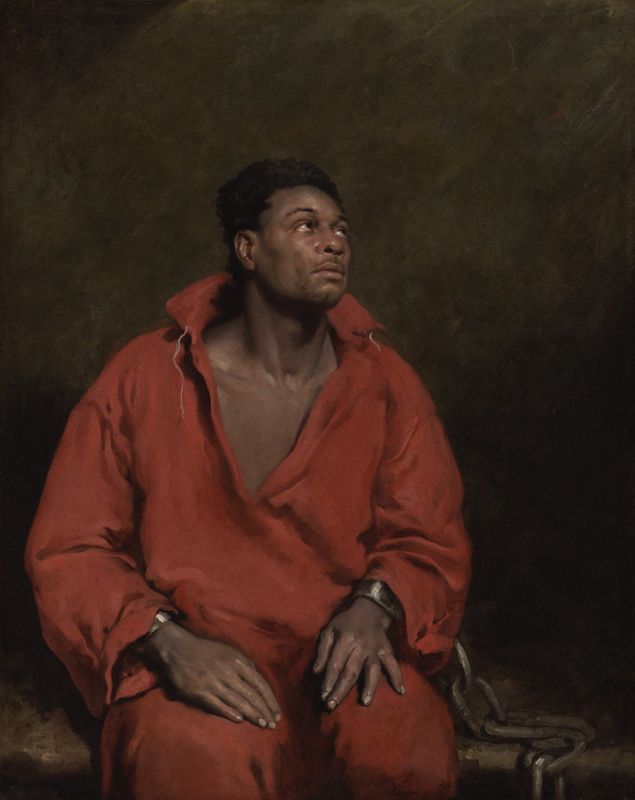 Same era · 1800s–1830s
The Captive Slave (Ira Aldridge)
John Philip Simpson · 1827 · Art Institute of Chicago
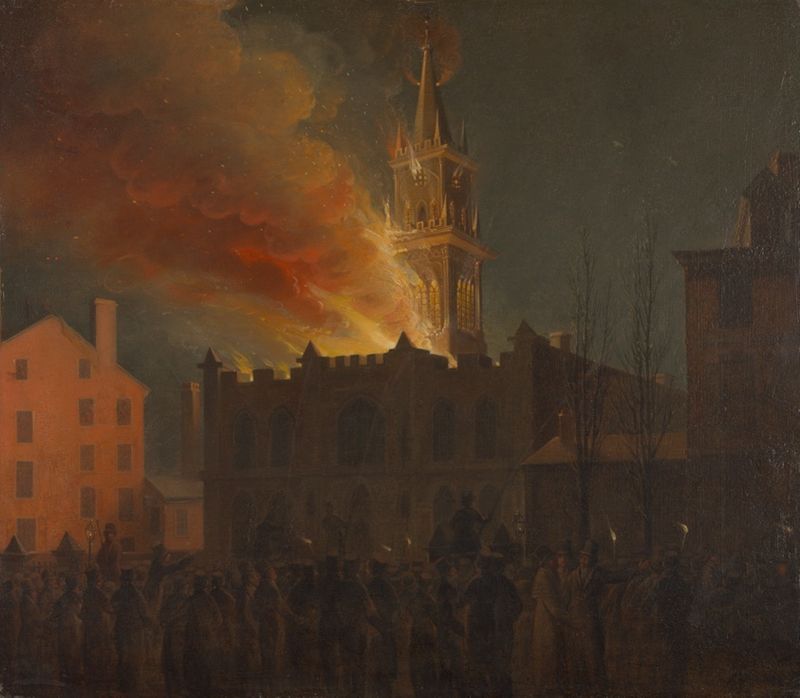 Same era · 1800s–1830s
Conflagration of the Masonic Hall, Chestnut Street, Philadelphia, Pennsylvania
Samuel Jones · 1819 · Art Institute of Chicago
 Same era · 1800s–1830s
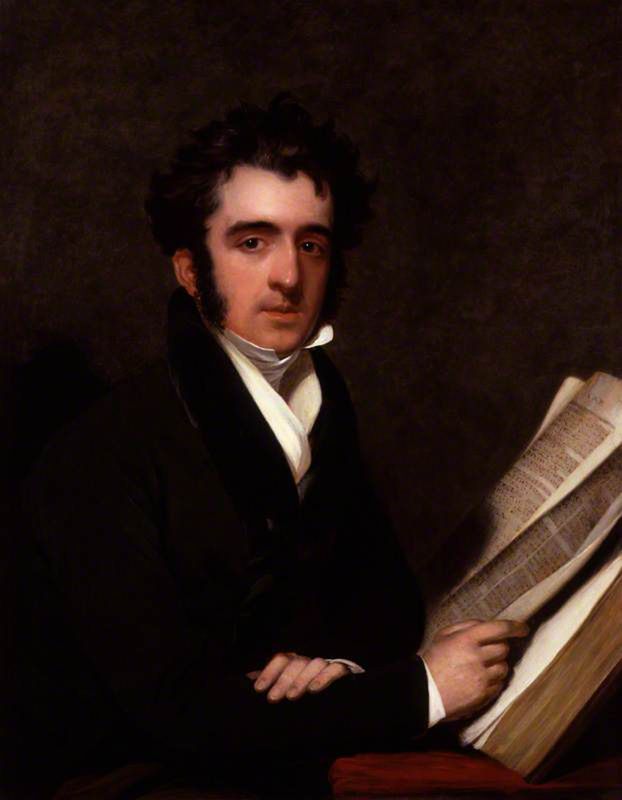
George Grote
Thomas Stewardson · 1824 · National Portrait Gallery
 Same era · 1800s–1830s
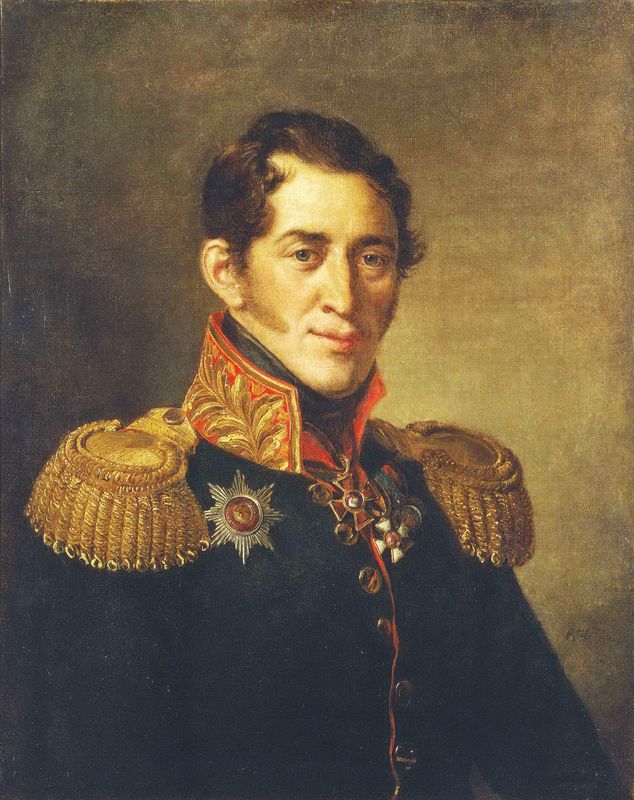
Portrait of Sergei Volkonsky
Vasily Andreevich Tropinin · 1824 · Hermitage Museum