
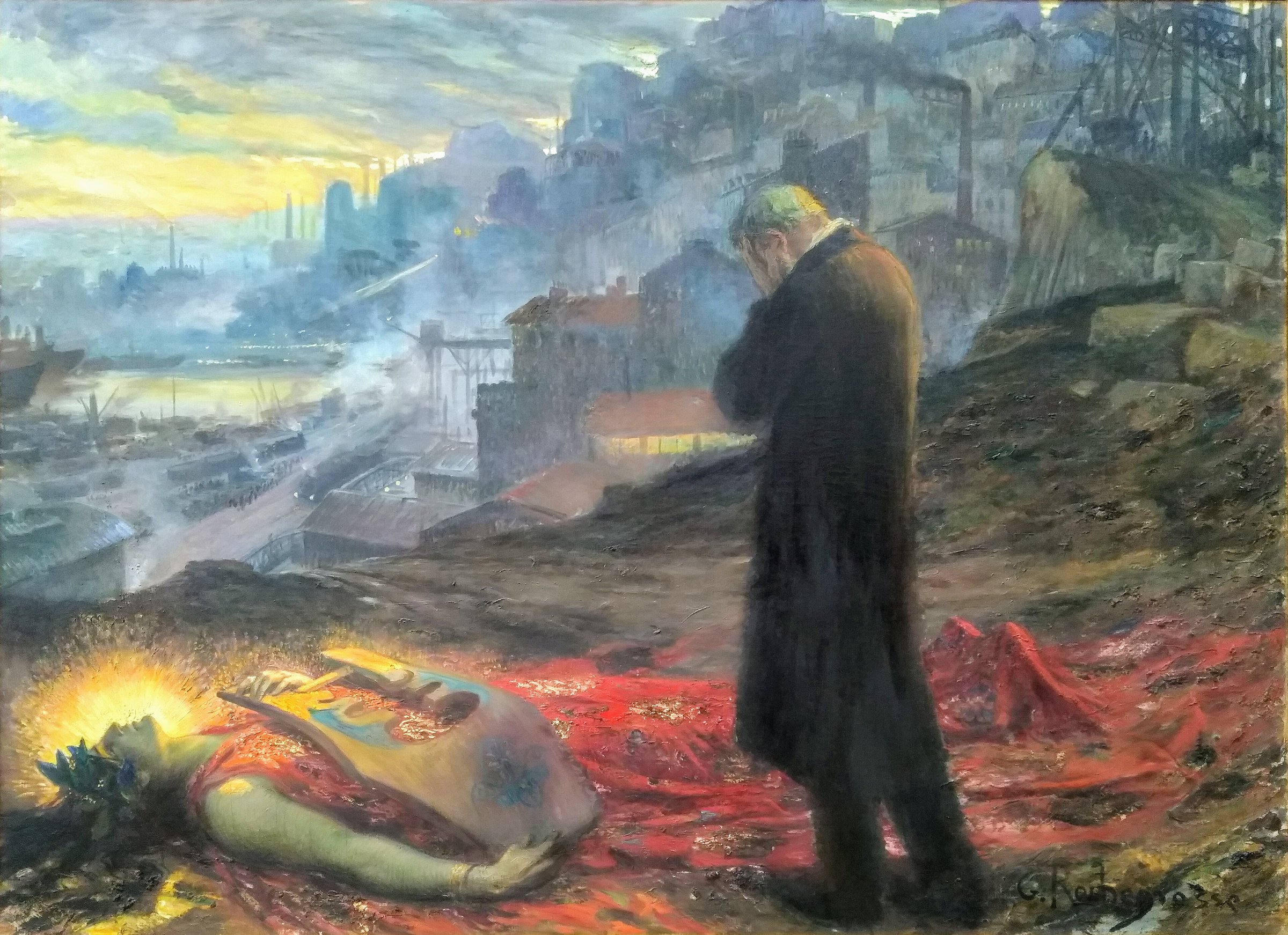
“This monumental painting captures a dramatic scene of destruction, where the symbolic 'death of purple' dye signifies the violent end of an era or empire. Its intense colors and emotional depth make it a powerful example of Symbolist and Orientalist art.”
Georges Rochegrosse's "La mort de la pourpre" (The Death of Purple) plunges us into a scene of opulent destruction, where rich fabrics and classical architecture are consumed by flames. The painting, from 1914, embodies the Symbolist and Orientalist movements often associated with the artist, presenting a dramatic narrative infused with intense emotion. We see figures, perhaps slaves or captives, amidst the chaos, their forms contorted by the heat and terror. The artist’s fascination with historical and often brutal subjects is evident here, as he depicts the downfall of an empire or a significant cultural moment through the violent end of a precious commodity: purple dye. This pigment, traditionally associated with royalty and power, literally perishes in a fiery spectacle, suggesting a profound loss or transition.
- Artist
- Georges Rochegrosse
- Date
- 1914
- Location
- Nantes Museum of Arts
What to Notice
Four details hide in plain sight. Here’s where to look.
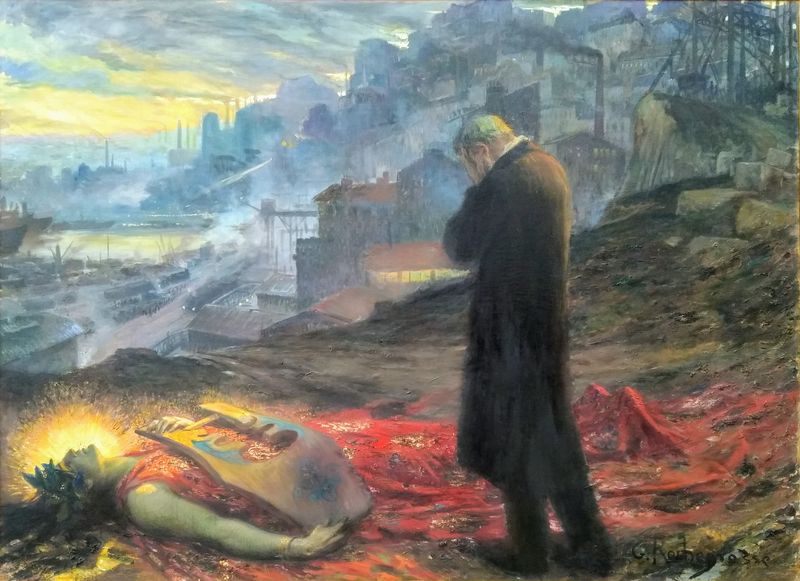
Observe the vibrant purple fabrics, now engulfed in orange and red flames.
Look closely at the figures, their expressions of despair and resignation.
Notice the classical architectural elements crumbling amidst the inferno.
See the dramatic play of light and shadow created by the intense fire.
Stand in front of it and listen
The full narration walks you through La mort de la pourpre — the story behind it, the details most visitors miss, and why it matters. Free in the Art Whisper app.
Georges Rochegrosse
1859–1938 · FranceGeorges Rochegrosse was a French painter known for colossal historical scenes, often depicting brutal subjects, and his opulent Symbolist work like 'The Knight of Flowers.'
Further Works by Rochegrosse
 A Marine
1874 · Art Institute of Chicago
 Final Study for "Bathers at Asnières"
1883 · Art Institute of Chicago
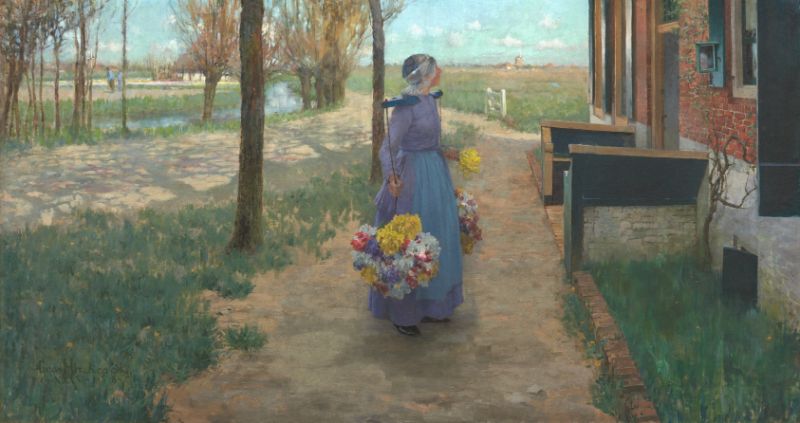 Flower Girl in Holland
1887 · Art Institute of Chicago
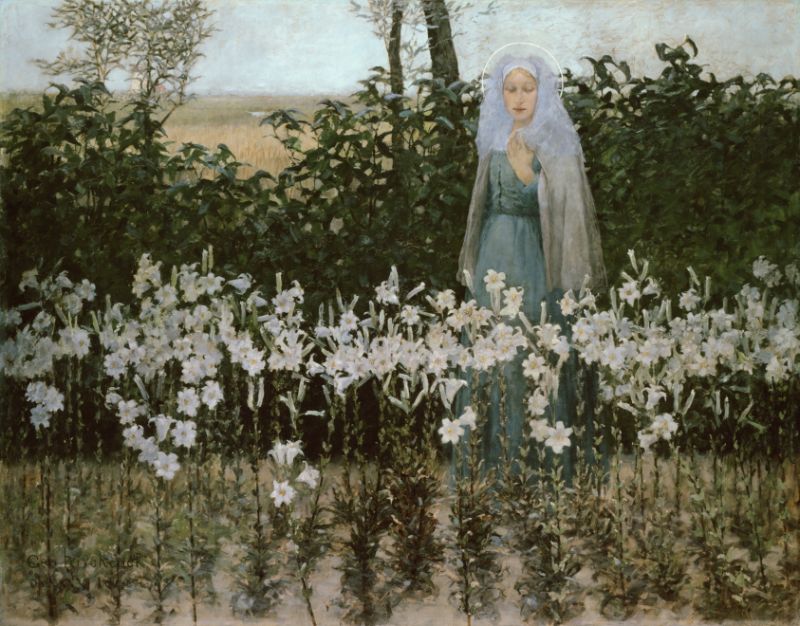 The Annunciation
1887 · Art Institute of Chicago
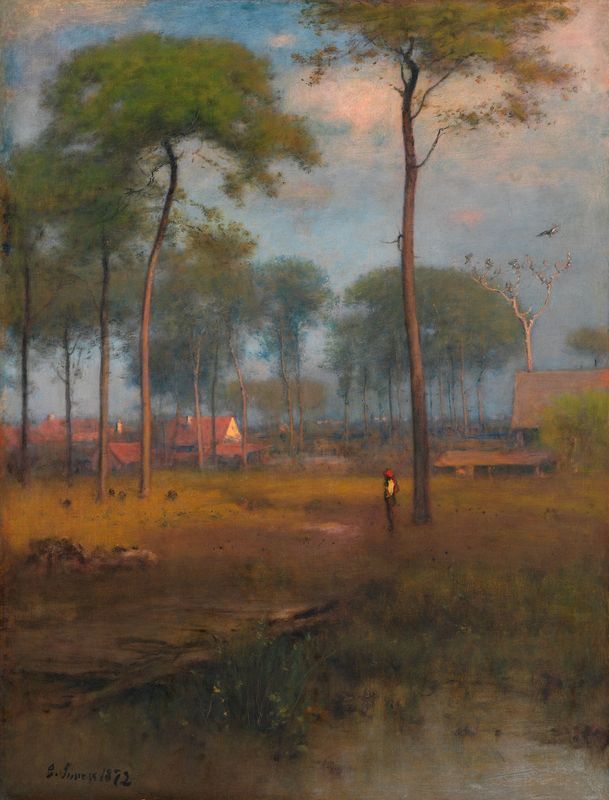 Early Morning, Tarpon Springs
1892 · Art Institute of Chicago
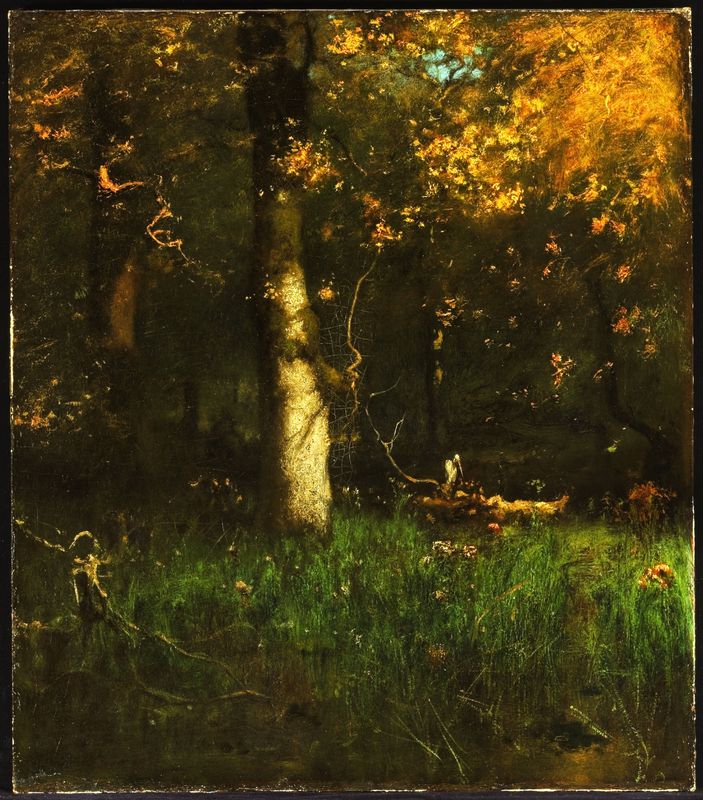 The Home of the Heron
1893 · Art Institute of Chicago
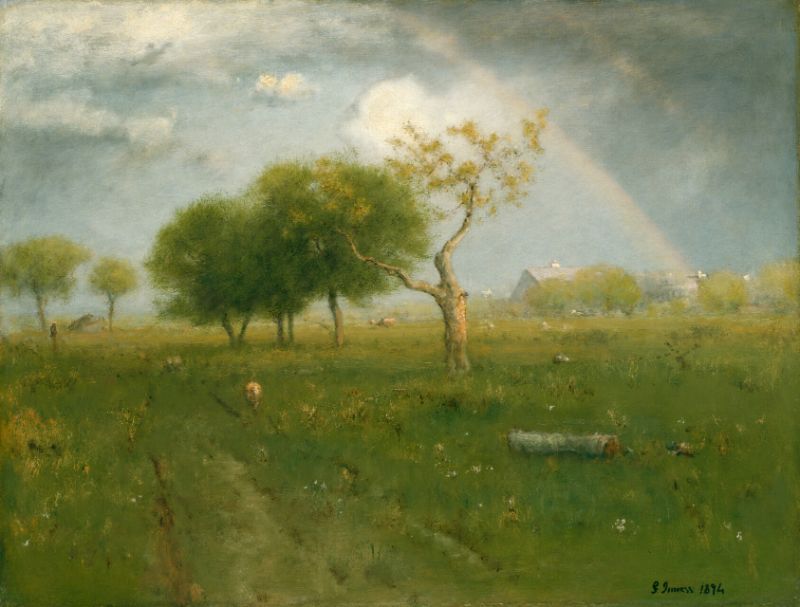 After a Summer Shower
1894 · Art Institute of Chicago
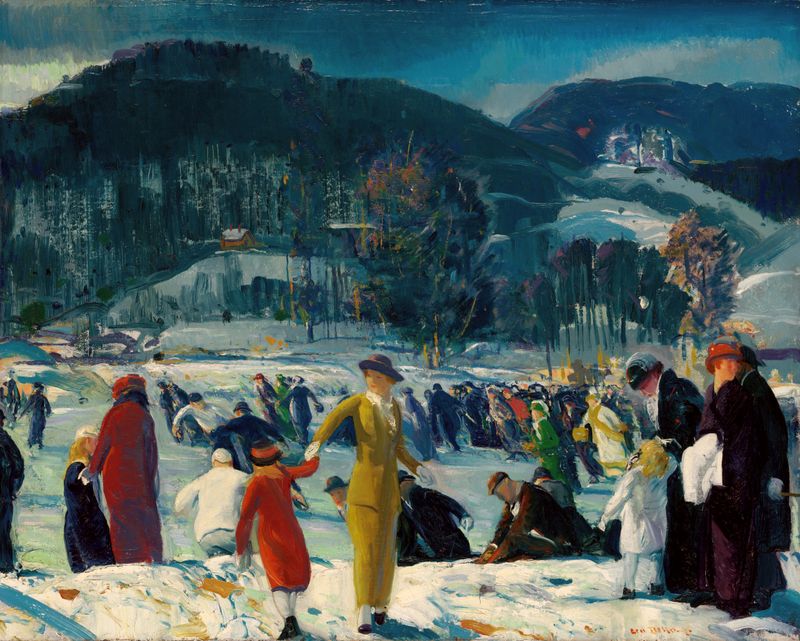 Love of Winter
1914 · Art Institute of Chicago
More works to explore
Beyond Rochegrosse: works from the same years.
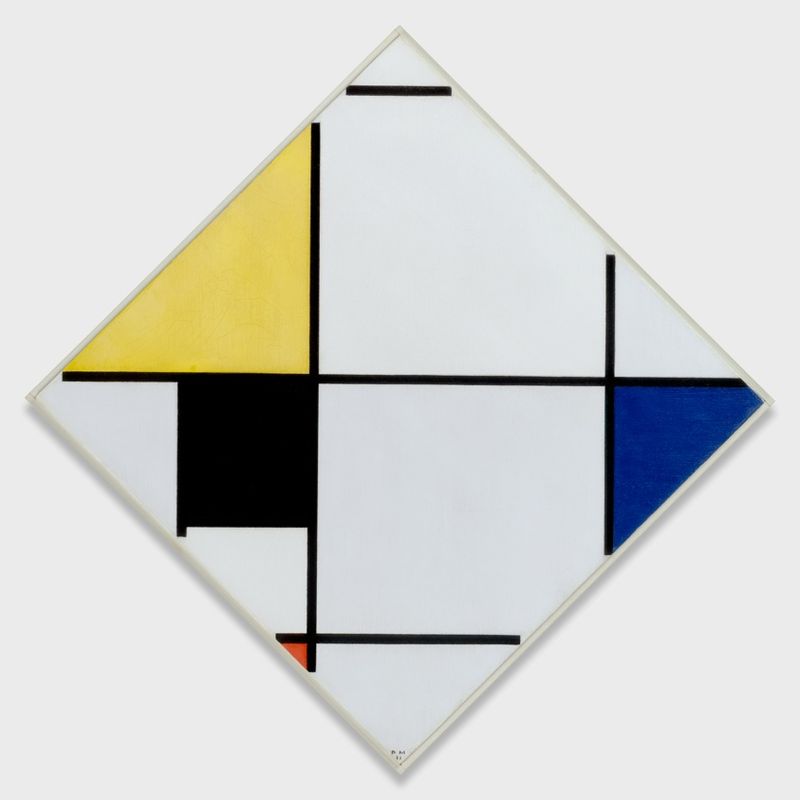 Same era · 1890s–1920s
Lozenge Composition with Yellow, Black, Blue, Red, and Gray
Piet Mondrian · 1921 · Art Institute of Chicago
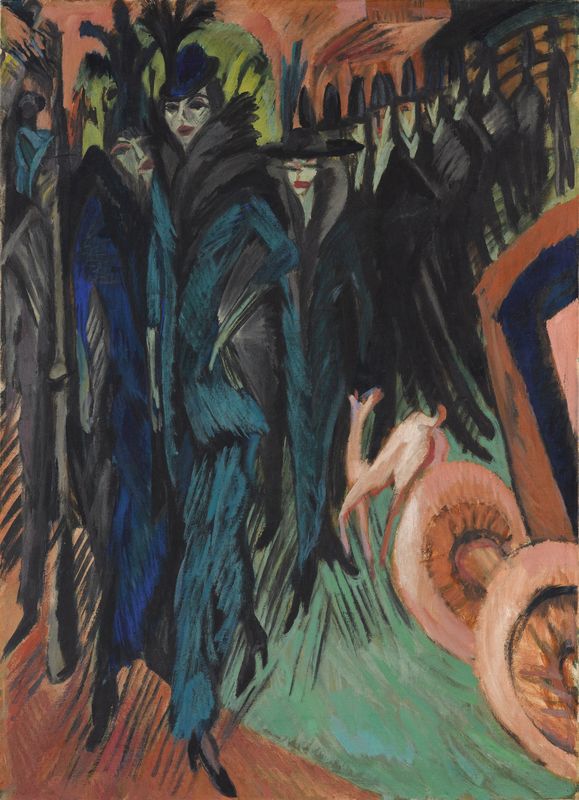 Same era · 1890s–1920s
Street Scene (Friedrichstraße Berlin)
Ernst Ludwig Kirchner · 1914 · Staatsgalerie Stuttgart
 Same era · 1890s–1920s
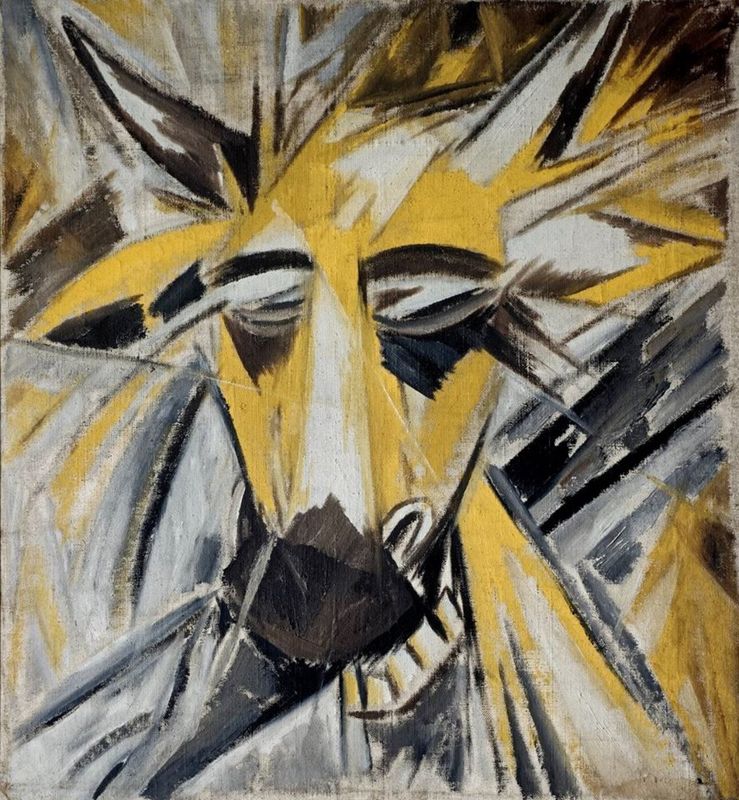
Bull's Head
Mikhail Larionov · 1913 · Tretyakov Gallery
 Same era · 1890s–1920s
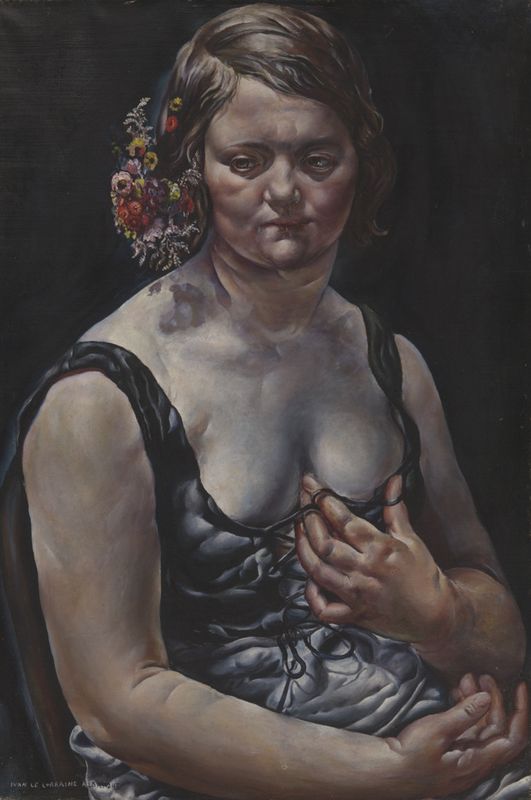
Memories of the Past
Ivan Puni · 1927 · Art Institute of Chicago
 Same era · 1890s–1920s
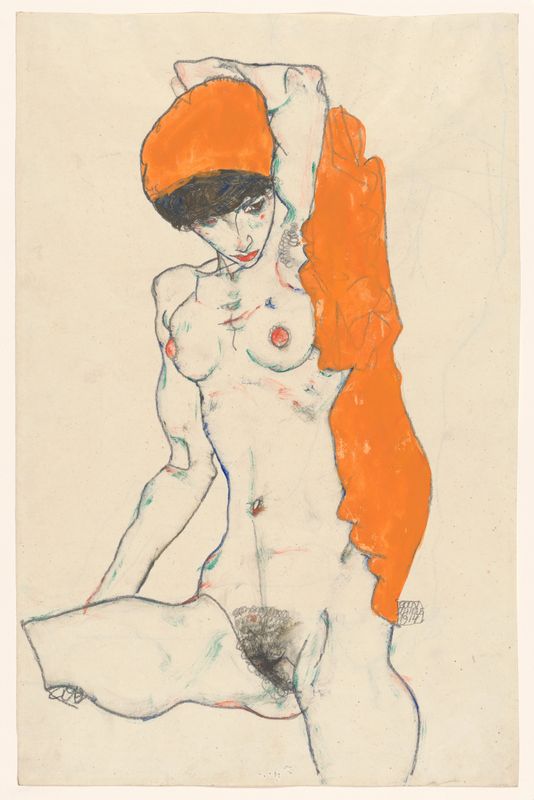
Standing Nude with Orange Drapery (recto): Study of Nude with Arms Raised (verso)
Egon Schiele · 1914 · The Metropolitan Museum of Art
 Same era · 1890s–1920s
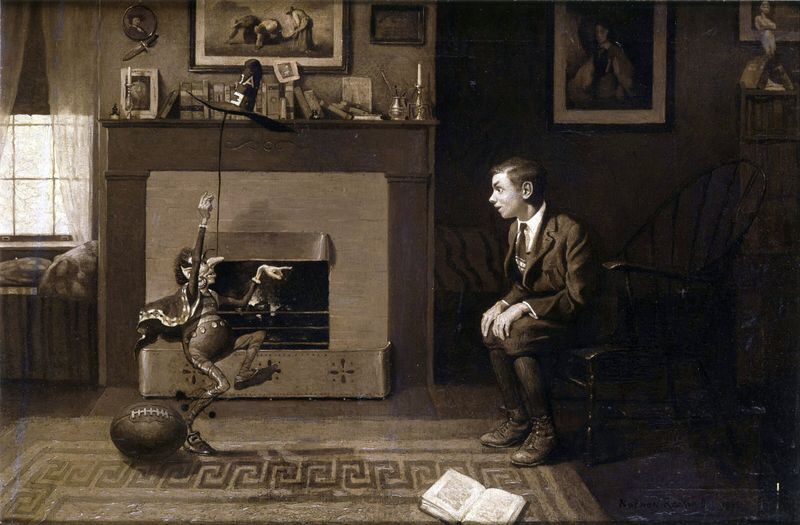
The Magic Foot-ball, 'I thought you were wrong,' he said in triumph. 'You said it was nine! Stupid!'
Norman Rockwell · 1914 · Norman Rockwell Museum
 Same era · 1890s–1920s
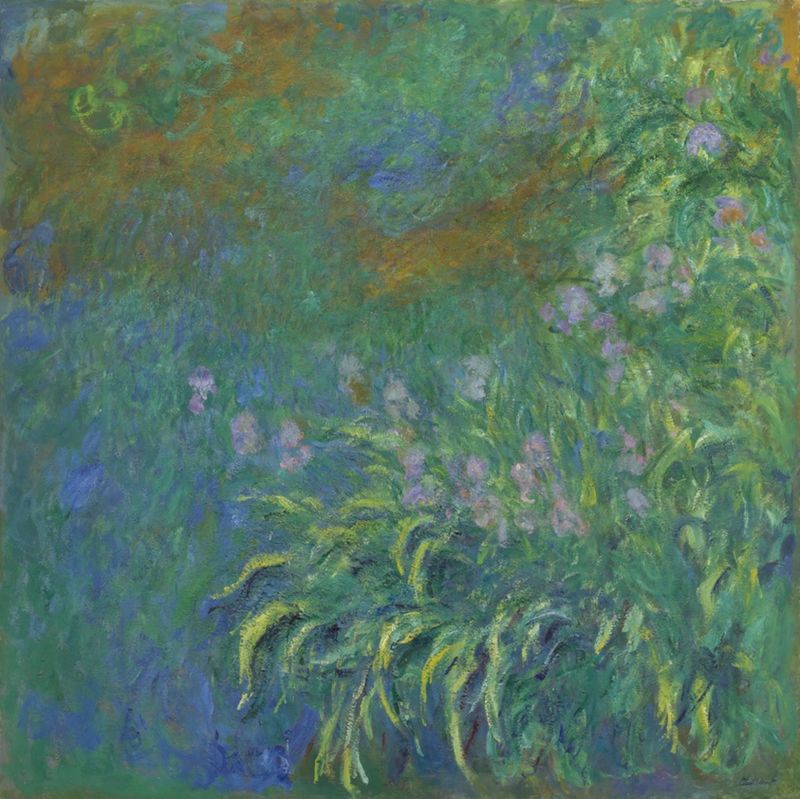
Irises
Claude Monet · 1915 · National Gallery
 Same era · 1890s–1920s
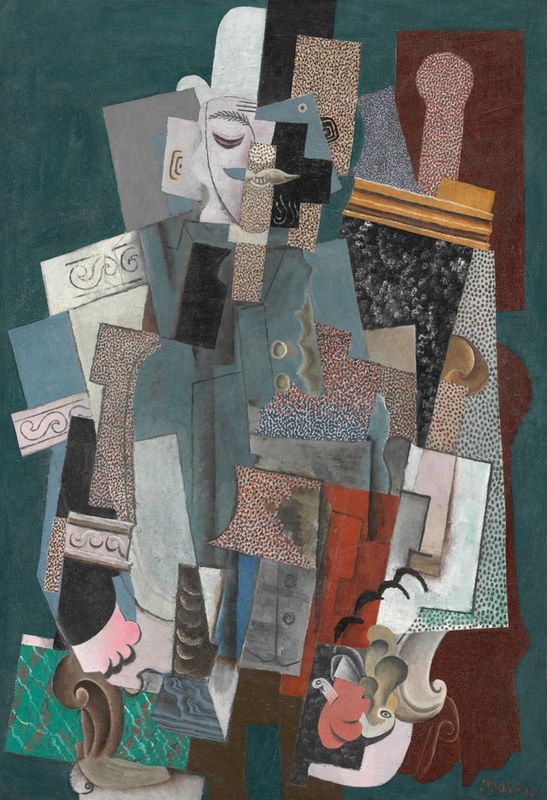
Man with a Pipe
Pablo Picasso · 1915 · Art Institute of Chicago
 Same era · 1890s–1920s
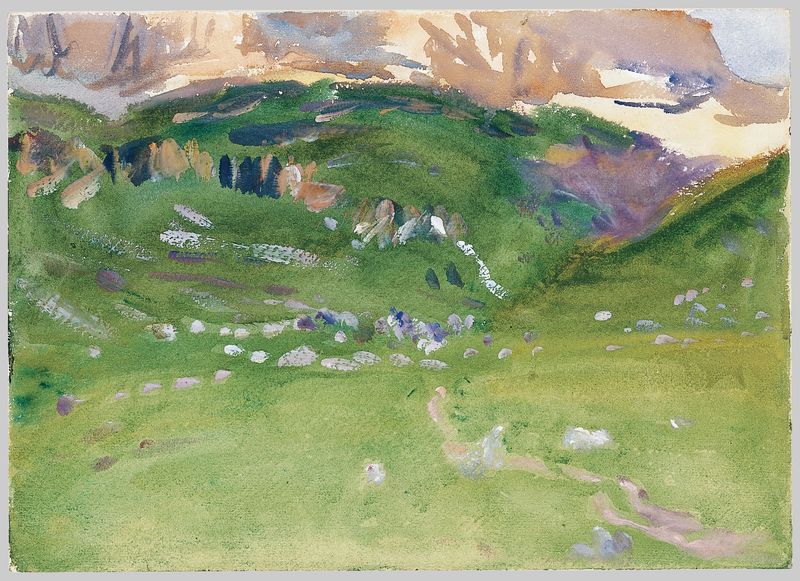
Sellar Alp, Dolomites
John Singer Sargent · 1913 · The Metropolitan Museum of Art
 Same era · 1890s–1920s
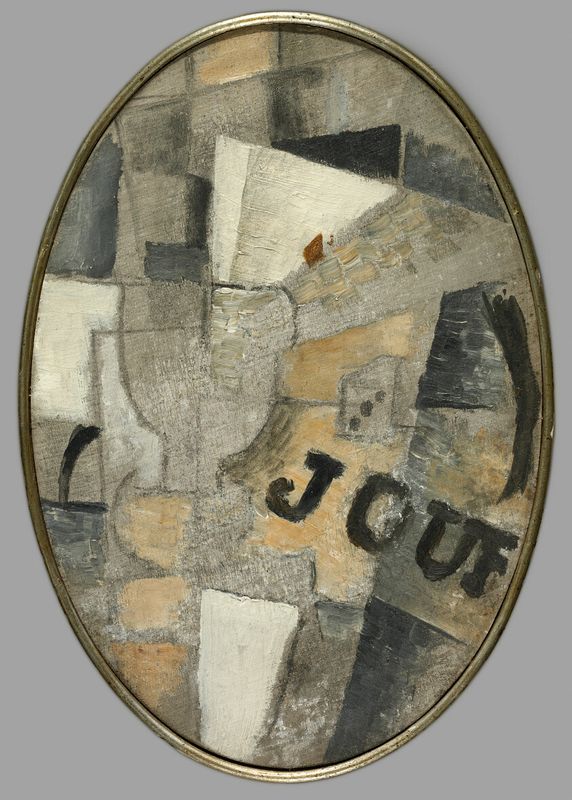
Still Life with Glass, Dice, Newspaper and Playing Card
Georges Braque · 1913 · Art Institute of Chicago
 Same era · 1890s–1920s
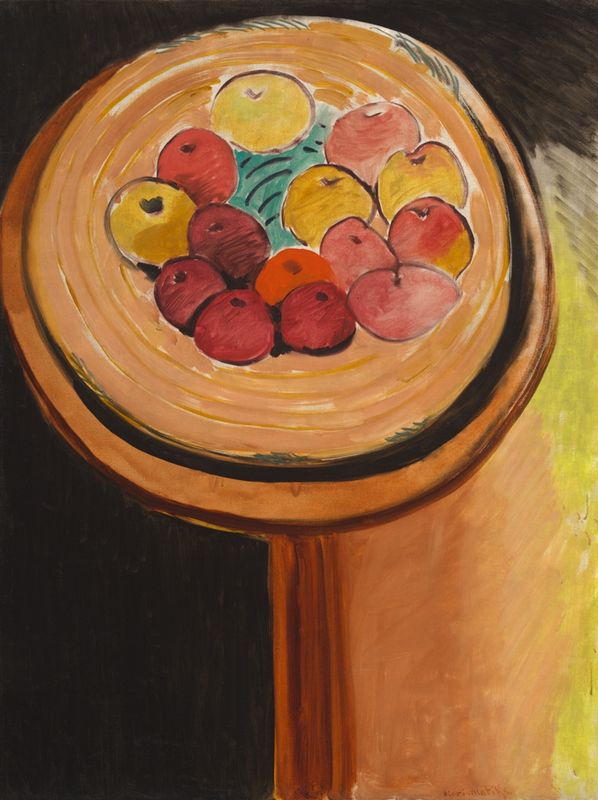
Apples
Henri Matisse · 1916 · Art Institute of Chicago
 Same era · 1890s–1920s
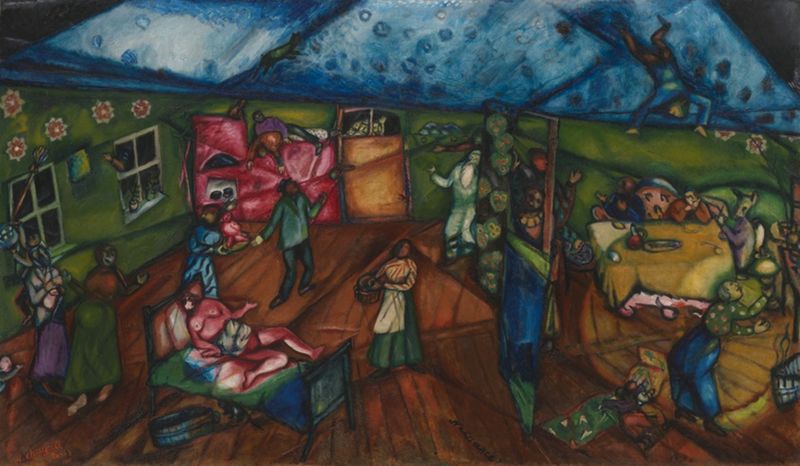
Birth
Marc Chagall · 1911 · Art Institute of Chicago