01
The armored knight
Find the rider at the center, upright and eyes front in his helmet and plate armor. He rides on as if the horrors around him were not there.
1 of 5 on the painting
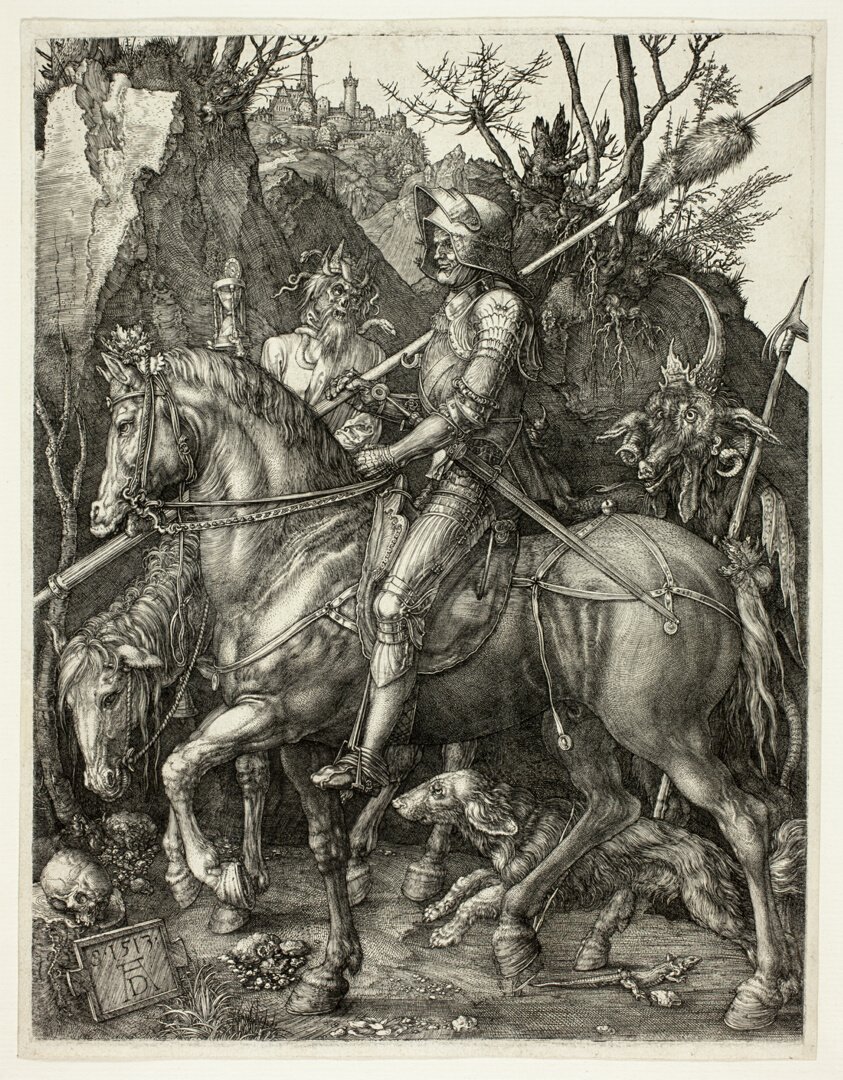
“Stop and examine this intricate engraving where a steadfast knight rides past Death and a devil, an enduring symbol of courage and moral fortitude from the German Renaissance.”
In this powerful engraving, a knight in full armor rides through a dark, craggy pass, his face a mask of resolute determination. He moves forward, seemingly oblivious to the grotesque figures that surround him. To his left, Death, a cadaverous figure crowned with snakes, holds an hourglass, its sands half-fallen, a stark reminder of life's fleeting nature. Behind him, a horned devil lurks, a monstrous presence that the knight steadfastly ignores. This scene, considered one of the era's great masterworks, is an allegory for the Christian knight's journey through life, confronting temptation and mortality with unwavering faith. The detailed landscape, from the gnarled tree roots to the distant, fortified city on a hill, is rendered with incredible precision, a hallmark of German Renaissance printmaking.
Five details hide in plain sight. Pick one and we’ll show you exactly where to look.
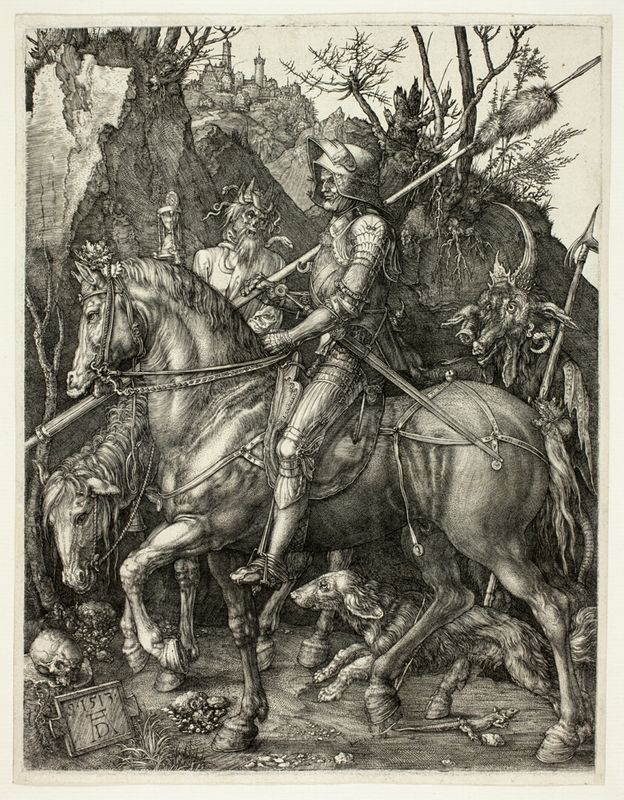
Find the rider at the center, upright and eyes front in his helmet and plate armor. He rides on as if the horrors around him were not there.
Just behind the horse's head, a gaunt, horned figure with snakes in his hair holds up an hourglass. He is usually read as Death on a pale horse, a reminder that time is running out.
At the right, a snouted, horned devil with a curved horn looms close behind the knight. The knight keeps his eyes fixed ahead and does not turn to look at him.
In the lower left corner a skull rests on the ground beside the signed tablet. It is a reminder of mortality, and of what waits at the end of the road.
Study the horse's flank and neck, built from tiny lines that swell and thin. They turn bare metal into muscle, sheen and weight.
The full narration walks you through Knight, Death, and the Devil — the story behind it, the details most visitors miss, and why it matters. Free in the Art Whisper app.
Renaissance master who revolutionized printmaking across Europe before turning 30.
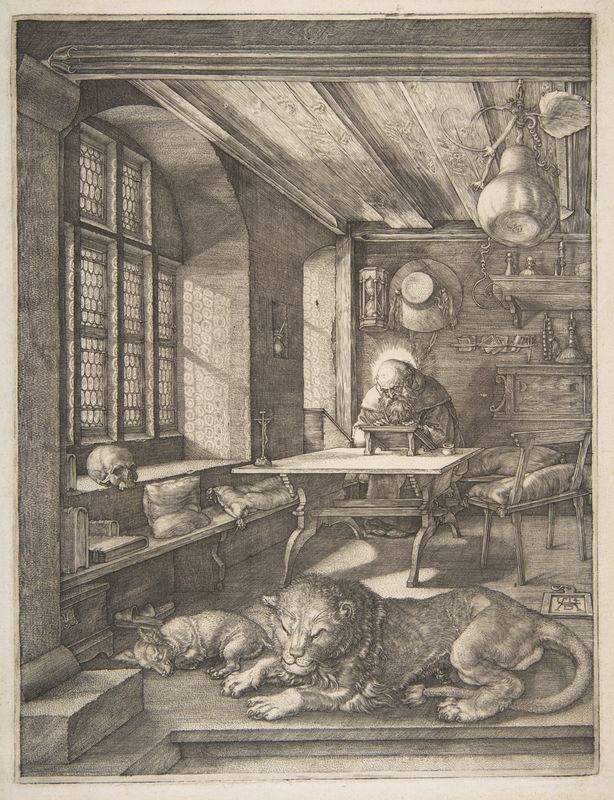 Saint Jerome in His Study
1521 · National Museum of Ancient Art
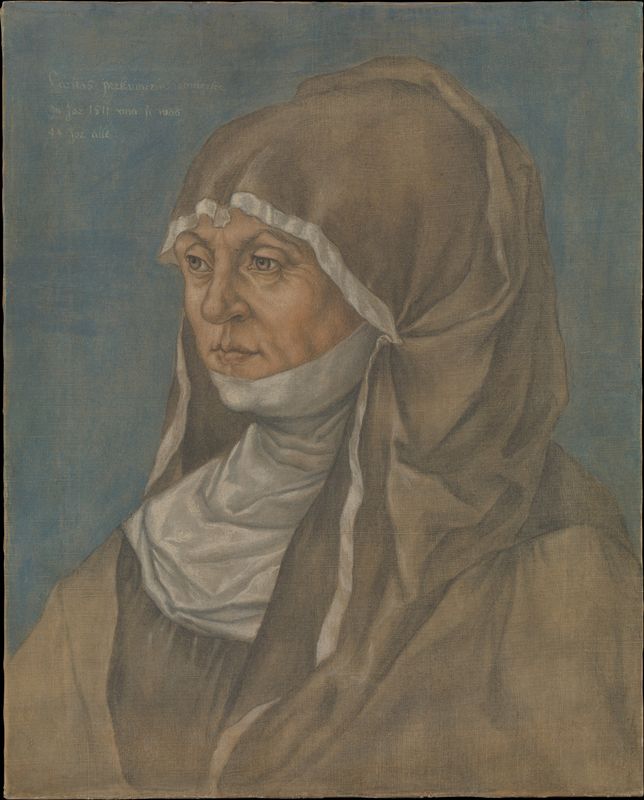 Portrait of a Woman, Said to Be Caritas Pirckheimer (1467–1532)
The Metropolitan Museum of Art
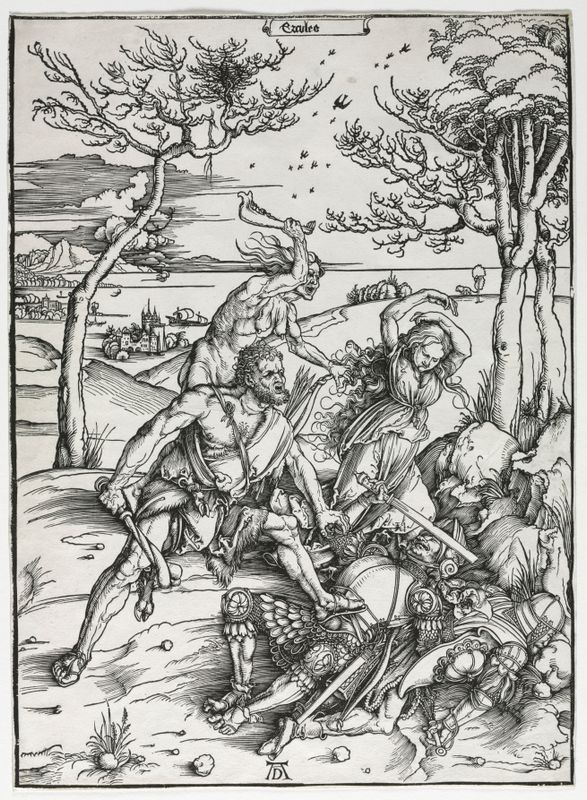 Hercules
1496 · Cleveland Museum of Art
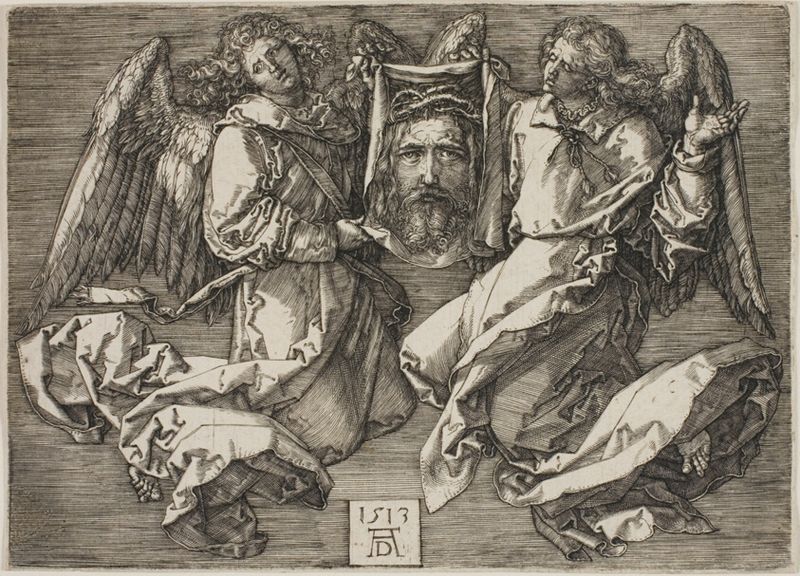 Sudarium Displayed by Two Angels
1513 · Cleveland Museum of Art
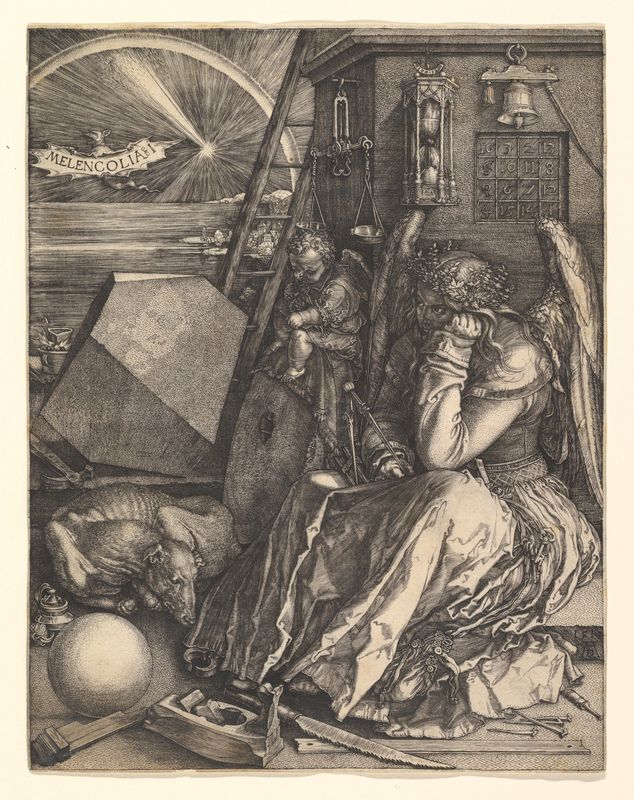 Melencolia I
1514 · Cleveland Museum of Art
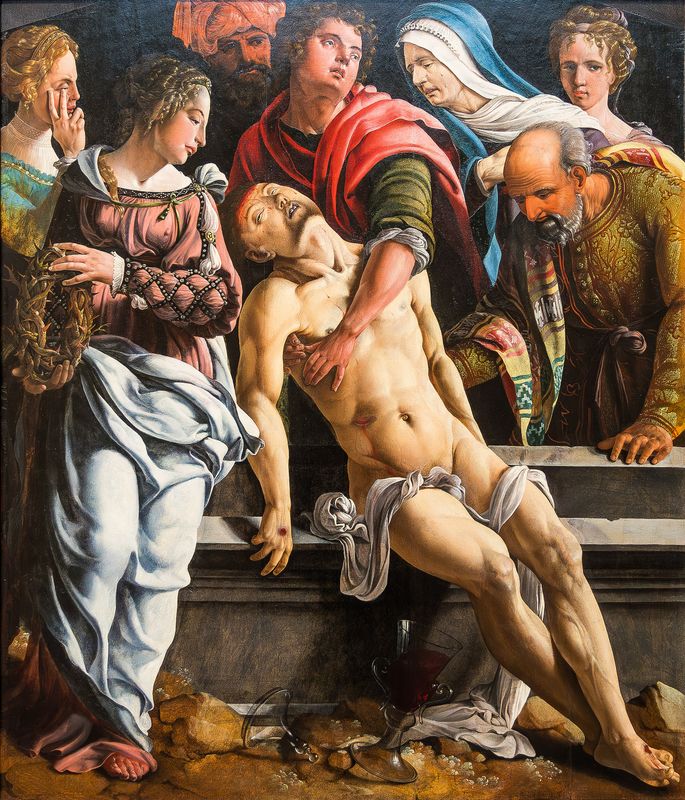 The Lamentation
1477 · The Metropolitan Museum of Art
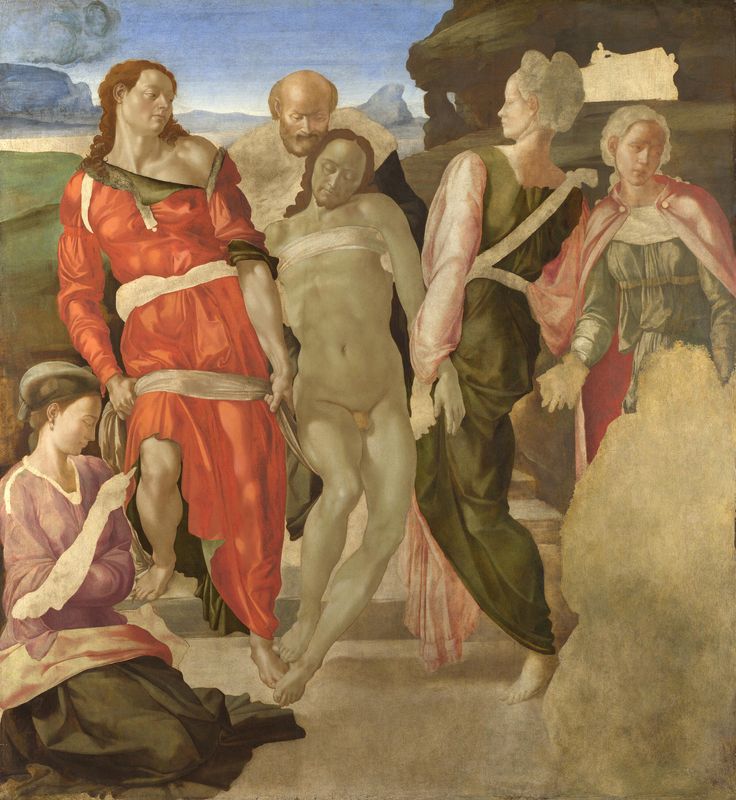 The Entombment
1485 · The Metropolitan Museum of Art
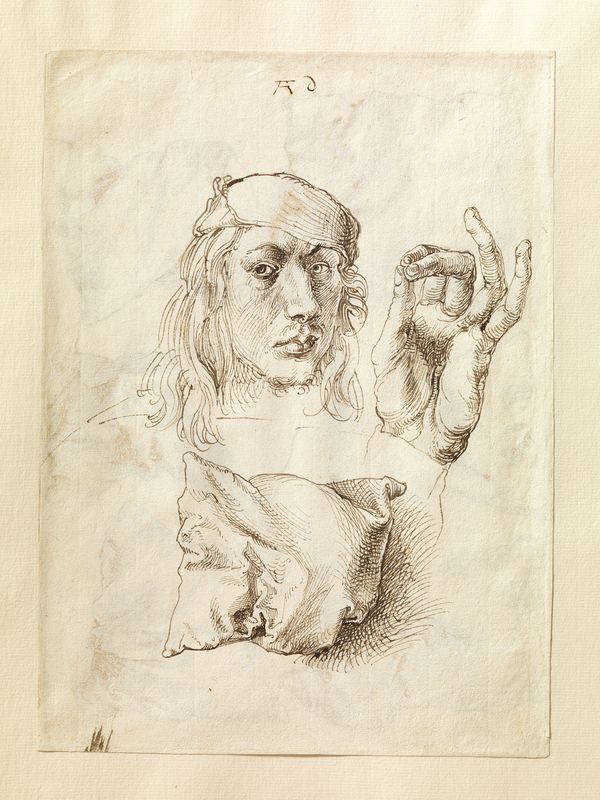 Self-portrait, Study of a Hand and a Pillow (recto); Six Studies of Pillows (verso)
1493 · The Metropolitan Museum of Art
Beyond Dürer and Northern Renaissance: works from the same years.
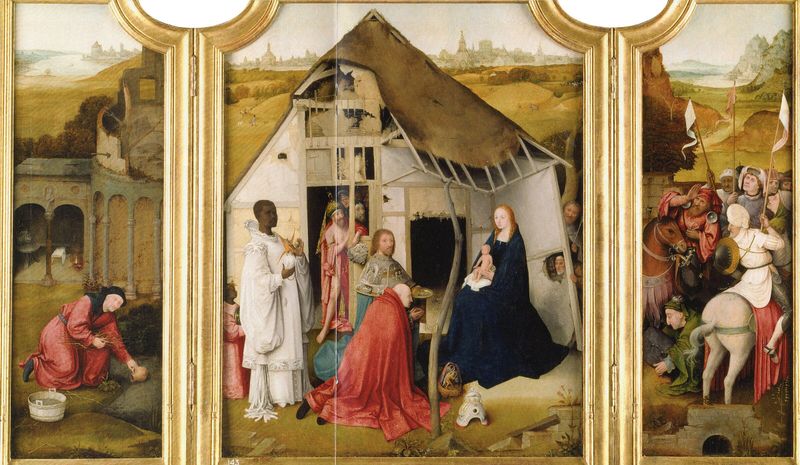 Same era · 1490s–1520s
The Adoration of the Kings
Hieronymus Bosch · 1514 · National Trust
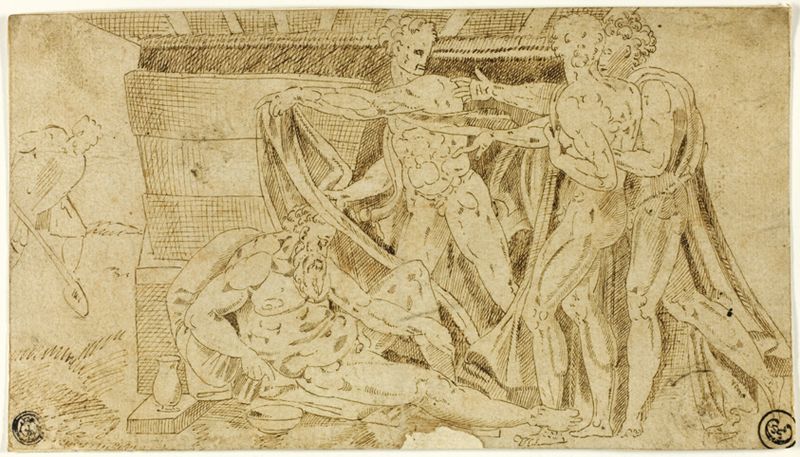 Same era · 1490s–1520s
Drunkenness of Noah
Michelangelo · 1509 · Sistine Chapel
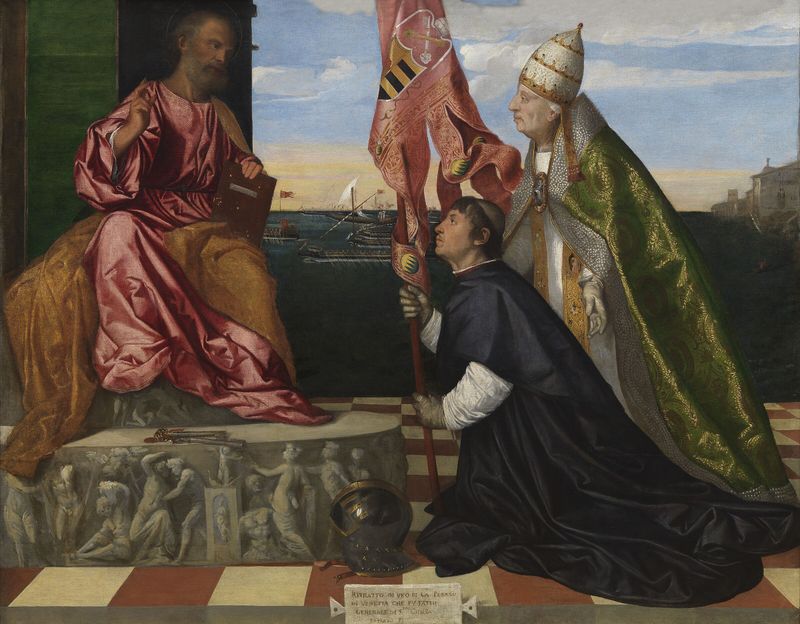 Same era · 1490s–1520s
Jacopo Pesaro, Bishop of Paphos, being presented by Pope Alexander VI to Saint Peter
Titian · 1504 · Royal Museum of Fine Arts Antwerp
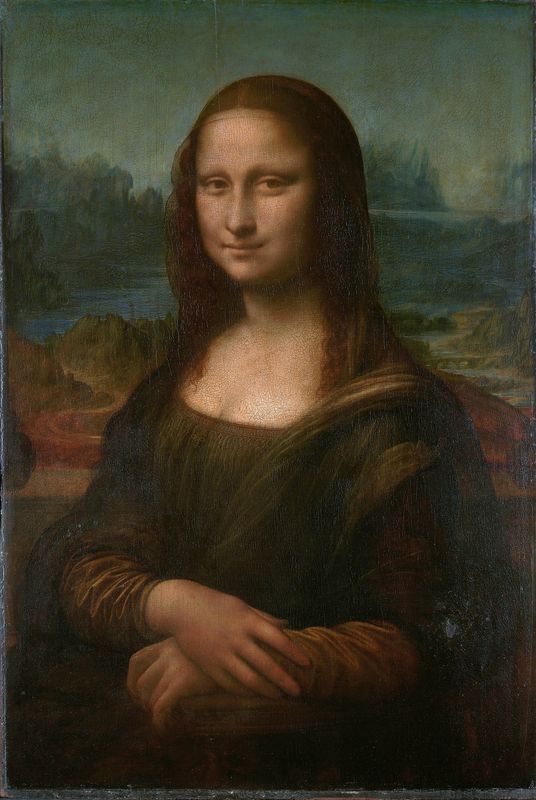 Same era · 1490s–1520s
Mona Lisa
Leonardo da Vinci · 1503 · Department of Paintings of the Louvre
 Same era · 1490s–1520s
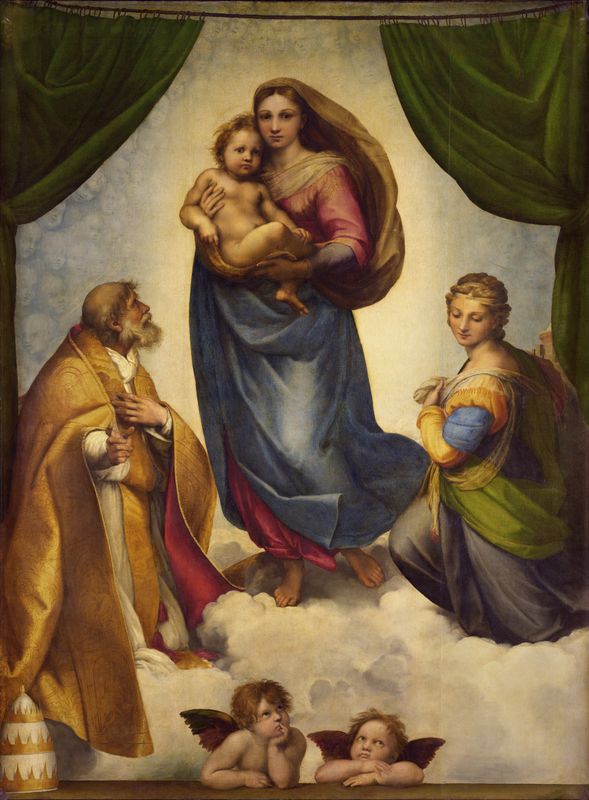
Sistine Madonna (Madonna di San Sisto)
Raphael (Raffaello Sanzio da Urbino) · 1512
 Same era · 1490s–1520s
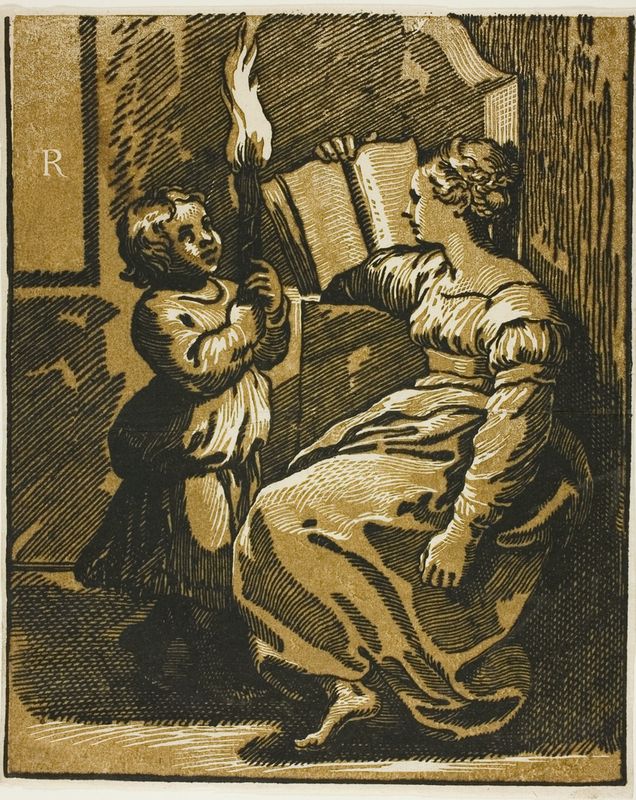
The Sibyl and a Child Bearing a Torch
Artist Unknown - The Mercat Cross, Aberdeen · 1520 · Art Institute of Chicago
 Same era · 1490s–1520s
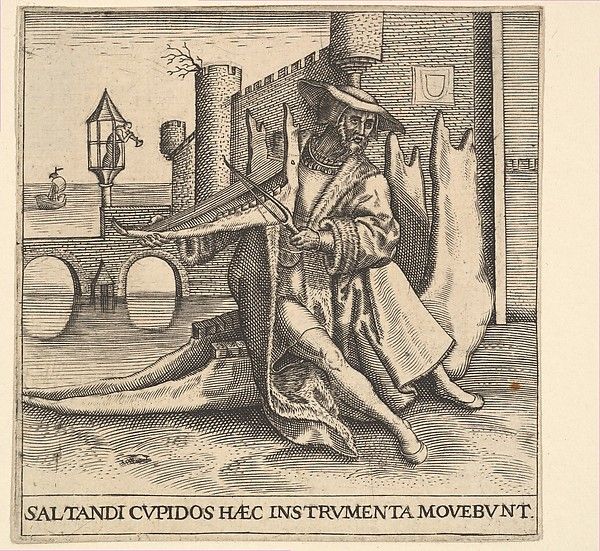
The Rich Man Playing Violin on a Jaw Bone
Pieter Bruegel the Elder · 1528 · The Metropolitan Museum of Art