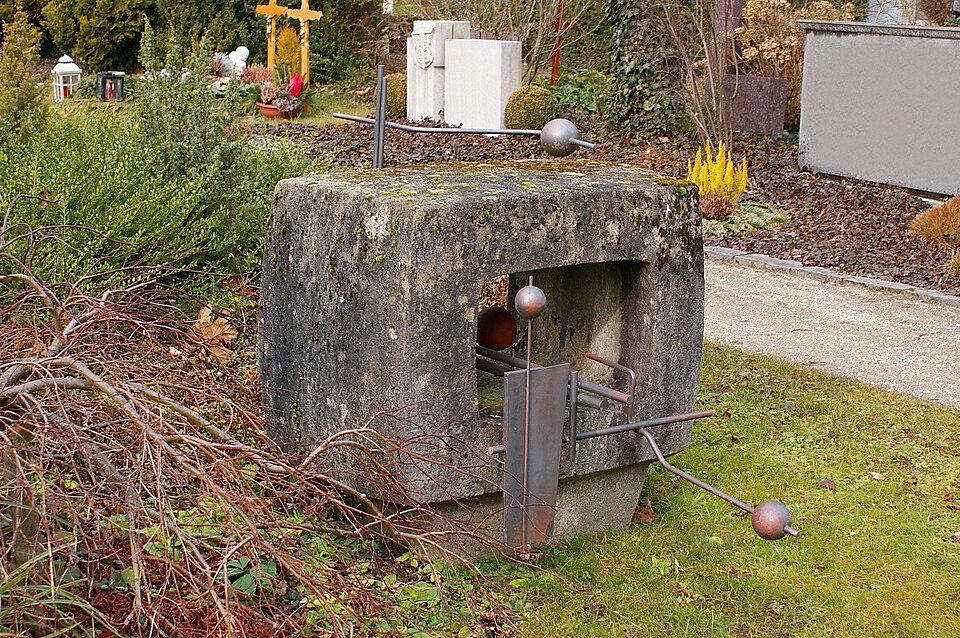

“Imagine walking into a gallery and finding a pile of rags on the floor, some lumps of coal, or a tangle of wire next to a bundle of twigs.”
Before you dismiss it as a cleaning crew's oversight, welcome to Arte Povera — Italian for 'poor art.' Emerging in Italy in the late 1960s, this movement was a deliberate act of rebellion against slick, commercial, industrial culture. Artists like Michelangelo Pistoletto, Jannis Kounellis, and Mario Merz chose humble, everyday materials — earth, wood, stone, newspaper, even live animals — to make powerful statements about what art could and should be.
The movement was the brainchild of critic Germano Celant, who coined the term in 1967 and championed a loose collective of artists based primarily in Turin, with vibrant scenes spreading to Milan, Rome, Genoa, Venice, Naples, and Bologna. The timing was electric: Italy was in the grip of political and social upheaval, and these artists were done playing by the establishment's rules. By using 'poor' or unrefined materials, they challenged the dominance of galleries, collectors, and the art market itself, asking: does art need to be beautiful, expensive, or permanent to matter?
What makes Arte Povera so thrilling to encounter in person is its rawness and surprise. These works resist easy consumption — they smell, age, and change over time. A sculpture might be a wall of stacked logs, or a neon tube threaded through a bundle of wax. The materials carry their own history and weight, asking you to slow down and really look. It sits in fascinating tension with American Minimalism and Conceptual Art happening at the same time, but with a distinctly Italian sensibility — earthy, theatrical, and deeply aware of history.
- Period
- c. 1967–1972
- Peak
- around 1969
- Born in
- Classical Athens
- Key artists
- Alighiero Boetti, Giulio Paolini, Giuseppe Penone, Mario Merz
- Came before
- Minimalism and Conceptual Art
- Came after
- Transavanguardia and Neo-Expressionism
When it happened
- CAME BEFOREMinimalism and Conceptual Art
- ~1967 · STARTED
- ~1969 · PEAKED
- ~1972 · ENDED
- CAME AFTERTransavanguardia and Neo-Expressionism
What makes it Arte Povera
Raw, Everyday Materials
Look for soil, coal, twigs, rags, or stone used as the primary medium — not as symbols, but as the art itself.
e.g. Untitled (Bags) by Jannis KounellisUnfinished, Impermanent Forms
Works often look deliberately rough or unstable, resisting the 'finished object' ideal of traditional sculpture.
e.g. Igloo di Giap by Mario MerzText and Numbers Embedded in Work
Numbers, especially the Fibonacci sequence, or handwritten text appear directly on or alongside the materials.
e.g. Fibonacci Naples by Mario MerzReflective or Mirror Surfaces
Pistoletto famously used polished steel mirrors to pull the viewer into the artwork, blurring art and life.
e.g. Venus of the Rags by Michelangelo PistolettoLiving or Organic Elements
Expect the unexpected — live animals, growing plants, or organic matter that transforms and decays over time.
e.g. Cavalli (Horses) by Jannis KounellisHow to spot Arte Povera
Three signs you’re standing in front of one — all easy to see in Impregnazione.
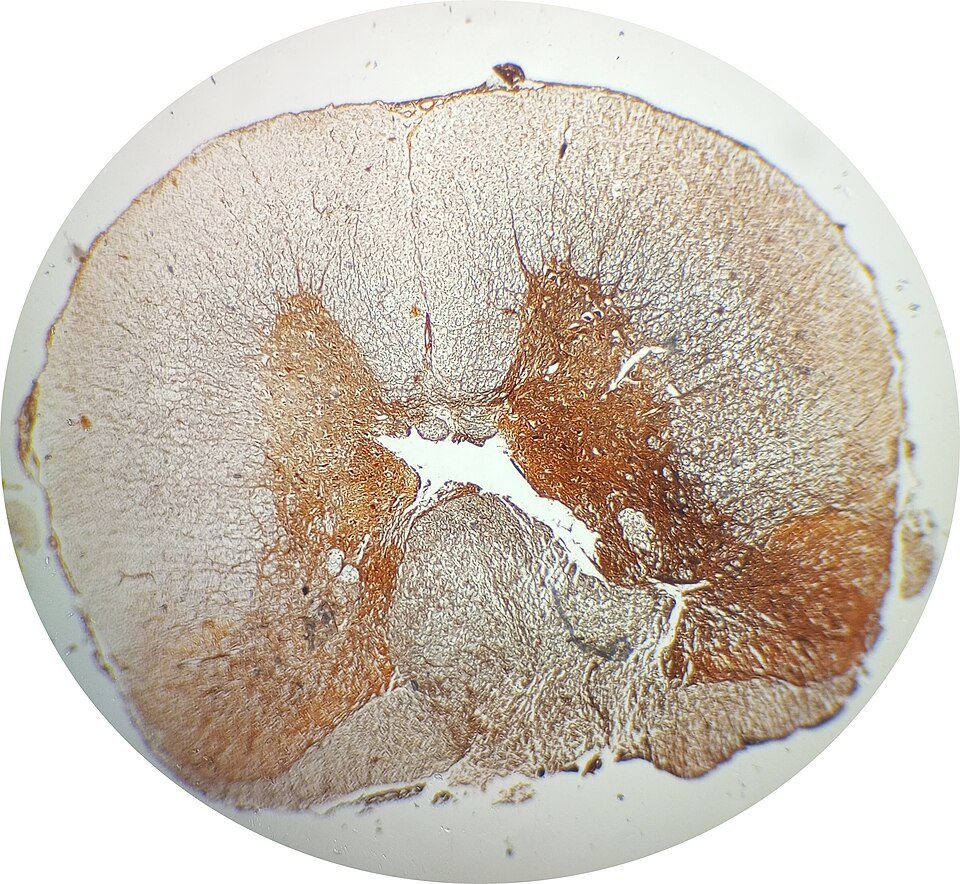
If the materials look like they came from a hardware store or forest floor rather than a studio, you're likely looking at Arte Povera.
Check if the work seems to change over time or decay — Arte Povera embraces impermanence as part of the artistic statement.
Look for a tension between industrial objects and natural ones placed together, creating an unexpected, poetic dialogue.
Jannis Kounellis famously exhibited twelve live horses tethered inside a Rome gallery in 1969 — the smell was very much part of the art.
Critic Germano Celant deliberately borrowed the term 'poor' from 'poor theatre,' Grotowski's radical approach to stripping theatre to its bare essentials.
Michelangelo Pistoletto's 'Venus of the Rags' places a classical goddess figure face-first into a mountain of colorful discarded clothing — high art meets street-level reality.
The artists who defined it
Works to know

Take Arte Povera to the museum
Point your phone at any painting and Art Whisper tells you its story — who made it, what to notice, and why it matters. Free to start.