01
Orange leaf canopy
Look at the dense orange and rust canopy in the middle. Short dabs of color pile up to feel like leaves flickering in autumn light.
1 of 5 on the painting
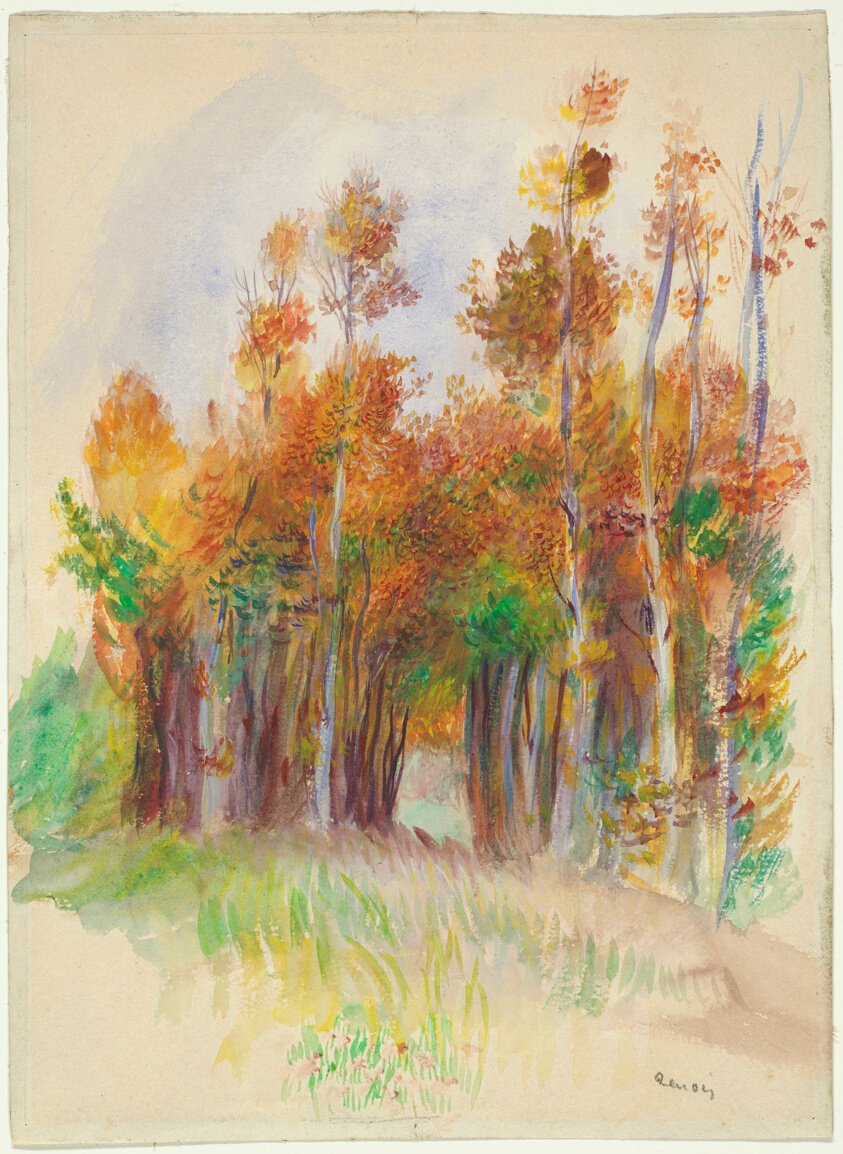
“Stop and observe how this watercolor captures the fleeting play of light and shadow in a sun-drenched forest. It's a spontaneous study that brings the vibrant energy of nature to life through loose brushwork and layered color.”
A dense tangle of trees fills this watercolor, their trunks rising vertically to meet a canopy of green. The light filtering through the leaves creates a dappled effect, with some areas glowing with a bright, almost golden hue, while others recede into cool shadows. This impressionistic study captures the fleeting quality of light in nature, a hallmark of the style that emerged in France in the late 19th century. The artist uses both opaque and transparent watercolor, allowing some layers to build up a sense of solidity in the tree trunks, while others wash across the paper, suggesting the airy movement of foliage. The brushwork is loose and spontaneous, giving the scene an immediate, vibrant energy, as if painted on the spot during a leisurely stroll through a sunlit grove.
Five details hide in plain sight. Pick one and we’ll show you exactly where to look.
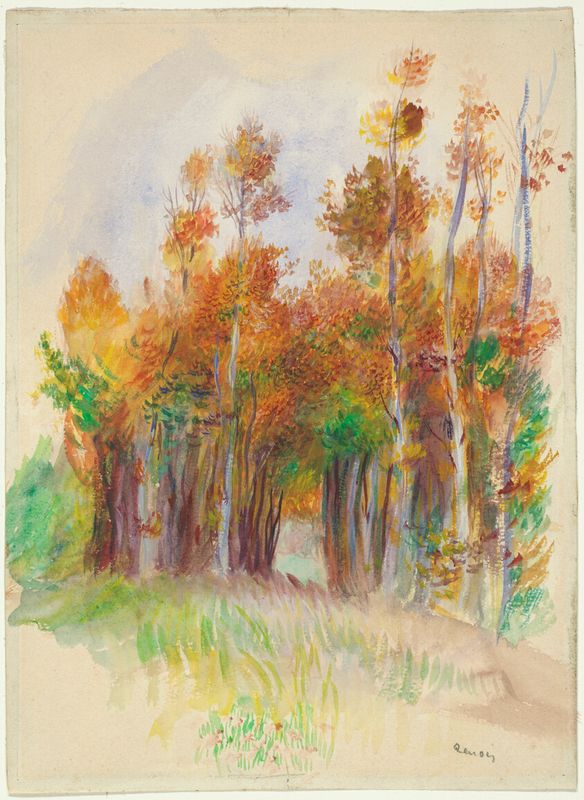
Look at the dense orange and rust canopy in the middle. Short dabs of color pile up to feel like leaves flickering in autumn light.
The sky is a soft, damp wash of lavender-blue at upper left, fading into the cream of the paper. Only a small patch of color is laid in, which keeps the scene airy.
Several slender trunks on the right rise nearly to the top edge, striped with lavender and blue. They read as pale birch against the warm leaves.
Between the two clusters of trunks, a small pale gap opens into light. It draws the eye past the grass and deeper into the grove.
In the foreground, thin green and yellow strokes flick upward to suggest grass. The brush marks are loose, and the paper shows between them.
The full narration walks you through Grove of Trees — the story behind it, the details most visitors miss, and why it matters. Free in the Art Whisper app.
Pierre-Auguste Renoir, a leading Impressionist, painted lively scenes of Parisian life and celebrated feminine beauty.
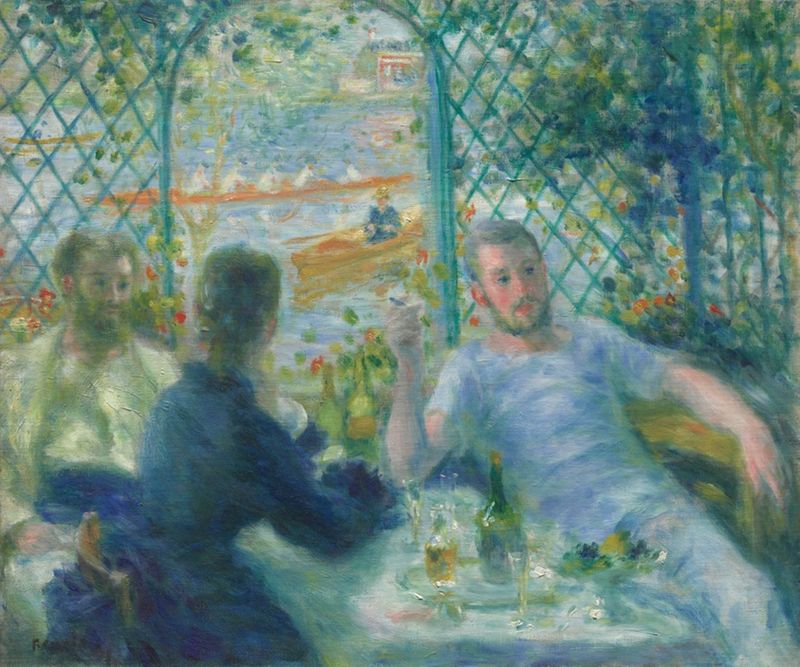 Lunch at the Restaurant Fournaise (The Rowers' Lunch)
1875 · Art Institute of Chicago
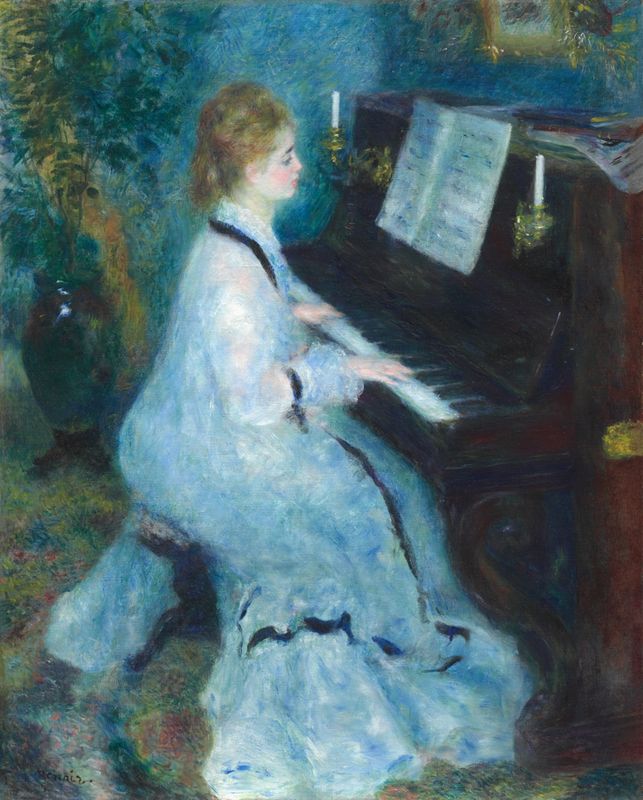 Woman at the Piano
1875 · Art Institute of Chicago
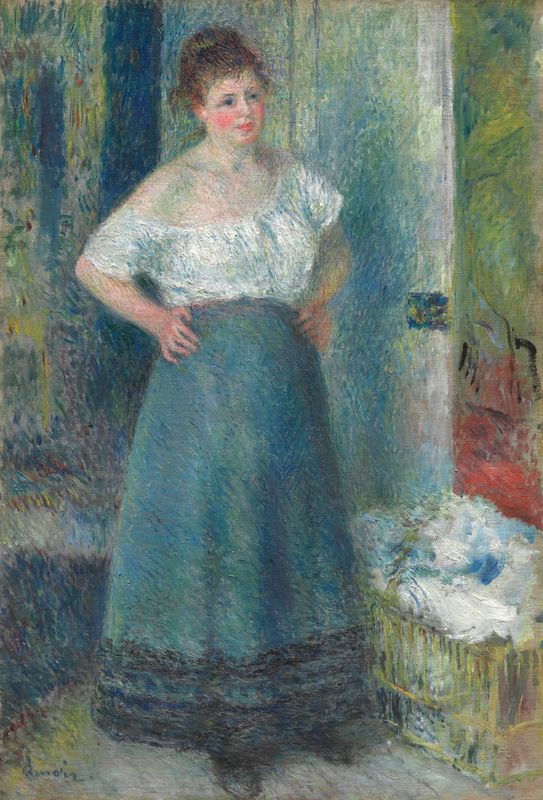 The Laundress
1877 · Art Institute of Chicago
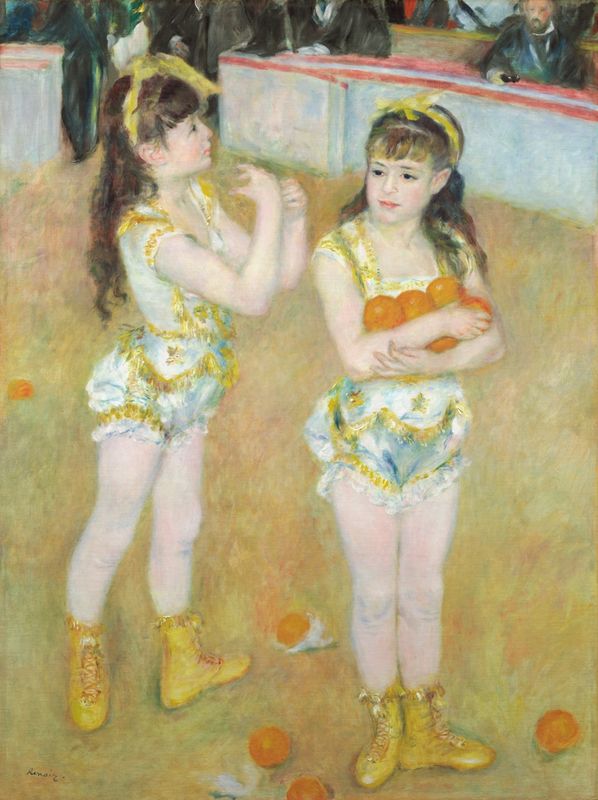 Acrobats at the Cirque Fernando (Francisca and Angelina Wartenberg)
1879 · Art Institute of Chicago
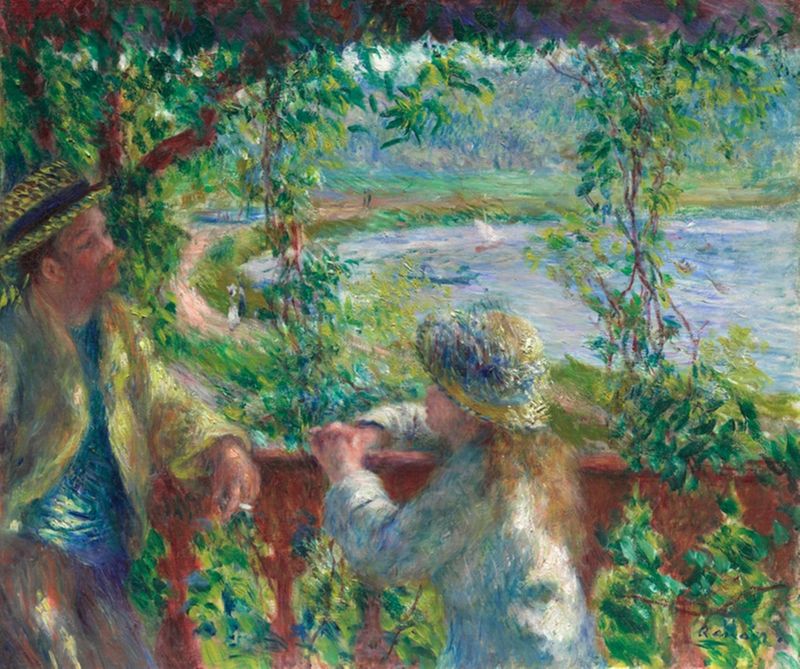 Near the Lake
1879 · Art Institute of Chicago
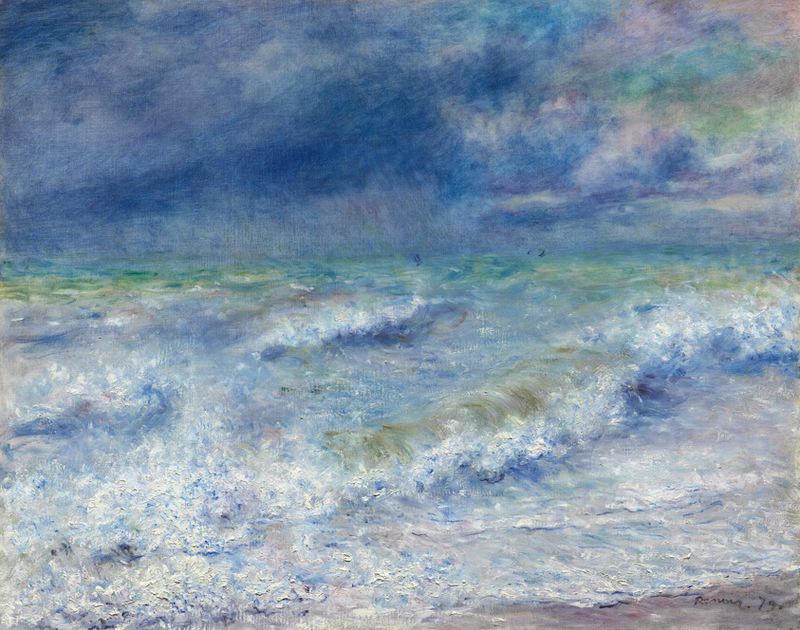 Seascape
1879 · Art Institute of Chicago
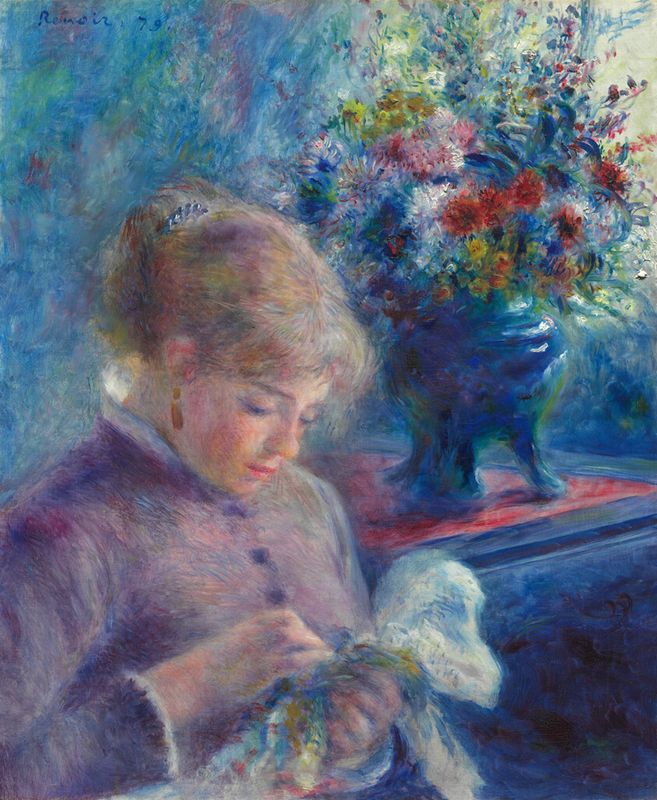 Young Woman Sewing
1879 · Art Institute of Chicago
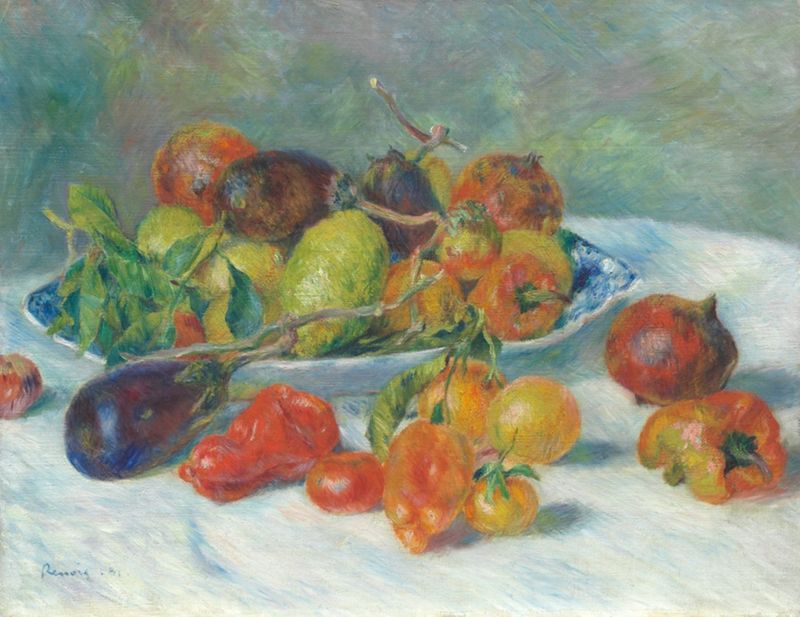 Fruits of the Midi
1881 · Art Institute of Chicago
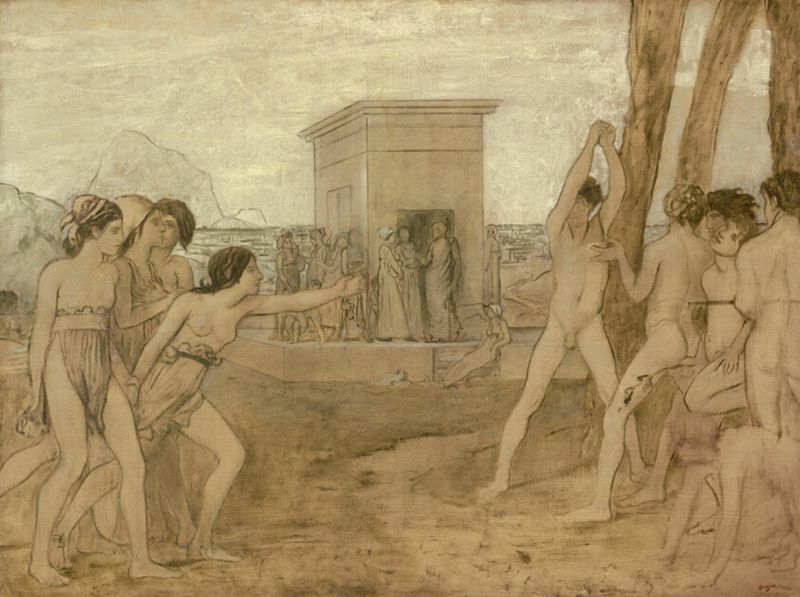 Young Spartan Girls Challenging Boys
Degas · 1860 · Art Institute of Chicago
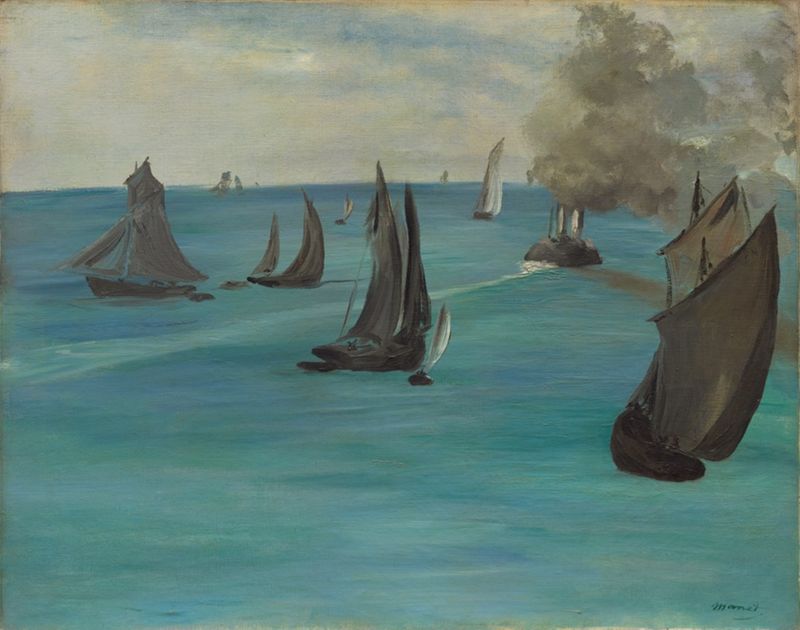 Sea View, Calm Weather (Vue de mer, temps calme)
Manet · 1864 · Art Institute of Chicago
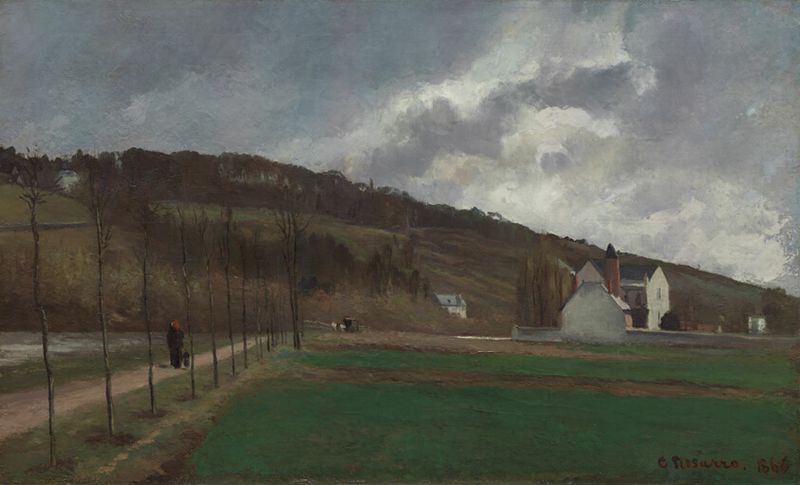 The Banks of the Marne in Winter
Pissarro · 1866 · Art Institute of Chicago
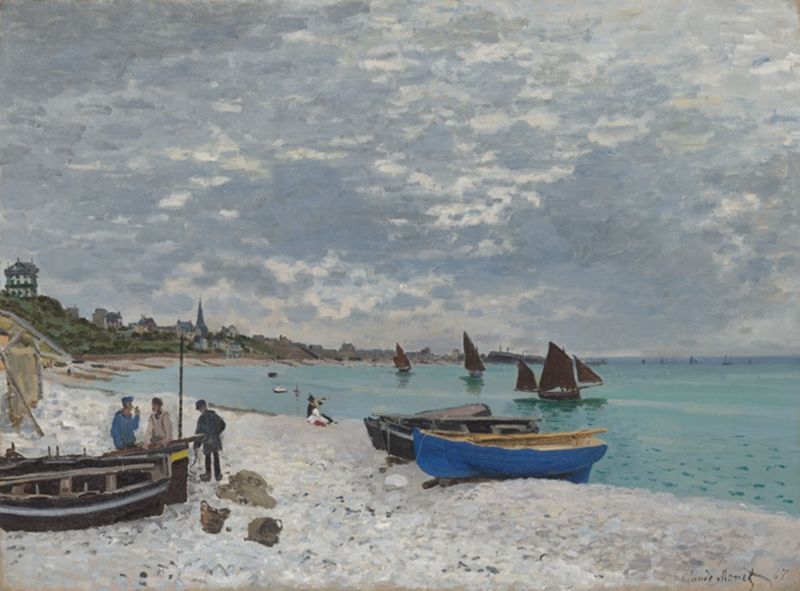 The Beach at Sainte-Adresse
Monet · 1867 · Art Institute of Chicago
Beyond Renoir and Impressionism: works from the same years.
 Same era · 1870s–1900s
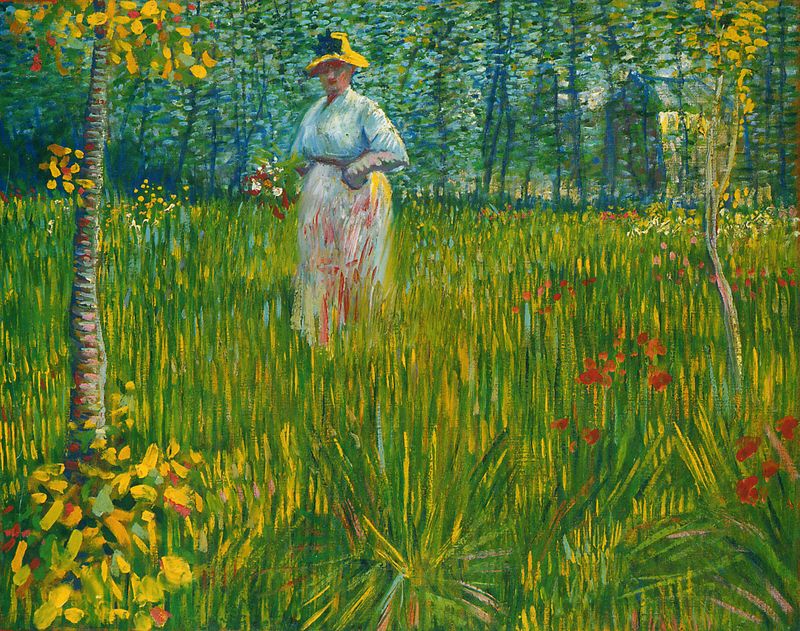
A Woman Walking in a Garden
Vincent van Gogh · 1887 · Frans Buffa & sons
 Same era · 1870s–1900s
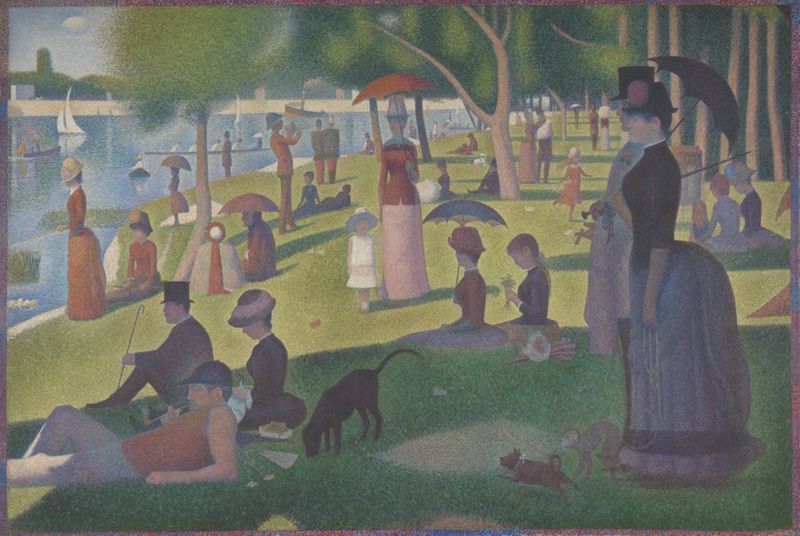
A Sunday on La Grande Jatte — 1884
Okada Saburosuke · 1884 · Art Institute of Chicago
 Same era · 1870s–1900s
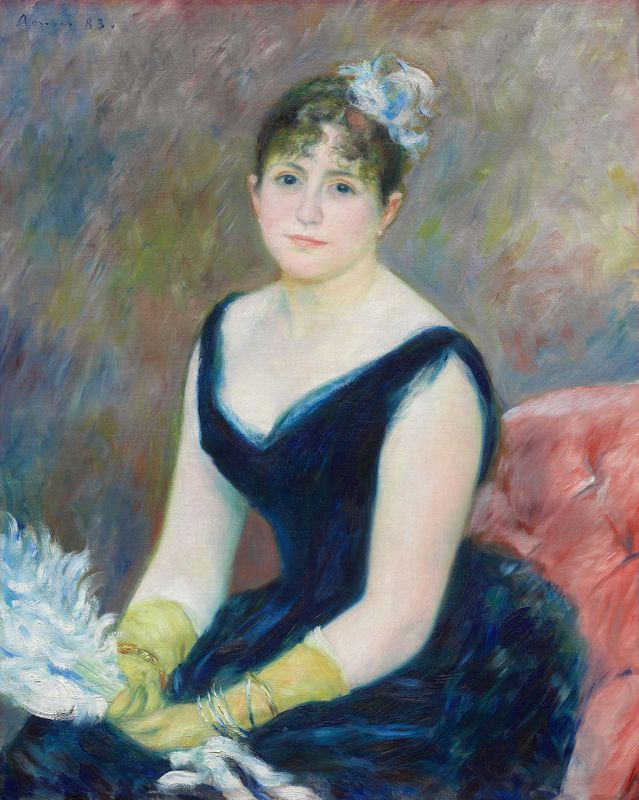
Madame Léon Clapisson
Léon-Victor Dupré · 1883 · Art Institute of Chicago
 Same era · 1870s–1900s
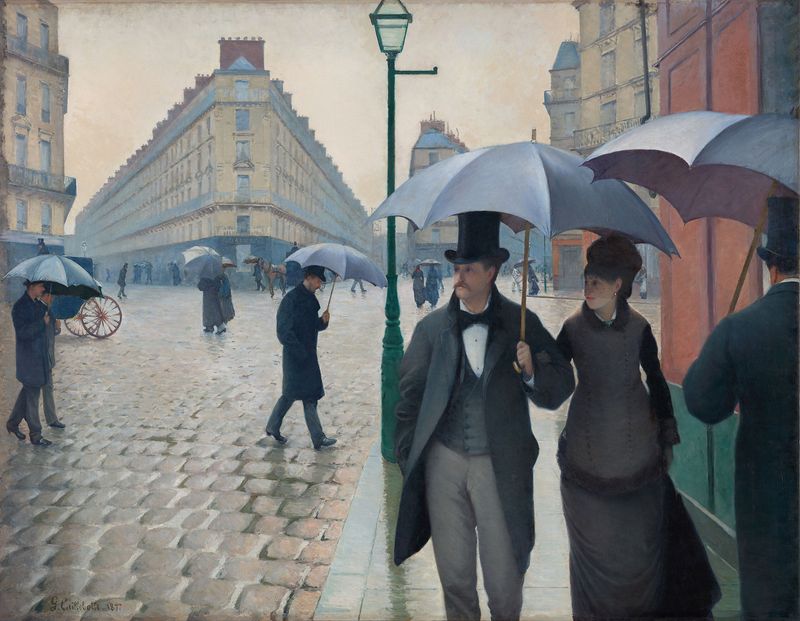
Paris Street; Rainy Day
Kawabata Gyokushō · 1877 · Art Institute of Chicago
 Same era · 1870s–1900s
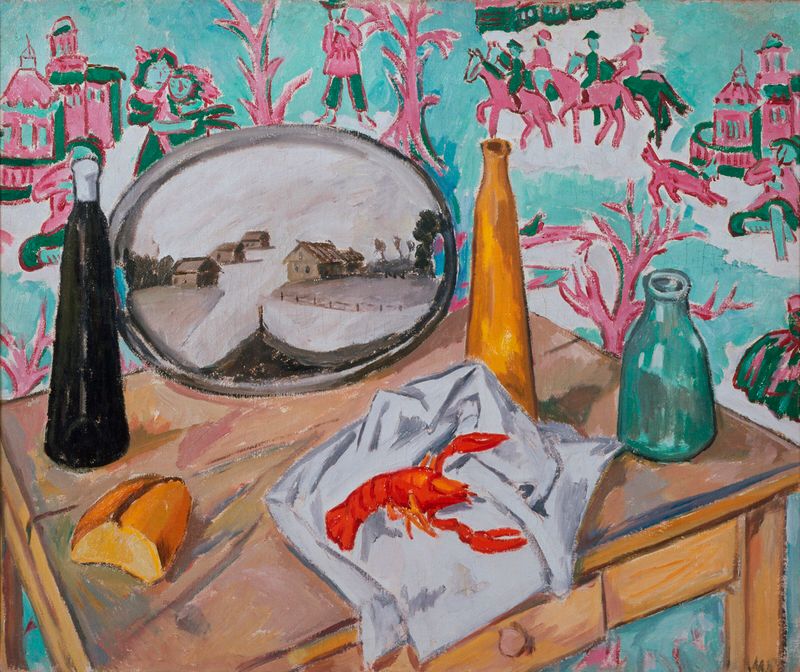
Still Life with Crayfish
Mikhail Larionov · 1900 · Museum Ludwig
 Same era · 1870s–1900s
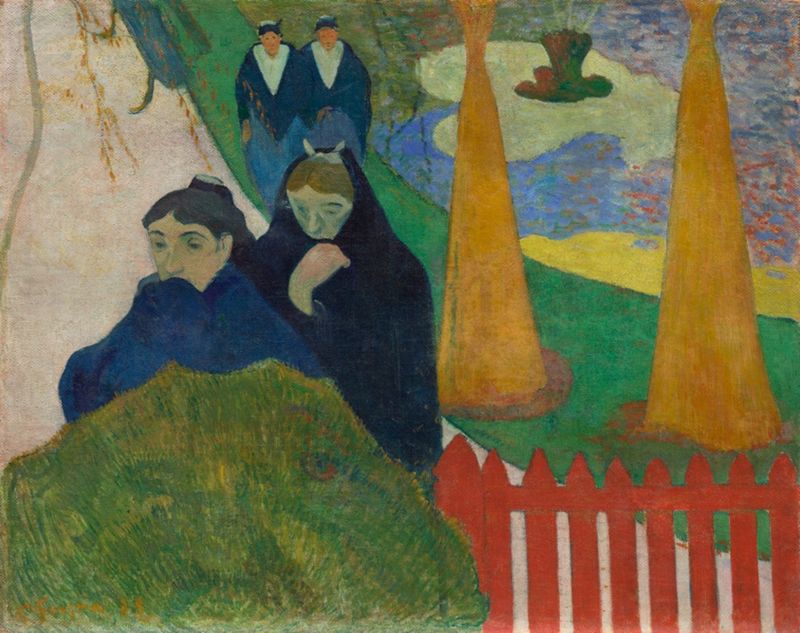
Arlésiennes (Mistral)
Paul Gauguin · 1888 · Art Institute of Chicago
 Same era · 1870s–1900s
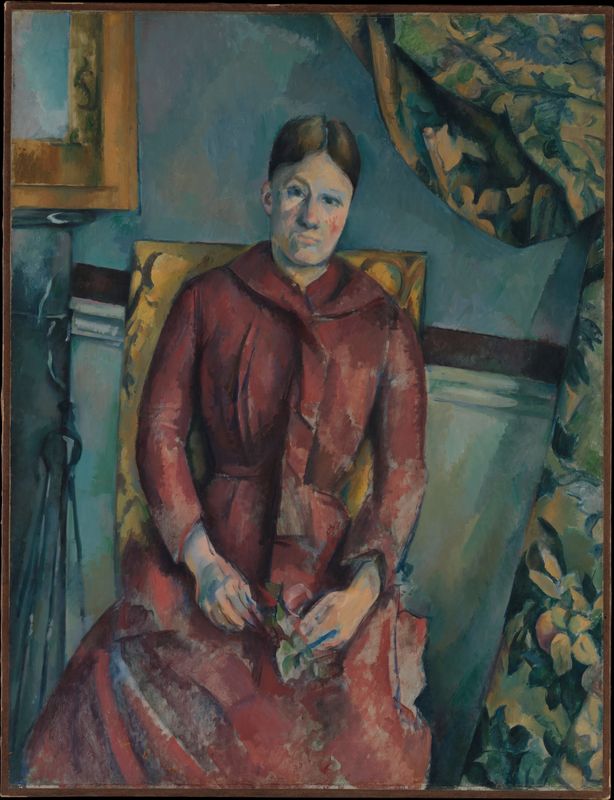
Madame Cézanne (Hortense Fiquet, 1850–1922) in a Red Dress
Paul Cézanne · 1888 · The Metropolitan Museum of Art
 Same era · 1870s–1900s
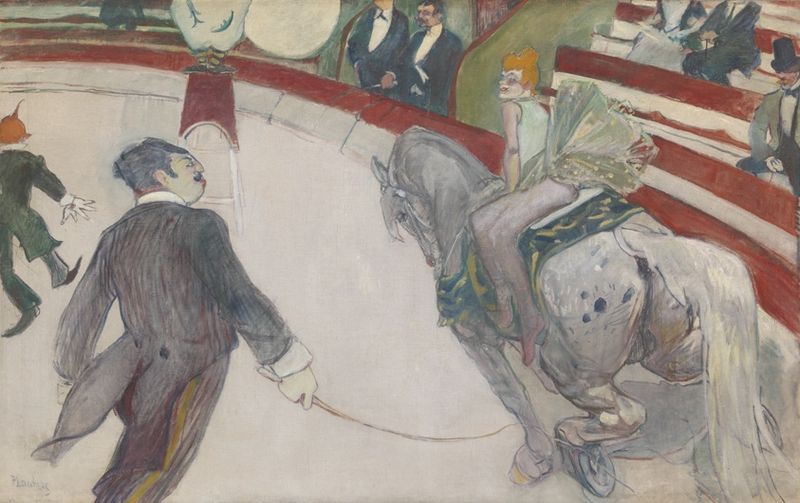
Equestrienne (At the Cirque Fernando)
Henri de Toulouse-Lautrec · 1887 · Art Institute of Chicago
 Same era · 1870s–1900s
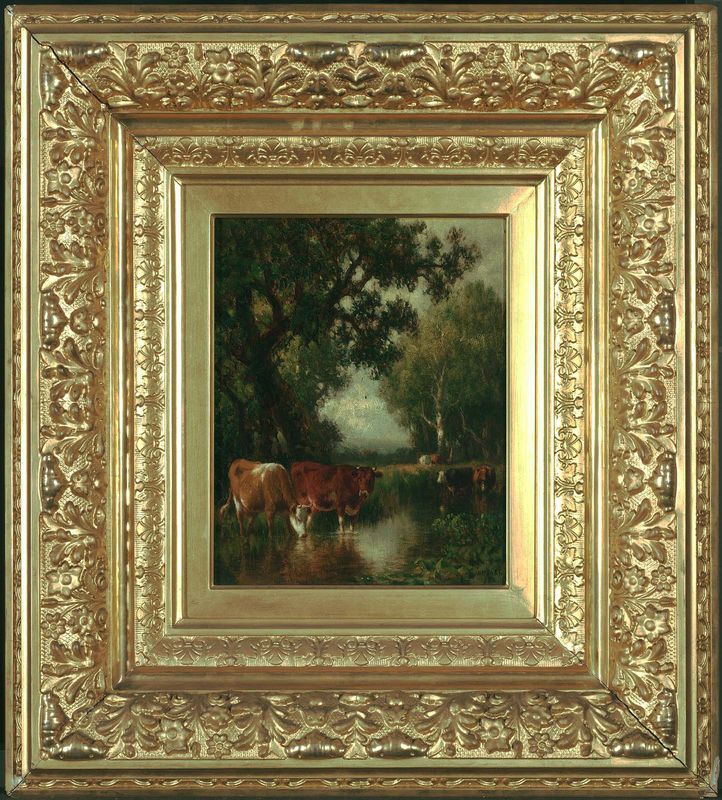
Cows Drinking at a Pool
William Hart · 1886 · Museum of Fine Arts Boston
 Same era · 1870s–1900s
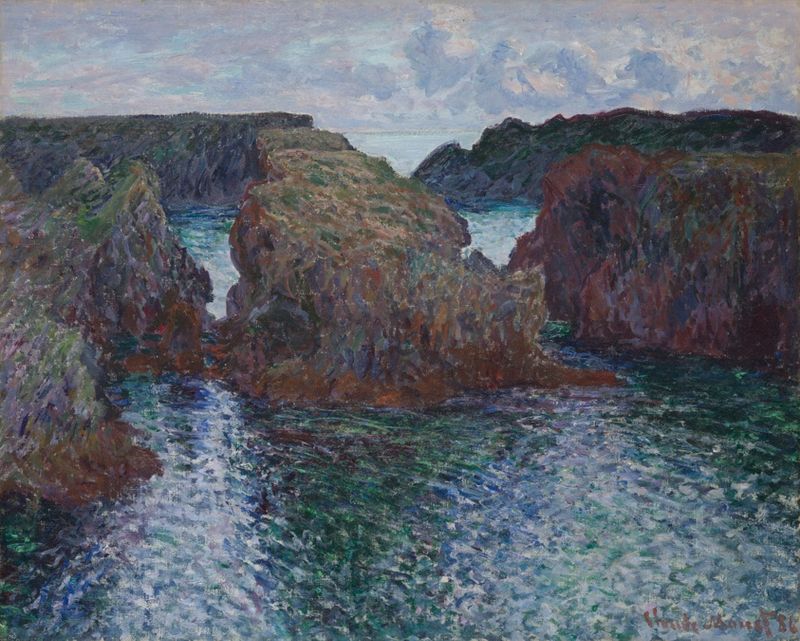
Rocks at Port-Goulphar, Belle-Île
Claude Monet · 1886 · Art Institute of Chicago
 Same era · 1870s–1900s
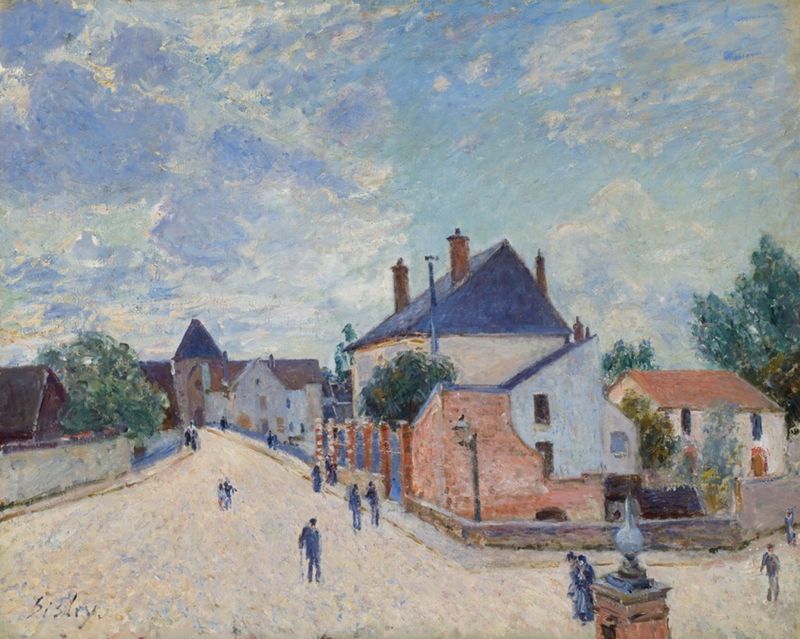
Street in Moret
Alfred Sisley · 1890 · Art Institute of Chicago
 Same era · 1870s–1900s
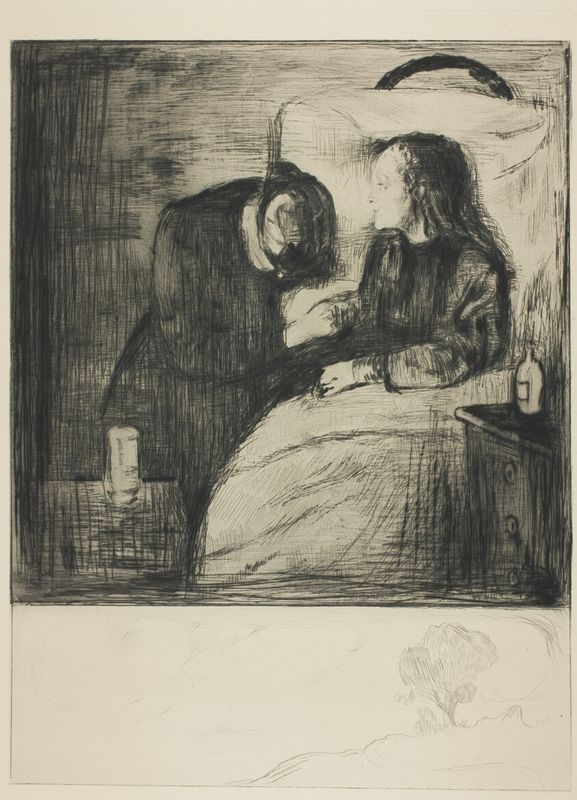
The Sick Child
Edvard Munch · 1885 · National Museum of Art, Architecture and Design
