01
Downcast central profile
The middle head looks down, with lowered lids and a smooth, finely shaded cheek. Its calm contrasts with the busy curls and wrapped headdress above.
1 of 4 on the painting
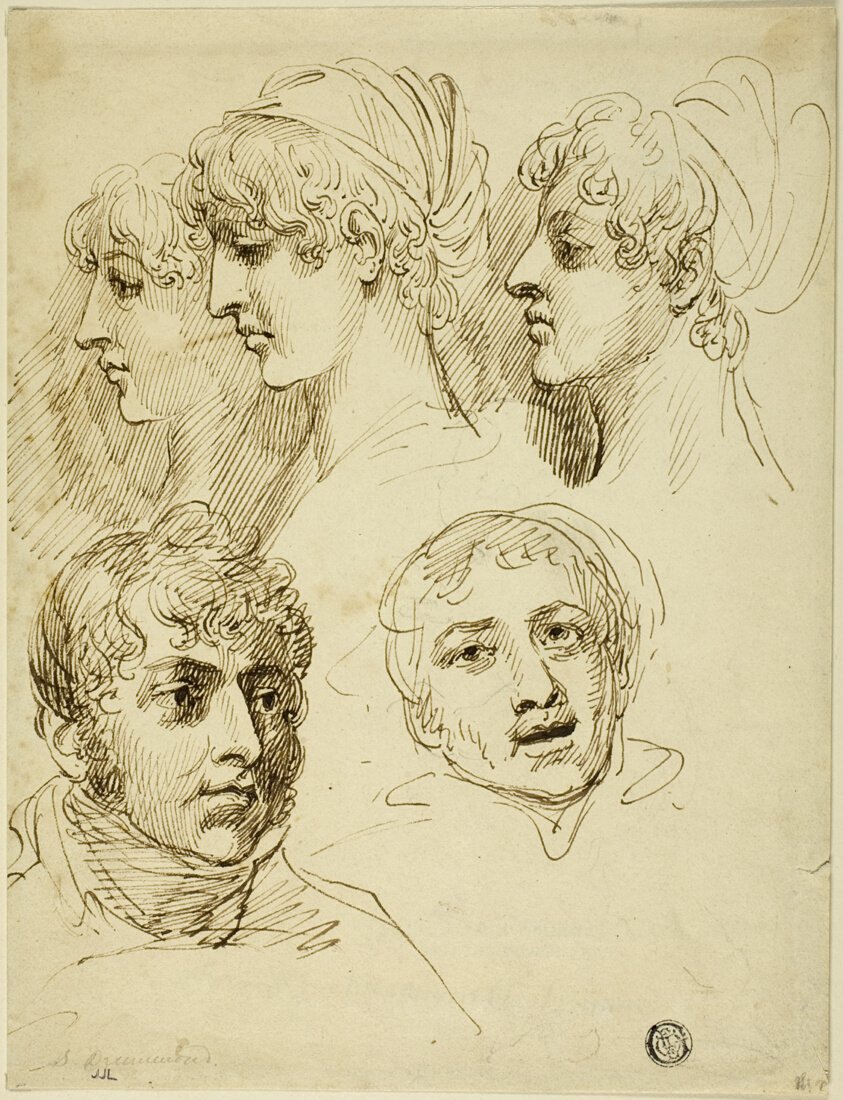
“Discover five distinct head sketches by Samuel Drummond, showing his early practice in capturing human likeness and emotion with quick, expressive pen strokes. It’s a rare look at an artist honing his craft.”
This sheet offers a fascinating glimpse into the artistic process, showing five distinct head studies. The pen and brown ink bring a lively immediacy to each face, capturing varied expressions and angles. Look closely at the different types of individuals depicted: an older man with a thoughtful gaze, a younger face with delicate features, and others rendered with quick, confident strokes. These studies were likely practice, a way for the artist to hone skills in capturing human likeness and emotion before tackling larger, more formal portraits. The year 1785 places this work early in Samuel Drummond's career, as he would have been around 19 years old, just before he formally entered the Royal Academy Schools. It reveals the foundational work that underpinned his later success in portraiture.
Five details hide in plain sight. Pick one and we’ll show you exactly where to look.
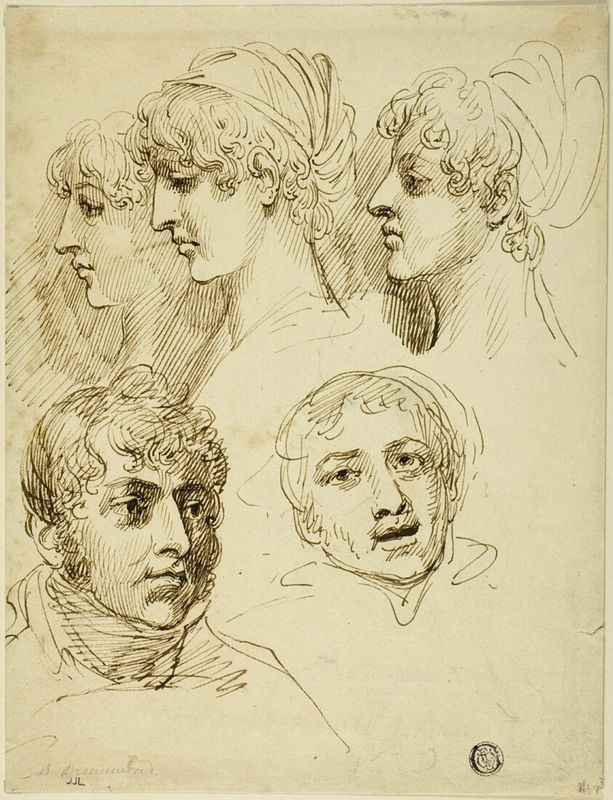
The middle head looks down, with lowered lids and a smooth, finely shaded cheek. Its calm contrasts with the busy curls and wrapped headdress above.
Under the chin of the top right head, dense parallel strokes build a dark wedge of neck. Line alone makes the volume here.
On the lower left head, looping scribbled curls pile up in a thick mass. The loose, quick pen suggests texture without outlining every lock.
Lower right, a man with raised brows and parted lips looks out as if caught mid-word. His dark mouth is the sharpest accent on the sheet.
Five heads sit without a setting, three in profile above and two turned toward us below. The arrangement reads like a page of studies.
Samuel Drummond, a British painter, captured the likenesses of notable figures like Walter Scott and documented maritime history with grand oil paintings.
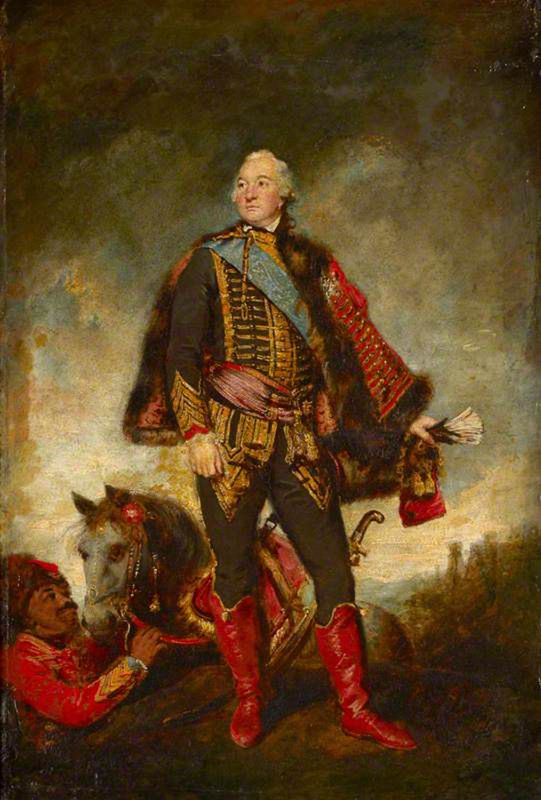 Louis-Philippe-Joseph, Duke of Orleans 'Philippe Egalité' (1747-1793) (after Sir Joshua Reynolds)
1785 · National Trust
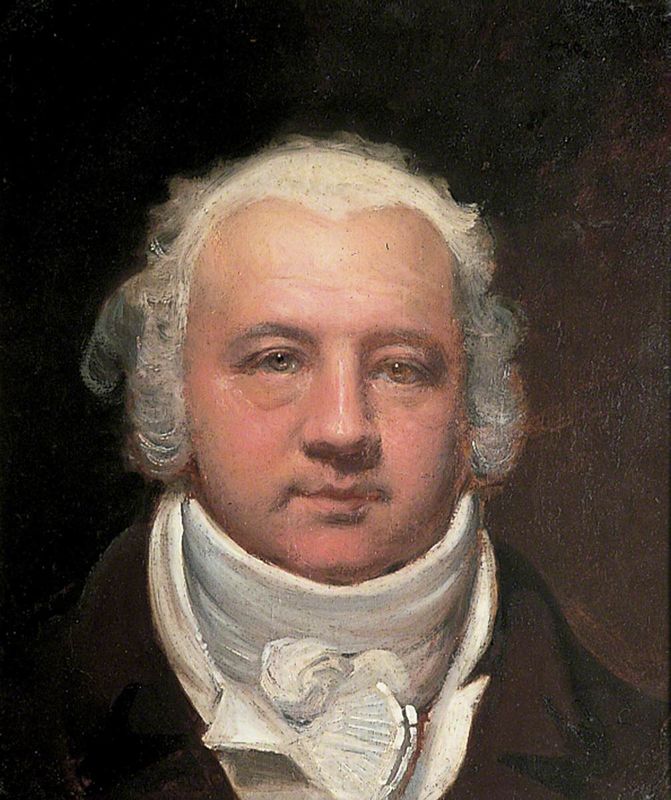 John Blake (1770–1810), Mayor of Maidstone (1799)
1799 · Maidstone Museum and Bentlif Art Gallery
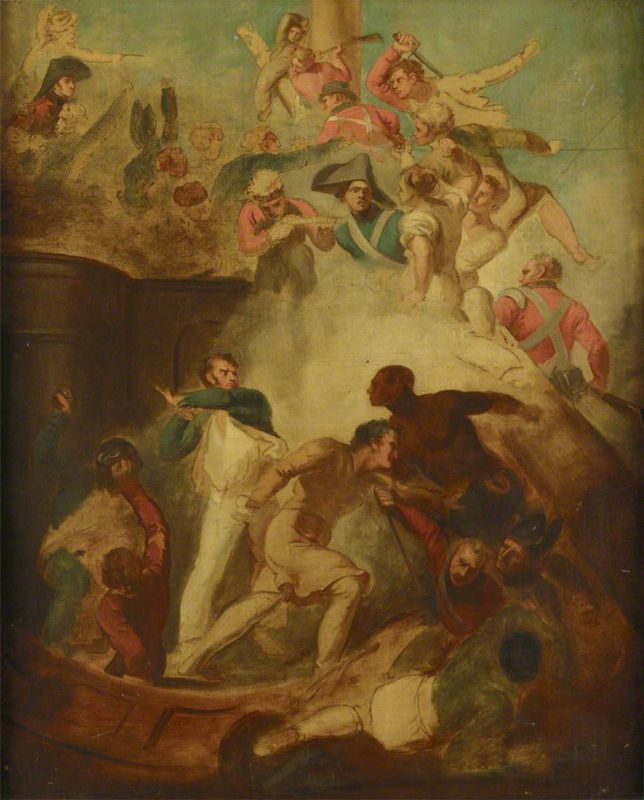 Repulsing a boarding party
1805 · Royal Museums Greenwich
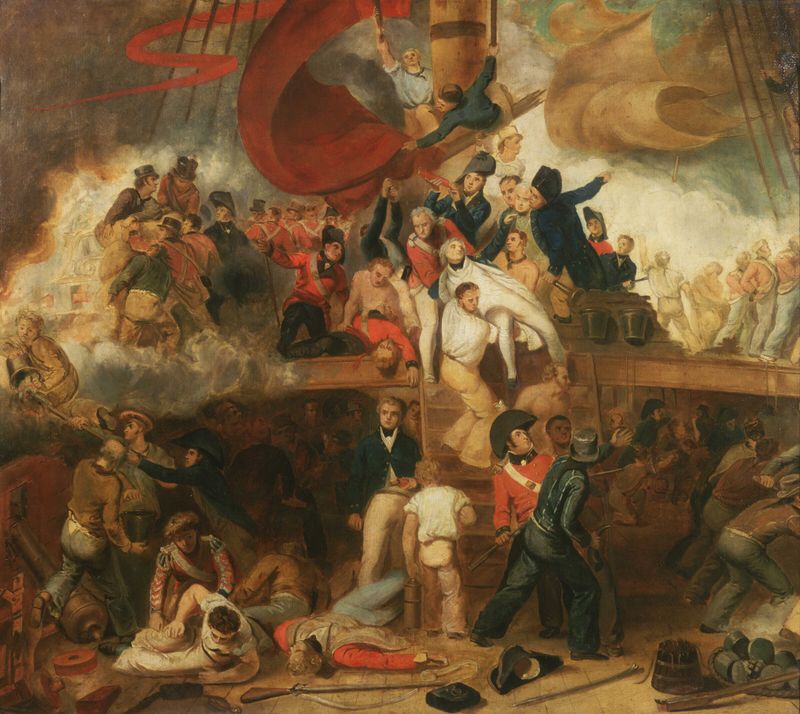 The Death of Nelson at the Battle of Trafalgar, 21 October 1805
1806 · Royal Museums Greenwich
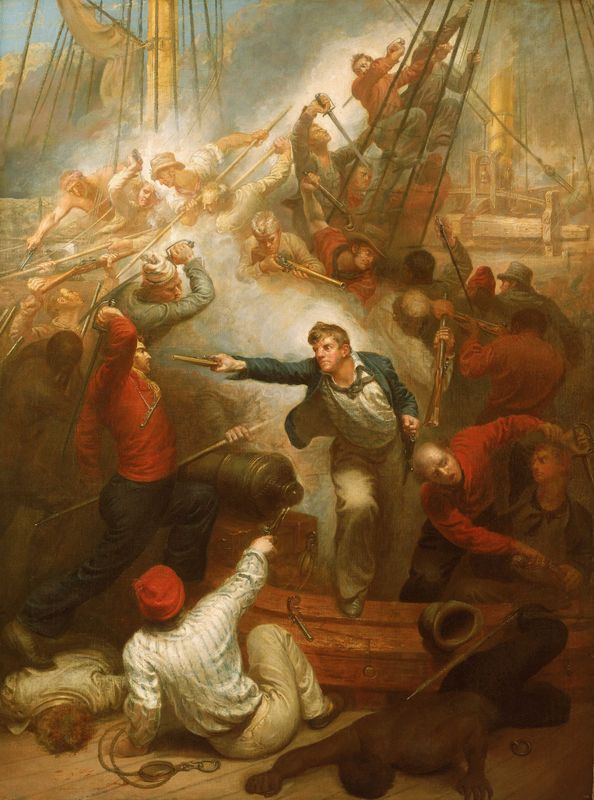 Captain William Rogers capturing the 'Jeune Richard', 1 October 1807
1808 · Royal Museums Greenwich
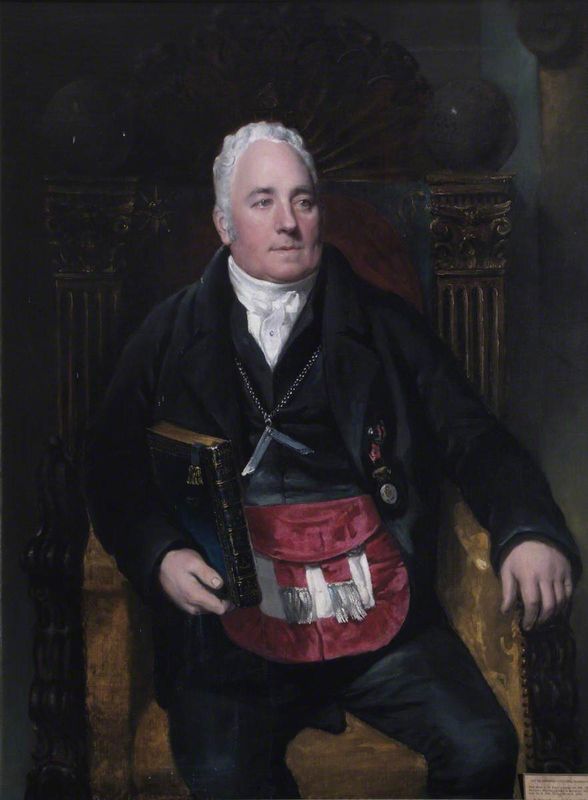 James Asperne (1737–1820)
1813 · Museum of Freemasonry
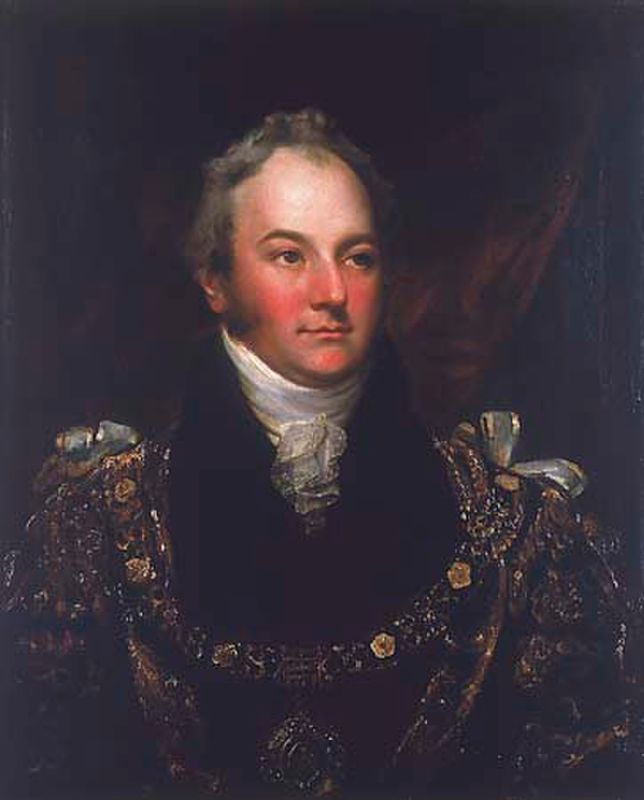 Sir Claudius Stephen Hunter (1775–1851), Lord Mayor of London (1811)
1813 · Guildhall Art Gallery
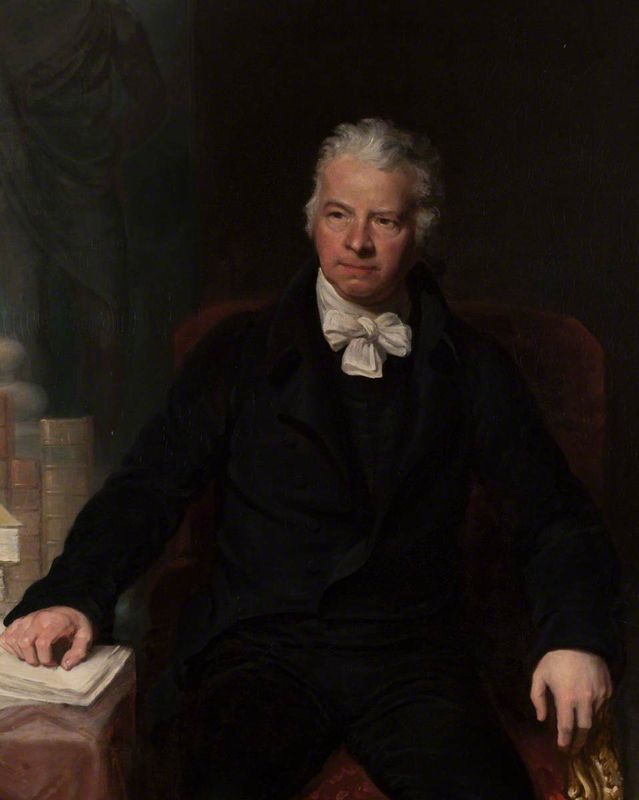 John Reeves (1752–1829)
1814 · Eton College
Beyond Drummond: works from the same years.
 Same era · 1770s–1800s
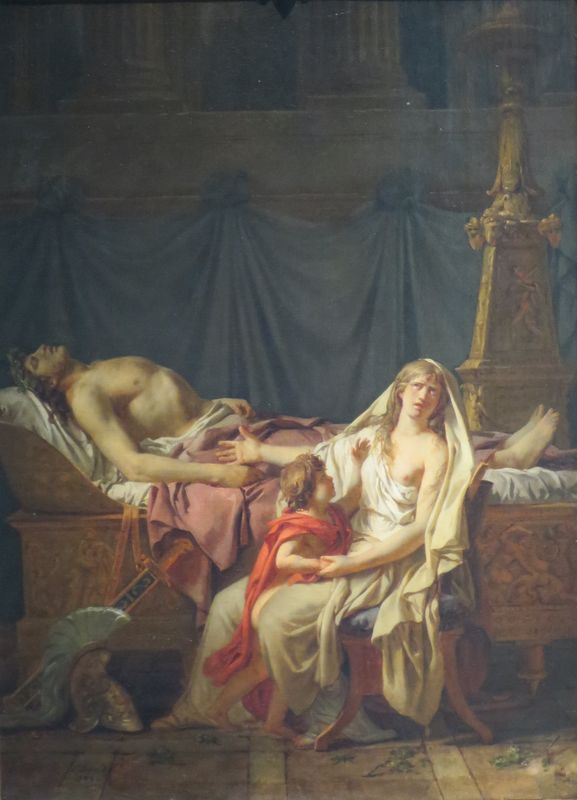
Andromache Mourning Hector
Jacques-Louis David · 1783 · Pushkin Museum of Fine Arts
 Same era · 1770s–1800s
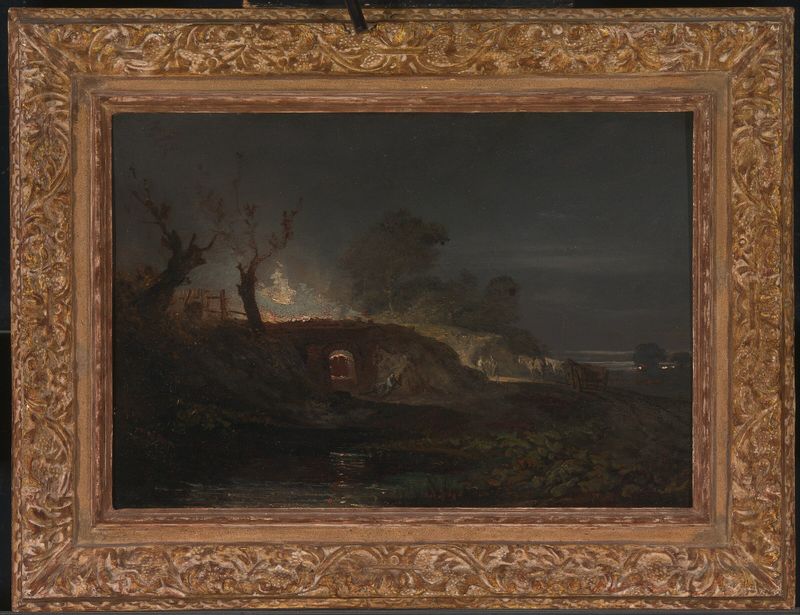
A Limekiln, Possibly at Briton Ferry in South Wales
J. M. W. Turner · 1797 · Yale Center for British Art
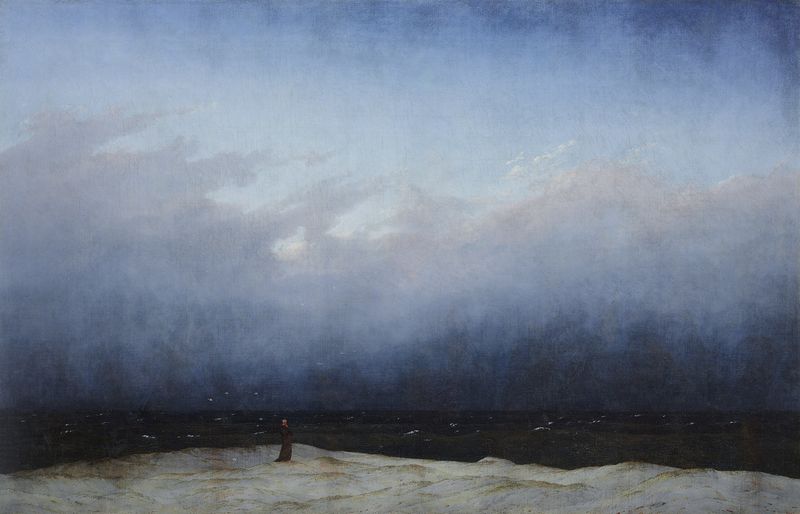 Same era · 1770s–1800s
The Monk by the Sea
Caspar David Friedrich · 1800 · Alte Nationalgalerie
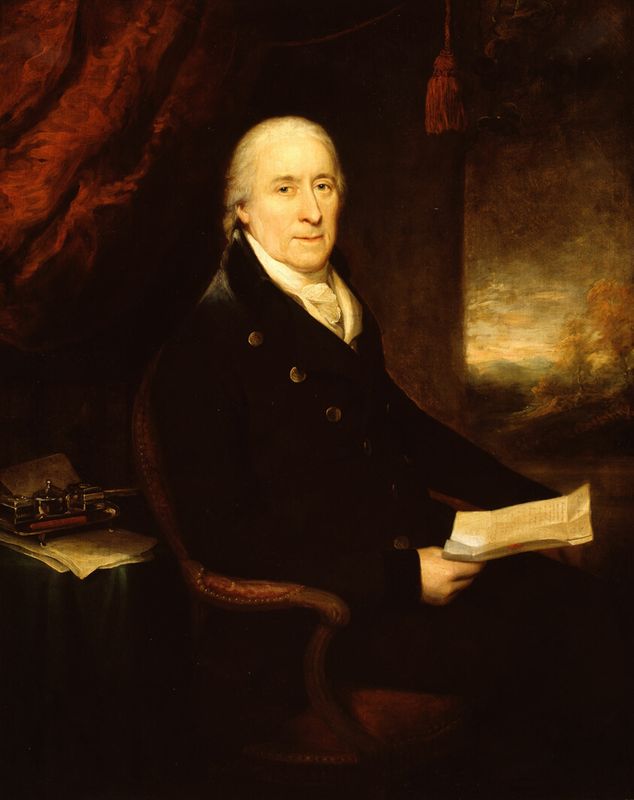 Same era · 1770s–1800s
Portrait of a Man
Benjamin West · 1790 · Art Institute of Chicago
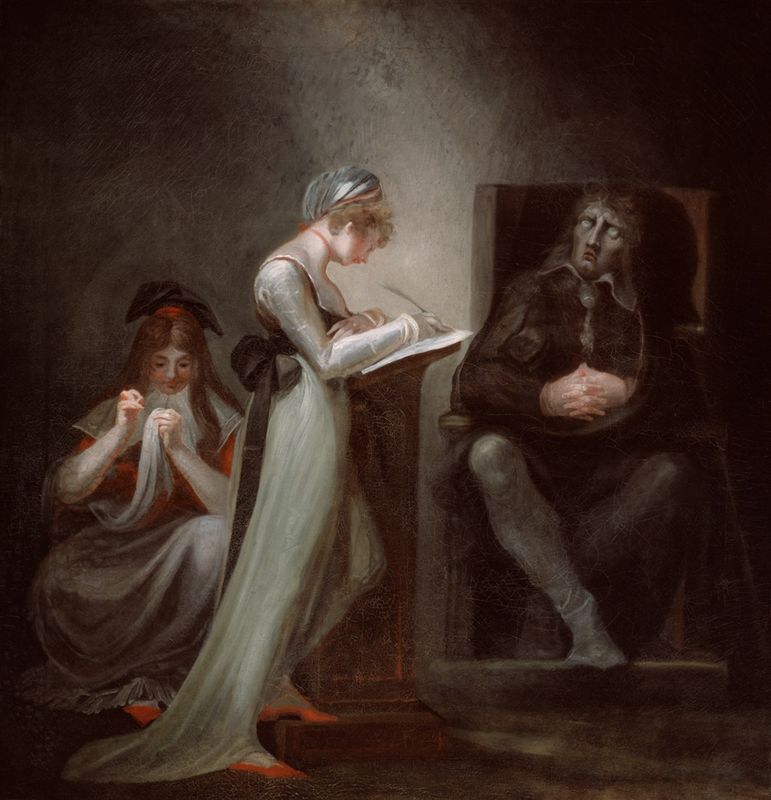 Same era · 1770s–1800s
Milton Dictating to His Daughter
Henry Fuseli · 1794 · Art Institute of Chicago
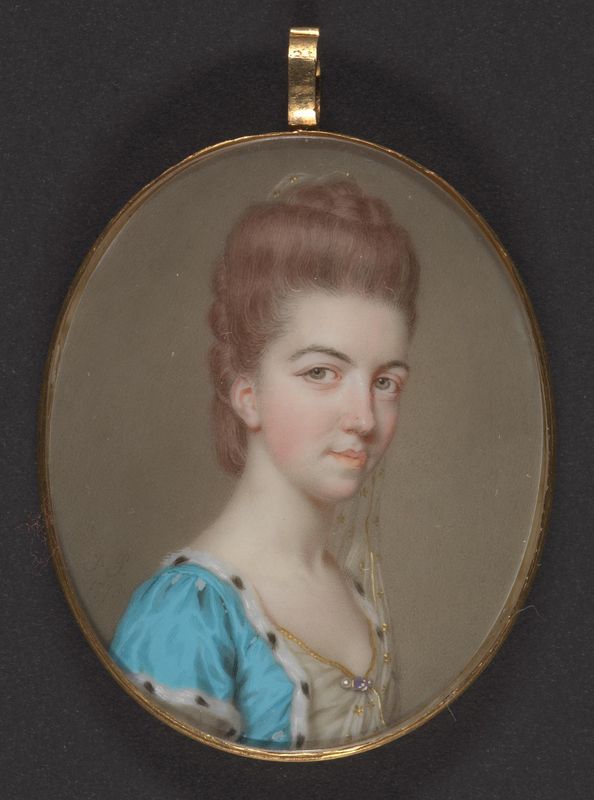 Same era · 1770s–1800s
Portrait of a Lady
John Smart of Ipswich · 1773 · Yale Center for British Art
 Same era · 1770s–1800s
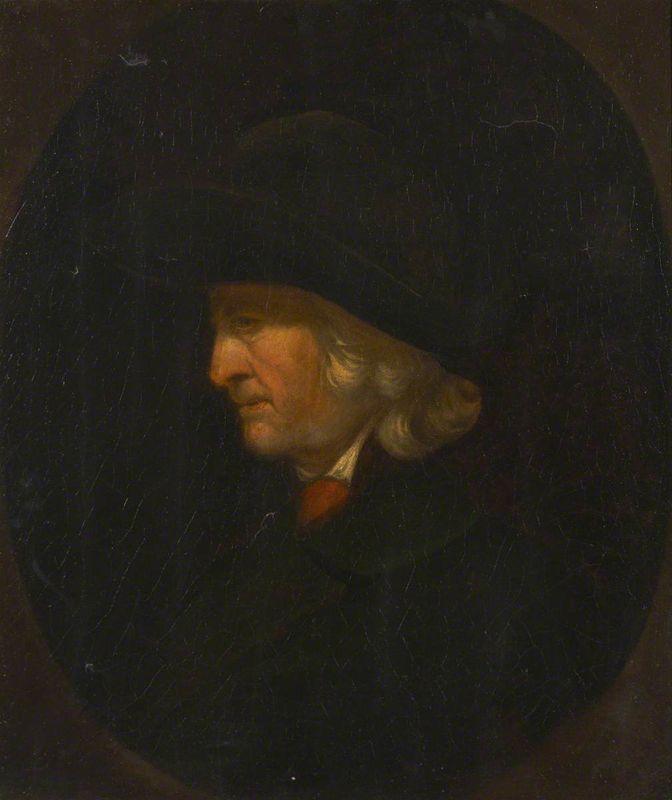
Portrait of the Artist's Father
Thomas Stewardson · 1800 · Abbot Hall Art Gallery
 Same era · 1770s–1800s
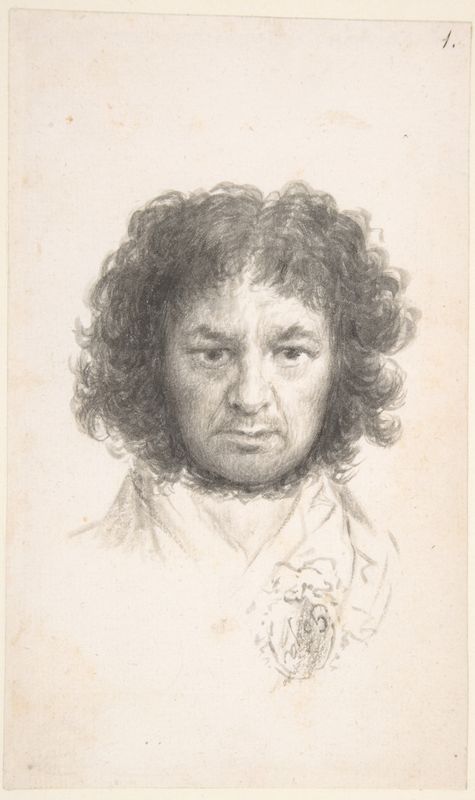
Self-Portrait
Francisco Goya · 1783 · Musée des Beaux-Arts d'Agen
 Same era · 1770s–1800s
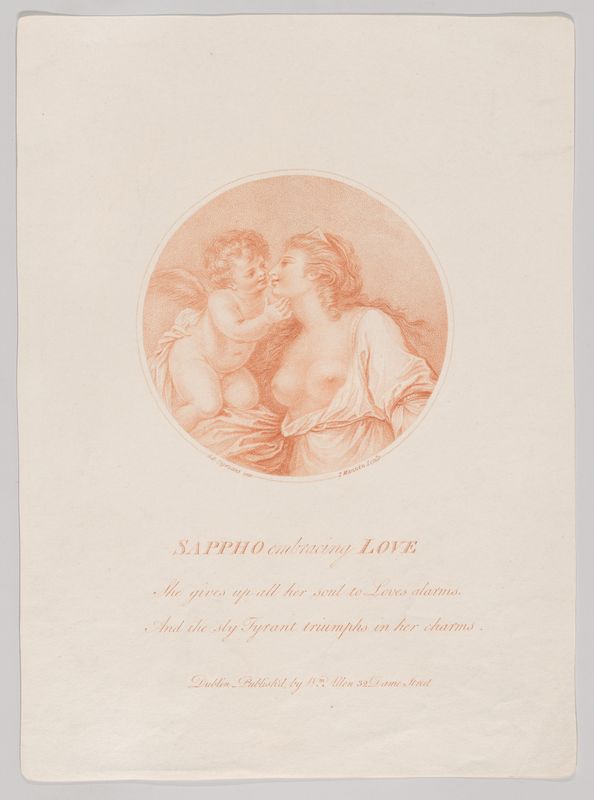
Sappho embracing Love
John Mannin · 1786 · The Metropolitan Museum of Art
 Same era · 1770s–1800s
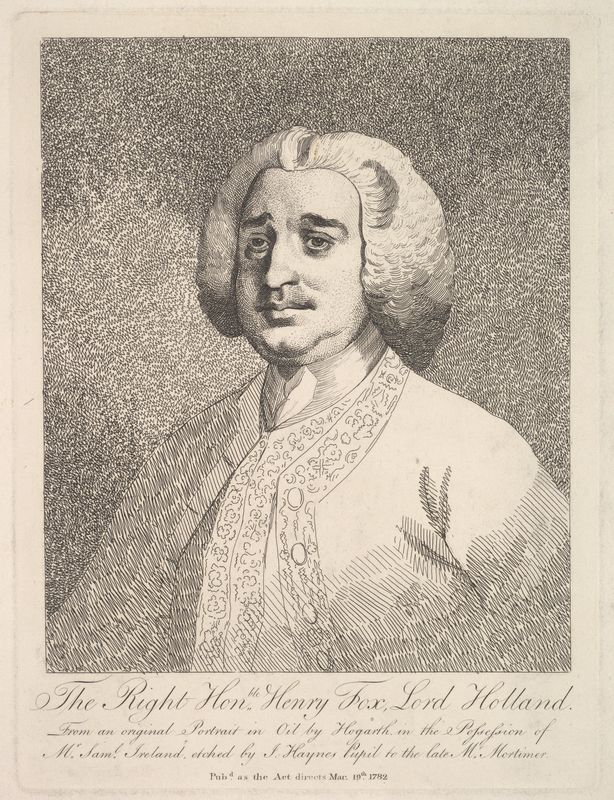
The Right Honorable Henry Fox, Lord Holland
William Hogarth · 1782 · The Metropolitan Museum of Art
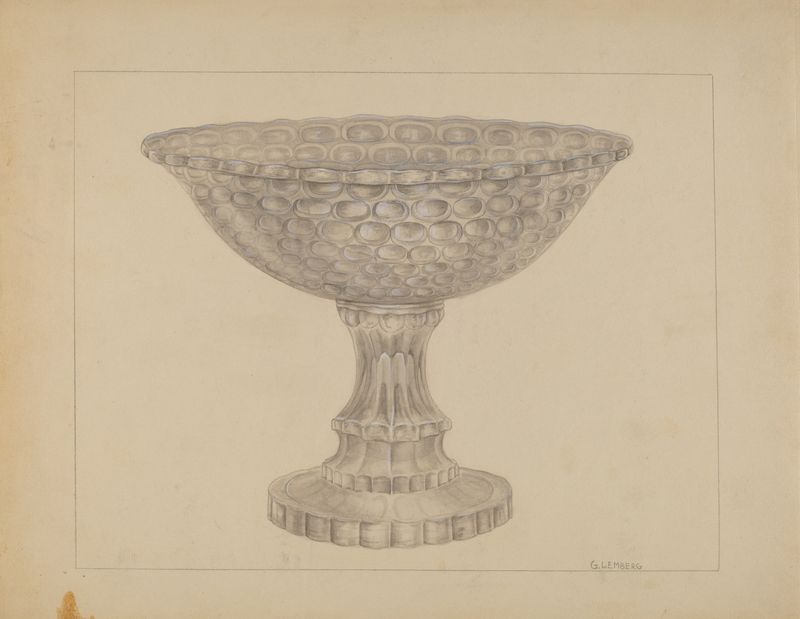 Same era · 1770s–1800s
Punch Bowl
Artist Unknown - The Mercat Cross, Aberdeen · 1789 · Art Institute of Chicago
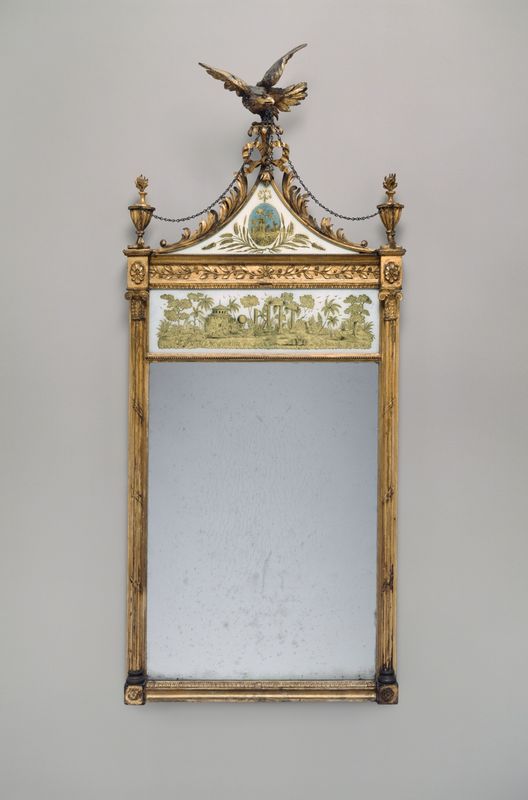 Same era · 1770s–1800s
Looking Glass
unknown composer author · 1790 · Art Institute of Chicago
