
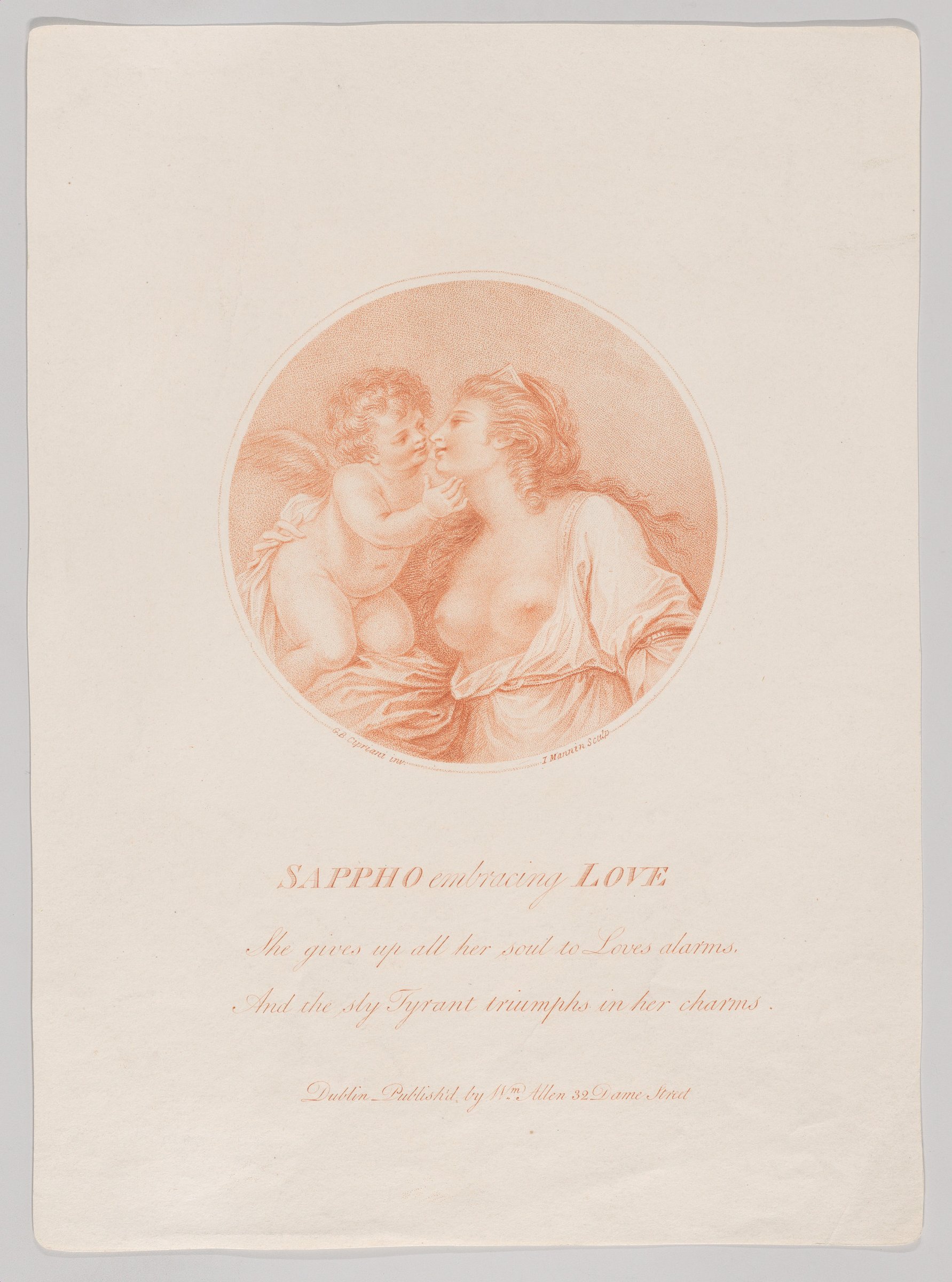
“This tender 18th-century engraving shows the poet Sappho embracing Love, rendered in a unique red stipple technique that gives the figures a soft, glowing intimacy. It’s a beautiful example of classical themes interpreted with sentimental grace.”
In this delicate stipple engraving, the ancient Greek poet Sappho embraces a winged figure of Love, or Cupid, rendered in a soft red hue. The scene is intimate, with Sappho's head gently resting against the Cupid's shoulder, her eyes downcast in a moment of tender affection. The artist, John Mannin, used a technique that creates a dotted, almost painterly effect, giving the figures a subtle blush and a sense of ethereal lightness. This print, made in 1786, reflects the late 18th century's fascination with classical themes and sentimental imagery, often drawing on mythological figures to explore emotions like love and longing. The choice of red ink further enhances the romantic mood, making the figures appear to glow with an inner warmth. It’s a small, jewel-like image, designed to evoke a quiet, contemplative response from the viewer.
- Artist
- John Mannin
- Date
- 1786
- Medium
- Stipple engraving and etching printed in red
- Location
- The Metropolitan Museum of Art
- Dimensions
- Image: 3 13/16 × 3 13/16 in. (9.7 × 9.7 cm) Sheet: 9 9/16 in. × 7 in. (24.3 × 17.8 cm)
- Collection
- Drawings and Prints
- Credit line
- Gertrude and Thomas Jefferson Mumford Collection, Gift of Dorothy Quick Mayer, 1942
What to Notice
Four details hide in plain sight. Here’s where to look.
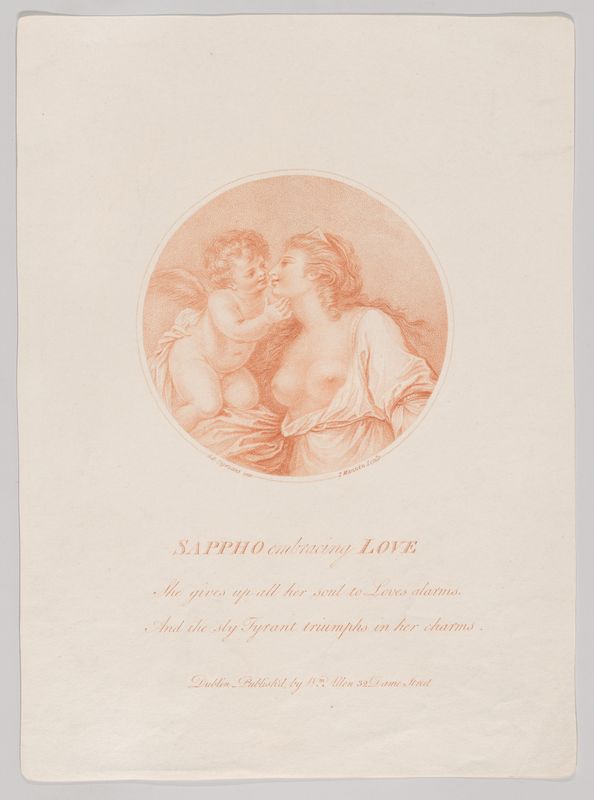
The delicate red ink, giving the figures a warm, blushing quality.
Sappho's downcast eyes and gentle expression.
The tiny wings of Cupid, suggesting his youthful divinity.
The stipple engraving technique, creating a soft, dotted texture.
Stand in front of it and listen
The full narration walks you through Sappho embracing Love — the story behind it, the details most visitors miss, and why it matters. Free in the Art Whisper app.
More works to explore
Beyond Mannin: works from the same years.
 Same era · 1770s–1800s
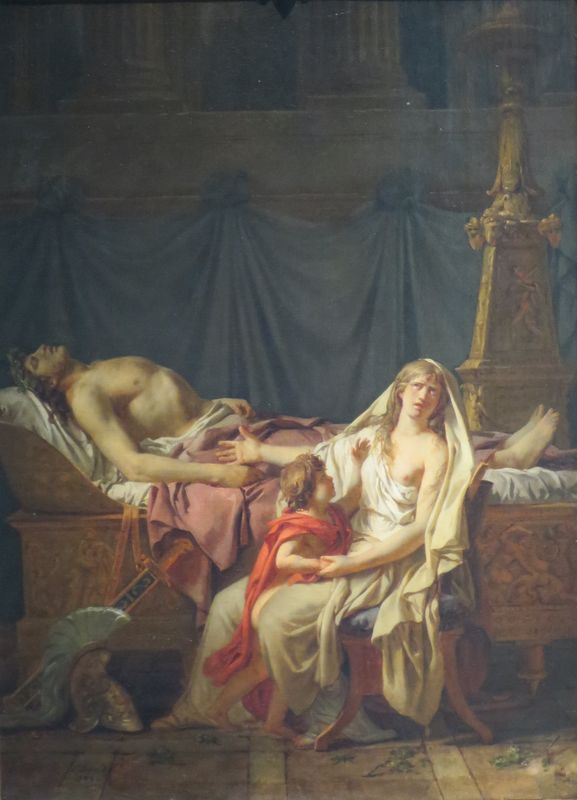
Andromache Mourning Hector
Jacques-Louis David · 1783 · Pushkin Museum of Fine Arts
 Same era · 1770s–1800s
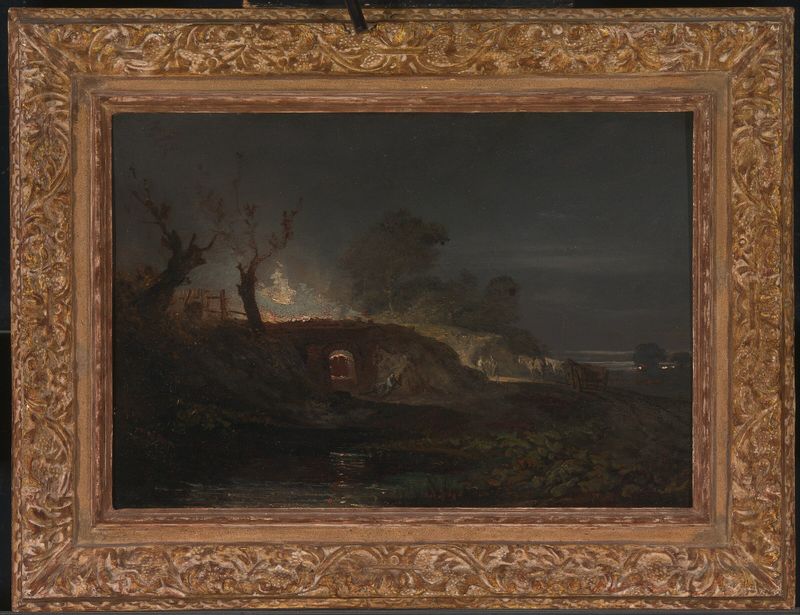
A Limekiln, Possibly at Briton Ferry in South Wales
J. M. W. Turner · 1797 · Yale Center for British Art
 Same era · 1770s–1800s
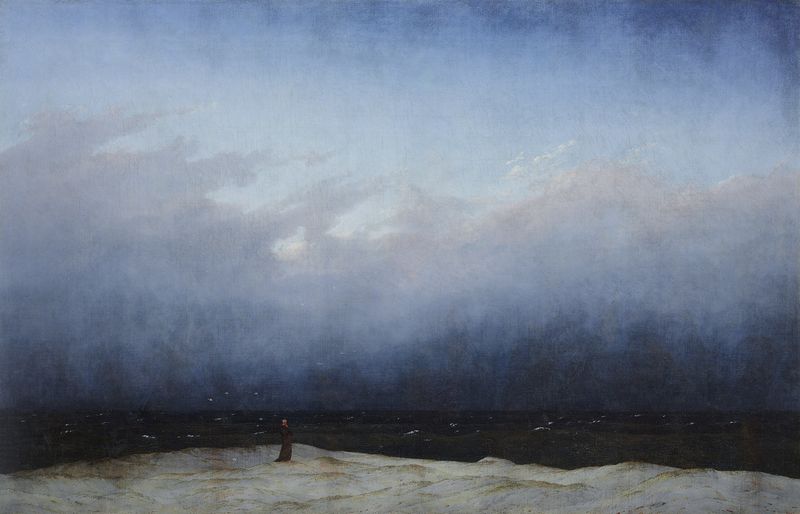
The Monk by the Sea
Caspar David Friedrich · 1800 · Alte Nationalgalerie
 Same era · 1770s–1800s
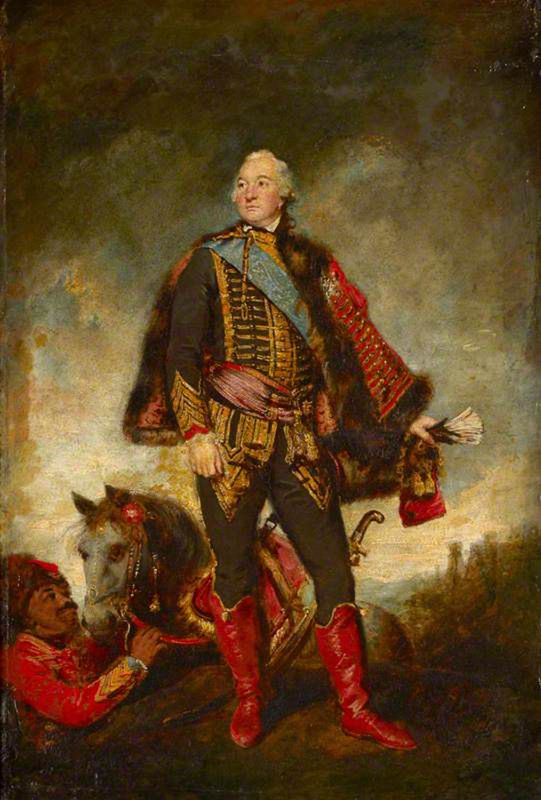
Louis-Philippe-Joseph, Duke of Orleans 'Philippe Egalité' (1747-1793) (after Sir Joshua Reynolds)
Samuel Drummond · 1785 · National Trust
 Same era · 1770s–1800s
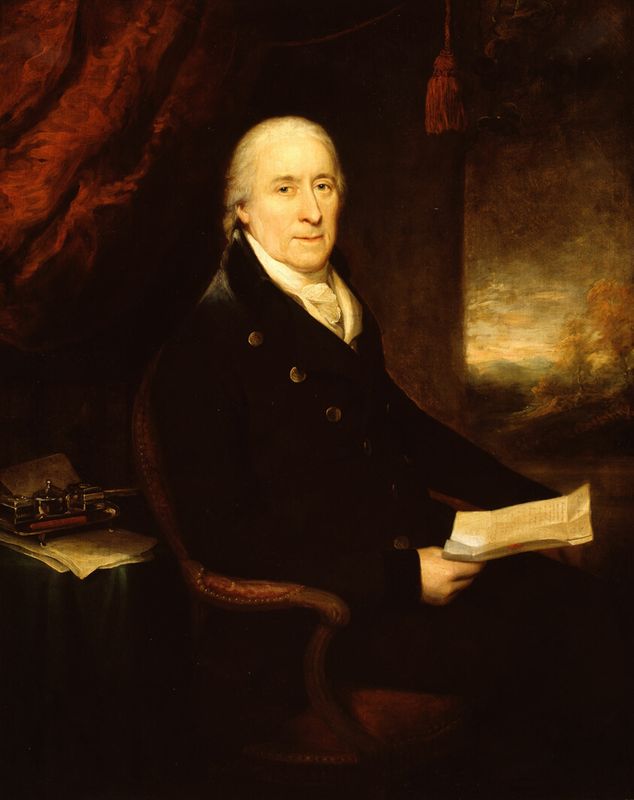
Portrait of a Man
Benjamin West · 1790 · Art Institute of Chicago
 Same era · 1770s–1800s
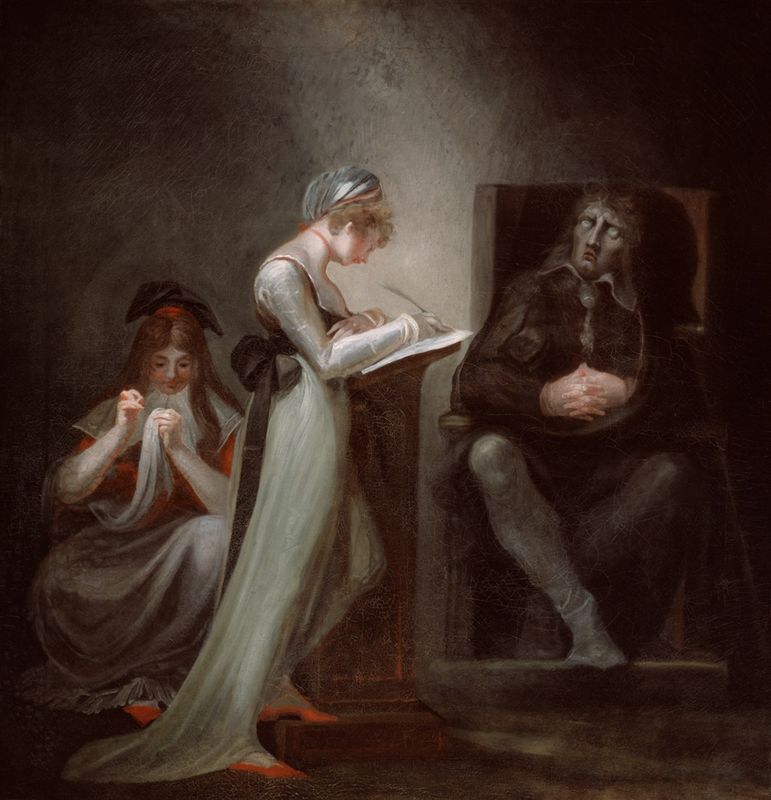
Milton Dictating to His Daughter
Henry Fuseli · 1794 · Art Institute of Chicago
 Same era · 1770s–1800s
Portrait of a Lady
John Smart of Ipswich · 1773 · Yale Center for British Art
 Same era · 1770s–1800s
Mrs Jackson
Thomas Stewardson · 1800 · Abbot Hall Art Gallery
 Same era · 1770s–1800s
Self-Portrait
Francisco Goya · 1783 · Musée des Beaux-Arts d'Agen
 Same era · 1770s–1800s
Punch Bowl
Artist Unknown - The Mercat Cross, Aberdeen · 1789 · Art Institute of Chicago
 Same era · 1770s–1800s
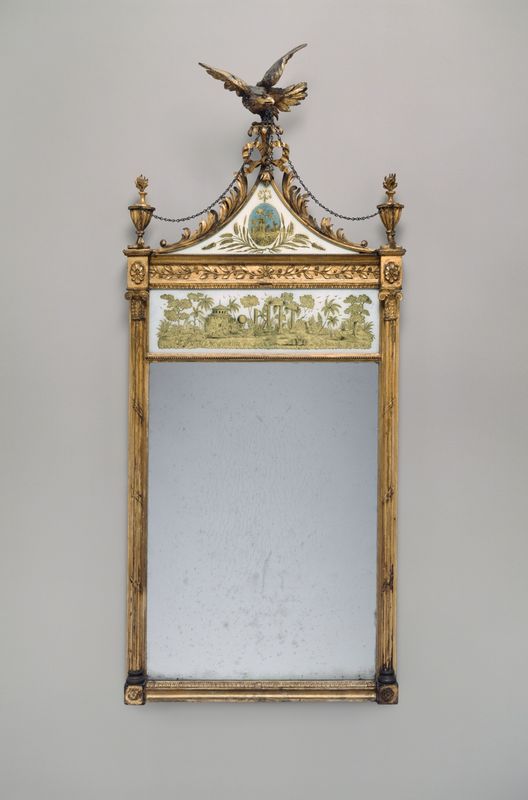
Looking Glass
unknown composer author · 1790 · Art Institute of Chicago
 Same era · 1770s–1800s
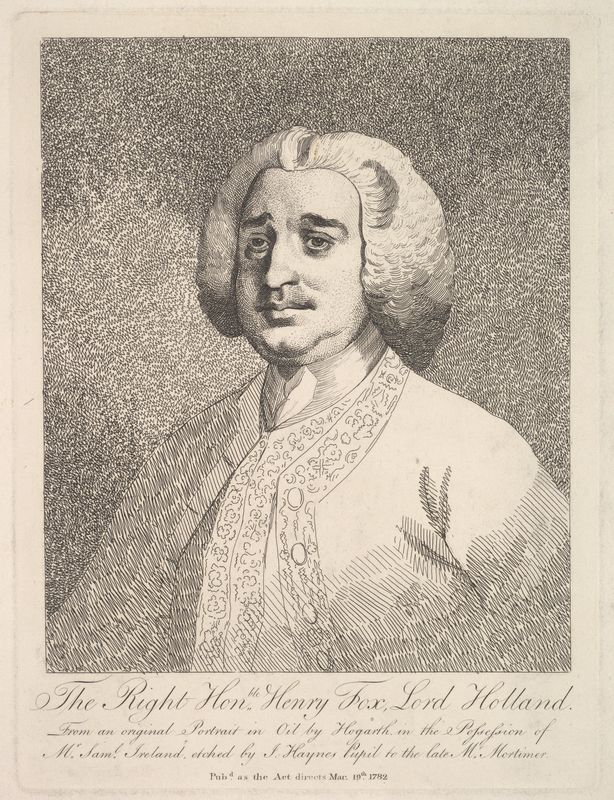
The Right Honorable Henry Fox, Lord Holland
William Hogarth · 1782 · The Metropolitan Museum of Art