
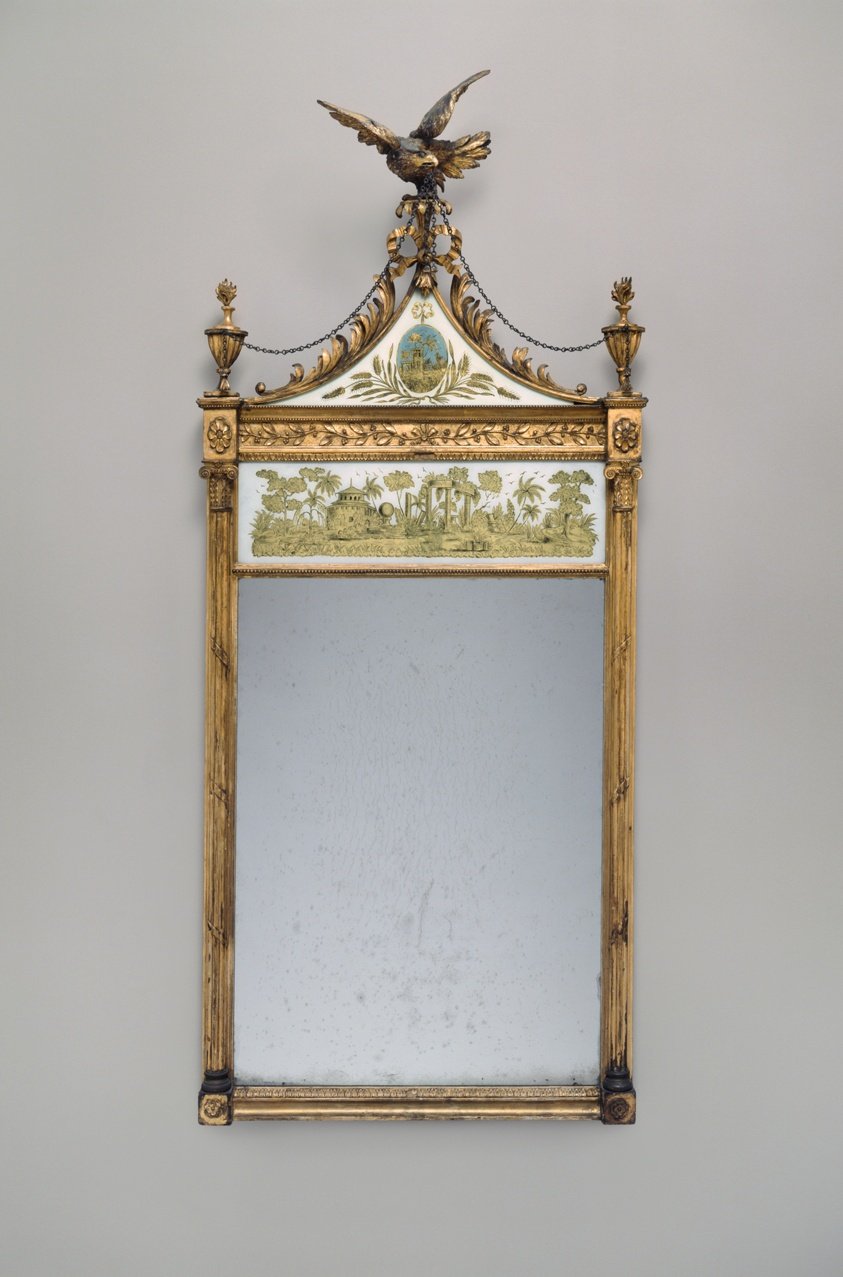
“Step back in time with this exquisite Federal period looking glass. Its intricate gilt frame and impressive height reveal the refined taste and skilled craftsmanship of late 18th-century American design.”
This elegant "Looking Glass" from around 1790 isn't merely functional; it's a meticulously crafted statement piece, designed to reflect not just an image, but the refined taste of its owner. Its tall, slender form, made of gilt gesso and various pines, would have graced a fashionable home, likely in a parlor or a dressing room. The intricate gilding, applied to gesso (a plaster-like material), catches the light, highlighting the delicate carving that frames the silvered glass. While the maker of this particular mirror remains unknown, its style aligns with the Federal period in American decorative arts, characterized by a return to classical forms and an emphasis on craftsmanship. The mirror's impressive size and the quality of its materials suggest it was a luxury item, reflecting the growing prosperity and desire for sophisticated furnishings in the late 18th century.
- Artist
- unknown composer author
- Date
- 1790
- Medium
- Gilt gesso, white pine, red pine, silvered glass, and paint
- Location
- Art Institute of Chicago
- Dimensions
- 170.2 × 71.2 × 5.7 cm (67 × 28 1/4 × 2 1/4 in.)
- Collection
- Arts of the Americas
- Culture
- New York
- Credit line
- Gift of the Antiquarian Society
What to Notice
Four details hide in plain sight. Here’s where to look.
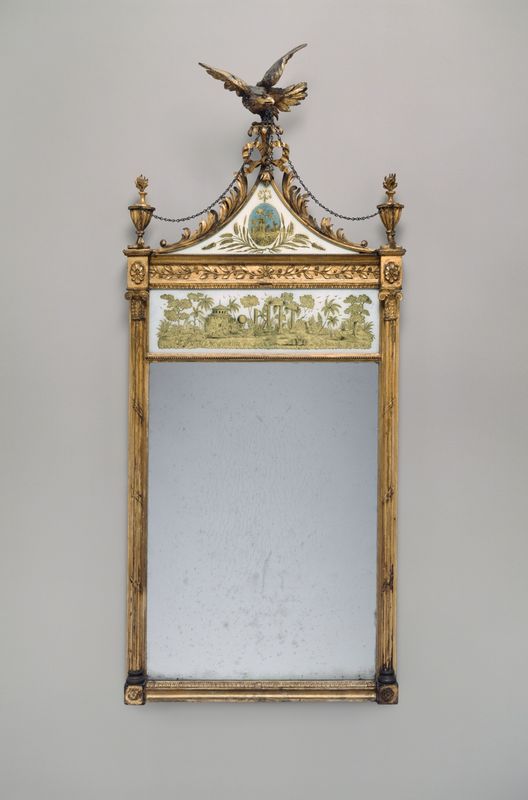
Observe the delicate, almost feathery carving along the top and sides of the frame.
Notice the warm gleam of the gilt gesso, a testament to its original luster.
Look closely at the subtle variations in the wood grain beneath the gilding.
Consider how the mirror's height would have elongated a room, adding grandeur.
Stand in front of it and listen
The full narration walks you through Looking Glass — the story behind it, the details most visitors miss, and why it matters. Free in the Art Whisper app.
unknown composer author
A placeholder for the countless hands that shaped history without leaving a name behind.
Further Works by author
More works to explore
Beyond author: works from the same years.
 Same era · 1770s–1800s
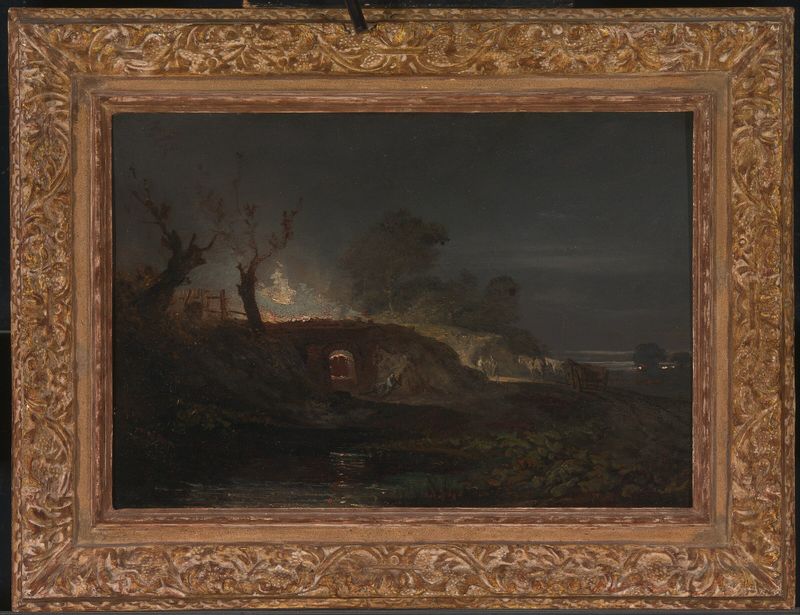
A Limekiln, Possibly at Briton Ferry in South Wales
J. M. W. Turner · 1797 · Yale Center for British Art
 Same era · 1770s–1800s
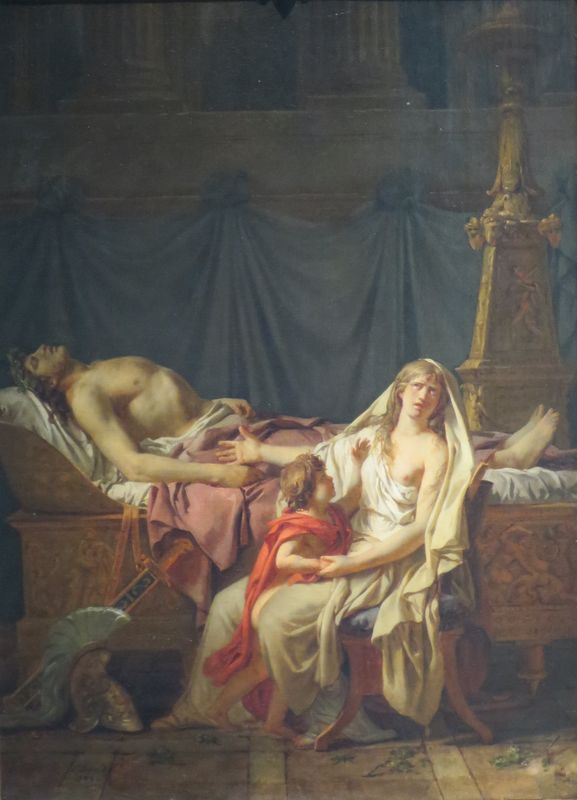
Andromache Mourning Hector
Jacques-Louis David · 1783 · Pushkin Museum of Fine Arts
 Same era · 1770s–1800s
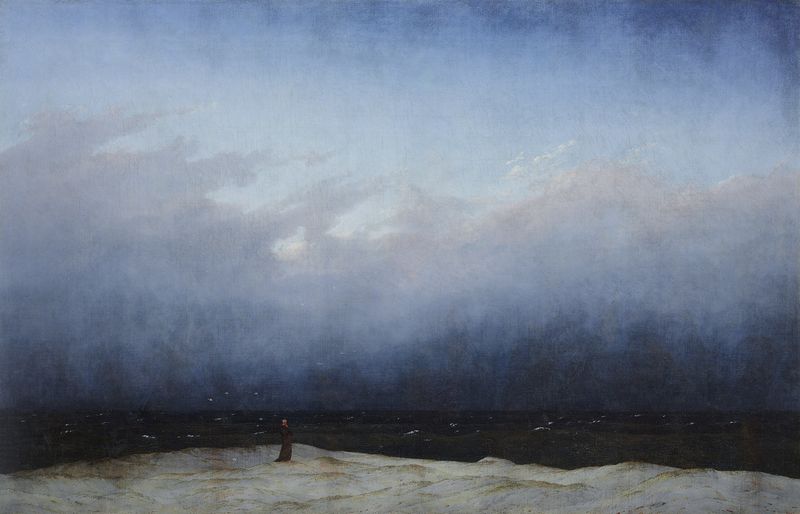
The Monk by the Sea
Caspar David Friedrich · 1800 · Alte Nationalgalerie
 Same era · 1770s–1800s
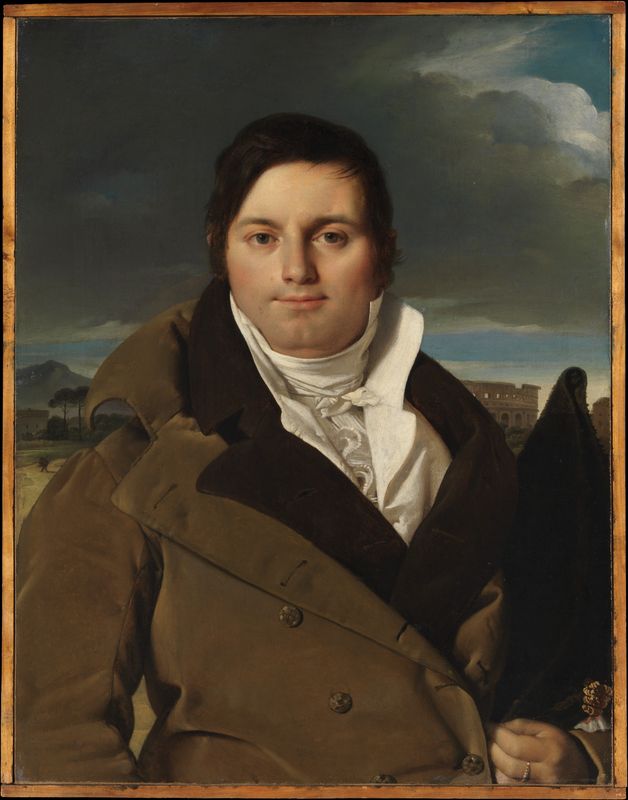
Joseph-Antoine Moltedo (born 1775)
Jean-Auguste-Dominique Ingres · 1805 · The Metropolitan Museum of Art
 Same era · 1770s–1800s
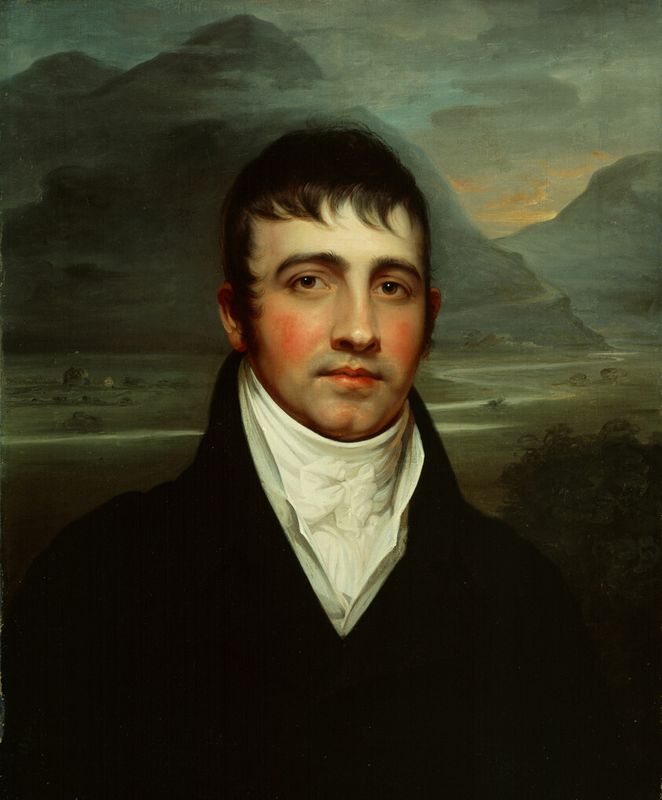
Samuel Fisher Bradford
Rembrandt Peale · 1803 · Art Institute of Chicago
 Same era · 1770s–1800s
Portrait of a Man
Benjamin West · 1790 · Art Institute of Chicago
 Same era · 1770s–1800s
Milton Dictating to His Daughter
Henry Fuseli · 1794 · Art Institute of Chicago
 Same era · 1770s–1800s
Louis-Philippe-Joseph, Duke of Orleans 'Philippe Egalité' (1747-1793) (after Sir Joshua Reynolds)
Samuel Drummond · 1785 · National Trust
 Same era · 1770s–1800s
Mrs John Smart I
John Smart of Ipswich · 1785 · Dulwich Picture Gallery
 Same era · 1770s–1800s
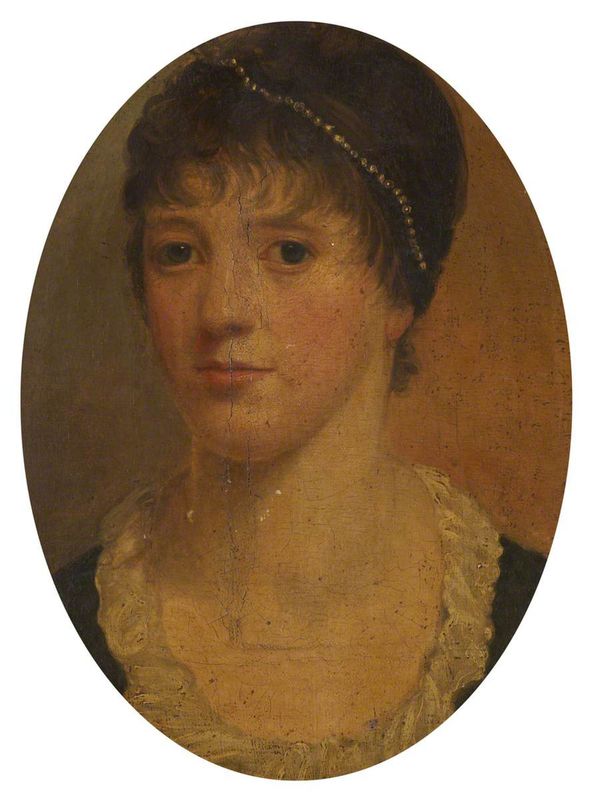
Mrs Jackson
Thomas Stewardson · 1800 · Abbot Hall Art Gallery
 Same era · 1770s–1800s
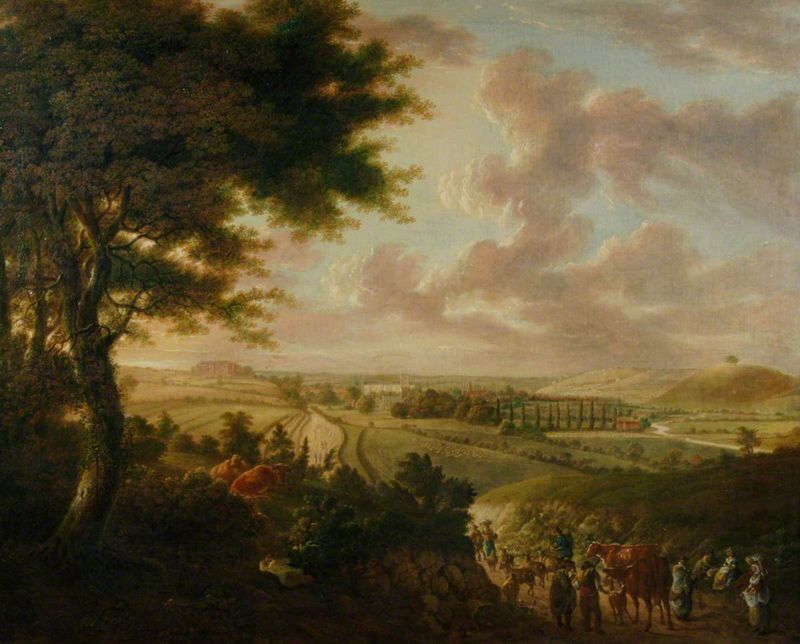
Winchester from the South
Tobias Young · 1803 · Winchester Guildhall
 Same era · 1770s–1800s
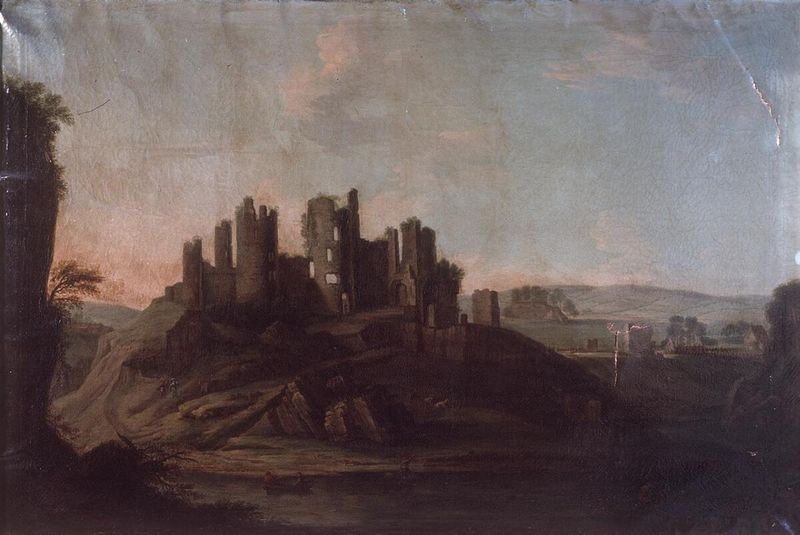
Cilgerran Castle
William Havell · 1805 · National Museum Cardiff