
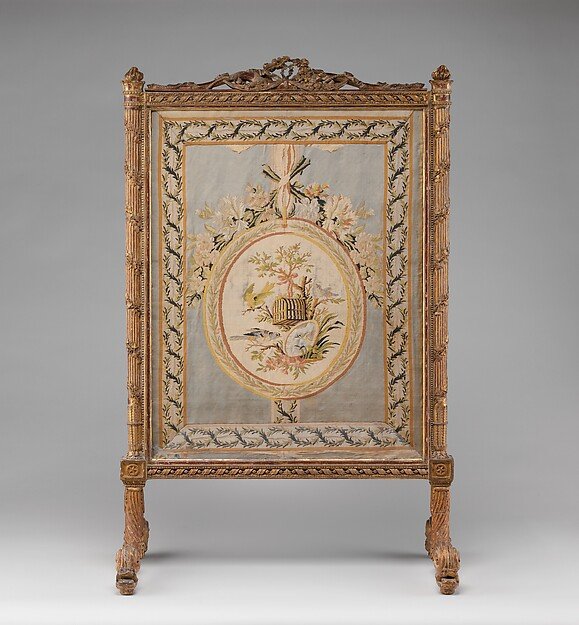
“Stop to admire this exquisitely carved fire screen, a functional yet highly decorative piece of 18th-century French furniture. Its intricate design and luxurious materials offer a window into the elegant domestic life of the era.”
This elegant fire screen, crafted in 1781, offers a glimpse into the refined domestic interiors of late 18th-century France. Its carved beechwood frame, once gilded and silvered, would have shimmered in candlelight, reflecting the taste for delicate ornamentation during the Louis XVI period. While its silk brocade panel is an 18th-century fabric, it’s not the original textile, which would have been equally luxurious. The screen's primary function was practical: to shield occupants from the intense heat of a roaring fire, preventing discomfort and protecting delicate complexions or furnishings. Yet, its intricate design elevates it beyond mere utility, transforming it into a decorative object that speaks to a desire for both comfort and beauty in the home. The maker, Philippe de la Salle, was primarily a textile designer, making this carved wooden object a rare example of his broader artistic output.
- Artist
- Philippe de la Salle
- Date
- 1781
- Medium
- Carved, gilded and silvered beech; 18th-century silk brocade (not original to frame)
- Location
- The Metropolitan Museum of Art
- Dimensions
- H. 42 x W. 26-3/4 x D. 16-1/4 in. (106.7 x 67.9 x 41.3 cm)
- Collection
- European Sculpture and Decorative Arts
- Culture
- French, Paris
- Credit line
- Gift of Mr. and Mrs. Charles Wrightsman, 1971
What to Notice
Four details hide in plain sight. Here’s where to look.
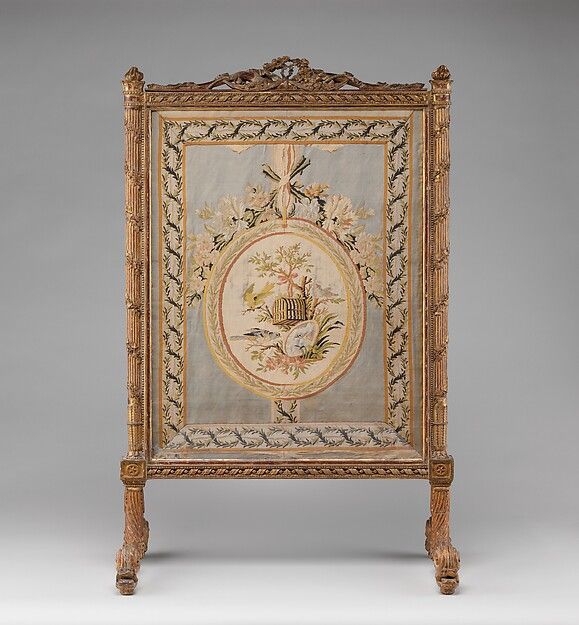
Observe the delicate carving on the frame, especially the floral motifs.
Look at the curving lines of the legs, mimicking classical forms.
Notice the contrast between the carved wood and the soft silk brocade.
Imagine how the gilded and silvered surfaces would have gleamed.
Stand in front of it and listen
The full narration walks you through Fire screen (écran) — the story behind it, the details most visitors miss, and why it matters. Free in the Art Whisper app.
Philippe de la Salle
1723–1804 · FrancePhilippe de la Salle was a master of 18th-century Lyon silk weaving, known for luxurious textiles like his 'Branche de Corail'.
Further Works by de la Salle
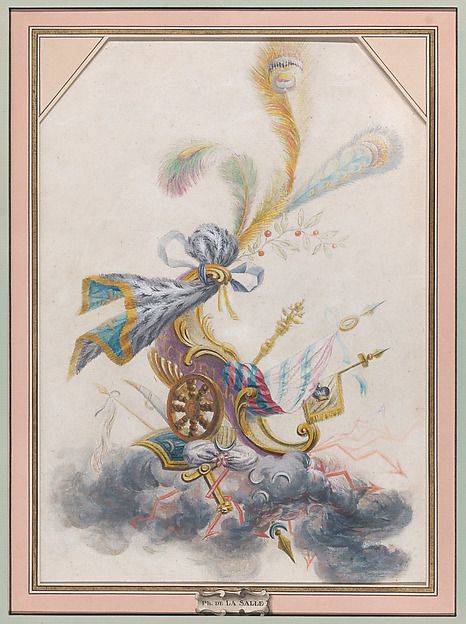 Design for a Lampas Silk with a Triumphal Chariot on a Cloud
1765 · The Metropolitan Museum of Art
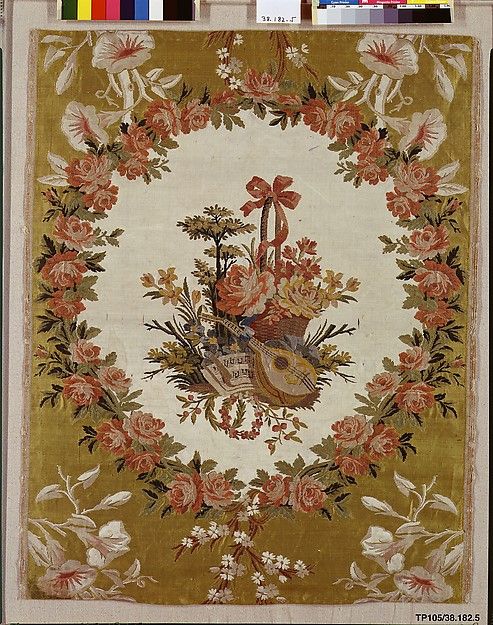 Chair back
1765 · The Metropolitan Museum of Art
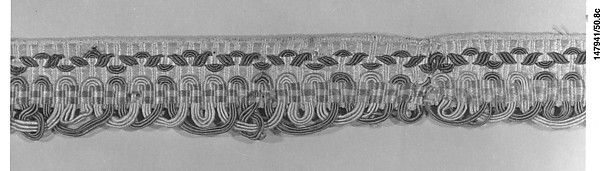 Upholstery passementerie
1750 · The Metropolitan Museum of Art
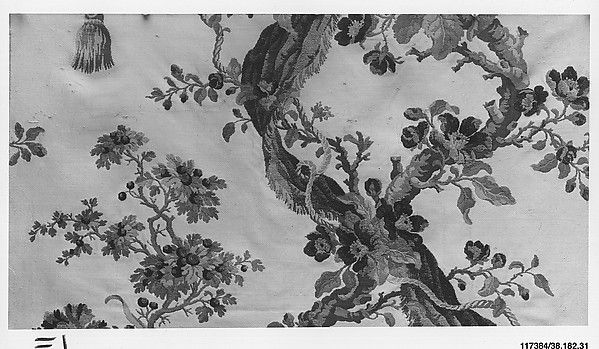 Fragment of woven silk
1760 · The Metropolitan Museum of Art
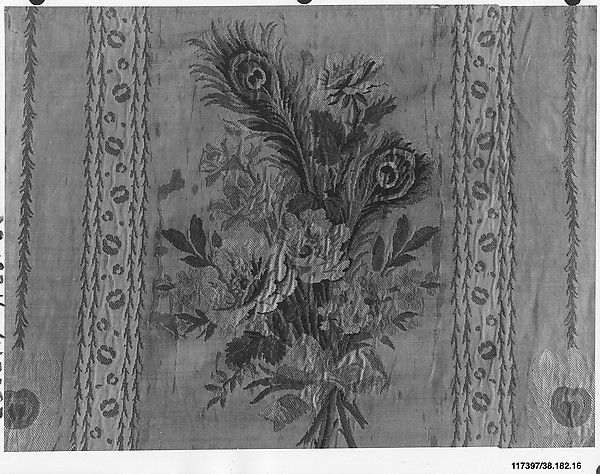
 Length of upholstery silk
1760 · The Metropolitan Museum of Art
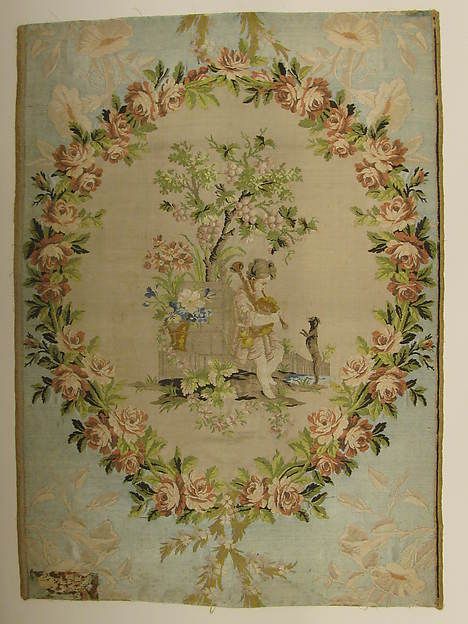
 Panel of upholstery silk
1765 · The Metropolitan Museum of Art
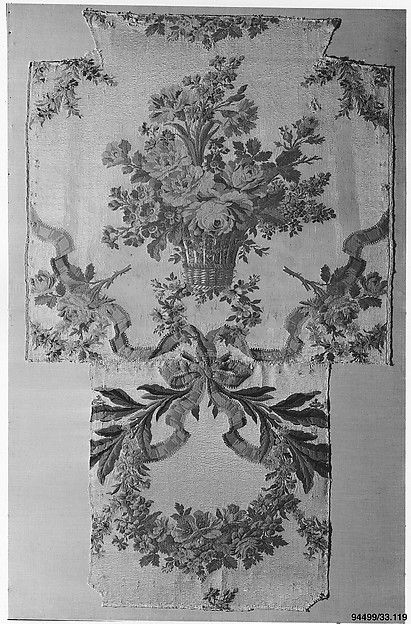 Woven silk upholstery for a chair
1765 · The Metropolitan Museum of Art
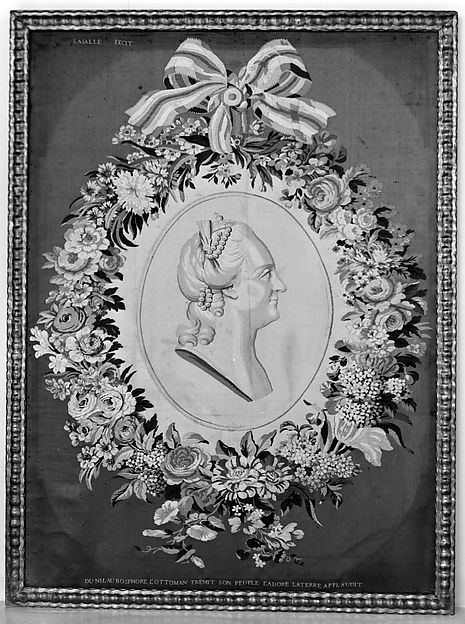 Catherine II of Russia
1766 · The Metropolitan Museum of Art
More works to explore
Beyond de la Salle: works from the same years.
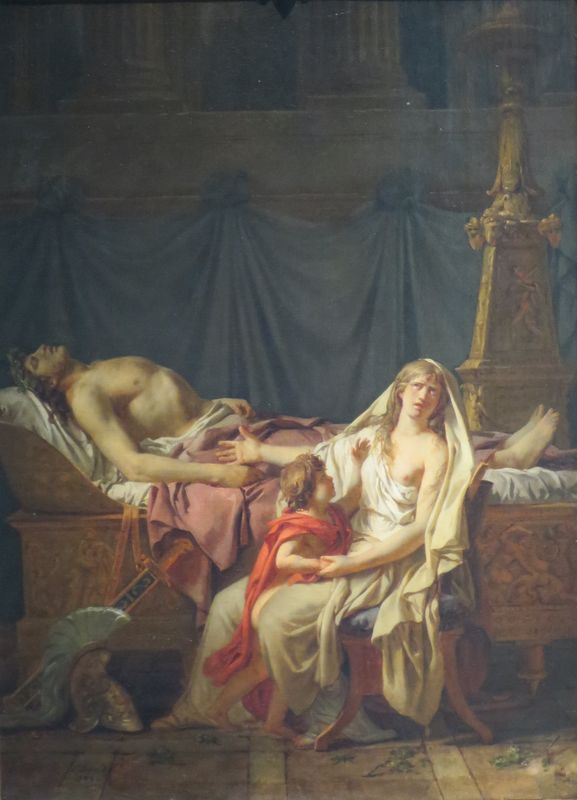 Same era · 1760s–1790s
Andromache Mourning Hector
Jacques-Louis David · 1783 · Pushkin Museum of Fine Arts
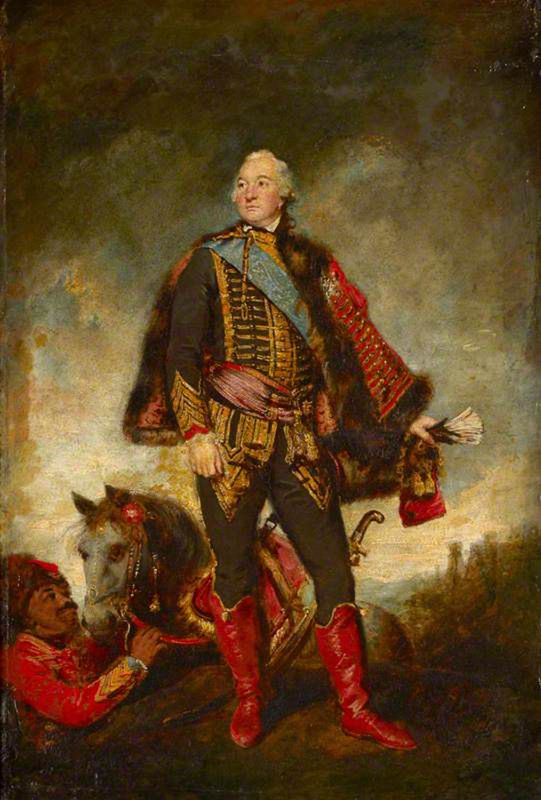 Same era · 1760s–1790s
Louis-Philippe-Joseph, Duke of Orleans 'Philippe Egalité' (1747-1793) (after Sir Joshua Reynolds)
Samuel Drummond · 1785 · National Trust
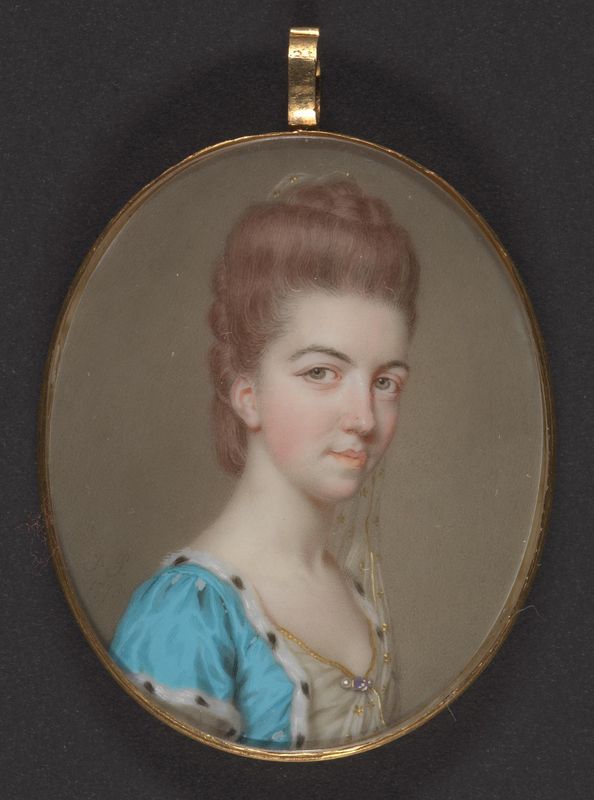 Same era · 1760s–1790s
Portrait of a Lady
John Smart of Ipswich · 1773 · Yale Center for British Art
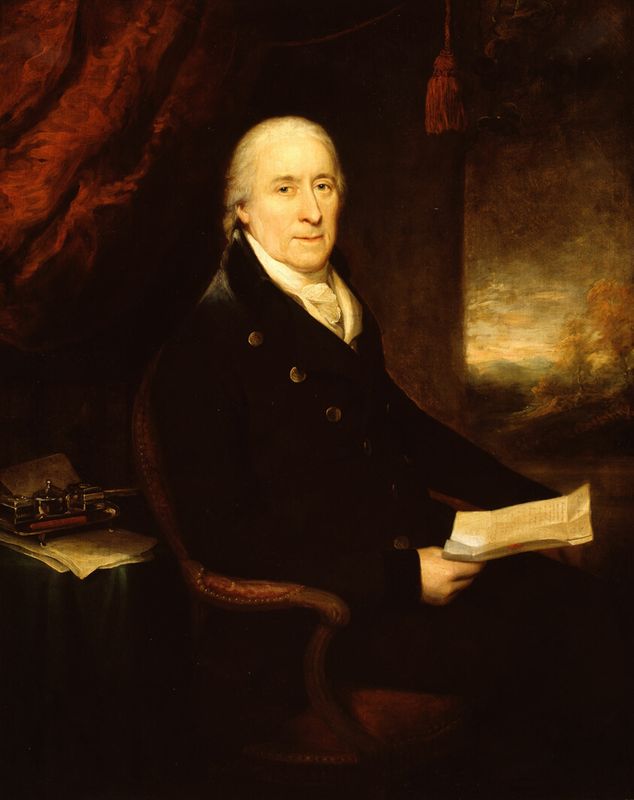 Same era · 1760s–1790s
Portrait of a Man
Benjamin West · 1790 · Art Institute of Chicago
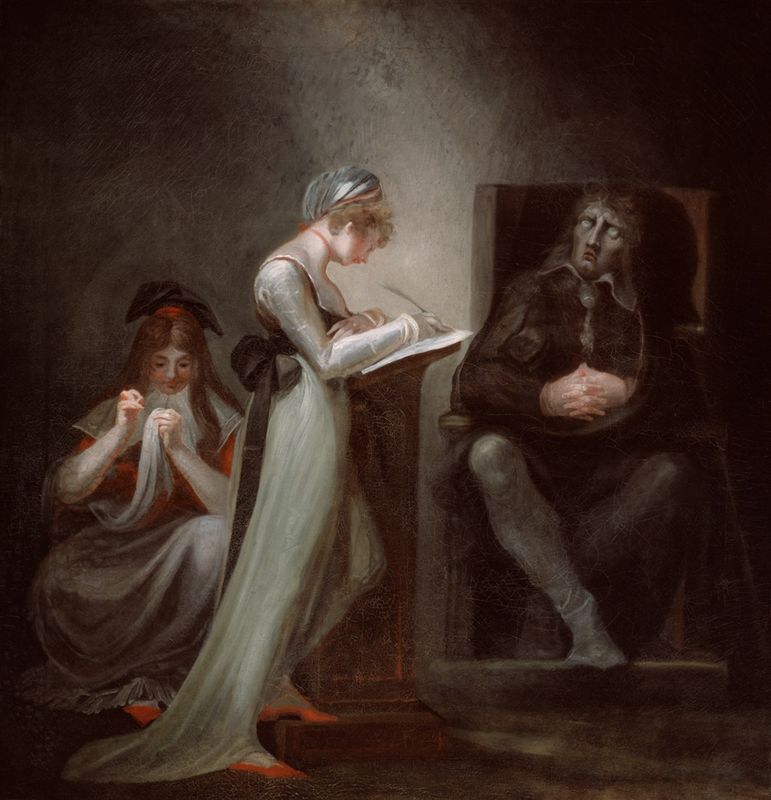 Same era · 1760s–1790s
Milton Dictating to His Daughter
Henry Fuseli · 1794 · Art Institute of Chicago
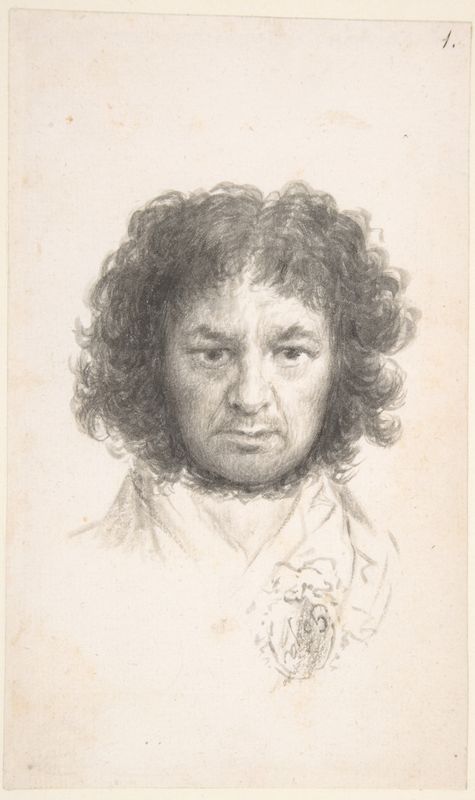 Same era · 1760s–1790s
Self-Portrait
Francisco Goya · 1783 · Musée des Beaux-Arts d'Agen
 Same era · 1760s–1790s
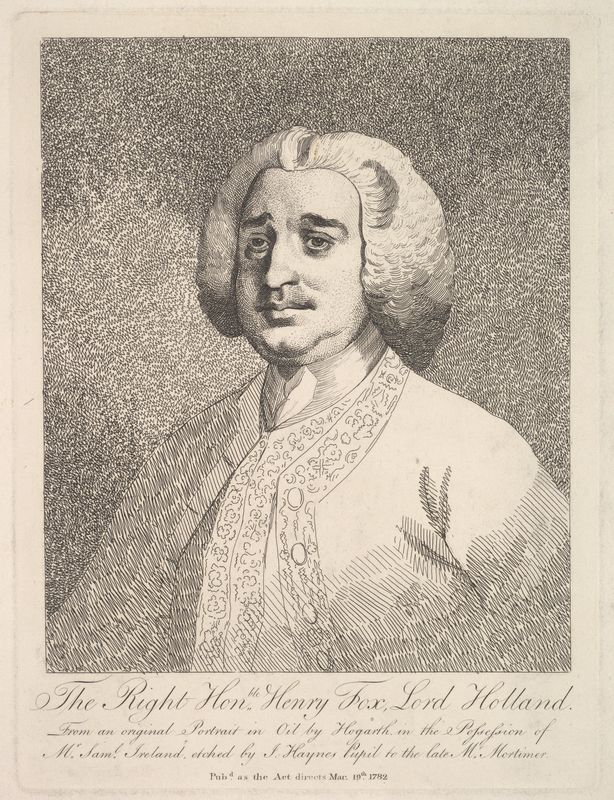
The Right Honorable Henry Fox, Lord Holland
William Hogarth · 1782 · The Metropolitan Museum of Art
 Same era · 1760s–1790s
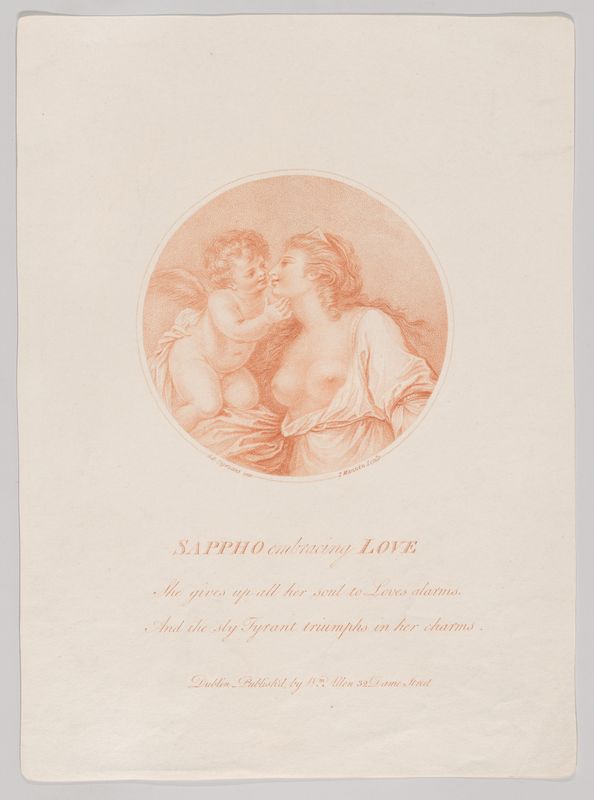
Sappho embracing Love
John Mannin · 1786 · The Metropolitan Museum of Art
 Same era · 1760s–1790s
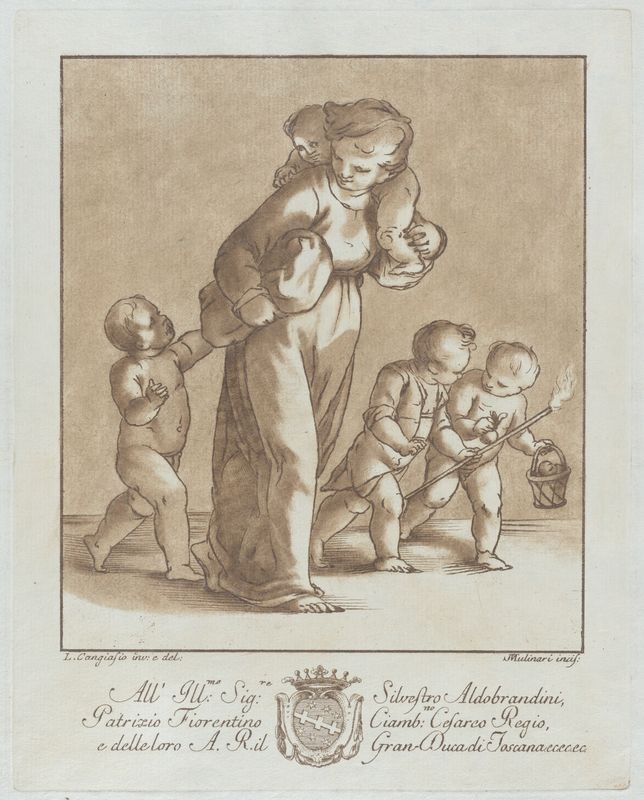
A young girl walks towards the left with one infant on her shoulder and holding another small child's hand, while two children walk at right with a torch and a basket
Luca Cambiaso · 1775 · The Metropolitan Museum of Art
 Same era · 1760s–1790s
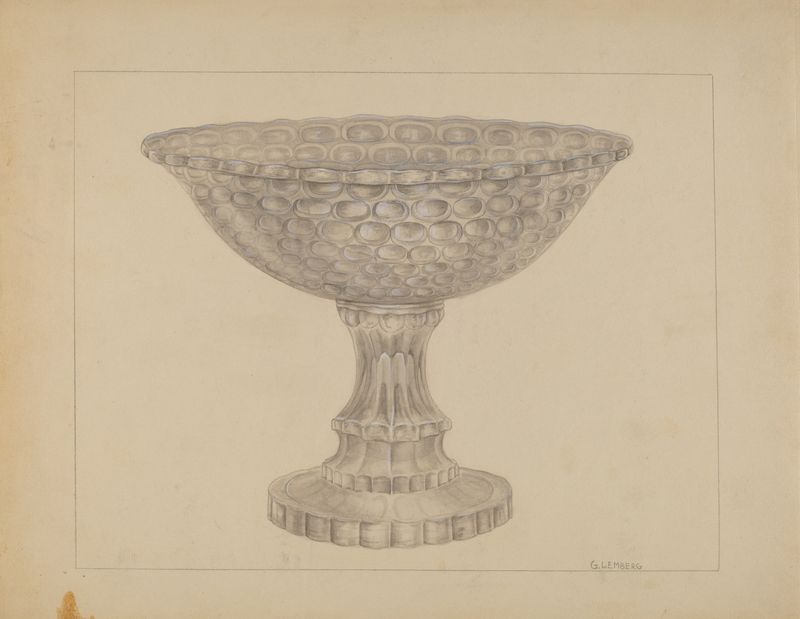
Punch Bowl
Artist Unknown - The Mercat Cross, Aberdeen · 1789 · Art Institute of Chicago
 Same era · 1760s–1790s
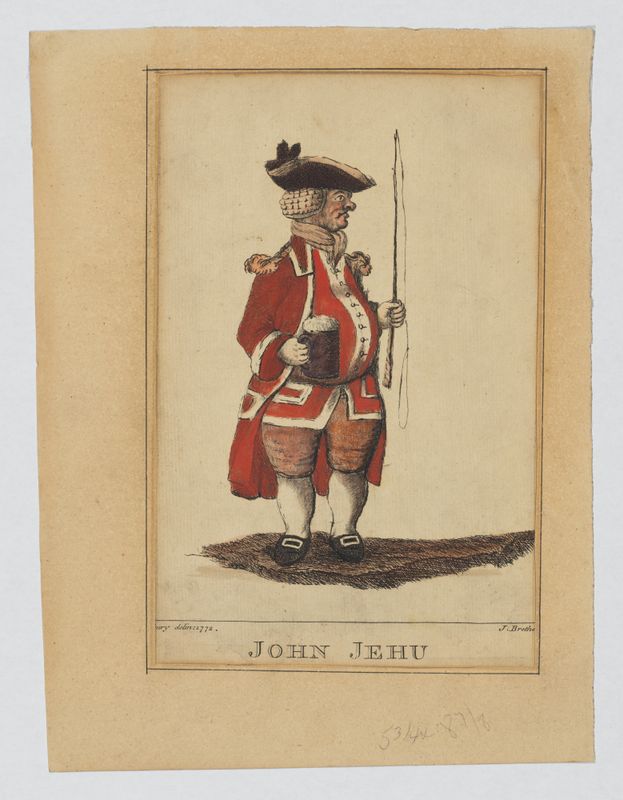
John Jehu, L'Inghilterra
James Bretherton · 1772 · The Metropolitan Museum of Art
 Same era · 1760s–1790s
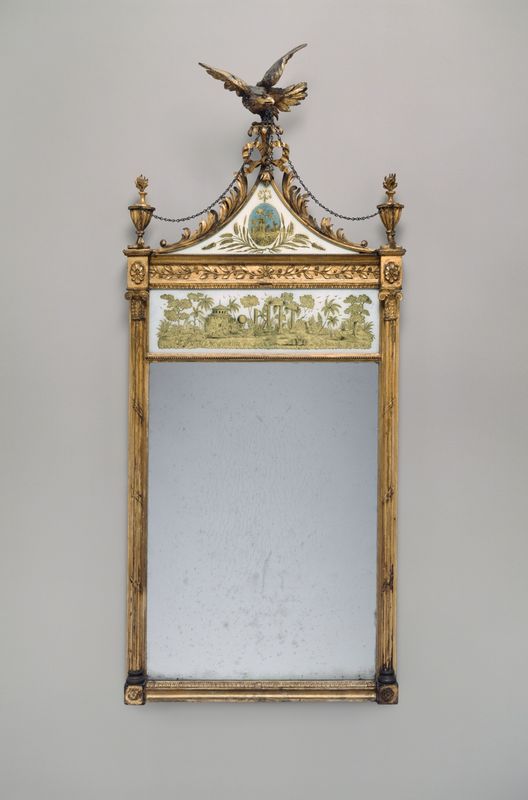
Looking Glass
unknown composer author · 1790 · Art Institute of Chicago