
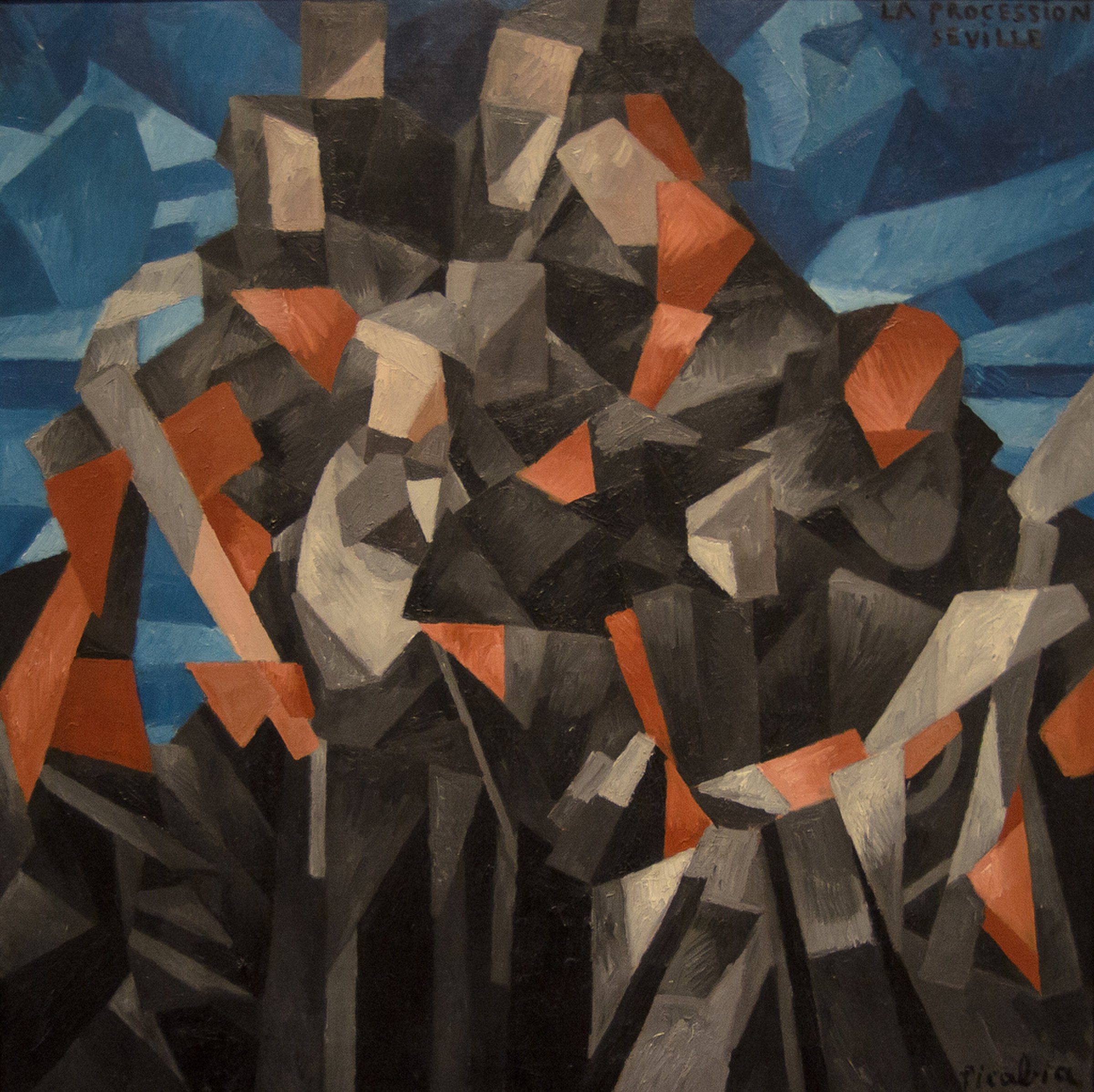
DETAILS
- Artist
- Francis Picabia
- Date
- 1912
- Location
- National Gallery of Art
ART MOVEMENTS
AUDIO DEEP DIVE
Stand in front of it and listen
The full narration walks you through The Procession, Seville — the story behind it, the details most visitors miss, and why it matters. Free in the Art Whisper app.
THE ARTIST
Francis Picabia
Francis Picabia, a "shape-shifting" avant-garde artist, moved fluidly between Cubism, Dada, and Surrealism, famously incorporating matchsticks and hairpins into his paintings.
EXPLORE THE MOVEMENT
More from Dadaism
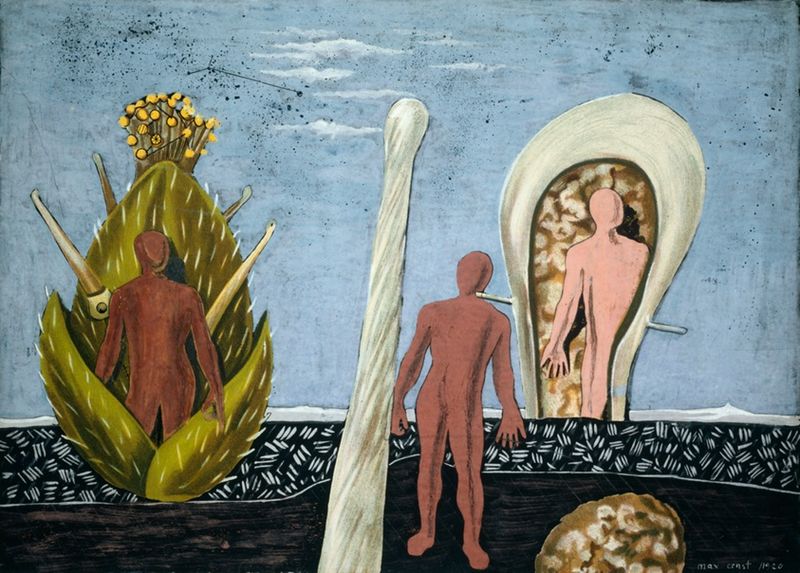
KEEP EXPLORING
More works to explore
Beyond Picabia and Dadaism: works from the same years, and from the other movements The Procession, Seville belongs to.
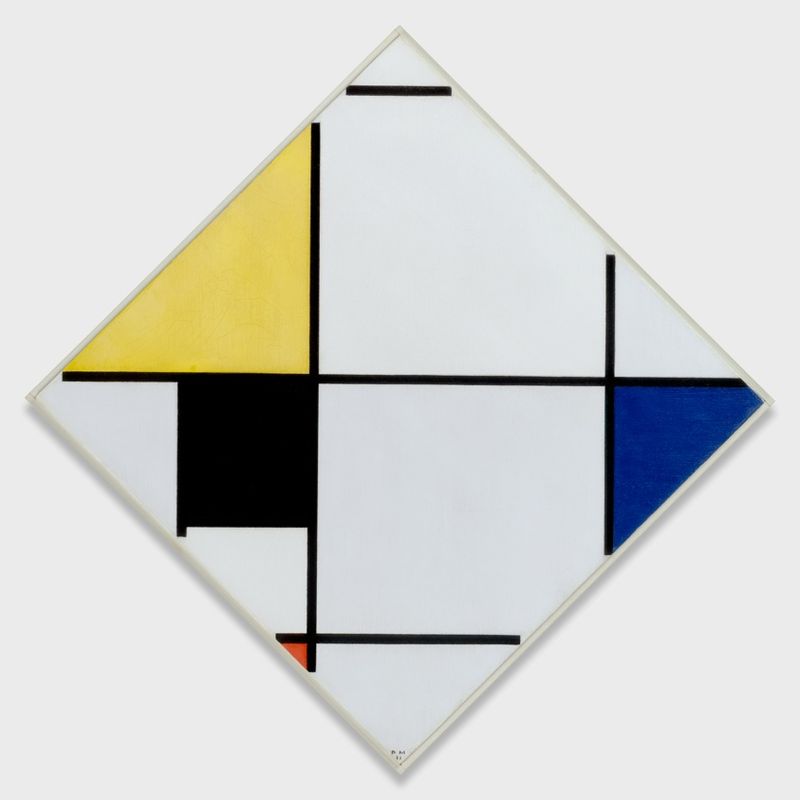 Same movement · Orphism
Lozenge Composition with Yellow, Black, Blue, Red, and Gray
Piet Mondrian · 1921 · Art Institute of Chicago
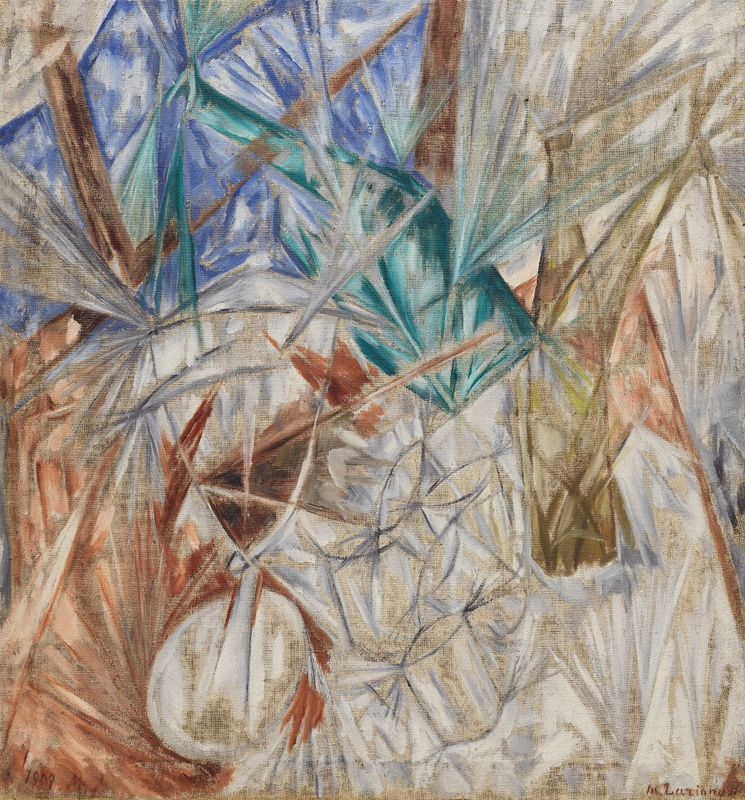 Same era · 1890s–1920s
Glass
Mikhail Larionov · 1912 · Solomon R. Guggenheim Museum
 Same era · 1890s–1920s
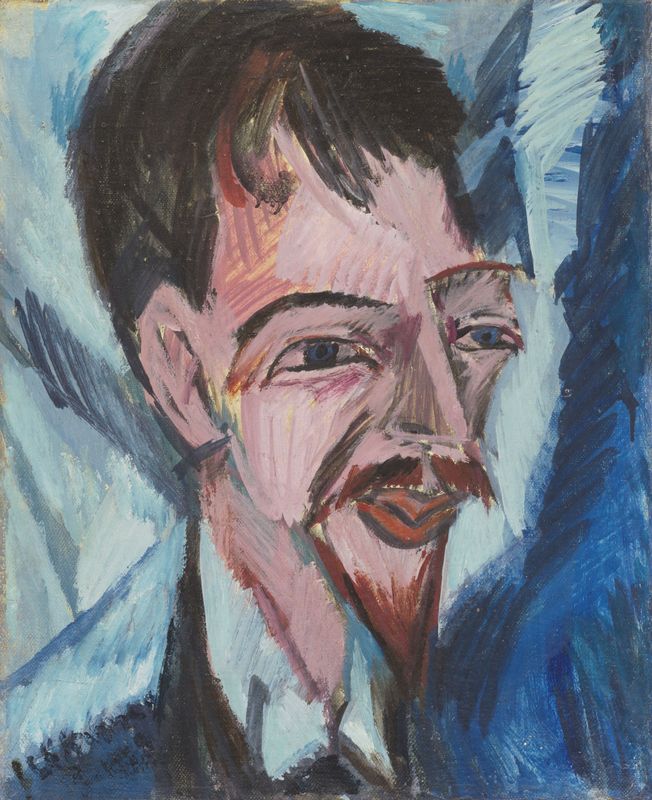
Portrait of Alfred Döblin
Ernst Ludwig Kirchner · 1912 · Busch–Reisinger Museum
 Same era · 1890s–1920s
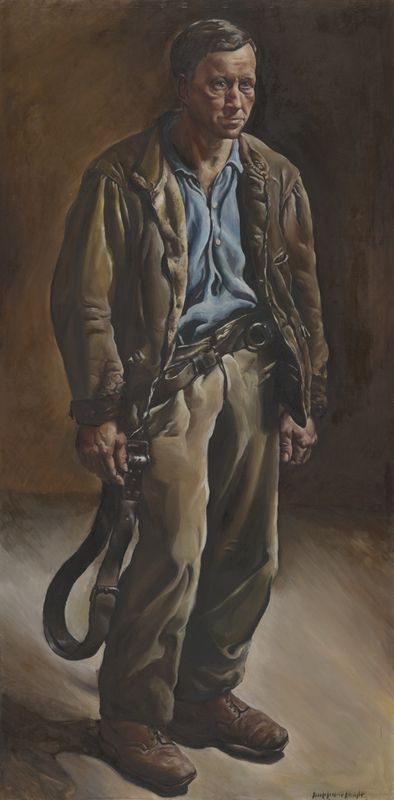
The Lineman
Ivan Puni · 1927 · Art Institute of Chicago
 Same era · 1890s–1920s
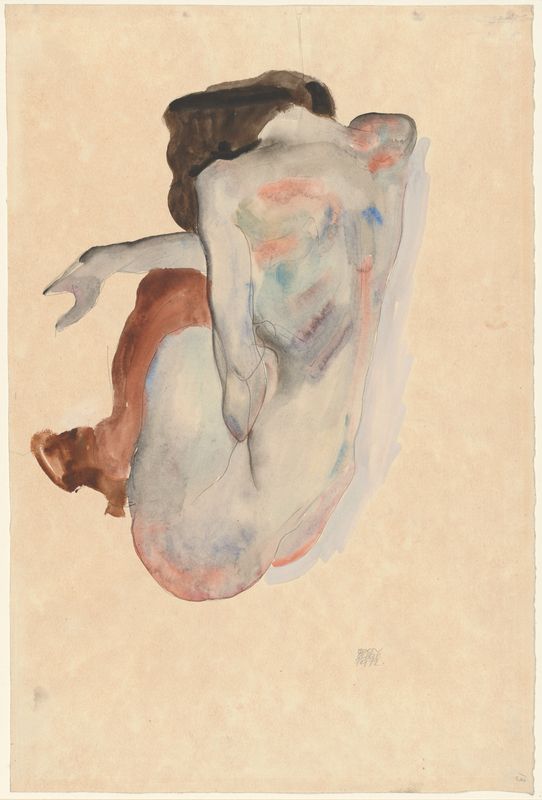
Crouching Nude in Shoes and Black Stockings, Back View
Egon Schiele · 1912 · The Metropolitan Museum of Art
 Same era · 1890s–1920s
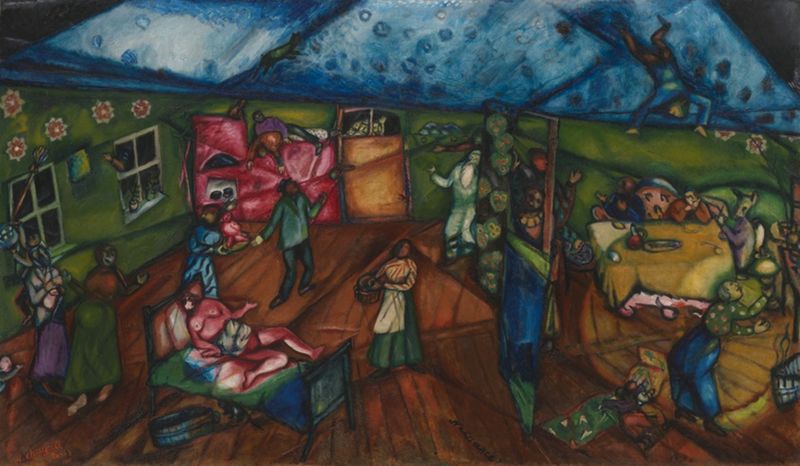
Birth
Marc Chagall · 1911 · Art Institute of Chicago
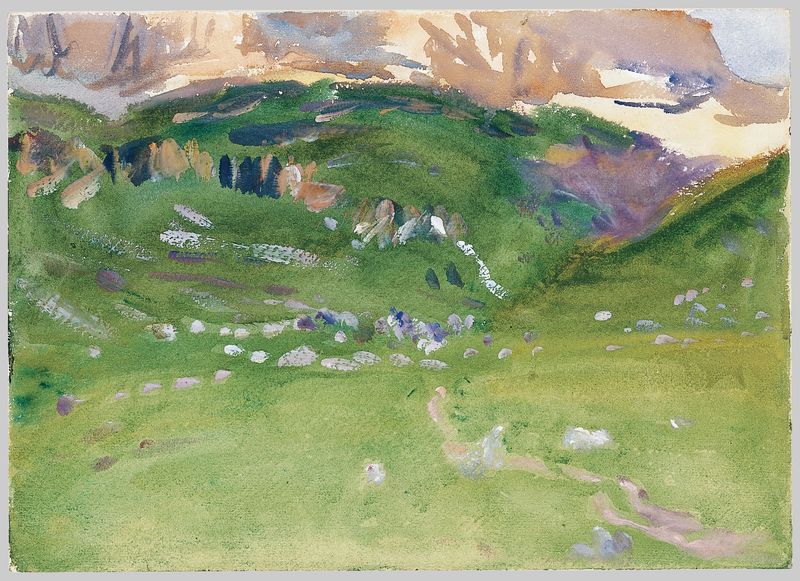 Same era · 1890s–1920s
Sellar Alp, Dolomites
John Singer Sargent · 1913 · The Metropolitan Museum of Art
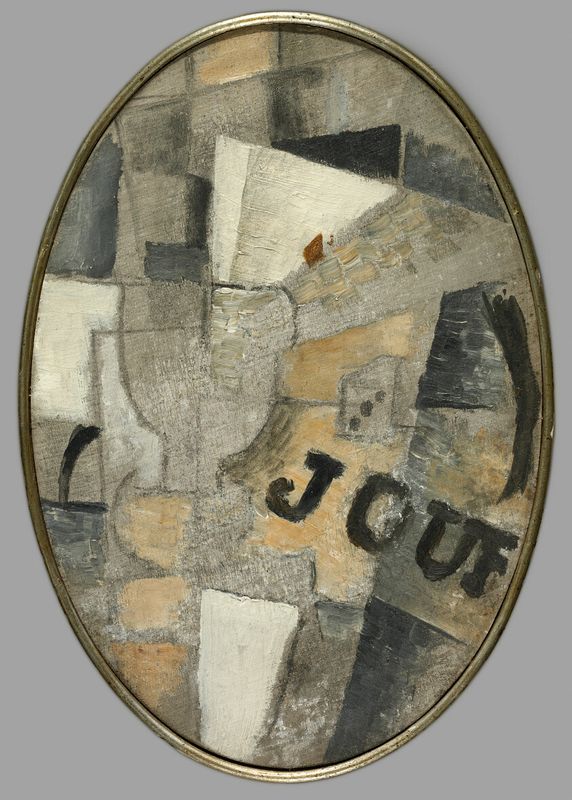 Same era · 1890s–1920s
Still Life with Glass, Dice, Newspaper and Playing Card
Georges Braque · 1913 · Art Institute of Chicago
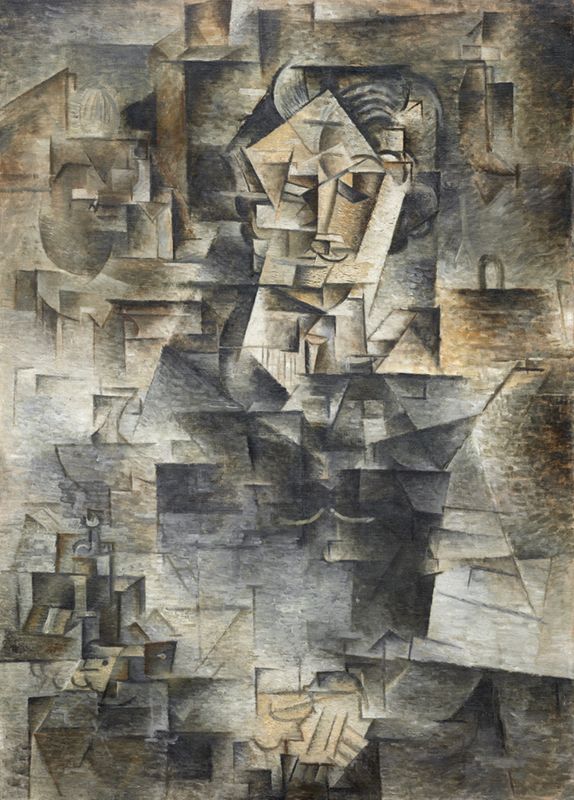 Same era · 1890s–1920s
Daniel-Henry Kahnweiler
Pablo Picasso · 1910 · Art Institute of Chicago
 Same era · 1890s–1920s
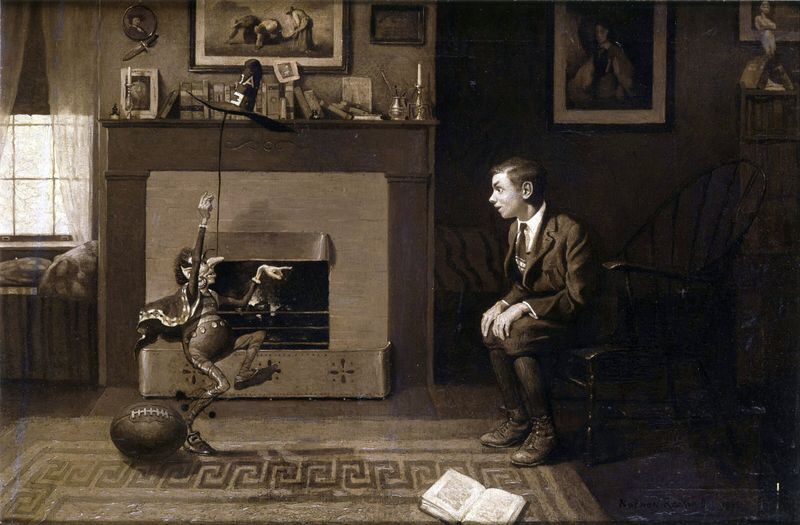
The Magic Foot-ball, 'I thought you were wrong,' he said in triumph. 'You said it was nine! Stupid!'
Norman Rockwell · 1914 · Norman Rockwell Museum
 Same era · 1890s–1920s
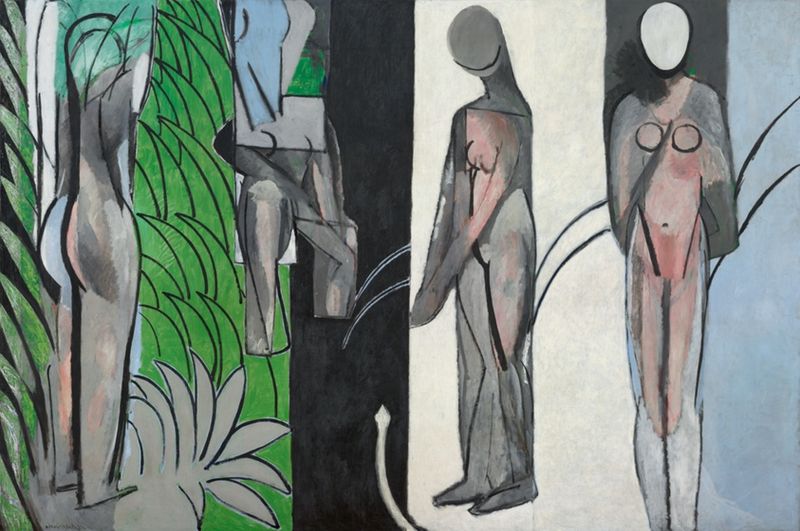
Bathers by a River
Henri Matisse · 1909 · Art Institute of Chicago
 Same era · 1890s–1920s
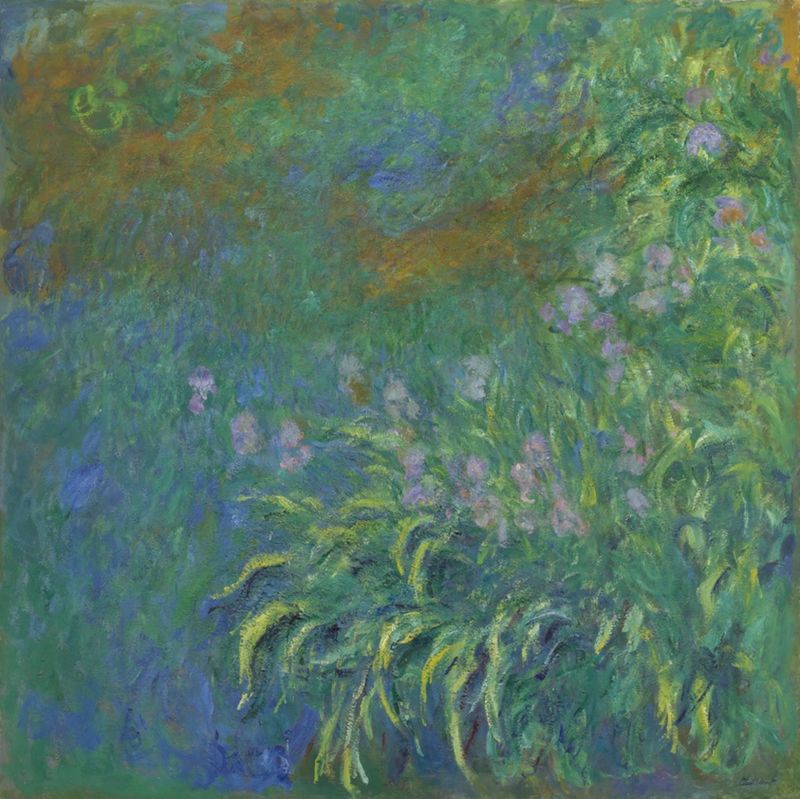
Irises
Claude Monet · 1915 · National Gallery
 Same era · 1890s–1920s
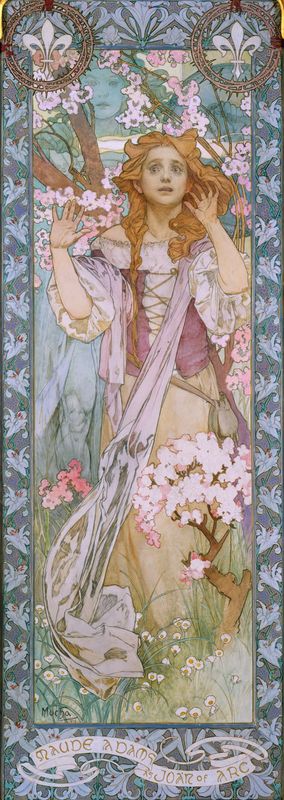
Maude Adams (1872–1953) as Joan of Arc
Alphonse Mucha · 1909 · The Metropolitan Museum of Art