
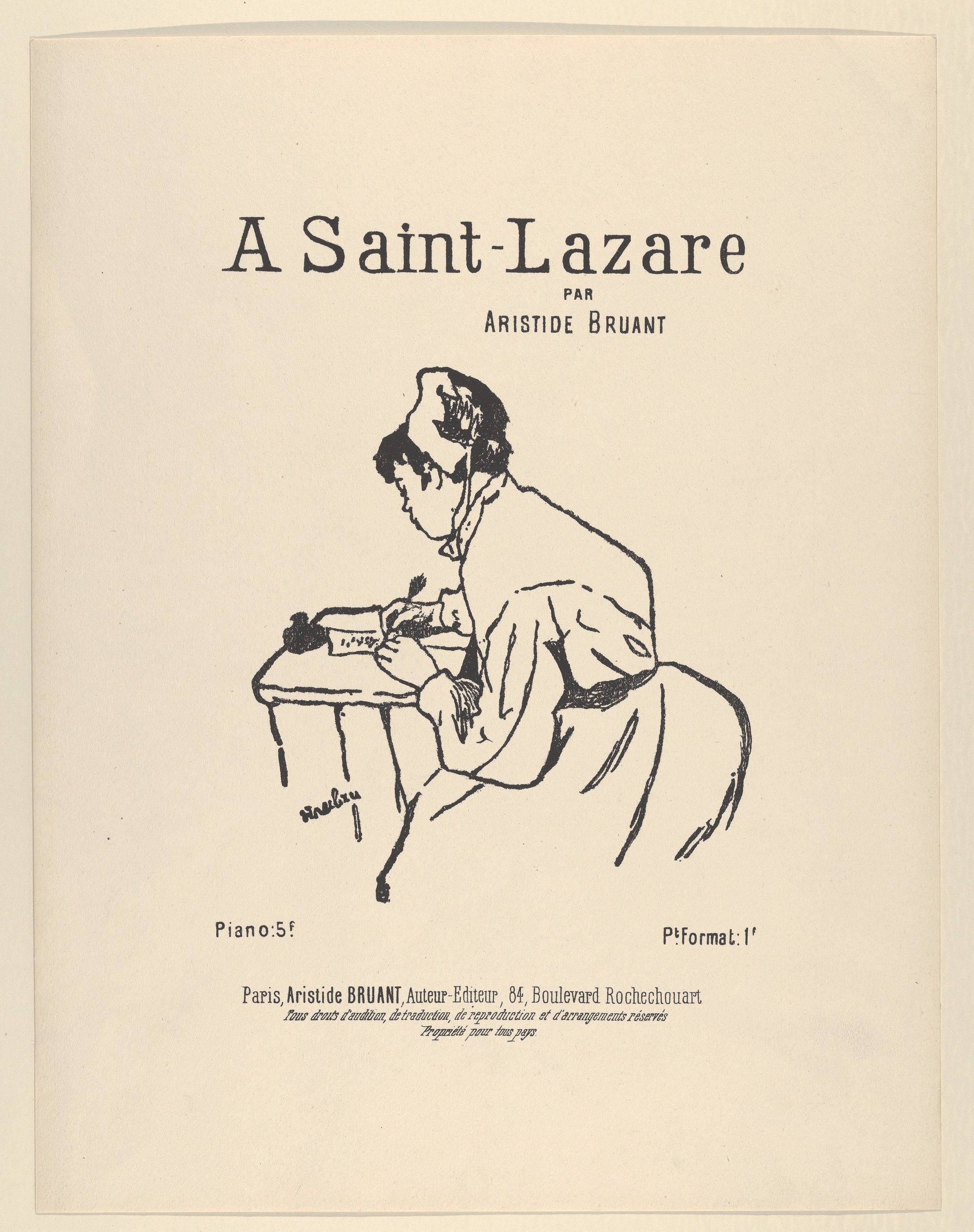
“This striking lithograph captures the famous cabaret singer Aristide Bruant, embodying the bold spirit of Parisian nightlife and poster art in the late 19th century. It's an early glimpse into the artist's fascination with the city's vibrant entertainment scene.”
This lithograph plunges us into the vibrant, sometimes gritty, world of late 19th-century Parisian entertainment. We see the famous cabaret singer Aristide Bruant, instantly recognizable by his signature red scarf and wide-brimmed black hat, standing with a cane. His posture is confident, almost defiant, capturing the essence of his stage persona. The stark lines and bold, flat colors (even in reproduction) are typical of poster art from this period, designed to grab attention and convey a message quickly. The image, though simple, evokes the atmosphere of the Montmartre district, a hub for artists and performers. It reflects a time when public spaces and popular culture were becoming central subjects for art, moving beyond traditional portraiture or grand historical scenes. This work, created in the early 1880s, captures a moment before the artist became deeply immersed in the nightlife of the Moulin Rouge, yet it already shows his keen eye for character and the theatrical.
- Artist
- Henri de Toulouse-Lautrec
- Date
- 1882
- Medium
- Reproduction: lithograph
- Location
- The Metropolitan Museum of Art
- Dimensions
- Image: 13 3/4 × 10 5/8 in. (35 × 27 cm)
- Collection
- Drawings and Prints
- Credit line
- Gift of Ferdinand H. Davis
What to Notice
Four details hide in plain sight. Here’s where to look.
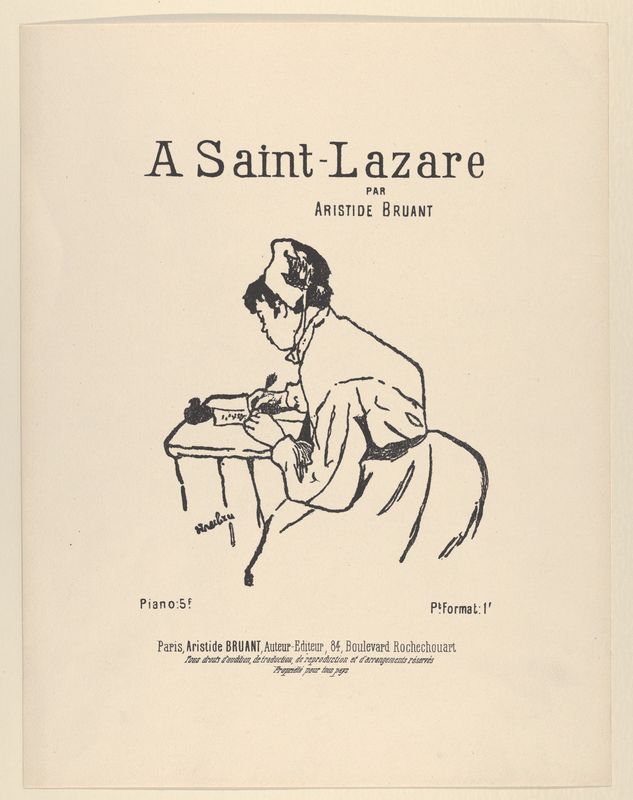
The singer's iconic red scarf, a visual trademark.
The stark, almost silhouette-like figure of Bruant.
The bold, blocky lettering of the title and name.
The cane, held casually, adding to his confident stance.
Stand in front of it and listen
The full narration walks you through A Saint-Lazare par Aristide Bruant — the story behind it, the details most visitors miss, and why it matters. Free in the Art Whisper app.
Henri de Toulouse-Lautrec
1864–1901 · FranceHenri de Toulouse-Lautrec, the aristocratic artist of fin-de-siècle Paris, immortalized the vibrant, often scandalous, life of Montmartre's cabarets and brothels.
Further Works by de Toulouse-Lautrec
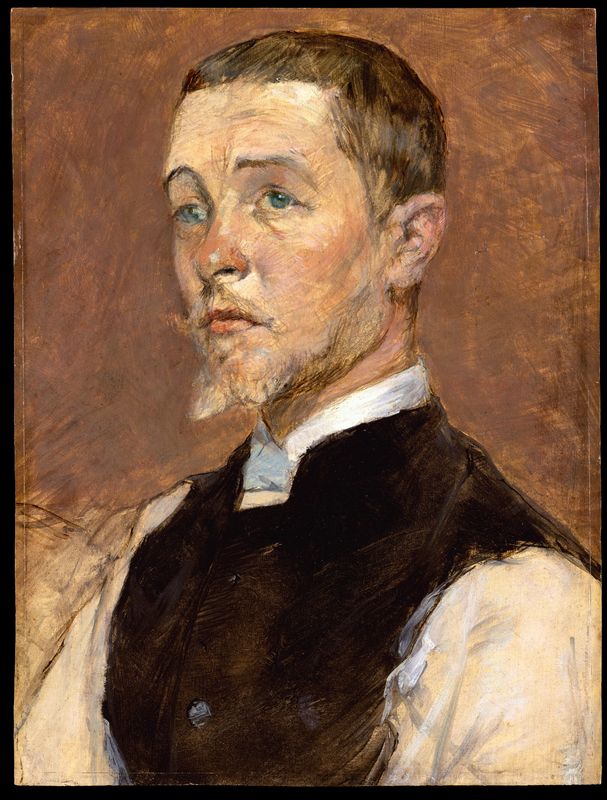 Albert (René) Grenier (1858–1925)
1887 · The Metropolitan Museum of Art
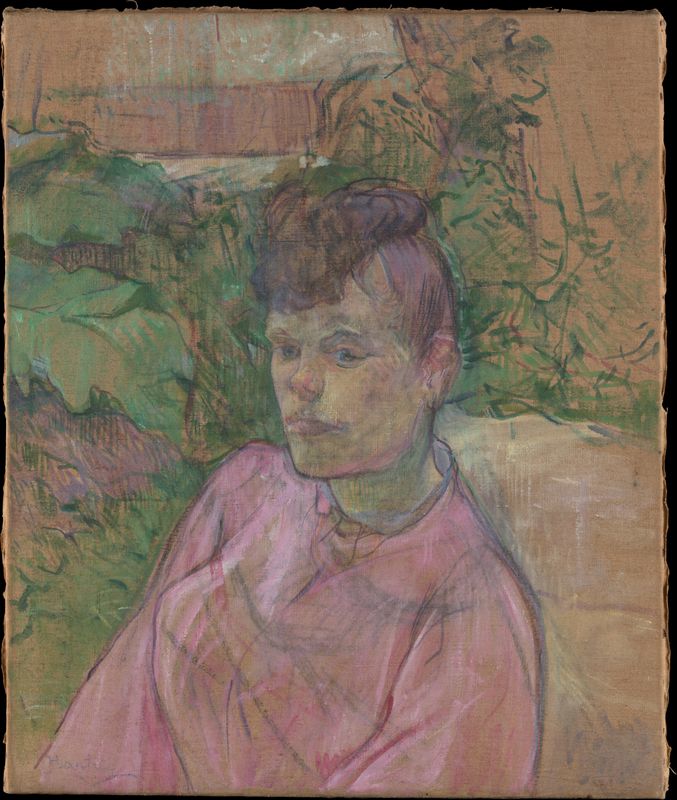 Woman in the Garden of Monsieur Forest
1889 · The Metropolitan Museum of Art
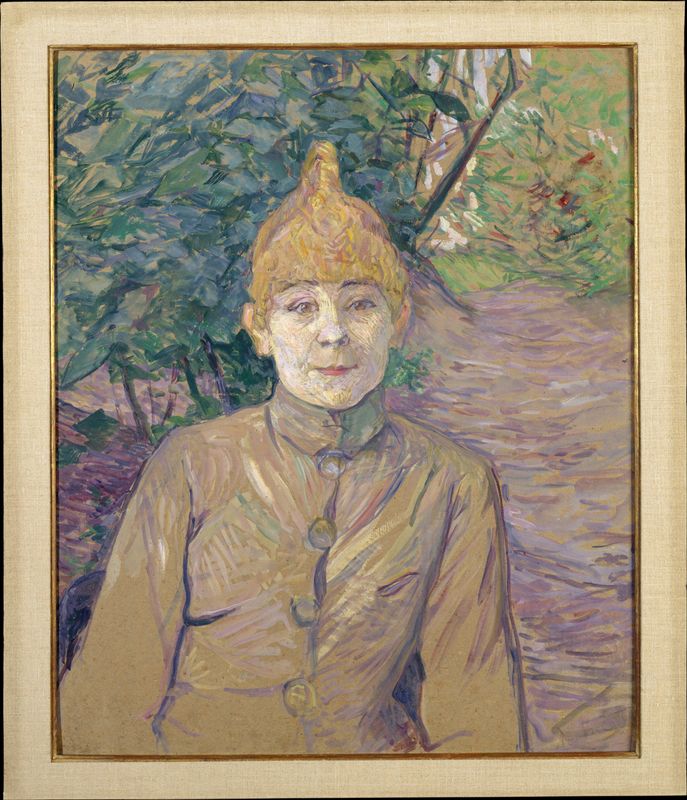 The Streetwalker
1890 · The Metropolitan Museum of Art
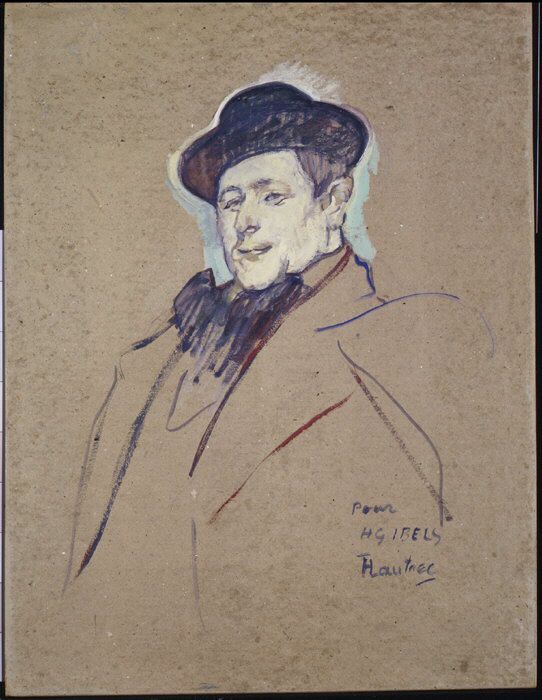 Henri-Gabriel Ibels (1867–1936)
1892 · The Metropolitan Museum of Art
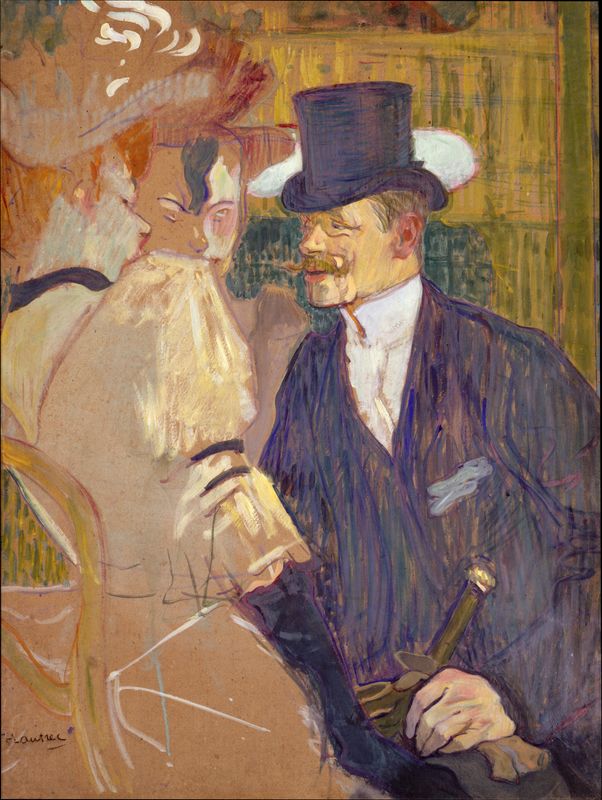 The Englishman (William Tom Warrener, 1861–1934) at the Moulin Rouge
1892 · The Metropolitan Museum of Art
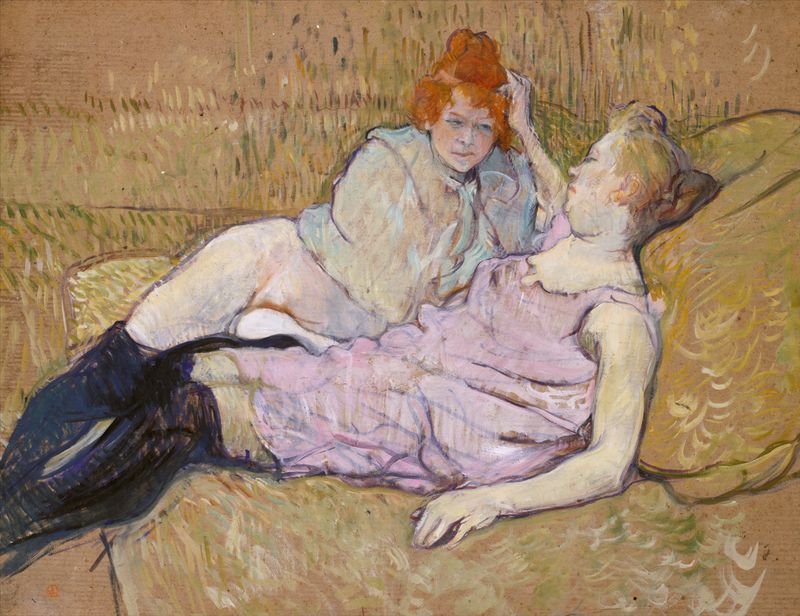 The Sofa
1894 · The Metropolitan Museum of Art
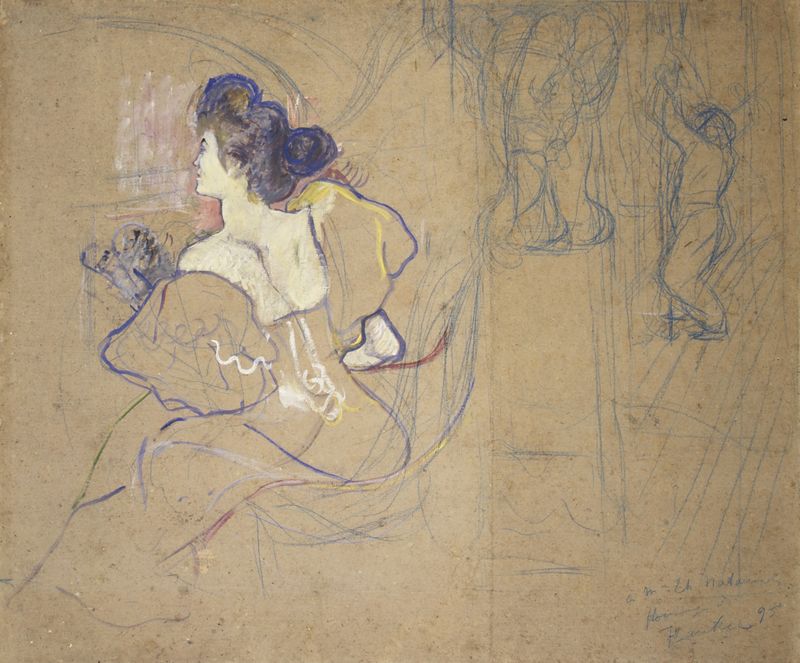 Madame Thadée Natanson (Misia Godebska, 1872–1950) at the Theater
1895 · The Metropolitan Museum of Art
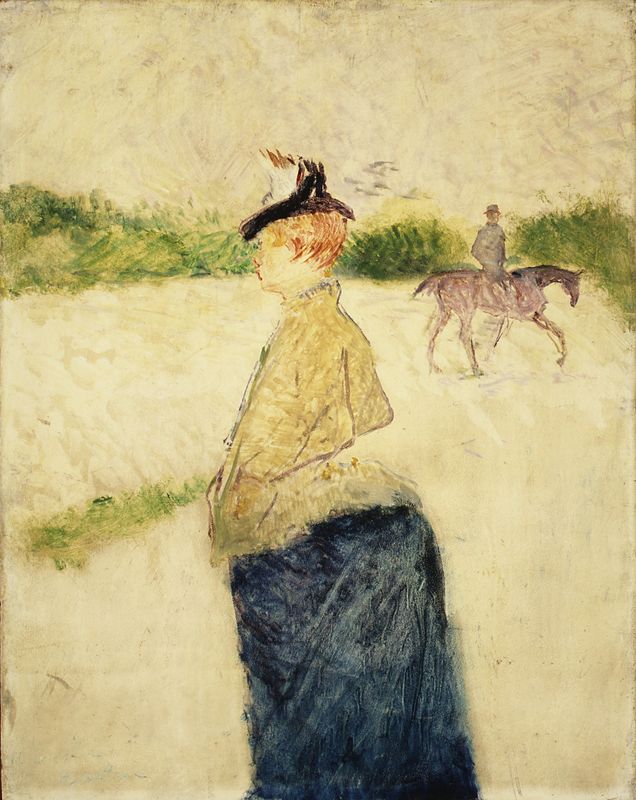 Émilie
1897 · The Metropolitan Museum of Art
More from Post-Impressionism
More works to explore
Beyond de Toulouse-Lautrec and Post-Impressionism: works from the same years.
 Same era · 1860s–1890s
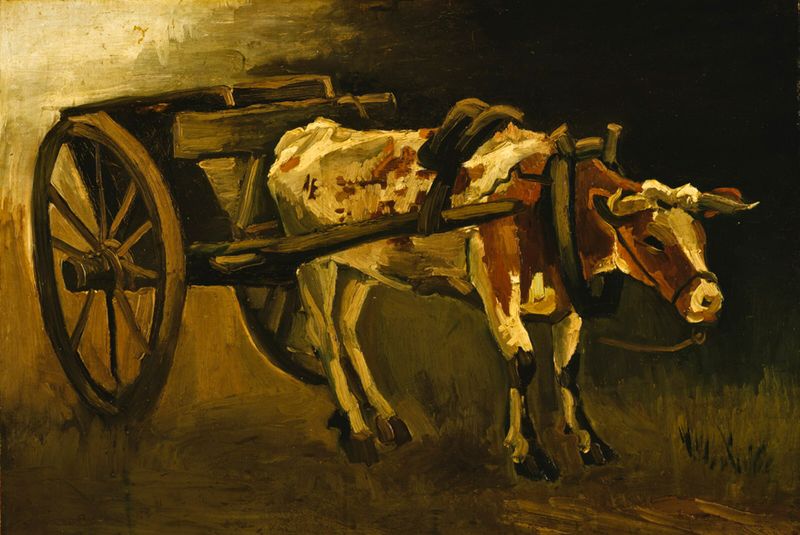
Cart with Red and White Ox
Vincent van Gogh · 1884 · Kröller-Müller Museum
 Same era · 1860s–1890s
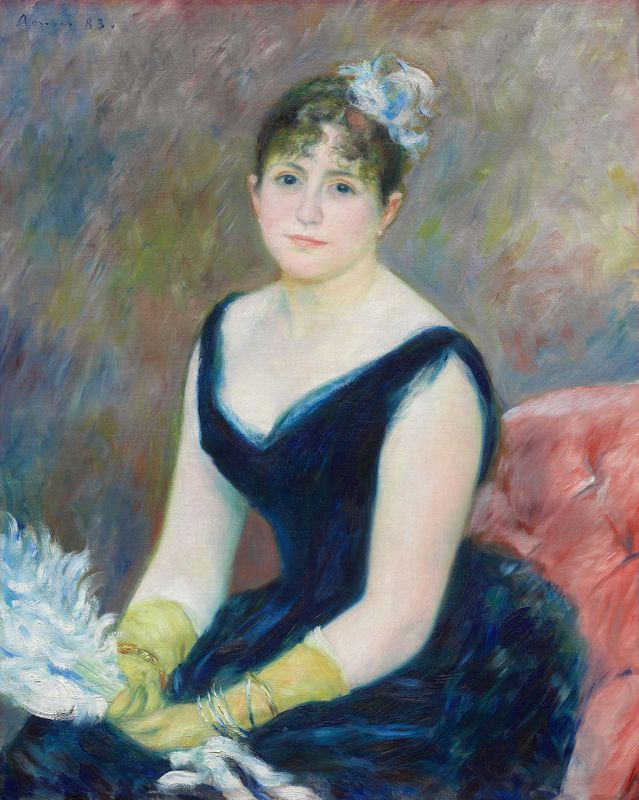
Madame Léon Clapisson
Léon-Victor Dupré · 1883 · Art Institute of Chicago
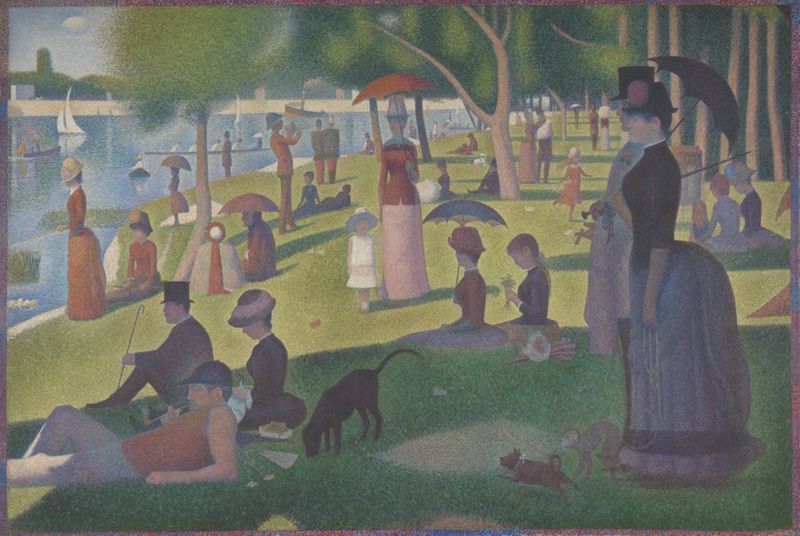 Same era · 1860s–1890s
A Sunday on La Grande Jatte — 1884
Okada Saburosuke · 1884 · Art Institute of Chicago
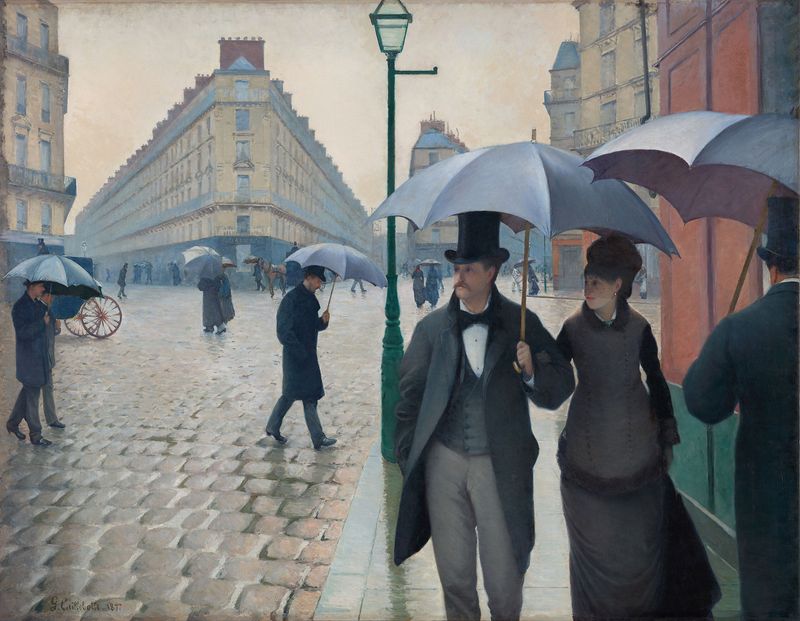 Same era · 1860s–1890s
Paris Street; Rainy Day
Kawabata Gyokushō · 1877 · Art Institute of Chicago
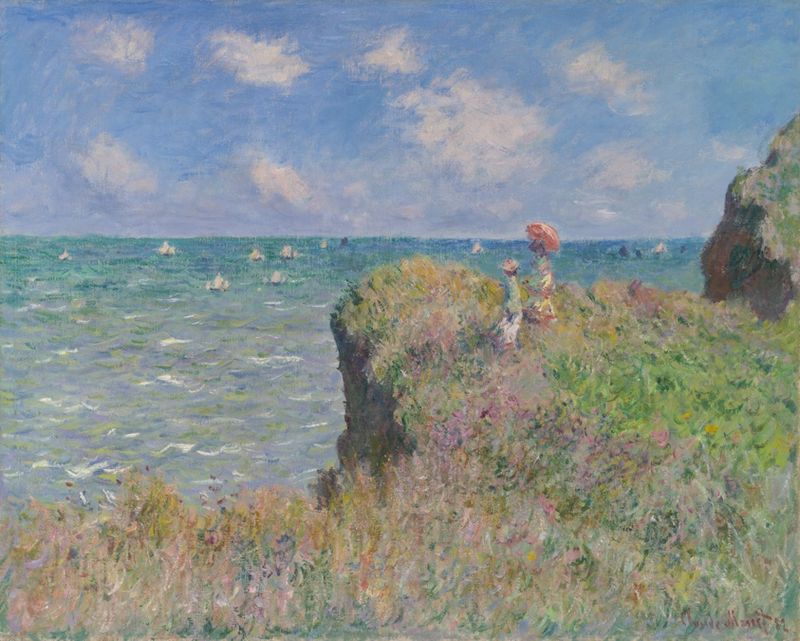 Same era · 1860s–1890s
Cliff Walk at Pourville
Claude Monet · 1882 · Art Institute of Chicago
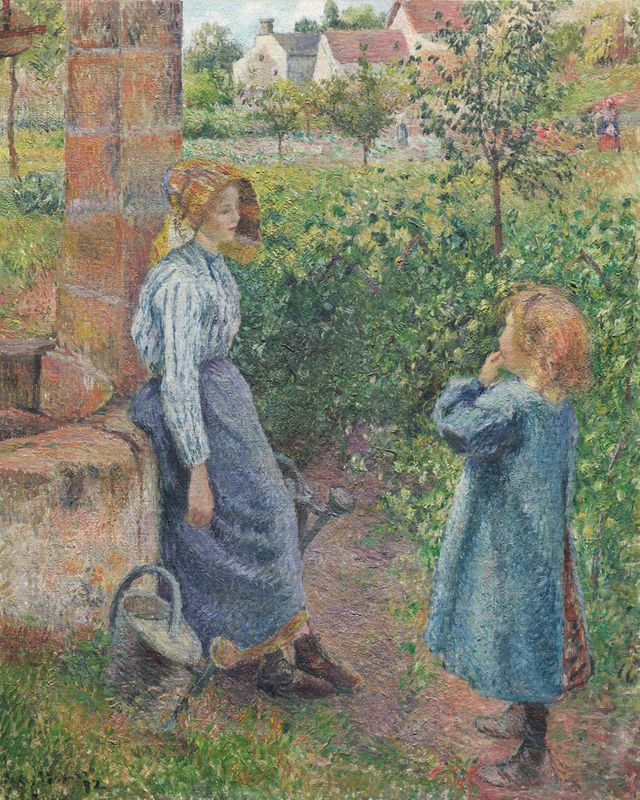 Same era · 1860s–1890s
Woman and Child at the Well
Camille Pissarro · 1882 · Art Institute of Chicago
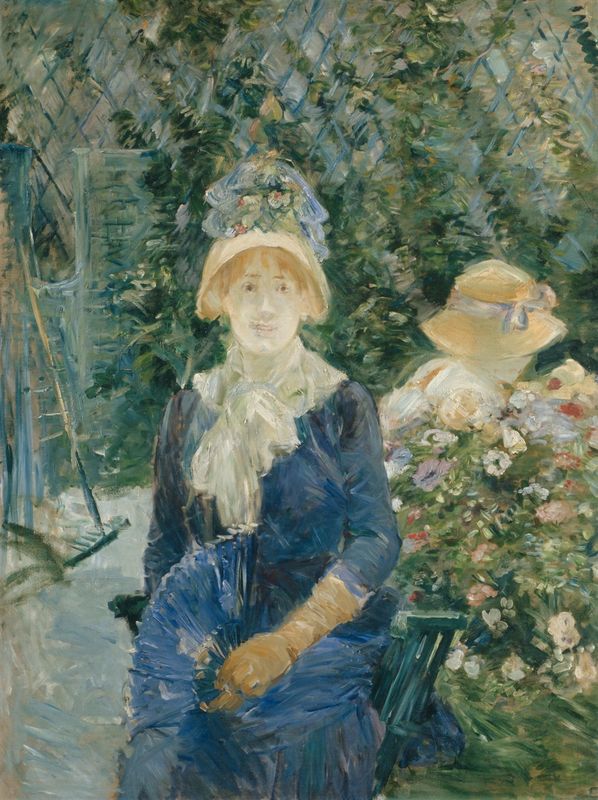 Same era · 1860s–1890s
Woman in a Garden
Berthe Morisot · 1882 · Art Institute of Chicago
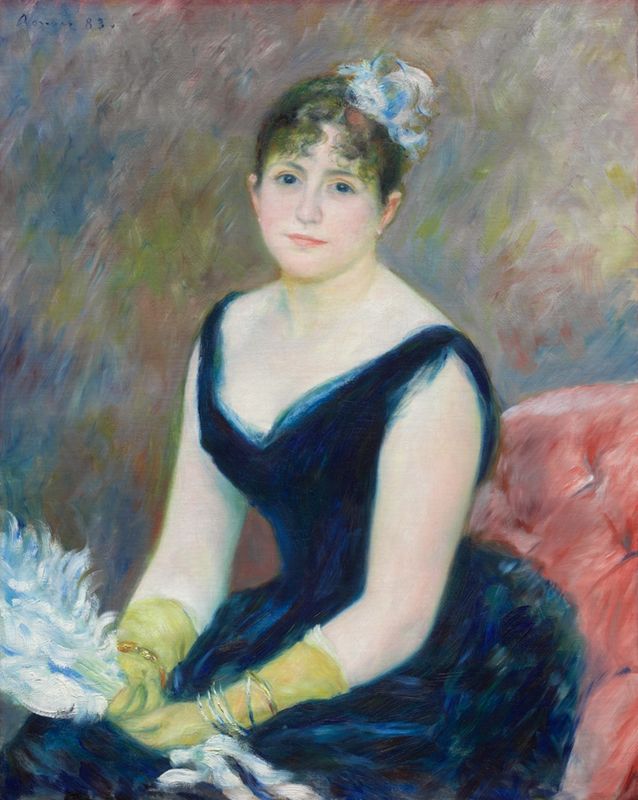 Same era · 1860s–1890s
Madame Léon Clapisson
Pierre-Auguste Renoir · 1883 · Art Institute of Chicago
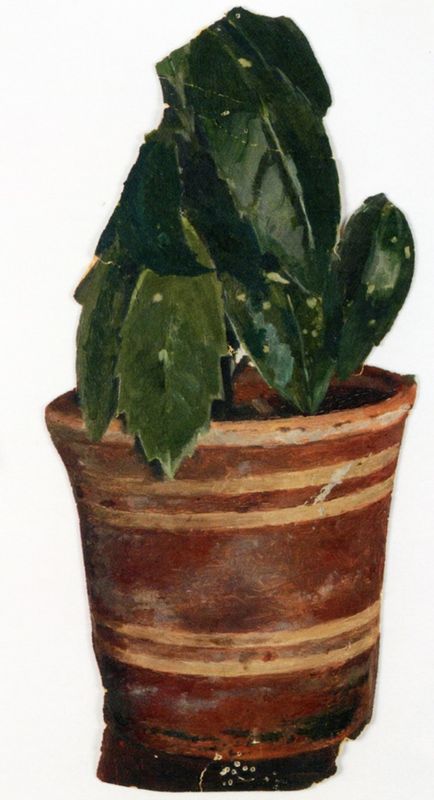 Same era · 1860s–1890s
Potted Plant
Edvard Munch · 1881 · Munch Museum
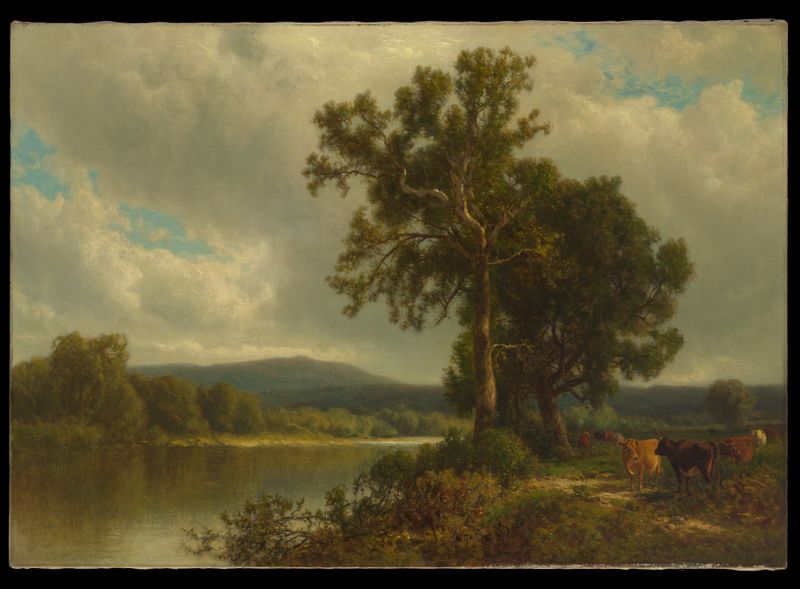 Same era · 1860s–1890s
Scene at Napanoch
William Hart · 1883 · The Metropolitan Museum of Art
 Same era · 1860s–1890s
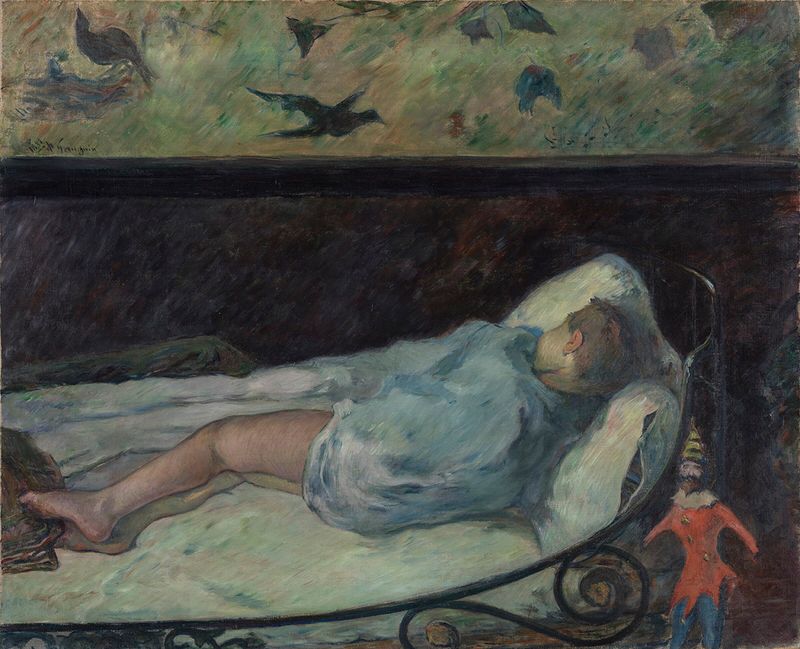
The Little One Is Dreaming, Etude
Paul Gauguin · 1881 · Ordrupgaard
 Same era · 1860s–1890s
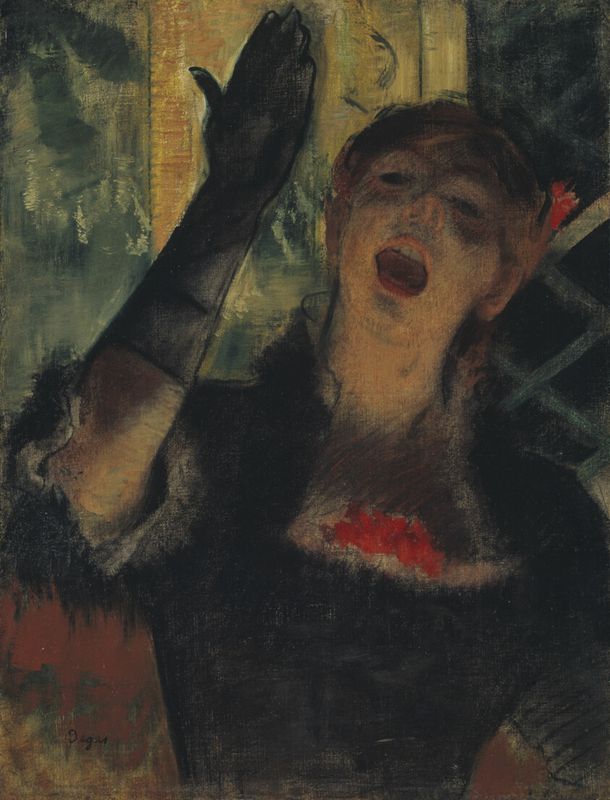
Café Singer
Edgar Degas · 1879 · Art Institute of Chicago