01
The red-roofed barn
Find the small building at left, with its plum-red roof and a flash of yellow wall. It is the only warm, bright note in a cool green scene.
1 of 5 on the painting
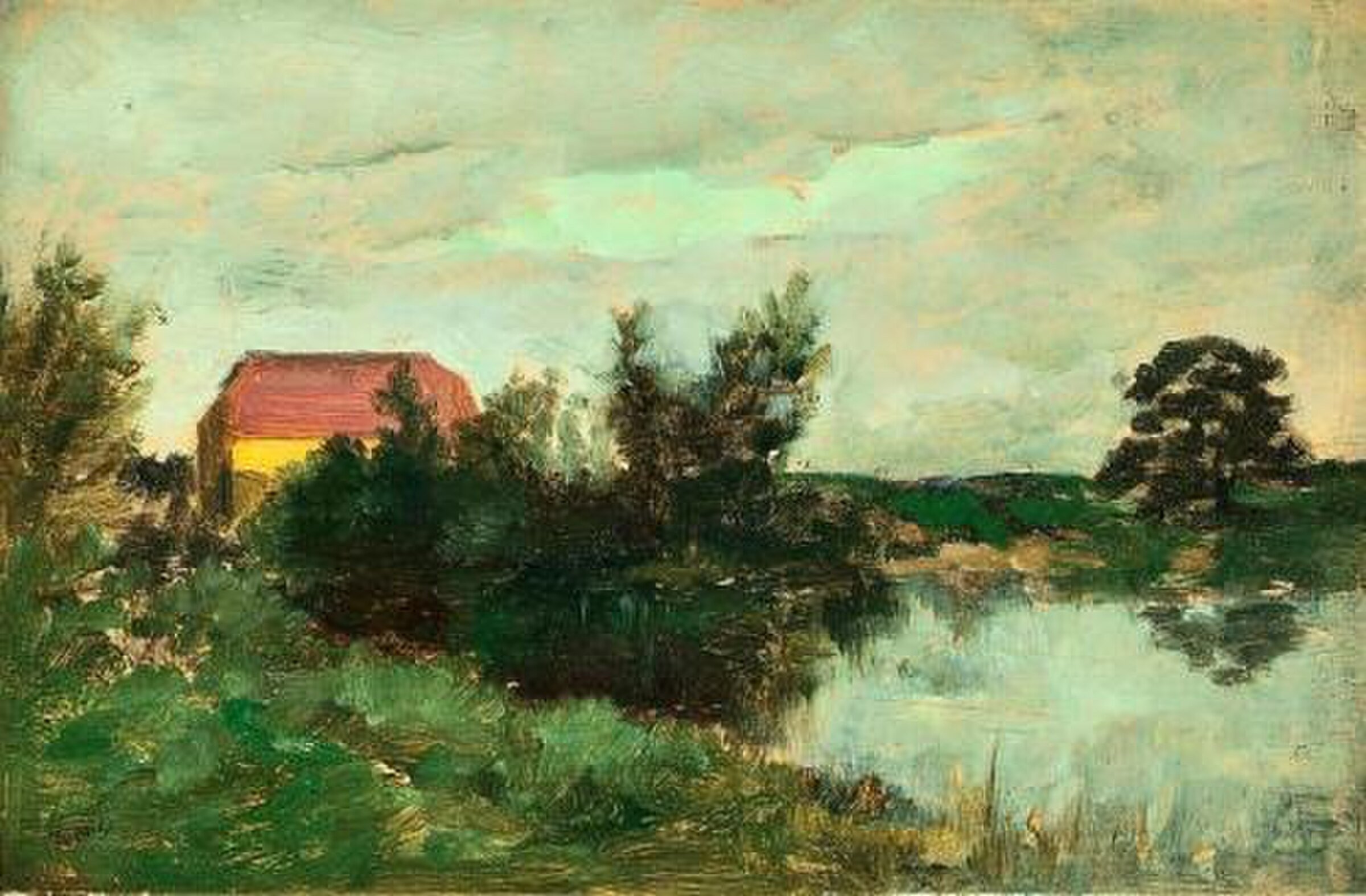
“This painting offers a serene glimpse of a Scottish lake scene, masterfully rendered with a muted palette and atmospheric brushwork. It's an invitation to experience the quiet beauty of nature, captured by a key figure of the Glasgow Boys.”
A wide, tranquil lake stretches across the canvas, reflecting the soft, diffused light of a cloudy day. William York Macgregor, a Scottish landscape painter and leading figure of the Glasgow Boys, painted this scene in 1911, capturing a moment of quietude. The muted palette, dominated by greens, grays, and subtle blues, evokes the often-overcast skies of Scotland, allowing the natural forms and textures to emerge without dramatic contrasts. Observe how the brushwork, though seemingly loose, builds up the sense of depth and atmosphere, from the foreground reeds to the distant hills. This painting invites a contemplative pause, a chance to immerse oneself in the serene beauty of a Scottish loch.
Five details hide in plain sight. Pick one and we’ll show you exactly where to look.
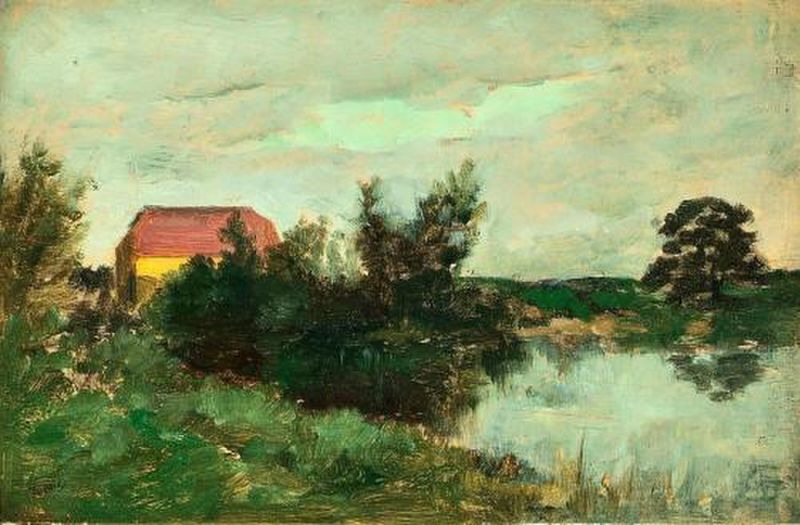
Find the small building at left, with its plum-red roof and a flash of yellow wall. It is the only warm, bright note in a cool green scene.
The sky is painted in thin, loose strokes of pale green and peach. Patches of the warm ground show through, so the clouds feel quick and airy.
Follow the pale water as it opens out at lower right. It pulls your eye from the dark, crowded bank into calm, open space.
Look at the dark, soft-edged shape floating in the water at right. It reads as the reflection of the tree and bank above it, kept blurry.
Across the lower left, greens are laid on in short, loose strokes with no single blade defined. The grass is suggested, not described.
The full narration walks you through A Lake Scene — the story behind it, the details most visitors miss, and why it matters. Free in the Art Whisper app.
The shipbuilder's son who gathered rebellious Scottish painters in his Glasgow studio and changed British art forever.
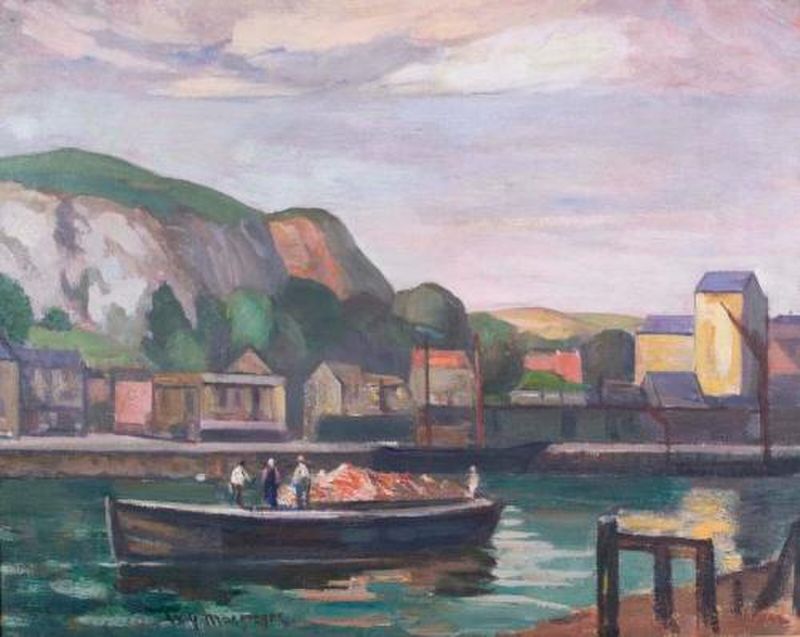 A Quayside, Boulogne
Aberdeen Archives, Gallery and Museums collections
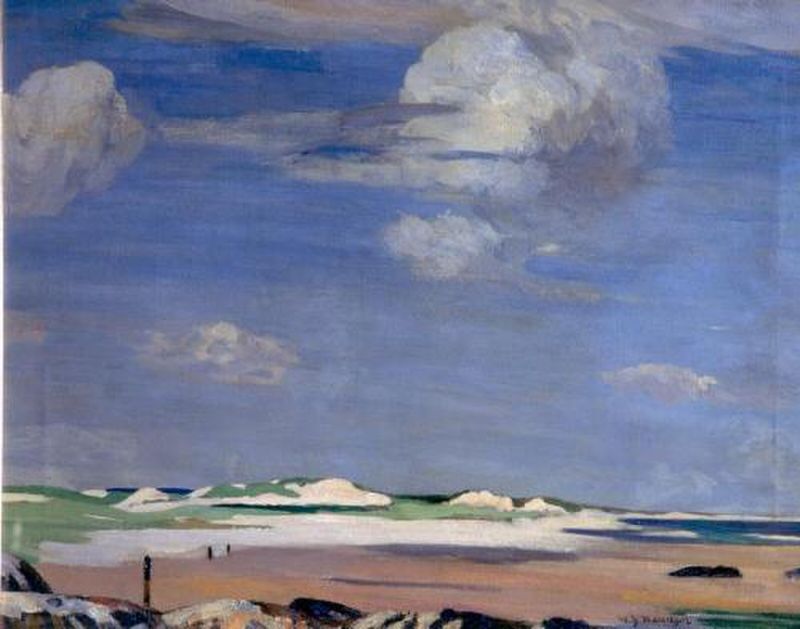 The Sands, St Andrews
Aberdeen Archives, Gallery and Museums collections
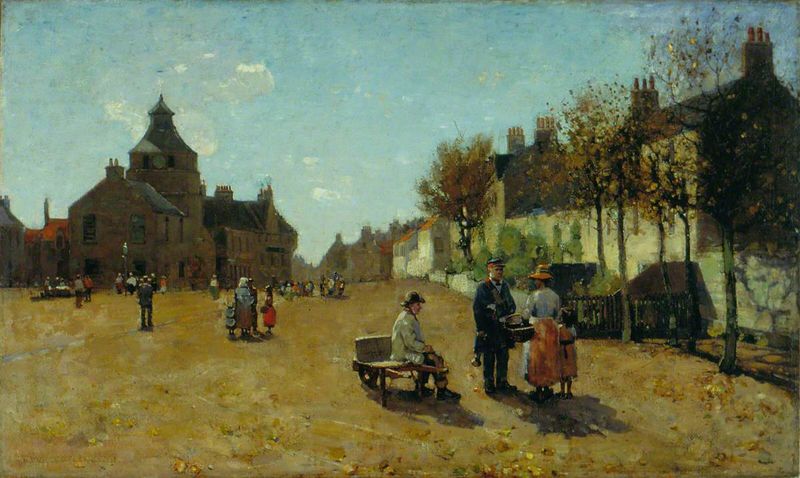 Crail
1883 · Stirling Smith Museum and Art Gallery
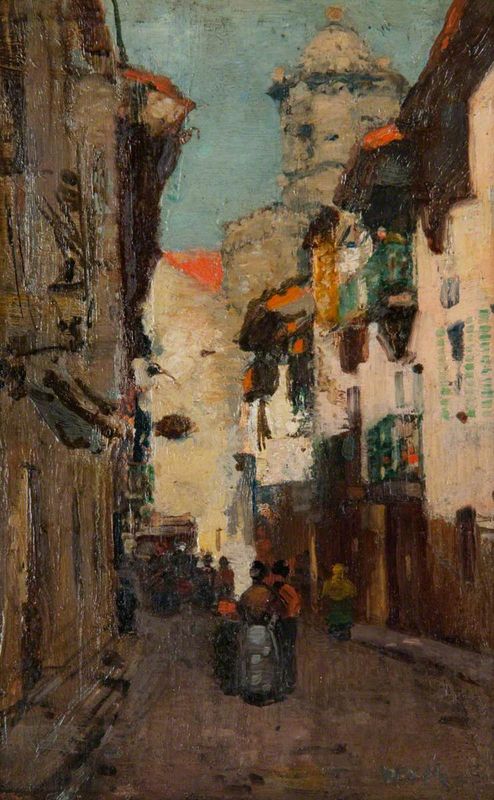 Fuenterrabia, formerly known as "Spanish Town"
1890 · Hunterian Museum and Art Gallery
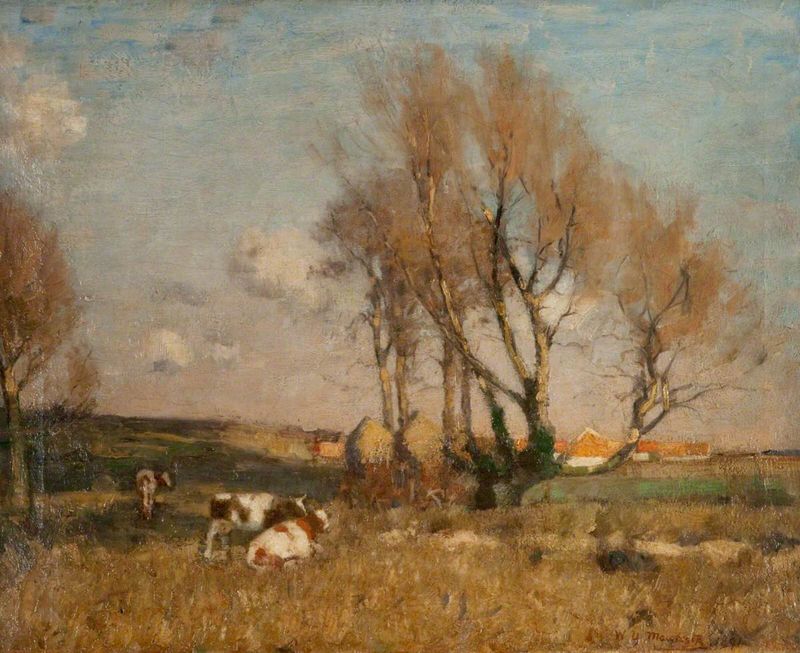 The Carse of Lecropt
1891 · Hunterian Museum and Art Gallery
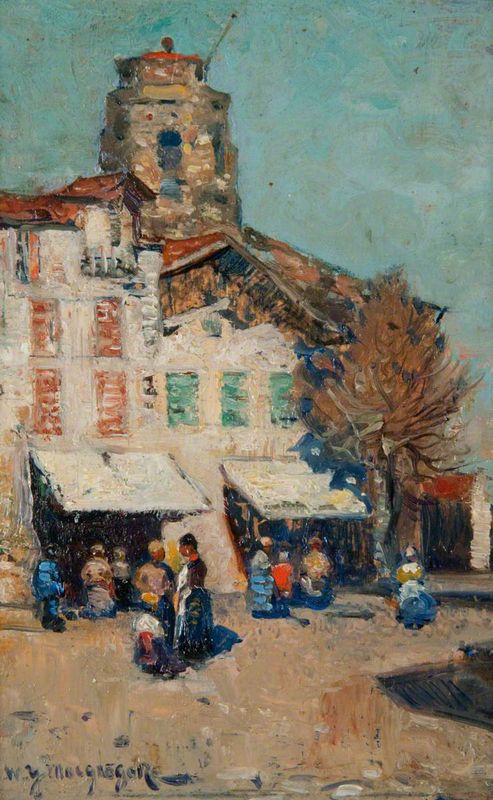 St Jean de Luz
1894 · Hunterian Museum and Art Gallery
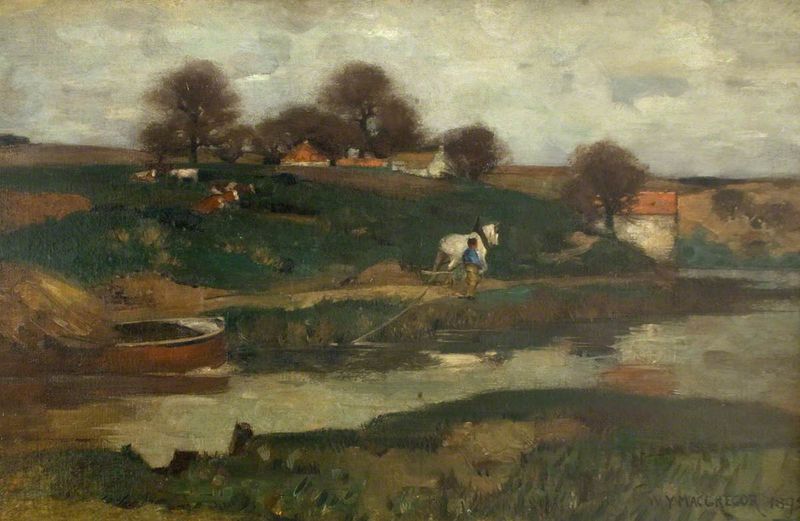 Canal (River Scene)
1895 · University of Dundee Fine Art Collections
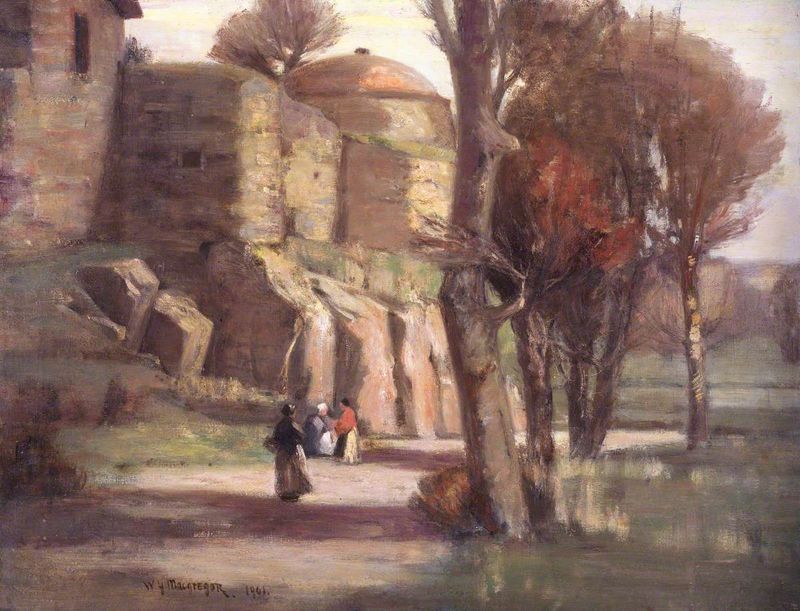 The Walls of Stirling
1901 · Royal Scottish Academy
Beyond Macgregor: works from the same years.
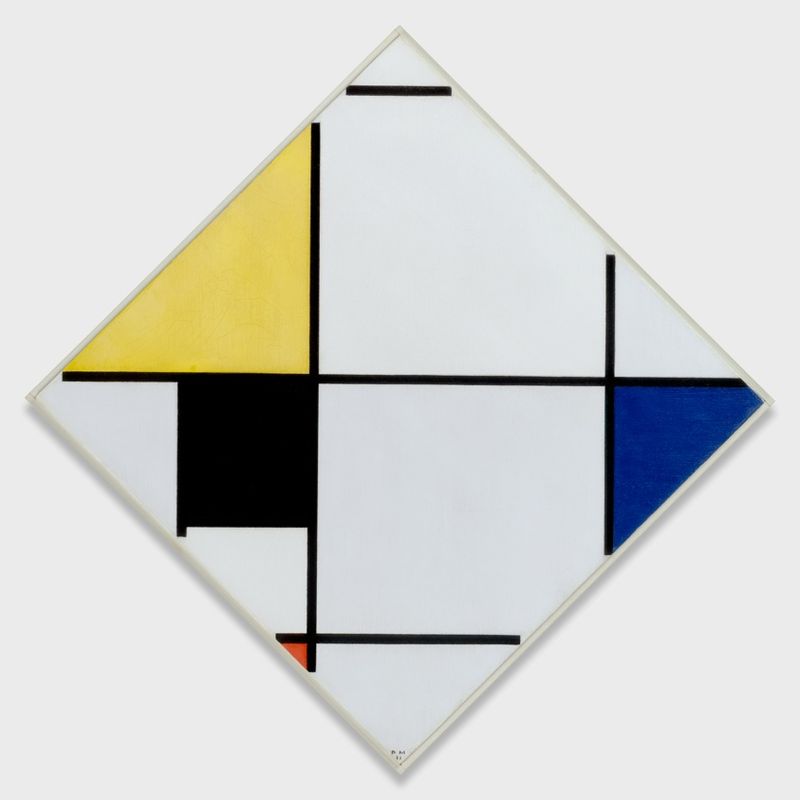 Same era · 1890s–1920s
Lozenge Composition with Yellow, Black, Blue, Red, and Gray
Piet Mondrian · 1921 · Art Institute of Chicago
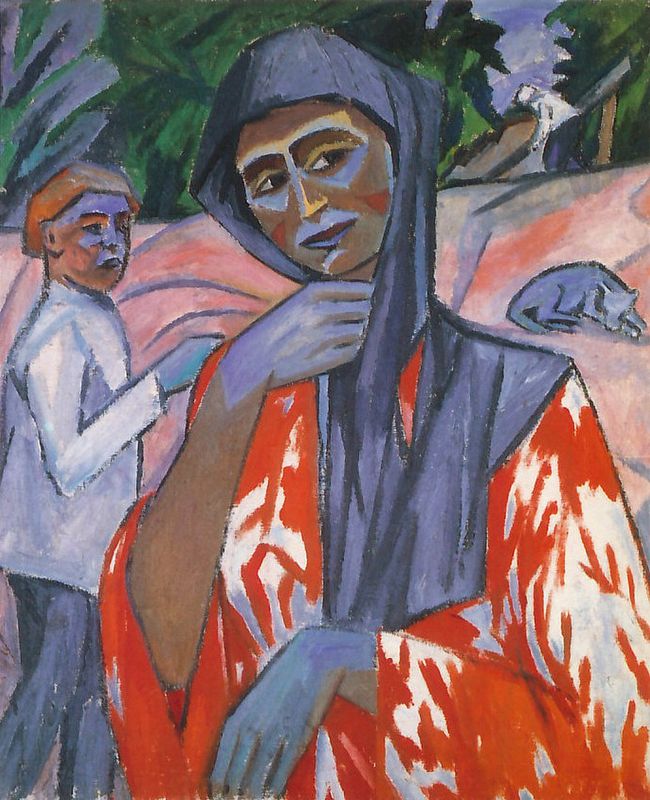 Same era · 1890s–1920s
Female Passerby
Mikhail Larionov · 1911 · Ulyanovsk Oblast Art Museum
 Same era · 1890s–1920s
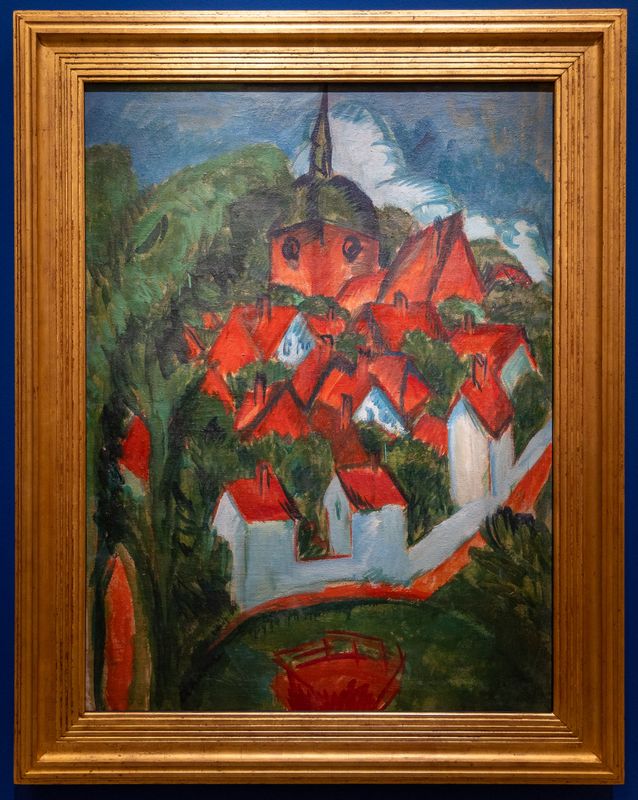
Burg on Fehmarn
Ernst Ludwig Kirchner · 1912 · Westphalian State Museum of Art and Cultural History
 Same era · 1890s–1920s
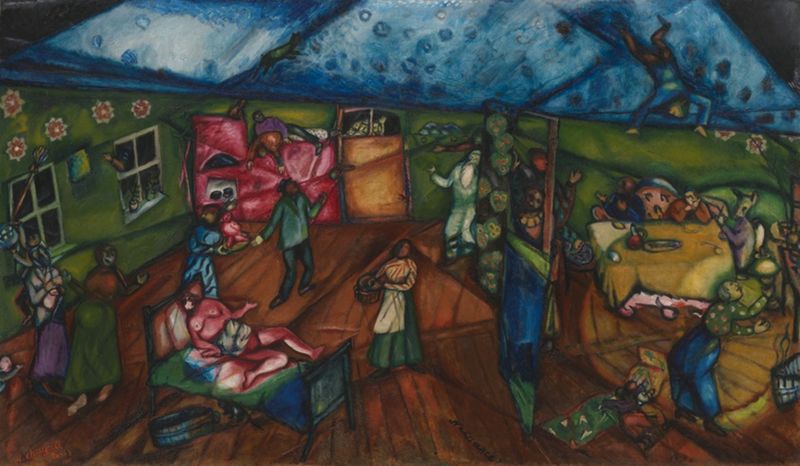
Birth
Marc Chagall · 1911 · Art Institute of Chicago
 Same era · 1890s–1920s
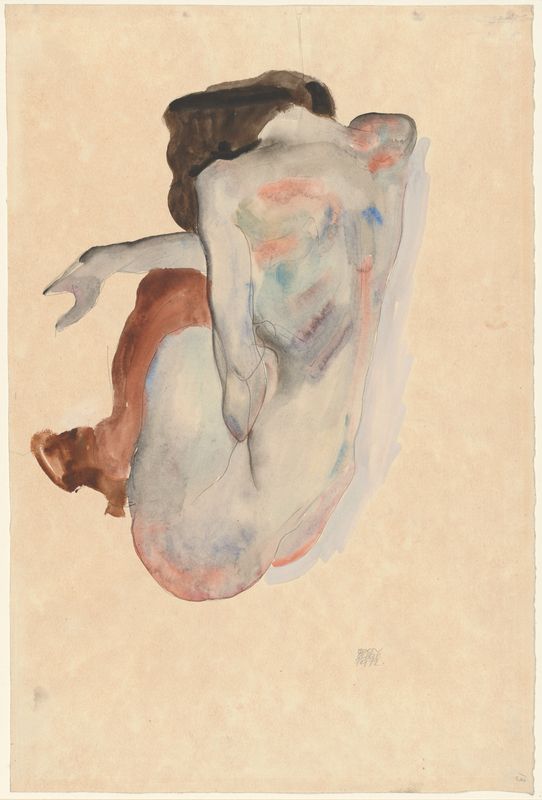
Crouching Nude in Shoes and Black Stockings, Back View
Egon Schiele · 1912 · The Metropolitan Museum of Art
 Same era · 1890s–1920s
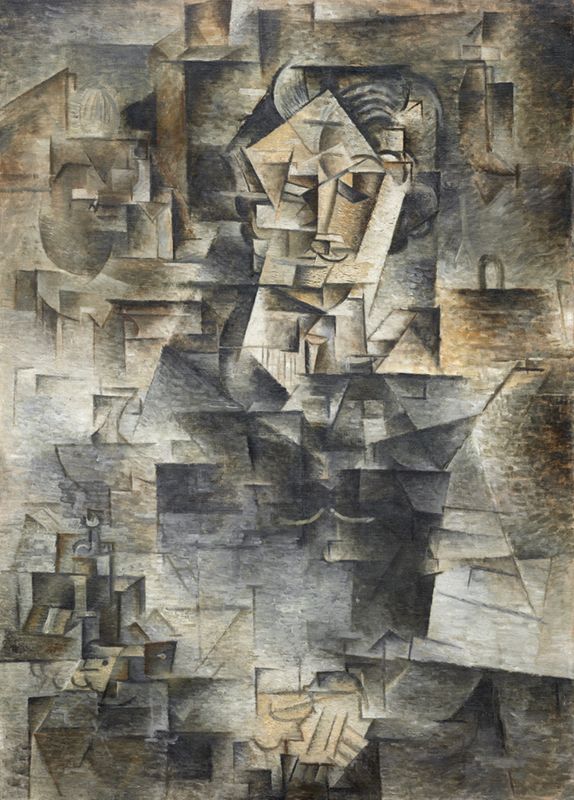
Daniel-Henry Kahnweiler
Pablo Picasso · 1910 · Art Institute of Chicago
 Same era · 1890s–1920s
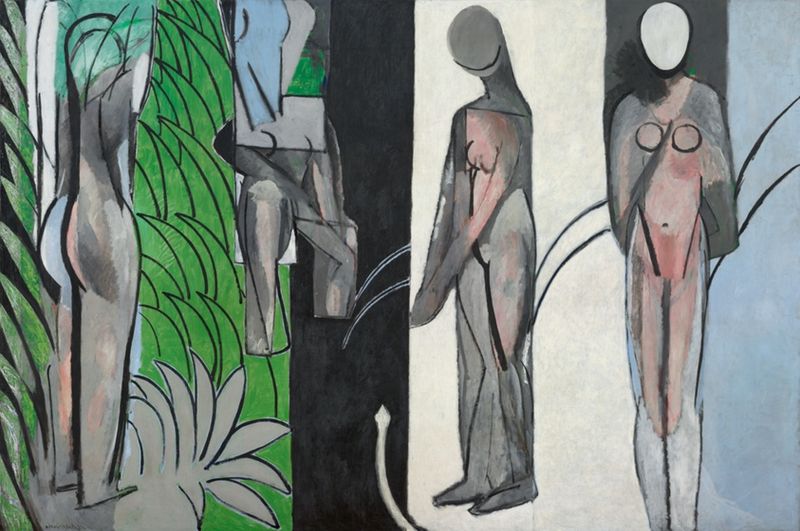
Bathers by a River
Henri Matisse · 1909 · Art Institute of Chicago
 Same era · 1890s–1920s
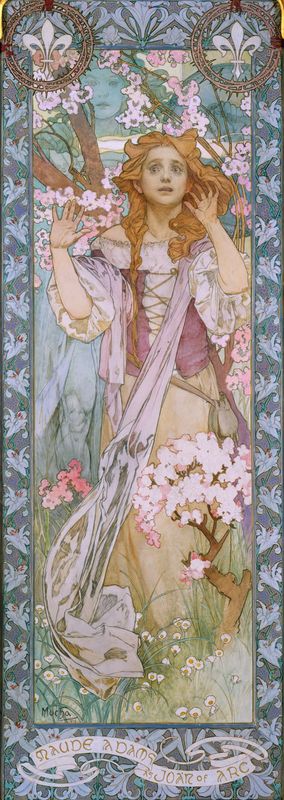
Maude Adams (1872–1953) as Joan of Arc
Alphonse Mucha · 1909 · The Metropolitan Museum of Art
 Same era · 1890s–1920s
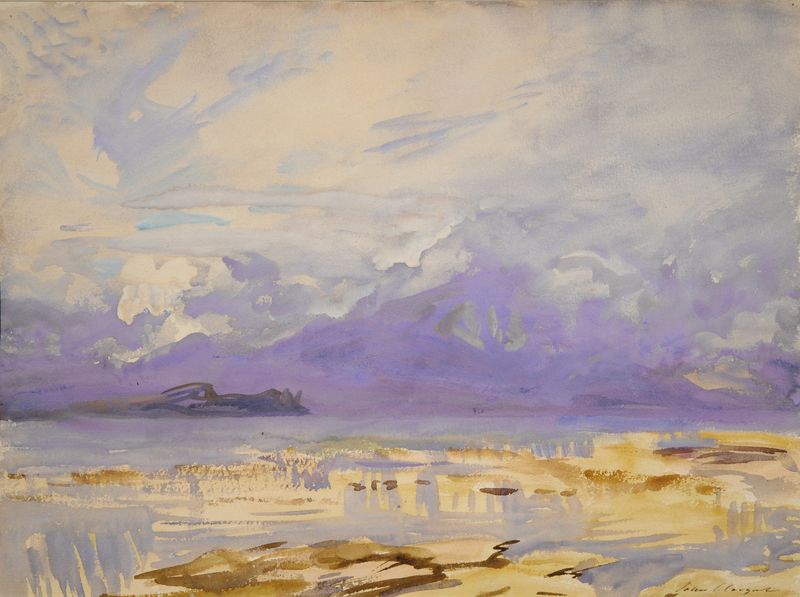
Sirmione
John Singer Sargent · 1913 · The Metropolitan Museum of Art
 Same era · 1890s–1920s
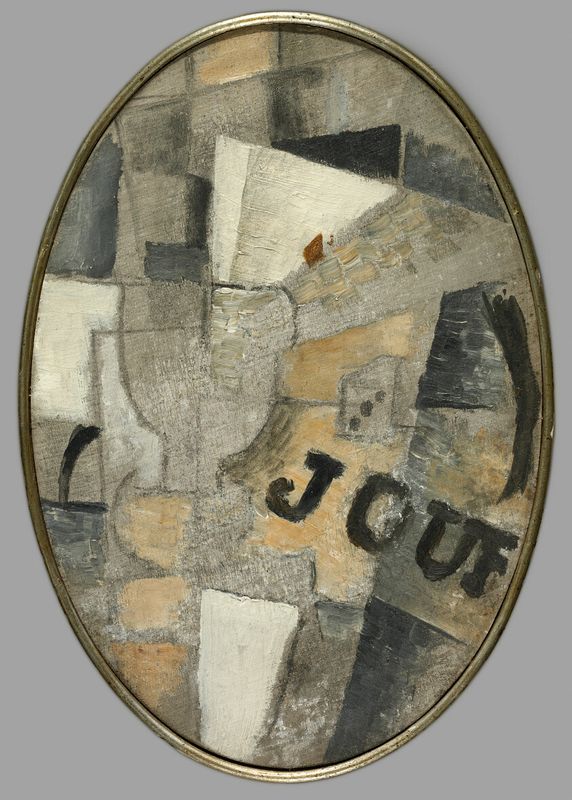
Still Life with Glass, Dice, Newspaper and Playing Card
Georges Braque · 1913 · Art Institute of Chicago
 Same era · 1890s–1920s
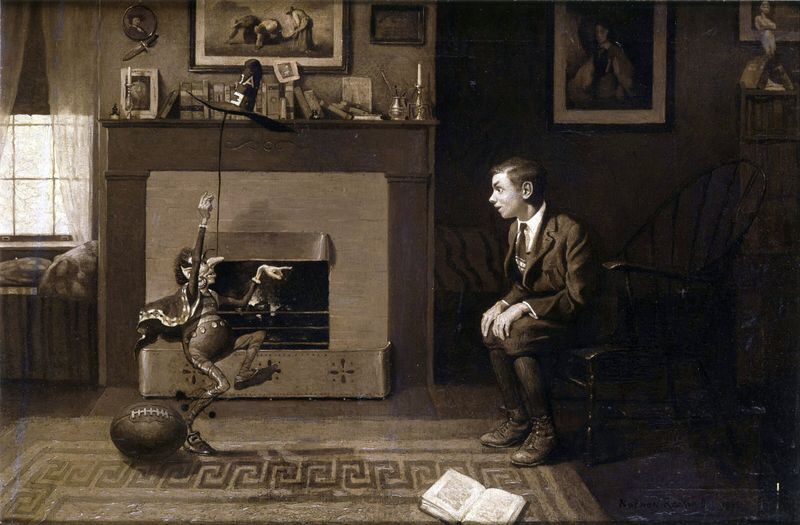
The Magic Foot-ball, 'I thought you were wrong,' he said in triumph. 'You said it was nine! Stupid!'
Norman Rockwell · 1914 · Norman Rockwell Museum
 Same era · 1890s–1920s
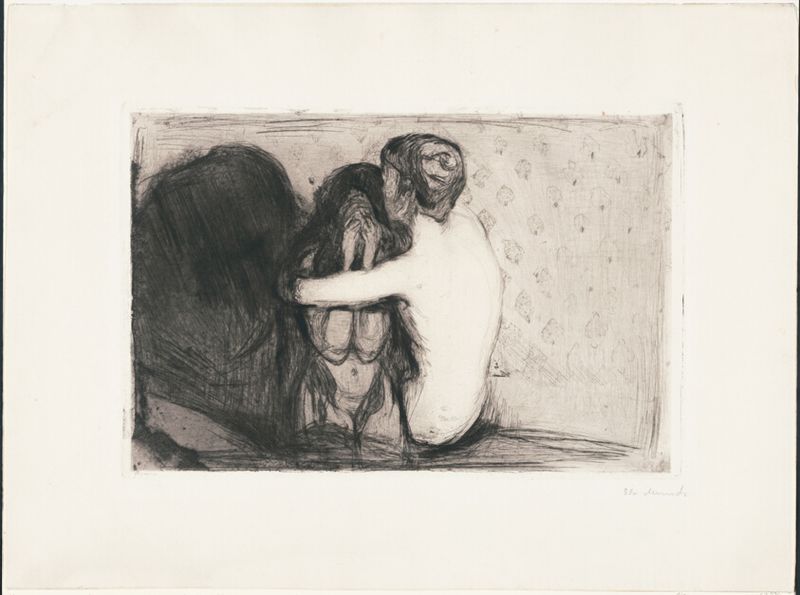
Consolation
Edvard Munch · 1907 · Munch Museum
