
“Die Brücke—'The Bridge' in German—was a rebellious group of young artists who wanted to blow up the stuffy art establishment of early 20th-century Germany.”
Founded in Dresden in 1905 by four architecture students who'd rather paint than design buildings, this movement became one of the first and most radical expressions of German Expressionism. These artists weren't interested in pretty pictures; they wanted art that punched you in the gut with raw emotion and brutal honesty.
When you walk into a room of Die Brücke paintings, you'll immediately notice the colours screaming at you—acidic greens, shocking pinks, violent oranges all clashing together. The artists deliberately rejected traditional techniques, applying paint in rough, aggressive strokes that look almost childlike in their directness. They painted urban scenes, nudes, and landscapes, but everything looks angular, distorted, and emotionally charged. The human figures often appear primitive or mask-like, inspired by African and Oceanic art they saw in ethnographic museums.
The group sought to create a 'bridge' to the future of art, rejecting academic painting and embracing a more honest, instinctive approach. Members like Ernst Ludwig Kirchner, Erich Heckel, Karl Schmidt-Rottluff, and later Emil Nolde lived and worked communally, often painting the same models and scenes. They dissolved in 1913 due to creative tensions, but their influence on modern art was profound. Their legacy lives in every artwork that prioritizes emotional truth over photographic accuracy, and in their belief that art should be visceral, not merely decorative.
- Period
- c. 1905–1913
- Peak
- around 1910
- Born in
- Dresden, Germany
- Key artists
- Amedeo Modigliani, Christian Rohlfs, Cuno Amiet, Egon Schiele
- Came before
- Post-Impressionism and Art Nouveau
- Came after
- Der Blaue Reiter and German Expressionism
When it happened
- CAME BEFOREPost-Impressionism and Art Nouveau
- ~1905 · STARTED
- ~1910 · PEAKED
- ~1913 · ENDED
- CAME AFTERDer Blaue Reiter and German Expressionism
What makes it Die Brucke
Violently Clashing Colours
Non-naturalistic colours applied boldly—purple faces, orange skies, green skin—used for emotional impact rather than realism.
e.g. Street, Berlin by Ernst Ludwig KirchnerAngular, Distorted Figures
Bodies and faces simplified into sharp, jagged shapes that look tense and uncomfortable, never relaxed or naturalistic.
e.g. Bathers at Moritzburg by Ernst Ludwig KirchnerRough, Aggressive Brushwork
Paint applied in visible, hasty strokes; nothing is blended smoothly. The surface looks urgent, even violent.
e.g. Self-Portrait as a Soldier by Ernst Ludwig KirchnerPrimitive and Mask-Like Faces
Faces often appear flat and mask-like, influenced by African art, with exaggerated features and haunting expressions.
e.g. Marcella by Erich HeckelWoodcut Aesthetic
Even paintings often have the stark, graphic quality of woodcut prints—bold outlines, flat areas of colour, high contrast.
e.g. Windmill, Fehmarn by Karl Schmidt-RottluffHow to spot Die Brucke
Three signs you’re standing in front of one — all easy to see in Sheep.
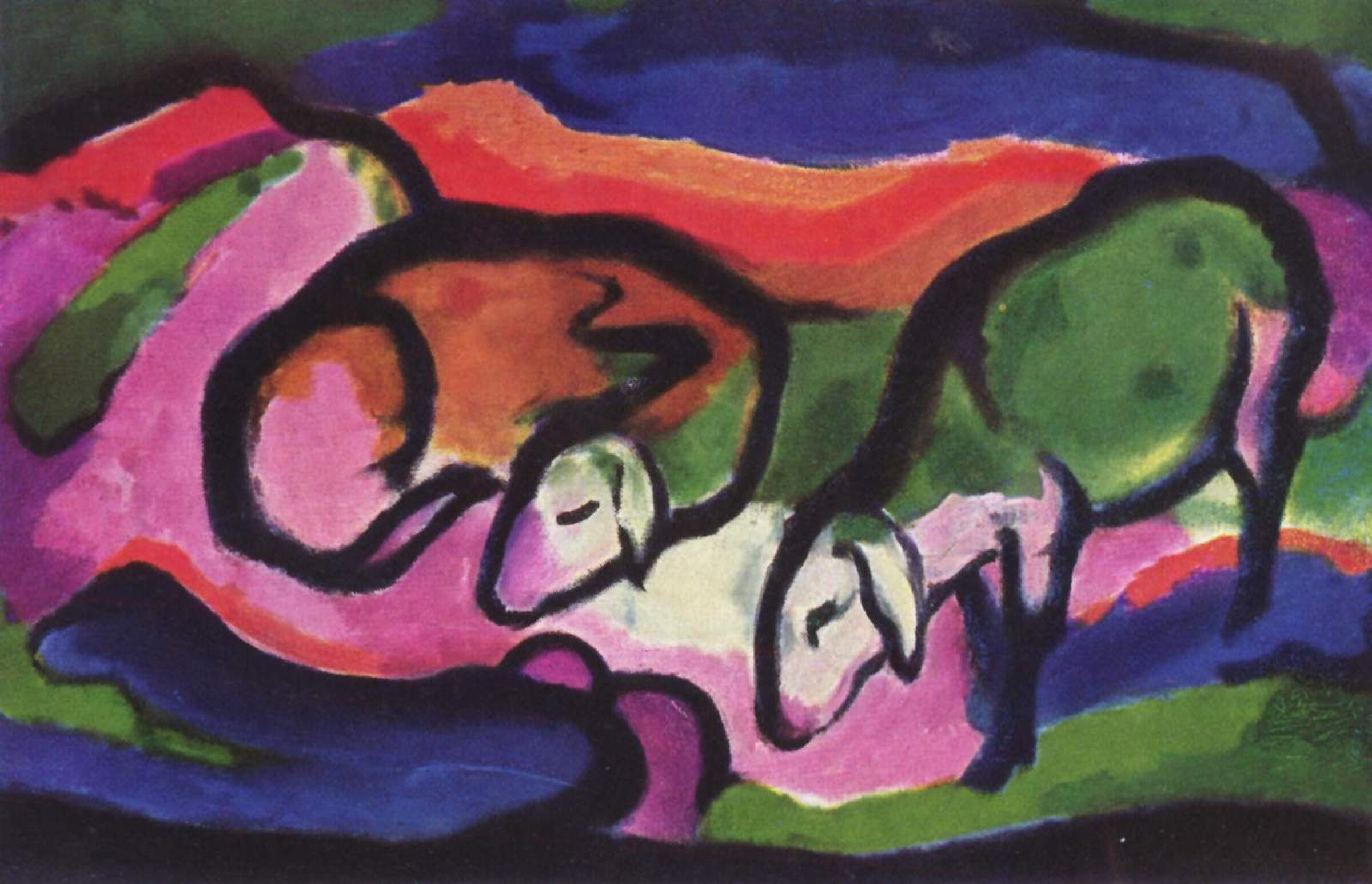
Look for colours that feel 'wrong'—if the grass is pink or faces are green, and it feels deliberately jarring, you're likely looking at Die Brücke.
Check if the figures look anxious or angular—smooth, graceful bodies aren't their thing. Everything should feel sharp-edged and emotionally tense.
Notice the brushwork: if it looks deliberately rough and unfinished, almost crude, rather than carefully blended, that's a hallmark of the movement.
The founding members met as architecture students but dropped out to pursue painting, horrifying their families.
They invited any artist to join for just 12 marks annual dues—membership came with original prints. What a subscription model!
Ernst Ludwig Kirchner later falsified dates on his paintings to make it look like he'd invented Cubism before Picasso. The art world noticed.
The artists who defined it
Works to know
 Sheep
1912 · Saarland Museum
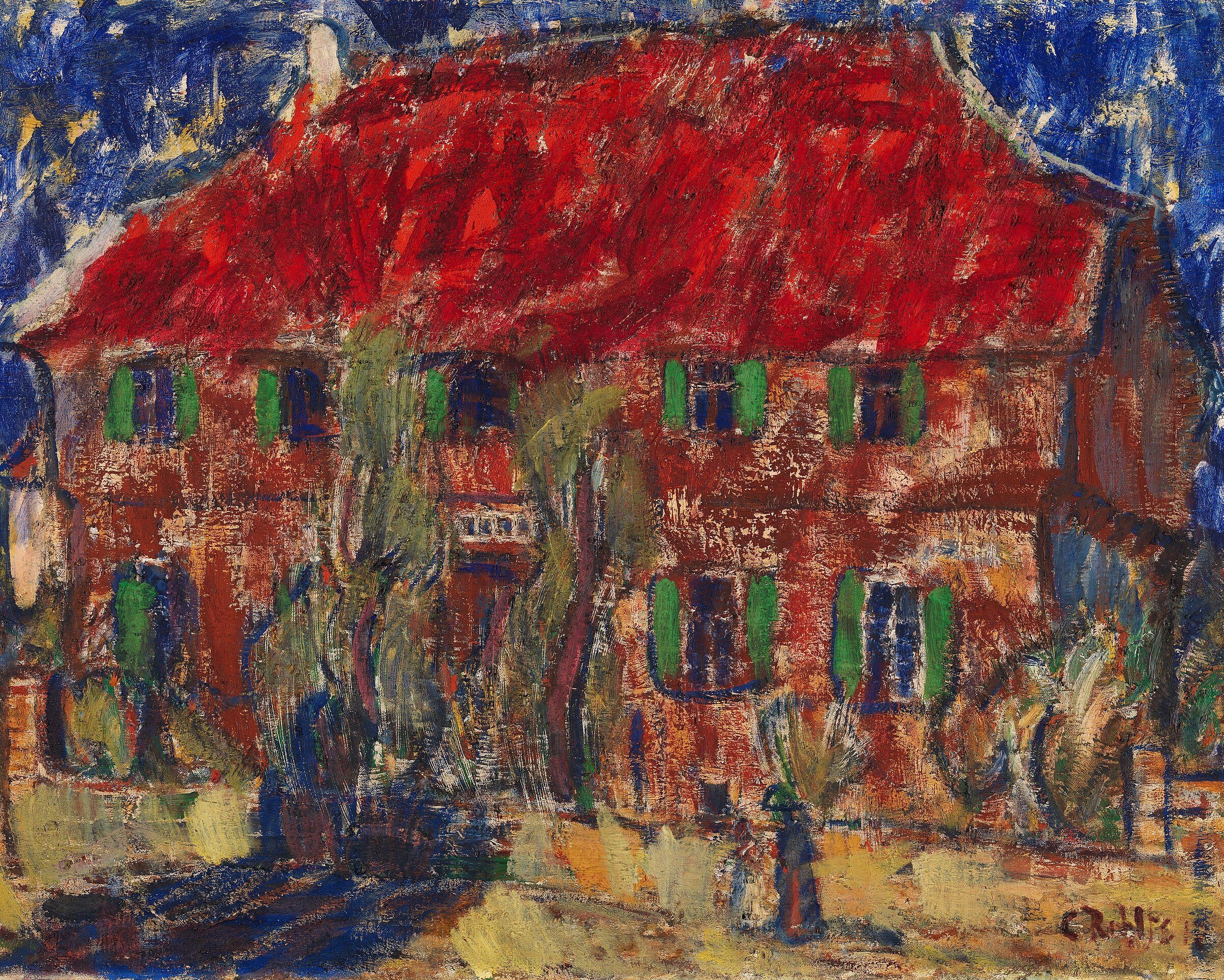
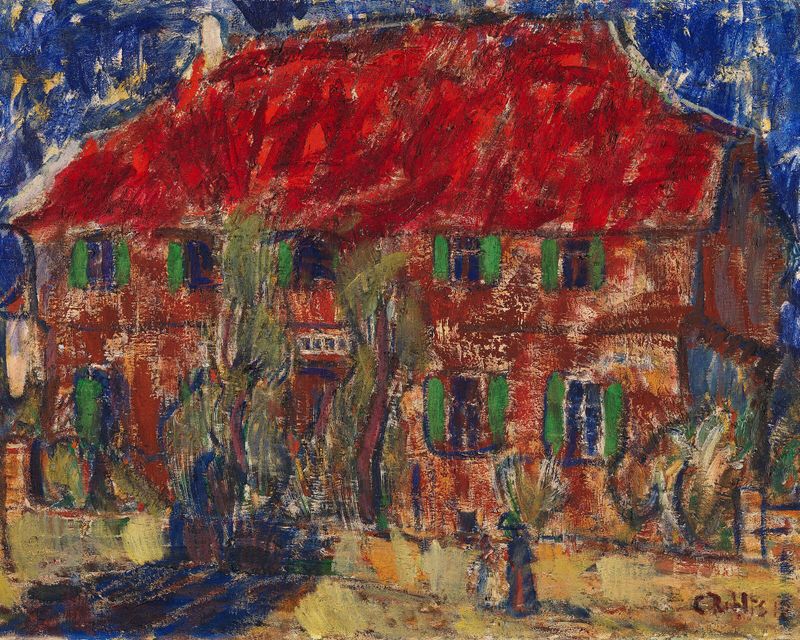 House with a Red Roof
1912 · National Museum of Art, Architecture and Design
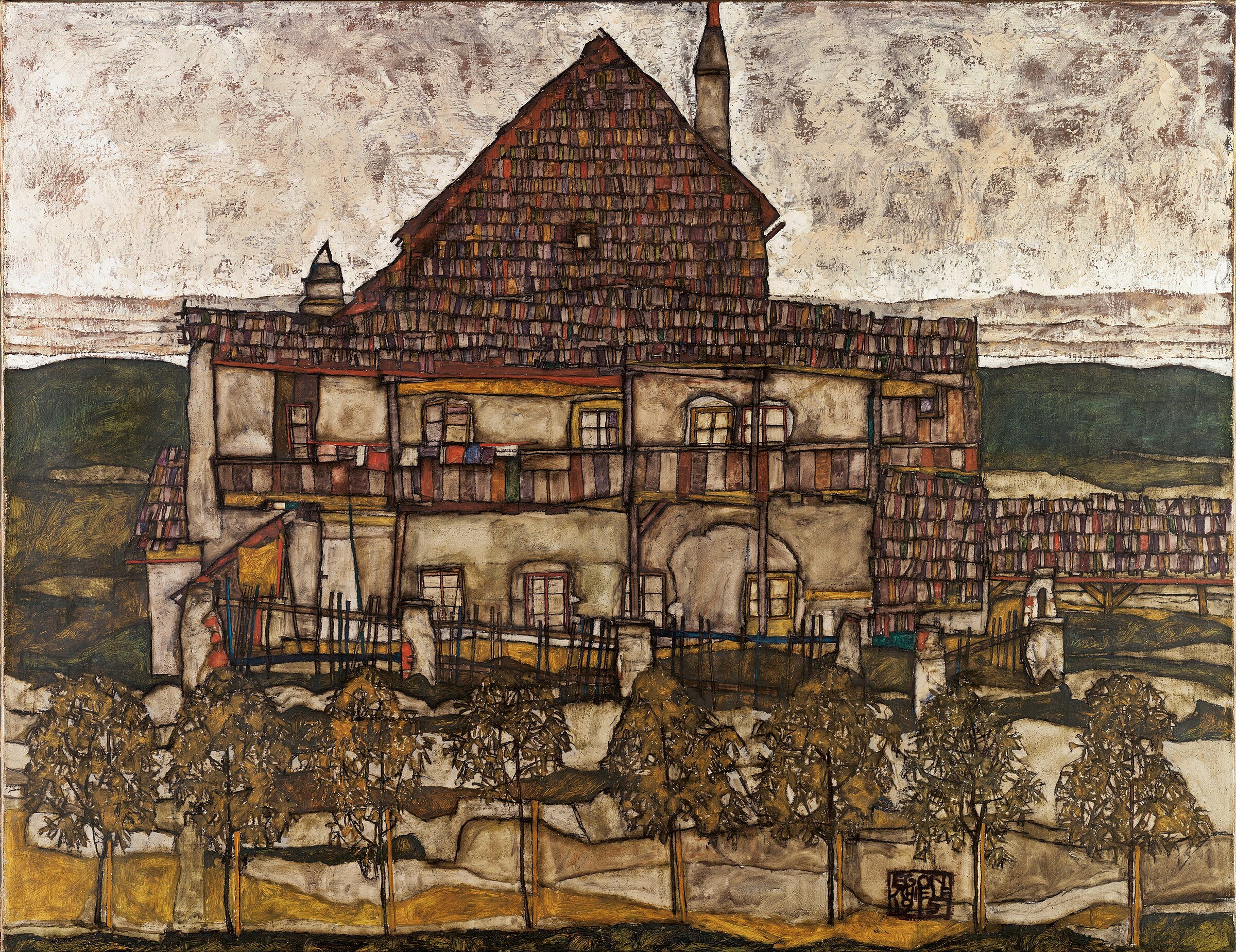
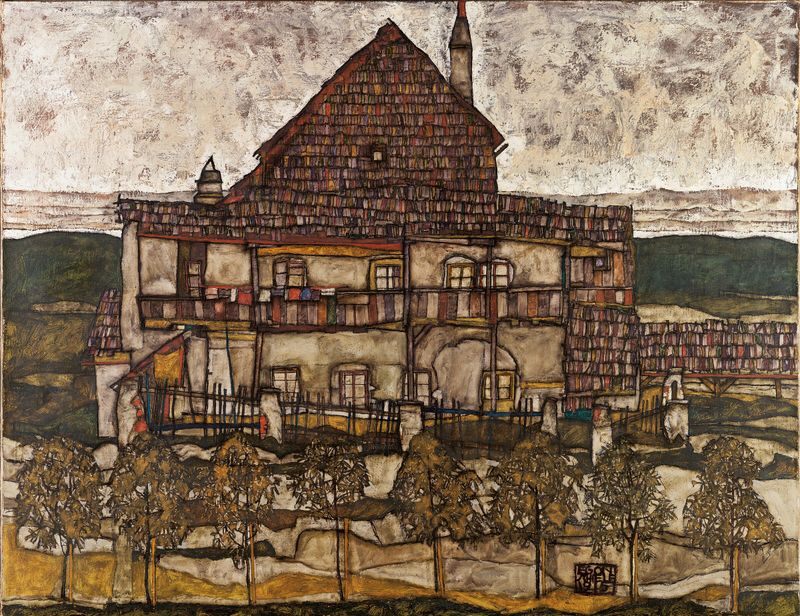 House with shingle roof
1915 · Leopold Museum
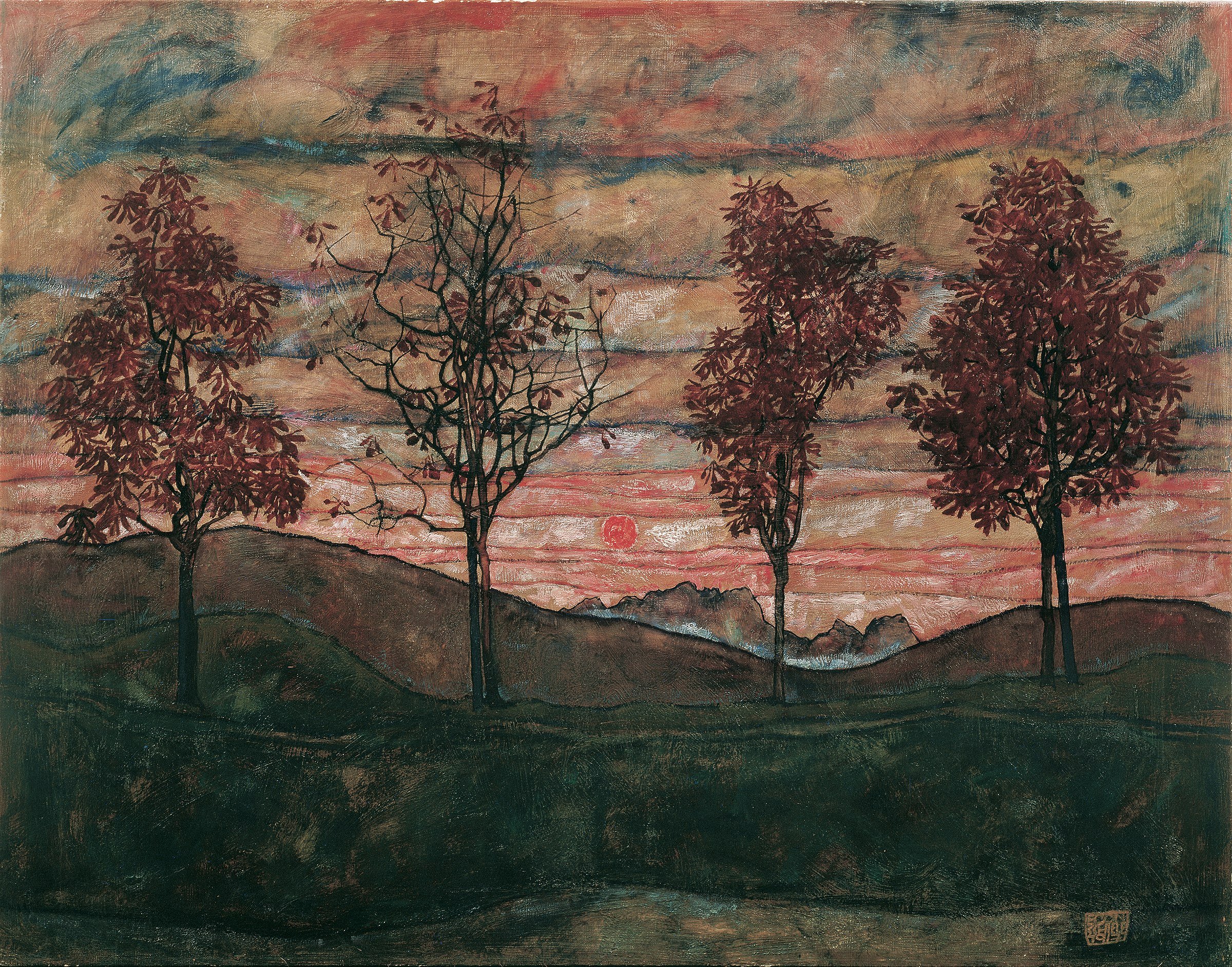
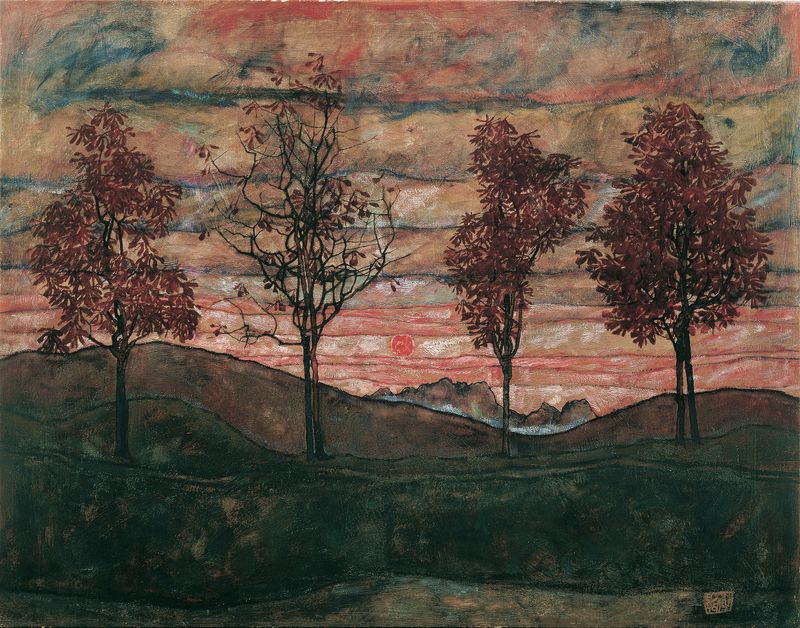 Four trees
1917 · Belvedere
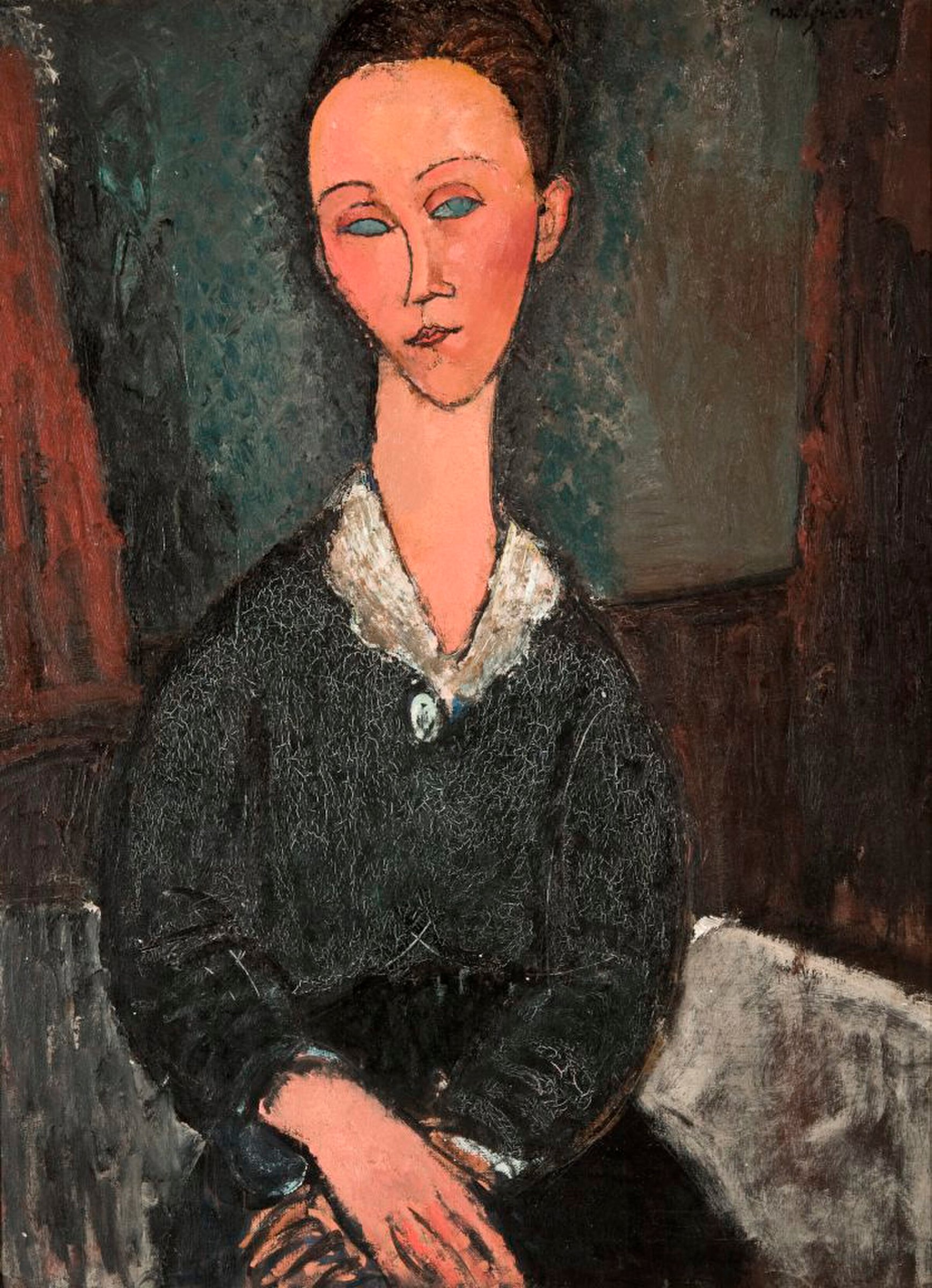
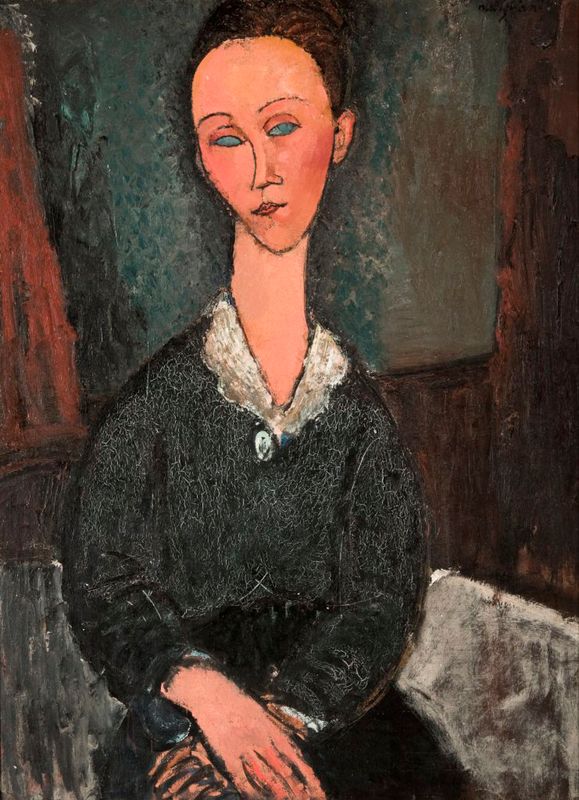 Portrait of a Woman with a white Collar
1917 · Museum of Grenoble
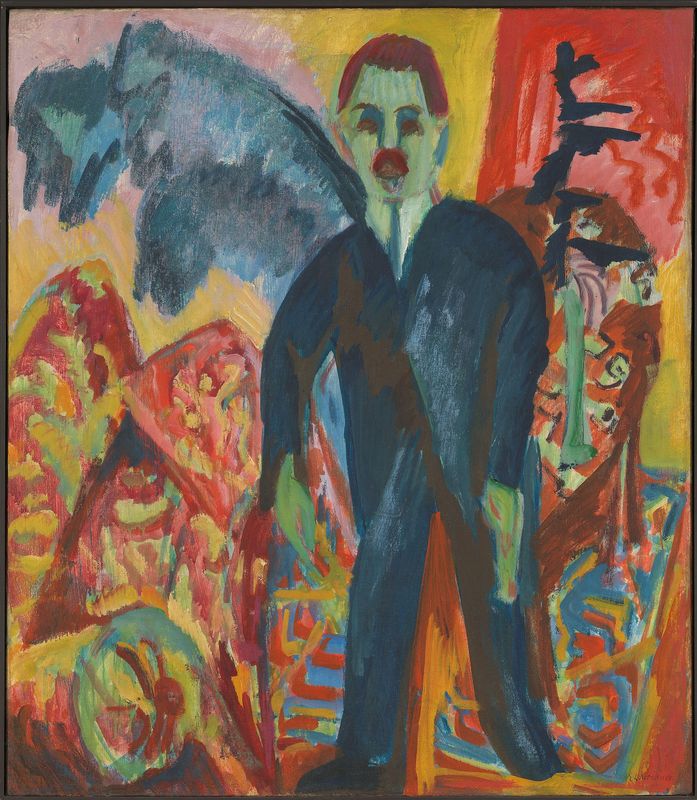 The Nurse
1917 · National Museum of Art, Architecture and Design
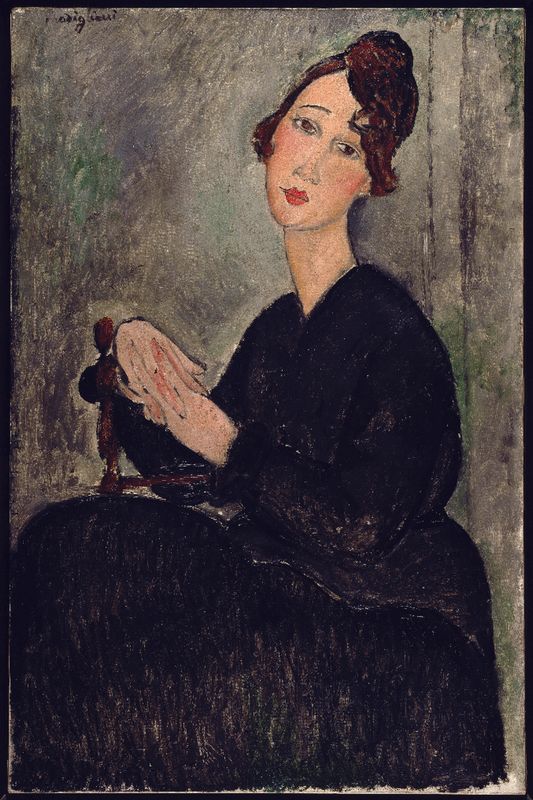 Portrait of Dedie
1918 · Musée National d'Art Moderne
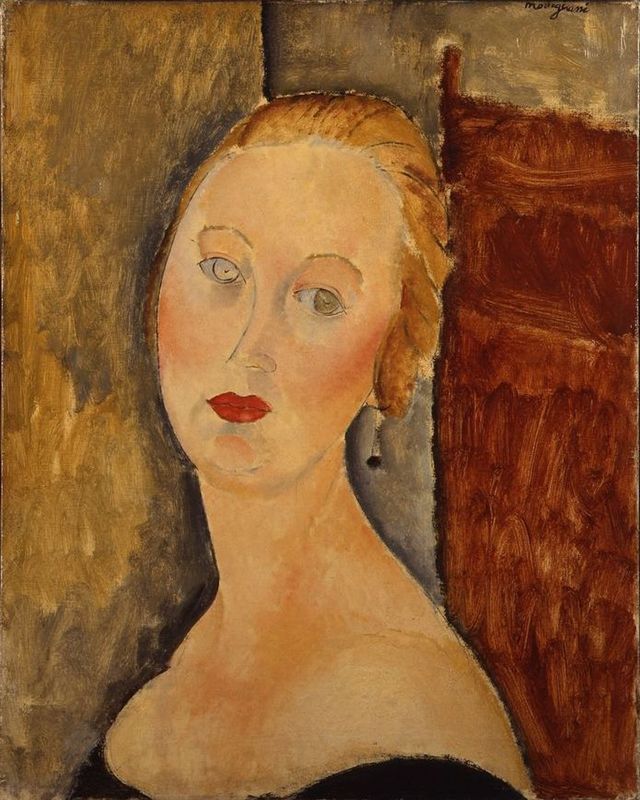 Germaine Survage with Earrings
1918 · Museum of Fine Arts of Nancy
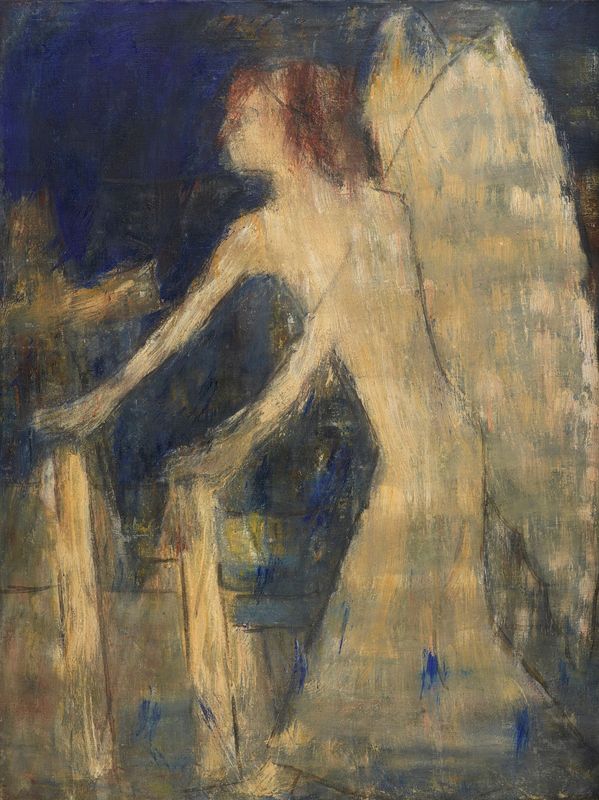 Angel who carries light into the tombs
1925 · Museum Folkwang
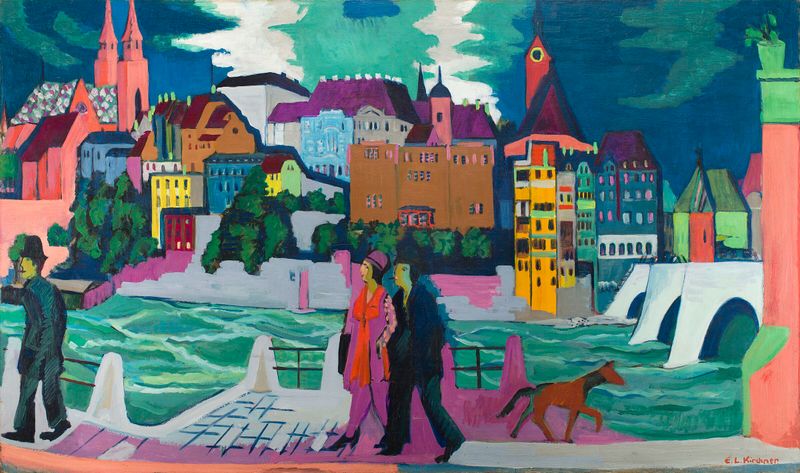 View of Basel and the Rhine
1927 · Saint Louis Art Museum
Take Die Brucke to the museum
Point your phone at any painting and Art Whisper tells you its story — who made it, what to notice, and why it matters. Free to start.