
“Picture yourself standing in front of a painting that looks almost like it's made of tiny, colorful confetti.”
That's Neo-Impressionism! Born in Paris in 1886, this movement took Impressionism's obsession with light and color and applied serious science to it. Led by Georges Seurat and Paul Signac, these artists weren't content to just mix colors on a palette—they wanted viewers' eyes to do the mixing. They developed a technique called Pointillism, placing thousands of tiny dots of pure color side by side. Stand close and you'll see individual dots; step back and they magically blend into luminous scenes.
What makes Neo-Impressionism distinctive is its methodical, almost mathematical approach to capturing light. While the Impressionists worked quickly and spontaneously outdoors, Neo-Impressionists took painting back to the studio where they could carefully plan compositions based on color theory. They studied the science of optics and color relationships, influenced by chemist Michel Eugène Chevreul's theories about simultaneous contrast. The result? Paintings that shimmer with an otherworldly glow, as if lit from within. These aren't loose, gestural works—they're painstakingly constructed mosaics of color that can take months or even years to complete.
Though the movement was relatively short-lived, its influence rippled through modern art. The Neo-Impressionists believed art could be both scientific and beautiful, systematic yet transcendent. Their techniques influenced everyone from the Fauves to the Italian Futurists. When you encounter a Neo-Impressionist painting in a museum, try the 'step back' test: move close to see the individual marks, then slowly back away and watch the image coalesce. It's like witnessing a magic trick that reveals how our eyes and brains collaborate to create the experience of color and light.
- Period
- c. 1886–1910
- Peak
- around 1891
- Born in
- Paris, France
- Key artists
- Camille Pissarro, Henri Matisse
- Came before
- Impressionism
- Came after
- Fauvism
When it happened
- CAME BEFOREImpressionism
- ~1886 · STARTED
- ~1891 · PEAKED
- ~1910 · ENDED
- CAME AFTERFauvism
What makes it Neo-Impressionism
Pointillist Dots
Tiny, distinct dots of pure color placed side by side—look closely and you'll see they never actually mix on the canvas.
e.g. A Sunday Afternoon on the Island of La Grande Jatte by Georges SeuratScientific Color Placement
Colors are positioned according to color theory—complementary colors sit next to each other to create optical vibration.
e.g. The Pine Tree at Saint-Tropez by Paul SignacLuminous, Shimmering Quality
The paintings seem to glow from within, creating an almost ethereal quality that goes beyond naturalistic light.
e.g. Entrance to the Port of Honfleur by Georges SeuratHighly Structured Composition
Unlike spontaneous Impressionism, these works show careful geometric planning with balanced, often symmetrical arrangements.
e.g. The Circus by Georges SeuratPainted Borders
Many works feature painted borders in complementary dots, extending the color theory right to the frame's edge.
e.g. Port-en-Bessin, Entrance to the Harbor by Georges SeuratHow to spot Neo-Impressionism
Three signs you’re standing in front of one — all easy to see in Pariata.
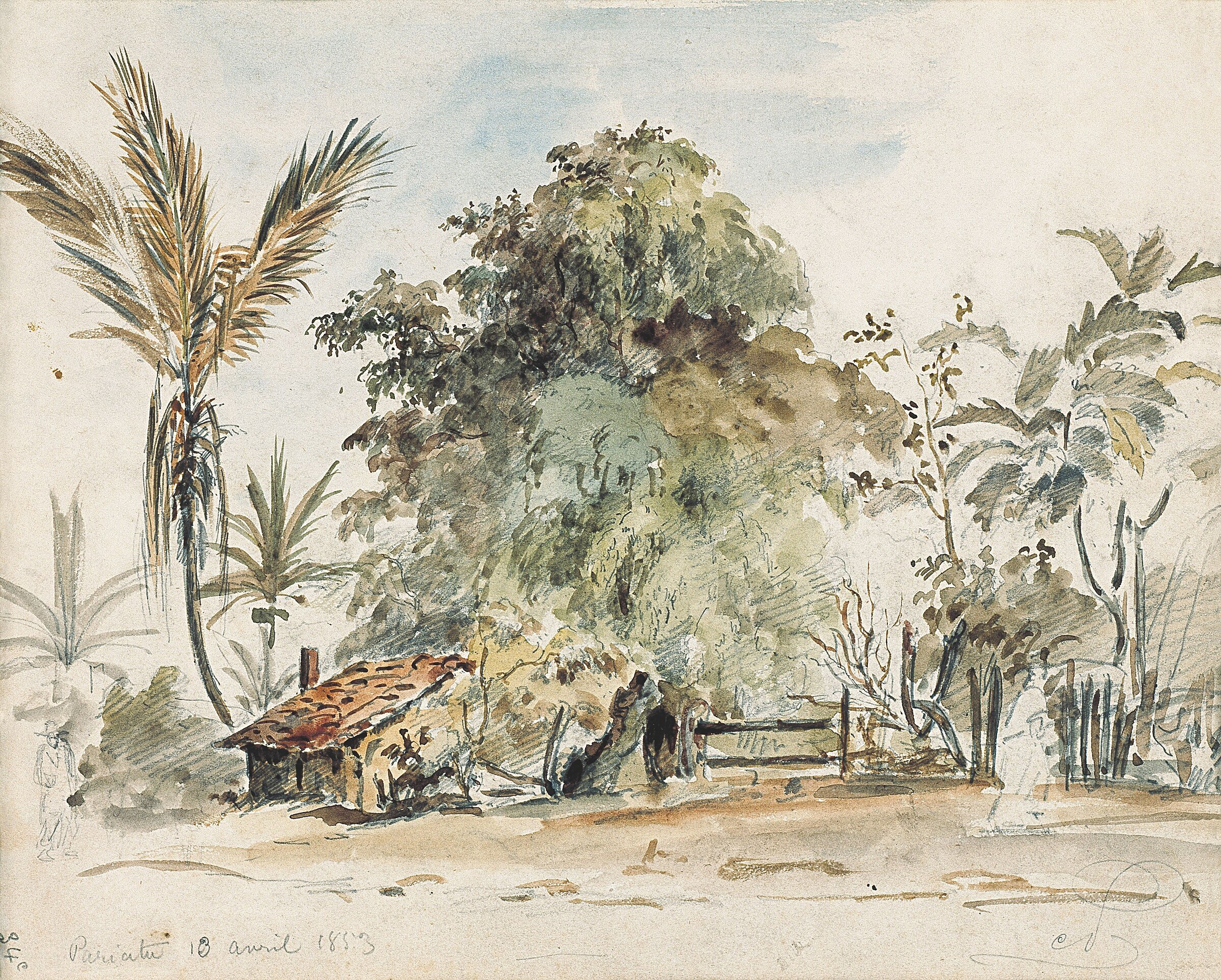
Do the 'step back test': if individual dots become visible up close but blend into solid colors from 10 feet away, you're looking at Neo-Impressionism.
Look for an overall shimmering, almost vibrating quality to the light—like the painting has its own internal glow that's more intense than reality.
Check if the brushwork is systematic and uniform rather than loose and varied—Neo-Impressionists used consistent dot or dash patterns across the canvas.
Seurat's masterpiece 'La Grande Jatte' took two years to complete and contains an estimated 3.5 million dots of paint.
The technique was so time-consuming that Seurat died at only 31, possibly from overwork and exposure to toxic pigments in his studio.
Neo-Impressionists originally called their technique 'Divisionism'—'Pointillism' was actually a dismissive term by critics that stuck.
The artists who defined it
Works to know
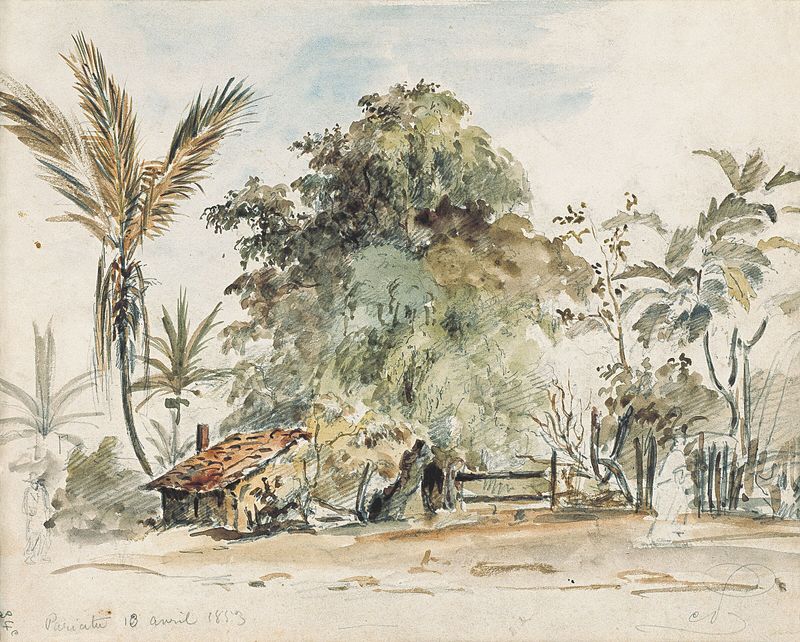 Pariata
1853 · Colección Patricia Phelps de Cisneros
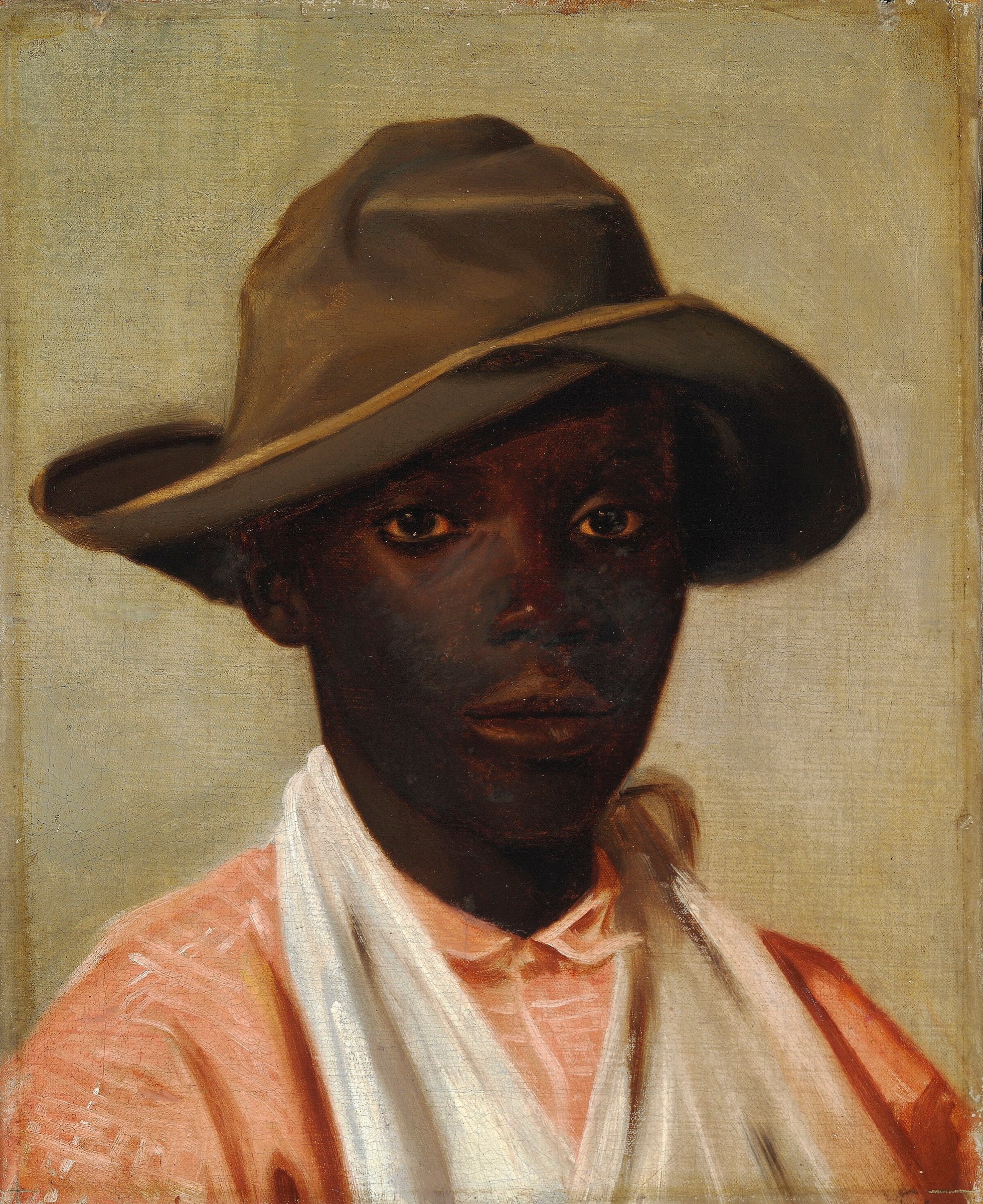
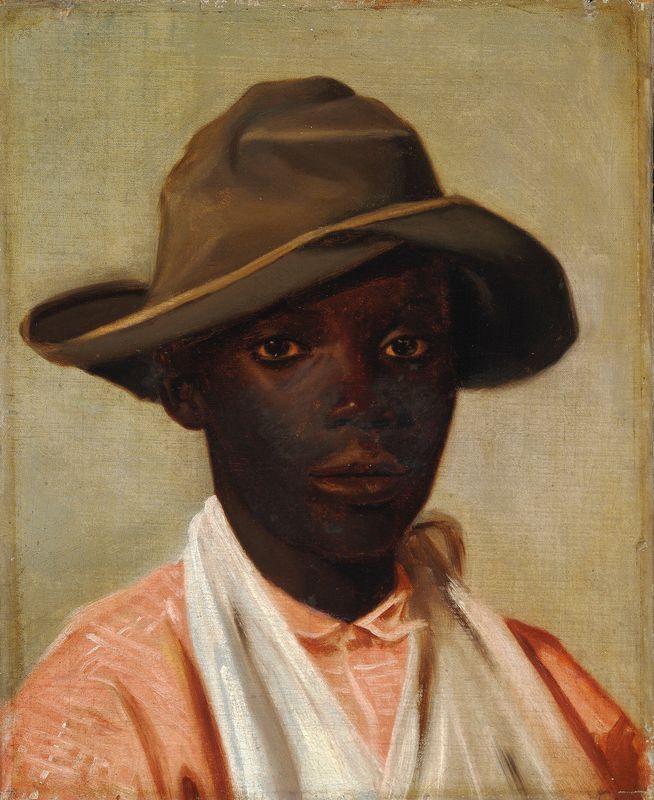 Portrait of a boy
1853 · Ordrupgaard
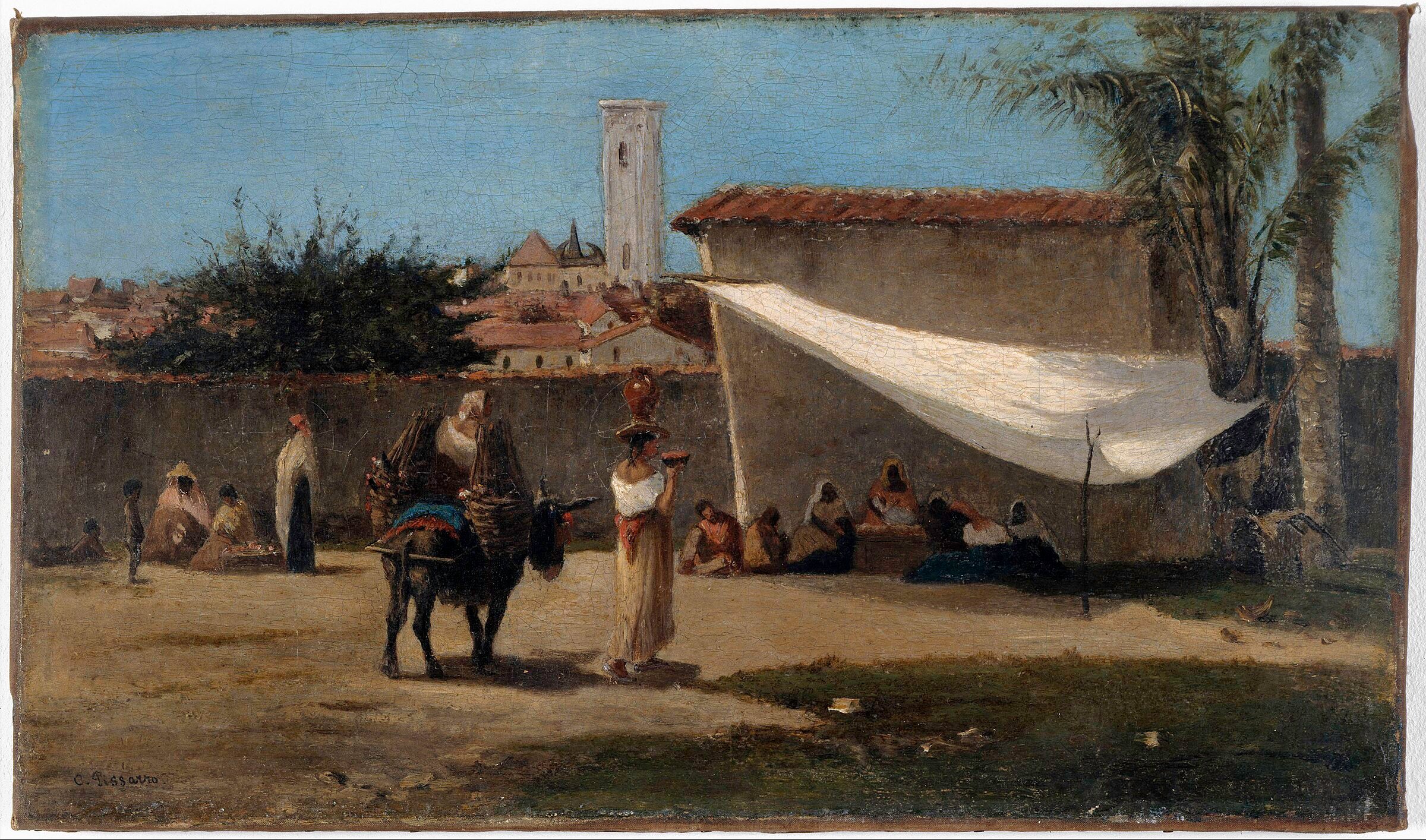
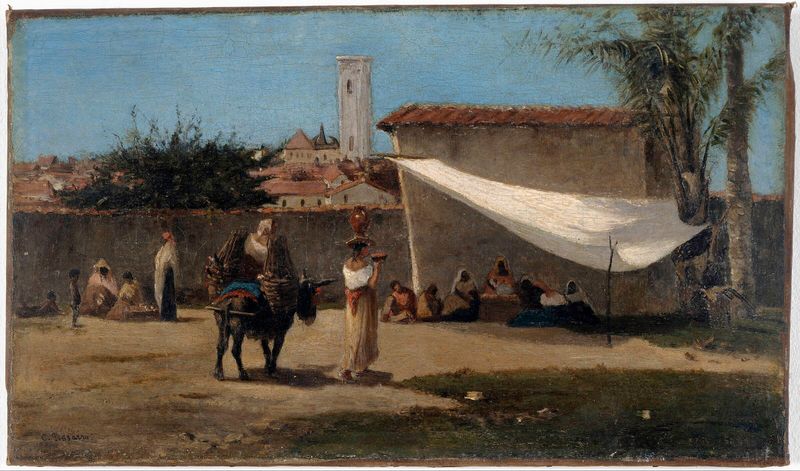 A Square in Caracas
1854 · Colección Patricia Phelps de Cisneros
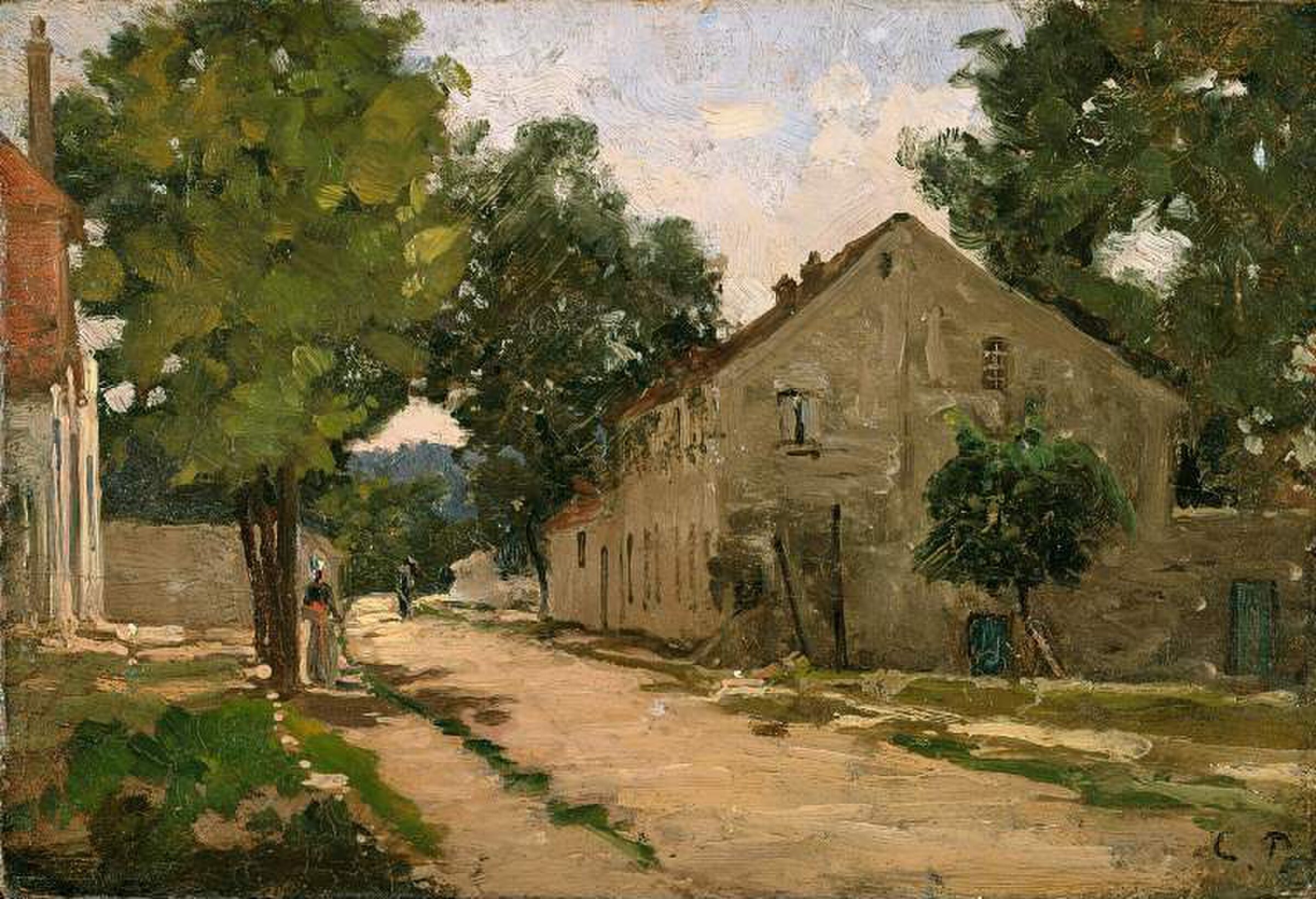
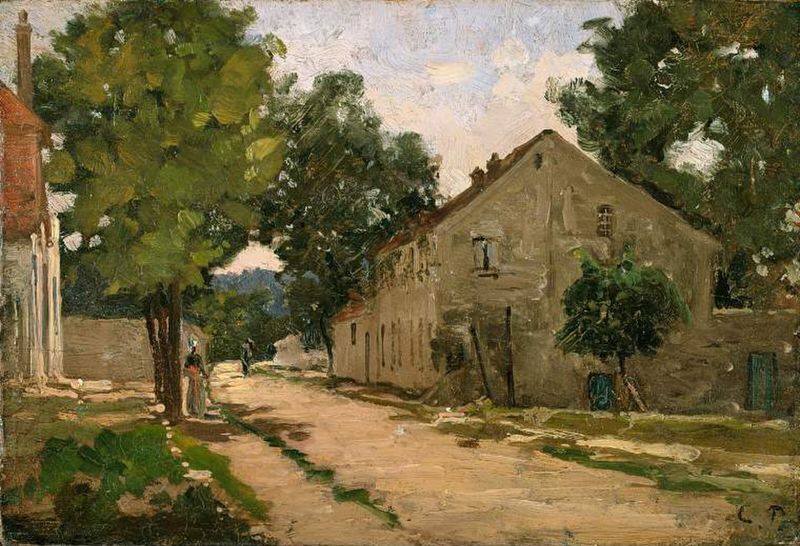 Route de Port-Marly
1863 · Fitzwilliam Museum
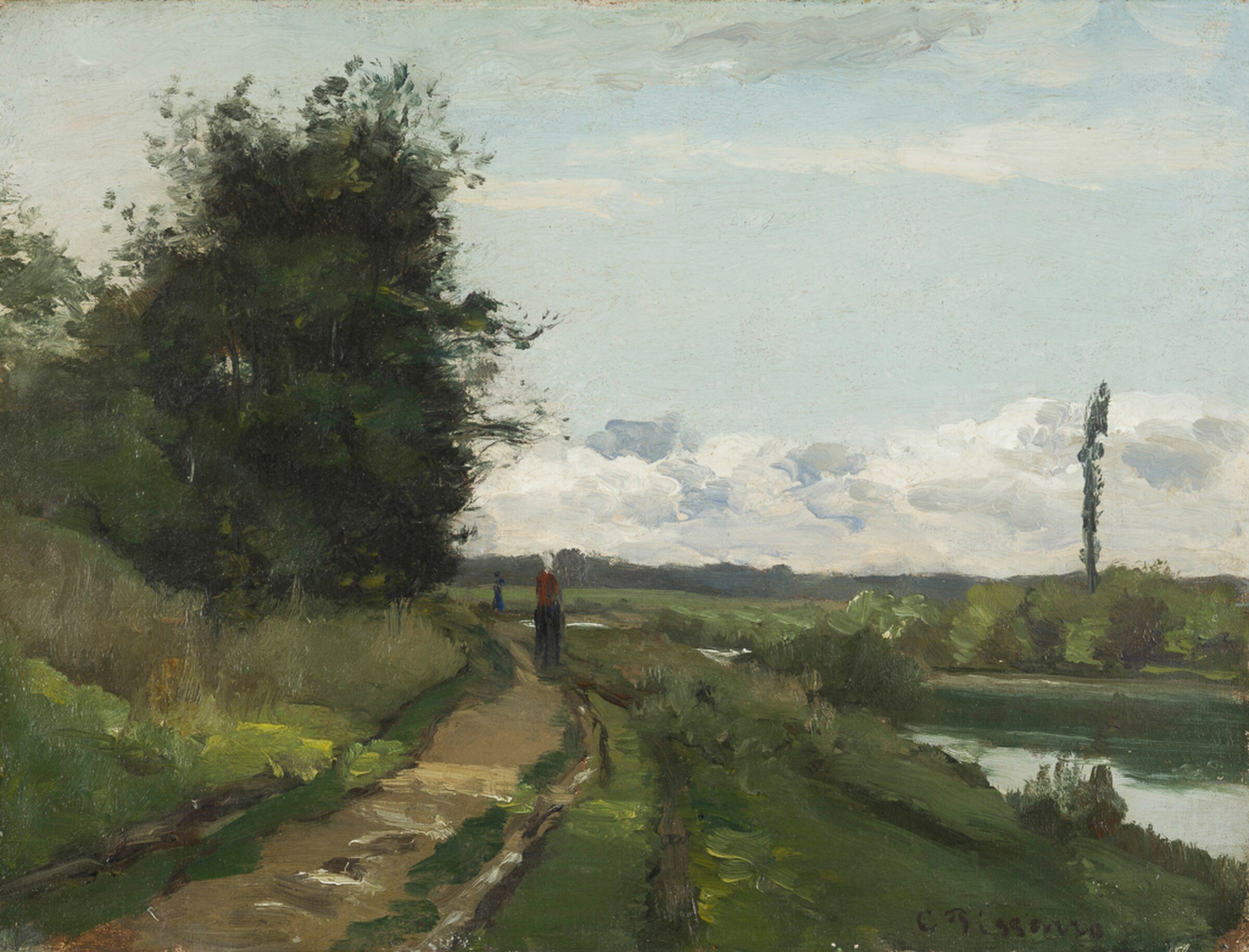
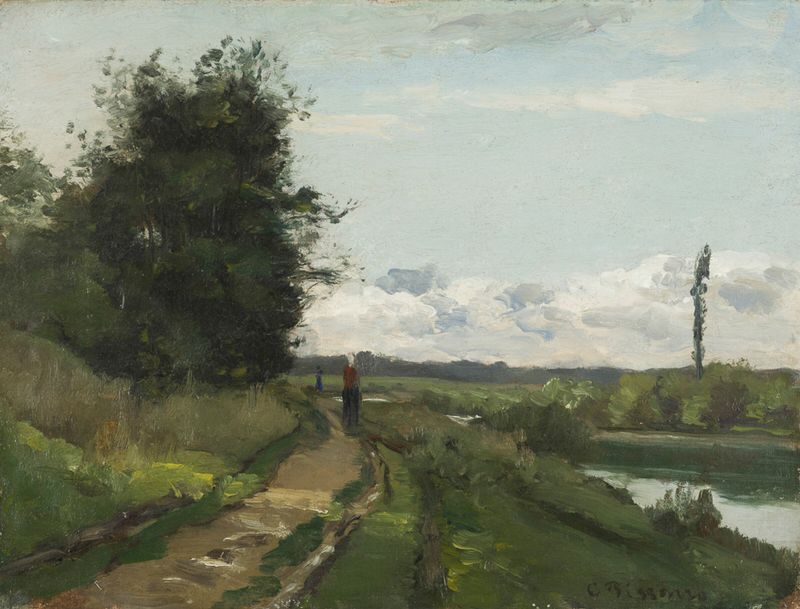 Les bords de la Seine à Bougival
1864 · Fitzwilliam Museum
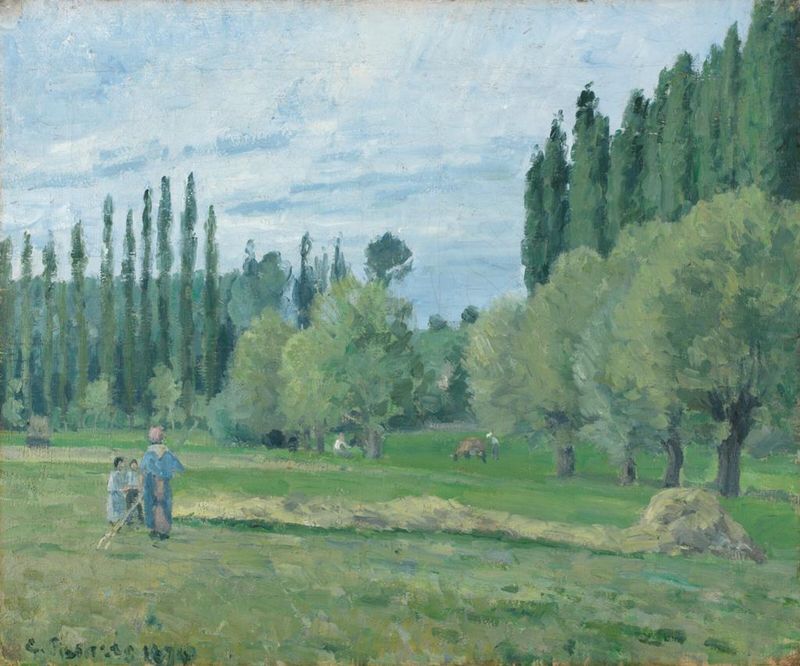 Haymaking
1874 · Fitzwilliam Museum
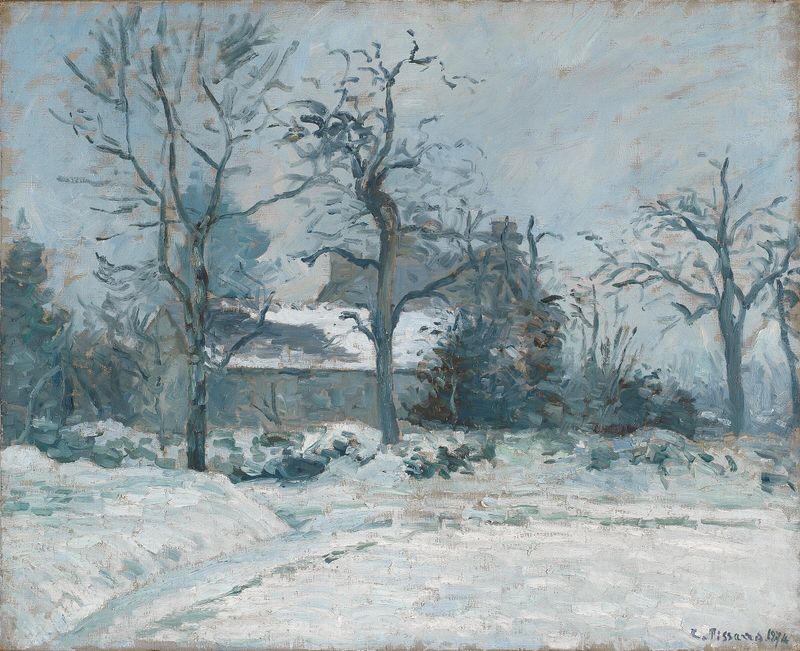 La Maison de la Piette, Montfoucault, effet de neige
1874 · Fitzwilliam Museum
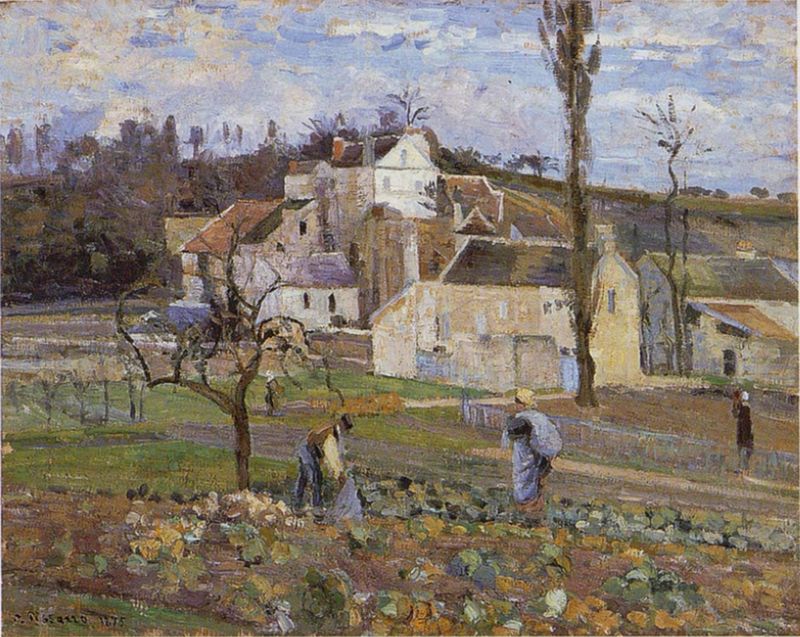 Cabbage Patch Near the Village
1875 · Cincinnati Art Museum
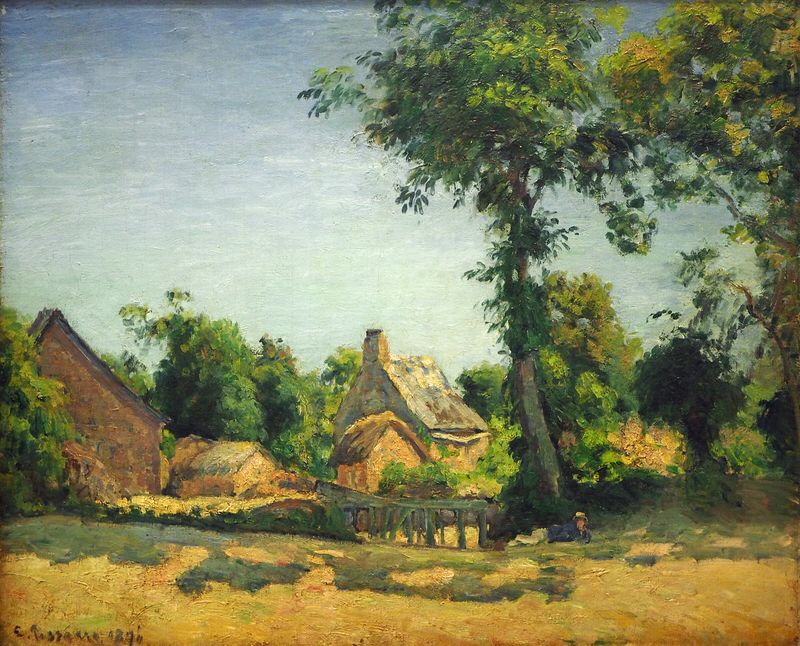 Landscape at Melleray, Mayenne
1876 · Landesmuseum Hannover
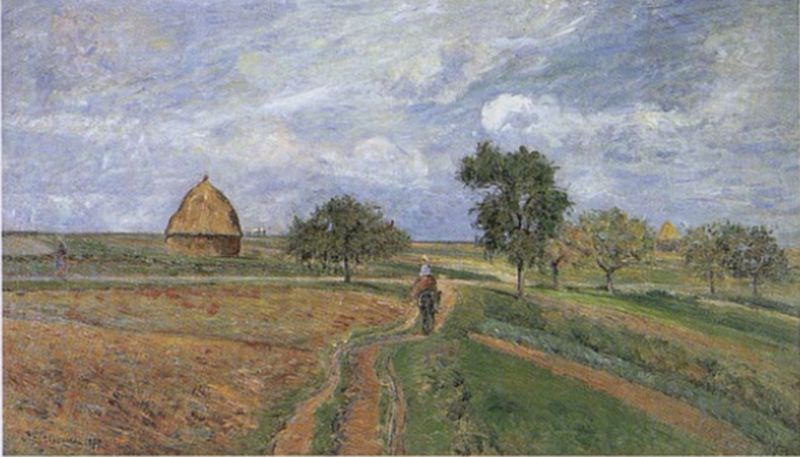 The Old Road to Ennery at Pontoise
1877 · National Gallery of Canada
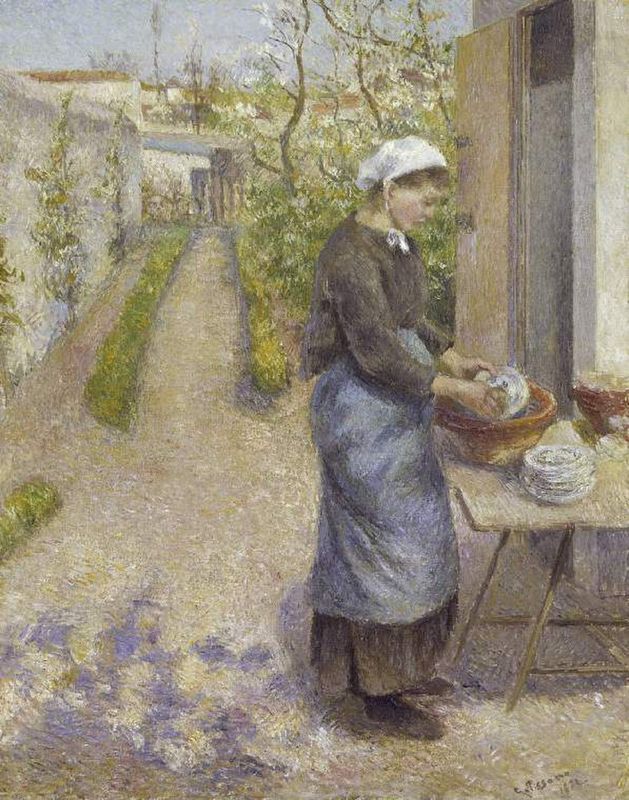 In the Garden at Pontoise: A Young Woman Washing Dishes
1882 · Fitzwilliam Museum
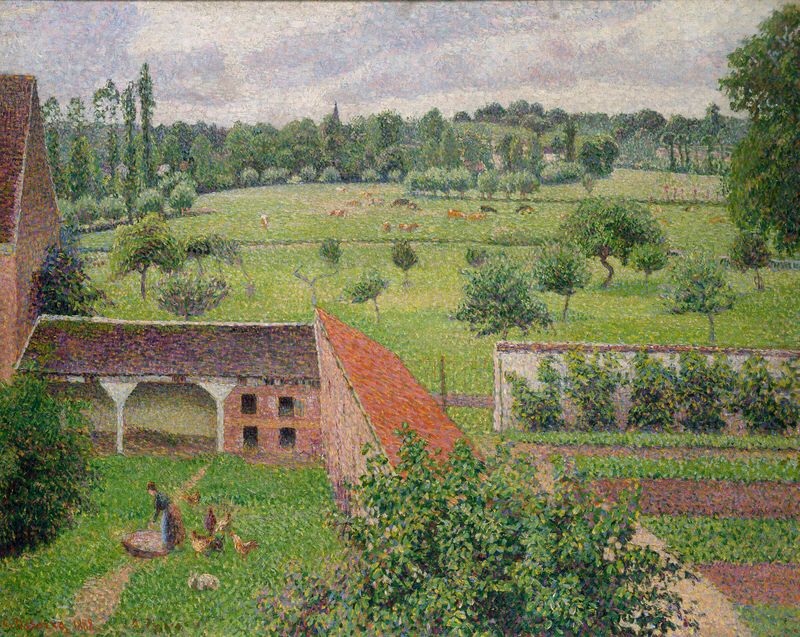 View from my Window
1887 · Ashmolean Museum
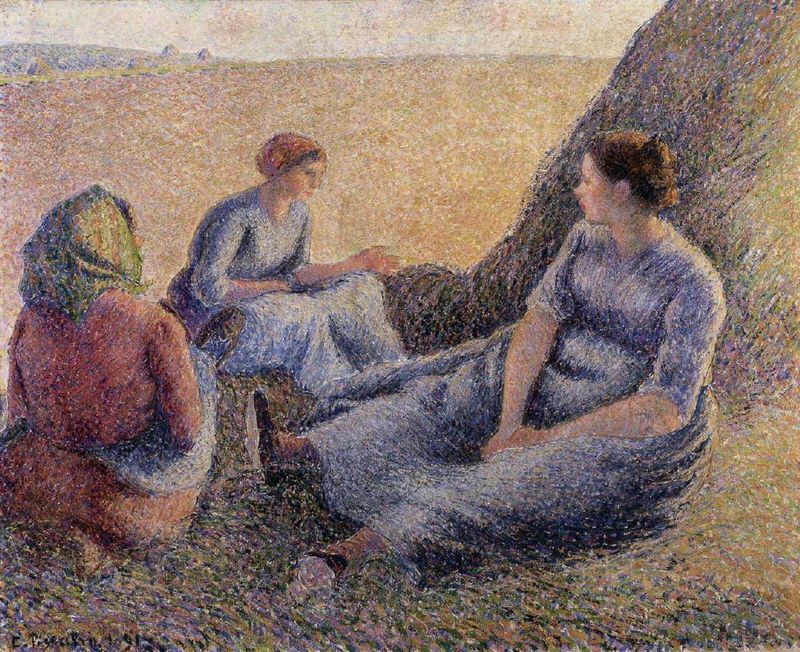 Haymakers Resting
1891 · McNay Art Museum
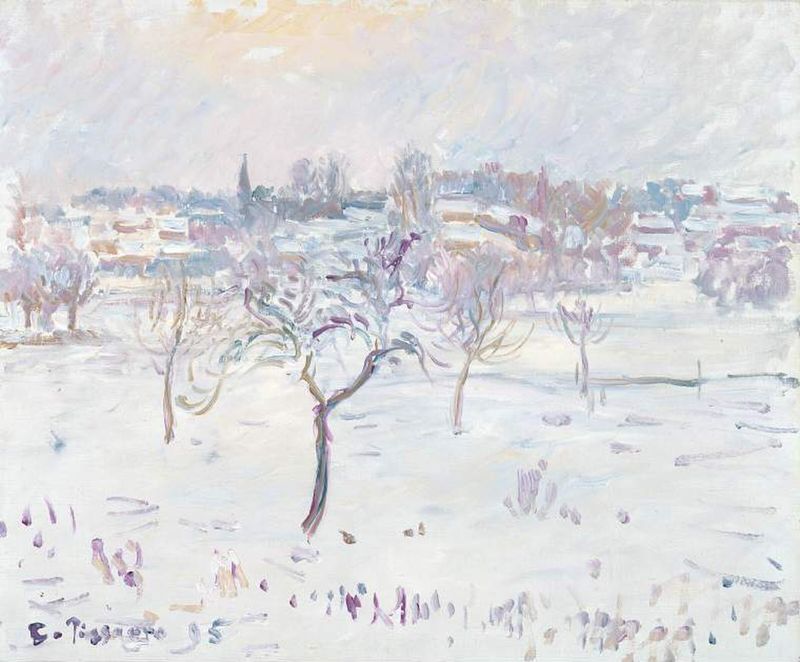 Snowy landscape at Eragny with an apple tree
1895 · Fitzwilliam Museum
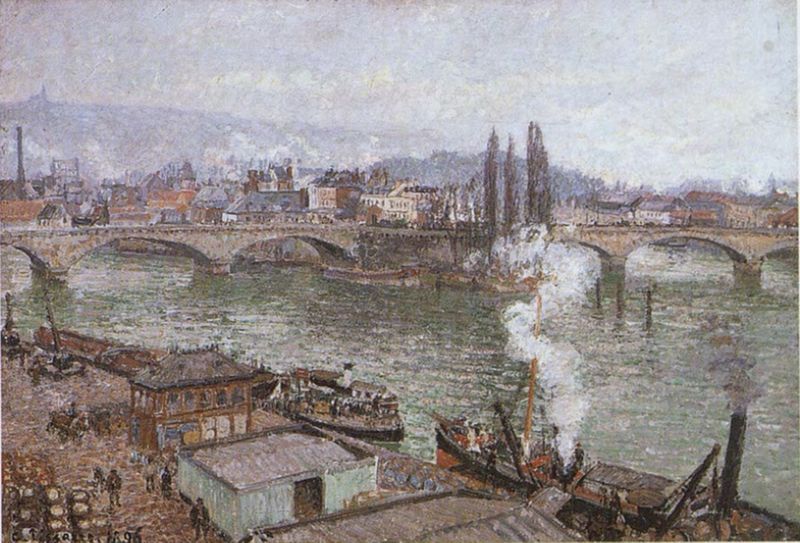 The Stone Bridge in Rouen, Dull Weather
1896 · National Gallery of Canada
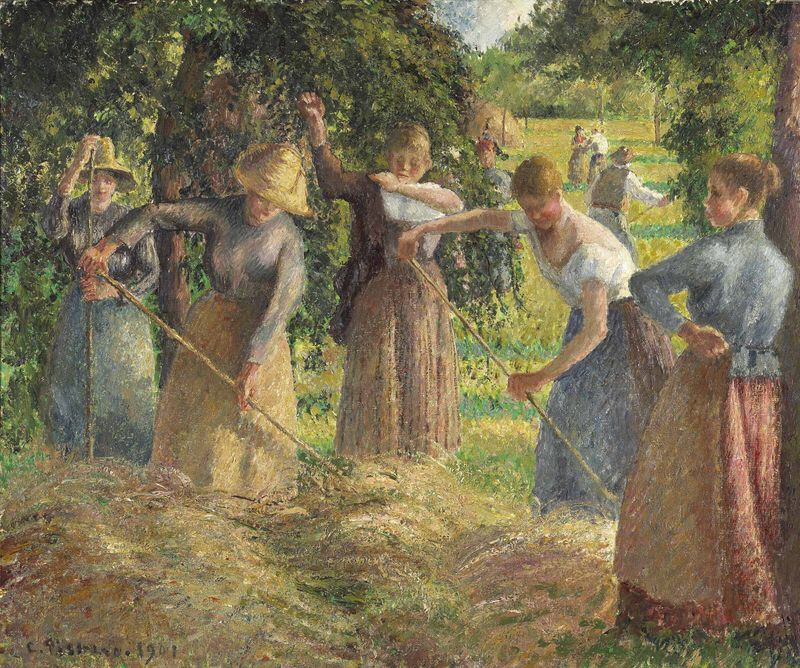 Hay Harvest at Éragny
1901 · National Gallery of Canada
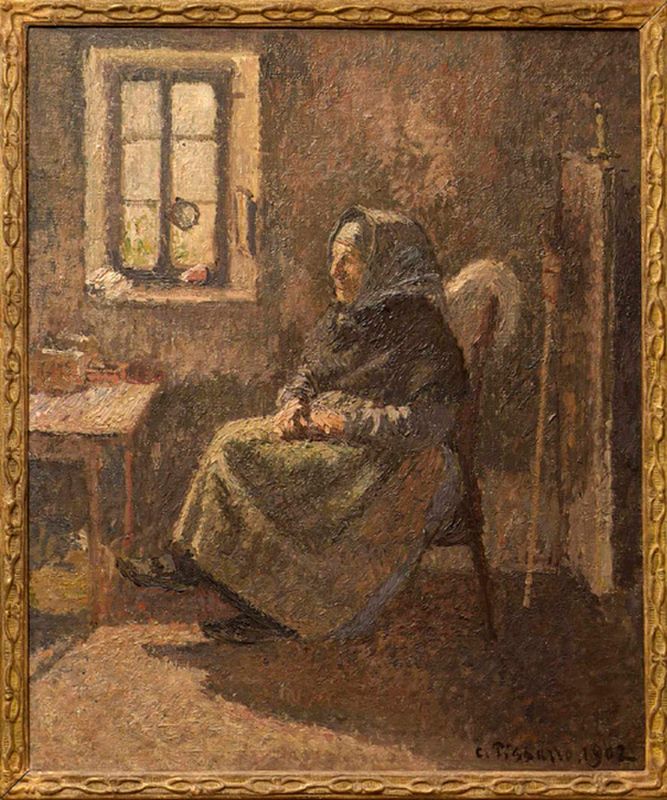 Peasant woman sitting in moret
1902 · Museum of Montserrat
 L' atelier sous les toits
1903 · Fitzwilliam Museum
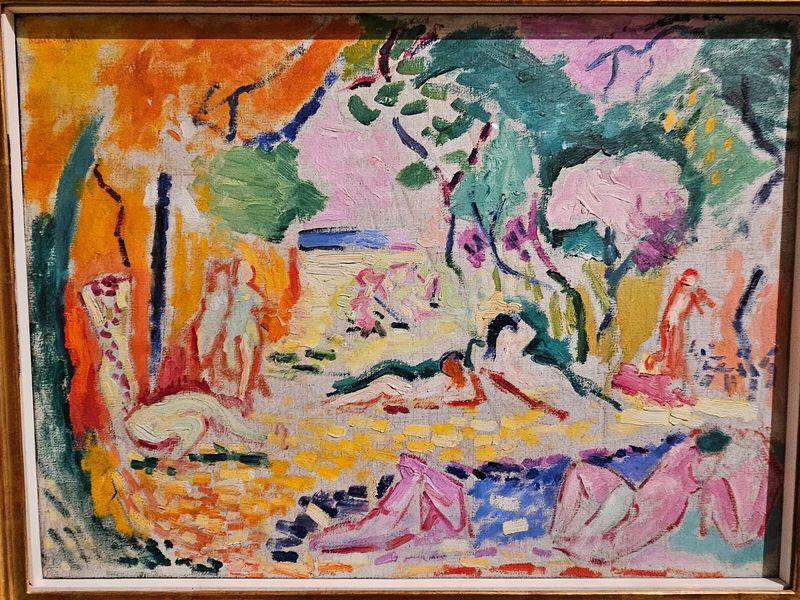 Sketch for "joy of living"
1905 · San Francisco Museum of Modern Art
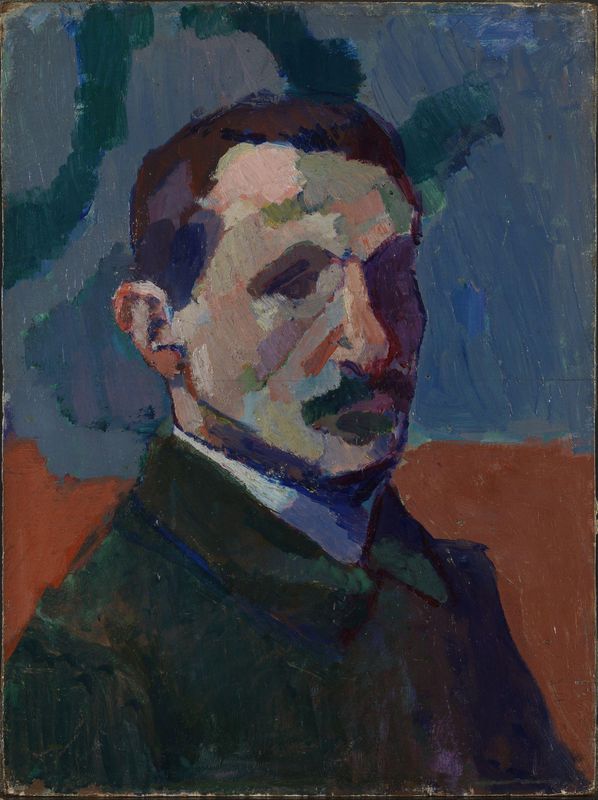 Albert Marquet
1905 · National Museum of Art, Architecture and Design
Take Neo-Impressionism to the museum
Point your phone at any painting and Art Whisper tells you its story — who made it, what to notice, and why it matters. Free to start.