
“CoBrA was a short but explosive art movement that burned bright from 1948 to 1951, taking its name from the first letters of Copenhagen, Brussels, and Amsterdam—the home cities of its founding members.”
Imagine walking into a gallery and seeing paintings that look like they were made by brilliant children who'd raided a mythology library: bold, spontaneous, and utterly unafraid of color. These artists rejected the intellectualism and geometric precision that dominated postwar European art, choosing instead to paint with raw emotion and primitive energy.
What makes CoBrA distinctive from across the room? Look for paintings that seem to vibrate with life—thick, gestural brushstrokes in primary colors, childlike figures, fantastical creatures, and mythical beasts all jumbled together in joyful chaos. The artists drew inspiration from children's art, folk traditions, and non-Western cultures, believing that spontaneity and instinct could reach deeper truths than careful planning. Karel Appel, Asger Jorn, and Pierre Alechinsky led the charge, creating works that feel like visual jazz: improvisational, energetic, and full of unexpected surprises.
Though CoBrA officially lasted only three years, its impact rippled through postwar European art. These artists were rebelling against the trauma of World War II and the stuffiness of academic art, seeking freedom and authenticity through what they called 'spontaneous expression.' Their work connects back to Expressionism and Surrealism but pushes further into abstraction and primal energy. When you spot a CoBrA painting, you're looking at art that dared to be playful and serious at the same time—works that remind us creativity doesn't need to be polite or refined to be profound.
- Period
- c. 1948–1951
- Peak
- around 1949
- Born in
- Copenhagen, Denmark and Amsterdam, Netherlands, and Brussels, Belgium
- Key artists
- Asger Jorn, Carl-Henning Pedersen, Constant Nieuwenhuys, Egill Jacobsen
- Came before
- Surrealism and German Expressionism
- Came after
- Art Informel and Neo-Expressionism
When it happened
- CAME BEFORESurrealism and German Expressionism
- ~1948 · STARTED
- ~1949 · PEAKED
- ~1951 · ENDED
- CAME AFTERArt Informel and Neo-Expressionism
What makes it CoBrA
Childlike Figures & Bold Colors
Simplified human and animal forms painted with thick brushstrokes in vivid primary colors, especially reds, blues, and yellows.
e.g. Questioning Children by Karel AppelMythical Beasts & Fantasy Creatures
Birds, monsters, and hybrid creatures that look like they escaped from ancient folklore or a child's imagination.
e.g. The Eagerly Awaited Moment by Asger JornHeavy, Gestural Brushwork
Thick impasto paint applied with visible, energetic strokes that show the artist's hand in every mark.
e.g. Child with Birds by Karel AppelSpontaneous, Untamed Composition
No careful planning—figures and forms seem to explode across the canvas organically, overlapping and intertwining.
e.g. Central Park by Pierre AlechinskyPrimitive & Folk Art Influence
Flattened perspective, simplified shapes, and decorative patterns inspired by tribal art and folk traditions.
e.g. Mask by Constant NieuwenhuysHow to spot CoBrA
Three signs you’re standing in front of one — all easy to see in Danseuse.
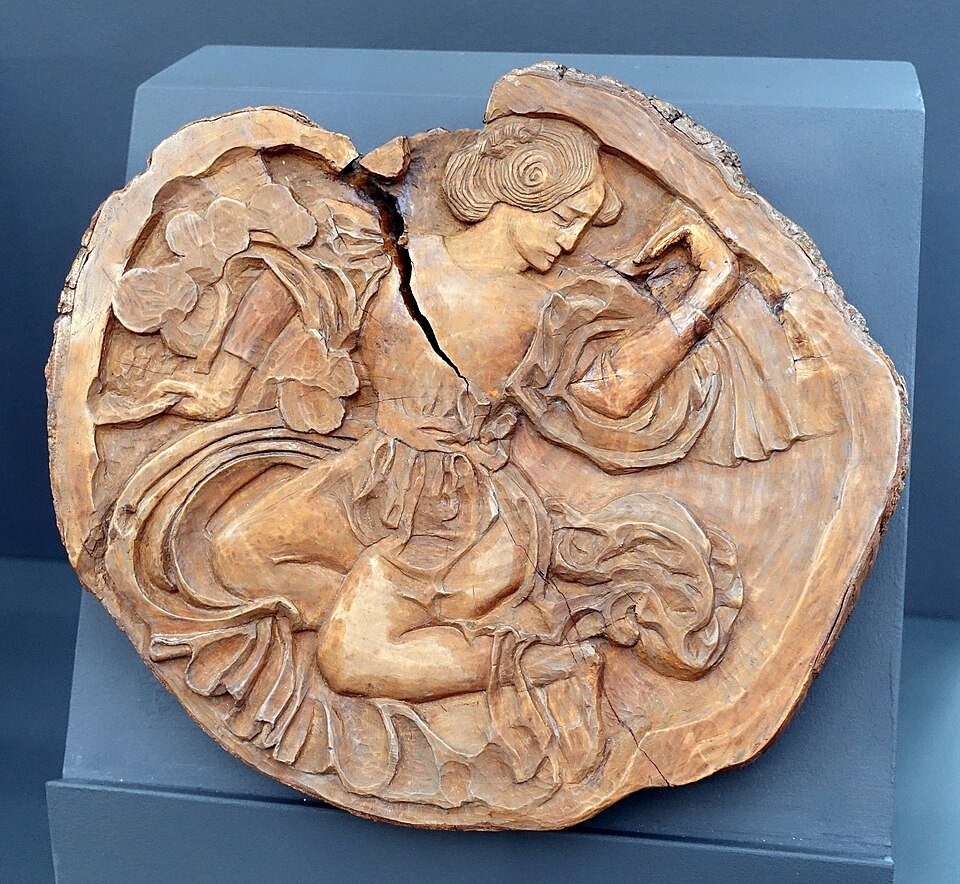
Look for paintings that seem messy but intentional—thick paint, bold primary colors, and figures that look like sophisticated cave paintings.
Check if you see creatures that could be birds, people, or monsters—CoBrA artists loved ambiguous, fantastical beings with big eyes and simple shapes.
Notice the energy: if the painting feels spontaneous and playful rather than carefully composed, with visible brushstrokes everywhere, you're likely looking at CoBrA.
The group only held one major exhibition together and lasted just three years, but changed the course of European art.
Karel Appel once said 'I paint like a barbarian in a barbarous age,' perfectly capturing CoBrA's rejection of refined, polite art.
The name CoBrA was suggested by poet Christian Dotremont, who loved how it evoked both the cities AND a dangerous, striking snake.
The artists who defined it
Works to know
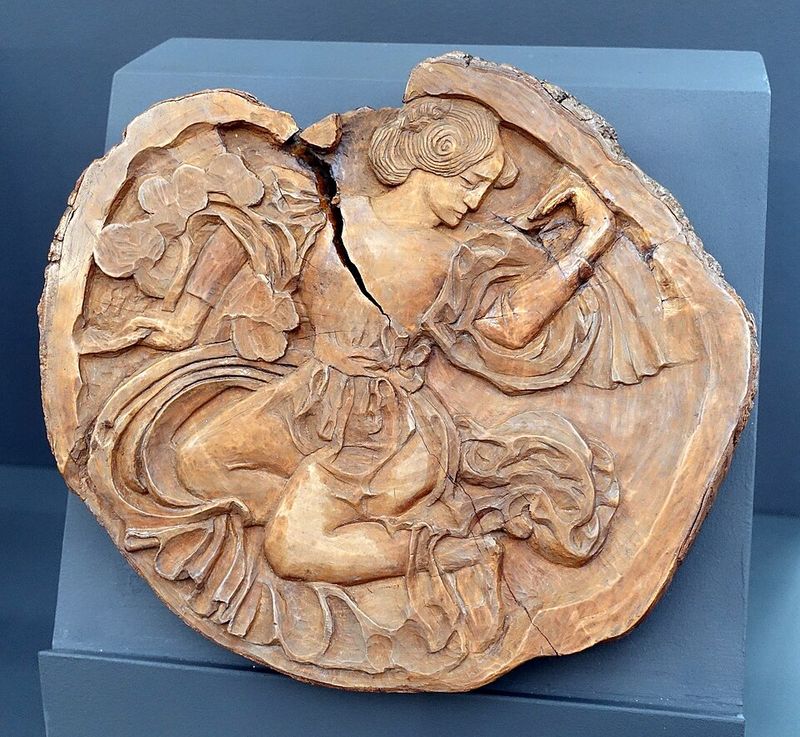 Danseuse
1893 · Kunsthalle Bremen
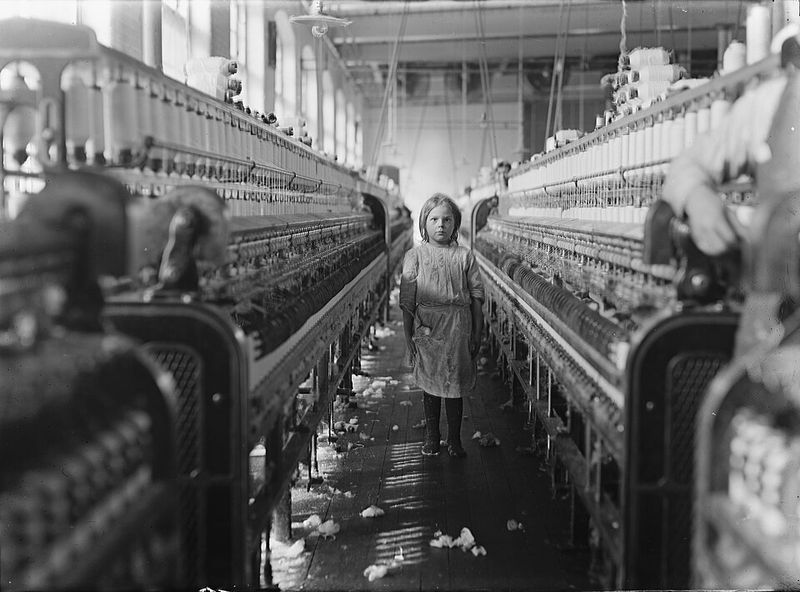 The Child
1905 · Speed Art Museum
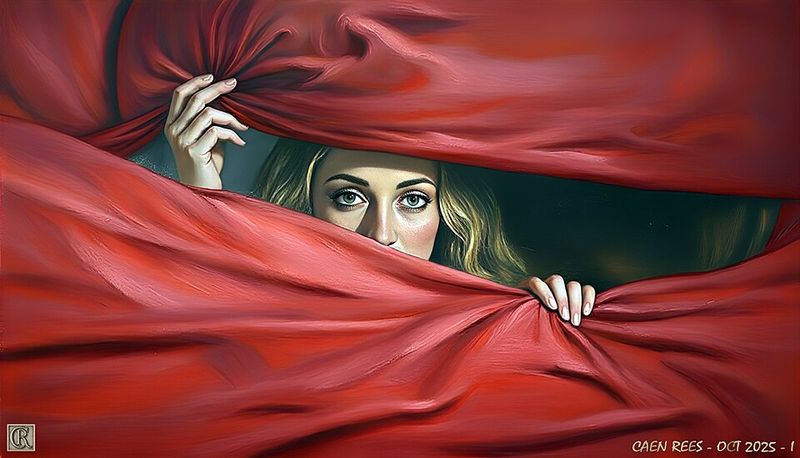 Vrouw met rode das
1947
 The Fighting Cock
1947
 Deux personnages
1950
 Oerbeest
1951 · Stedelijk Museum Schiedam
 La grande bellezza
1965
 Personage
1971 · The Metropolitan Museum of Art
 St. Tropez
2000 · Yale Center for British Art
 Portrait of Rudi Fuchs
2005 · Van Abbemuseum
 Untitled
Thyssen-Bornemisza Museum
Take CoBrA to the museum
Point your phone at any painting and Art Whisper tells you its story — who made it, what to notice, and why it matters. Free to start.