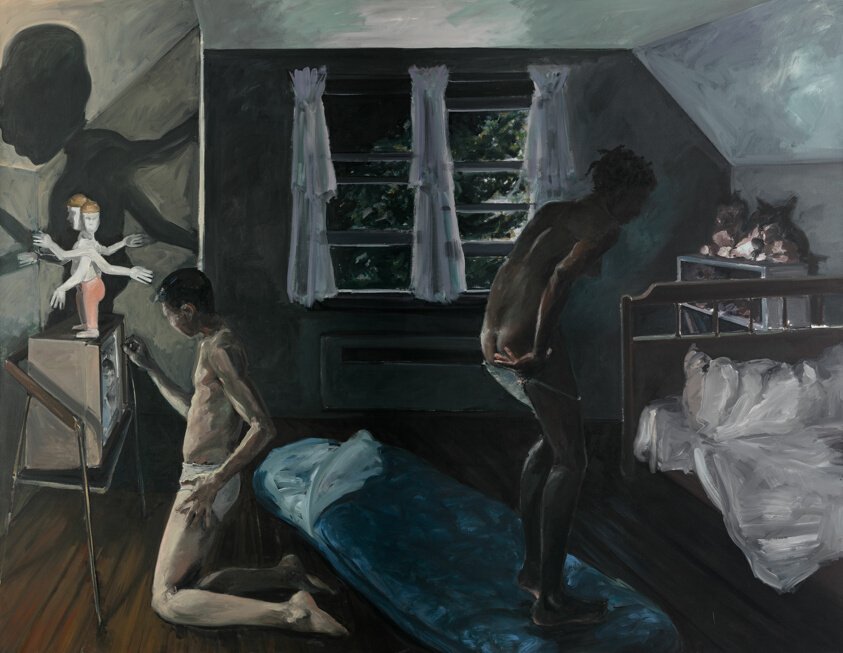
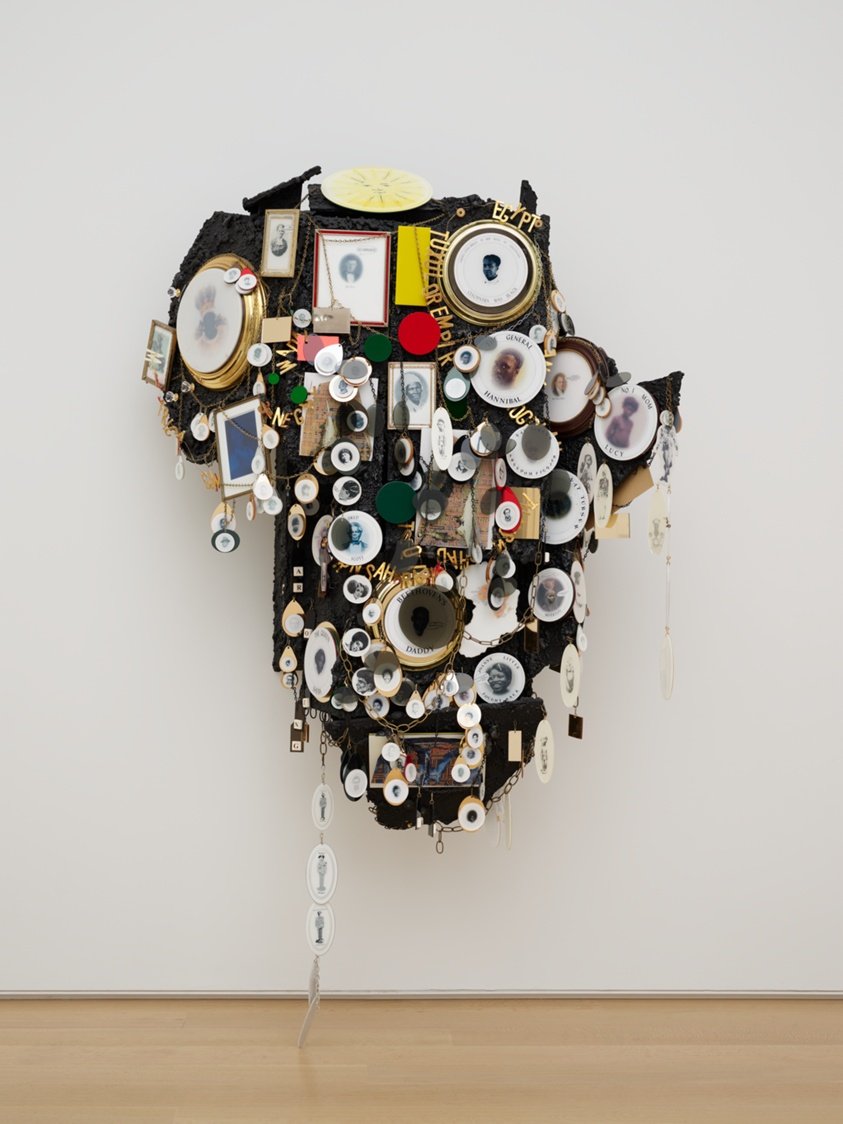

“Imagine walking into a gallery and being hit by canvases so large and energetic they feel like they're vibrating.”
Welcome to Neo-Expressionism, the movement that brought raw emotion and aggressive paint handling roaring back to contemporary art. Born in the late 1970s and exploding through the 1980s primarily in Germany and the United States, this was art's loud reaction against the cool intellectualism of Conceptual Art and Minimalism. Artists like Julian Schnabel, Jean-Michel Basquiat, Anselm Kiefer, and Georg Baselitz decided that painting—big, messy, emotional painting—wasn't dead after all.
What makes Neo-Expressionism unmistakable is its sheer physical intensity. These artists didn't just apply paint; they attacked the canvas. You'll see thick impasto built up with palette knives, broken plates embedded in surfaces, spray-painted text, violent brushstrokes, and images that feel like they emerged from some primal place. The human figure returned front and center, but distorted, fractured, sometimes barely recognizable. Colors tend toward the dramatic—deep blacks, fiery reds, earthy browns—and the scale is often monumental, demanding your attention from across the room.
The movement had distinct regional personalities. German Neo-Expressionists grappled with history and national trauma, creating works heavy with mythological and historical references. American Neo-Expressionists mixed high art references with pop culture debris, embracing a more eclectic, sometimes ironic approach. Basquiat brought graffiti's energy and profound social commentary into the mainstream. Despite their differences, what united these artists was their conviction that authentic, visceral expression through paint mattered in an increasingly digital, conceptual age. They proved the rumors of painting's death were greatly exaggerated.
- Period
- c. 1994–present
- Peak
- around 1983
- Born in
- United States
- Key artists
- Albert Oehlen, A. R. Penck, Cecily Brown, Charline Von Heyl
- Came before
- Minimalism and Conceptual Art
- Came after
- Young British Artists (YBAs) and Neo-Conceptualism
When it happened
- CAME BEFOREMinimalism and Conceptual Art
- ~1978 · STARTED
- ~1983 · PEAKED
- CAME AFTERYoung British Artists (YBAs) and Neo-Conceptualism
What makes it Neo-Expressionism
Thick, Aggressive Paint Application
Paint piled on in heavy layers, visible brushstrokes, palette knife marks—the surface itself becomes sculptural and tactile.
e.g. The Walk Home by Julian SchnabelDistorted, Expressive Human Figures
Bodies and faces twisted, fragmented, or roughly rendered to convey raw emotion rather than realistic representation.
e.g. Untitled (Skull) by Jean-Michel BasquiatDark, Intense Color Palettes
Heavy use of blacks, earth tones, fiery reds, and muddy colors that create moody, sometimes ominous atmospheres.
e.g. Margarethe by Anselm KieferMixed Media and Found Objects
Broken crockery, fabric, photographs, and text incorporated directly onto canvas, creating dense, layered surfaces.
e.g. Plate Paintings series by Julian SchnabelGraffiti-Like Text and Symbols
Words, phrases, crowns, skulls, and cryptic symbols scrawled or spray-painted across the surface, street-art style.
e.g. Hollywood Africans by Jean-Michel BasquiatHow to spot Neo-Expressionism
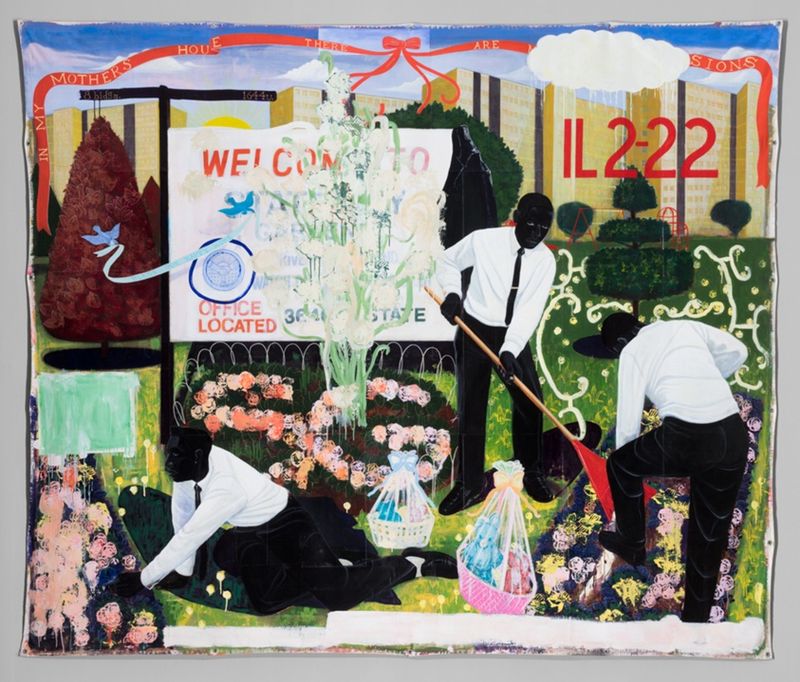
Three signs you’re standing in front of one — all easy to see in Many Mansions.
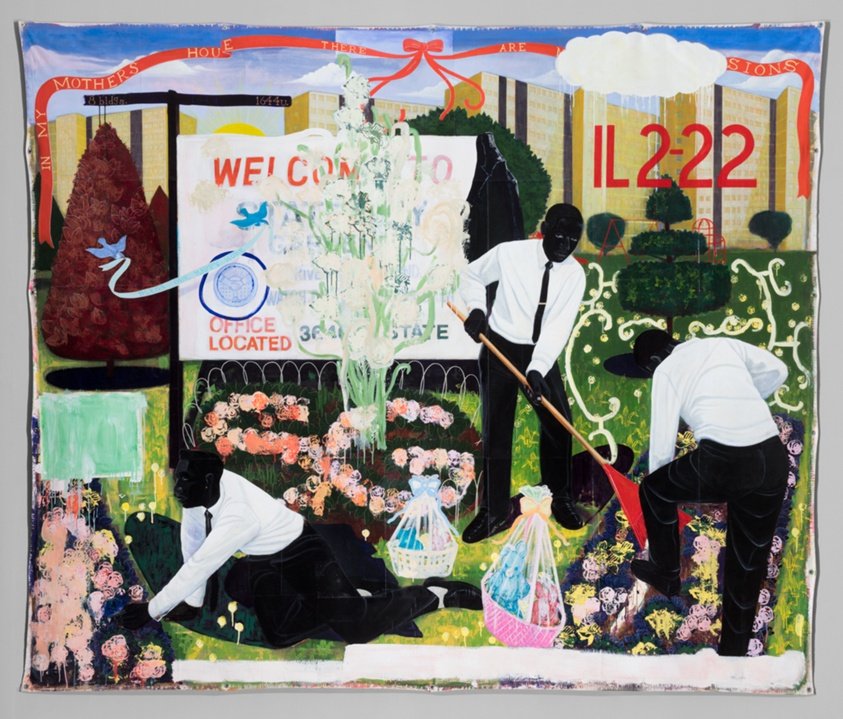
Look for paintings where the paint surface is thick enough to cast shadows—if it looks like you could scrape it off with a spatula, you're close.
Check for oversized canvases (often 8+ feet) with violent, energetic brushwork and distorted figures that seem more felt than observed.
Spot the mix: words or symbols scrawled across images, or actual objects like broken dishes embedded in the paint surface.
Julian Schnabel's infamous 'plate paintings' literally had broken crockery glued to the canvas before he painted over them.
Basquiat went from spray-painting buildings to selling paintings for thousands of dollars in just a few years—one recently sold for $110 million.
German artist Georg Baselitz has painted almost all his figures upside-down since 1969 to emphasize paint over subject matter.
The artists who defined it
Works to know
Take Neo-Expressionism to the museum
Point your phone at any painting and Art Whisper tells you its story — who made it, what to notice, and why it matters. Free to start.