
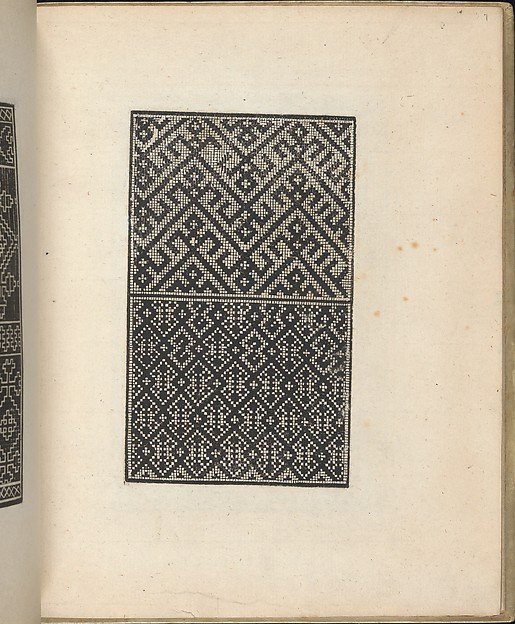
“Step into the world of 16th-century Venetian design with this intricate woodcut. It's not just art to view, but a practical pattern book page, offering a glimpse into the delicate craft of lace-making and embroidery.”
This woodcut, from Matteo Pagano's 1563 pattern book "Trionfo Di Virtu," presents a lively, intricate design intended for lace makers and embroiderers. The page is filled with a repeating geometric pattern, creating a sense of infinite possibility within the small frame. Look closely at the delicate interplay of lines and dots, which form a series of interconnected diamonds and crosses, all meticulously rendered. This isn't a picture to be admired from afar; it's a blueprint for creation, a guide for skilled hands to transform ink on paper into tangible textile art. The design reflects the era's fascination with complex, symmetrical motifs, providing a window into the decorative arts of 16th-century Venice. It offered artisans a rich vocabulary of forms, allowing them to adapt these patterns for everything from household linens to elaborate garments.
- Artist
- Matteo Pagano
- Date
- 1563
- Medium
- Woodcut
- Location
- The Metropolitan Museum of Art
- Dimensions
- Overall: 9 13/16 x 7 7/8 in. (25 x 20 cm)
- Collection
- Drawings and Prints
- Credit line
- Harris Brisbane Dick Fund, 1937
What to Notice
Four details hide in plain sight. Here’s where to look.
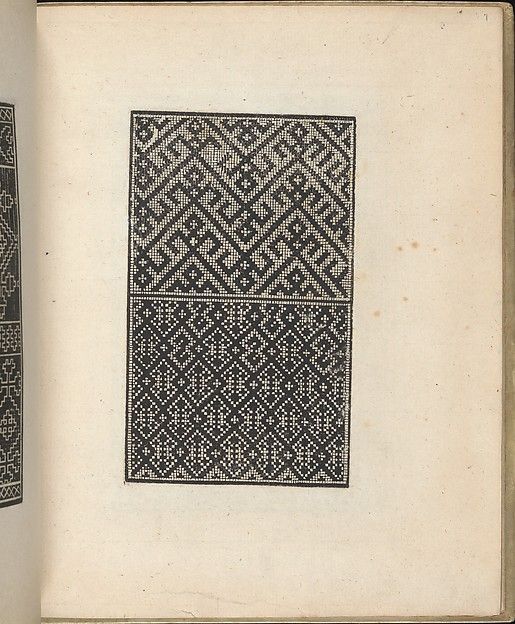
The repeating diamond and cross motif that fills the entire page.
The fine, almost pixelated dots used to create texture within the shapes.
The way the pattern seems to extend beyond the page's edges.
The subtle variations in line weight that give depth to the flat design.
Stand in front of it and listen
The full narration walks you through Trionfo Di Virtu. Libro Novo..., page 7 (recto) — the story behind it, the details most visitors miss, and why it matters. Free in the Art Whisper app.
Matteo Pagano
Matteo Pagano, an Italian printmaker, created intricate woodcut designs for lace patterns and other decorative arts in 16th-century Venice.
Further Works by Pagano
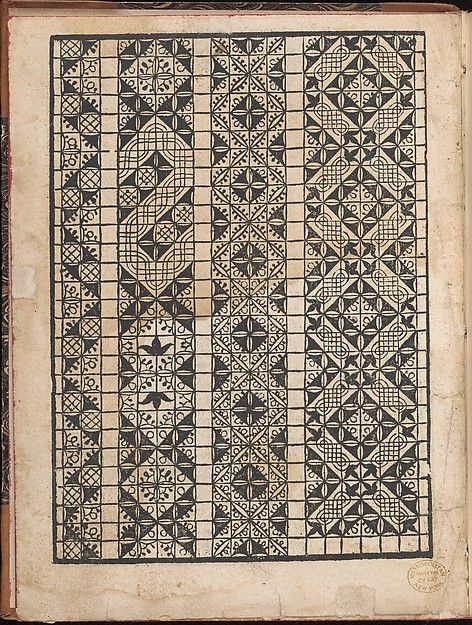 Spechio di pensieri delle belle et Virtudiose donne, page 14 (recto)
1546 · The Metropolitan Museum of Art
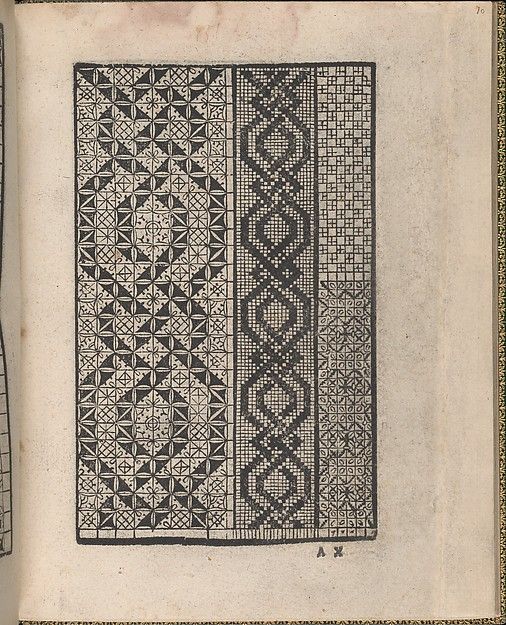 Ornamento delle belle & virtuose donne, page 6 (recto)
1554 · The Metropolitan Museum of Art
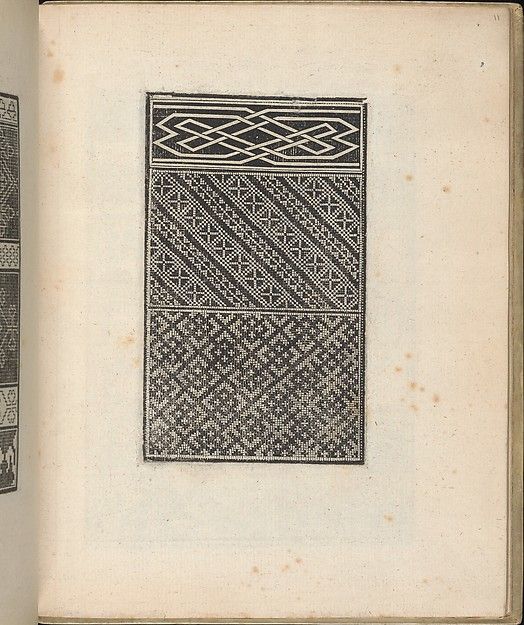 Trionfo Di Virtu. Libro Novo..., page 11 (recto)
1563 · The Metropolitan Museum of Art
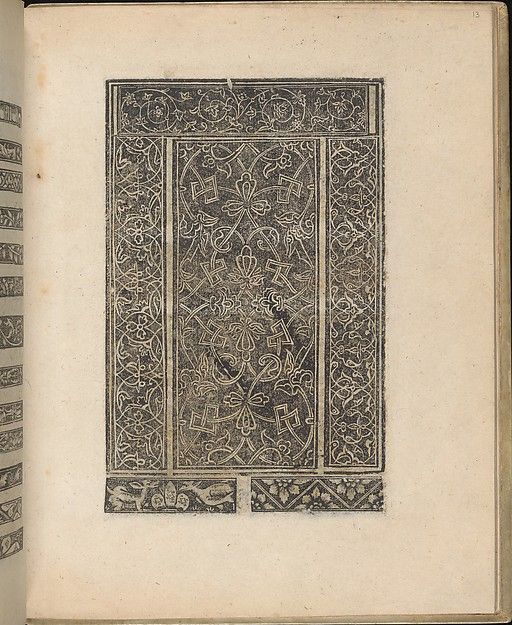 Trionfo Di Virtu. Libro Novo..., page 13 (verso)
1563 · The Metropolitan Museum of Art
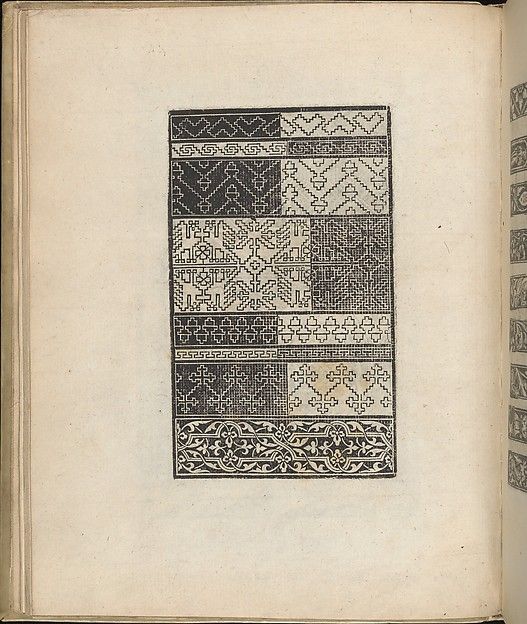 Trionfo Di Virtu. Libro Novo..., page 15 (recto)
1563 · The Metropolitan Museum of Art
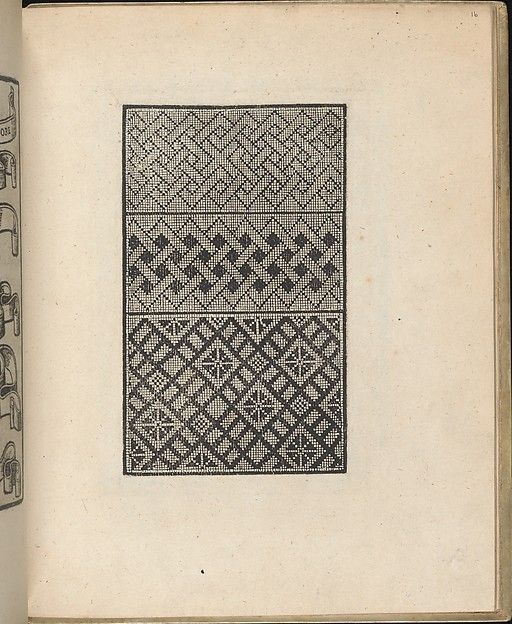 Trionfo Di Virtu. Libro Novo..., page 16 (verso)
1563 · The Metropolitan Museum of Art
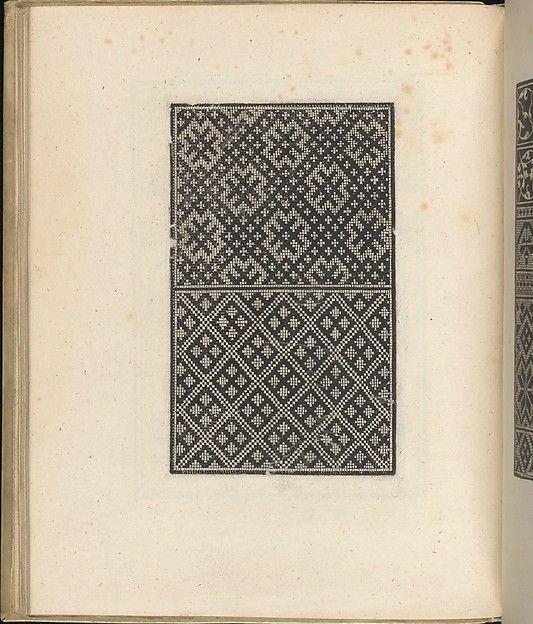 Trionfo Di Virtu. Libro Novo..., page 25 (recto)
1563 · The Metropolitan Museum of Art
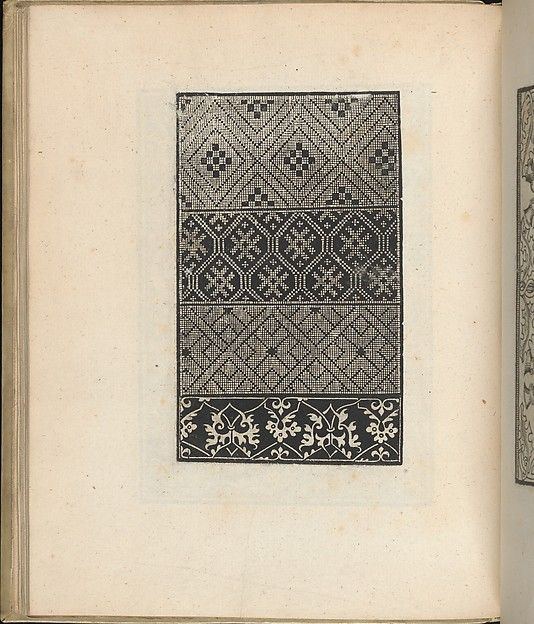 Trionfo Di Virtu. Libro Novo..., page 28 (recto)
1563 · The Metropolitan Museum of Art
More works to explore
Beyond Pagano: works from the same years.
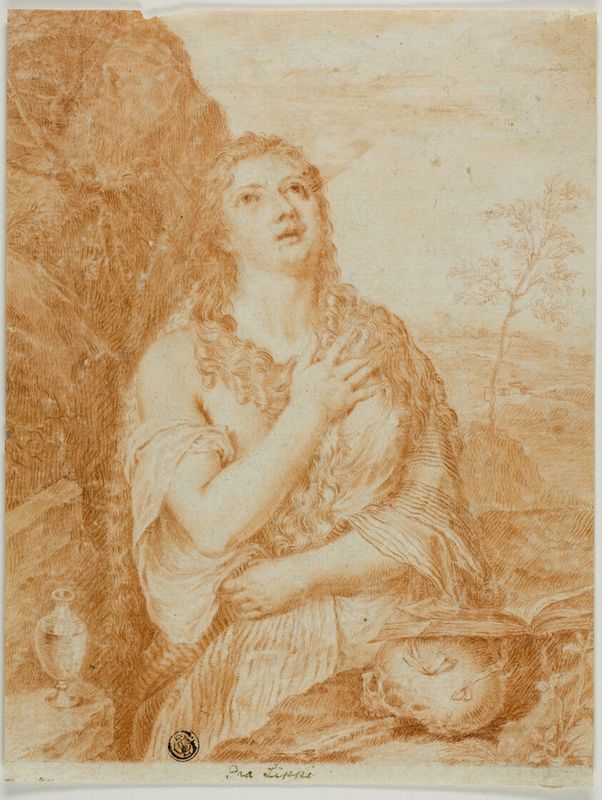 Same era · 1540s–1570s
Penitent Magdalene
Titian · 1575
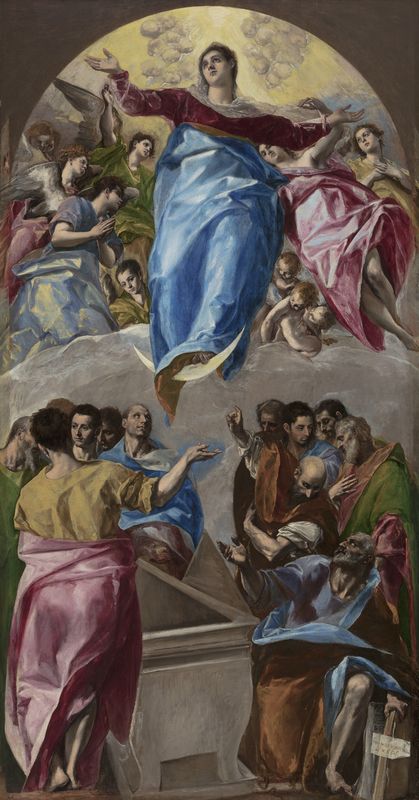 Same era · 1540s–1570s
The Assumption of the Virgin
El Greco · 1577 · Art Institute of Chicago
 Same era · 1540s–1570s
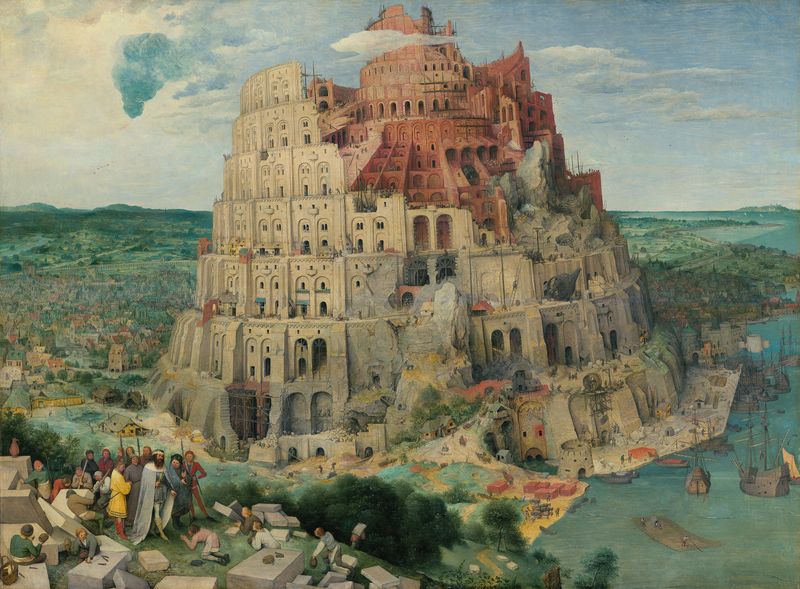
The Tower of Babel
Pieter Bruegel the Elder · 1563
 Same era · 1540s–1570s
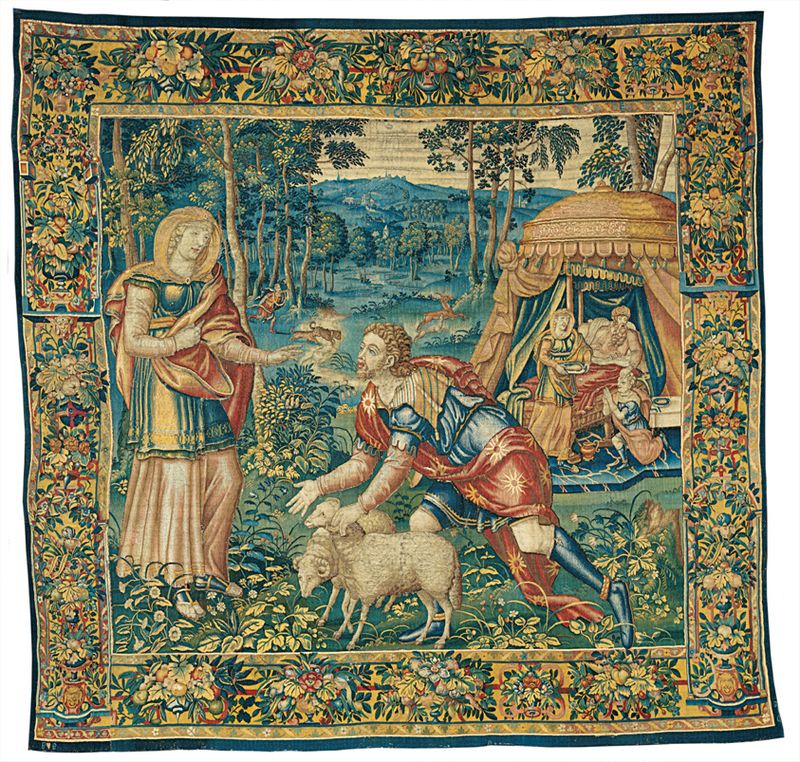
The Meeting of Jacob and Rebecca, and Isaac Blessing Jacob from The Story of Jacob
Workshop of Jan van Tieghem · 1560 · Art Institute of Chicago
 Same era · 1540s–1570s
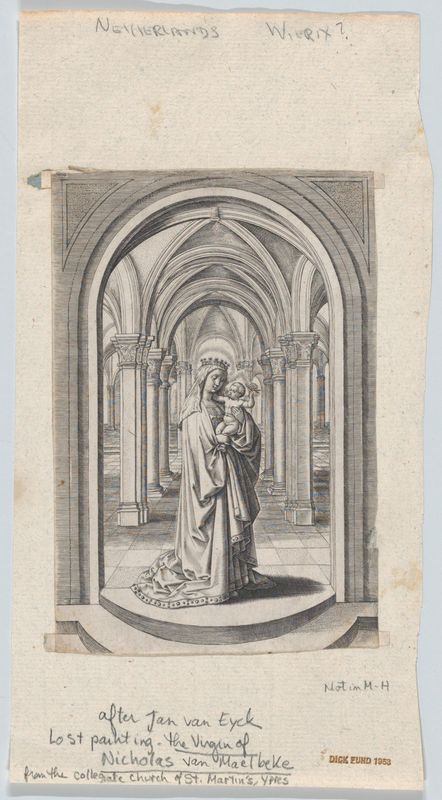
Virgin and Child in a Church, also known as the Van Maelbeke Virgin
Wierix · 1575 · The Metropolitan Museum of Art
 Same era · 1540s–1570s
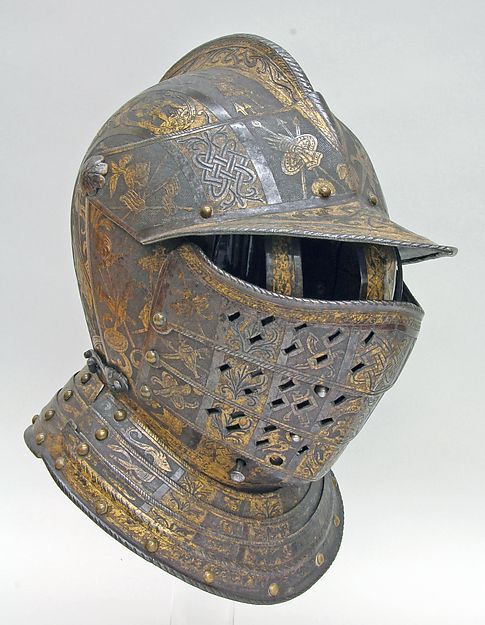
Close Helmet with Falling Buffe
Pompeo della Cesa · 1565 · The Metropolitan Museum of Art
 Same era · 1540s–1570s
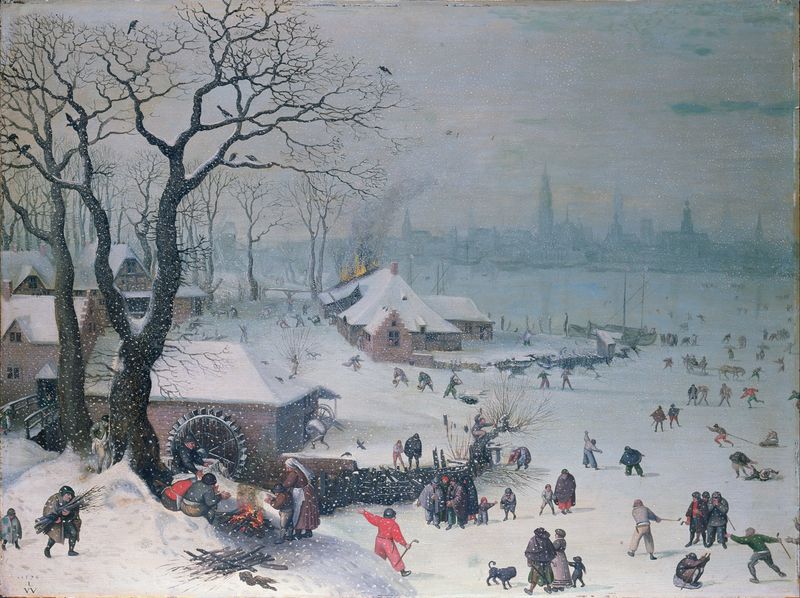
Winter Landscape with Snowfall near Antwerp
Lucas van Valckenborch · 1575 · Städel Museum
 Same era · 1540s–1570s
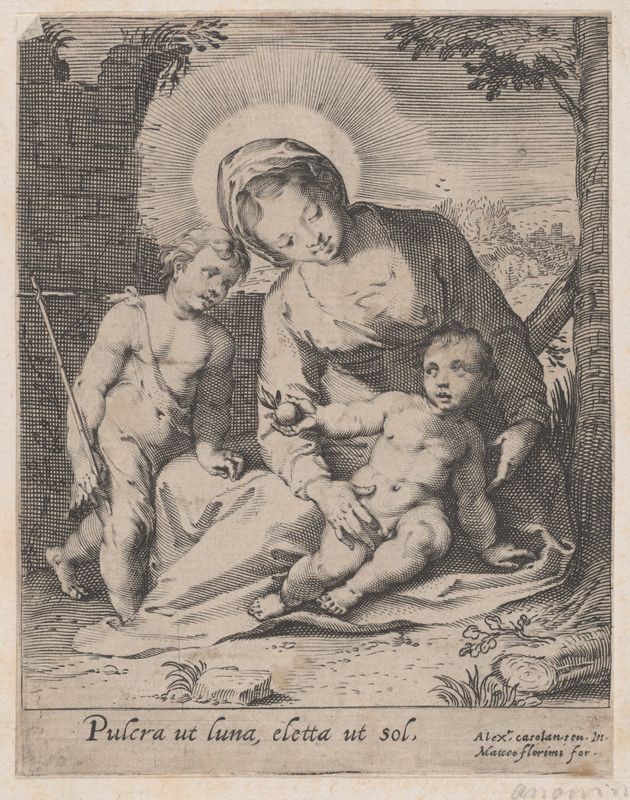
Virgin and Child with the infant Saint John the Baptist
Matteo Florimi · 1576 · The Metropolitan Museum of Art