
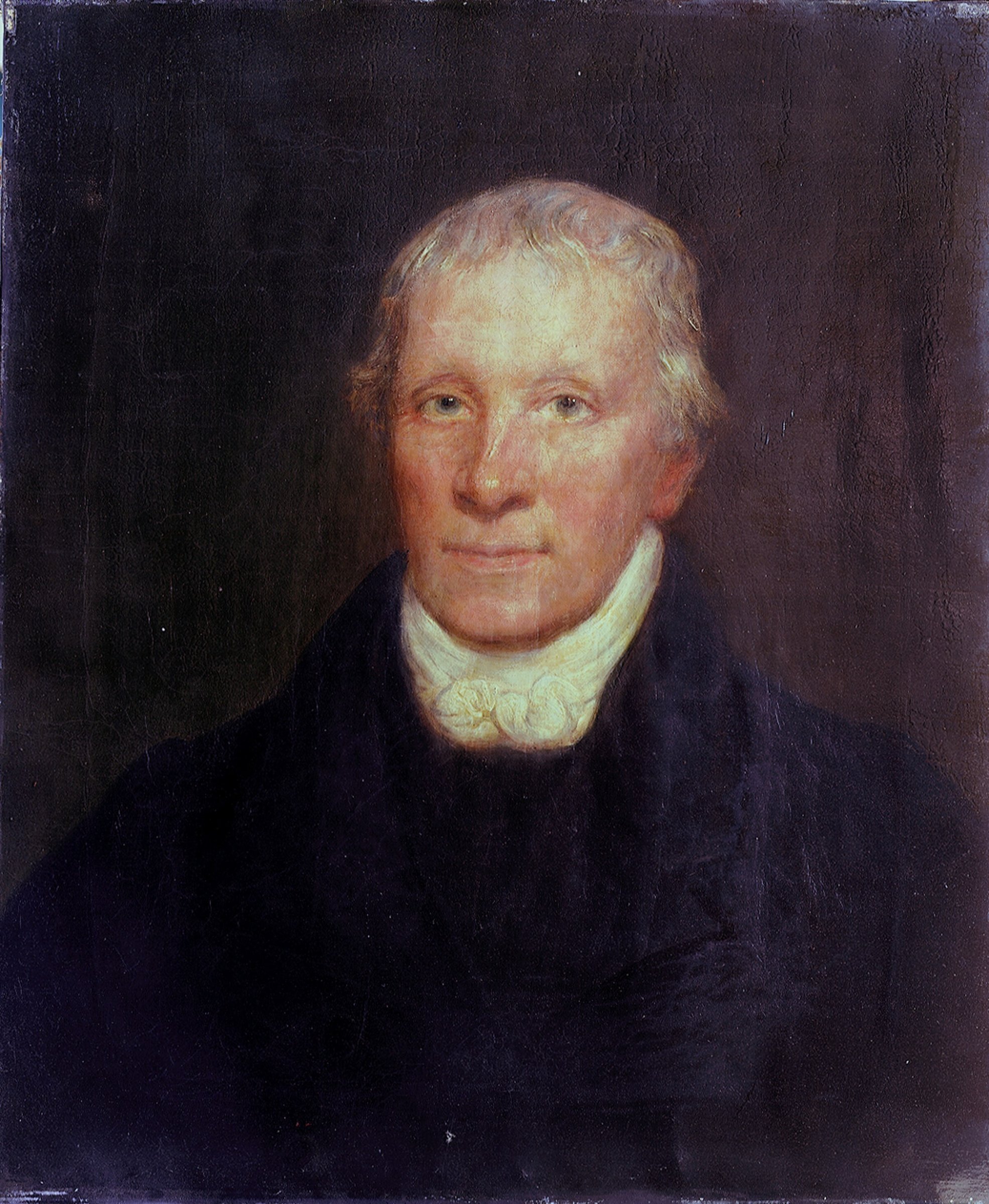
“Stop to appreciate this direct and engaging portrait of Thomas James from 1830, where the artist masterfully captures a sense of quiet authority through subtle details and focused composition.”
In this striking portrait, Thomas James gazes out with a direct, almost challenging expression, his posture conveying a sense of quiet authority. The artist, Samuel Drummond, captures a specific moment in 1830, rendering James with a keen eye for detail in his attire and facial features. The muted background allows James's figure to dominate the composition, drawing the viewer's attention to his thoughtful demeanor. This painting offers a glimpse into the life of an individual from the early 19th century, reflecting the prevailing styles of portraiture that emphasized dignity and character. It's a testament to the era's focus on individual identity, presented through the rich textures of oil on canvas.
- Artist
- Samuel Drummond
- Date
- 1830
- Medium
- Oil on canvas
- Location
- Royal Museums Greenwich
What to Notice
Five details hide in plain sight. Here’s where to look.
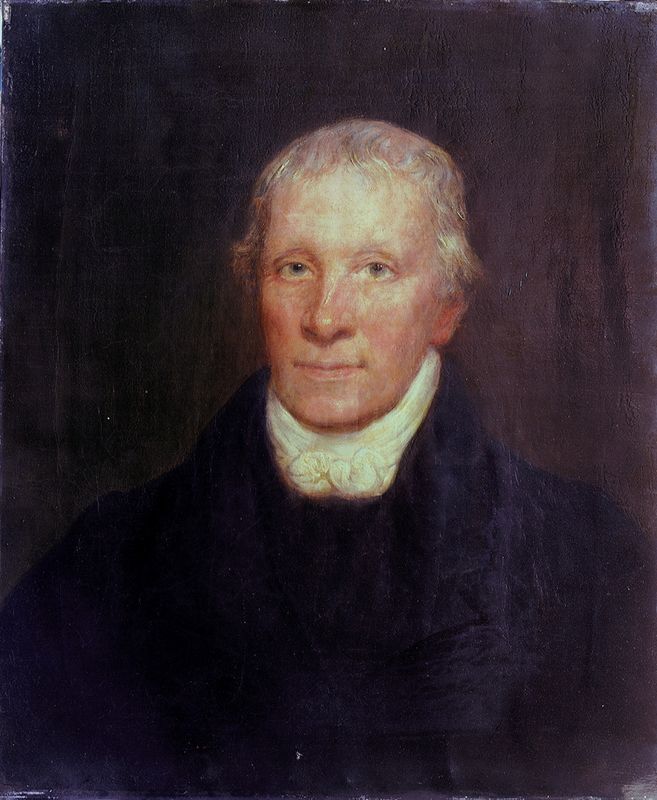
The subtle play of light across James's high forehead and cheekbones.
The crisp white of his shirt collar contrasting with his dark coat.
The slight furrow in his brow, suggesting a pensive mood.
The careful rendering of his hair, receding slightly at the temples.
1 more detail is waiting.
See all 5 in Art Whisper →Stand in front of it and listen
The full narration walks you through Thomas James — the story behind it, the details most visitors miss, and why it matters. Free in the Art Whisper app.
Samuel Drummond
1766–1844 · EnglandSamuel Drummond, a British painter, captured the likenesses of notable figures like Walter Scott and documented maritime history with grand oil paintings.
Further Works by Drummond
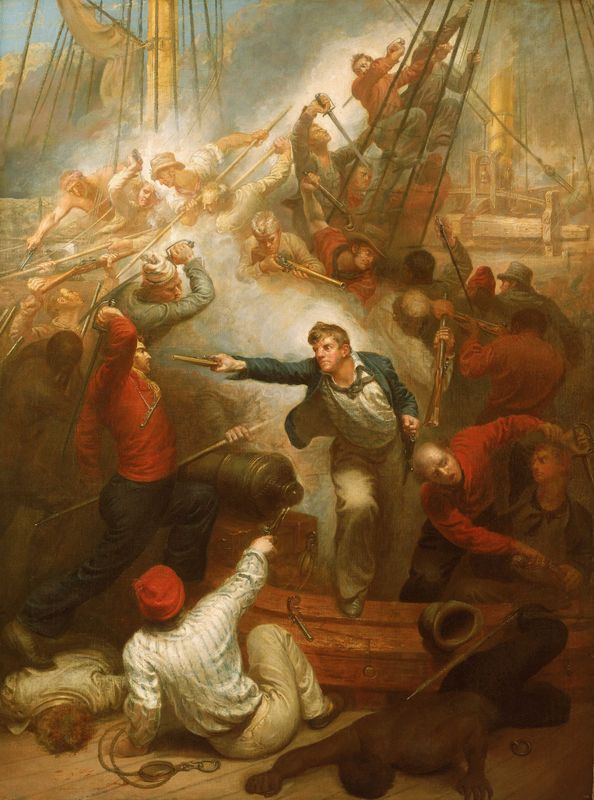
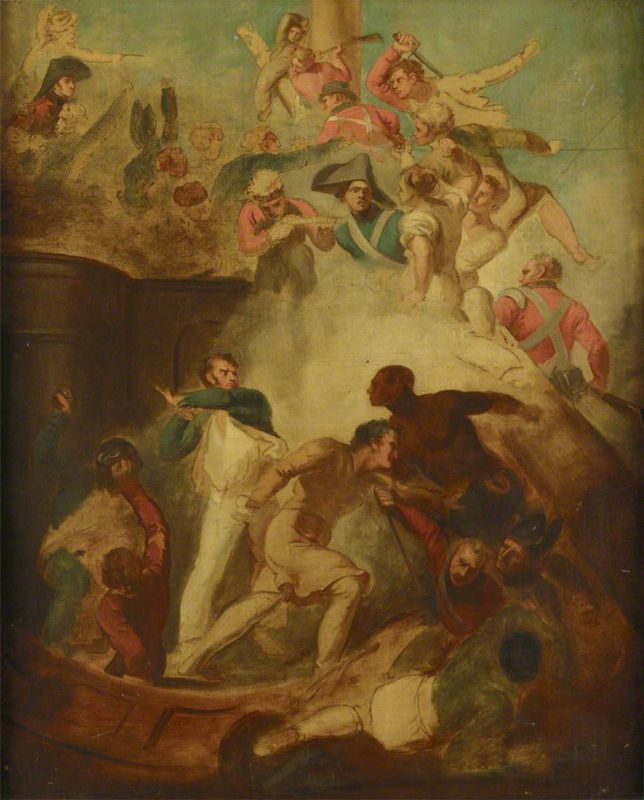 Repulsing a boarding party
1805 · Royal Museums Greenwich
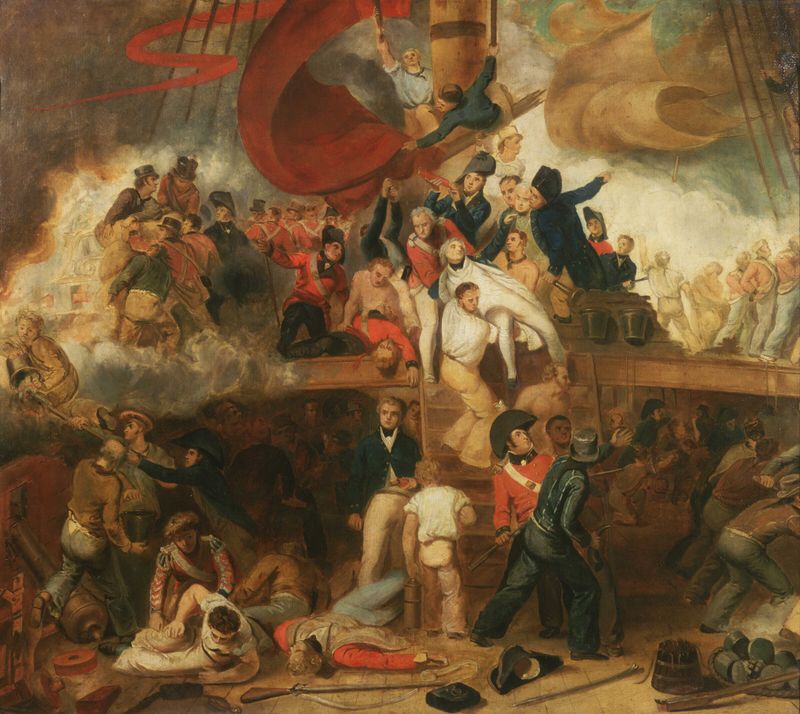 The Death of Nelson at the Battle of Trafalgar, 21 October 1805
1806 · Royal Museums Greenwich
 Captain William Rogers capturing the 'Jeune Richard', 1 October 1807
1808 · Royal Museums Greenwich
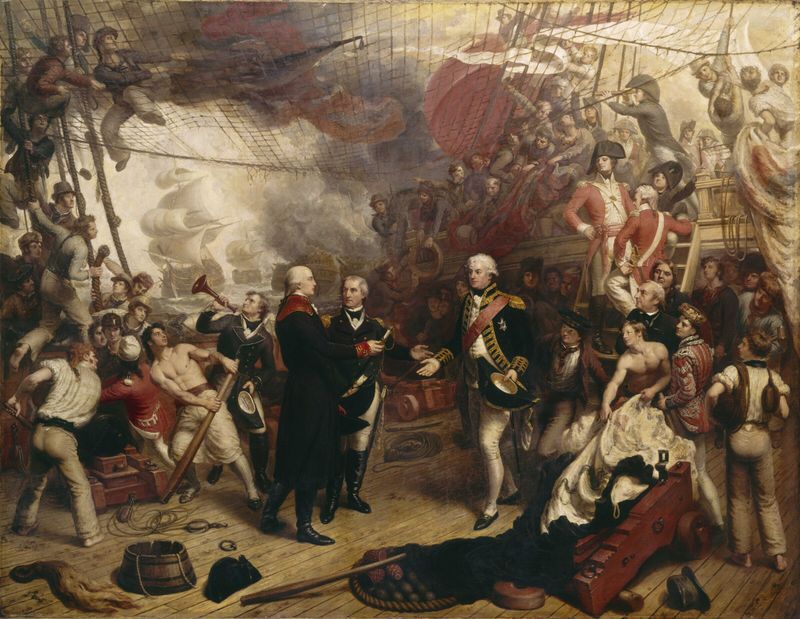 Admiral Duncan Receiving the Sword of the Dutch Admiral de Winter at the Battle of Camperdown, 11 October 1797
1827 · Royal Museums Greenwich
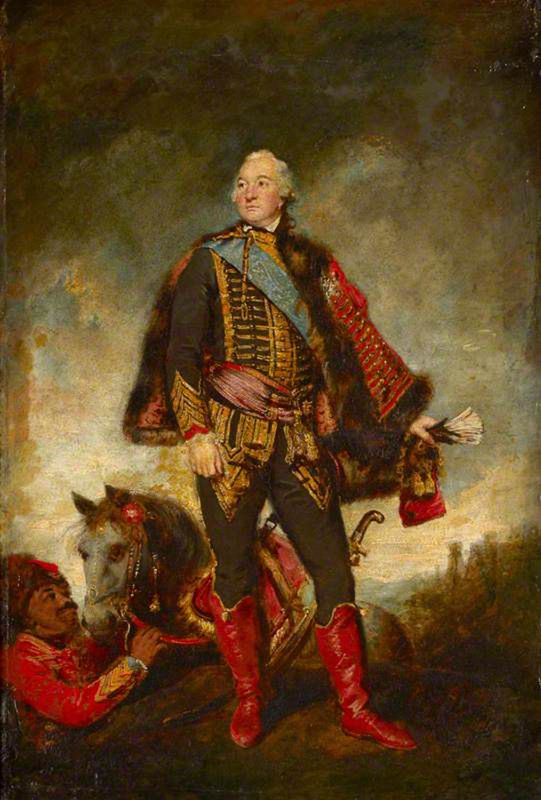 Louis-Philippe-Joseph, Duke of Orleans 'Philippe Egalité' (1747-1793) (after Sir Joshua Reynolds)
1785 · National Trust
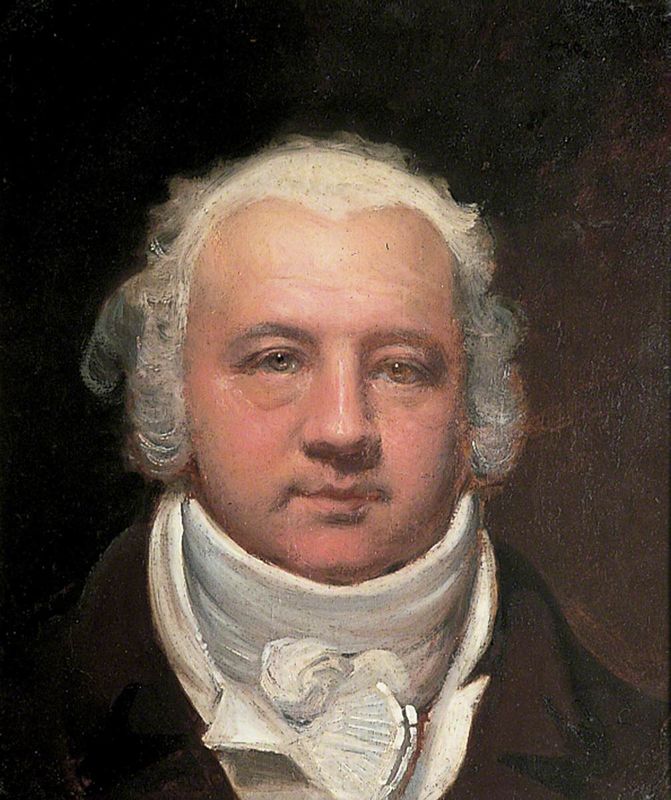 John Blake (1770–1810), Mayor of Maidstone (1799)
1799 · Maidstone Museum and Bentlif Art Gallery
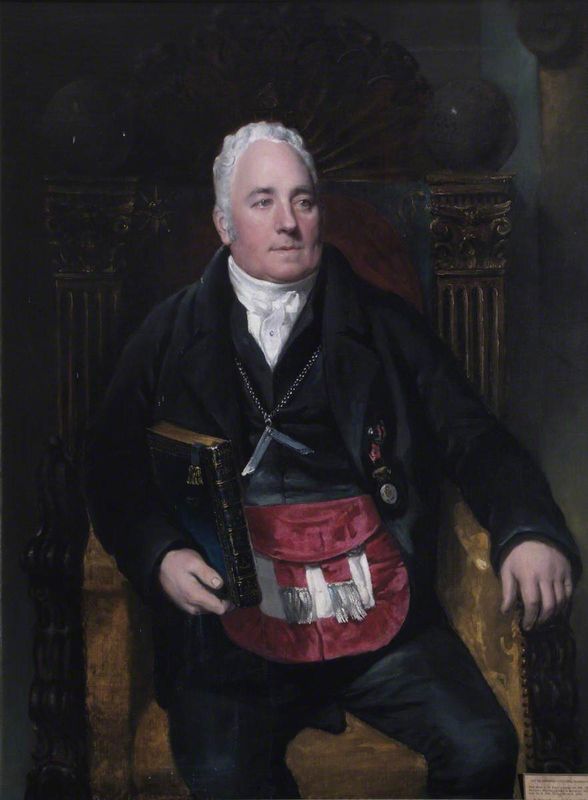 James Asperne (1737–1820)
1813 · Museum of Freemasonry
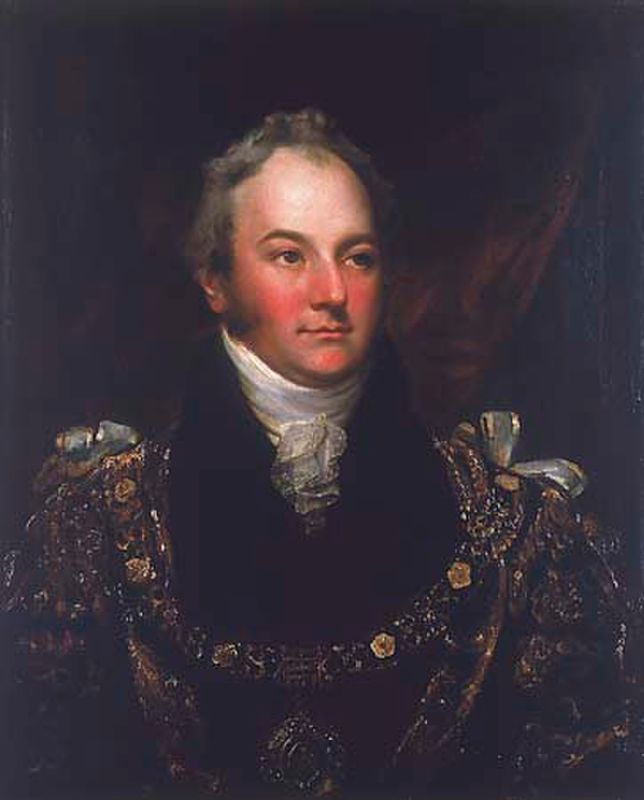 Sir Claudius Stephen Hunter (1775–1851), Lord Mayor of London (1811)
1813 · Guildhall Art Gallery
More works to explore
Beyond Drummond: works from the same years.
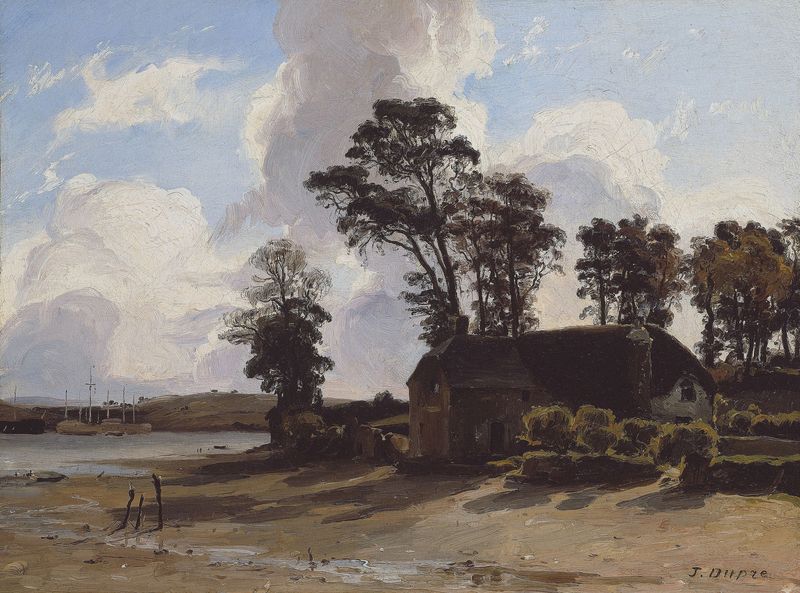 Same era · 1810s–1840s
The Estuary Farm
Léon-Victor Dupré · 1831 · Art Institute of Chicago
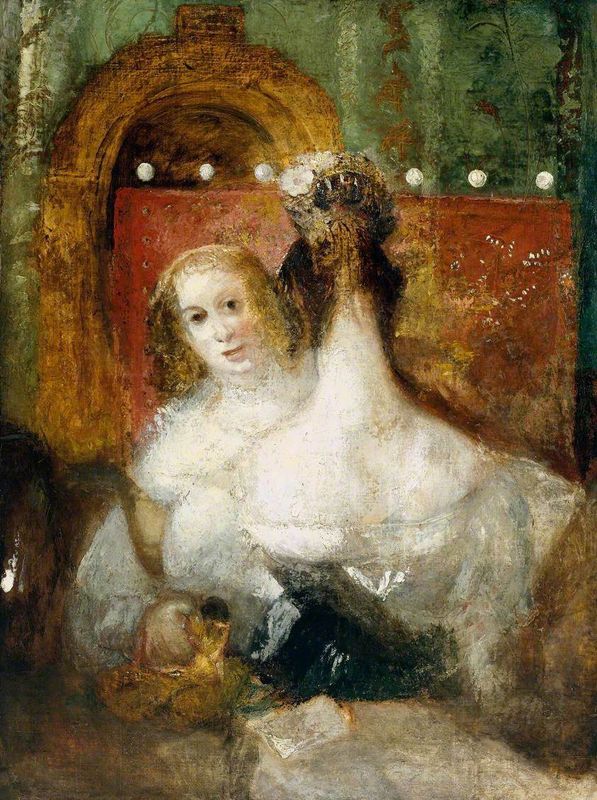 Same era · 1810s–1840s
Two Women with a Letter
J. M. W. Turner · 1830 · National Gallery
 Same era · 1810s–1840s
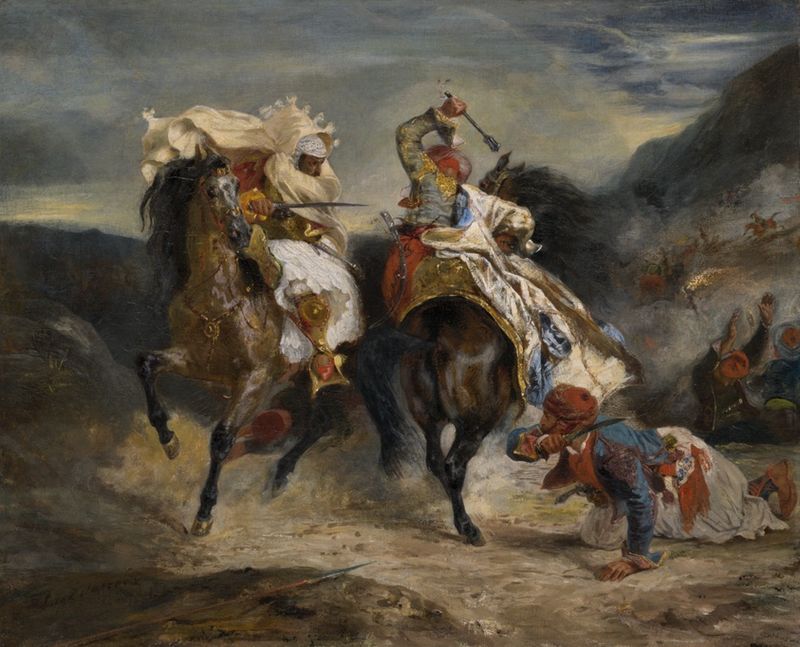
The Combat of the Giaour and Hassan
Eugène Delacroix · 1826 · Art Institute of Chicago
 Same era · 1810s–1840s
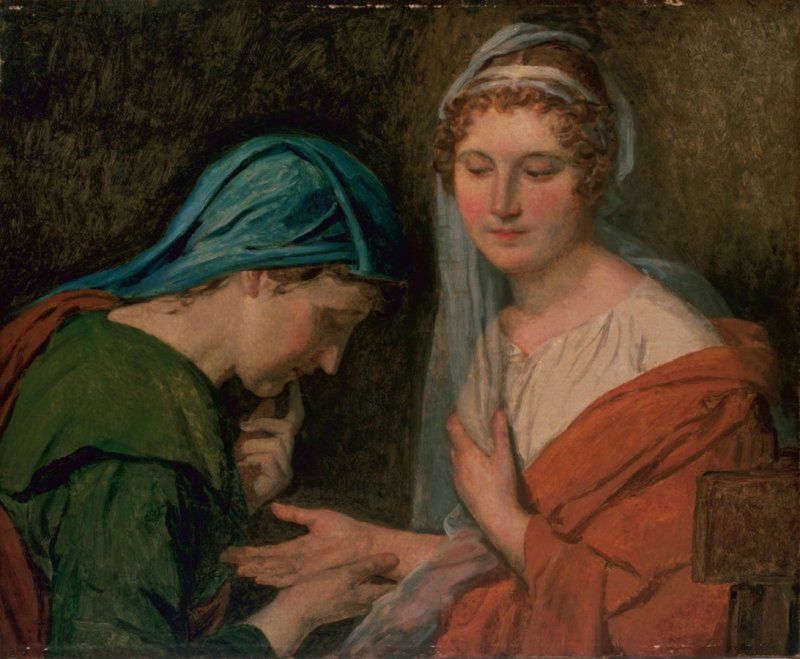
The Fortune Teller (La Bonne Aventure)
Jacques-Louis David · 1824 · Fine Arts Museums of San Francisco
 Same era · 1810s–1840s
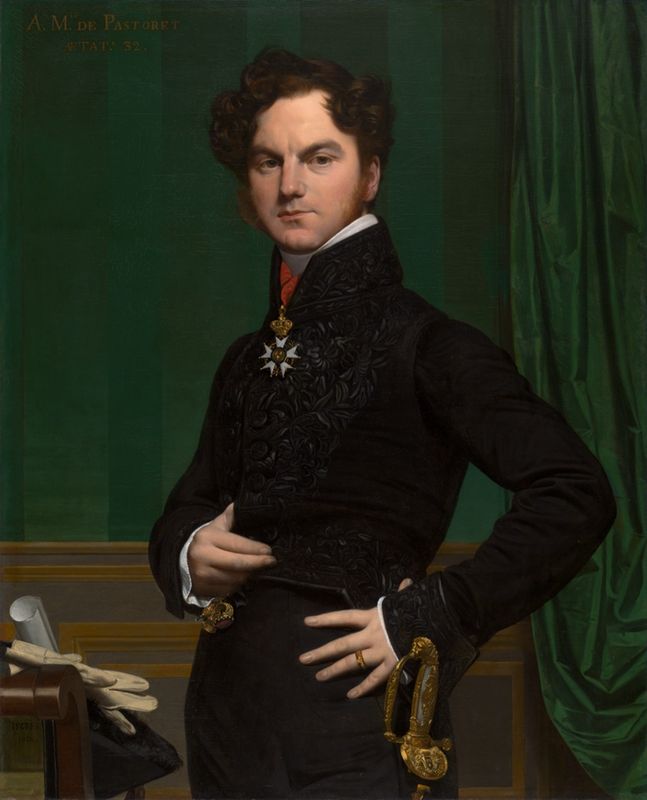
Amédée-David, the Comte de Pastoret
Jean-Auguste-Dominique Ingres · 1823 · Art Institute of Chicago
 Same era · 1810s–1840s
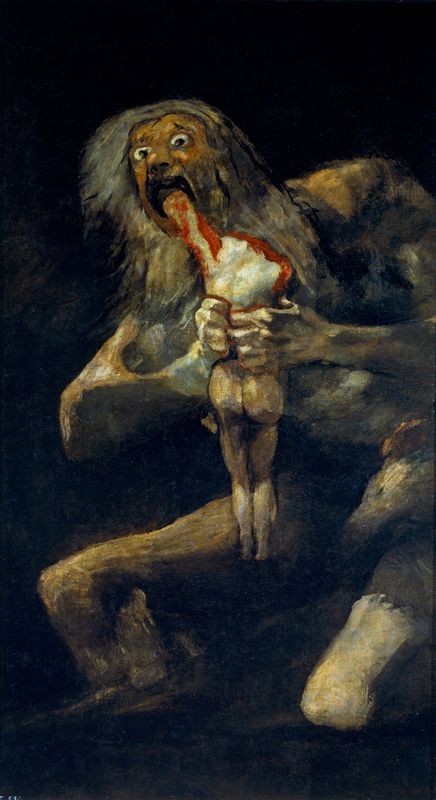
Saturn Devouring His Son
Francisco Goya · 1820 · Museo del Prado
 Same era · 1810s–1840s
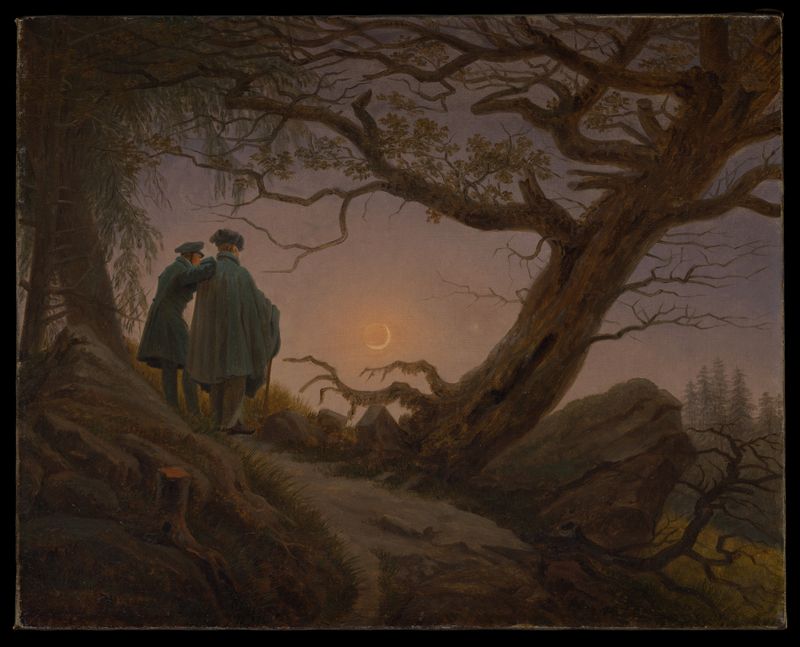
Two Men Contemplating the Moon
Caspar David Friedrich · 1819 · Staatliche Kunstsammlungen Dresden
 Same era · 1810s–1840s
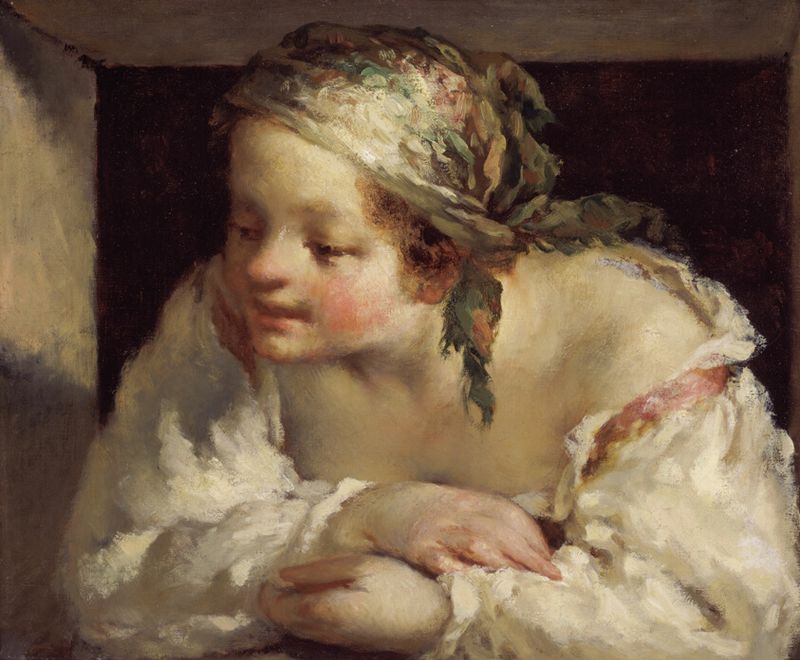
Young Woman
Jean-François Millet · 1844 · Art Institute of Chicago
 Same era · 1810s–1840s
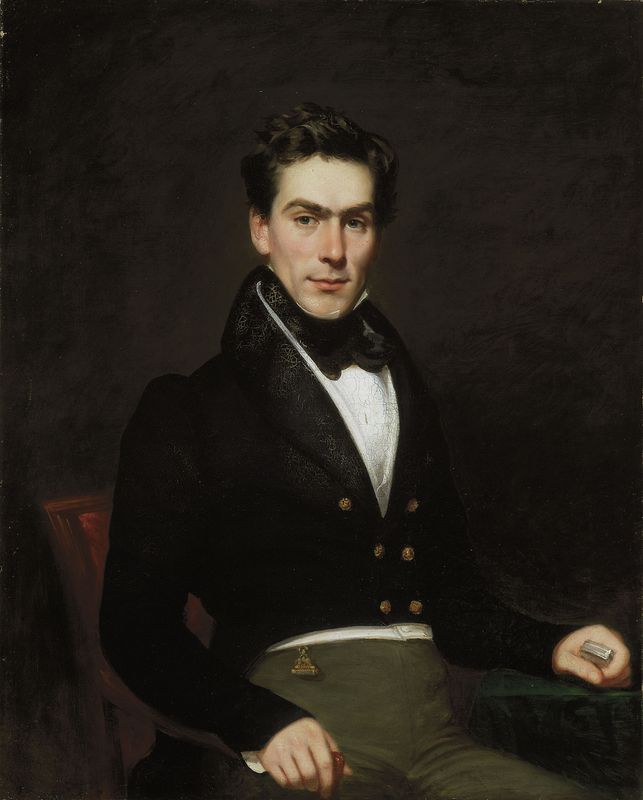
Mr. James Mackie
Samuel Alcock & Company · 1830 · Art Institute of Chicago
 Same era · 1810s–1840s
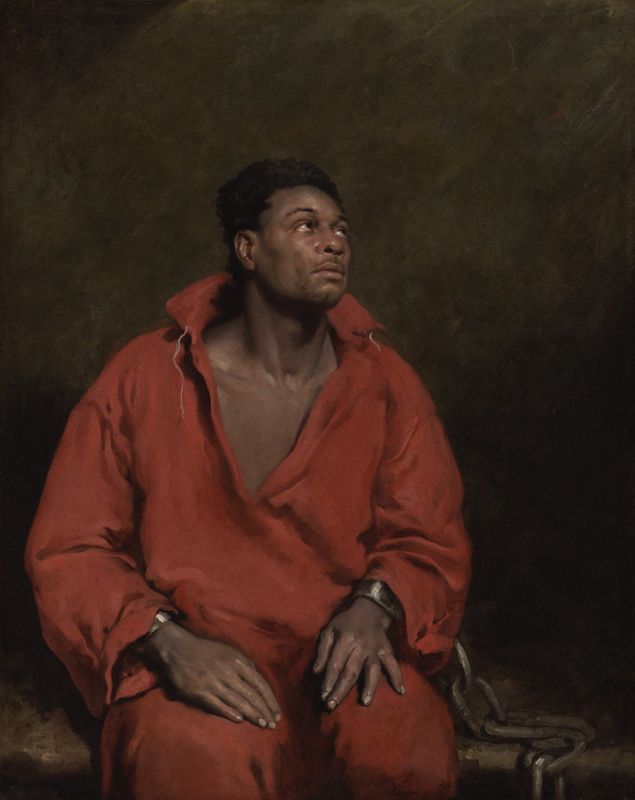
The Captive Slave (Ira Aldridge)
John Philip Simpson · 1827 · Art Institute of Chicago
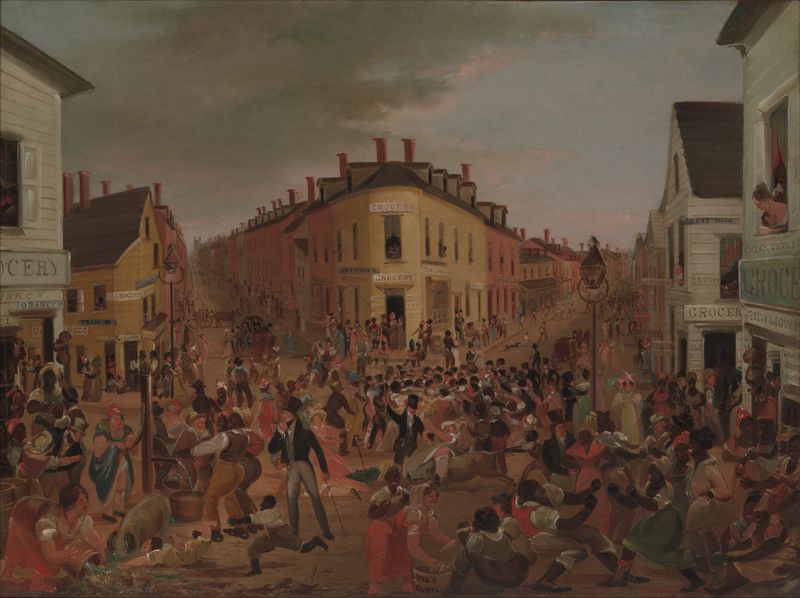 Same era · 1810s–1840s
The Five Points
Artist Unknown - The Mercat Cross, Aberdeen · 1822 · The Metropolitan Museum of Art
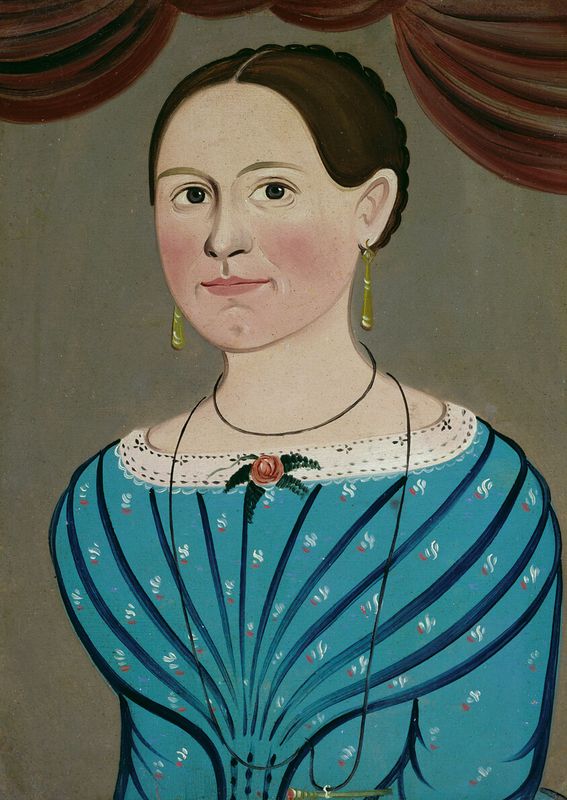 Same era · 1810s–1840s
Woman in a Blue Dress
School of William Matthew Prior · 1840 · Art Institute of Chicago