
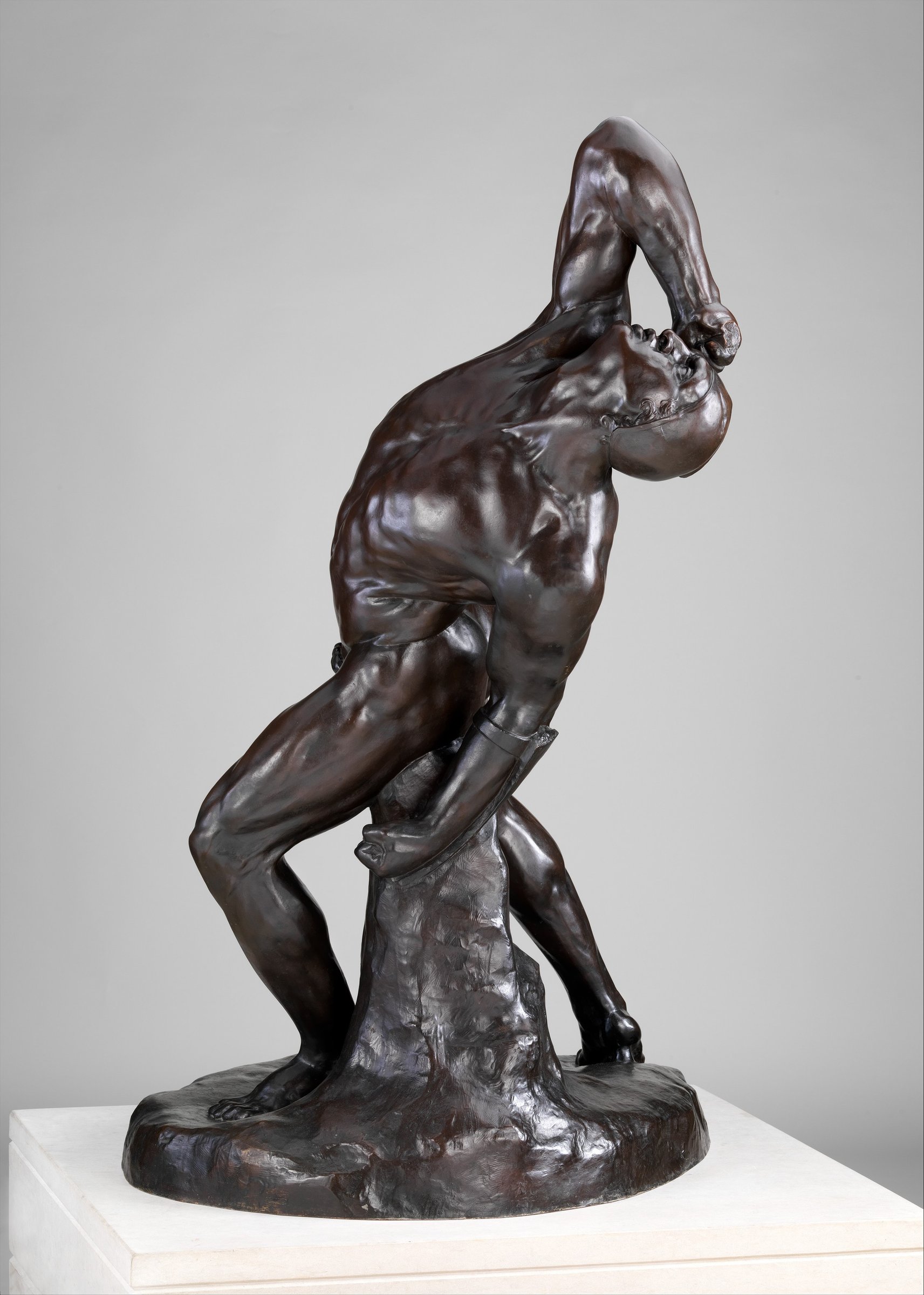
“This bronze sculpture dramatically captures a gladiator's final, desperate fall, inviting reflection on themes of struggle, defeat, and the human condition. Its dynamic pose and emotional intensity make it a powerful stop.”
A powerful figure tumbles headfirst, his body contorted in a desperate, final struggle. This bronze sculpture, "The Falling Gladiator," captures the dramatic moment of defeat. His shield, still clutched in one hand, is useless now as he plunges downward, his other arm thrown out for balance or perhaps in a last, futile gesture of defiance. The artist, John Haynes-Williams, created this work in 1861, a time when classical themes and heroic narratives remained popular, even as the world around him was rapidly industrializing. The dynamic pose and the raw emotion etched into the gladiator's face speak to the universal experience of struggle and the tragic beauty of a fall, inviting us to consider the fragility of strength and the inevitability of fate.
- Artist
- John Haynes-Williams
- Date
- 1861
- Medium
- Bronze
- Location
- The Metropolitan Museum of Art
- Dimensions
- 63 x 41 x 38 1/8 in. (160 x 104.1 x 96.8 cm)
- Collection
- The American Wing
- Culture
- American
- Credit line
- Rogers Fund, 1907
What to Notice
Five details hide in plain sight. Here’s where to look.
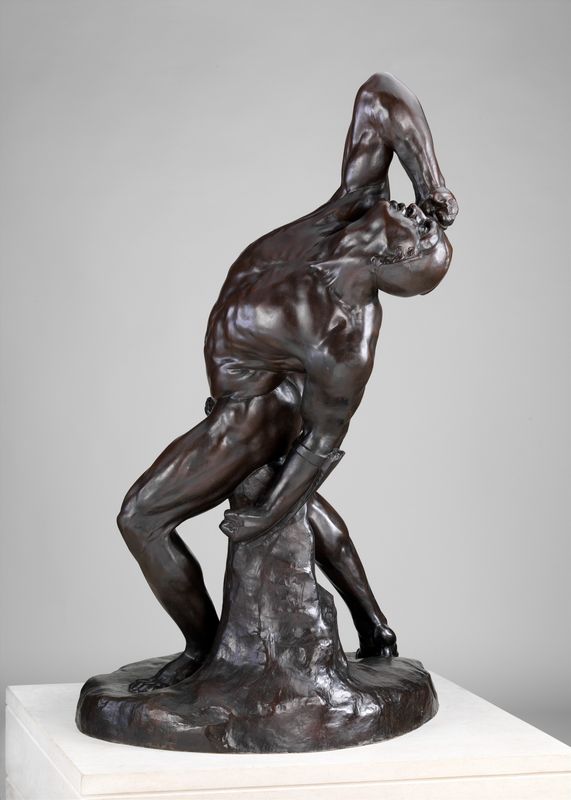
Observe the gladiator's left hand still gripping his shield.
Notice the strained expression on his face, conveying his agony.
See how his right arm is flung out, emphasizing the violent motion.
Look at the musculature of his torso, sculpted in mid-fall.
1 more detail is waiting.
See all 5 in Art Whisper →Stand in front of it and listen
The full narration walks you through The Falling Gladiator — the story behind it, the details most visitors miss, and why it matters. Free in the Art Whisper app.
John Haynes-Williams
1836–1908 · United Kingdom of Great Britain and IrelandJohn Haynes-Williams was a British painter known for his detailed oil paintings, including works like 'Alice' from 1892.
Further Works by Haynes-Williams
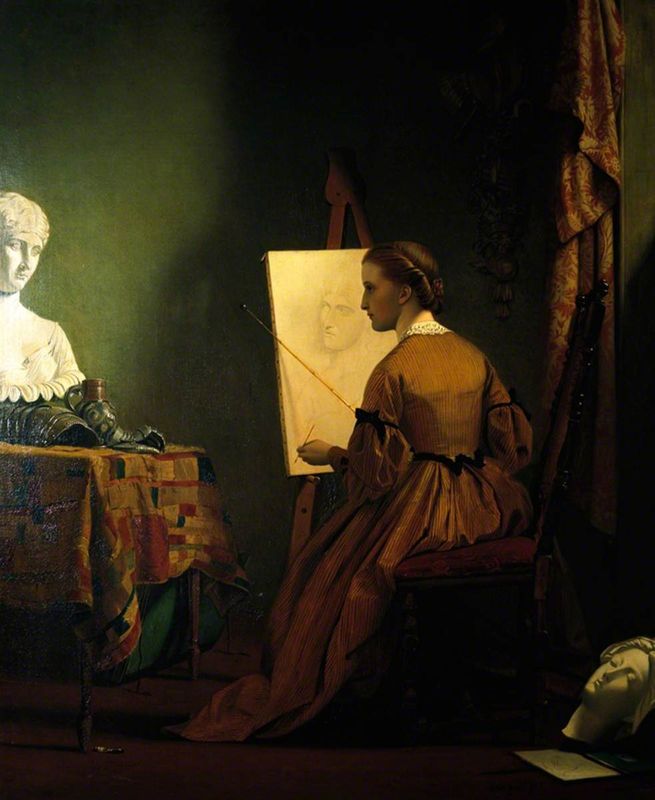 My Pupil
1870 · Scarborough Art Gallery
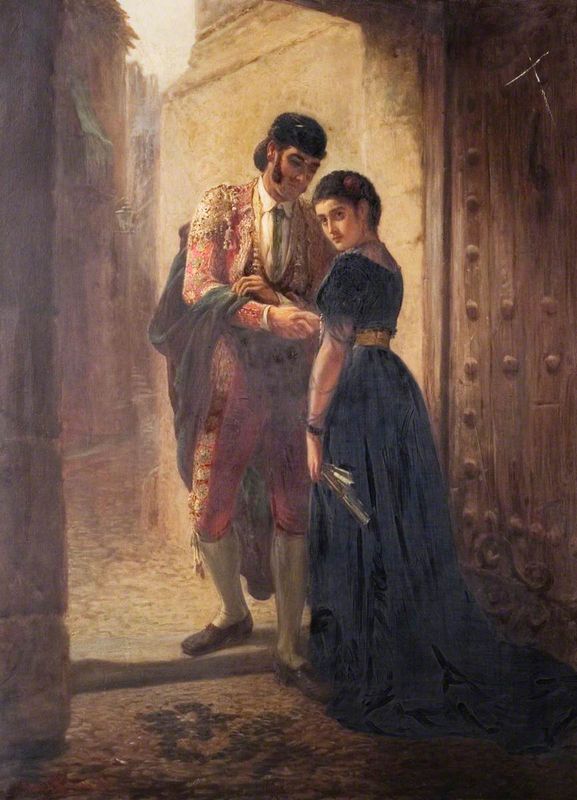 Adiós (Farewell)
1871 · Herbert Art Gallery and Museum
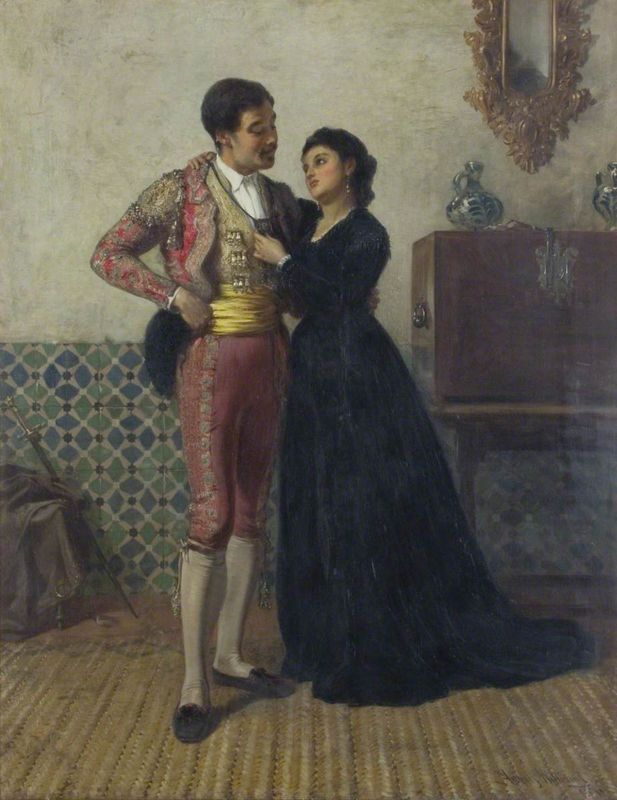 The Talisman
1871 · National Museum Cardiff
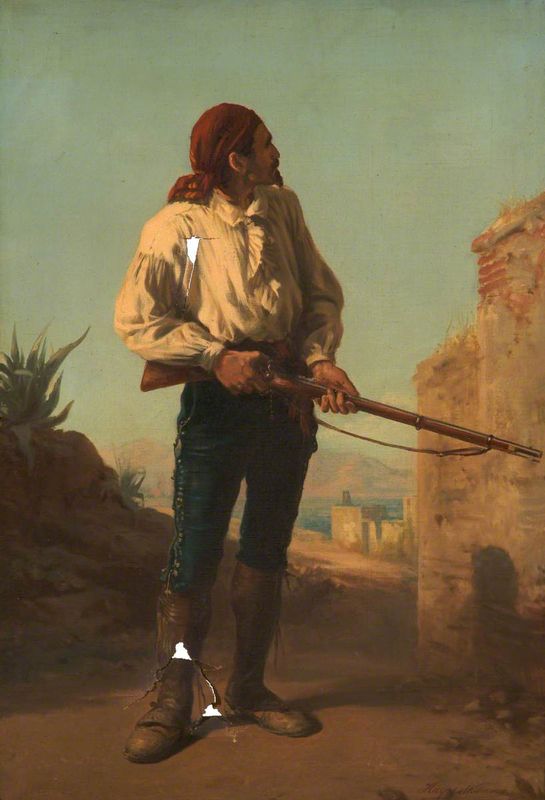 A Spanish Warrior
1873 · Touchstones Rochdale
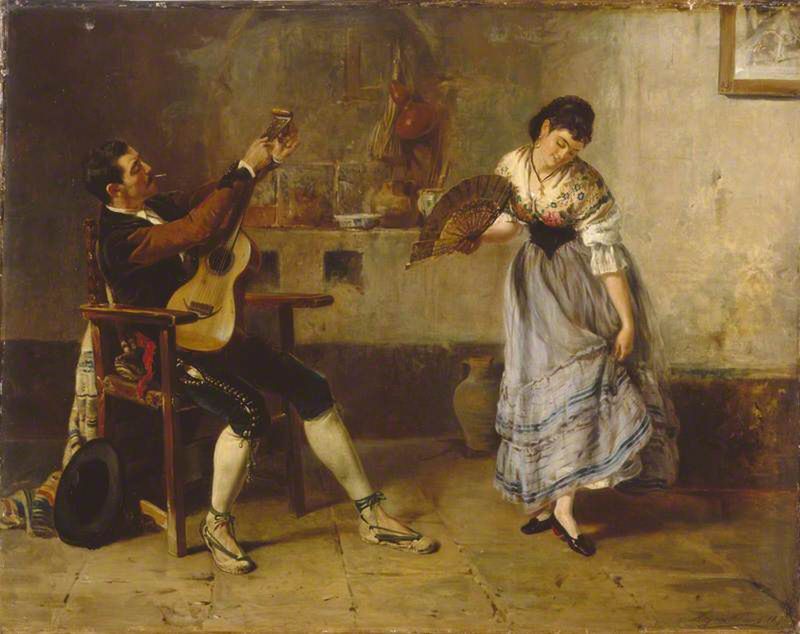 Spanish Dancer
1873 · Manchester Art Gallery
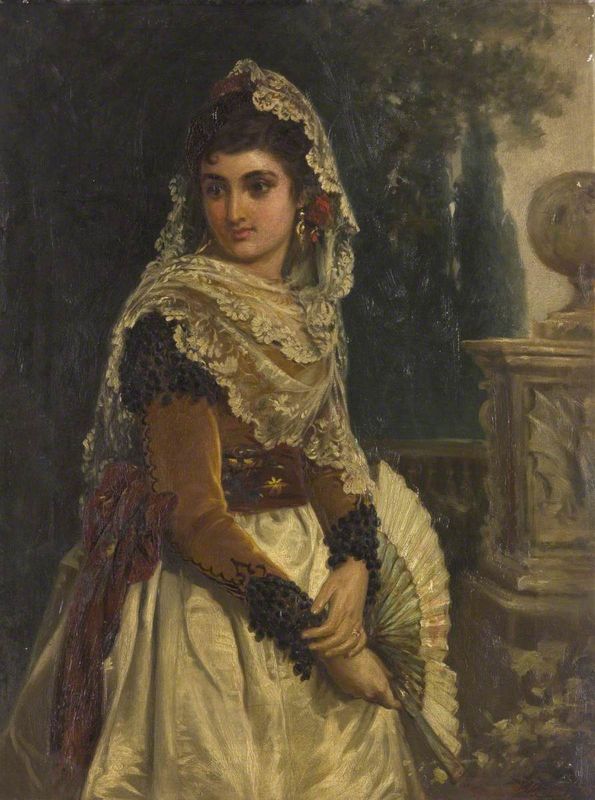 Will He Come?
1875 · National Museum Cardiff
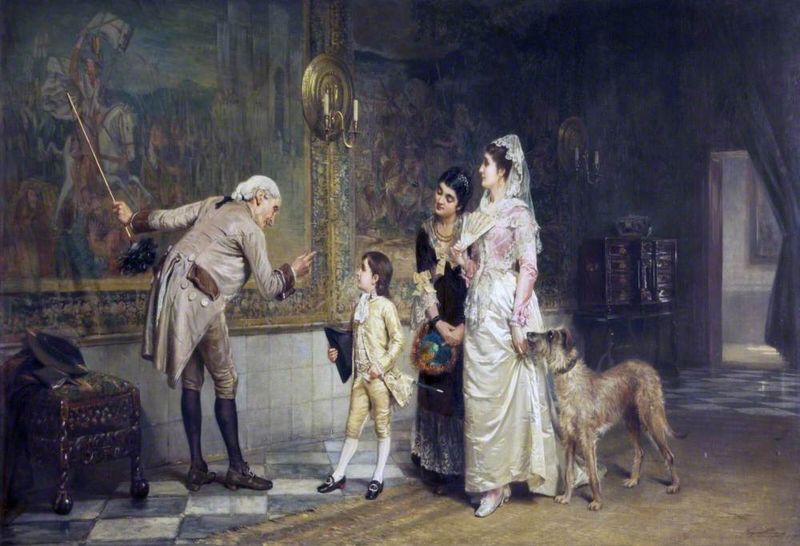 The Ancestor on the Tapestry
1876 · Walker Art Gallery
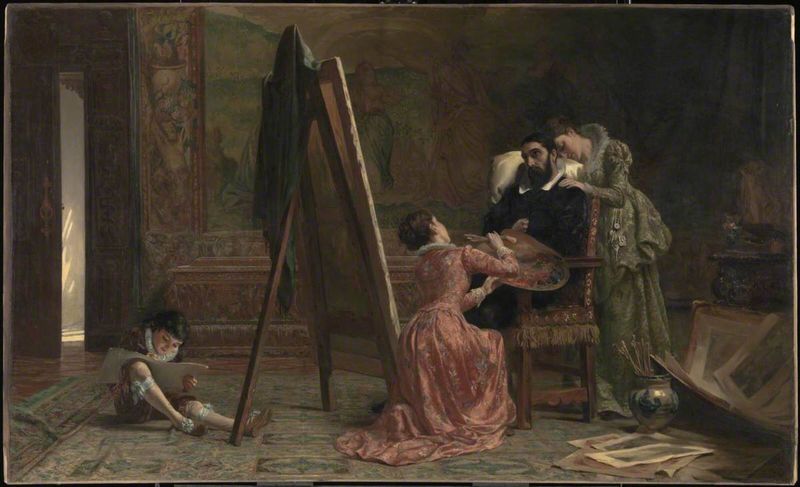 Ars Longa, Vita Brevis
1877 · National Gallery
More works to explore
Beyond Haynes-Williams: works from the same years.
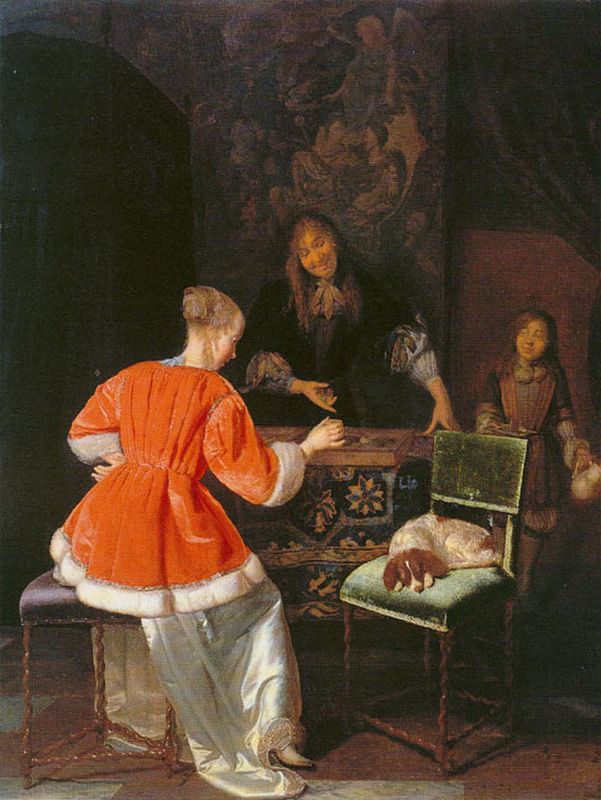 Same era · 1840s–1870s
The Backgammon Players
Philip Webb · 1861 · The Metropolitan Museum of Art
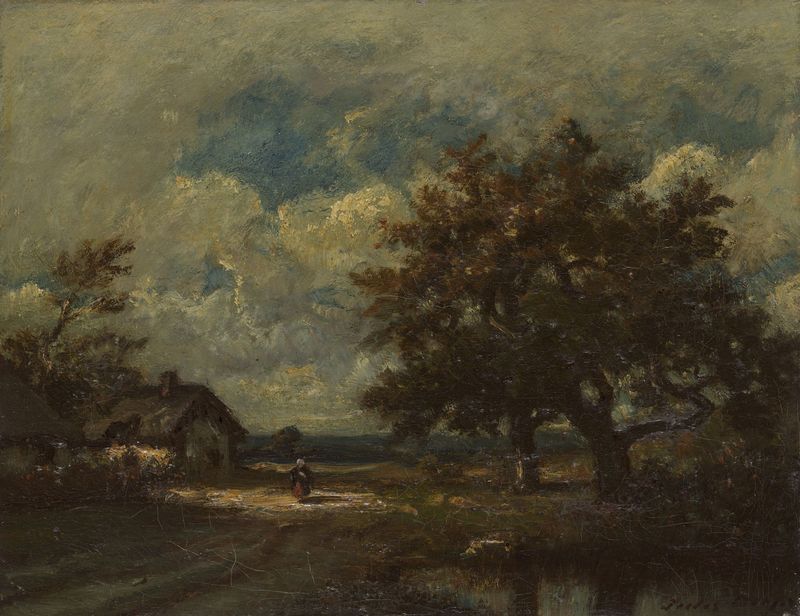 Same era · 1840s–1870s
The Cottage by the Roadside, Stormy Sky
Léon-Victor Dupré · 1855 · Art Institute of Chicago
 Same era · 1840s–1870s
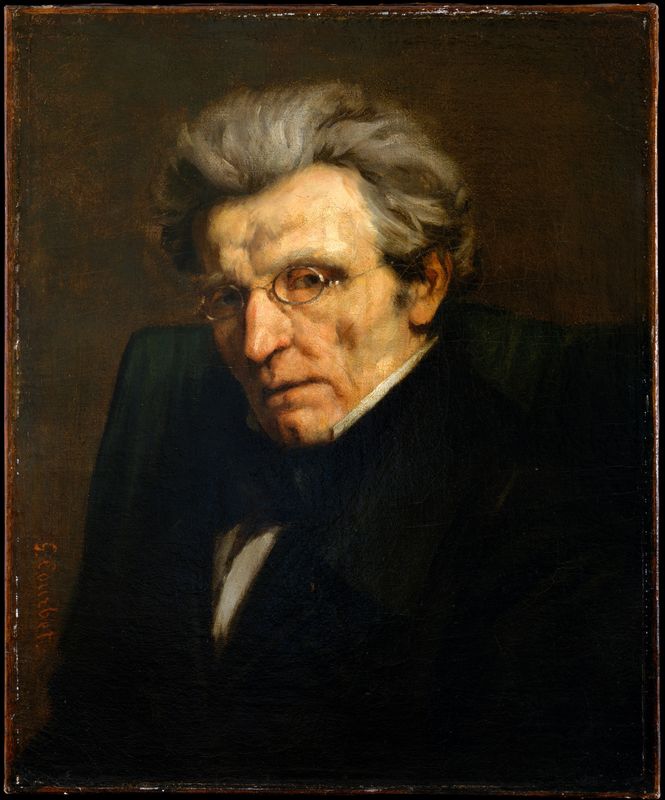
Monsieur Suisse
Gustave Courbet · 1861 · The Metropolitan Museum of Art
 Same era · 1840s–1870s
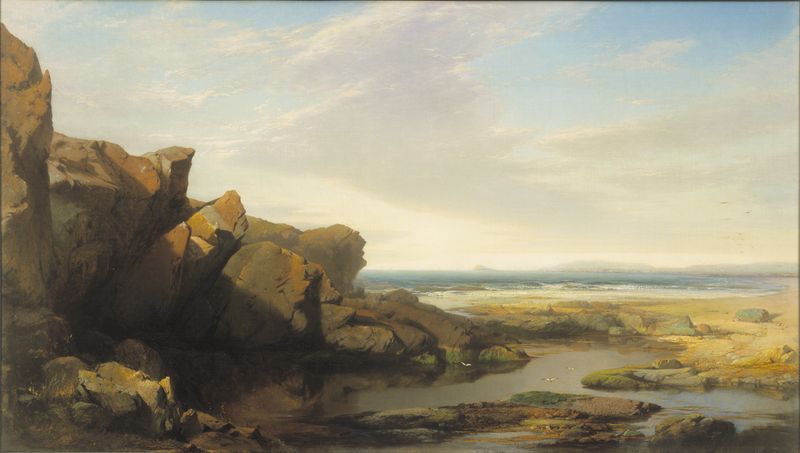
Pools by the Seaside
William Hart · 1861 · Buffalo AKG Art Museum
 Same era · 1840s–1870s
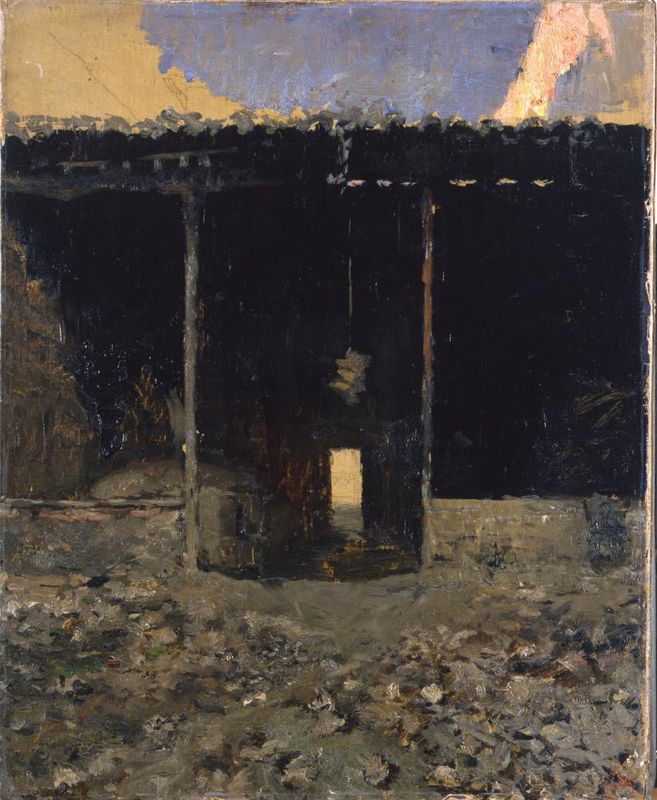
A Sketch
Mariano Fortuny Marsal · 1862 · Hispanic Society of America
 Same era · 1840s–1870s
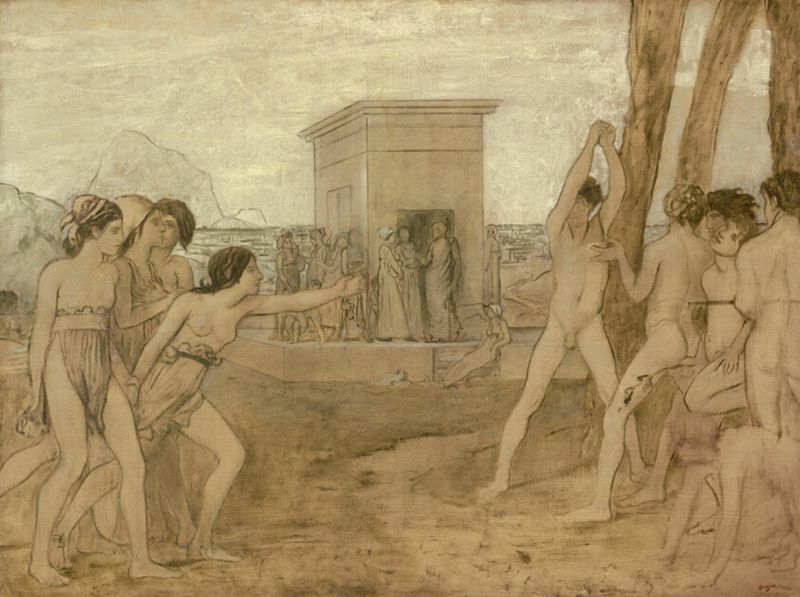
Young Spartan Girls Challenging Boys
Edgar Degas · 1860 · Art Institute of Chicago
 Same era · 1840s–1870s
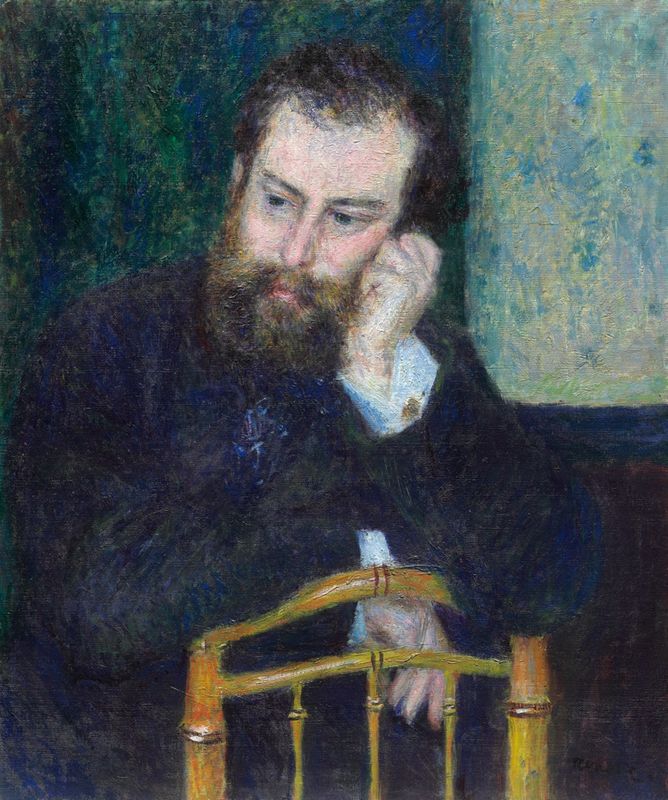
Alfred Sisley
Pierre-Auguste Renoir · 1864 · Foundation E.G. Bührle Collection
 Same era · 1840s–1870s
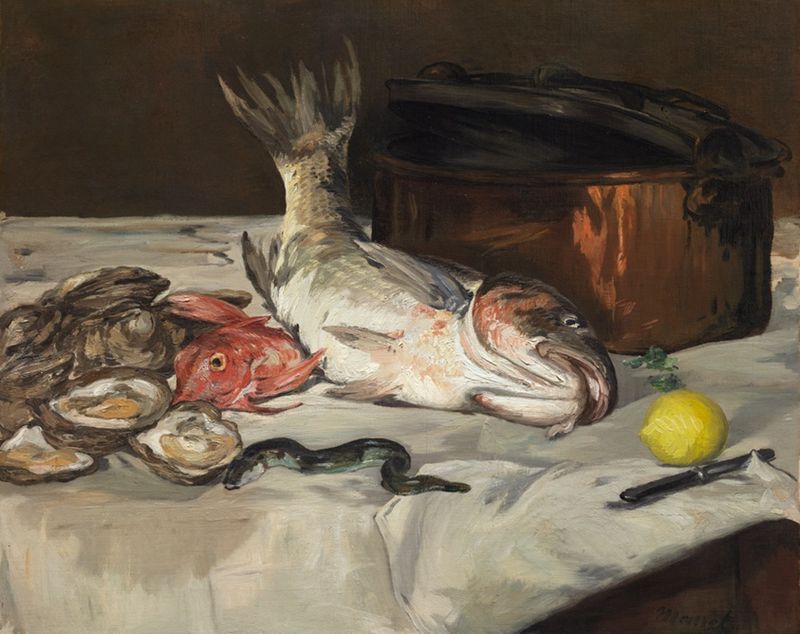
Fish (Still Life)
Édouard Manet · 1864 · Art Institute of Chicago
 Same era · 1840s–1870s
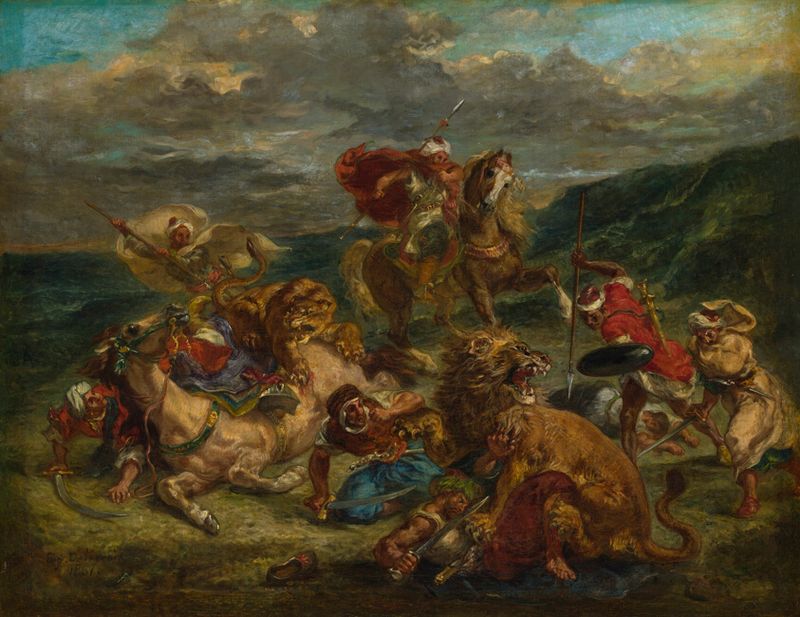
Lion Hunt
Eugène Delacroix · 1858 · Museum of Fine Arts Boston
 Same era · 1840s–1870s
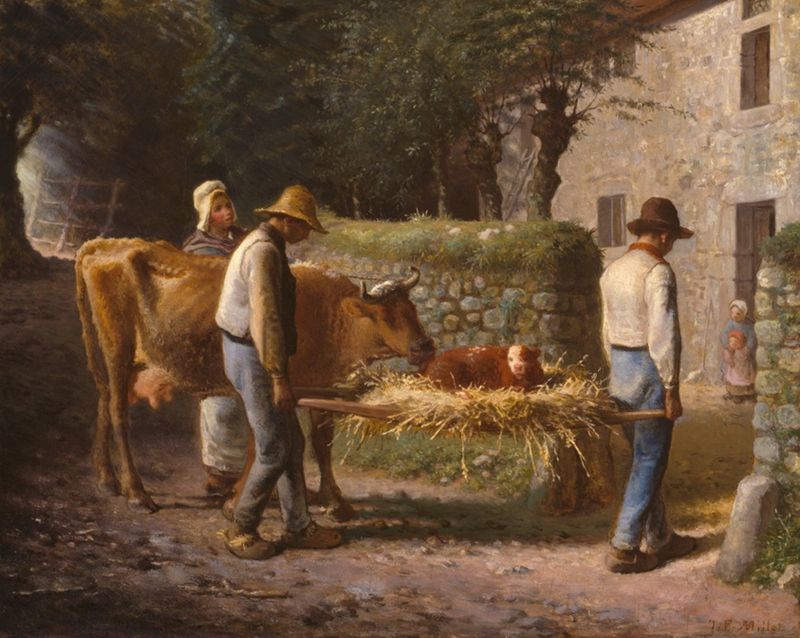
Peasants Bringing Home a Calf Born in the Fields
Jean-François Millet · 1864 · Art Institute of Chicago
 Same era · 1840s–1870s
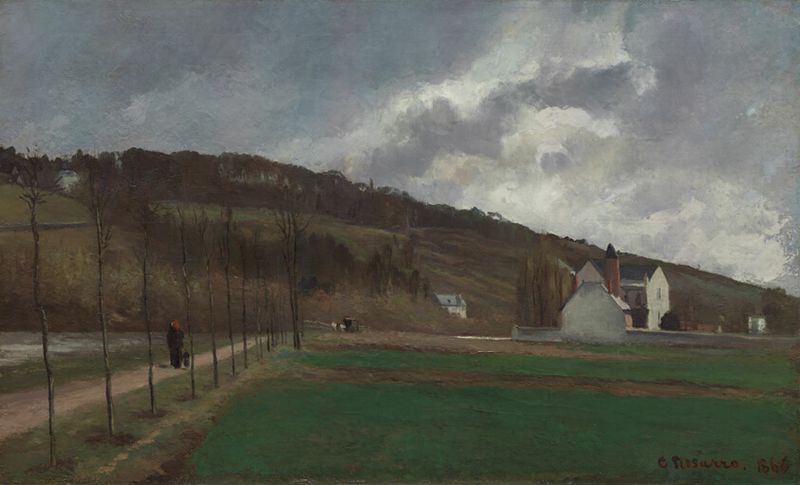
The Banks of the Marne in Winter
Camille Pissarro · 1866 · Art Institute of Chicago
 Same era · 1840s–1870s
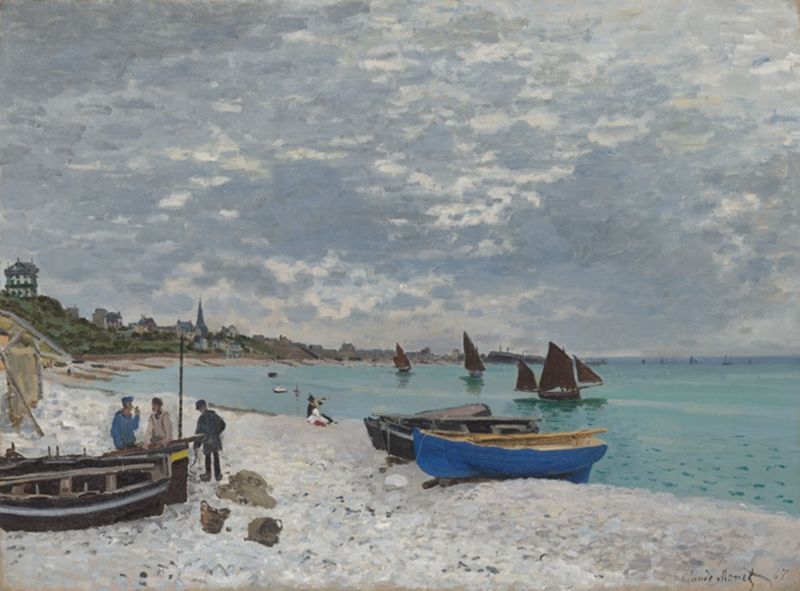
The Beach at Sainte-Adresse
Claude Monet · 1867 · Art Institute of Chicago