
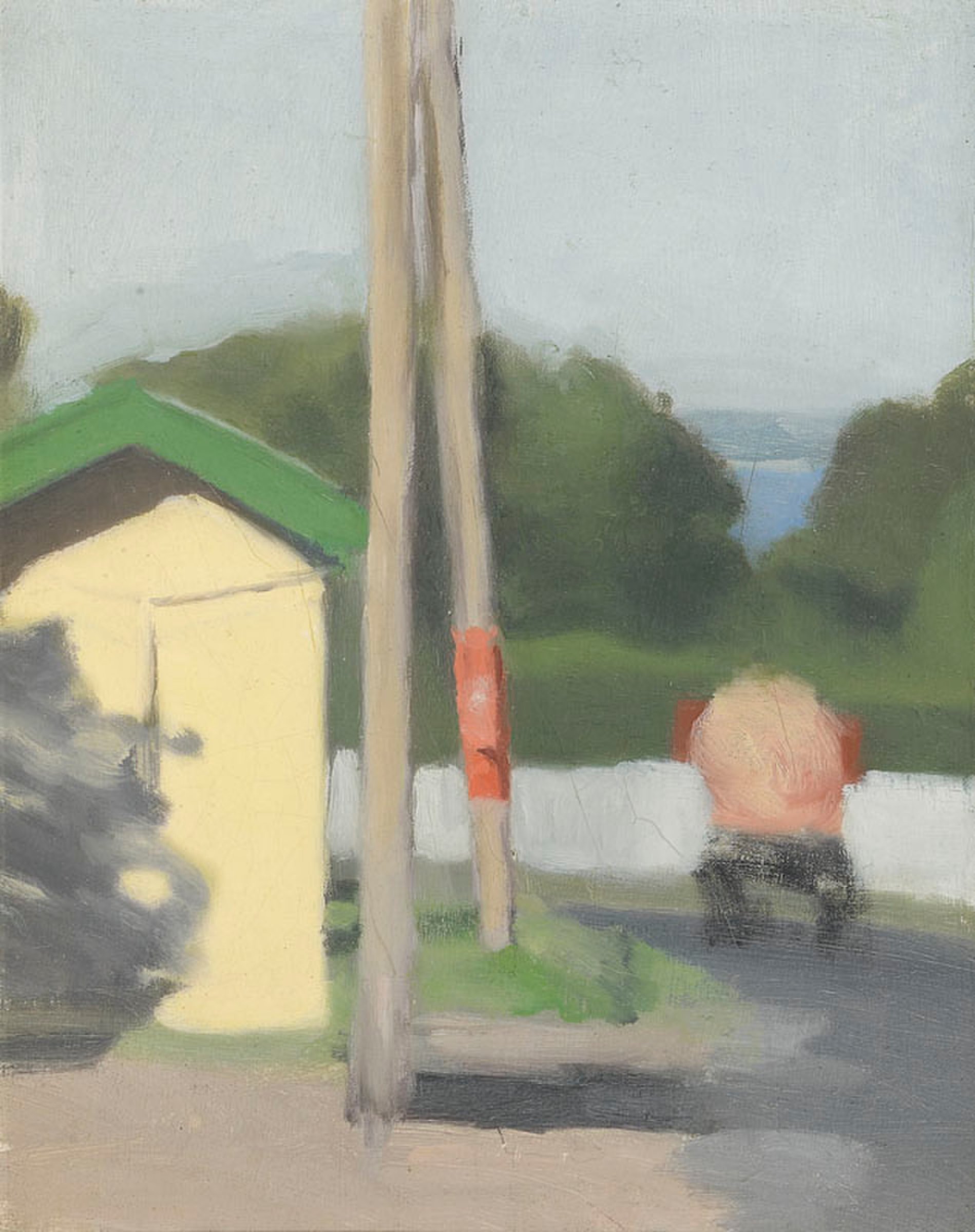
“Stop to appreciate how Clarice Beckett transforms a mundane bus stop into a poetic study of light and atmosphere. This painting exemplifies Australian tonalism, capturing a fleeting urban moment with soft, misty hues.”
In "The Bus Stop," Clarice Beckett captures a fleeting moment of urban life, transforming an ordinary scene into something contemplative. The painting's soft, muted tones and hazy atmosphere are characteristic of the Australian tonalist movement. Here, the artist simplifies forms and colors, drawing the viewer's eye to the interplay of light and shadow rather than crisp detail. The bus stop itself, a modern fixture, is rendered with a quiet dignity, almost blending into its surroundings. This work reflects Beckett's practice of painting en plein air, often at dawn or dusk, when the light created these subtle, evocative effects, even as she balanced her artistic pursuits with significant domestic responsibilities.
- Artist
- Clarice Beckett
- Date
- 1930
What to Notice
Four details hide in plain sight. Here’s where to look.
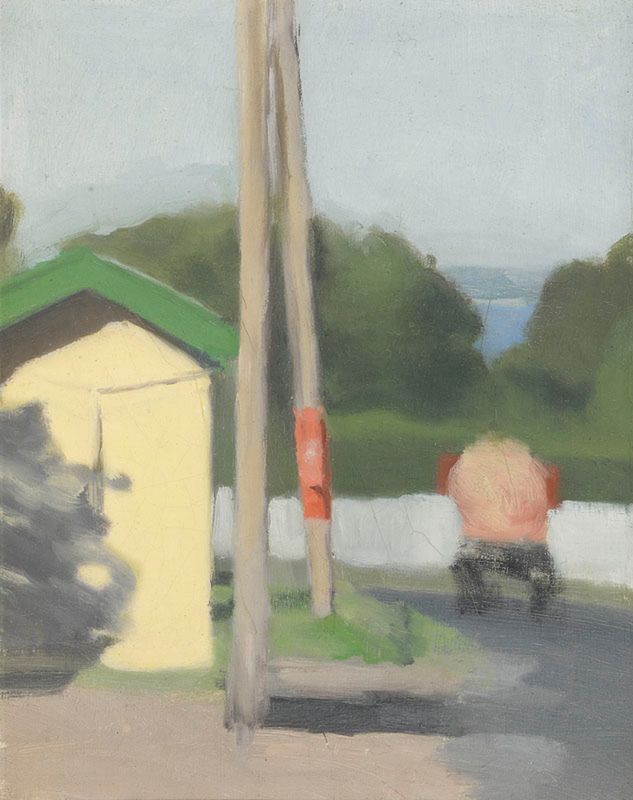
The blurred edges and soft focus, creating a dreamlike quality.
The subtle variations in grey and brown that define the bus stop structure.
The lone figure, almost a silhouette, waiting patiently.
The faint glow of streetlights, suggesting the time of day.
Stand in front of it and listen
The full narration walks you through The Bus Stop — the story behind it, the details most visitors miss, and why it matters. Free in the Art Whisper app.
Clarice Beckett
1887–1935 · AustraliaClarice Beckett captured the subtle, misty light of Melbourne's everyday scenes, becoming a quiet pioneer of Australian modernism.
Further Works by Beckett
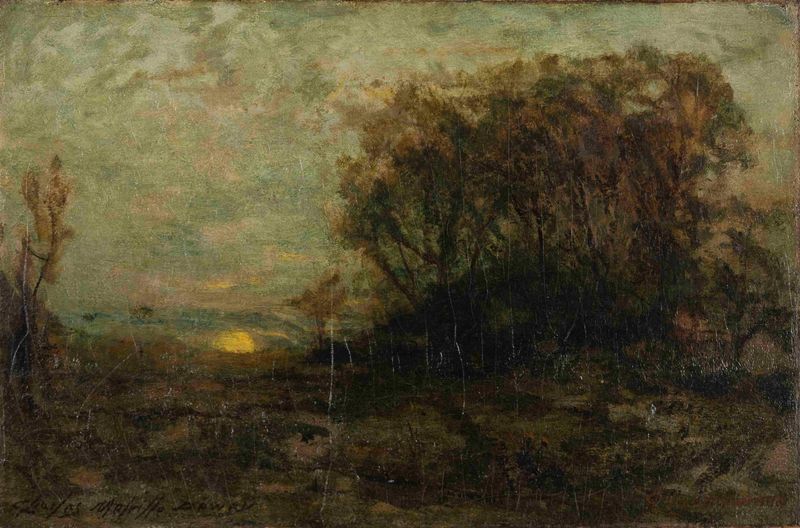 Evening landscape
National Gallery of Australia
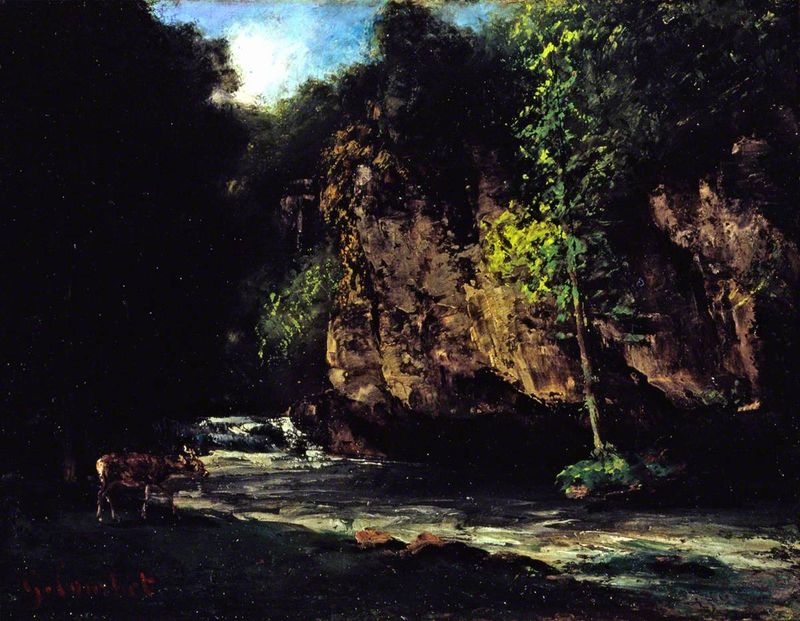 The stream
National Gallery of Australia
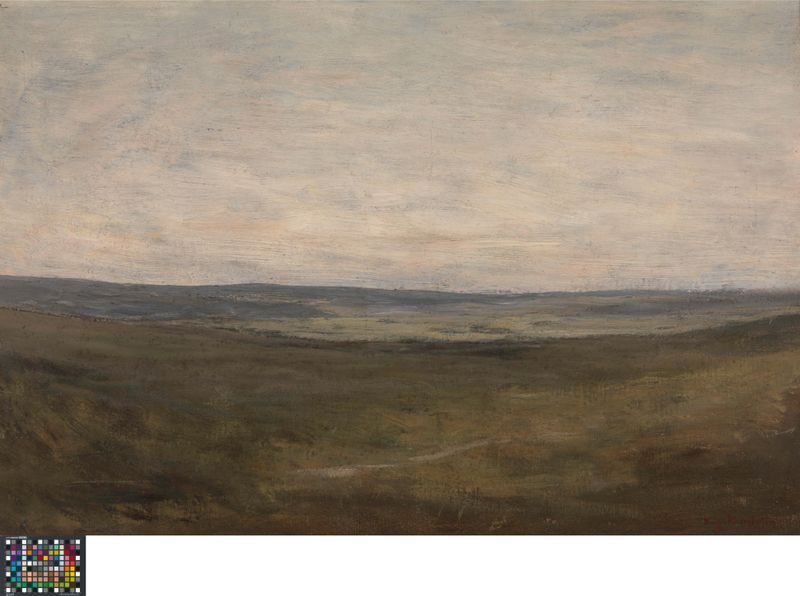 The plains
1926 · Art Gallery of South Australia
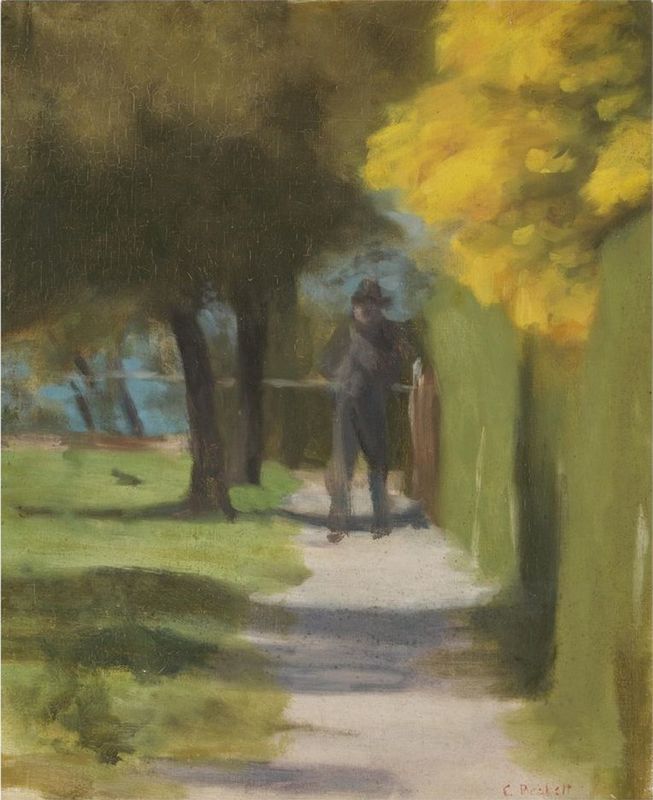 October morning
1927 · Art Gallery of South Australia
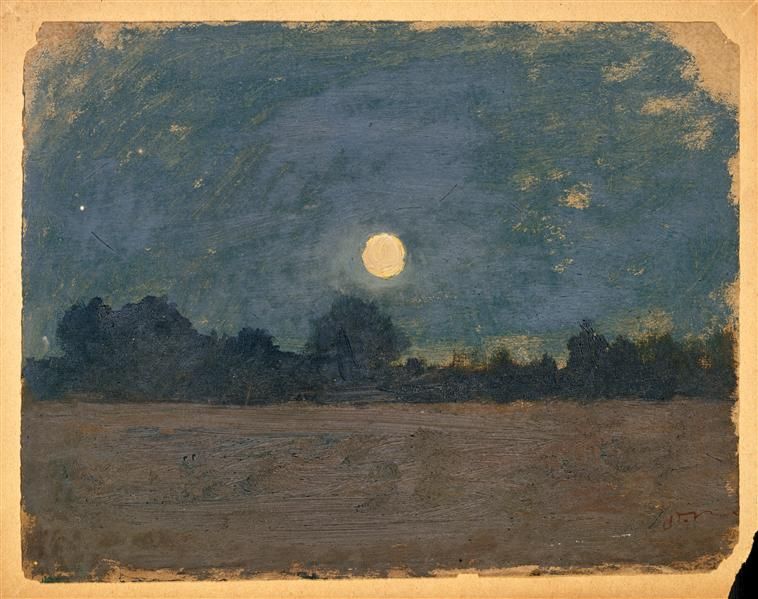 Nocturne
1931 · Art Gallery of South Australia
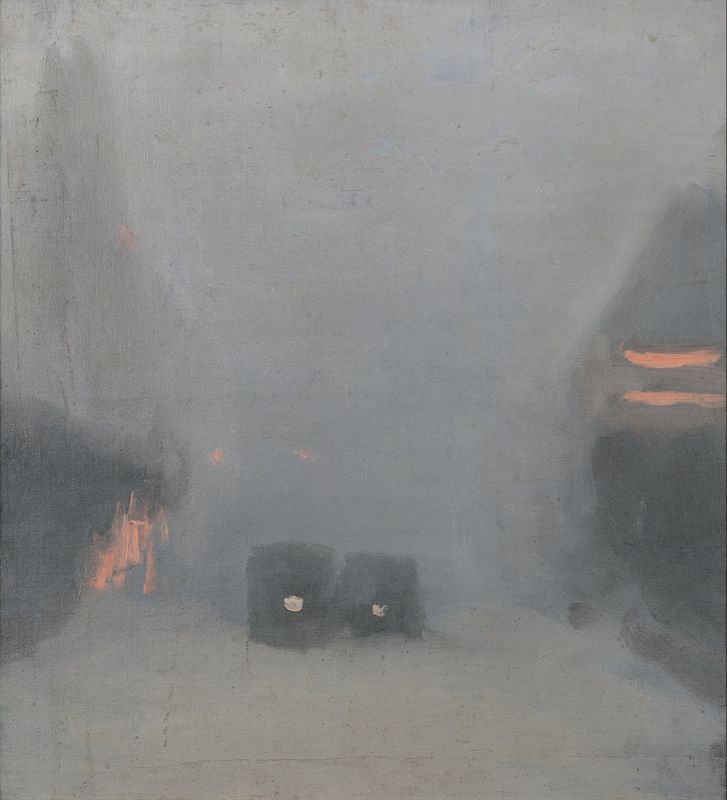 Passing trams
1931 · Art Gallery of South Australia
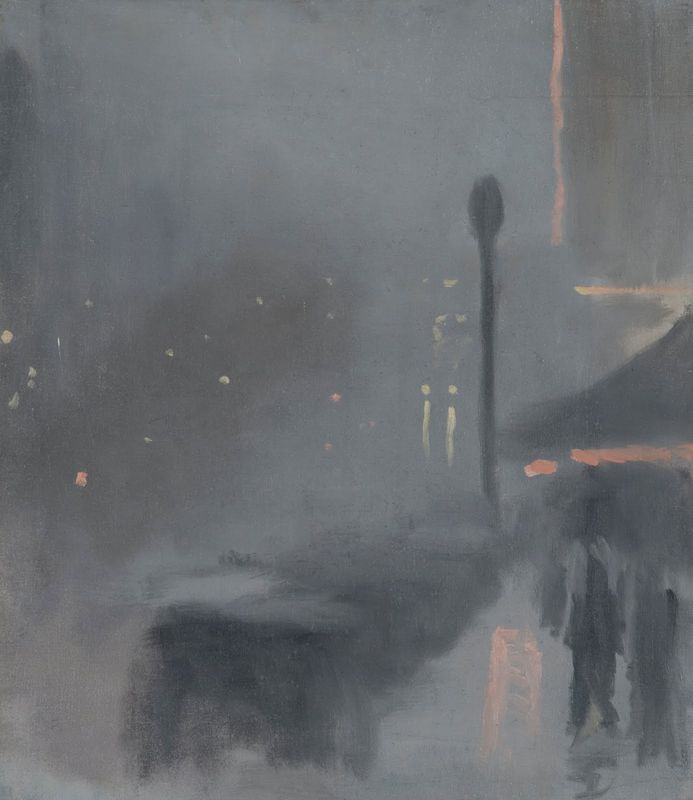 Taxi Rank
1931
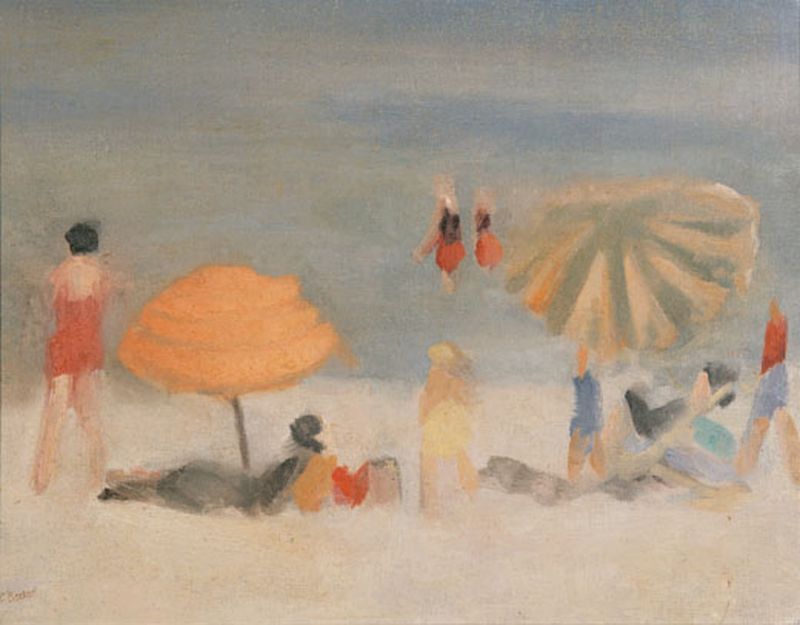 Beach scene
1932
More works to explore
Beyond Beckett: works from the same years.
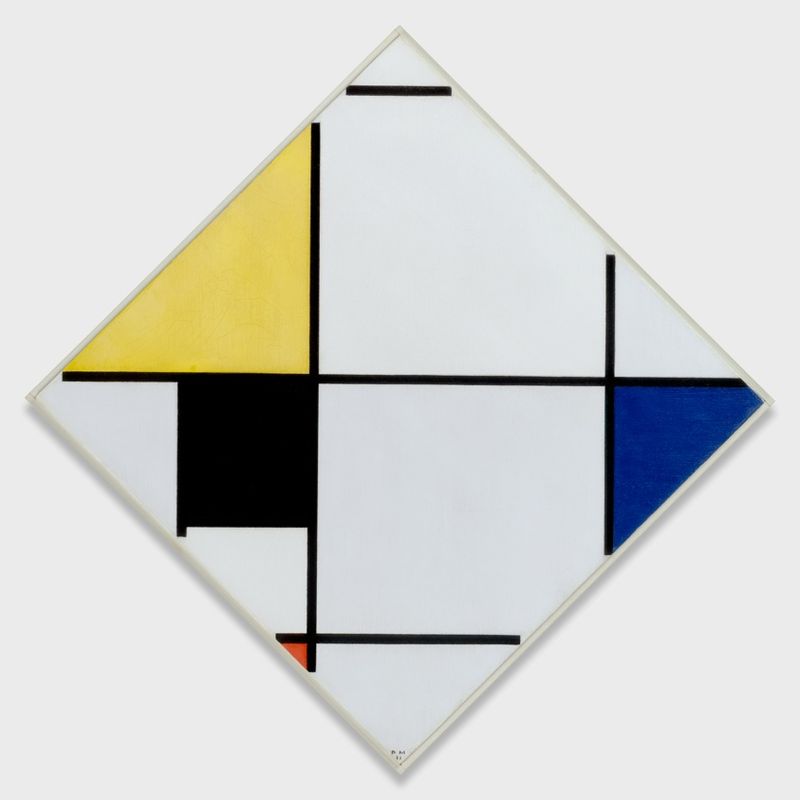 Same era · 1910s–1940s
Lozenge Composition with Yellow, Black, Blue, Red, and Gray
Piet Mondrian · 1921 · Art Institute of Chicago
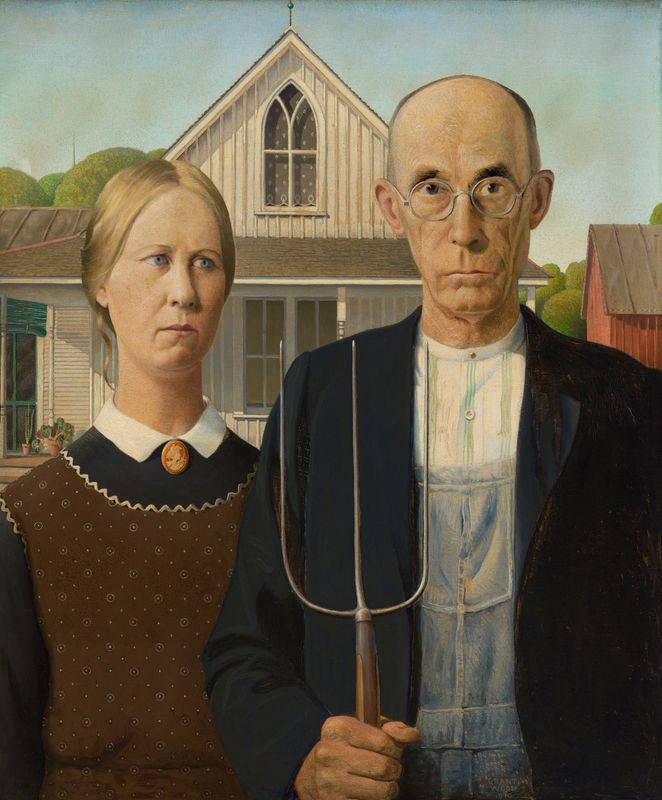 Same era · 1910s–1940s
American Gothic
Okada Saburosuke · 1930 · Art Institute of Chicago
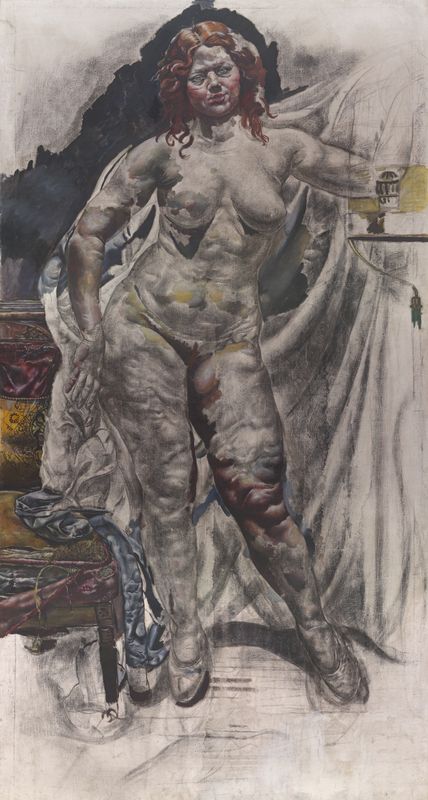 Same era · 1910s–1940s
Three Love Birds
Ivan Puni · 1930 · Art Institute of Chicago
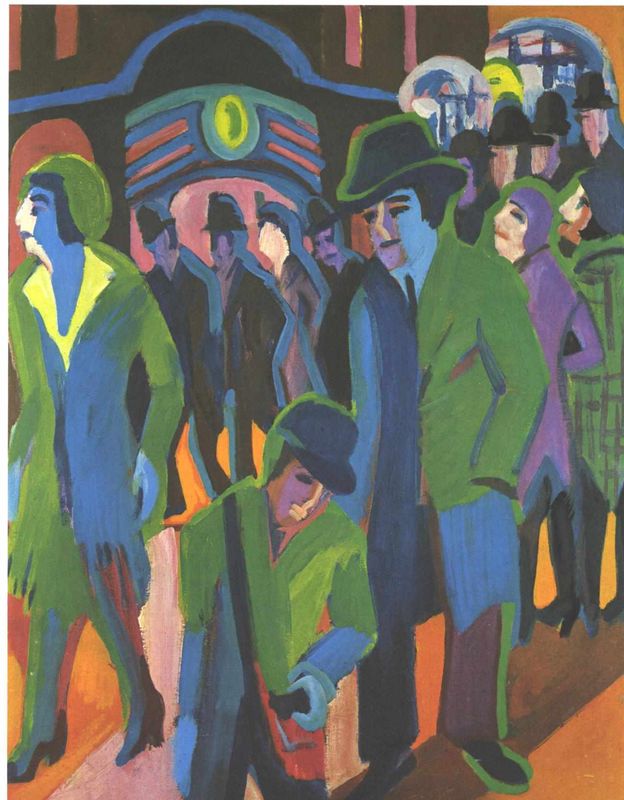 Same era · 1910s–1940s
Straße mit Passanten bei Nachtbeleuchtung
Ernst Ludwig Kirchner · 1927 · Museum Frieder Burda
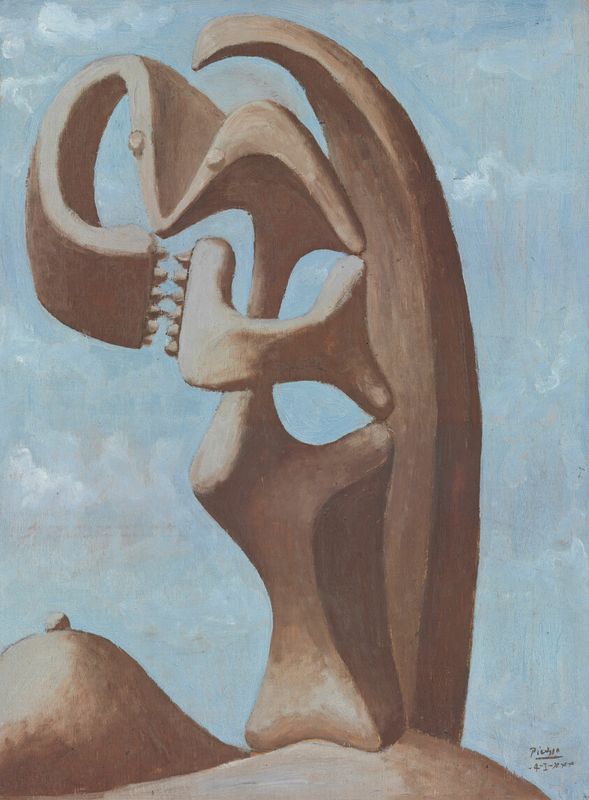 Same era · 1910s–1940s
Abstraction: Background with Blue Cloudy Sky
Pablo Picasso · 1930 · Art Institute of Chicago
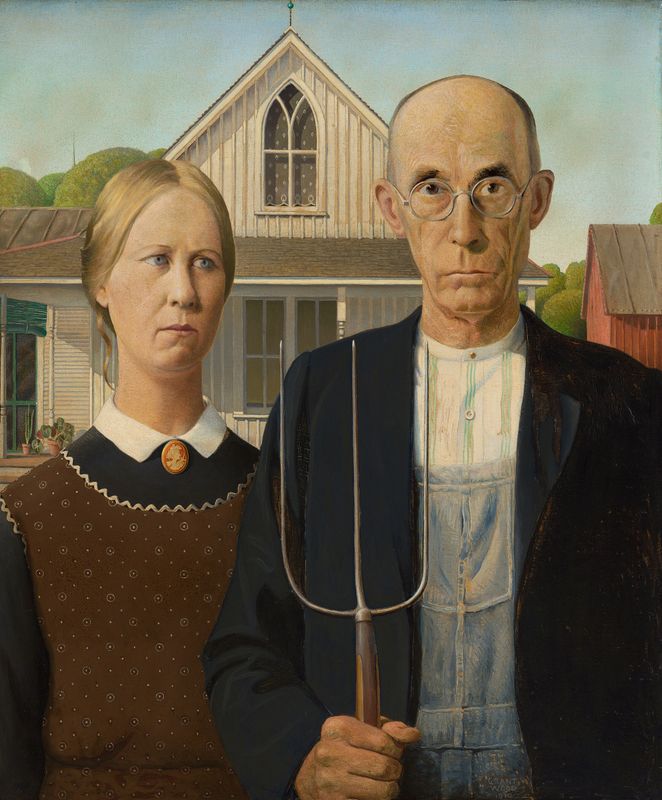 Same era · 1910s–1940s
American Gothic
Grant Wood · 1930 · Art Institute of Chicago
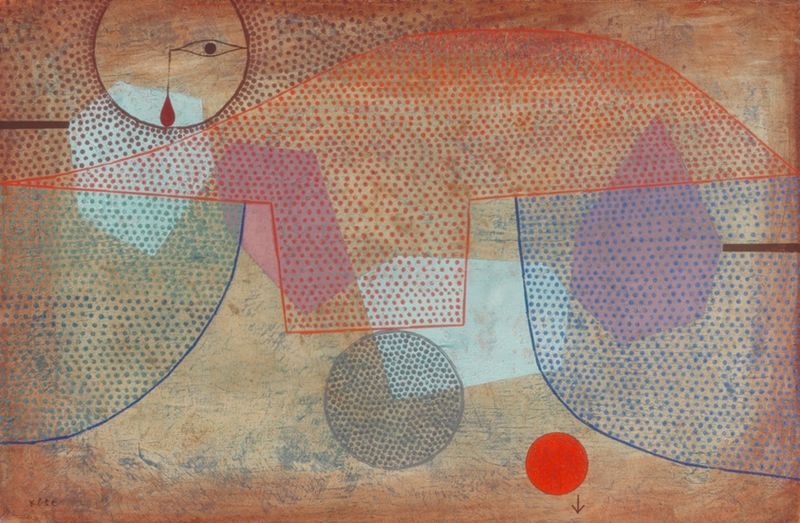 Same era · 1910s–1940s
Sunset
Paul Klee · 1930 · Art Institute of Chicago
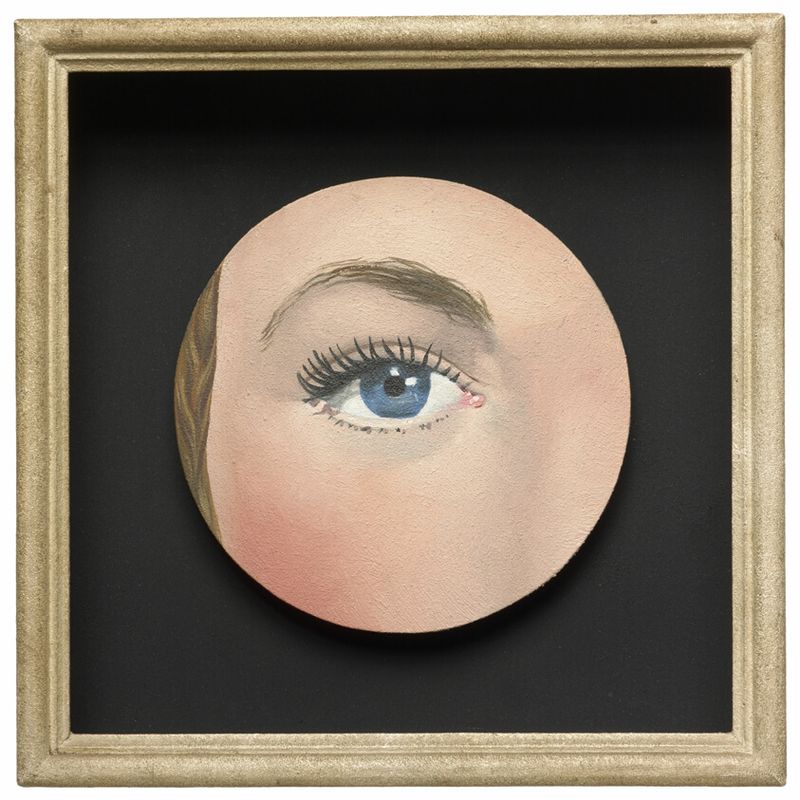 Same era · 1910s–1940s
The Eye
René Magritte · 1932 · Art Institute of Chicago
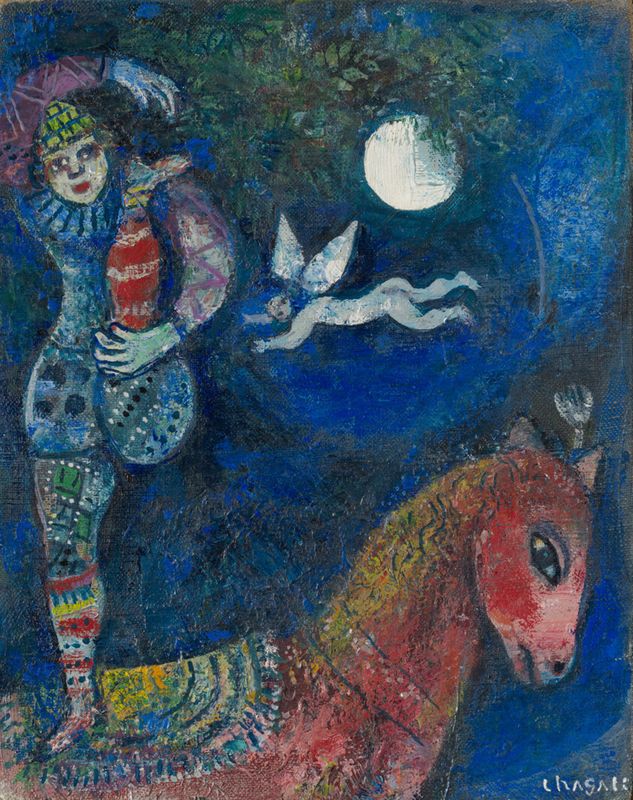 Same era · 1910s–1940s
The Circus Rider
Marc Chagall · 1927 · Art Institute of Chicago
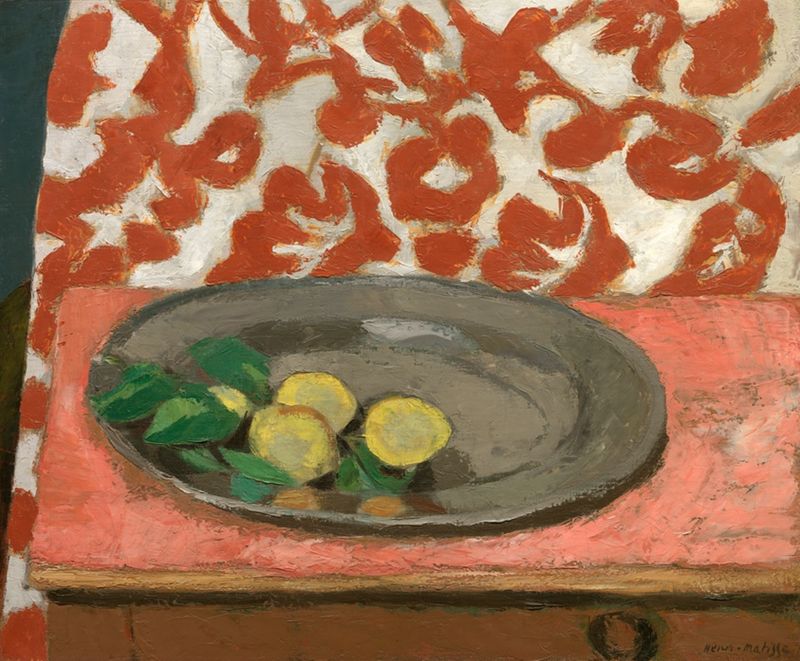 Same era · 1910s–1940s
Lemons on a Pewter Plate
Henri Matisse · 1926 · Art Institute of Chicago
 Same era · 1910s–1940s
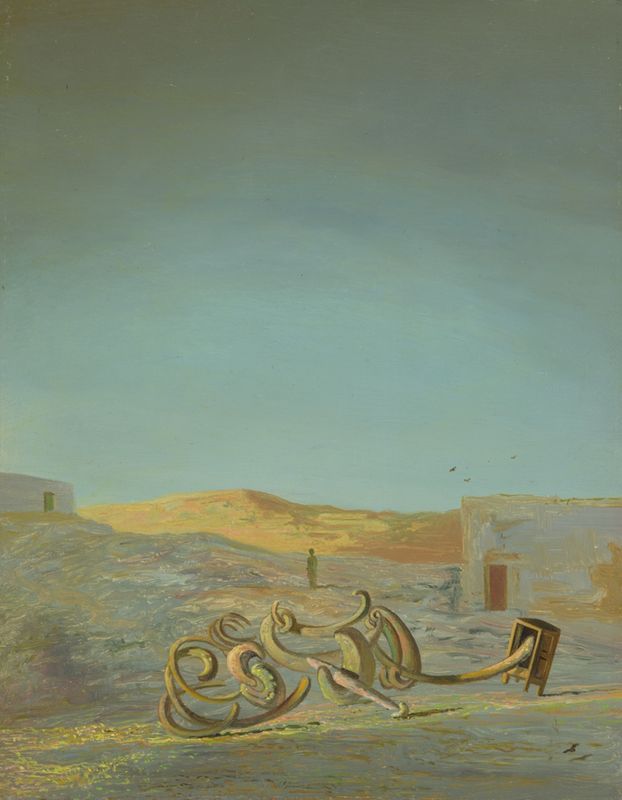
Untitled (Desert Landscape)
Salvador Dalí · 1934 · Art Institute of Chicago
 Same era · 1910s–1940s
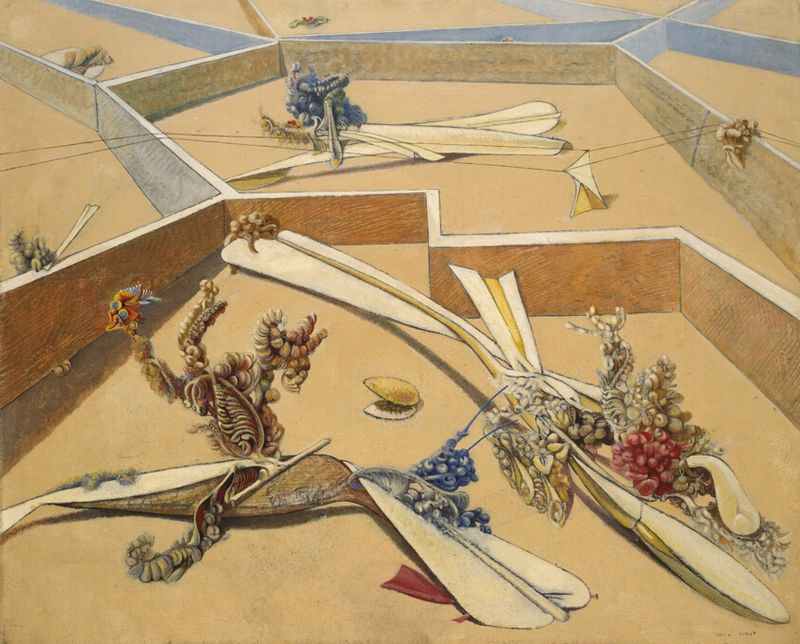
Garden Airplane-Trap
Max Ernst · 1935 · Art Institute of Chicago